 Intellect Plus
History
21,006 cards. Each one is a 40-second story with a five-minute read behind it. Page 349 of 351.
Subtopics: 19th century · 20th century · Africa · Age of Exploration · Ages & eras · Ancient · Ancient China · Ancient egypt · Ancient greece · Ancient rome · Ancient trade · Archaeological discoveries · Archaeology · Astronomy · Australia · Auxiliary historical sciences · Babylon · Basics · Born on this day · Bronze age · Buddhism · Case studies · Chefs, bartenders and winemakers · China · Cities · Climate · Columbus · Contemporary (1945-) · Cosmetics people · Crime · Criminals · Decipherment · Deep time · Disasters · Early modern · Education · Egypt · Empires · Empires & civilisations · Exploration · Explorers · Extinction · Fandom, conventions and festivals · History by continent and large region · History by continent and region · History by country · History by country, small region and city · History by ethnicity · History by subject matter · History by topic · Inca · India · Industrial Revolution · Japan · Kings & queens · London · Mass hysteria · Medicine · Medieval kingdoms · Medieval life · Mediterranean · Mercedes-Benz History · Mesopotamia · Middle ages · Military leaders and theorists · Military leaders, personnel, and theorists · Ming dynasty · Misconceptions · Modern · Modern (1800-1945) · Napoleon · Navigation · North africa · Other · Pacific · Pharaohs · Philippines · Pirates · Post-classical · Prehistory · Propaganda · Public health · Rebels, revolutionaries and activists · Renaissance · Researched · Second world war · Shipwrecks · Silk Road · South america · Tradespeople · UK & Ireland: history · United states · Vikings · Volcanoes · Women in history
 Japan’s Jōmon era lasted roughly fourteen thousand yearsBetween about 14,000 and 300 BC, the Japanese archipelago hosted Jōmon communities—diverse hunter-gatherers and early farmers who settled enough to build a dense material culture.…
 Sima Yan’s Jin dynasty briefly reunified Three Kingdoms ChinaFrom 266 to 420 CE the Jin Empire, founded by Sima Yan—Emperor Wu—succeeded Cao Wei. Western Jin (266–316) took Eastern Wu in 280 and ended the Three Kingdoms split, then tore its…
 Rome’s first five emperors were one adoptive family treeAugustus, Tiberius, Caligula, Claudius and Nero—the Julio-Claudians—ruled from 27 BC until Nero’s suicide in AD 68. The label blends two clans, the Julii Caesares and Claudii Nero…
 Ancient Armenia lasted from Alexander’s wake until 428 ADGreater Armenia spanned 331 BC to 428 AD under Orontid, Artaxiad and Arsacid dynasties. Born from an Achaemenid satrapy on Urartu’s ruins, it peaked under Tigranes the Great in th…
 Classical Iberia was a Georgian kingdom, not SpainGreco-Roman writers called Kartli—in today’s eastern Georgia—Iberia. The Caucasian kingdom swung between independence and Sassanid or Roman overlordship, adopted Christianity unde…
 Yuezhi nomads built an empire from Bactria to the GangesThe Kushan Empire (about 30–375 CE) began when Yuezhi migrants settled Bactria and expanded across Afghanistan, northern India, Pakistan and Central Asia. Chinese sources list the…
- Egypt’s Land of Punt shipped gold, incense and ebonyAncient Egyptian records praise Punt as a trading partner that sent gold, aromatic resins, blackwood, ebony, ivory and wild animals. Pharaoh Sahure launched a famous Fifth Dynasty…
 Late antiquity is the hinge from Rome to the Middle AgesHistorians carve a cultural era roughly 250–750 CE across the Mediterranean and Near East—not a sudden dark fall, but a remaking. German Spätantike, popularized by Alois Riegl, en…
- Lydia minted some of the world’s first coins from electrumIn western Anatolia’s Iron Age, Lydians built a rich kingdom around Sardis, famous for gold and for electrum coins dated to about the seventh century BCE. Croesus and Alyattes pus…
 A wounded Basque soldier founded the Jesuit orderIgnatius of Loyola—baptised under a Basque family name in the 1490s and dead in 1556—left soldiering for priesthood and, with six companions, founded the Society of Jesus. In Pari…
 Jan Hus preached reform in Prague—and died for it in 1415Czech theologian Jan Hus (about 1369–1415) attacked simony, contested Eucharist teaching and other Church practices from Charles University pulpits in Prague. Excommunicated, forc…
 A gold-rush merchant helped drive the Central PacificAmasa Leland Stanford (1824–1893)—attorney, industrialist, philanthropist, Republican politician—grew rich as a California merchant after 1852, then as a Central Pacific Railroad …
 Rome's richest man died on a doomed Parthian campaignMarcus Licinius Crassus (115–53 BC), often called Rome's richest man, bankrolled Julius Caesar and joined Pompey in the First Triumvirate. After a second consulship he governed Sy…
 Blackjack grew from Cervantes-era twenty-oneBlackjack, once black jack or vingt-un, is the world's most played casino banking game, using 52-card decks. Its English ancestor vingt-un has murky roots; Spanish veintiuno appea…
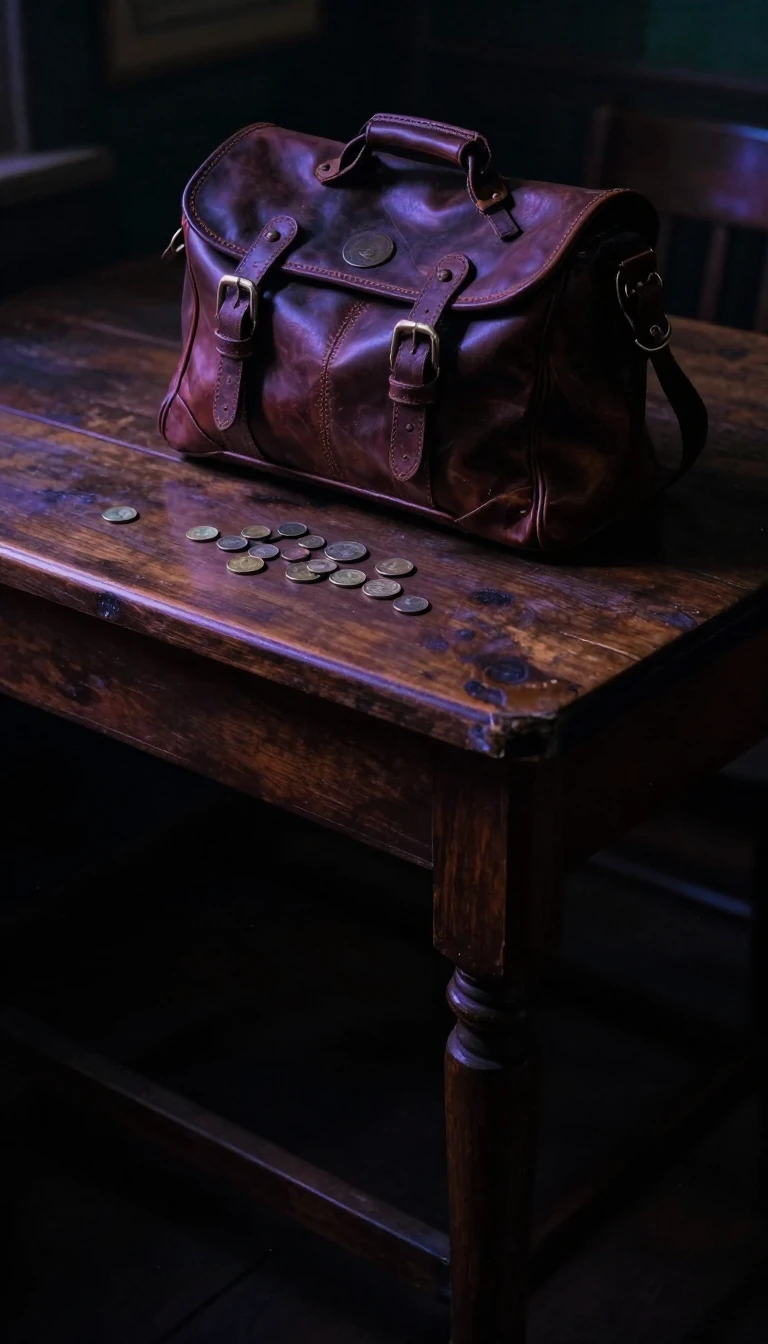 Purse once meant coins; handbag swallowed the restIn North America 'purse' often means what others call a handbag: a handled, medium-to-large carryall for personal items. Historically a purse was a small coin bag, and in much of …
 Hats once broadcast rank before they became optionalA hat covers the head for weather, ceremony, religion, safety, or style. Official records before 3000 BC are scarce, yet hats were probably already common, and for centuries they …
 Shell beads from 100,000 years ago count as jewelleryJewellery, from brooches and rings to necklaces and earrings, adorns the body with gems, metals, beads, or organic treasures like amber and coral. Nassarius shell beads about 100,…
 Moustache rode into English through French and GreekFacial hair grown above the upper lip defines a moustache, or mustache in the US. Styles have cycled for millennia, from Old Kingdom Egypt to Victorian soldiers, and the word itse…
 Rubber balls amazed Europeans only after ColumbusA ball is usually a sphere, sometimes an egg shape, and countless games follow wherever it goes. Rubber balls, now everywhere, were unknown outside the Americas until after Columb…
 Vietnam's founding dynasty begins in chronicle, not digsVietnamese historiography places the Hồng Bàng era from Kinh Dương Vương's rule over Văn Lang in 2879 BC until An Dương Vương's conquest in 258 BC. The name itself is a Sino-Vietn…
- Hellenistic means Greek culture after Alexander's deathFrom Alexander's death in 323 BC to Cleopatra VII's in 30 BC, Greek-led kingdoms stretched from the Mediterranean into Asia and Egypt. Art, science, and the koine Greek language p…
- Hittite is the oldest written Indo-European languageAnatolian Indo-Europeans built a Bronze Age superpower at Hattusa, matching Egypt and Assyria for influence. Their tongue, nešili, sits with Luwian as the earliest historically at…
 Attila's Huns raided Rome then vanished as a stateNomads from the Eurasian steppe reached the Volga by about 370 CE and shook Europe's frontiers. Under Attila they battered the Eastern Empire, fought Romans and Visigoths in Gaul …
 Greek kings ruled the Indus two centuries after AlexanderWhen Graeco-Bactrian Demetrius I pushed into India around 200 BC, Hellenistic states took root from Taxila to Sagala. Their coins mixed Greek and Indian scripts and gods; Menander…
 Saka horsemen replaced Greek kings in northwest IndiaIranic Scythian nomads drifted south from Central Asia into Afghanistan, eastern Iran, and the Indus world across the mid-second century BCE to the fourth century CE. Maues plante…
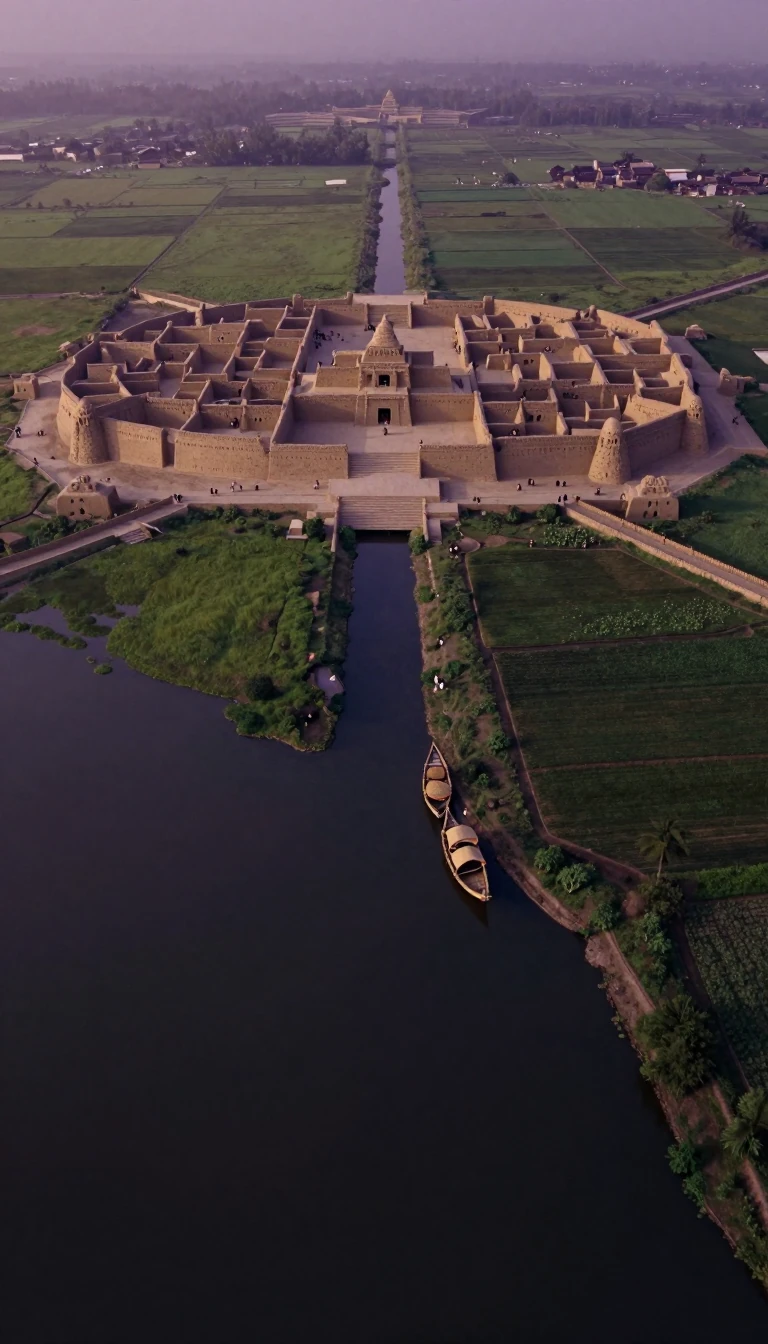 Harappa revealed a Bronze Age peer of Egypt and SumerFrom 3300 to 1300 BCE—mature between 2600 and 1900—the Indus Valley Civilisation ranked with Egypt, Mesopotamia, and China among the ancient world's great river cultures. Planned …
 Iron needed furnace heat bronze-age smiths rarely reachedEarth's crust is rich in iron, yet useful smelting demands temperatures above about 1,250 °C. That barrier kept most societies on bronze until the late second millennium BC—while …
 The Seraphic Doctor steered Franciscans and a councilBorn Giovanni di Fidanza around 1221, Bonaventure rose from Paris master to Minister General of the Franciscans and Cardinal Bishop of Albano. Canonized in 1482 and named a Doctor…
 Rome's Clement ordered Corinth to reinstate its eldersNear the year 100, Bishop Clement of Rome—counted among the Apostolic Fathers—wrote to Corinth after locals deposed their presbyters. His letter insists those elders rule by apost…
 Two brothers invented an alphabet so Slavs could prayConstantine and Michael of Thessalonica—remembered as Cyril and Methodius—answered Great Moravia's call in 862 with a script fitted to Slavic speech. Glagolitic came first; its de…
 Cyril's Ephesus council crushed Nestorius in 431Patriarch of Alexandria from 412 to 444, Cyril of Alexandria wrote fiercely on Christ's natures and chaired the Council of Ephesus that deposed Nestorius. Later ages crowned him P…
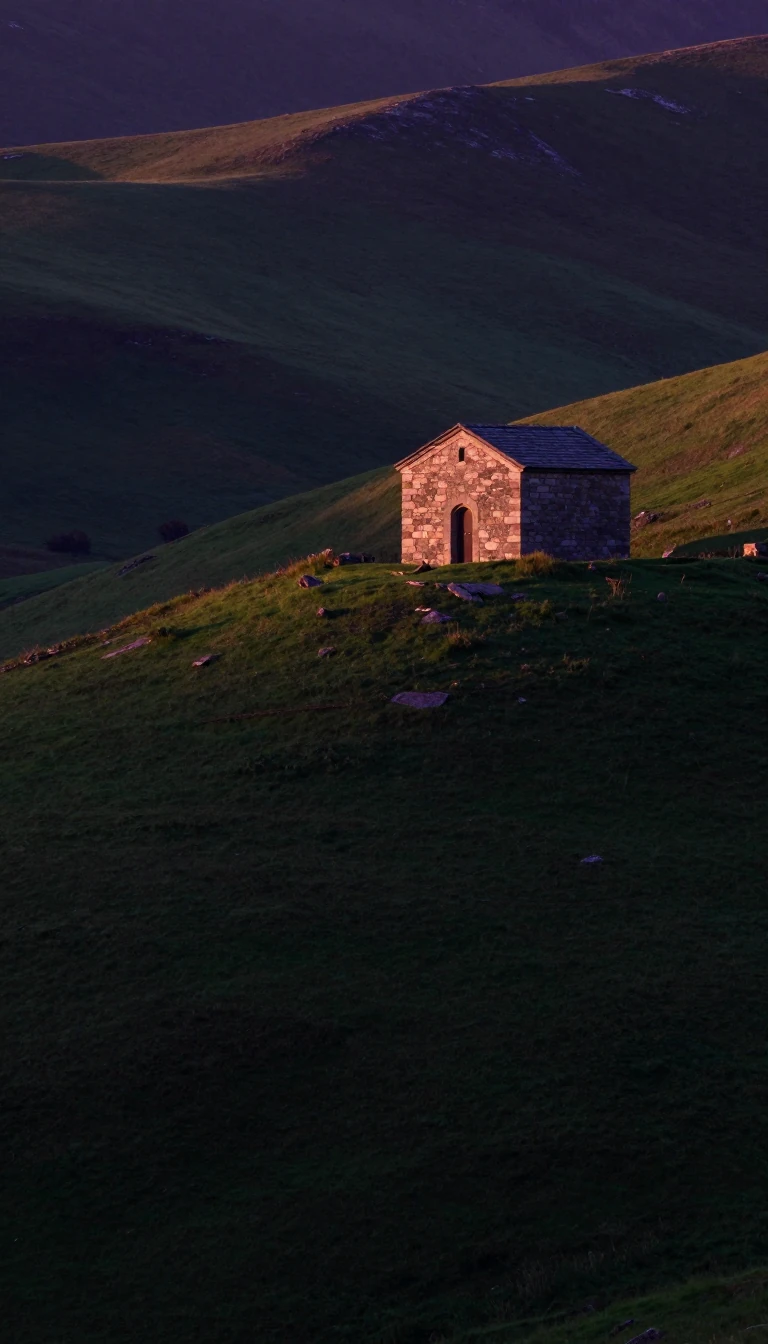 A silk merchant's son rebuilt chapels and an orderGiovanni di Pietro di Bernardone—Francis of Assisi—traded fine clothes for radical poverty, gathered friars, inspired Clare's Poor Clares, and even crossed to Egypt in 1219 seekin…
 A Navarrese noble became Asia's Jesuit pathfinderFrancis Xavier, born 1506 in Navarre, roomed with Ignatius of Loyola in Paris and joined the first Jesuits' 1534 vows. As Portugal's man in the East he missionized India, tried Ja…
 Hollywood fled west to escape Edison's patent policeAmerica's movie capital did not begin in California. Early studios clustered in Fort Lee, New Jersey, until inventors' patents made filming near New York risky. Mild winters, vari…
 Caesar's calendar year of confusion lasted 445 daysJulius Caesar fixed Rome's drifting seasons with a 365-day solar year and a leap day every four years. The scheme ruled the West for sixteen centuries before its small yearly erro…
 Buttons began as jewellery, not shirt fastenersShell discs at Mohenjo-daro may be five thousand years old, yet they ornamented cloth long before anyone punched a buttonhole. Medieval Europeans still relied on toggles and lacin…
 Coats outlasted capes when cloth got cheaperEnglish has called outer upper-body garments coats since about 1300, yet the fitted, front-fastening cut may be millennia older, turning up with the Tarim mummies and with Ötzi th…
 A shower curtain launched the disposable diaper eraMarion Donovan stitched army-surplus nylon into the Boater cover and sold waterproof diapers at Saks in 1949—then sold her patent for one million dollars. Her paper disposable des…
 Medieval dresses once had sleeves wider than doorsEleventh-century European women wore loose ankle-length tunics over chemises, then laced slits tight at waist and arm. By century's end cuffs ballooned to several feet around. Fiv…
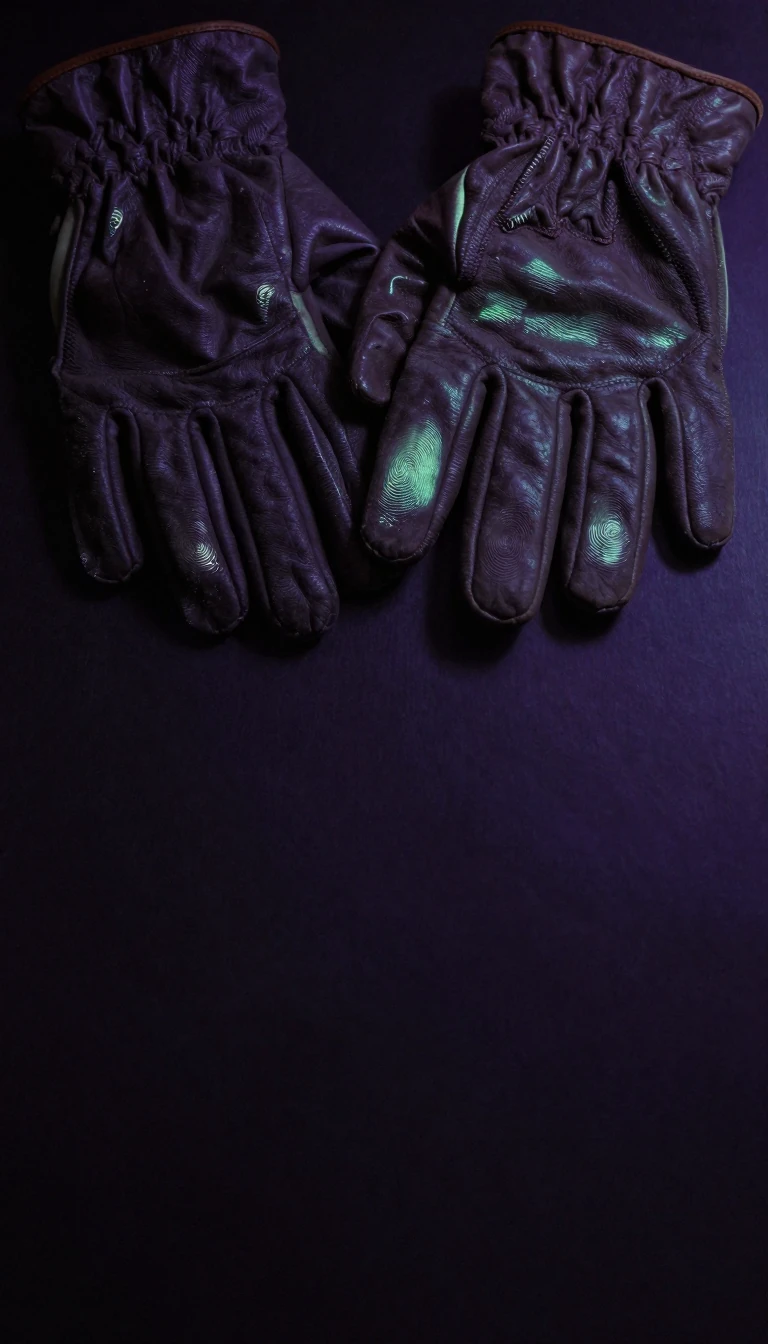 Gloves leave fingerprints as unique as skinCriminals don gloves to hide prints—yet the gloves themselves can identify them just as precisely. From Egyptian tomb paintings to Elizabeth I flaunting jewelled hands at court, t…
 One journalist overturned New York's pinball banIn 1976 Roger Sharpe called a shot to a specific lane before city councillors, proving flippers made pinball skill—not chance. Arcade operators have fought that label ever since, …
 Asia's Olympic-scale games were born in 1949At the 1948 London Olympics, Indian IOC delegate Guru Dutt Sondhi proposed a continental festival to show post-colonial unity without war. New Delhi hosted the first Asiad in 1951…
 Germany turned clocks forward in 1916 to save coalShifting summer clocks by one hour is meant to stretch daylight into the evening. Yet the idea took decades to catch on, farmers often hated it, and energy savings remain disputed…
 Ten days vanished when Europe switched calendars in 1582Pope Gregory XIII did not invent a new calendar from scratch. He trimmed the Julian drift with a clever leap-year rule and deleted ten days overnight so Easter would stay tied to …
 Etruscans built Italy's towers before Rome swallowed their leagueBy about 900 BC the Villanovan Iron Age already looked Etruscan. Their federation of cities peaked around 500 BC across Tuscany, Umbria, northern Lazio, and beyond. Rome won the l…
- Rome did not fall in a day—control drained until 476In 376 Goths fleeing the Huns crossed into the empire and could not be crushed. After Theodosius I died in 395, weak sons and civil war left the West brittle. By 476 the western e…
 The crescent between deserts gave civilization its first farmsThe name Fertile Crescent is modern, coined by James Henry Breasted around 1914. Yet this Middle Eastern arc between the Tigris, Euphrates, and Jordan rivers hosted the world's fi…
- Caesar conquered Gaul in eight years and rewrote the story himselfBetween 58 and 50 BC Julius Caesar fought Gallic, Germanic, and Brittonic tribes across present-day France, Belgium, and Switzerland. Vercingetorix united the Gauls too late; Ales…
- Germanic Goths sacked Rome then split into kingdoms across EuropeFirst mentioned in the third century AD north of the Lower Danube, the Goths raided Rome, defeated imperial armies at Adrianople in 378, and sacked the city itself in 410. Visigot…
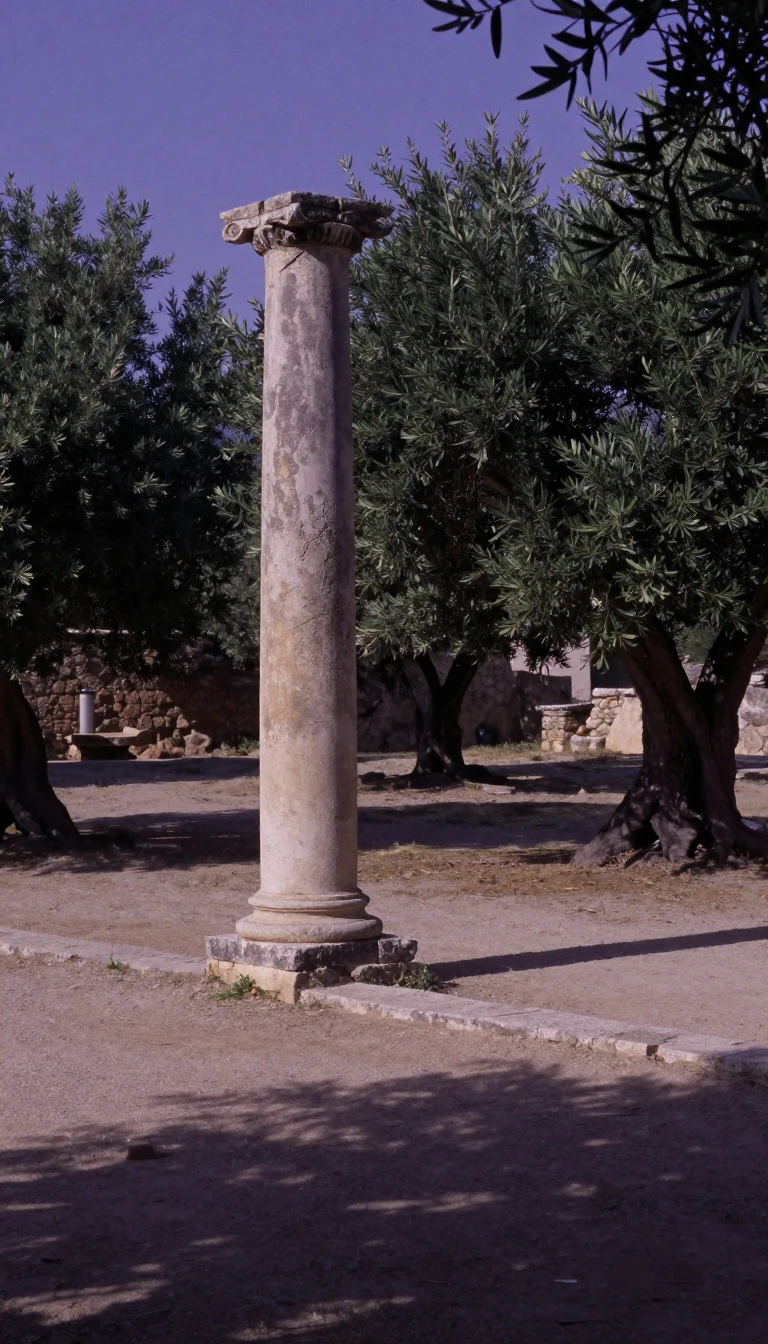 Tiny Greek cities stopped the world's largest empire for fifty yearsFrom 499 to 449 BC Greek city-states fought the Achaemenid Empire after Persia conquered Ionia. Marathon in 490 BC, Thermopylae and Salamis in 480 BC, and Plataea in 479 BC turned…
 India's Gupta era fixed the great epics and nurtured Kalidasa and AryabhataFrom the mid-third to mid-sixth century CE the Gupta dynasty ruled much of northern India. Under Samudragupta, Chandragupta II, and Kumaragupta I, scholars like Kalidasa and Aryab…
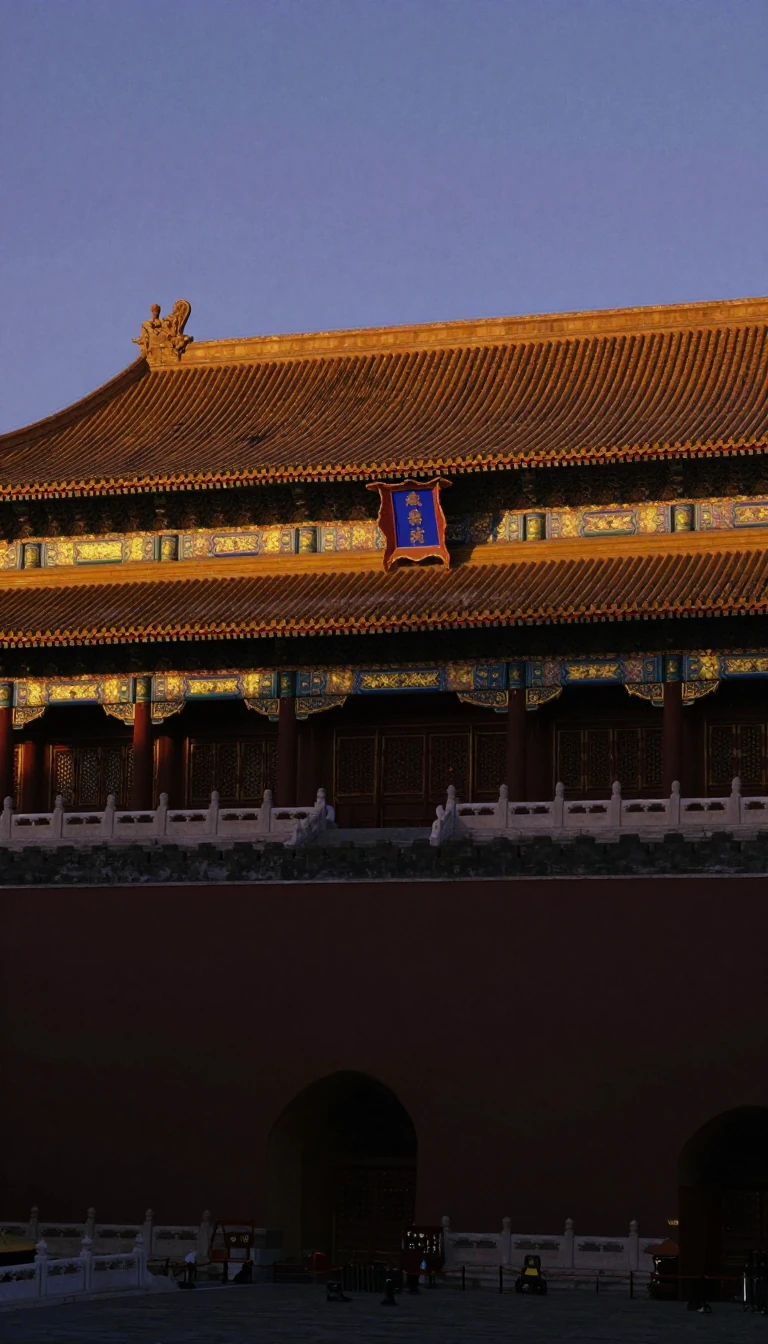 The Han dynasty named China and invented paper, seismometers, and silk roadsLiu Bang's Han dynasty ruled from 202 BC to 220 AD, interrupted only by Wang Mang's Xin dynasty from 9 to 23 AD. Modern Chinese call themselves Han people and their language Han. …
 A poisoned monk wrote the rule that shaped a thousand European monasteriesBenedict of Nursia, born around 480, abandoned Roman studies for cave solitude at Subiaco, survived two poisoning attempts, founded twelve monasteries, and built Monte Cassino aro…
 Olympic truces let Greek athletes cross enemy bordersThe ancient Olympics gathered Greek city-states in festival games rooted in myth—Heracles, Pelops, and divine patronage all claimed credit. Organizers proclaimed the ekecheiria tr…
 Heine's exile made him Europe's witty liberal symbolHeinrich Heine (1797–1856), born Harry into a Düsseldorf Jewish family, became Germany's sharpest lyric ironist. Early Romantic songs made him famous abroad; later satire got his …
- Classical antiquity spans thirteen centuries of Mediterranean cultureConvention pins classical antiquity between Homer's eighth-century BC epics and the Western Roman Empire's fall in 476 AD. Greek culture, mixed with Near Eastern influences, shape…
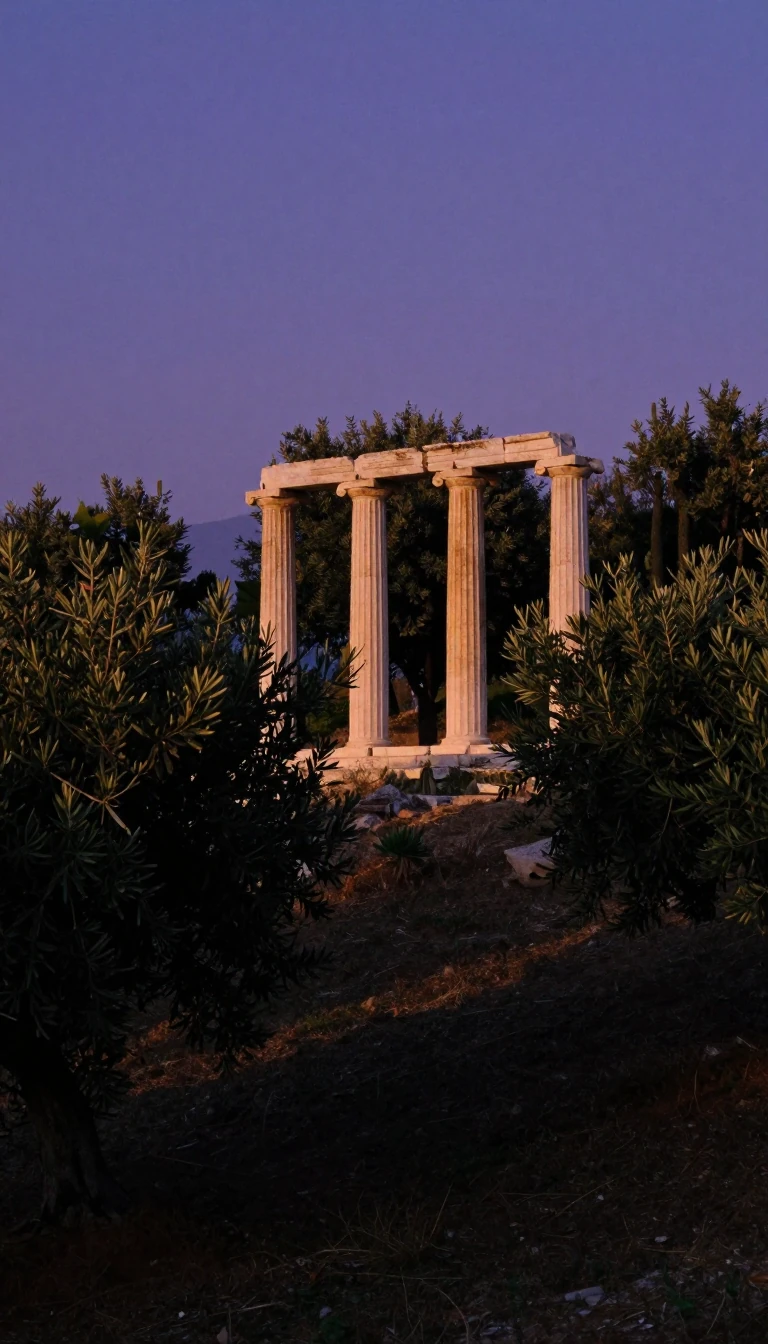 Athenian democracy began in 508 BC and funded a silver fleetAthens, the Attic polis, installed democracy in 508 BC and kept forms of it for centuries. Victory at Marathon and later Salamis and Plataea lifted its prestige. Laurion silver th…
- Clovis hunters left fluted points across North AmericaFor a brief window about 13,050 to 12,750 years ago, Clovis groups spread distinctive stone points across North America. They hunted megafauna as mobile foragers. A teenager's 192…
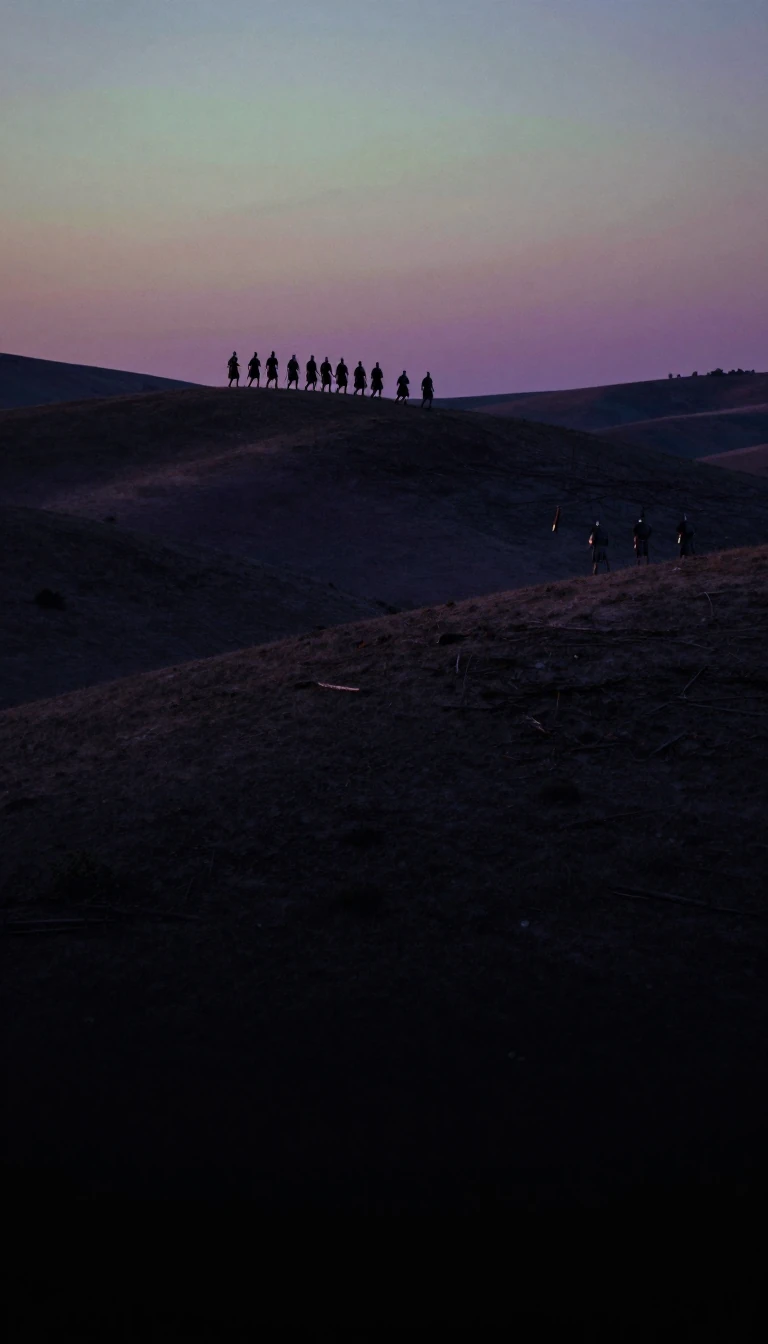 Rome nearly broke apart under twenty-six rival emperorsFrom 235 AD, after troops murdered Severus Alexander, the Roman Empire staggered through invasions, plague, and civil war. At least twenty-six men claimed the purple. Aurelian's r…
- Were the Dacians named for wolves?Dacians were Indo-European peoples of the Carpathian region later called Dacia. Greeks often wrote Getae; Romans said Daci. By the late first century AD, most inhabitants of lands…