 Intellect Plus
History
21,006 cards. Each one is a 40-second story with a five-minute read behind it. Page 345 of 351.
Subtopics: 19th century · 20th century · Africa · Age of Exploration · Ages & eras · Ancient · Ancient China · Ancient egypt · Ancient greece · Ancient rome · Ancient trade · Archaeological discoveries · Archaeology · Astronomy · Australia · Auxiliary historical sciences · Babylon · Basics · Born on this day · Bronze age · Buddhism · Case studies · Chefs, bartenders and winemakers · China · Cities · Climate · Columbus · Contemporary (1945-) · Cosmetics people · Crime · Criminals · Decipherment · Deep time · Disasters · Early modern · Education · Egypt · Empires · Empires & civilisations · Exploration · Explorers · Extinction · Fandom, conventions and festivals · History by continent and large region · History by continent and region · History by country · History by country, small region and city · History by ethnicity · History by subject matter · History by topic · Inca · India · Industrial Revolution · Japan · Kings & queens · London · Mass hysteria · Medicine · Medieval kingdoms · Medieval life · Mediterranean · Mercedes-Benz History · Mesopotamia · Middle ages · Military leaders and theorists · Military leaders, personnel, and theorists · Ming dynasty · Misconceptions · Modern · Modern (1800-1945) · Napoleon · Navigation · North africa · Other · Pacific · Pharaohs · Philippines · Pirates · Post-classical · Prehistory · Propaganda · Public health · Rebels, revolutionaries and activists · Renaissance · Researched · Second world war · Shipwrecks · Silk Road · South america · Tradespeople · UK & Ireland: history · United states · Vikings · Volcanoes · Women in history
 Gravity’s century turned philosophy into physicsPhysics studies matter and energy—topics ancients debated without separating cause from superstition. The seventeenth-century Scientific Revolution, especially gravity’s law, bega…
 Athens dominates textbooks; Zhou China had schools tooPolitical thought’s history spans methods and ideas across philosophy, law, history, and political science. Western surveys elevate Athenian democracy and Socrates, Plato, and Ari…
 Leipzig 1854: Fechner’s experiments launch a sciencePsychology, the science of behavior and mental processes, had philosophical roots in Egypt, Persia, Greece, China, and India. Experimental study began in 1854 Leipzig when Gustav …
 Egypt and Mesopotamia seeded what Greece formalizedHistory of science tracks natural, social, and formal sciences from antiquity—plus Bronze and Iron Age protosciences like alchemy and astrology. Egypt and Mesopotamia in the third…
 Neolithic farms made mass chattel slavery likelierSlavery’s history crosses cultures and faiths from antiquity to now, with victims of many ethnicities and statuses that varied wildly by system. Hunter-gatherers sometimes held he…
 Huizinga said play is older than culture itselfGames formalize play across every culture, carrying worldviews, teaching skills, and marking status—sometimes as royal court pastimes. In Homo Ludens (1938), Johan Huizinga called…
 Economics began as philosophy, not a separate scienceLong before textbooks, Hesiod weighed scarce means against endless wants, Aristotle preferred private property with common use, and Aquinas demanded a just price. Economics only p…
 Projected movies arrived decades after motion toysBefore the Lumière brothers' paying Paris show on 28 December 1895, phantasmagoria, phenakistiscopes, Muybridge's famous horse studies, and Edison's peep-box Kinetoscope already t…
 Most diggers lost; merchants and nations gainedNineteenth-century gold rushes from California to Australia and the Witwatersrand pulled fortune-seekers across oceans. Mining itself rarely paid most diggers, yet new gold stock …
 Farming began in at least eleven separate cradlesAgriculture arose independently across the Old and New Worlds in at least eleven centers. About twelve thousand years ago, some humans left nomadic foraging for settled fields. Wi…
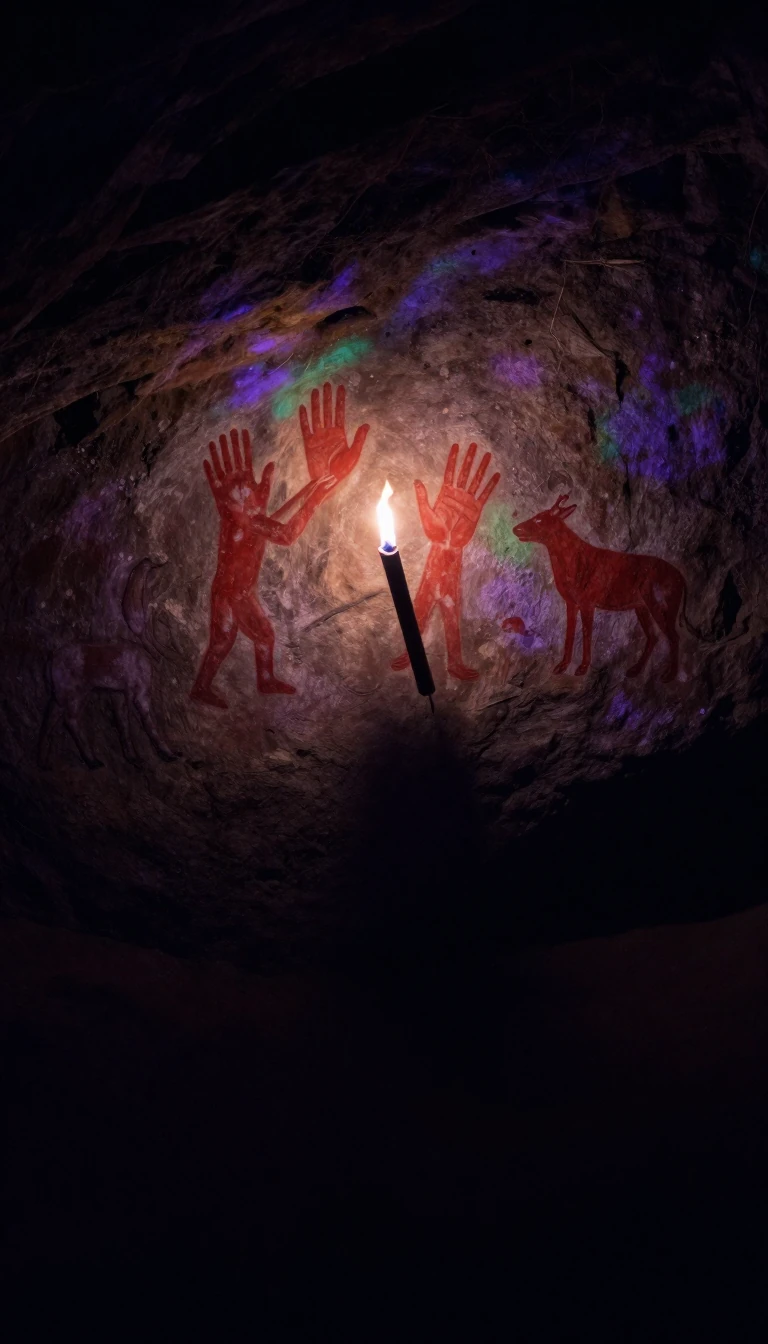 Ice Age figurines still count among humanity’s oldest artPaint containers from Middle Stone Age South Africa may reach one hundred thousand years back. Carved Swabian Jura figurines and flutes fall between about forty-three thousand and…
 A Scottish pit calendar may be eight thousand BCE oldAstronomy ranks among the oldest sciences, with Babylonian records near 1000 BCE and deeper prehistoric sky tools. Scotland’s Warren Field monument, dated around 8000 BCE, may be …
 The word atheist is early modern; the doubt is ancientEnglish borrowed atheist by 1566 and atheism by about 1587, but godless philosophies are far older. Greek átheos once meant impious before it marked denial of gods. In India, Char…
 Piloted flight began with balloons, not airplanesChinese kites may be the oldest human flight machines, centuries before the Common Era. Leonardo sketched flying devices that stayed unworkable. Real piloted ascent came in 1783 F…
 Biology became one field only in the nineteenth centuryPeople studied plants, animals, and bodies for millennia, yet biology as a unified science crystallized in the 1800s. Aristotle dissected dozens of species; Leeuwenhoek opened a m…
 Ashoka’s pillars carried Dharma to Greek kingsBuddhism begins in fifth-century BCE Magadha with Siddhārtha Gautama, the Shakyamuni. After awakening he taught for forty-five years and died at eighty with thousands of followers…
 Chemistry grew from fire, ores, and failed alchemyBy 1000 BCE, societies already smelted metals, glazed pottery, fermented drinks, and rendered soap—practical chemistry without the name. Alchemy could not explain matter, yet its …
 From household meals to two billion adherentsChristianity began with Jesus, crucified in Jerusalem about 30–33 CE, and a few hundred early believers. By the year 100, roughly one hundred house churches averaged seventy membe…
 Speech came first; writing waited tens of millenniaHuman speech likely began around 100,000 BCE, yet symbols for lasting messages appear only about 30,000 years ago. Cave art at Chauvet, petroglyphs, pictograms, and finally Sumeri…
 Before chips, we counted on bones, abaci, and gearsThe Lebombo bone, notched some 35,000 years BCE, may be the oldest math artifact. From Babylonian abaci and the Antikythera mechanism to Pascal's calculator and Jacquard's punched…
 Vietnam’s deltas nurtured rice states for millenniaHunter-gatherers reached the region at least forty thousand years ago. By the first millennium BCE the Đông Sơn culture centered wet-rice chiefdoms of Văn Lang and Âu Lạc. After H…
 Mieszko’s 966 baptism marks Poland’s symbolic birthWest Slavic Polans gave Poland its name on the North-Central European Plain. Duke Mieszko I adopted Western Christianity in 966, and his son Bolesław I was crowned the first king …
 Portugal's borders froze after the Algarve fell in 1249Afonso Henriques proclaimed himself king in 1139 after Portugal split from Galicia in 1095. The Algarve was taken from Muslim rule in 1249, Lisbon became capital in 1255, and the …
 Varangians, Kiev, then Moscow gathered the Russian landsRussian chronology often starts with the Rus’ state in 862 under Varangian rulers. Prince Oleg took Kiev in 882, uniting northern and southern East Slavs. Christianity from Byzant…
 Islam’s birthplace became a kingdom only in 1932Modern Saudi Arabia unites Hejaz, Najd, Al-Ahsa, and Asir. Ibn Saud took Riyadh in 1902 and proclaimed the kingdom in 1932. Oil struck on 3 March 1938 turned desert provinces into…
 From Taung Child to apartheid’s negotiated endSouthern Africa cradled human evolution: Australopithecus finds and Klasies River modern humans about 125,000 years ago. Dutch settlers arrived at the Cape in 1652; diamonds and g…
 1492 fused Granada’s fall with Columbus’s first voyageRome named the whole peninsula Hispania. After Visigothic rule and the 711 Umayyad conquest, Christian kingdoms pushed back across Al-Andalus. Isabella and Ferdinand joint reign i…
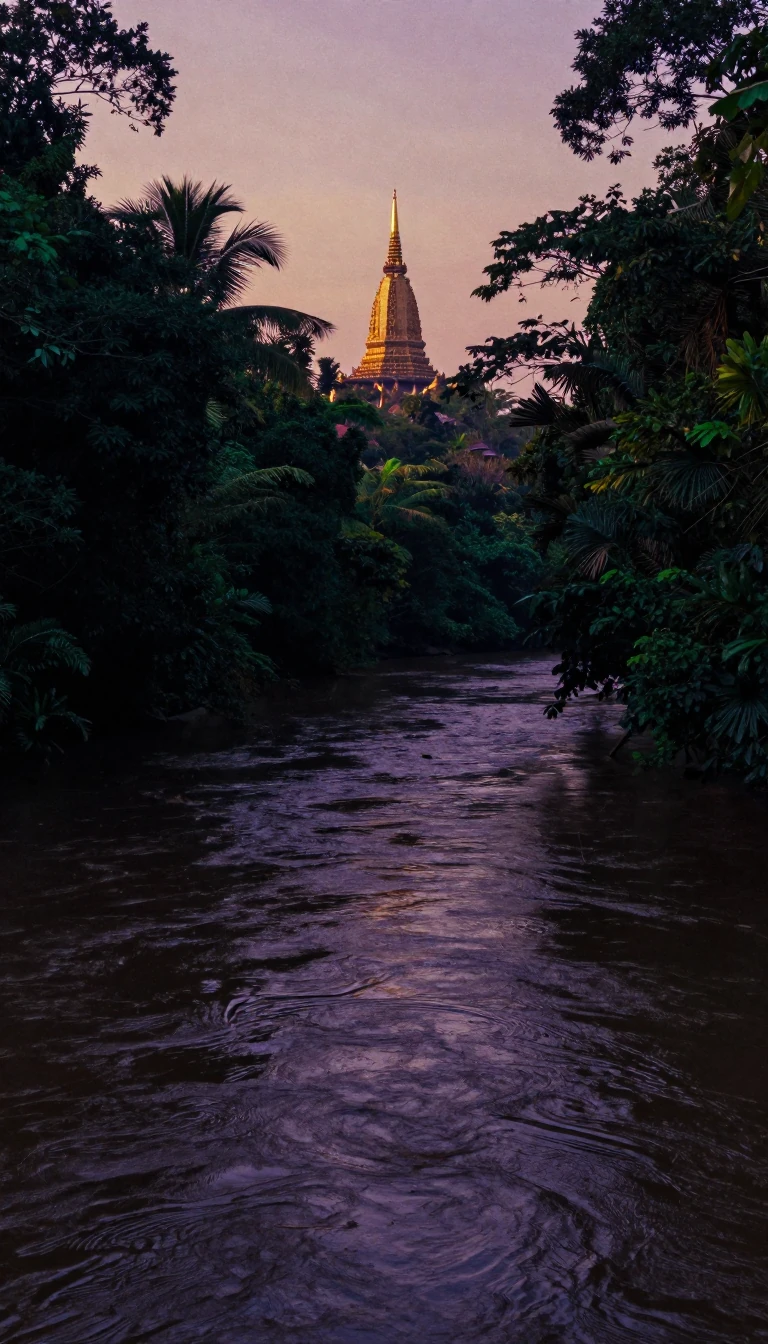 Siam stayed free while neighbors fell to empiresSpeakers of Kra-Dai languages left southern China for Mainland Southeast Asia across the eighth to tenth centuries, with a larger influx in the thirteenth as Mongol armies pressed…
 Doggerland sank—and Britain became an island foreverHumans reached the British Isles by about 900,000 years ago at Happisburgh. Continuous occupation dates from the early Holocene around 11,700 years ago. Rising seas drowned Dogger…
 Austronesians from Taiwan peopled an ancient archipelagoHominins left tools in Kalinga by 709,000 years ago; Homo luzonensis lived on Luzon by about 134,000 years. Tabon Cave holds modern humans near 47,000 years old. Seafaring Austron…
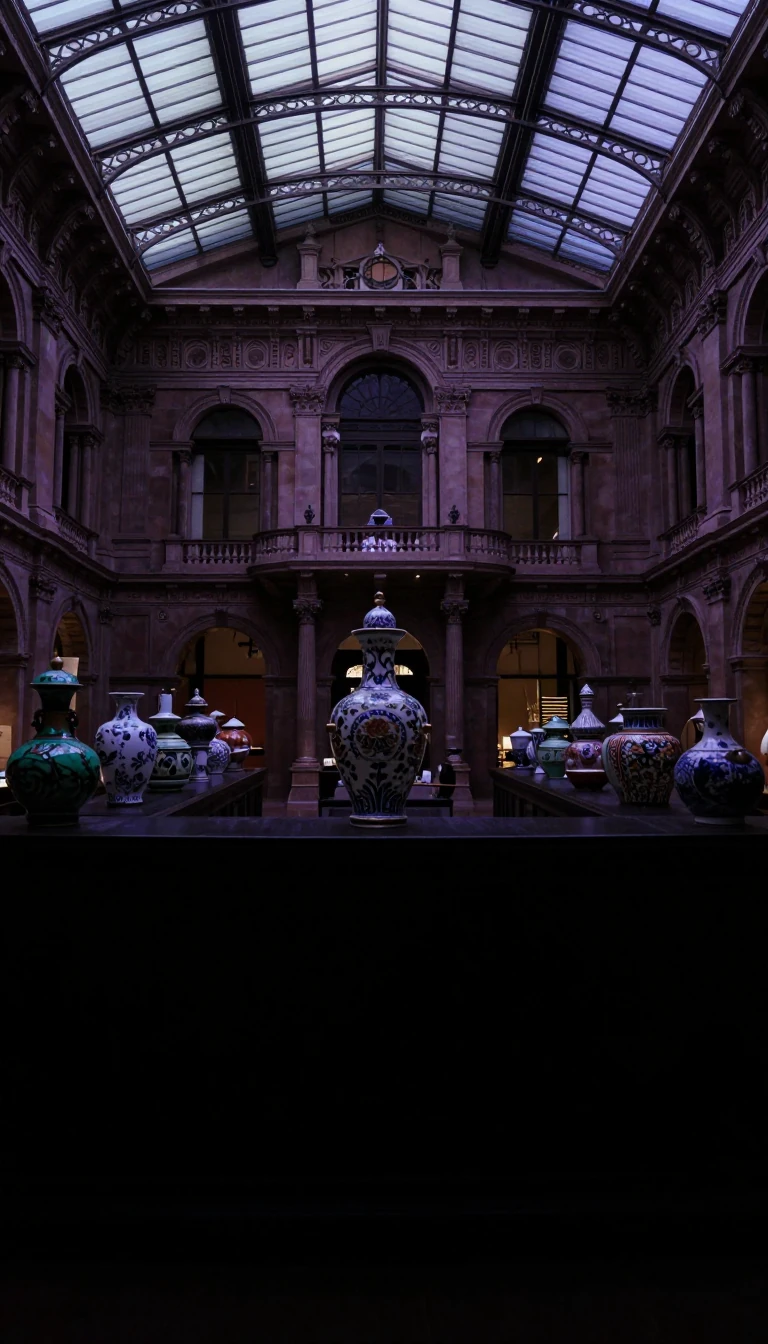 Britain’s union began in 1707—and grew by war and financeThe United Kingdom’s story as a single state opens not with ancient kings but with 1707: England (including Wales) and Scotland fused under the Treaty and Acts of Union into Great…
 Before Jamestown, Cahokia outnumbered medieval LondonThe land that became the United States holds tens of thousands of years of Indigenous societies—today including some 575 federally recognized tribes. Long before English settlers …
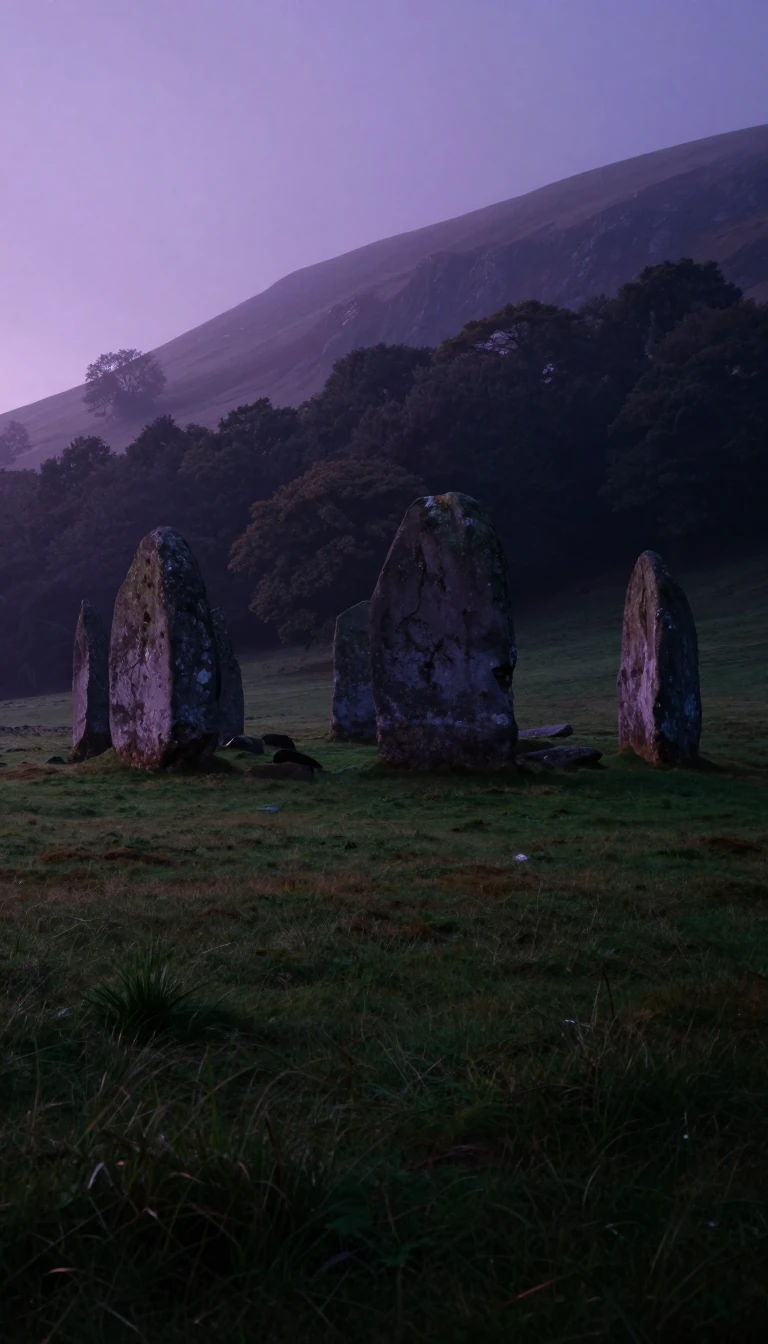 Göbekli Tepe is nearly twelve thousand years oldThe land of today’s Republic of Turkey holds some of humanity’s earliest farming and ritual sites. Göbekli Tepe is close to twelve thousand years old; Çatalhöyük and Alaca Höyük m…
 Norte Chico built America’s oldest known civilizationPeru’s story stretches some fifteen millennia along desert coast and Andes. Norte Chico, centered on Caral about 2500 BCE, is called the oldest civilization in the Americas. Inca …
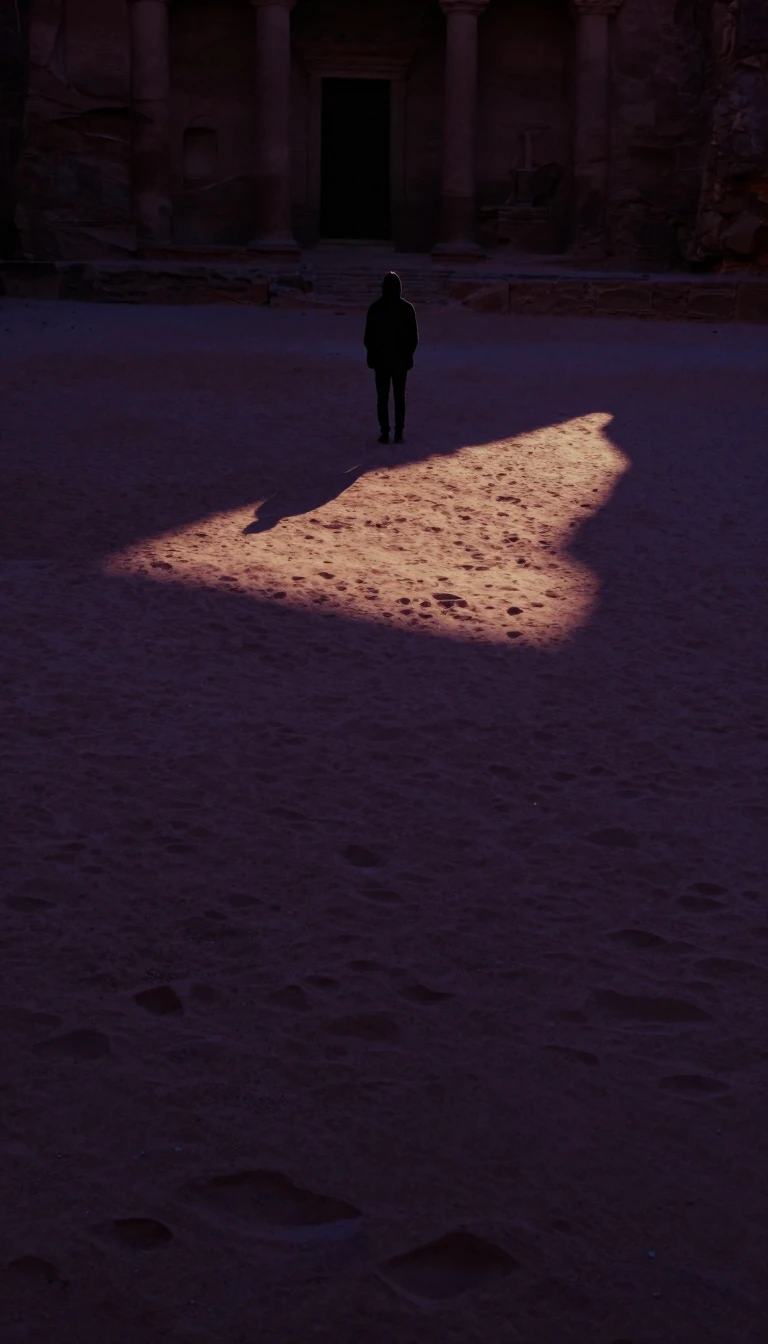 South Asia’s first cities rose beside the IndusVillage life in South Asia stretches back some nine millennia to Neolithic Mehrgarh in Balochistan; urban life about five millennia to Harappa and Mohenjo-daro. The land that is n…
 Indus cities rose—and scattered—before the VedasModern humans likely reached the subcontinent between about 73,000 and 55,000 years ago. Settled farming took root by 7000 BCE at sites such as Mehrgarh. The Indus Valley Civilisa…
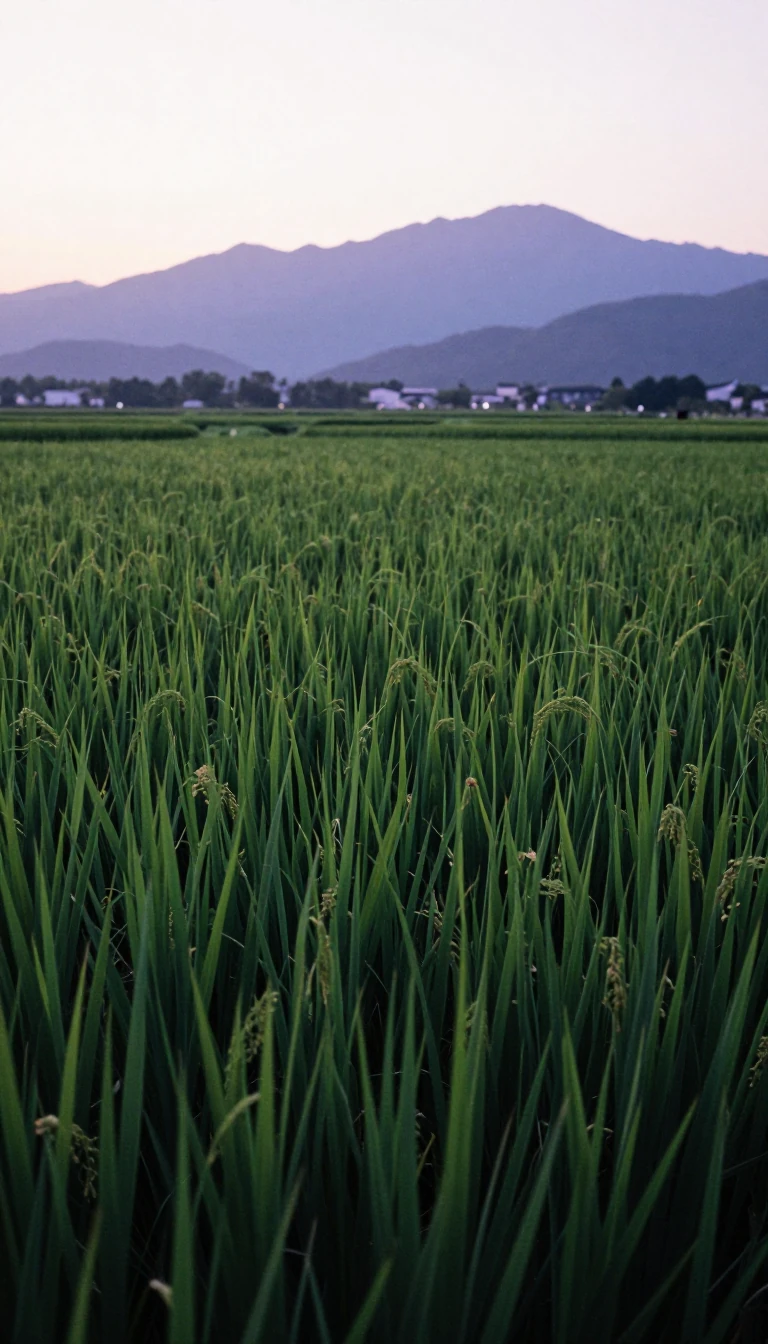 Partition built two nations—and a million dead in monthsAt midnight of 14–15 August 1947, British India split into independent India and Pakistan. Between fourteen and eighteen million people fled across new borders; excess deaths are …
- World’s oldest figurative cave art is in IndonesiaOn an equatorial archipelago of more than 17,000 islands, trade and migration wrote history as much as kings did. Sulawesi and Borneo caves hold figurative paintings dated beyond …
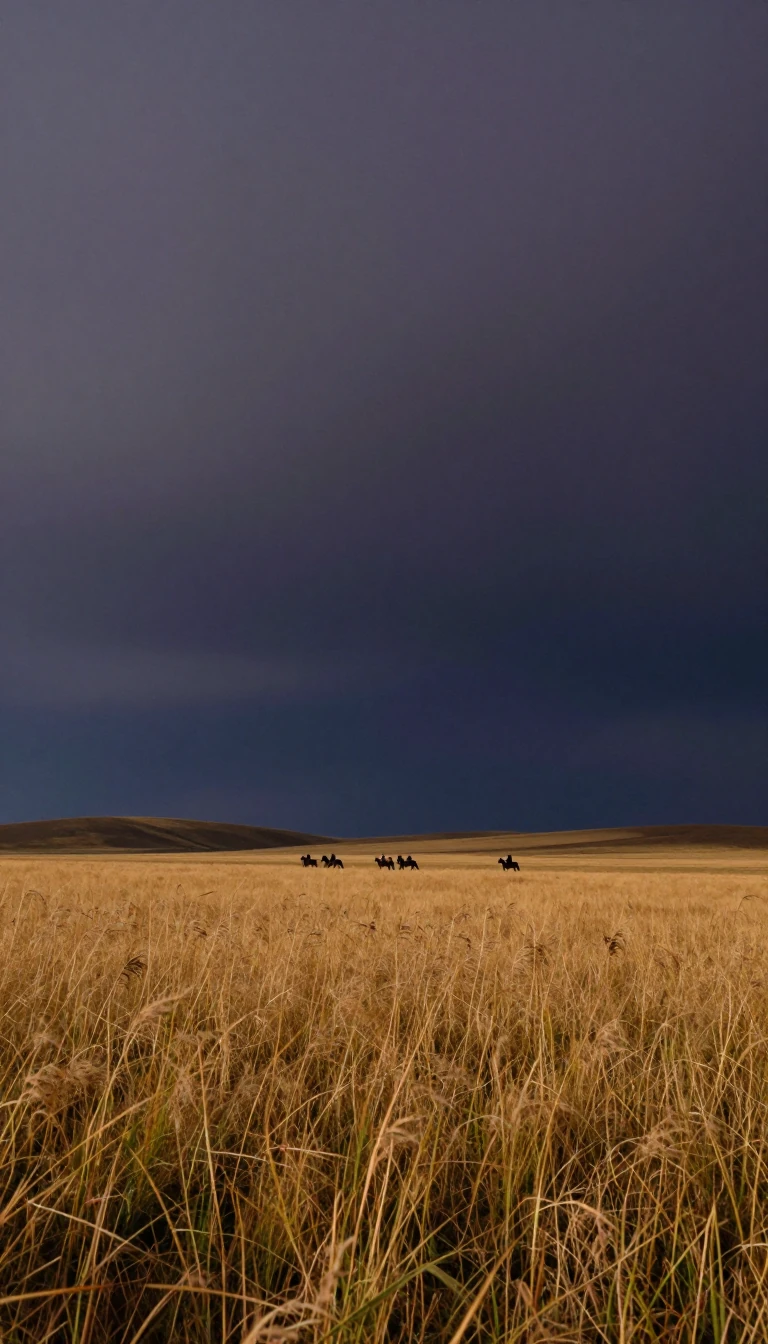 Cyrus built the largest empire the world had yet seenIran’s plateau holds continuous urban life back to the fifth millennium BC. Medes first unified the land in the seventh century BC; by 550 BC Cyrus the Great’s Persians had overtu…
 Iraq’s plain taught the world cities, writing, and lawModern Iraq overlaps ancient Mesopotamia—the so-called cradle of civilization. Sumer rose between about 6000 and 5000 BC in the Ubaid Neolithic. There the first cities, cursive sc…
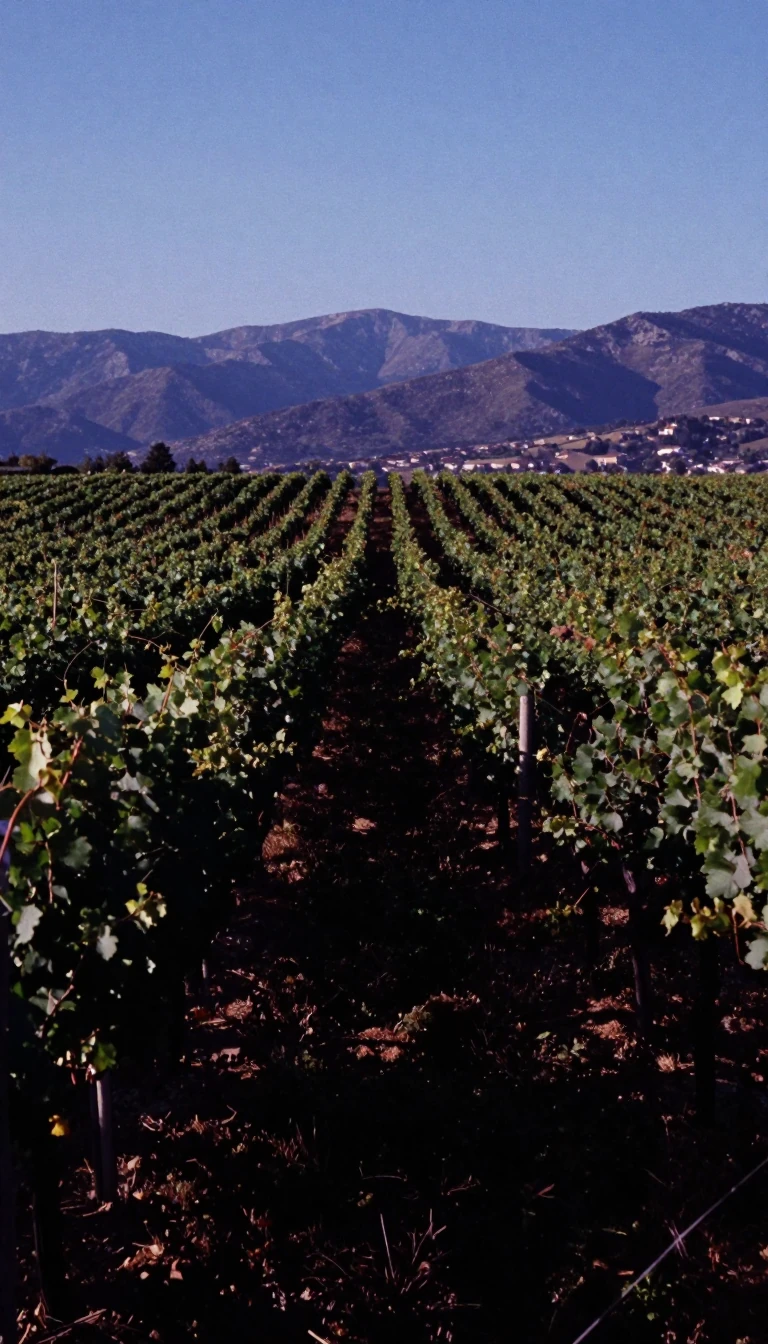 Rome’s cradle was only one people among many ItalicsHumans reached Monte Poggiolo some 850,000 years ago; Ötzi the Iceman dates to about 3400–3100 BC. Before Rome, Etruscans, Latins, Samnites, Greeks of Magna Graecia, and Nuragic S…
 Jōmon pots are among Earth’s oldest fired ceramicsPeople reached the Japanese archipelago some 38,000–40,000 years ago by watercraft. Jōmon hunter-gatherers then made cord-marked pottery—among the world’s oldest ceramics, with pi…
 Hangul was a king’s invention—then Korea split in twoPottery on the peninsula reaches back to about 8000 BC. Myth places Gojoseon’s founding in 2333 BC; archaeology shows complex chiefdoms in the Mumun period. King Sejong personally…
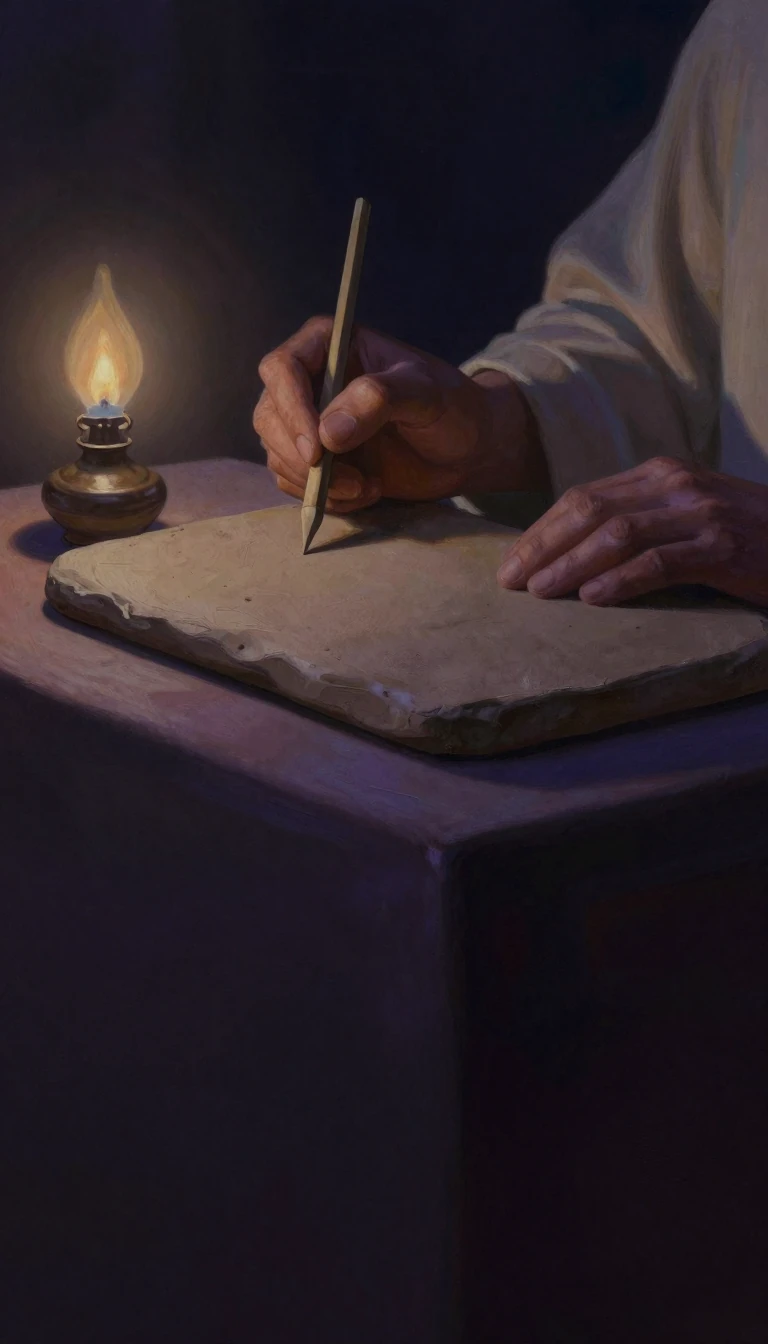 “Mesopotamia” means the land between two riversThe Greek name—recorded from the fourth century BC—labels the country between Euphrates and Tigris, today’s Iraq and neighboring fringes of Iran, Syria, and Turkey. There, after f…
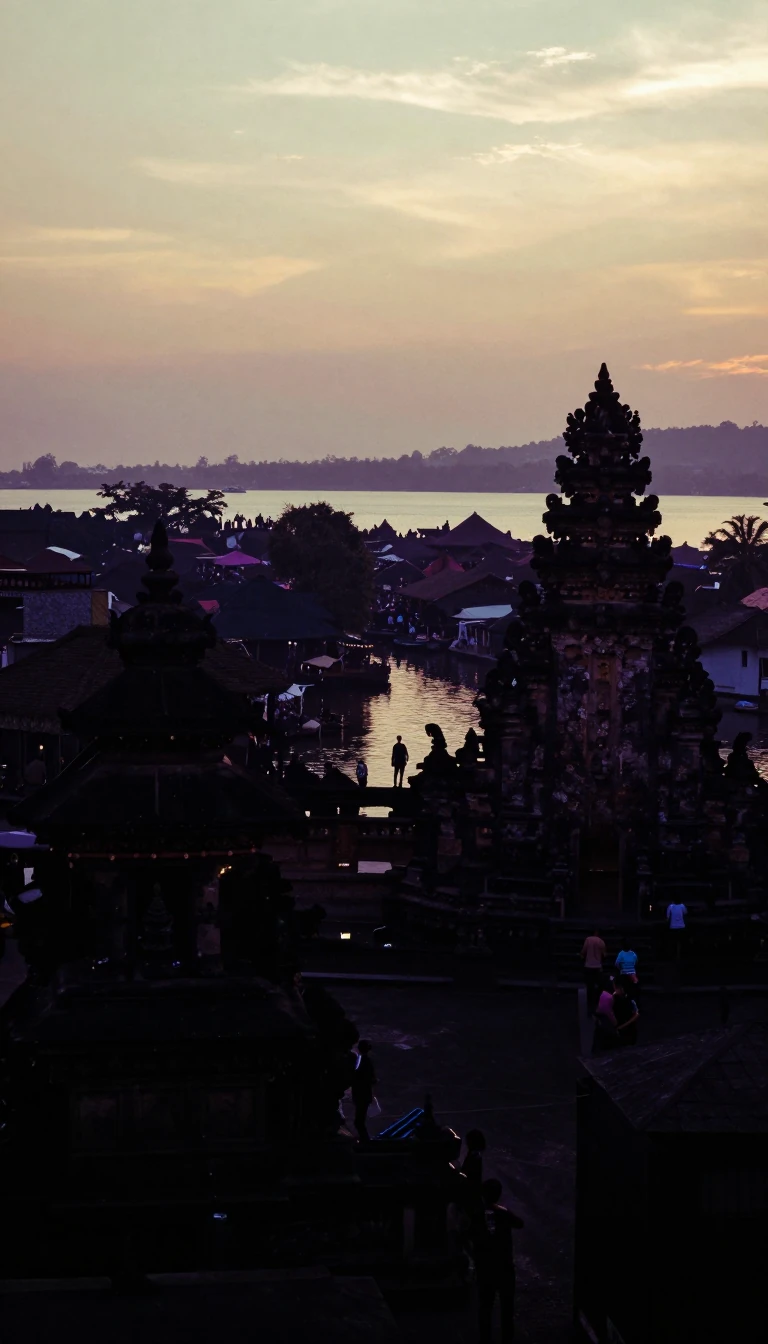 Teotihuacan once ranked among the world’s largest citiesMesoamerica alone in the Americas invented Indigenous writing before Europeans arrived. Five great civilizations—Olmec, Maya, Teotihuacan, Toltec, and Aztec—set the political weat…
 Jebel Irhoud holds the oldest known Homo sapiens fossilsRemains from Jebel Irhoud, redated in 2017, are at least 300,000 years old—the earliest Homo sapiens yet found. Morocco’s later story runs from Phoenician ports through Berber Mau…
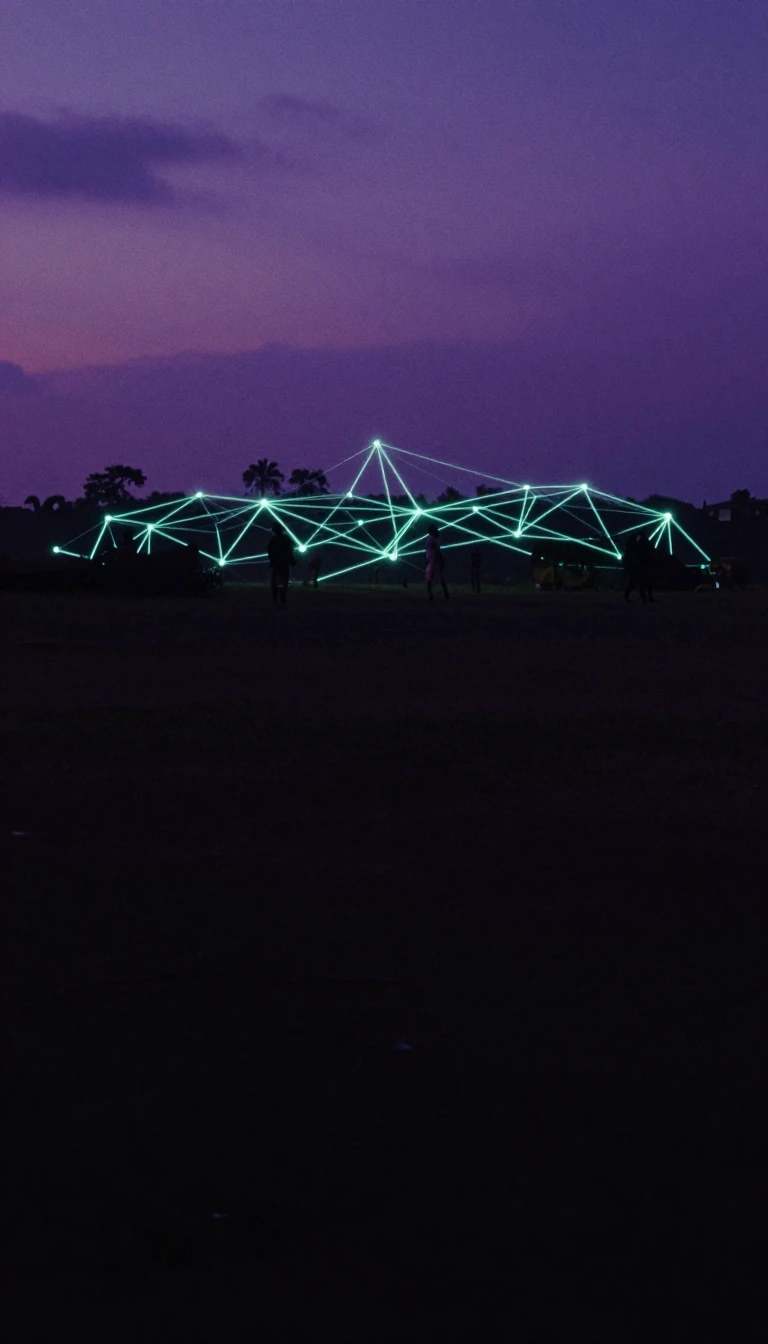 Africa’s oldest known boat was dug from Nigerian clayNear Lake Chad’s edge, the Dufuna canoe dates to about 6300 BC—the oldest boat yet found in Africa and the second oldest worldwide. Long before oil or independence, the land that …
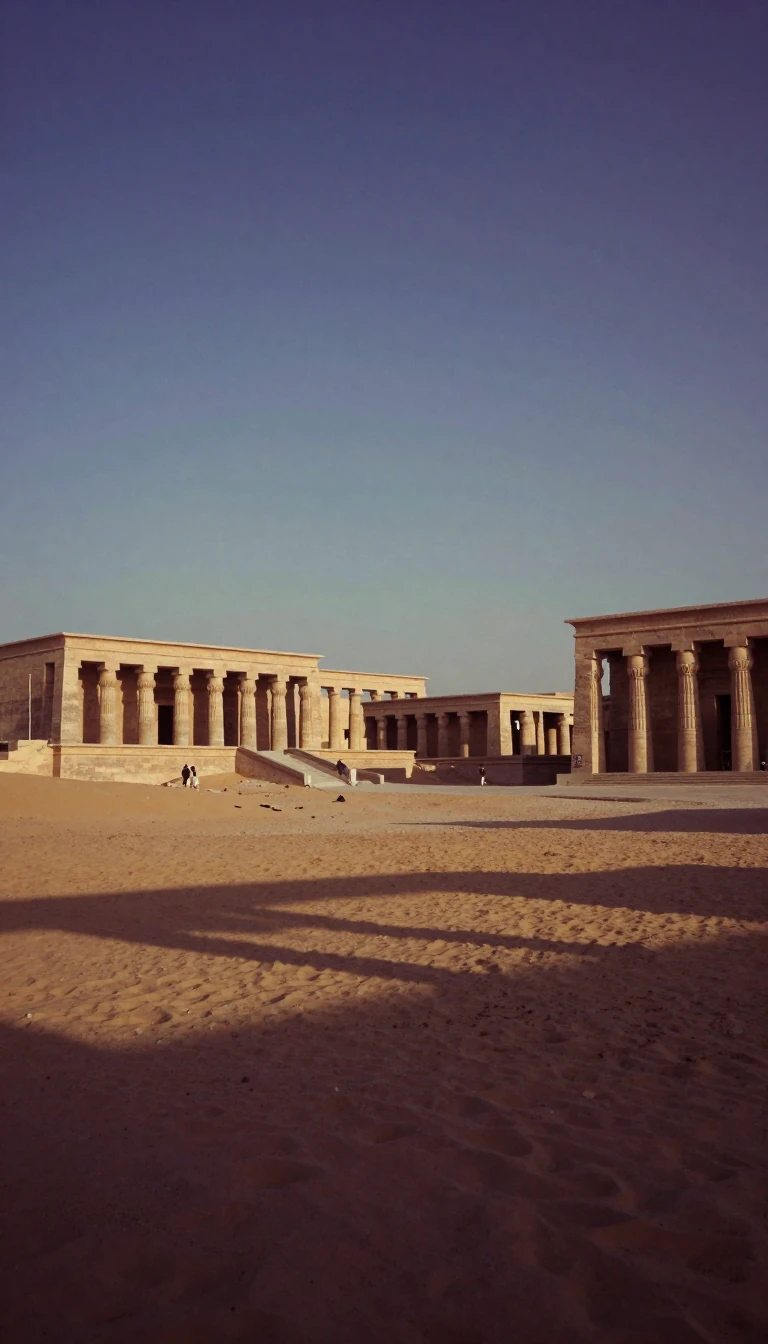 Afghanistan was the ancient world’s roundaboutOn the Silk Road, this land sat where empires crossed. Paleolithic tools and a Neanderthal bone fragment suggest people here by about 52,000 years ago. Ahmad Shah Durrani’s 1747 e…
 Argentina grew from a silver road without goldFour eras frame its past: pre-Columbian life, Spanish colonial rule from 1536, nation-building after 1810, and modern Argentina from about 1880. On the Río de la Plata, Buenos Air…
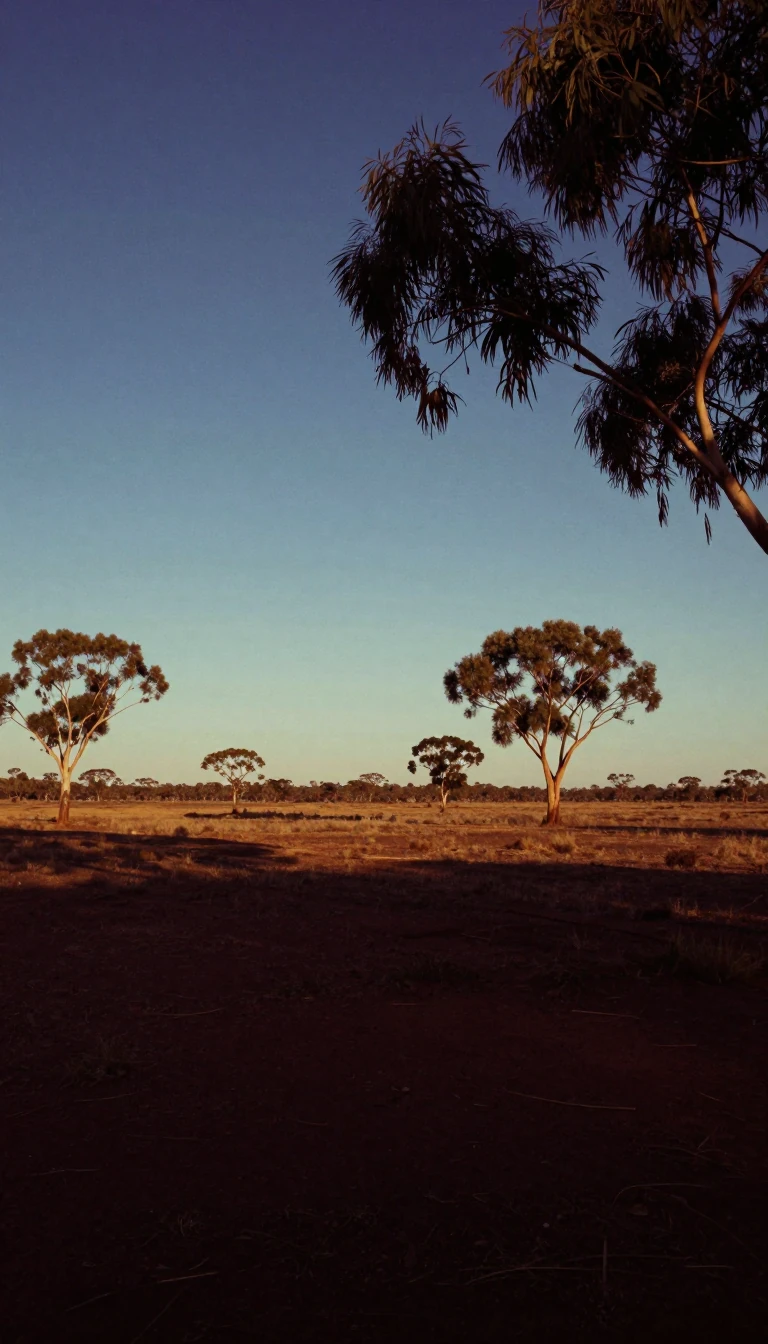 Australia's deepest history outlasts its youngest federationThe Commonwealth formed on 1 January 1901 from six British colonies, yet the first Australians crossed from ice-age Southeast Asia by land bridges and short sea hops tens of thous…
- Brazil grew from dye trees to a continental empirePortuguese explorer Pedro Álvares Cabral reached these shores on 22 April 1500 en route to India. Indigenous nations had lived here for millennia; Luzia Woman's remains suggest ha…
 Canada’s name stuck before the country didJacques Cartier claimed Gaspé for France in 1534; the label “Canada” soon marked the St. Lawrence colony. Confederation in 1867 joined Canada, New Brunswick, and Nova Scotia into …
 China’s first hard history is written on boneChinese history gains its first firm written anchor with Shang oracle bones carved around 1250 BCE. Qin Shi Huang forged a centralized empire in 221 BCE, after which dynasties ros…
- Bogotá began as a Muisca village renamedSpanish expeditions reached Colombia in 1499. In August 1538 Jiménez de Quesada founded Santa Fe de Bogotá on the Muisca site of Bacatá. Independence crystallised after Bolívar’s …
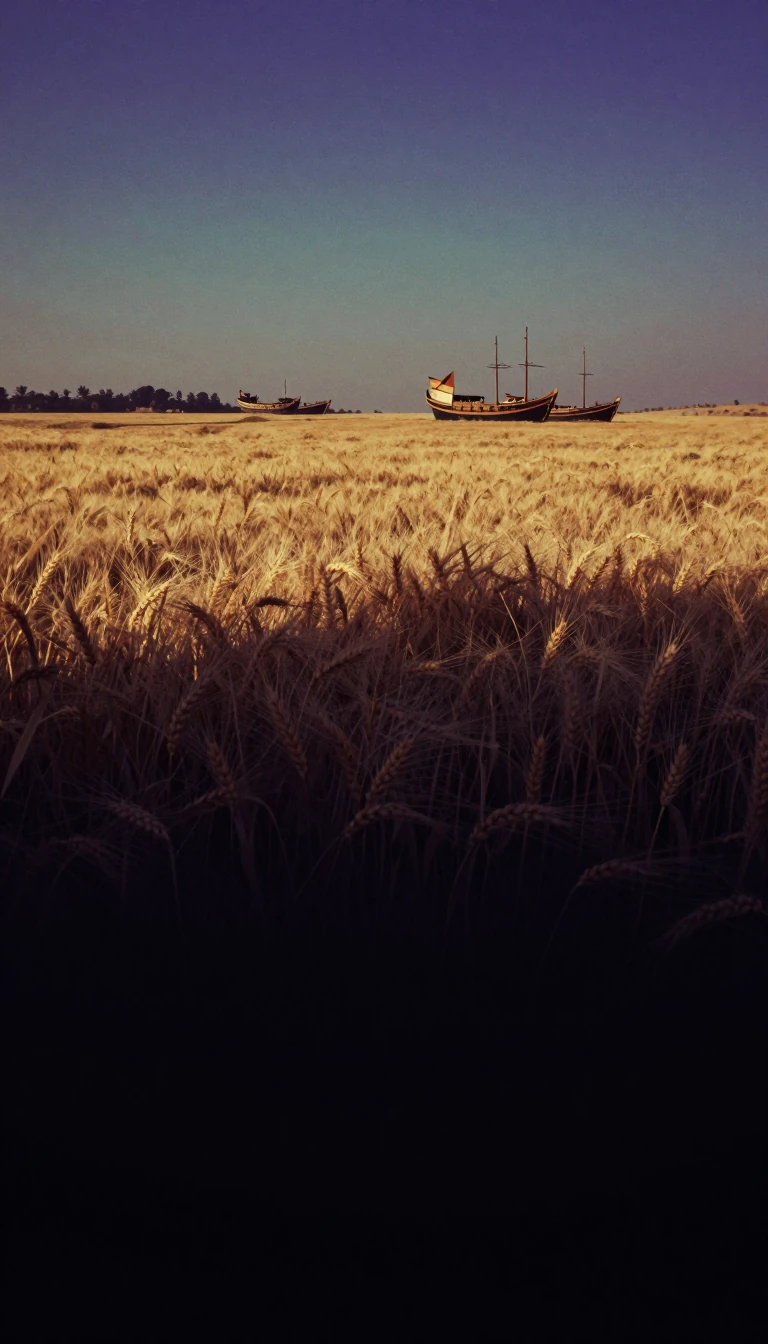 Egypt unified around 3150 BCE under NarmerKing Narmer traditionally fused the Two Lands about 3150 BCE, launching pharaonic civilization along the Nile. Pyramids of the Old Kingdom followed. Persians, Greeks, Romans, Arab…
- Aksum ranked among antiquity’s four great powersThe Persian teacher Mani listed Axum with Rome, Persia, and China. King Ezana made Christianity the state religion in the early fourth century. Long before, Egyptian records of Pu…
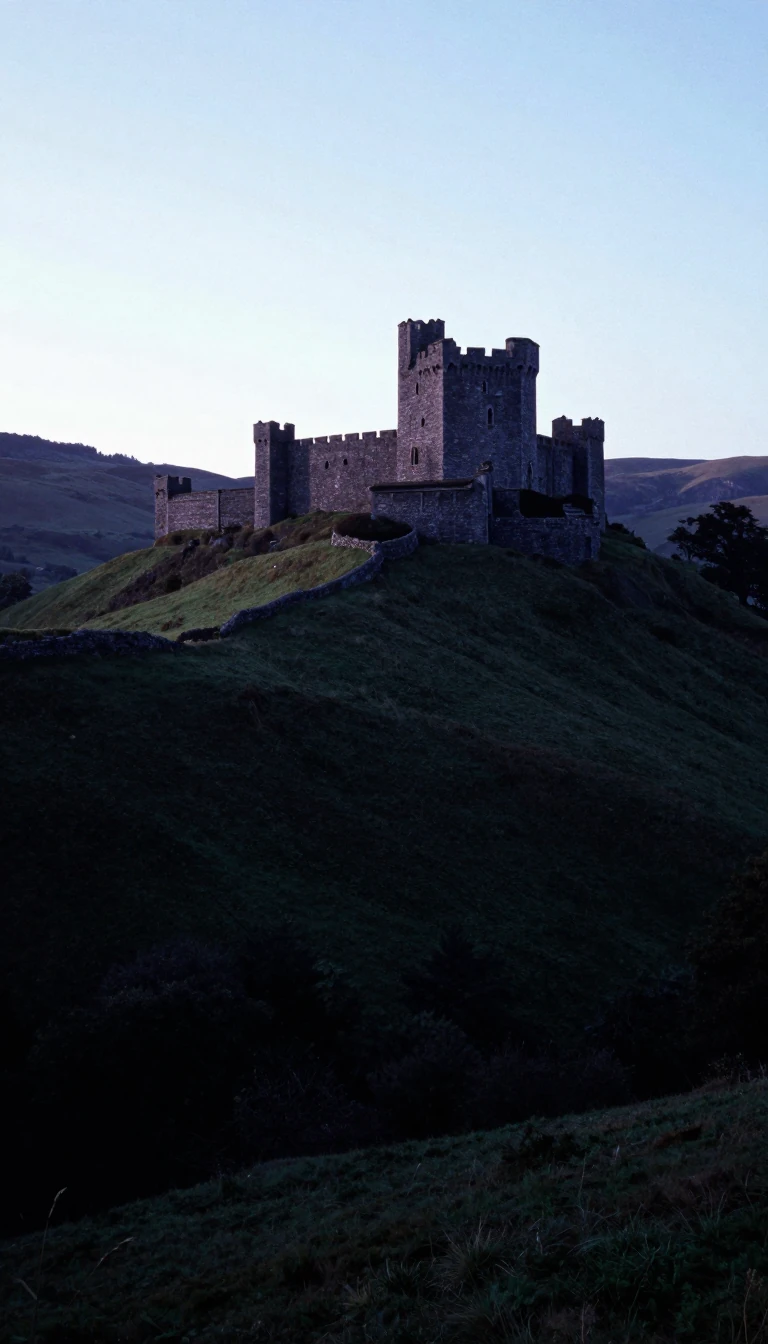 France grew from Gaul to Capetian powerRome knew the land as Gaul; Caesar conquered it in 58–51 BCE. Clovis united most of it under the Franks. Capetian kings, after Philip II’s 1214 Bouvines victory, made medieval Fra…
 Rome named Germania; Germans stopped the empireJulius Caesar called land east of the Rhine Germania. Arminius wrecked Varus's legions in the Teutoburg Forest, freezing Rome's frontier for good. Otto I became the first Holy Rom…
- Greece’s Bronze Age ended in palace collapseMinoan Crete and Mycenaean palaces lit the Aegean before the Late Bronze Age collapse around 1100 BCE. Apidima Cave holds modern human remains about 210,000 years old—the oldest k…
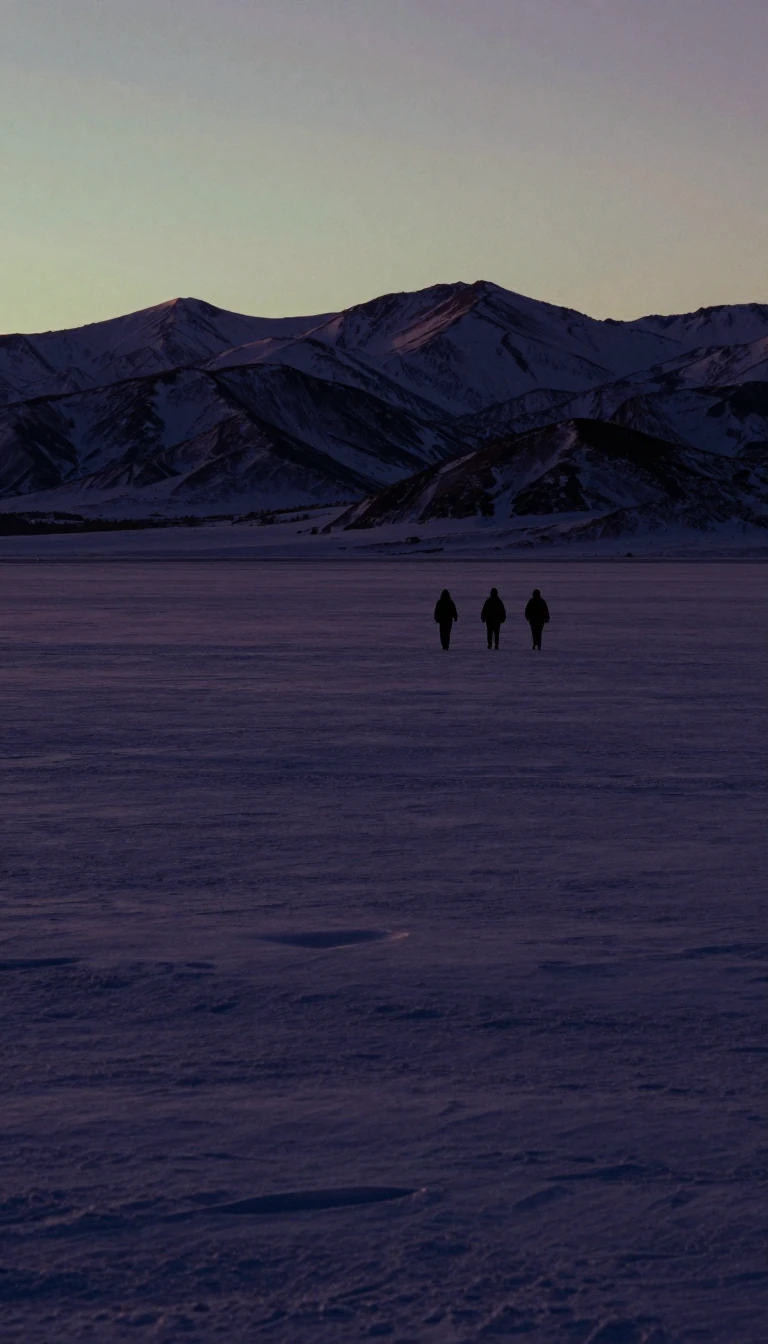 Ice nearly emptied Europe—then three ancestries remade itKostenki 14, living by the Don about 37,000 years ago, already carries ancestry still visible in today’s Europeans. When ice peaked between about 27,000 and 19,000 years ago, huma…