 Intellect Plus
World Heritage Sites
1,540 cards. Each one is a 40-second story with a five-minute read behind it. Page 19 of 26.
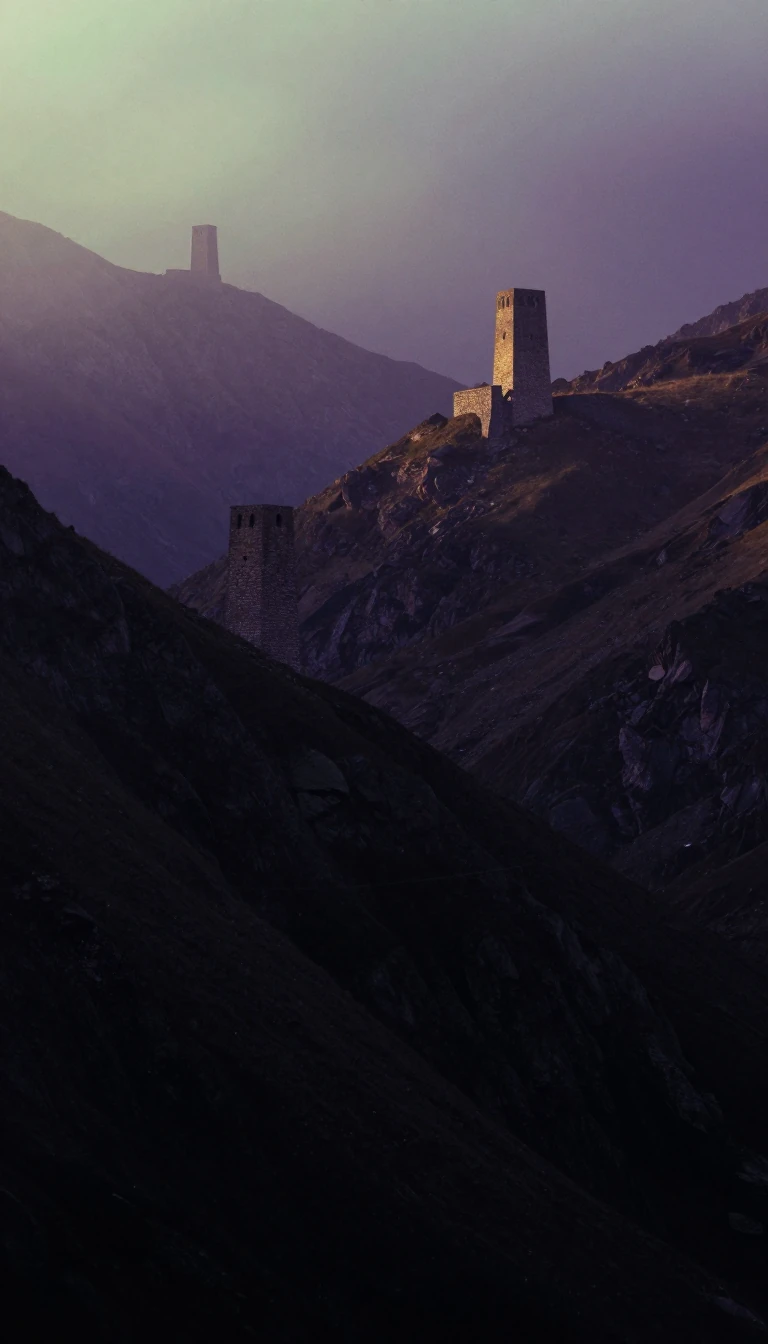 Can a single citadel bridge the divide between two distinct religious and political histories?The Kazan Kremlin is a complex architectural palimpsest where Russian Orthodox cathedrals and Islamic mosques stand side by side. Declared a World Heritage Site in 2000, this hist…
 How a royal retreat became the world's most significant botanical research powerhouseFounded in 1759, Kew Gardens is far more than a scenic London park. It serves as a global hub for botanical science, housing millions of preserved specimens and thousands of livin…
 Is the Kathmandu Valley a high-altitude bowl or a drained ancient lake?Nestled in the Himalayas, the Kathmandu Valley is a cultural crossroads that holds seven World Heritage Sites. While modern maps define it as a bustling urban hub of five million …
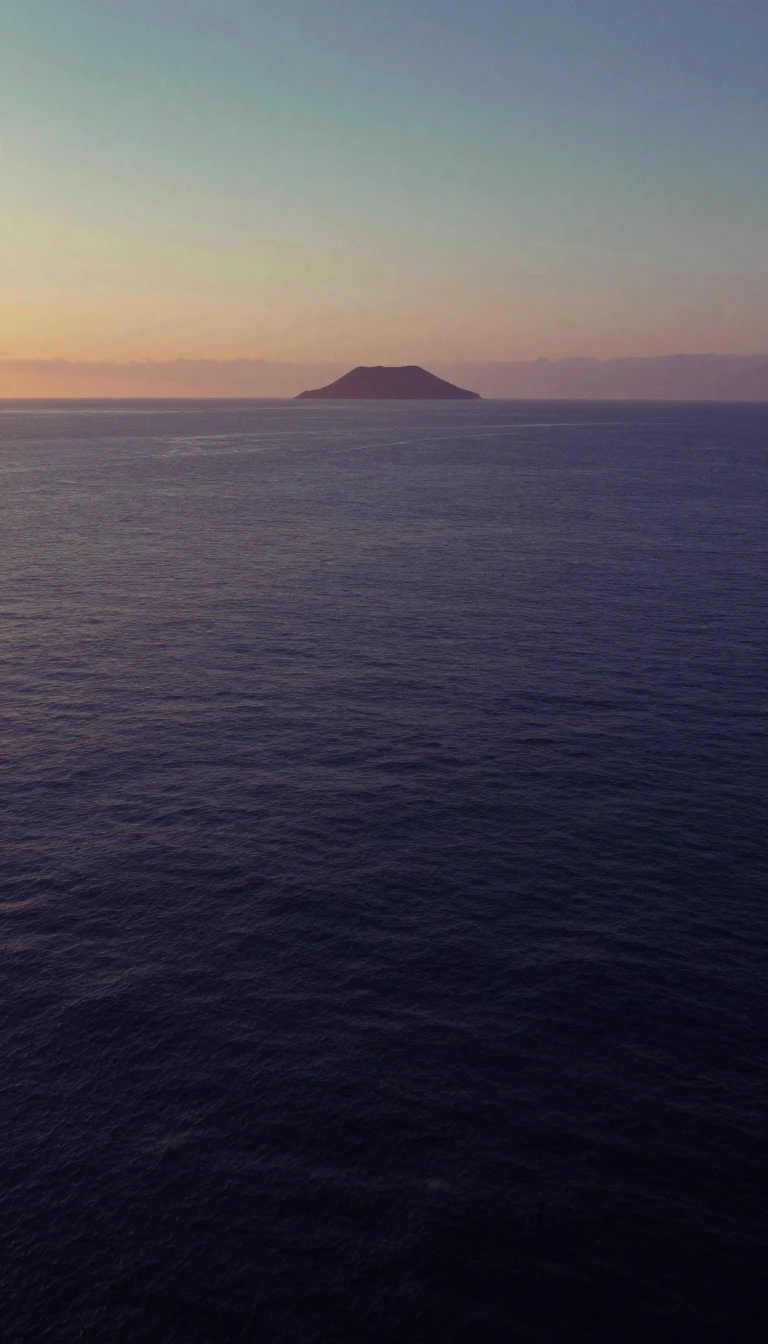 K'gari: The World's Largest Sand Island Was Once a Princess from the SkyKnown for decades as Fraser Island, this Queensland landmark is officially K'gari, a name rooted in a Butchulla creation story. Beyond its status as the world's largest sand islan…
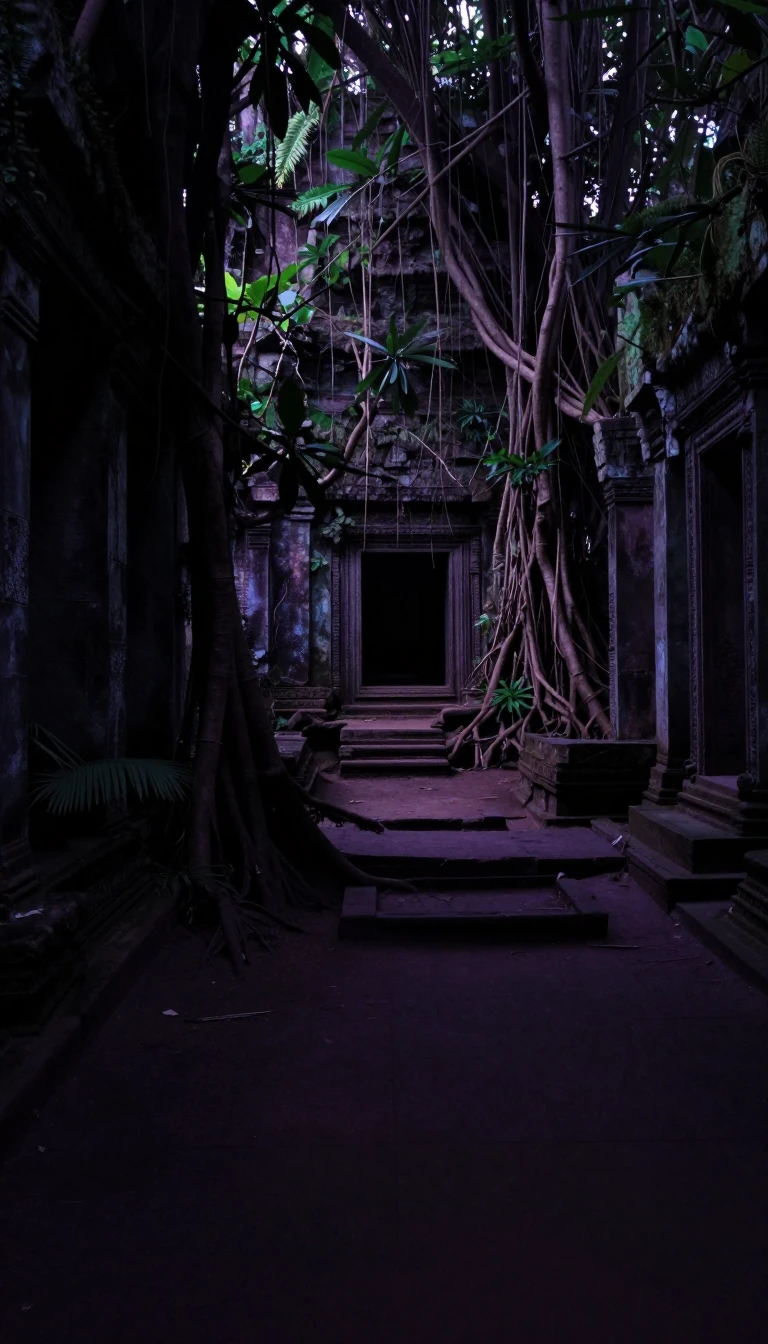 Hidden within Kenya's coastal forests are sacred, fortified settlements known as the Kaya.The Mijikenda people once lived in these protected, ritual-rich enclaves, which served as both fortified villages and spiritual anchors. Today, these ancient sites are UNESCO Worl…
 How a former royal duck hunting ground became a critical sanctuary for migratory birds.Keoladeo National Park in Rajasthan, India, is a man-made wetland that serves as a vital wintering ground for thousands of migratory birds. Once a private hunting reserve for the …
 How a challenging landscape forced an architectural revolution in the ancient Kingdom of ButuaWhen the Torwa dynasty built their capital at Khami, they faced a geological hurdle: the local laminar granite was too brittle for traditional free-standing walls. Their solution …
- A biodiversity hotspot in Thailand carries a heavy burden of human rights controversyThe Kaeng Krachan Forest Complex is a UNESCO World Heritage Site defined by its extraordinary ecological intersection. Yet, its 2021 inscription remains deeply contentious. While …
 A vast Congolese sanctuary bridges two worlds, yet struggles with a painful human legacy.Spanning 6,000 square kilometers, Kahuzi-Biéga National Park protects a rare transition from mountain rainforests to lowland equatorial jungles. While it serves as a critical refu…
 How a 17th-century Polish sanctuary recreated the holy geography of Jerusalem in EuropeIn the year 1600, Mikołaj Zebrzydowski founded a sprawling pilgrimage site that transformed the Polish landscape into a spiritual map of the Holy Land. This Mannerist architectura…
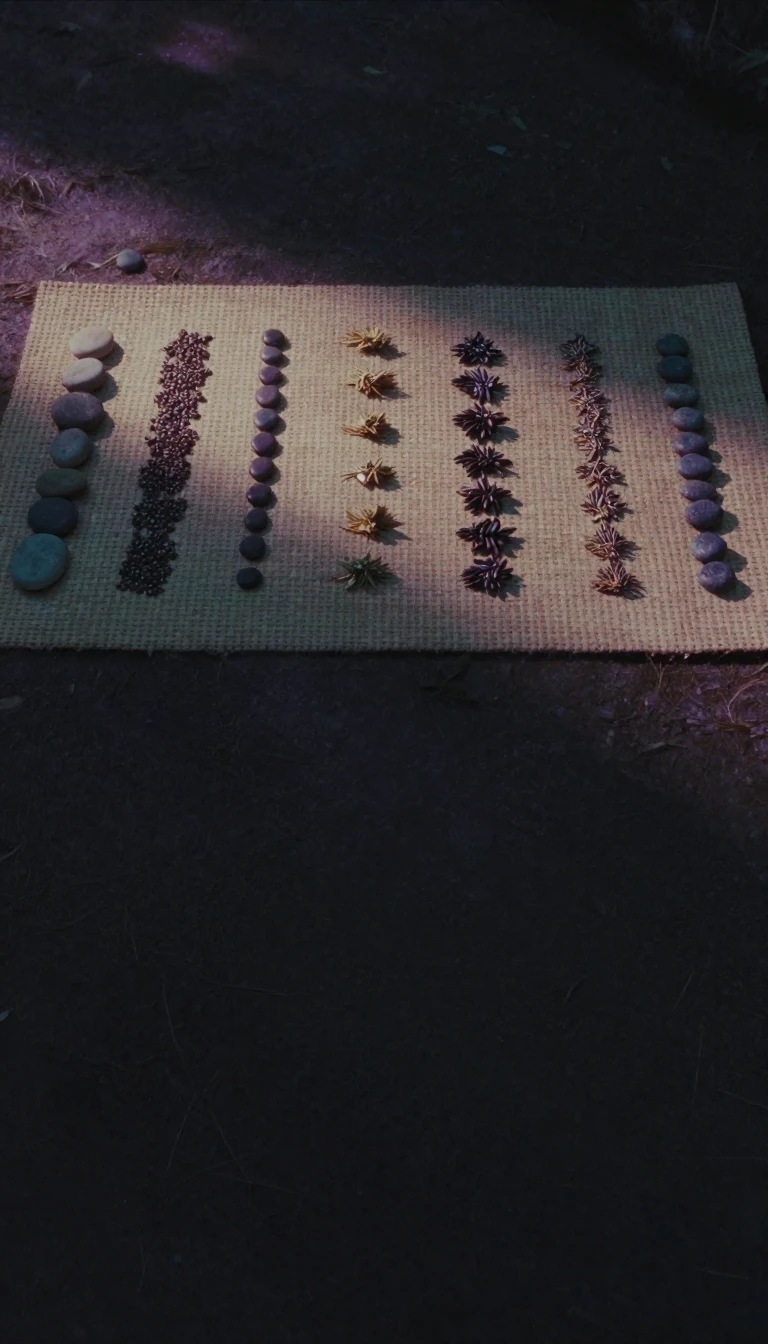 How a thin layer of volcanic rock creates a world-class floral explosionPerched 1,200 metres high in India’s Western Ghats, the Kas Plateau transforms into a vibrant valley of flowers every monsoon. This UNESCO World Heritage site thrives on a precari…
- Founded in a reptile-infested forest, Kairouan became a beacon of Islamic scholarship and power.Established around 670 AD as a military outpost, Kairouan evolved from a dangerous wilderness into a brilliant center of culture and science. Once considered the fourth holiest ci…
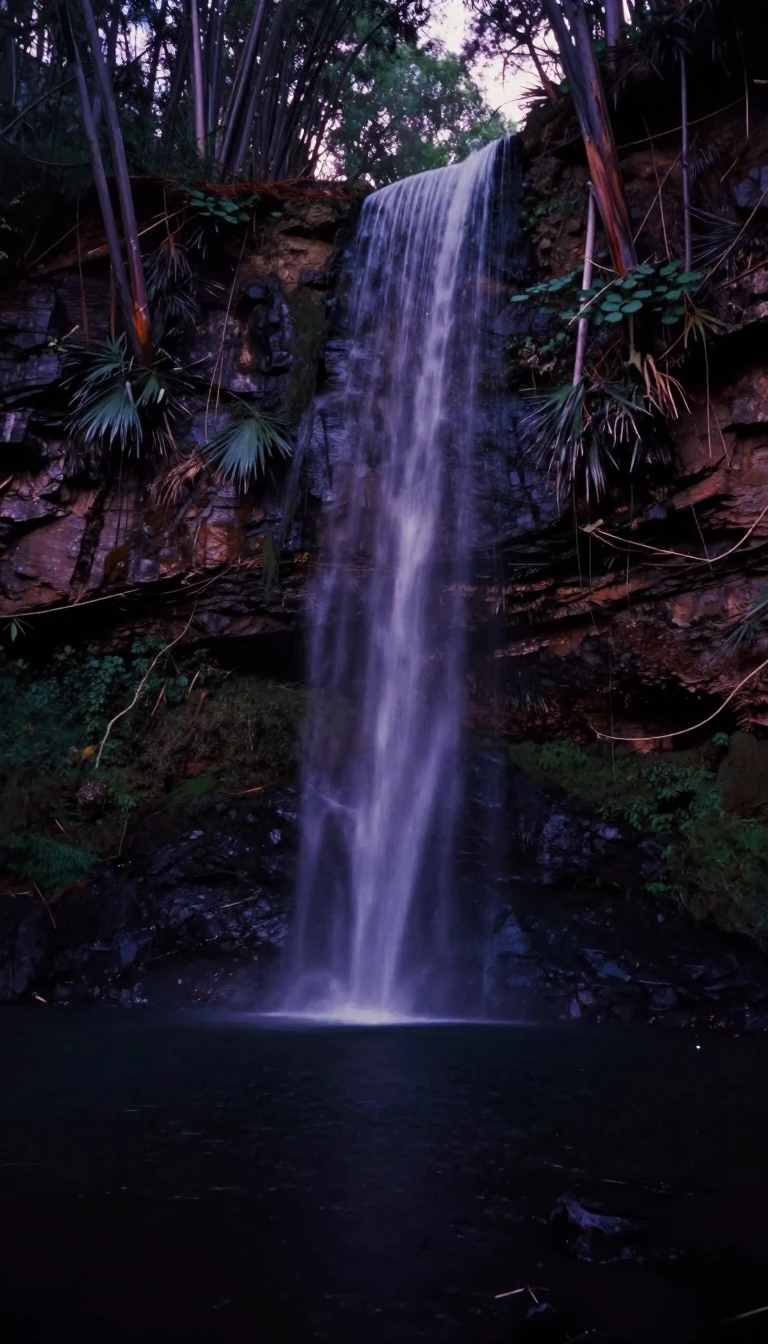 Kakadu National Park is a massive, ancient landscape shaped by 60,000 years of human history.Spanning nearly 20,000 square kilometres, Kakadu is Australia's second-largest national park. Beyond its immense biological diversity and World Heritage status, the region holds a…
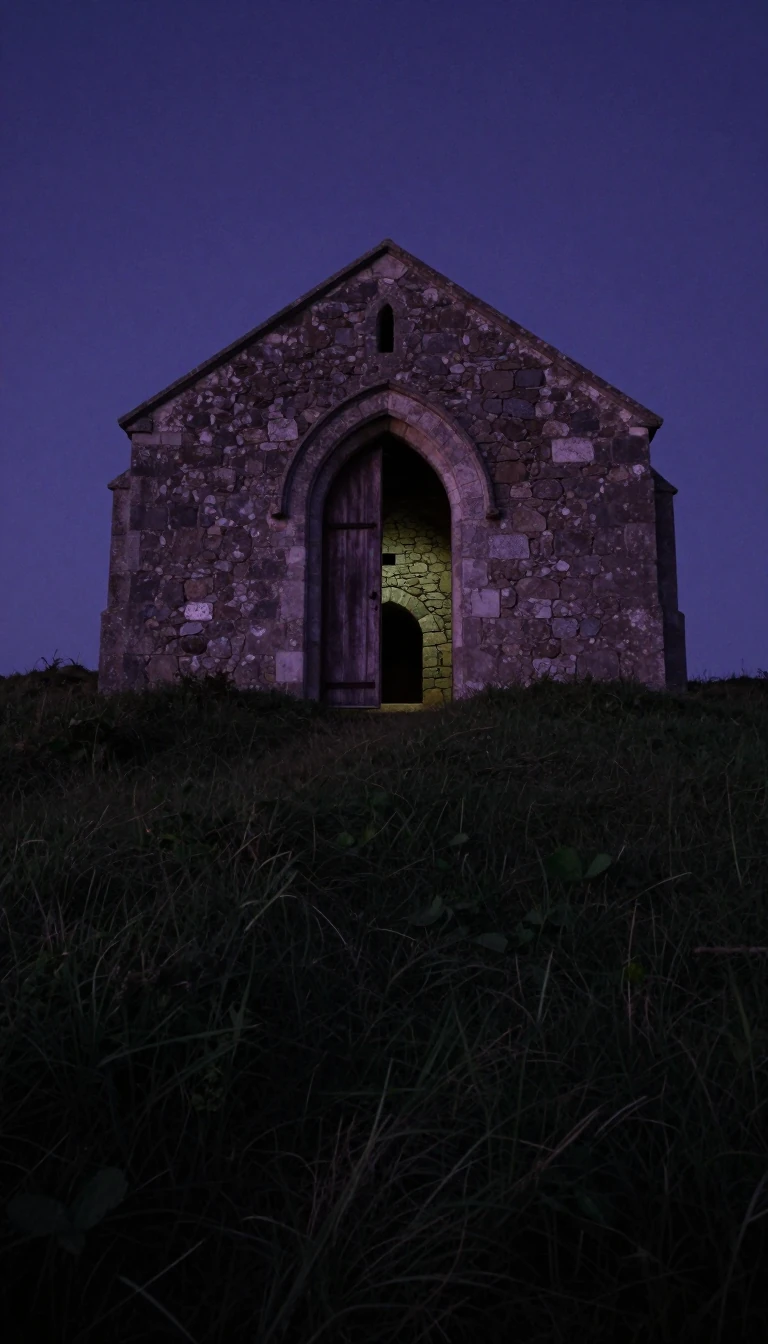 The ancient church in Belarus that uses hidden clay pitchers to create acoustic artThe Kalozha Church of Sts. Boris and Gleb stands as the final survivor of a unique architectural tradition. Built before 1183, this Grodno landmark features walls embedded with co…
 How a mountain stronghold became the cultural heart of Sri Lankan history and faith.Nestled in the hills of Sri Lanka, Kandy served as the final bastion of the Sinhalese monarchy for over three centuries. Today, this UNESCO World Heritage site remains the island'…
 Why the world's most important Coal Age fossils are hiding in plain sightThe Joggins Fossil Cliffs in Nova Scotia offer a rare window into a 310-million-year-old tropical rainforest. Thanks to the world's highest tides, these cliffs are constantly erod…
- A wealthy Jewish plantation colony in the South American jungle vanished into history.Established in the 1600s by Sephardi Jews fleeing persecution, Jodensavanne became a prosperous sugar-cane hub in Suriname. Yet, despite its grand synagogue and relative autonomy,…
 Why did Korea’s royal ancestors hide in a commoner’s house during a war?Jongmyo is the oldest preserved royal Confucian shrine, a sacred space in Seoul where Joseon dynasty kings and queens are honored. While the site is a UNESCO World Heritage treasu…
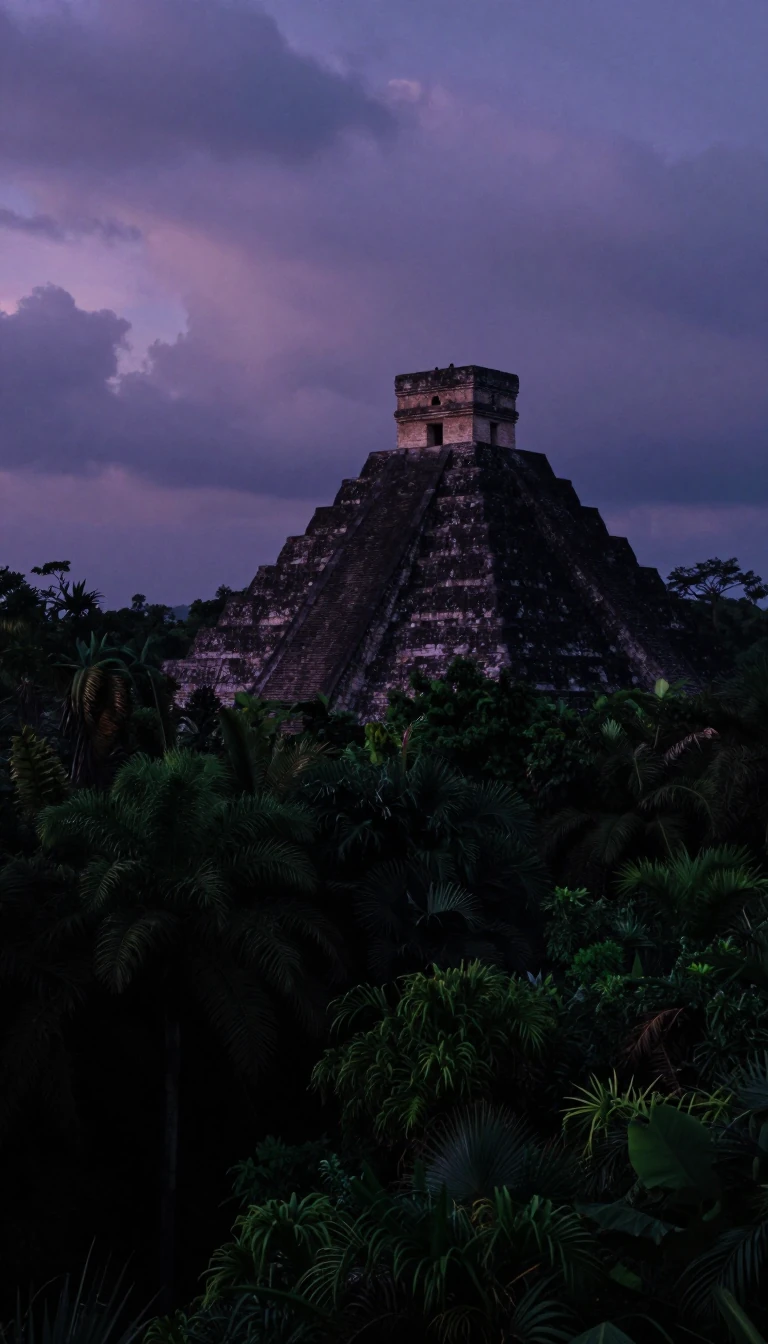 The Pompeii of the Americas: A Maya Village Frozen in Time by Volcanic AshAround AD 600, a sudden eruption of the Loma Caldera volcano buried a thriving Maya farming community under meters of ash. Because the burial was so rapid and the ash temperature …
 The oldest mosque in Russia has survived earthquakes, prisons, and Soviet-era atheism campaigns.Located in the historic heart of Derbent, the Juma Mosque stands as a testament to centuries of religious and political transformation. Completed in 734 CE, this architectural mar…
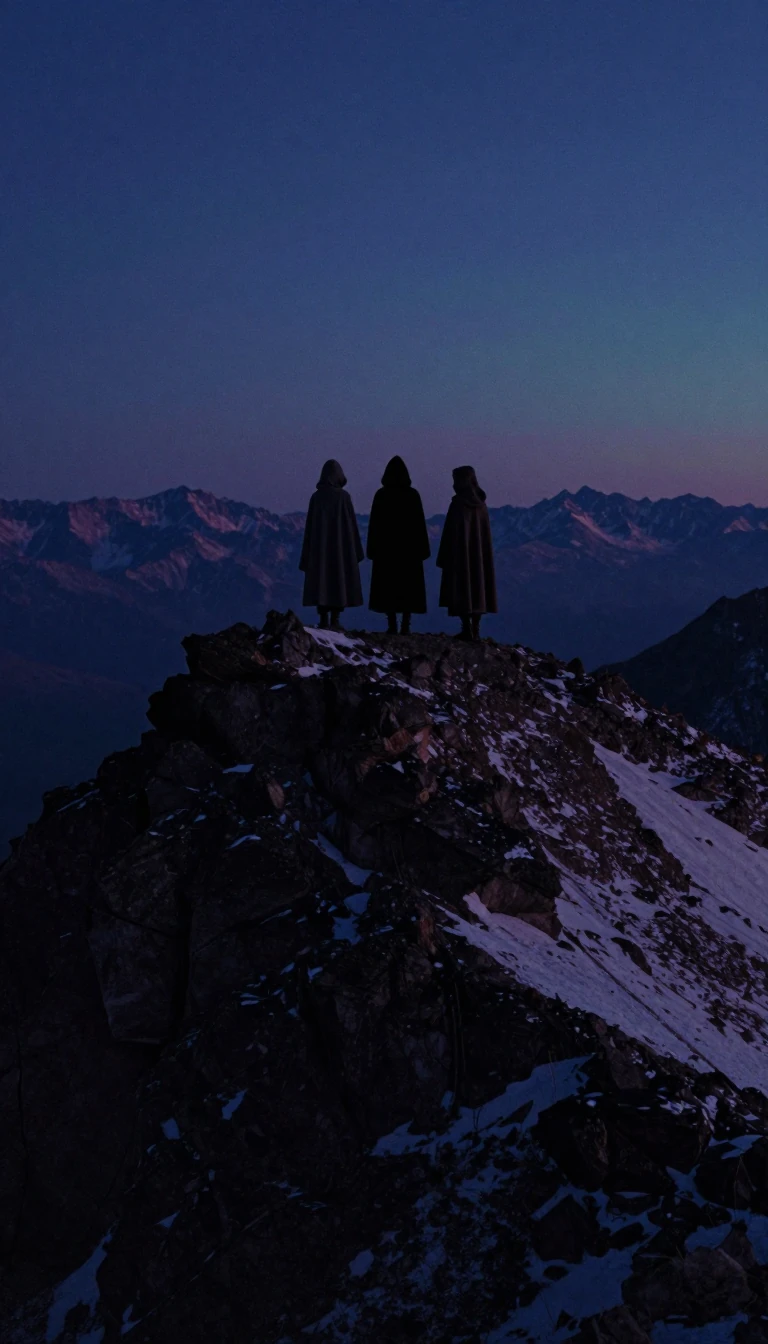 The Swiss Alps Jungfrau-Aletsch is a massive, high-altitude laboratory for climate and geology.Spanning over 82,000 hectares, this protected site contains the largest continuous ice mass in the Alps. It acts as a critical European watershed, separating the wet north from th…
 The Japanese silver mine that once powered global tradeFor nearly four centuries, a single cluster of mountains in Shimane Prefecture acted as a global economic engine. At its peak, this site produced one-third of the world's silver, …
 How a seventeenth-century religious network transformed the landscape of colonial ArgentinaIn the province of Córdoba, a collection of historic sites reveals the immense reach of the Jesuit order. Established starting in 1599, this network of academic buildings and rura…
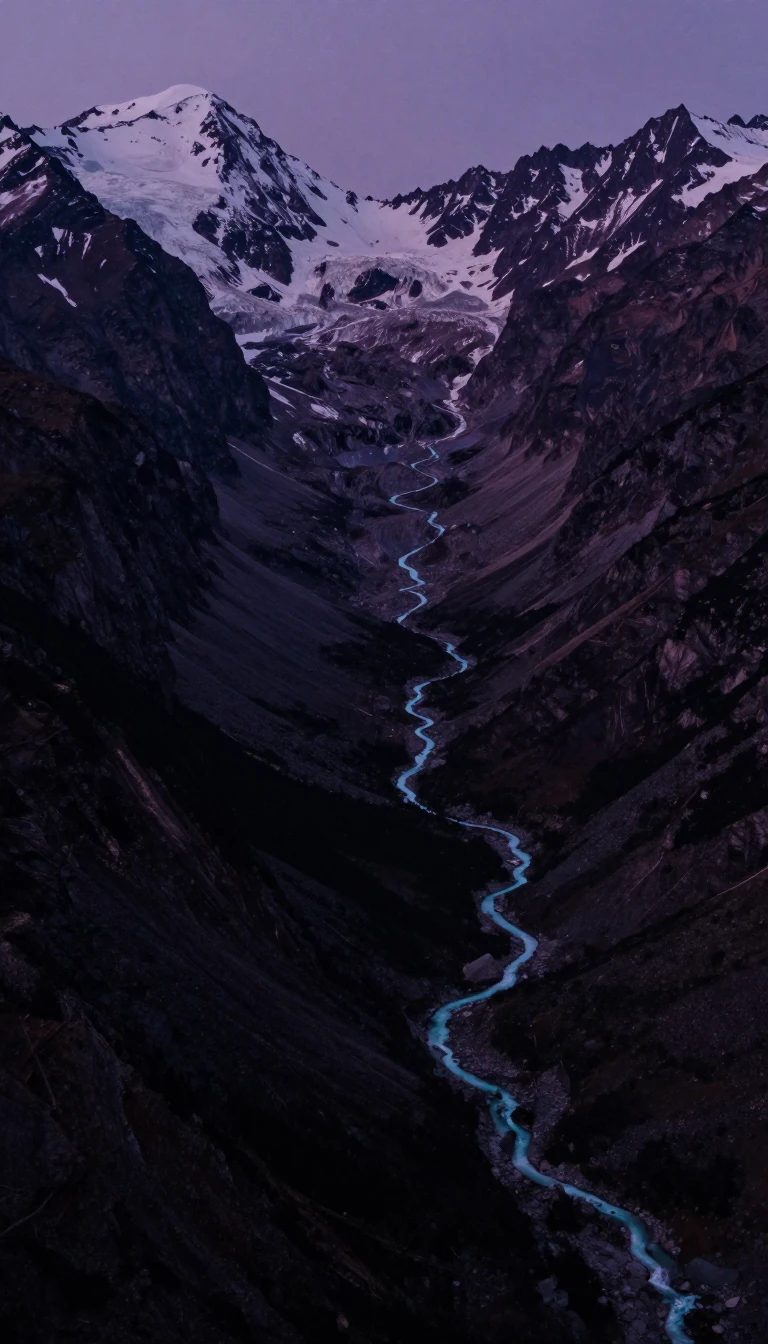 How a remote valley of nine Tibetan villages became a global natural wonderHidden in the Min Mountains of Sichuan, Jiuzhaigou was once an inaccessible wilderness known only to local communities. Today, this UNESCO World Heritage Site is celebrated for it…
 Why Erfurt’s medieval Jewish quarter is a unique survivor of European historyIn the heart of Erfurt, Germany, lies a rare collection of medieval structures that offer an intimate look at Jewish life centuries ago. Recently designated a UNESCO World Heritag…
- How did a hunter-gatherer society thrive for ten millennia without ever turning to farming?The Jōmon Prehistoric Sites in Northern Japan challenge our standard narrative of human development. Spanning seventeen locations across Hokkaidō and northern Tōhoku, these sites …
- Were the Jesuit missions of the Guaraní a socialist utopia or a colonial trap?In the 17th century, the Jesuit Order established autonomous settlements for the Guaraní people across South America. These missions, known as reductions, promised protection from…
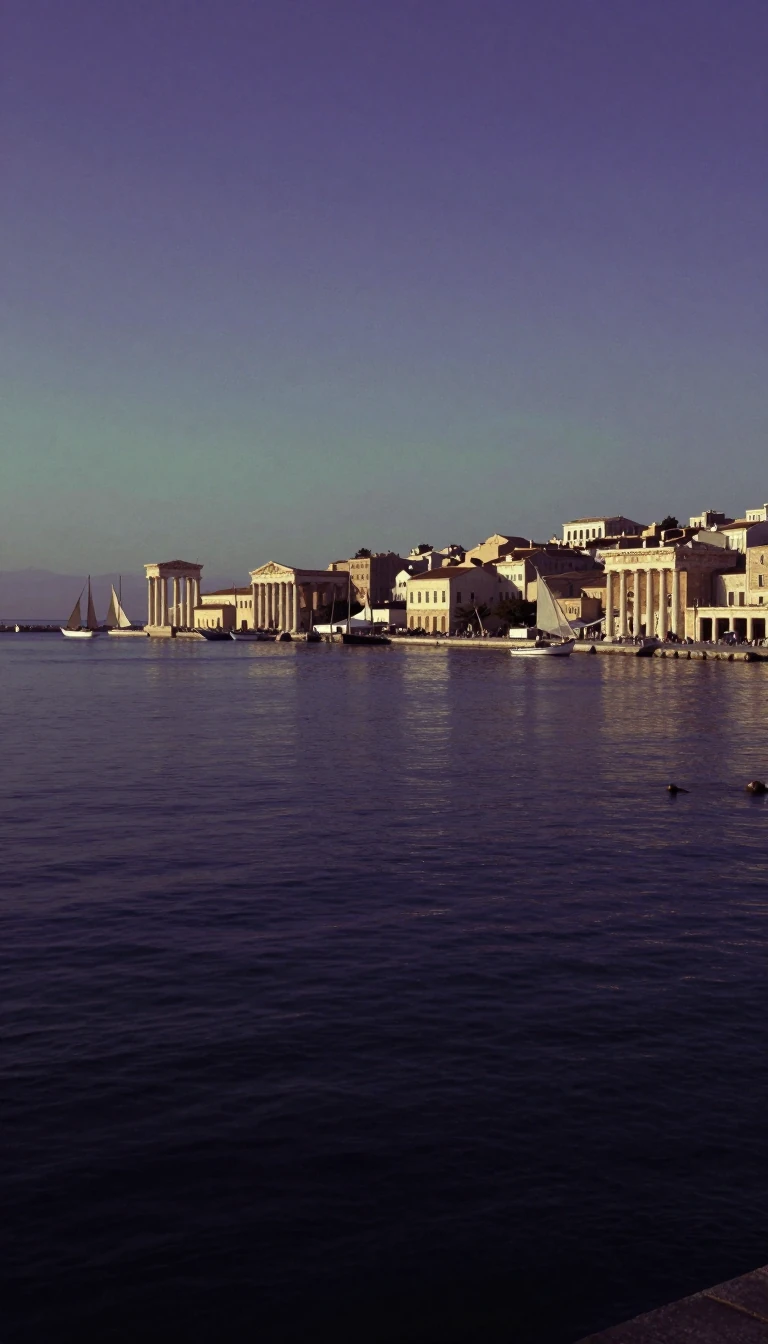 A grand Portuguese monument built on the profits of global spice trade expansionThe Jerónimos Monastery stands as a limestone testament to Portugal's Age of Discovery. Funded by a dedicated tax on trade from Africa and the Orient, this architectural marvel se…
- How a dormant volcano and ancient lava tunnels shaped South Korea's largest islandJeju Island is a volcanic masterpiece, home to the world's most impressive lava tube network and South Korea's tallest peak. Designated a UNESCO World Heritage site in 2007, this …
- The Jameh Mosque of Isfahan is a living architectural record of twelve centuries of history.This UNESCO World Heritage site began as a modest mud-brick structure in 771 CE. Over the next millennium, it evolved into a complex masterpiece of Islamic architecture, absorbing…
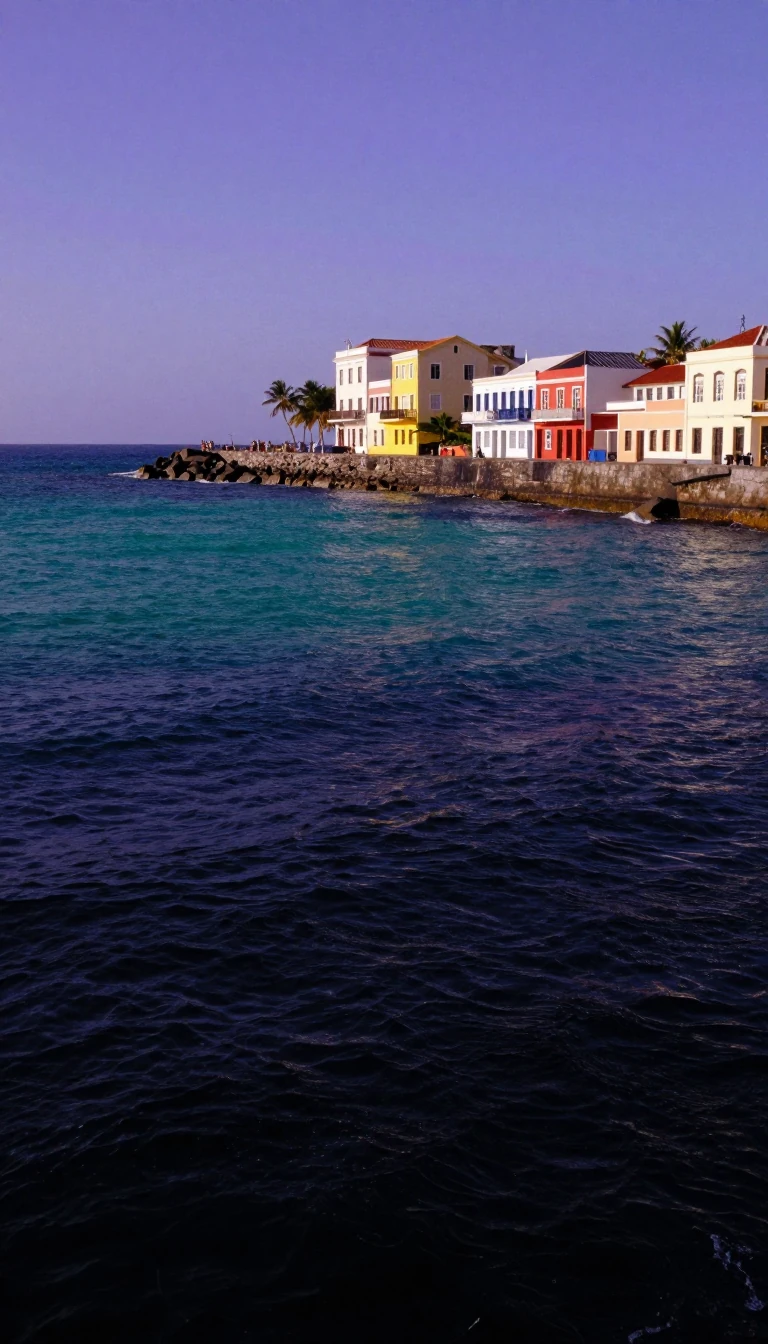 Deep in the Amazon, a massive reserve protects a river basin named for a giant fish.Spanning over 2.3 million hectares, Jaú National Park is one of South America's largest forest reserves. Located in the state of Amazonas, Brazil, this UNESCO World Heritage Site …
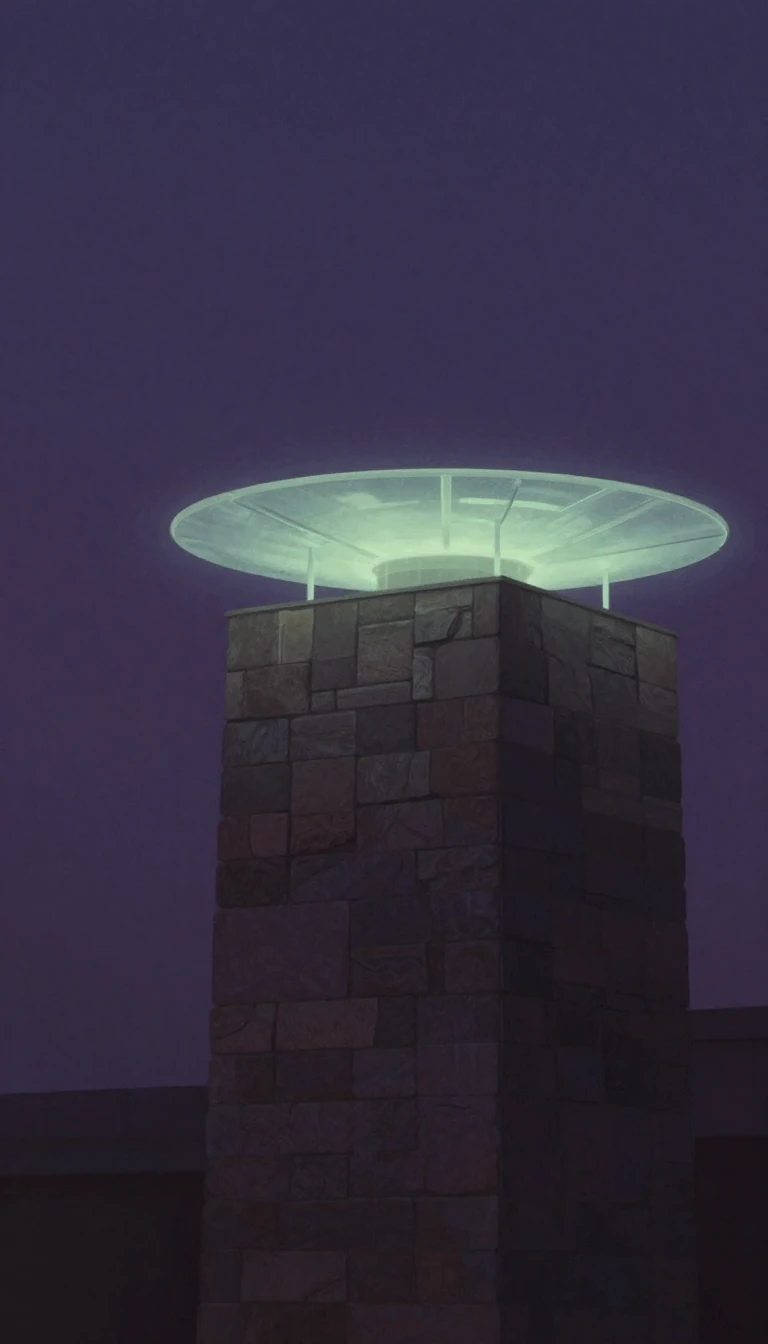 How a 15th-century Korean building uses ancient physics to preserve 81,352 sacred woodblocksThe Janggyeong Panjeon at Haeinsa temple is a masterclass in passive climate control. Built in the 1400s, this repository protects the Tripitaka Koreana woodblocks using nothing b…
 Can a massive stone sundial actually measure time to within two seconds?The Jantar Mantar in Jaipur is a collection of nineteen monumental astronomical instruments built in the 1730s. While its centerpiece, the Vrihat Samrat Yantra, is the world's lar…
- Can a giant stone sundial track the heavens with two-second precision?In the heart of New Delhi stands a collection of massive, geometric stone structures designed to measure the cosmos without a single telescope. Built in 1724, the Jantar Mantar ob…
- The tiny island that gave an entire African nation its nameOff the coast of northern Mozambique lies a narrow strip of land that once served as the capital of Portuguese East Africa. Though only three kilometers long, this UNESCO World He…
- The Walled City of Khiva: A Living Monument to Central Asian HistoryProtected as a World Heritage Site since 1990, Itchan Kala is the fortified inner town of Khiva, Uzbekistan. This ancient urban center preserves over 300 historic structures, incl…
 Why this Japanese shrine was built to float above the rising tideItsukushima Shrine appears to hover over the sea, a masterpiece of Shinto architecture designed to preserve sacred purity. By constructing the complex on piers, ancient builders e…
 Why South Africa’s iSimangaliso Wetland Park is named after a miracleSpanning 280 kilometers of coastline, iSimangaliso Wetland Park is a biodiversity hotspot where coral reefs meet subtropical forests. Its Zulu name, meaning a miracle, reflects th…
 Why Cairo’s historic heart is a layered masterpiece of medieval urban planning and powerKnown officially as Historic Cairo, this dense architectural landscape evolved from a restricted Fatimid palace-city into a bustling global metropolis. From the burning of Fustat …
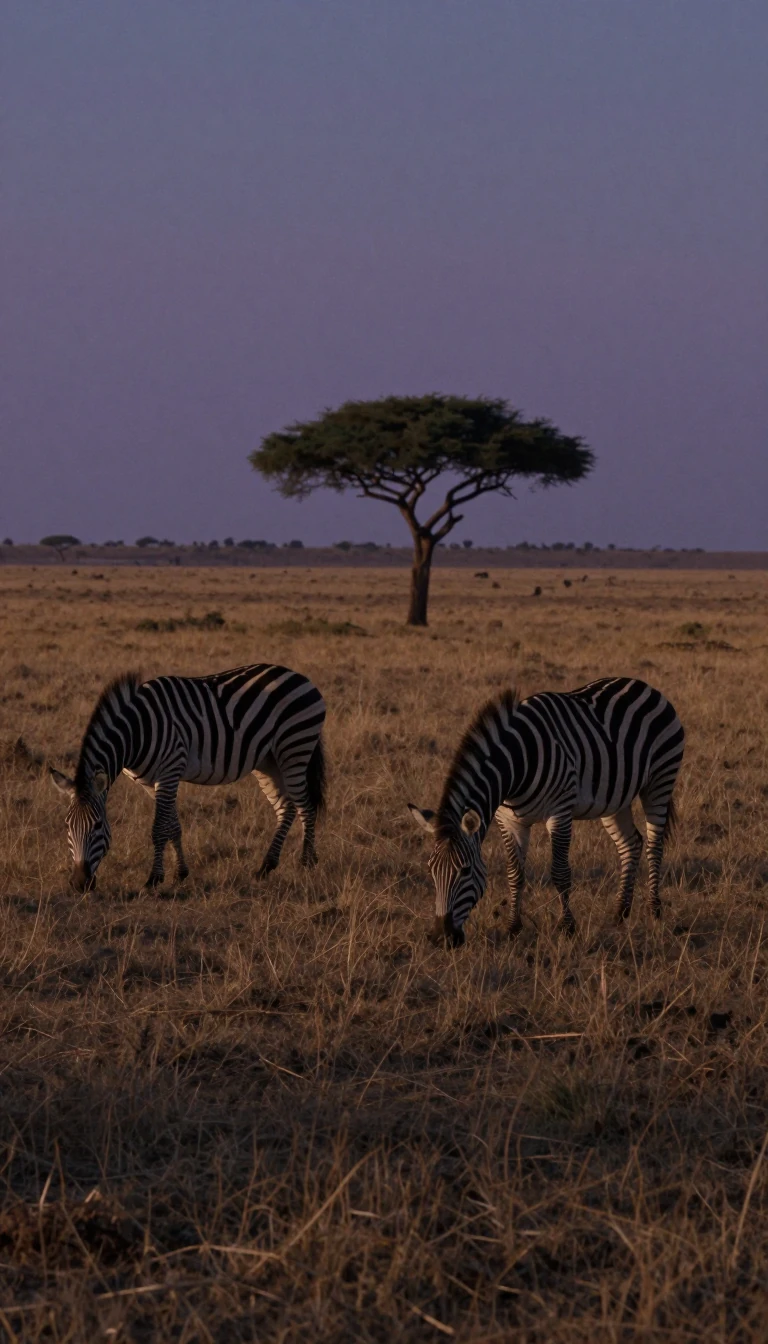 Why Gabon's Ivindo National Park is a global hotspot for rapid evolutionary speciationSpanning 300,000 hectares of pristine rainforest, Ivindo National Park is a biological treasure trove. Beyond its famous waterfalls, the park hosts unique, ancient forests and rar…
 Can the historic colonial capital of Saint-Louis survive the rising tides of time?Located at the mouth of the Senegal River, the Island of Saint-Louis is a UNESCO World Heritage site defined by its 19th-century urban planning and colonial architecture. While on…
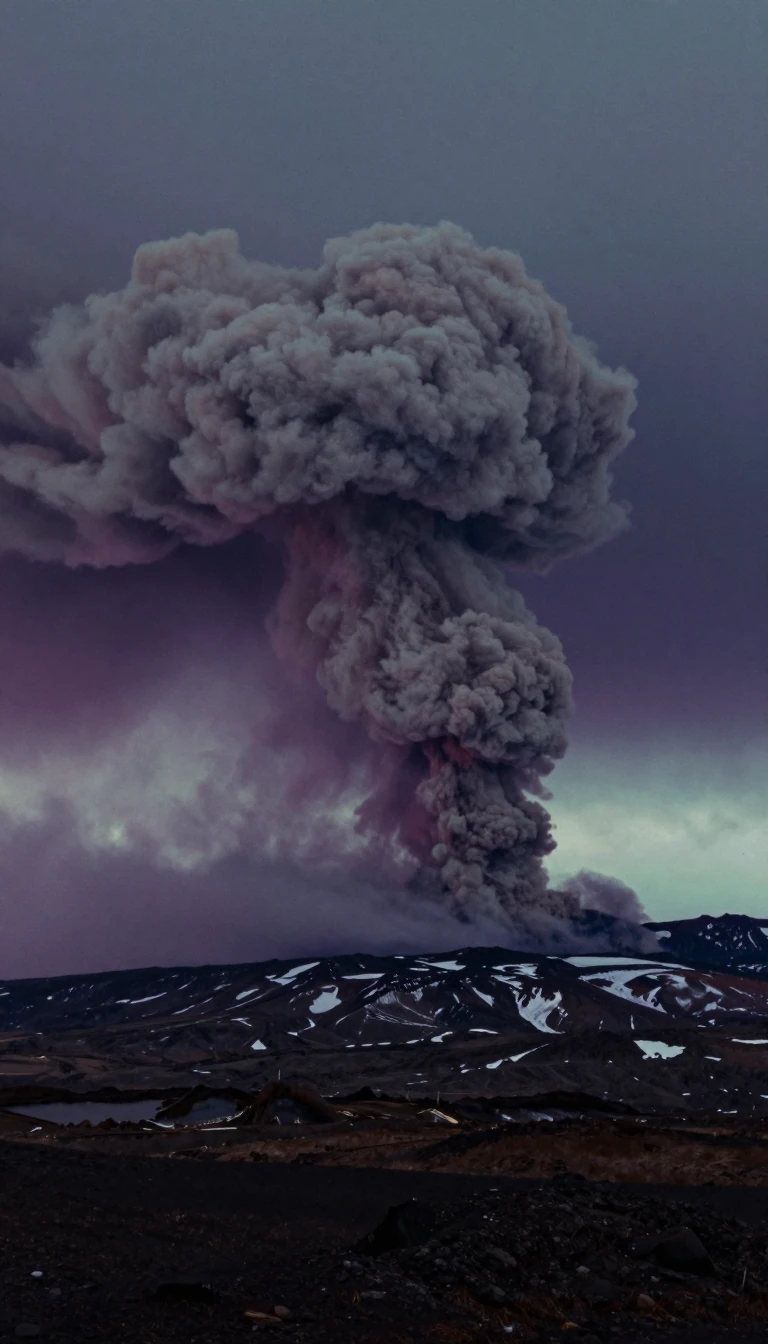 Why a desolate Icelandic rift valley became the cradle of a nation's identityFor nearly nine centuries, Icelanders gathered at Þingvellir to settle disputes and forge laws. This volcanic rift, where tectonic plates pull apart, served as the heart of the Ic…
- How did an ancient Indian iron pillar survive 1,600 years without rusting away?Standing over seven meters tall in Delhi, this iron monument has baffled scientists for centuries. While modern iron structures succumb to the elements, this ancient pillar remain…
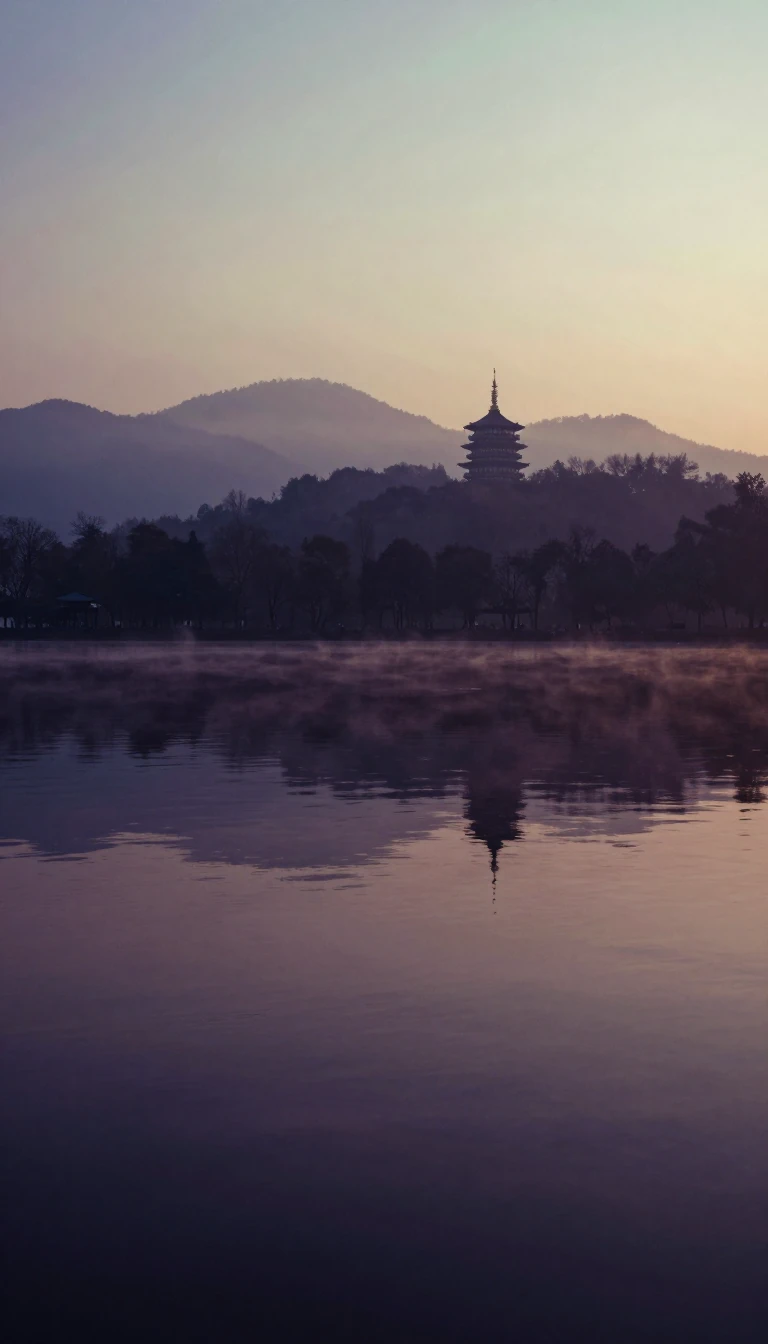 Why China's imperial tombs were designed to harmonize with the natural landscapeThe Ming and Qing imperial tombs are more than burial sites; they are architectural manifestations of the Mandate of Heaven. By blending traditional Feng Shui with rigid imperial …
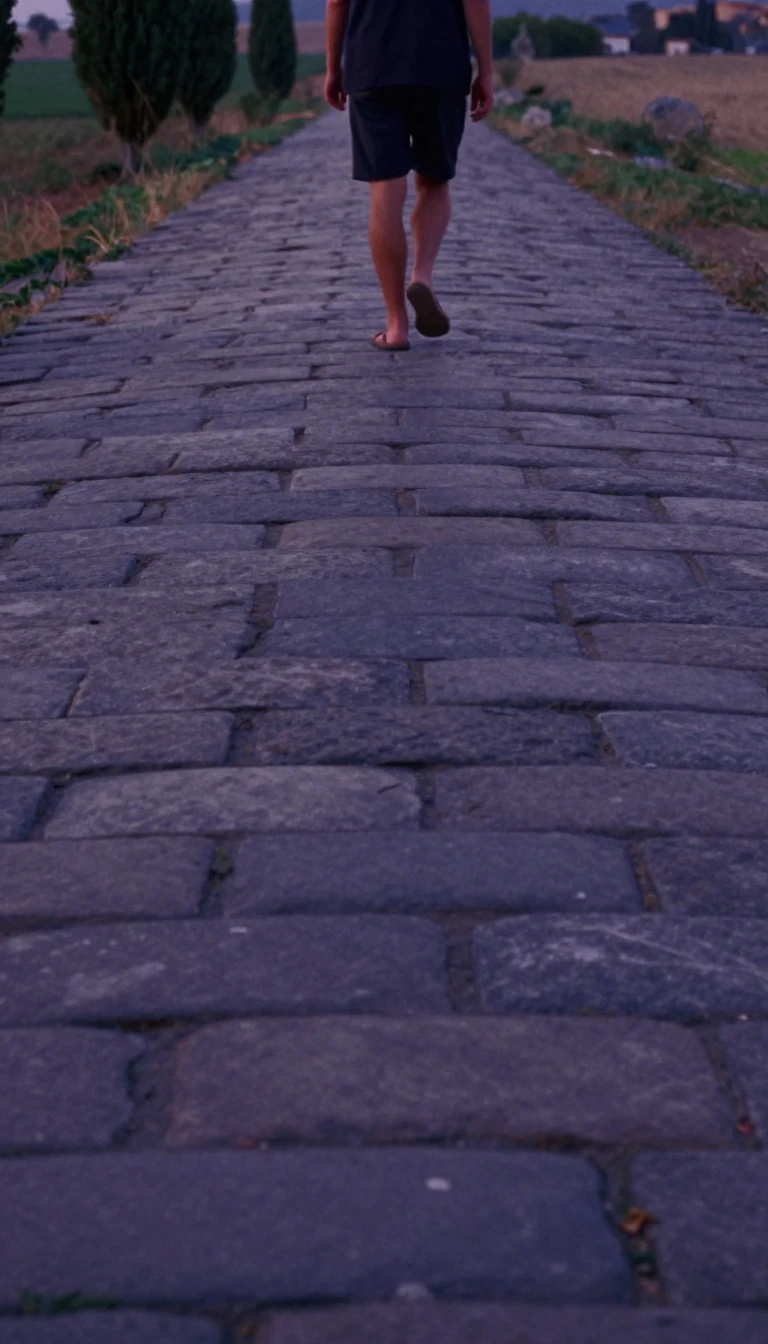 The Inca Empire built a 40,000-kilometre road network without using a single wheel.Spanning six modern countries, the Qhapaq Ñan was the most advanced transportation system in pre-Columbian South America. This massive network of roads, bridges, and stairways con…
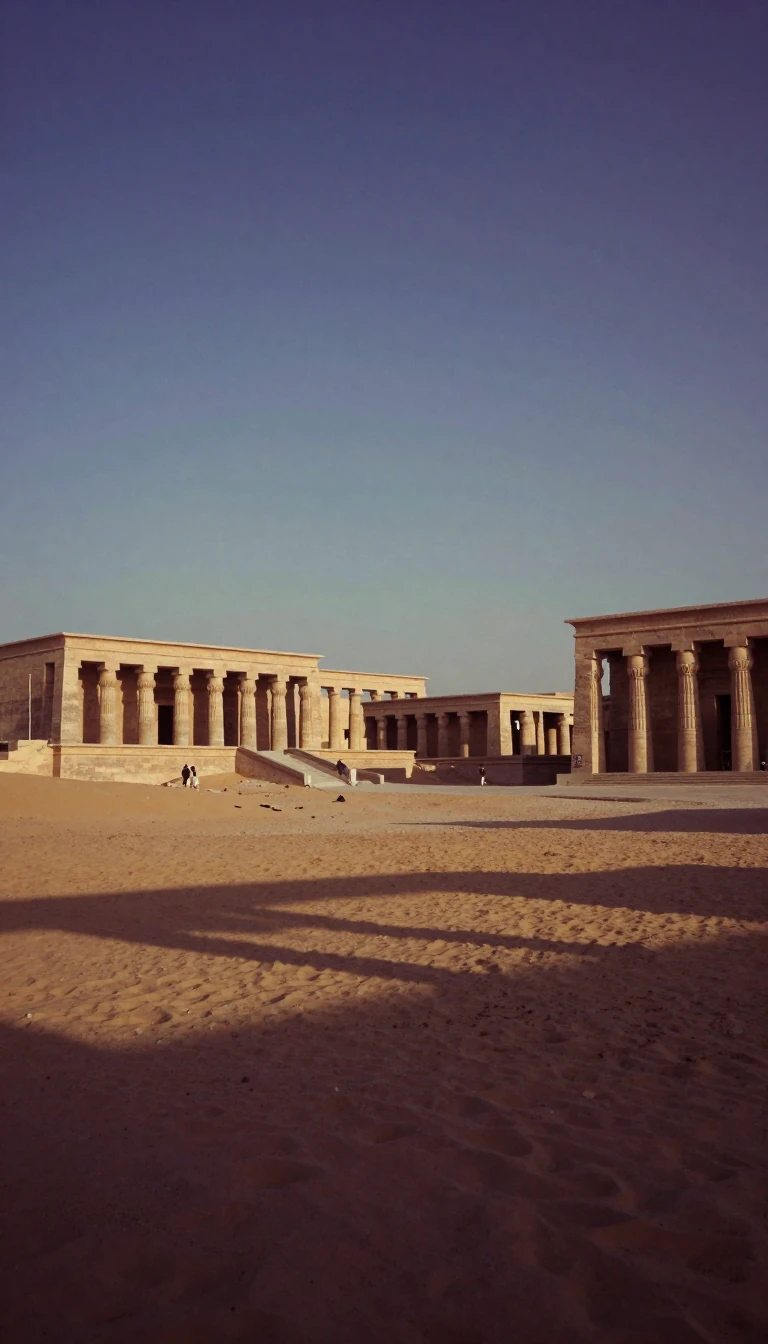 How Ancient Desert Cities Thrived on the Fragrance of Frankincense and MyrrhIn the arid Negev, the Nabataeans transformed a harsh landscape into a thriving commercial hub. By mastering camel caravans and sophisticated desert irrigation, they linked distan…
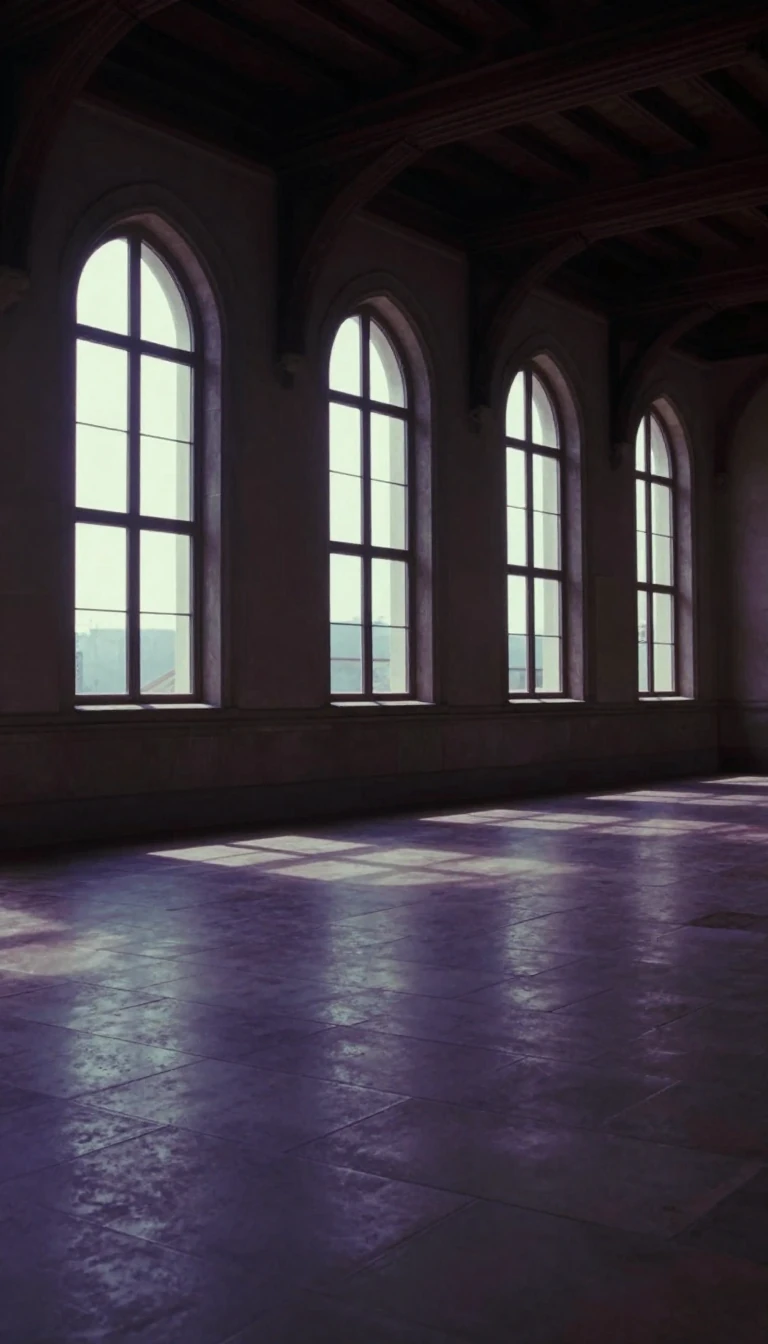 How a colonial state house became the birthplace of American democracy and global liberty.Completed in 1753, Philadelphia’s Independence Hall served as the stage for the most pivotal moments in American history. From the adoption of the Declaration of Independence to t…
 How a glacial flood created the cradle of the Industrial Revolution in EnglandThe Ironbridge Gorge is more than a scenic landmark; it is a geological accident that sparked global industry. Formed when an ancient ice-dammed lake burst through the hills, the …
 The ancient Guaraní roots beneath the mist of the world's largest waterfall systemSpanning 677 square kilometers in northern Argentina, Iguazú National Park is far more than a scenic wonder. While famous for its massive, U-shaped river and subtropical jungle, t…
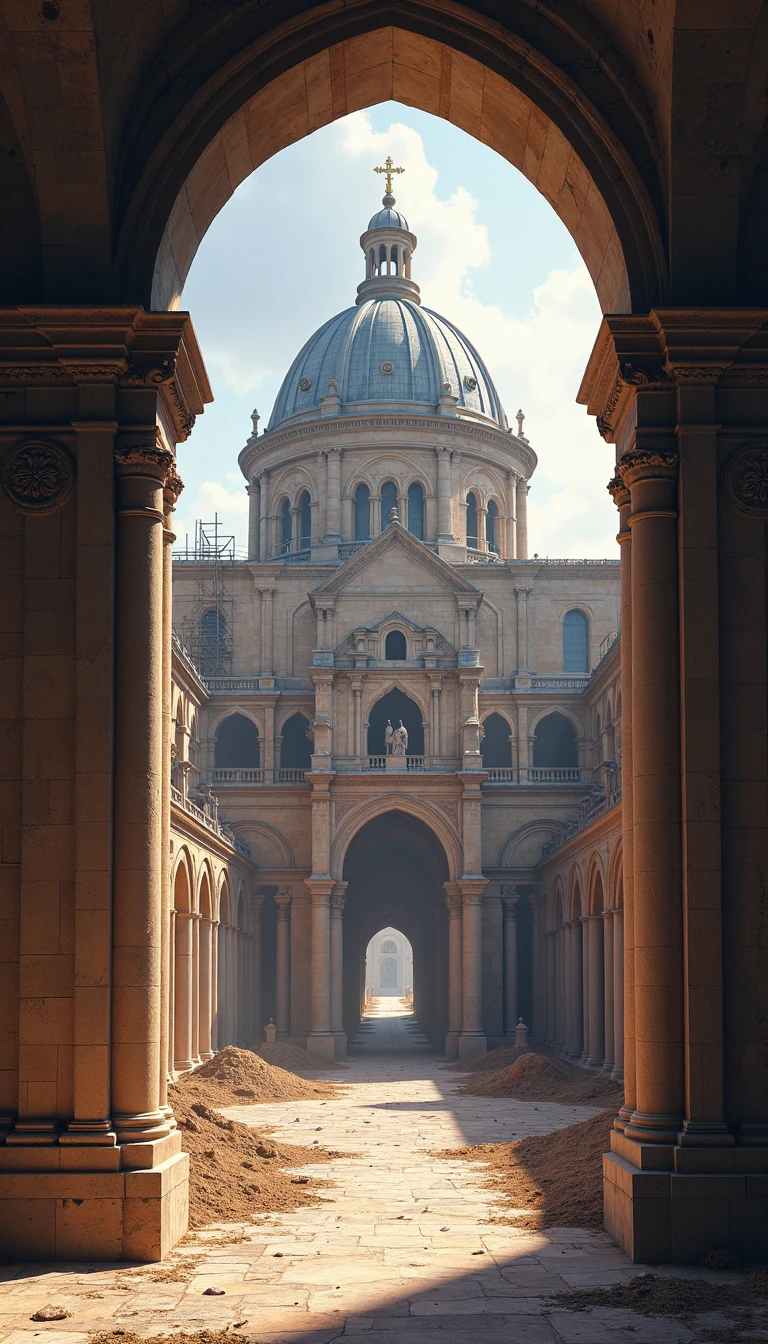 A Renaissance masterpiece built entirely of stone without a single drop of mortarThe Cathedral of St. James in Šibenik is an architectural anomaly. Constructed between 1431 and 1536, this UNESCO World Heritage site was built using an innovative technique of in…
- Can a fragile Tunisian wetland survive the unintended consequences of human engineering projects?Lake Ichkeul in northern Tunisia serves as a vital sanctuary for hundreds of thousands of migrating birds, including flamingos and geese. However, the construction of dams on its …
- The Brazilian engineer who fought to protect the sublime Iguaçu Falls in 1876Long before Iguaçu National Park was officially established, visionary engineer André Rebouças campaigned to preserve the area as a pristine sanctuary for future generations. Insp…
 The Arctic glacier that calves twenty billion tonnes of ice into the sea annuallyLocated 250 kilometers north of the Arctic Circle, the Ilulissat Icefjord is home to the Northern Hemisphere's most productive glacier. This massive ice factory, known as the Jaco…
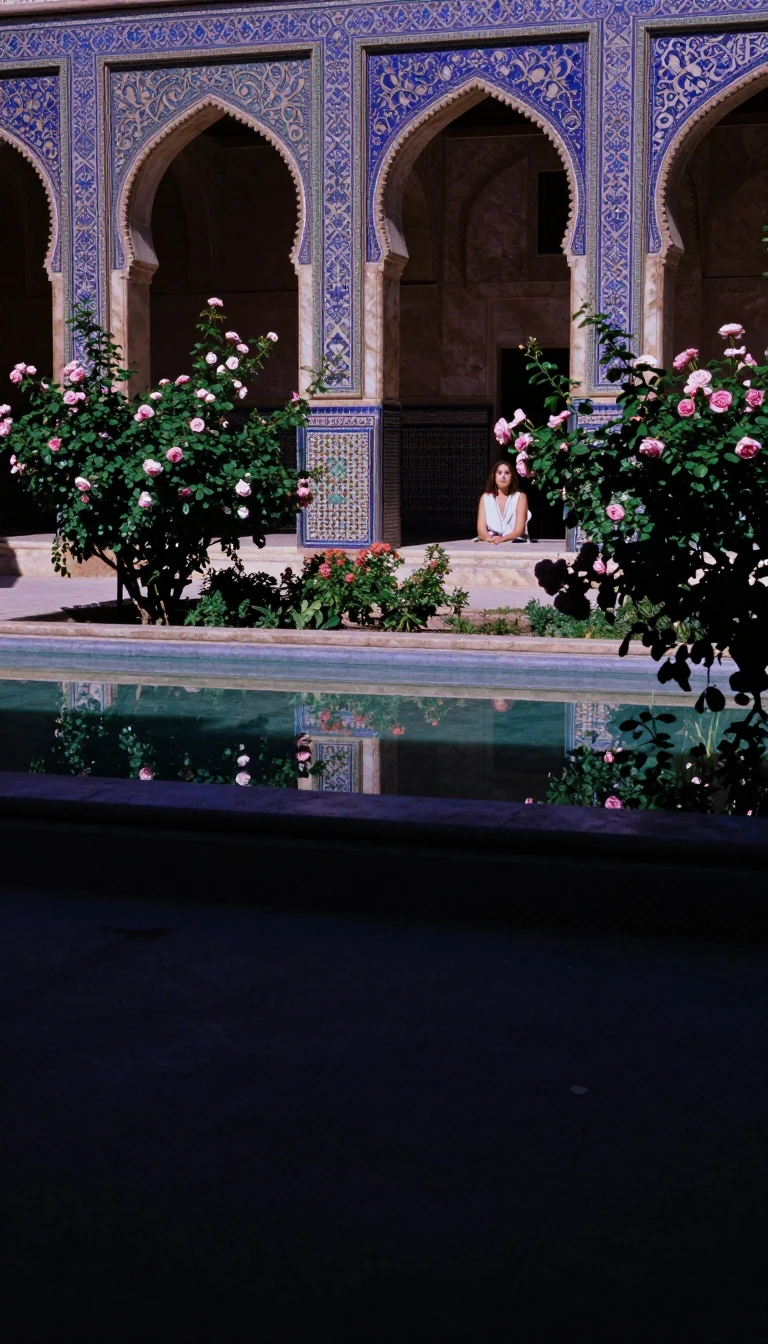 A Mughal Empress built a paradise on earth to honor her late husband's legacy.Commissioned in 1558 by Empress Bega Begum, Humayun's tomb transformed Indian architecture. As the first garden-tomb on the subcontinent, it blended Persian design with local red …
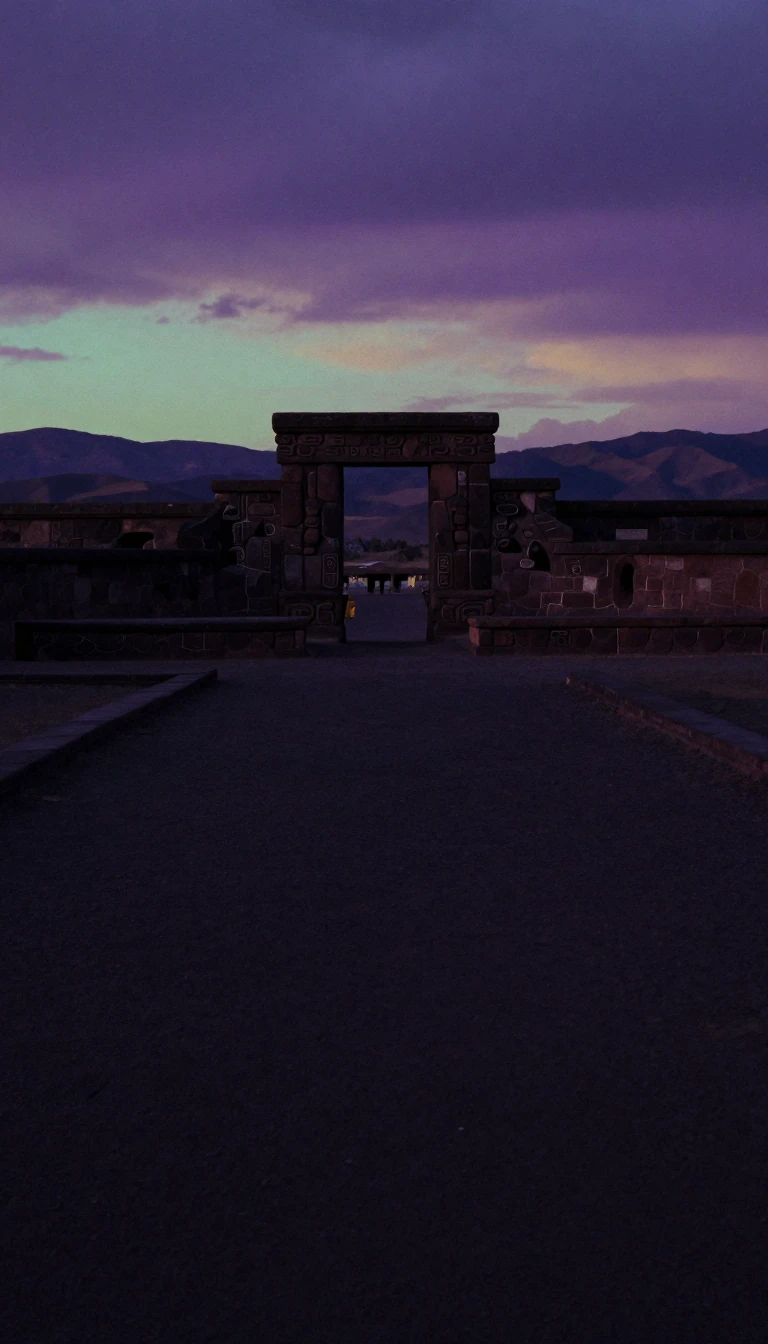 How a German chemical breakthrough turned these Chilean mining towns into ghost townsDeep in the Atacama Desert, two former saltpeter refineries stand as silent monuments to a vanished global industry. Once bustling hubs of nitrate production, these towns were dec…
 A Battlefield Shell-Hole Transformed Into a Final Resting Place for Fallen SoldiersLocated within the Beaumont Hamel Newfoundland Memorial Park, Hunter's Cemetery is not a traditional burial ground. It is a repurposed shell-hole from the First World War, serving…
 A quiet corner of Belgium where history rests in the Ypres SalientTucked away in the village of Ploegsteert, the Hyde Park Corner Cemetery serves as a poignant reminder of the First World War. This small burial ground, established by soldiers in…
 Why a failed Ming dynasty official built a masterpiece of landscape architecture in SuzhouWang Xianchen retired from a tumultuous political career to build a garden that would express his refined taste. Named after a verse about the joys of a simple life, this site bec…
- The 800-kilometer pilgrimage route that preserves an entire culture without a written languageFor the Huichol people of western Mexico, the journey to the sacred site of Wirikuta is more than a trek; it is a vital lifeline. Spanning nearly 800 kilometers, this ancient path…
 How a 200-year-old blueprint saved a Korean fortress from disappearing into historyBuilt in the late 18th century to house a royal tomb, Suwon Hwaseong Fortress was nearly lost to the ravages of war. Its remarkable survival and UNESCO status today rely on an inc…