 Intellect Plus
World Heritage Sites
1,540 cards. Each one is a 40-second story with a five-minute read behind it. Page 14 of 26.
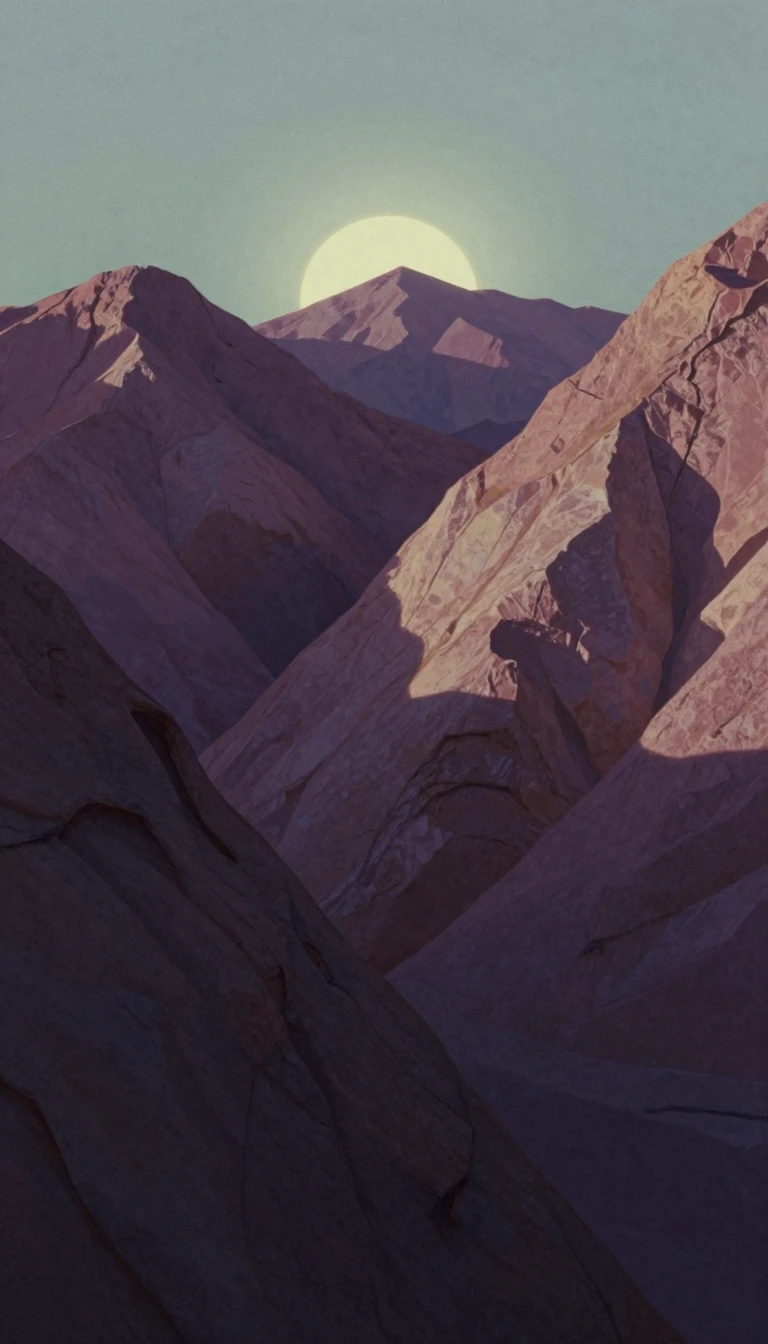 Eight millennia of human history are etched into the Saudi Arabian desert rock facesIn the arid expanse of the Ha'il region, ancient populations carved their stories into stone. These petroglyphs, spanning 8,000 years, serve as a visual chronicle of human resilie…
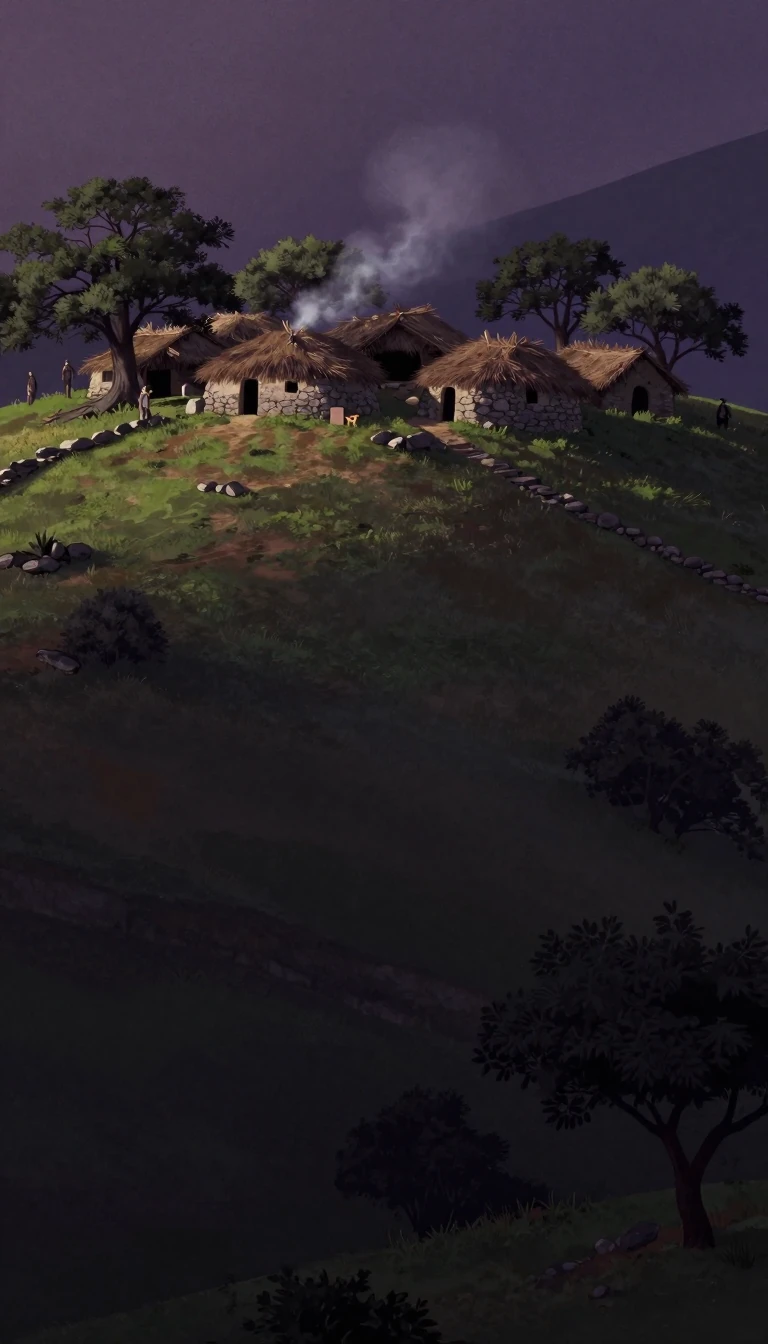 Why prehistoric artists in Spain painted humans running with legs spread 180 degrees apartAcross the ravines of eastern Spain, over 700 rock shelters preserve a unique visual record of prehistoric life. Unlike the static animals of the Ice Age, these paintings capture …
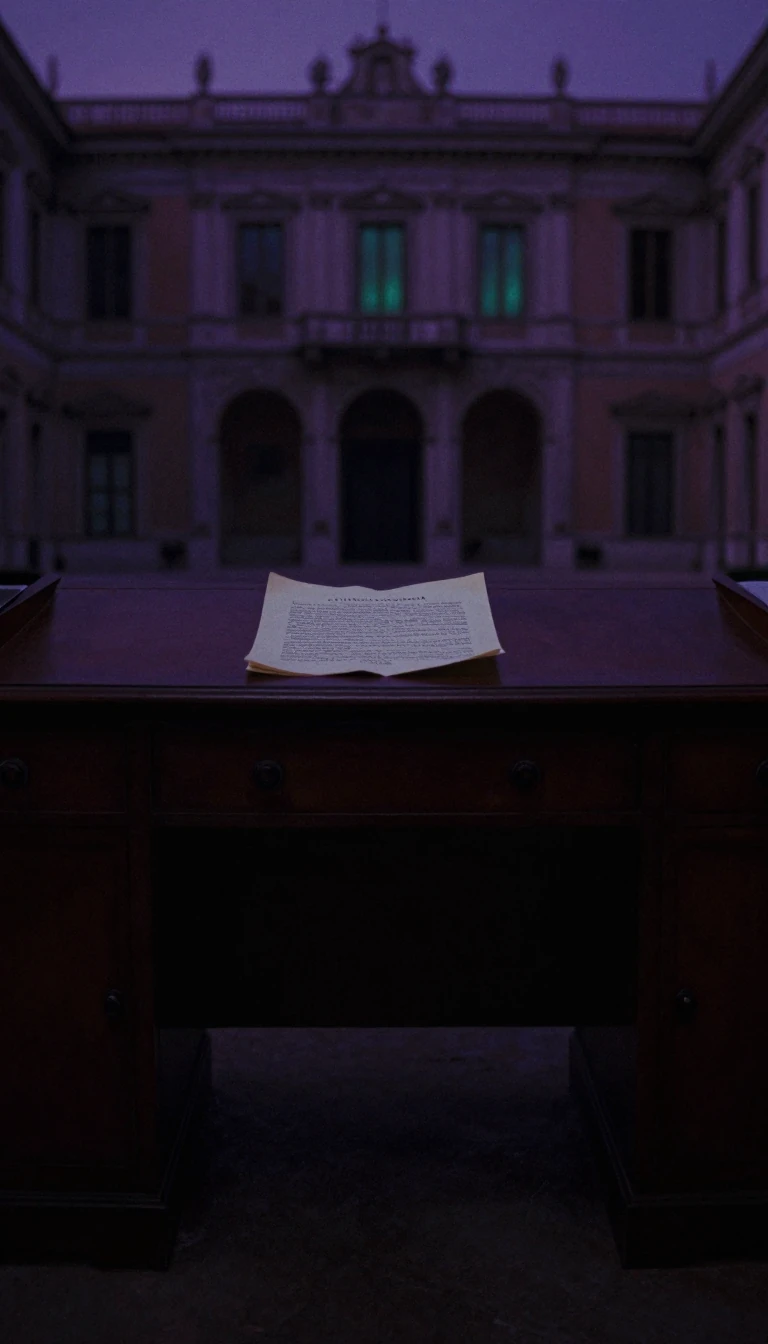 How the House of Savoy used architecture to cement their absolute power in ItalyIn 1562, the Duke of Savoy moved his capital to Turin, launching a massive architectural campaign. By commissioning the finest architects to build lavish palaces and hunting lodge…
 The Philippine Rice Terraces are not ancient relics but products of colonial resistance.Long believed to be over 2,000 years old, the iconic rice terraces of the Philippine Cordilleras are actually much younger. Recent archaeological evidence suggests these engineeri…
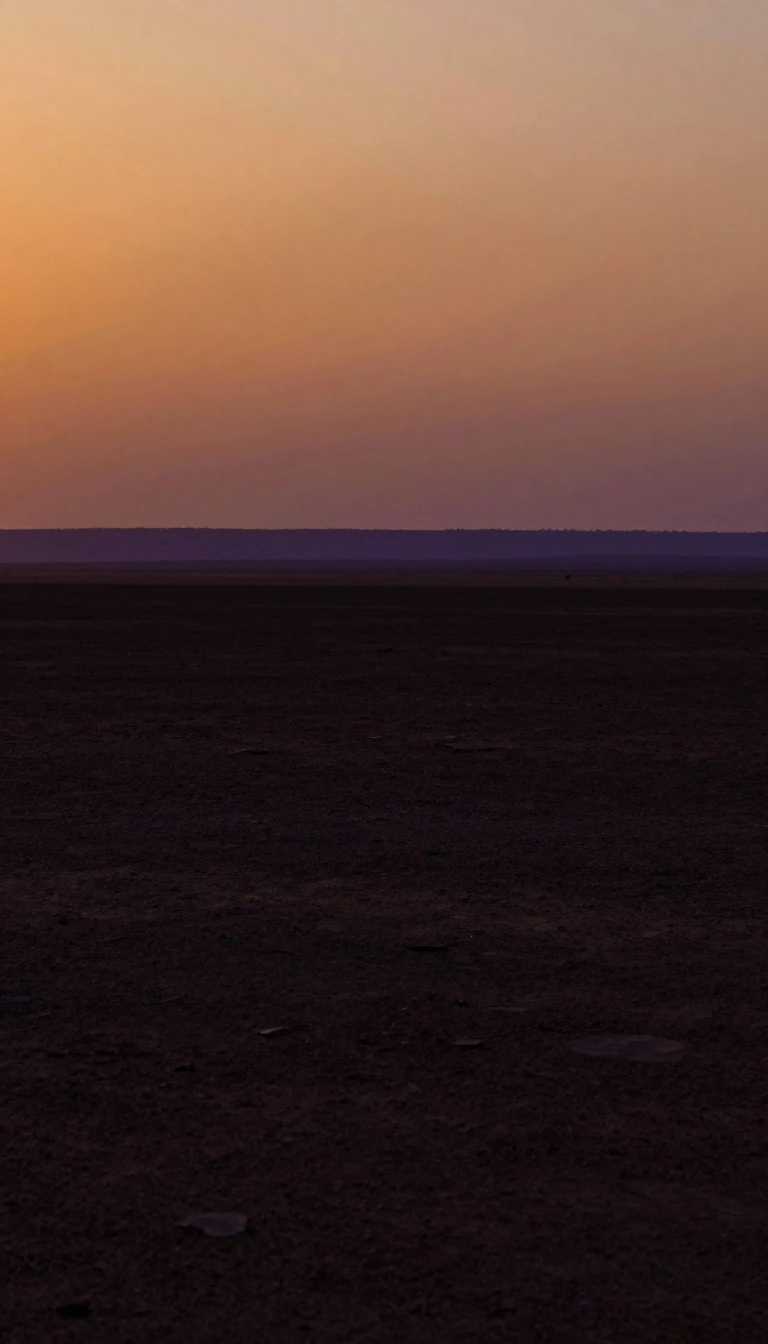 The arid desert where the Nama people preserve an ancient, nomadic way of lifeIn South Africa’s rugged north-western corner lies the Richtersveld, the world’s only arid biodiversity hotspot. Here, the indigenous Nama people continue a traditional transhuman…
 The 1924 Dutch house that defied bourgeois norms by eliminating walls entirelyBuilt in 1924, the Rietveld Schröder House in Utrecht is a radical architectural manifesto. Designed by Gerrit Rietveld for Truus Schröder-Schräder, it rejects traditional contain…
 The Revillagigedo Islands: Mexico's remote volcanic archipelago and its fragile, unique ecosystemLocated hundreds of kilometers off Mexico's Pacific coast, the Revillagigedo Islands are a volcanic chain teeming with endemic species found nowhere else on Earth. Once a planned …
 How a prehistoric river gorge became the definitive cultural landscape of modern GermanyThe Upper Middle Rhine Valley is more than a scenic waterway. Stretching 65 kilometers between Koblenz and Rüdesheim, this steep-walled gorge has served as a vital European trade …
 Why the world's tallest trees are hiding in a seismically volatile coastal corridorRedwood National and State Parks protect nearly half of all remaining old-growth coast redwoods, including the tallest living tree on Earth. This humid, fog-drenched landscape is …
 How a tiny island in Lake Constance became a medieval intellectual powerhouseIn 724, a remote island in Southern Germany was transformed from an abandoned site into a thriving center of Carolingian and Ottonian culture. Reichenau Abbey fostered poets, scho…
 Why did an 11th-century queen build an inverted temple deep underground?Rani ki Vav, a masterpiece of Maru-Gurjara architecture in Gujarat, served as both a functional water source and a spiritual sanctuary. Buried by river silt for centuries, this su…
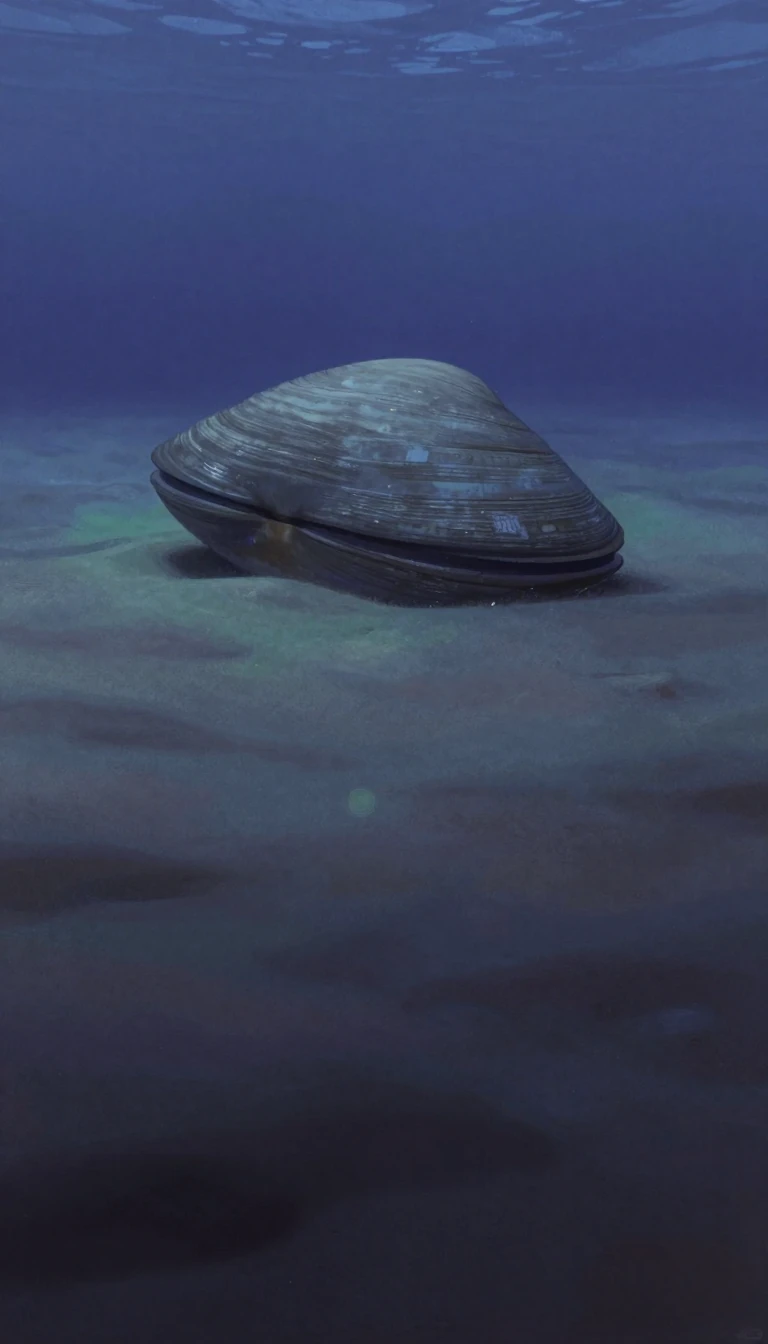 How a forgotten 16th-century Basque whaling station became a global archaeological treasureIn the 1530s, Basque mariners established a massive industrial whaling hub on the rugged coast of Labrador. For decades, they processed whale oil to light the streets of Europe. T…
 Why is a major Brazilian cultural landmark shuttered for over a decade?Located in Brasília, the Renato Russo Cultural Center was once a vibrant hub for creativity and community. Since 2013, however, the site has remained closed due to severe structur…
 How an isolated Pacific island reclaimed its ancestral stone giants and sacred landsRapa Nui National Park, home to 887 iconic stone moai, represents a profound shift in heritage management. Once leased for sheep ranching and administered by state agencies, the i…
 How a remote island monastery became the intellectual powerhouse of the Carolingian EmpireFounded in 724 on a strategic German island, Reichenau Abbey evolved from a modest Benedictine settlement into Europe's premier center for illuminated manuscripts. By leveraging i…
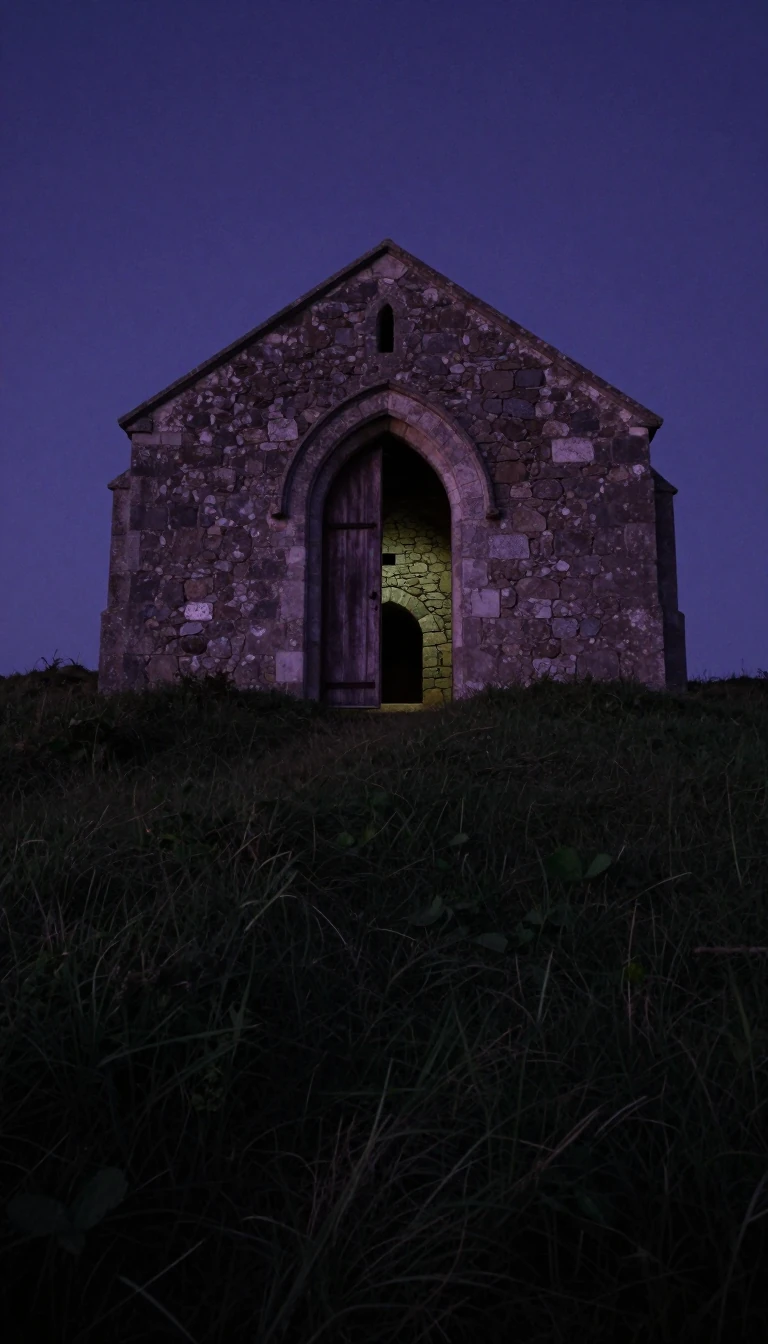 A masterpiece of Byzantine and Moorish design hidden in the heart of UkraineBuilt between 1864 and 1882, the Residence of Bukovinian and Dalmatian Metropolitans is a stunning architectural fusion. Once a symbol of religious tolerance in the Austro-Hungari…
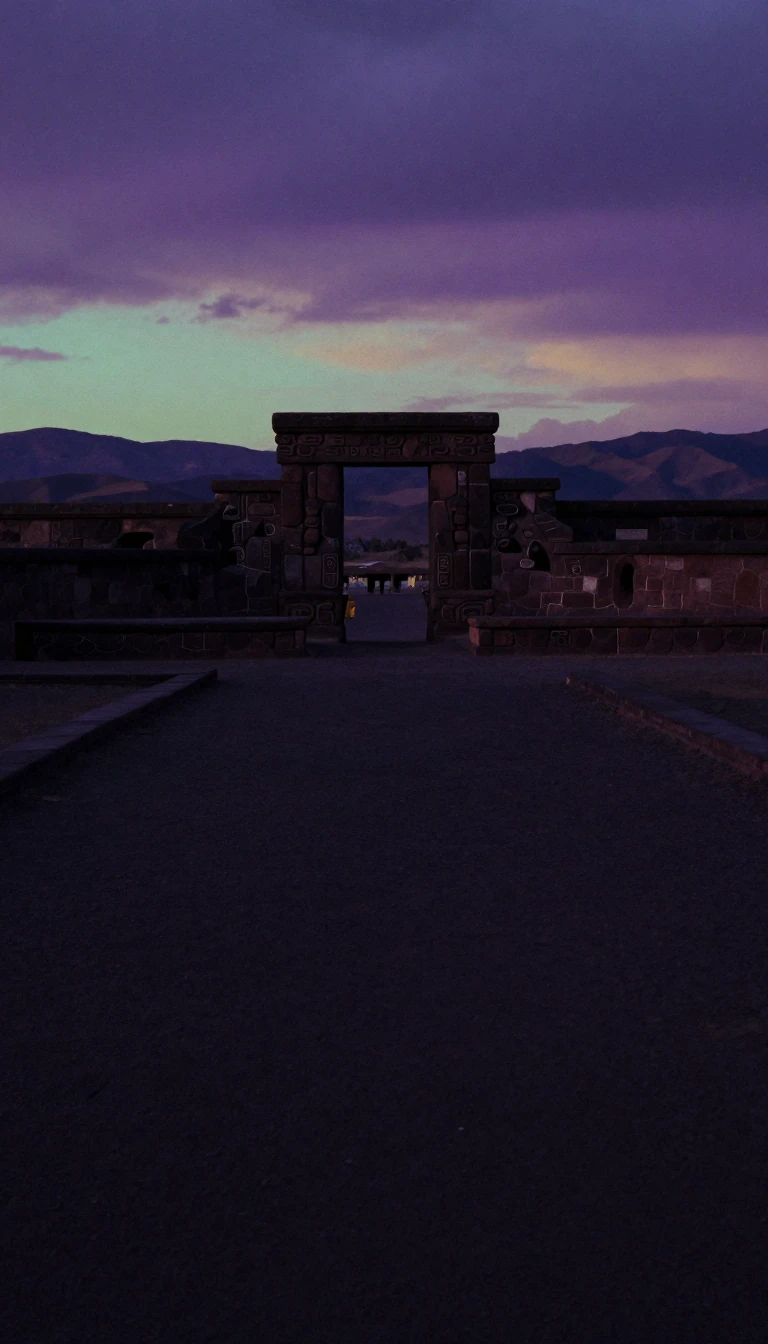 A 10,000-Year-Old Mountain Corridor That Shaped South American HistoryNestled in Argentina’s northwest, the Quebrada de Humahuaca is far more than a stunning geological ravine. This 155-kilometer mountain valley has served as a vital artery for huma…
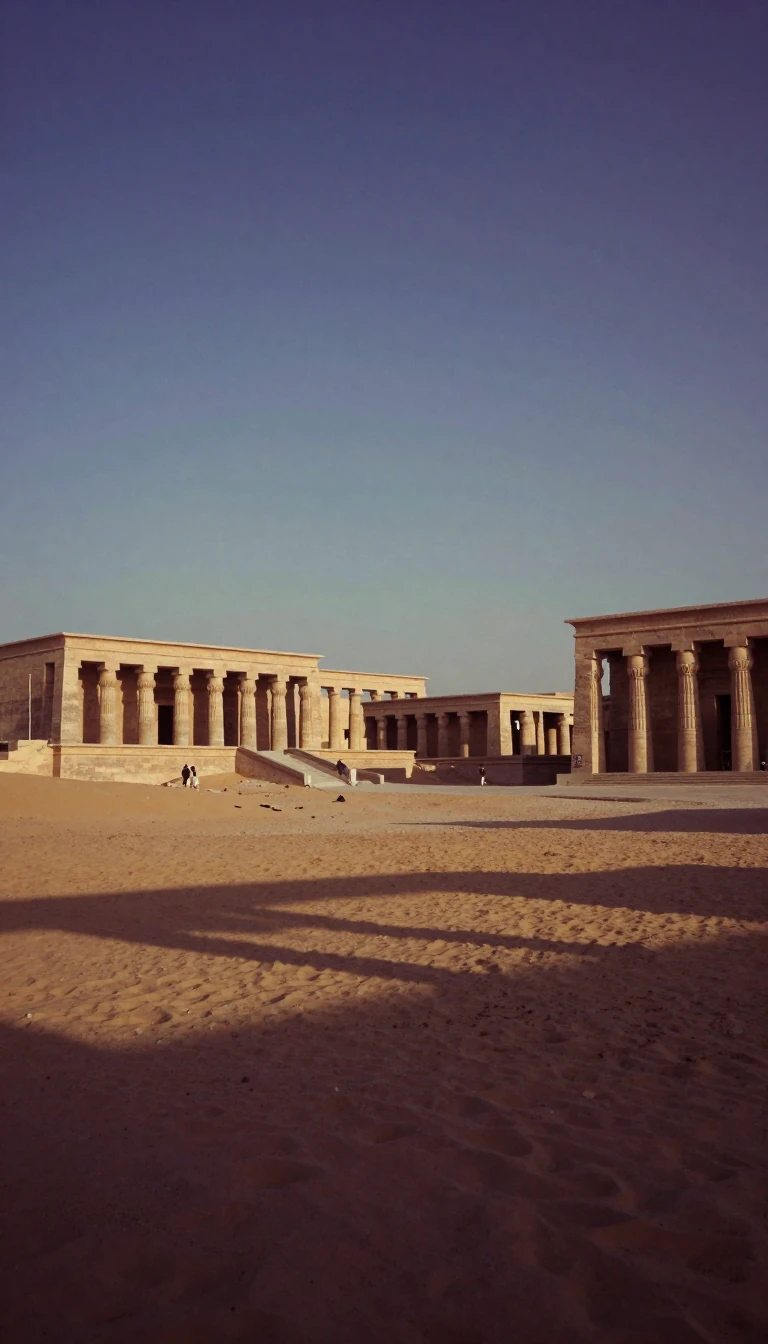 A desert trade hub in Saudi Arabia reveals a surprising Hellenistic pastQaryat al-Faw, once the capital of the Kingdom of Kinda, was a thriving trade center on the edge of the Empty Quarter. Recently designated a UNESCO World Heritage Site, this ancie…
 The Qutb Minar is a 72.5-meter brick tower built from demolished temple ruins.Rising above the ruins of the ancient citadel of Lal Kot, the Qutb Minar is a masterpiece of synthesis. This UNESCO World Heritage site, constructed by the Delhi Sultanate, blends…
- A victory tower built from the ruins of twenty-seven demolished ancient templesThe Qutb Minar complex in Delhi is a layered chronicle of power, where Islamic monuments rise directly from the foundations of destroyed Hindu and Jain temples. Beyond its famous …
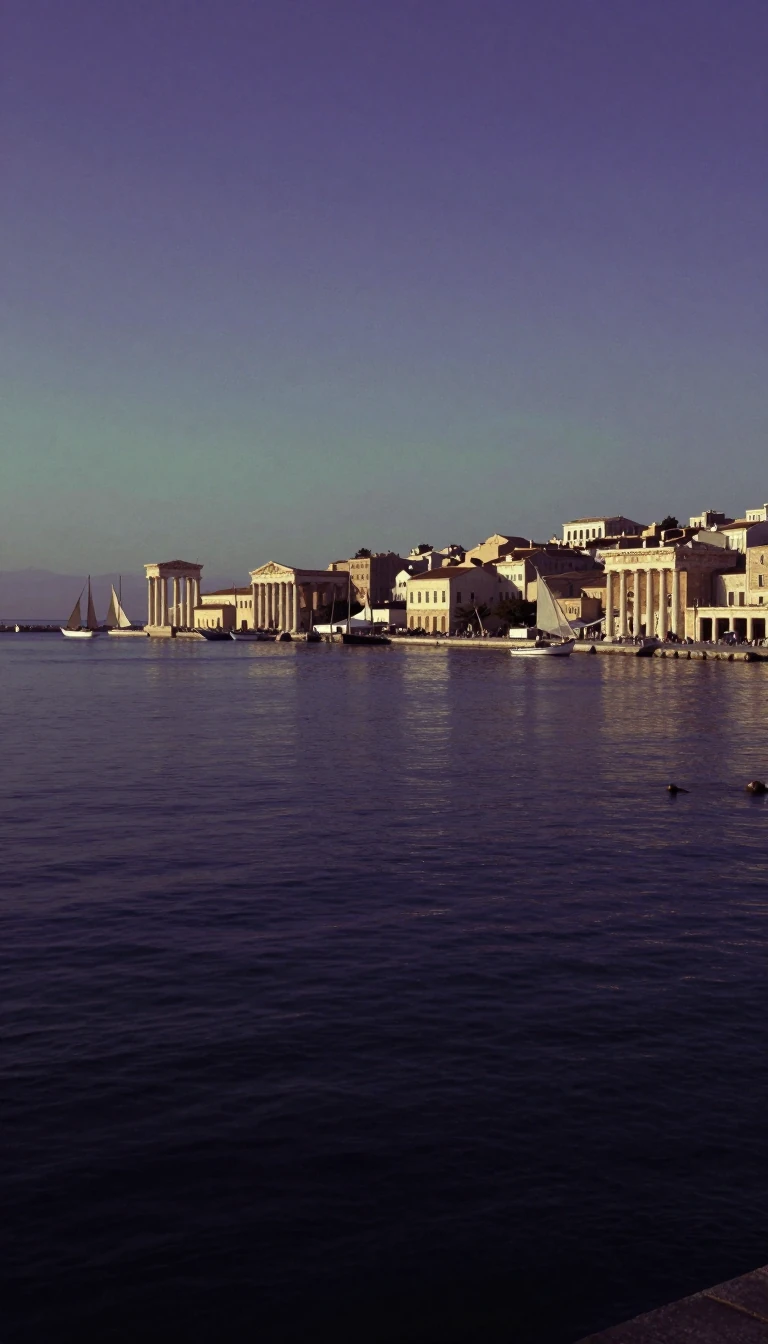 The only Indian temple named after its architect, a 13th-century engineering marvel.Located in Telangana, the Ramappa Temple is a rare masterpiece named after the craftsman who built it. Beyond its intricate stone carvings, the structure features floating bricks …
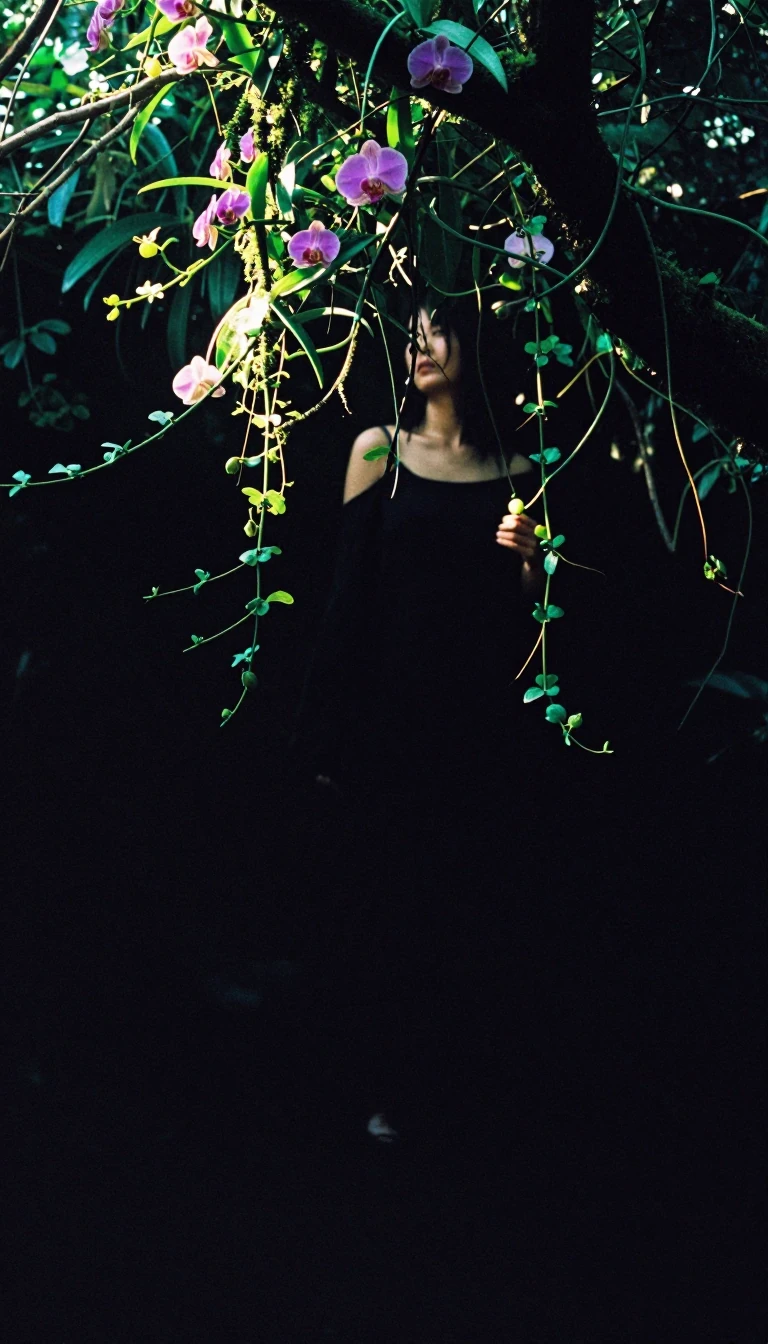 Why Madagascar's isolated rainforests are a living laboratory for evolutionSeparated from all other land masses for over 60 million years, Madagascar developed a unique biological identity. The Rainforests of the Atsinanana, a World Heritage Site spannin…
 Beneath the Philippines lies a massive, hidden world of rivers and ancient limestone chambers.The Puerto Princesa Subterranean River is a geological marvel, featuring an 8.2-kilometer underground waterway that flows directly into the South China Sea. Once considered the lo…
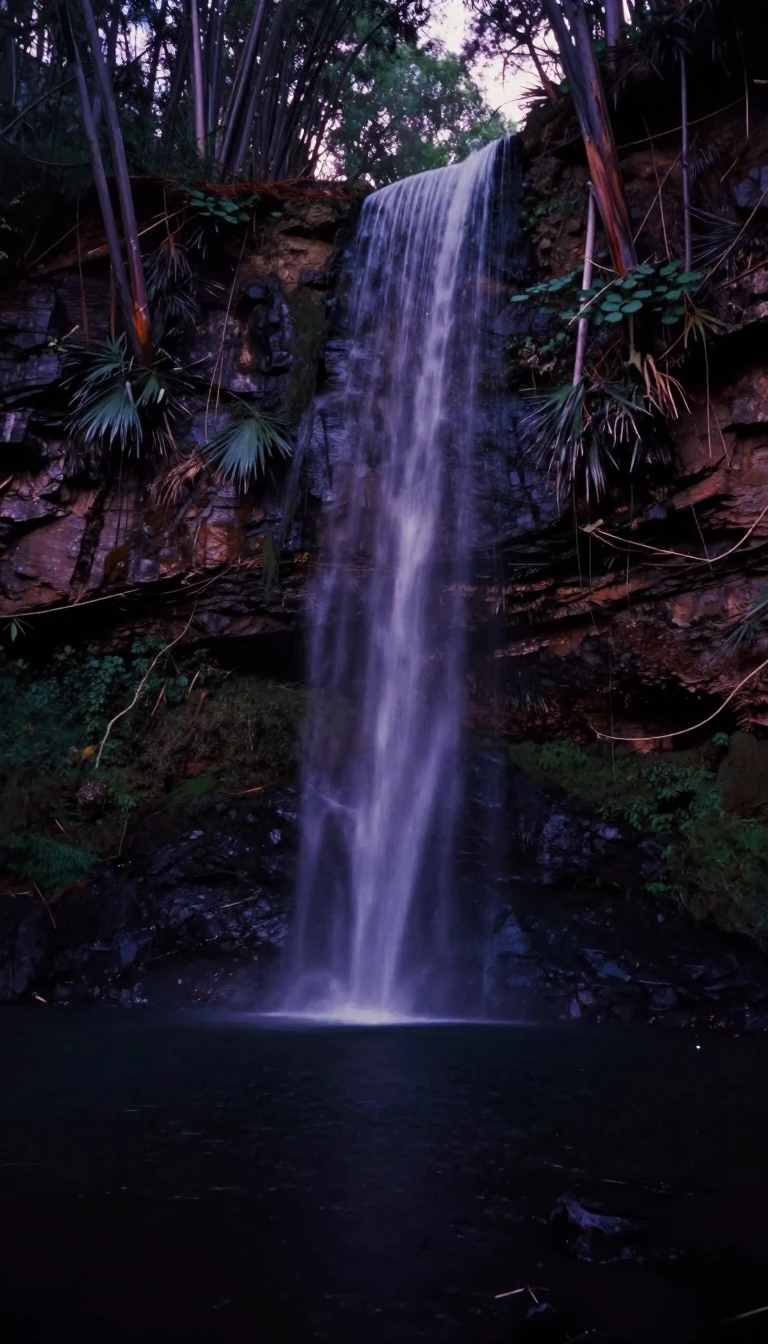 Why Australia's Bungle Bungle Range wears a coat of living, breathing stripesRising from the semi-arid savannah of Western Australia, the beehive-shaped sandstone towers of Purnululu National Park are a geological marvel. Their iconic orange and grey bands…
 The Putorana Plateau is a vast, frozen wilderness hiding Russia's second-largest freshwater reserve.Located above the Arctic Circle, this remote Siberian massif is a geological titan. It holds massive nickel deposits, thousands of deep lakes, and the world's largest wild reindee…
 Why this hidden Pyrenees peak is a shared sanctuary for Spain and FranceKnown as the lost mountain, Monte Perdido stands as the heart of a unique cross-border landscape. Spanning both Spain and France, this UNESCO World Heritage site preserves not jus…
- This artificial mound in Bahrain holds five millennia of lost civilizations and trade history.Rising twelve meters above the northern coast of Bahrain, Qal'at al-Bahrain is more than a fort. It is a massive artificial tell containing seven distinct layers of human occupati…
 The Algerian fortress that shaped the architecture of the medieval Mediterranean worldPerched high in the Hodna Mountains, the 11th-century capital of the Hammadid dynasty was once a thriving hub of science, commerce, and art. Though now in ruins, this fortified ci…
 Is this hollow mountain in Iran a natural wonder or a legendary demon prison?Rising from the landscape of West Azerbaijan, the Prison of Solomon is a striking, cone-shaped hill with a massive, eighty-meter-deep pit at its center. While locals once believed…
- A 9th-century Hindu masterpiece in Java was once abandoned and nearly lost to time.Prambanan, a massive 9th-century Hindu temple complex in Indonesia, was built to honor the Trimurti gods. After centuries of serving as a royal religious center, it fell into ruin…
 How a society of hunter-gatherers built North America's most complex prehistoric earthwork monumentIn northeastern Louisiana, the Poverty Point site defies standard archaeological wisdom. While most ancient monumental structures were built by agricultural societies with food su…
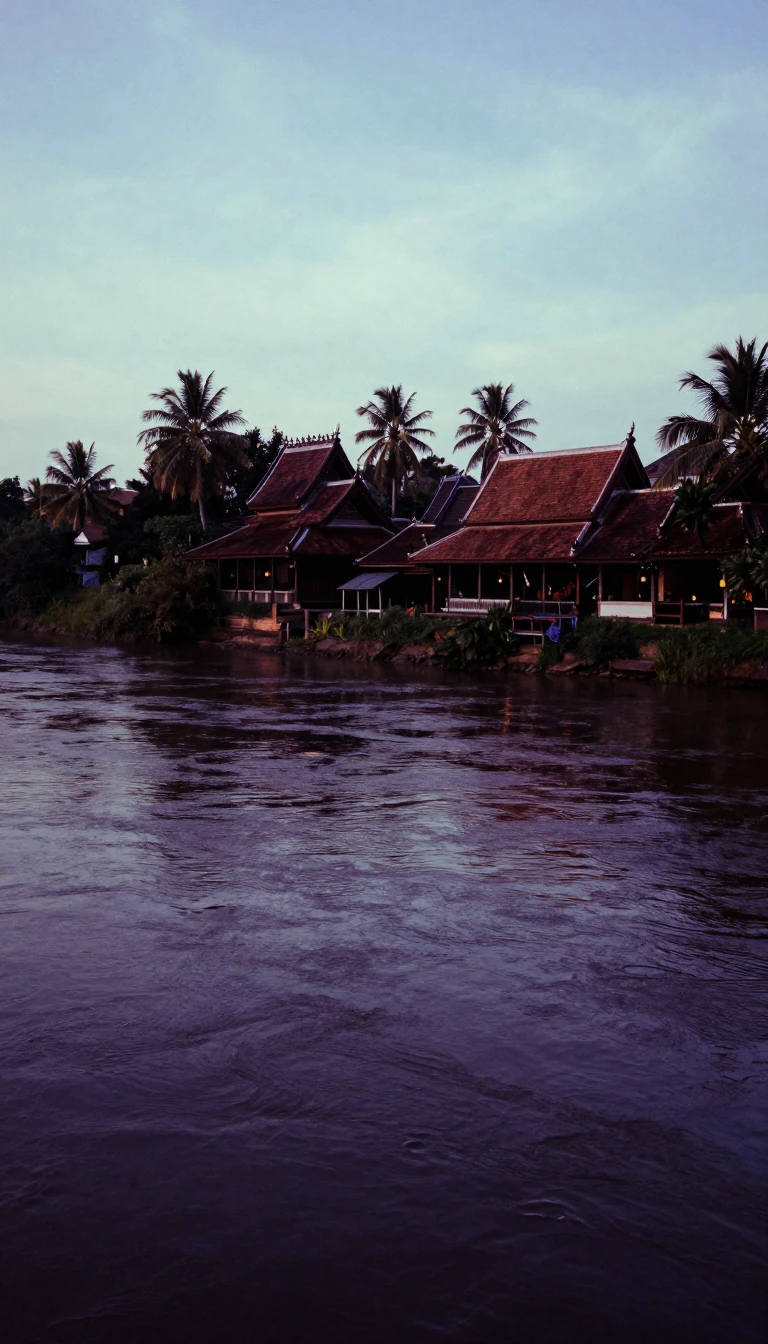 A sacred Khmer temple perched on a cliff became the center of a geopolitical storm.Perched 525 meters above the Cambodian plains, Preah Vihear is an architectural marvel of the Khmer Empire. Yet, this ancient sanctuary is better known for a century-long border d…
 Why prehistoric stilt houses were never actually built over the open waterFor centuries, the image of ancient lake dwellings perched above shimmering water has captivated the imagination. Yet, archaeological evidence reveals a more practical reality. Th…
- How a dam project accidentally revealed the world's largest open-air Paleolithic art gallery.In the 1990s, a massive dam project in Portugal threatened to submerge thousands of ancient rock engravings. The resulting public outcry, fueled by the slogan The carvings don't k…
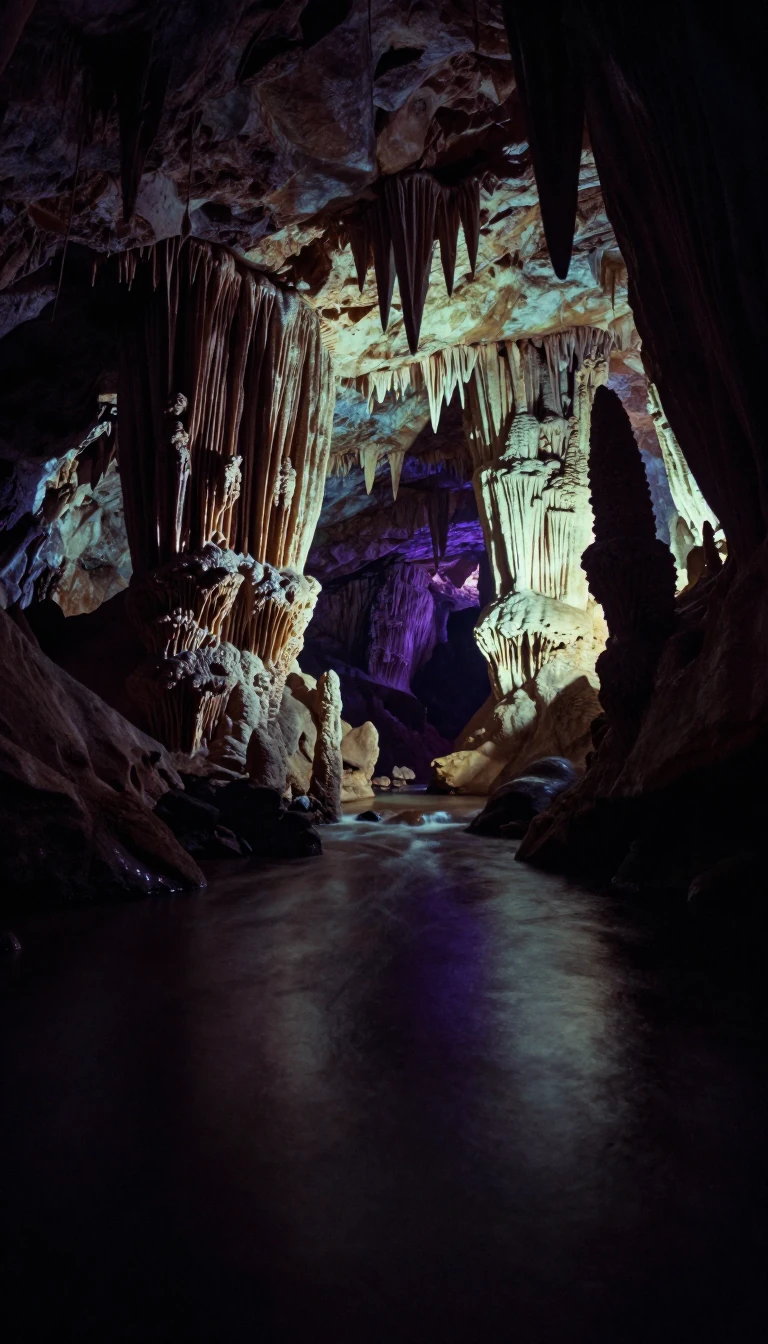 How a small French valley became the undisputed capital of prehistoric human historyThe Vézère valley in France holds over 150 prehistoric sites, including 25 decorated caves that fundamentally reshaped our understanding of human antiquity. Once dismissed as mode…
 The Carolingian fortress that became a sanctuary for ancient Roman literature and English novelsFounded in 822, the Princely Abbey of Corvey was a powerhouse of the Holy Roman Empire. From its strategic position on the Weser river, it evolved from a monastic center of Caroli…
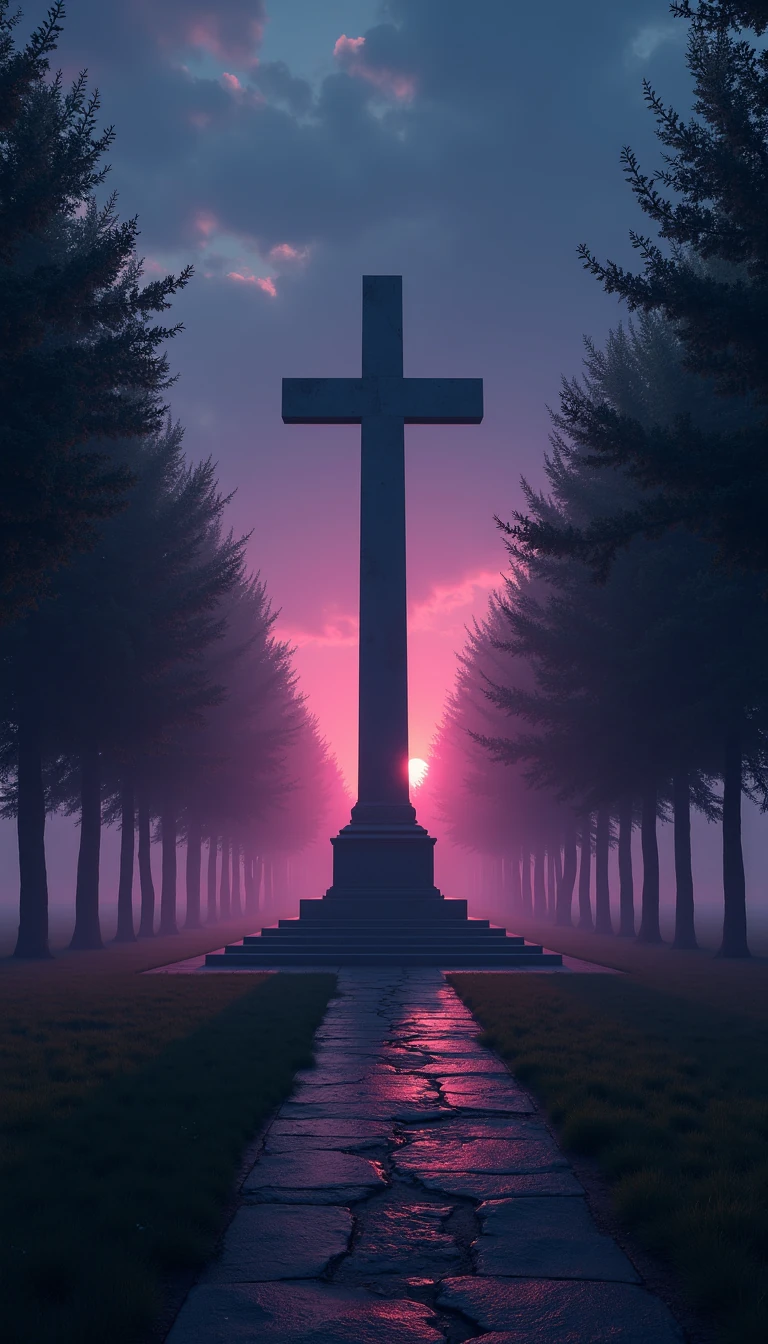 A memorial built in the wrong place for the wrong army's missing soldiersThe Pozières Memorial in France stands as a haunting paradox. Though it honors over 14,000 soldiers who vanished during the 1918 Spring Offensive, the site sits on the wrong side …
 Why did a tiny Italian fishing village become a strategic Mediterranean powerhouse?Porto Venere occupies a jagged promontory on the Ligurian coast that has served as a Roman fishing hub, a Byzantine naval base, and a Genoese stronghold. Today, this UNESCO World …
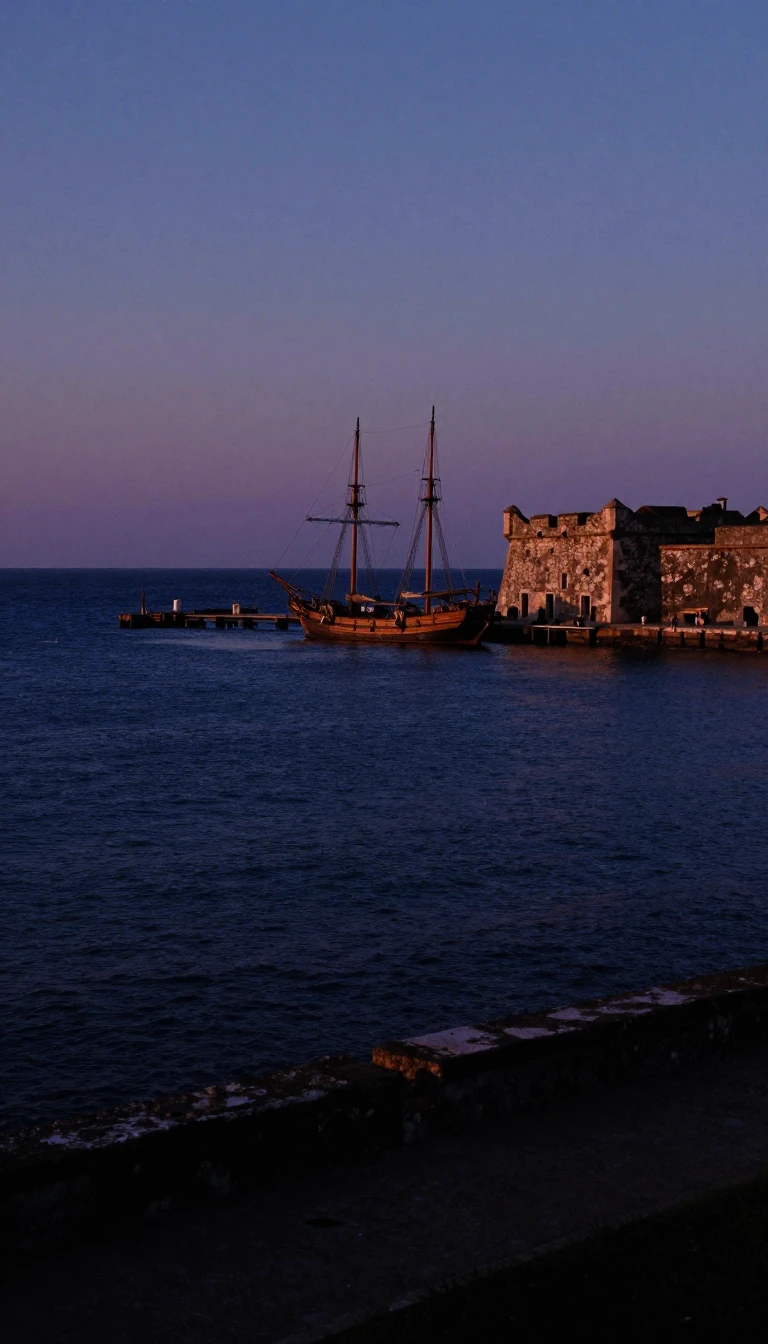 How the wickedest city on Earth sank into the sea in a single dayOnce the most prosperous hub in the Caribbean, Port Royal was a notorious pirate republic fueled by stolen Spanish gold. In 1692, a catastrophic earthquake turned its sandy founda…
 Why did Florence's oldest bridge survive the destruction of World War II?The Ponte Vecchio is a medieval stone survivor, the only bridge in Florence left standing after the German retreat in 1944. While other crossings were demolished, this iconic stru…
 Why the crescent moon is the enduring symbol of the French city of BordeauxThe Port de la Lune, or Port of the Moon, is more than just a harbor in Bordeaux. Named for the distinctive crescent shape of the river winding through the city, this iconic landm…
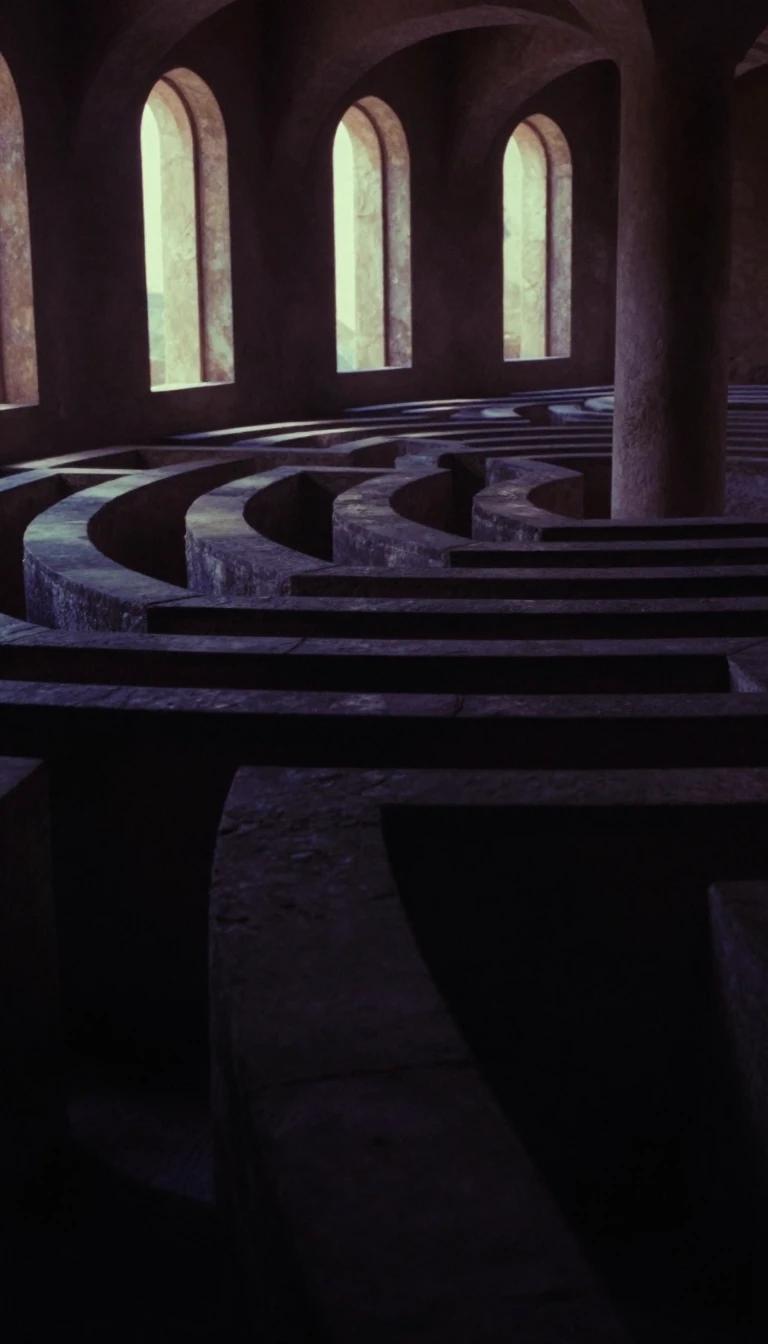 Why Bologna built 53 kilometres of covered walkways to house a growing populationBologna holds a unique architectural record: over 53 kilometres of interconnected porticoes. Originally emerging in the early Middle Ages as spontaneous private expansions onto pu…
 The solitary resting place for Portugal's fallen soldiers in the French countrysideTucked away in Pas-de-Calais, the Portuguese Military Cemetery at Richebourg stands as a singular monument to a nation's sacrifice during the First World War. It remains the only …
 How a remote Andean mountain became the engine of the global Spanish EmpirePerched at over 4,000 meters, Potosí was once the world's second-largest city, fueled by the staggering silver wealth of Cerro Rico. This high-altitude mining hub transformed glob…
- How living moss and ancient water create the shifting landscape of Plitvice LakesPlitvice Lakes National Park is a geological masterpiece where water literally builds its own path. Through a delicate process of mineral sedimentation, the park’s famous traverti…
 How a medieval Sri Lankan kingdom mastered water to achieve total self-sufficiencyPolonnaruwa was once a thriving medieval capital where engineering brilliance turned the landscape into a self-sustaining powerhouse. From its origins as a military outpost to its…
 How a Roman engineering marvel survived two millennia of neglect and human interferenceThe Pont du Gard is a masterpiece of Roman ingenuity, built to carry water across a rugged French landscape. Though it fell into disuse and suffered centuries of looting and milit…
 How a Belgian forest became a permanent piece of British imperial soilDeep within the Ypres Salient lies Ploegsteert Wood Military Cemetery, a site where the earth itself was ceded to the United Kingdom in perpetuity. This burial ground, born from t…
- How a Cistercian monastery became the final resting place for the kings of AragonFounded in 1151, Poblet Abbey served as more than a spiritual retreat. It was a strategic power center and the royal pantheon for the Crown of Aragon. Despite surviving centuries …
- A Polygon of Remembrance: The Quiet Geometry of the First World WarTucked away in the Ypres Salient of Belgium, the Polygon Wood Cemetery stands as a somber testament to the shifting frontlines of the First World War. Designed by Charles Holden, …
 Why this 19th-century Welsh wonder is held together by ox bloodCompleted in 1805, the Pontcysyllte Aqueduct remains the highest canal bridge in the world. This industrial marvel, which carries narrowboats 127 feet above the River Dee, relies …
 Why this Czech pilgrimage church is built entirely around the number fivePerched on a hill in Žďár nad Sázavou, this UNESCO-listed masterpiece defies traditional religious architecture. Architect Johann Santini Aichel fused Baroque and Gothic styles to…
 Lima's historic bullring stands as the oldest of its kind in the Western HemisphereIn the Rímac District of Lima, Peru, sits a national monument that has hosted spectacles since 1766. As the premier venue for bullfighting in the Americas, this adobe and wood str…
 Can a 1,300-year-old tree survive the expansion of a modern ski resort?Pirin National Park is a rugged, high-altitude sanctuary in southwestern Bulgaria, home to glacial lakes and Europe's southernmost glaciers. Yet, this UNESCO World Heritage site f…
 The volcanic spires of Saint Lucia are more than just iconic mountain peaksRising dramatically from the southwestern coast of Saint Lucia, the Pitons are two distinct volcanic plugs linked by a central ridge. These World Heritage sites are not only geolo…
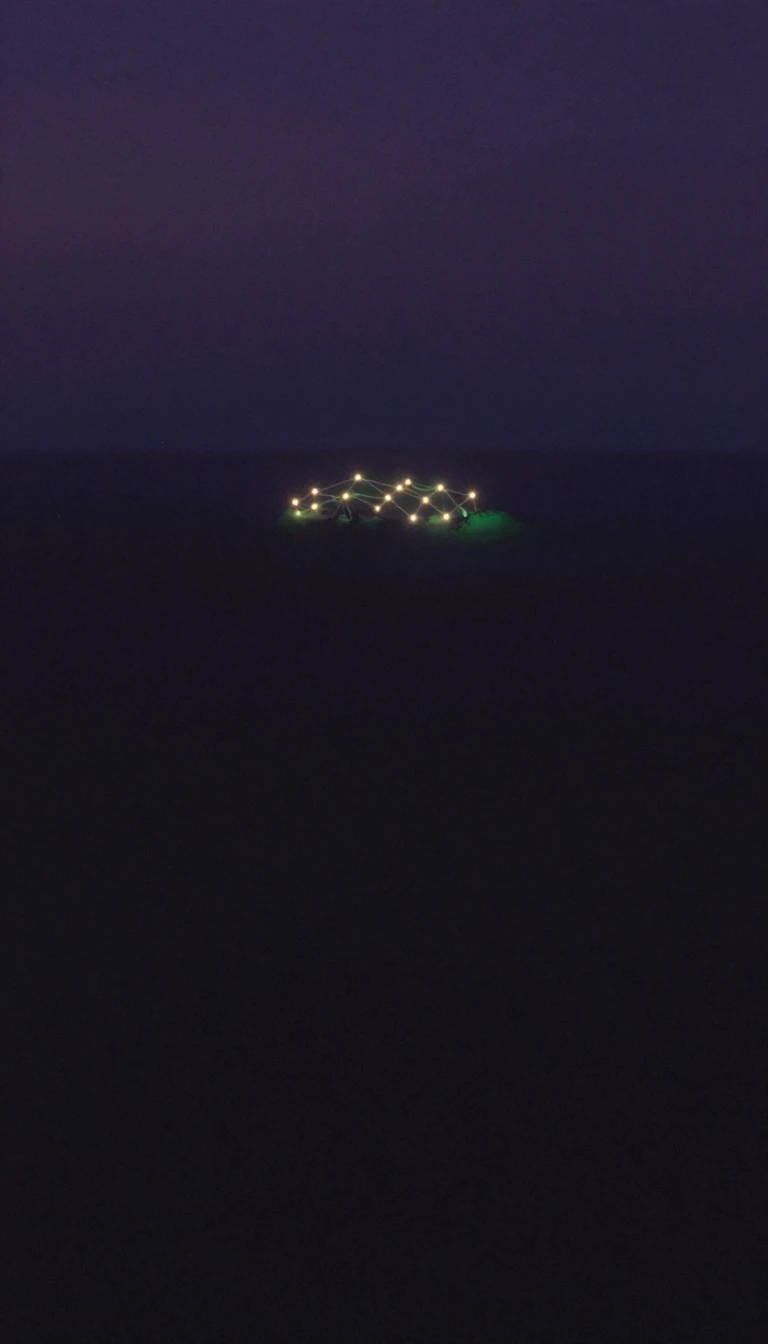 Pimachiowin Aki: The Vast Boreal Landscape That Gives Life to First Nations CommunitiesSpanning over 29,000 square kilometres across Manitoba and Ontario, Pimachiowin Aki is a UNESCO World Heritage site defined by its deep cultural and environmental significance. Kn…
- Why did an ancient civilization carve thousands of massive stone jars in Laos?Scattered across the Xiangkhoang Plateau, thousands of megalithic stone jars remain a mystery. While local legend claims they were brewed for a giant king’s victory celebration, a…
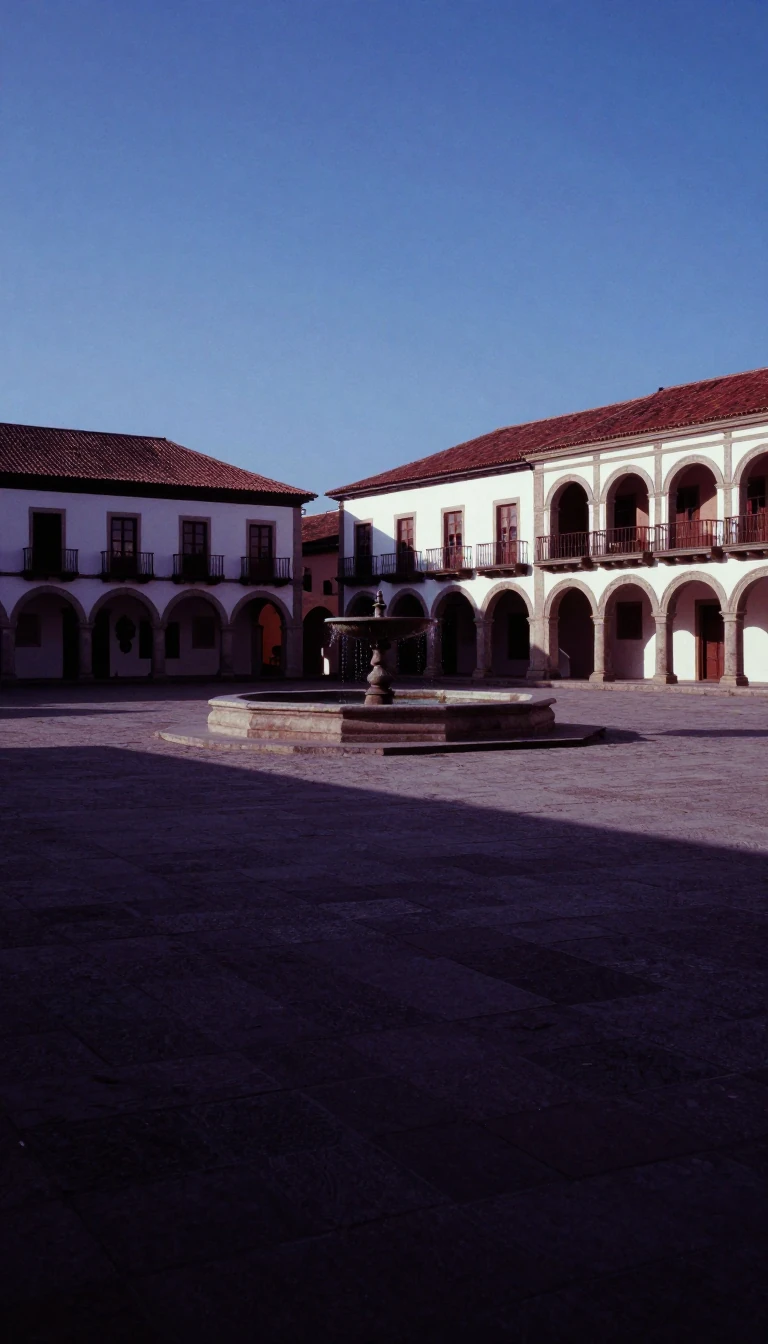 Beneath the tourist cafes of Cusco lies a swamp transformed into an imperial heart.The Plaza de Armas was once a marshy expanse at the center of the Inca Empire. After Spanish conquest, the site was paved over and built upon, replacing ancient palaces with colon…
- From Rabbit Island to Royal Menagerie: The Strange Evolution of Berlin’s PfaueninselNestled in the Havel River, Pfaueninsel has served as a rabbit farm, a secret glass foundry, a royal summer retreat, and a sprawling exotic zoo. Today, this UNESCO World Heritage …
- Ancient stone carvings in Karelia reveal the spiritual lives of Neolithic huntersDeep in the Russian wilderness, thousands of prehistoric rock carvings offer a rare window into the Neolithic era. Spanning two distinct clusters near Lake Onega and the White Sea…