 Intellect Plus
Space
9,120 cards. Each one is a 40-second story with a five-minute read behind it. Page 149 of 152.
Subtopics: Apollo · Asteroids · Astronauts · Astronomical objects · Astronomical technology · Astronomy · Astronomy and geodesy · Astronomy basics · Big bang · Black holes · Celestial mechanics · Celestial sphere · Comets · Constellations · Cosmology · Dark energy · Dark matter · Deep time · Exoplanets · Exploration · Future Frontier · Galactic and extragalactic astronomy · Galaxies · Gravity · Impacts · Interstellar · Jupiter · Light · Mars · Mars exploration · Meteorites & asteroids · Moon · Moon exploration · Moons · Navigation and timekeeping · Nebulae · Observational astronomy · Observatories · Physical cosmology · Physics · Planetary science · Planets · Quantum · Relativity · Rockets & launch vehicles · Satellites · Saturn · Seti · Space · Space agencies · Space probes · Space stations · Space telescopes · Spacecraft · Spaceflight · Stars · Stellar astronomy · Sun & solar physics · Supernovae · Telescopes · Volcanoes · Weather
 A new window into the infrared: MATISSE achieves first light at ParanalAstronomers have just unlocked a powerful new way to peer through cosmic dust. The MATIS and MATISSE instrument is now operational on the Very Large Telescope Interferometer, prom…
 The cosmic echoes of the Big Bang are still audible todayLong before stars or galaxies existed, the infant universe was a place of immense vibration. Massive sound waves pulsed through primordial gas, creating a rhythmic pattern that le…
 The Sun is a massive, violent engine consuming 600 million tons of hydrogen every secondIt appears as a steady, unchanging light in our sky, but the Sun is a dynamic powerhouse. Beneath its glowing surface lies a complex mechanism of extreme temperatures and immense …
 How a global network of telescopes created a virtual Earth-sized lensCapturing a black hole requires more than just a powerful lens; it requires turning our entire planet into a single, massive eye. By linking telescopes from Greenland to the South…
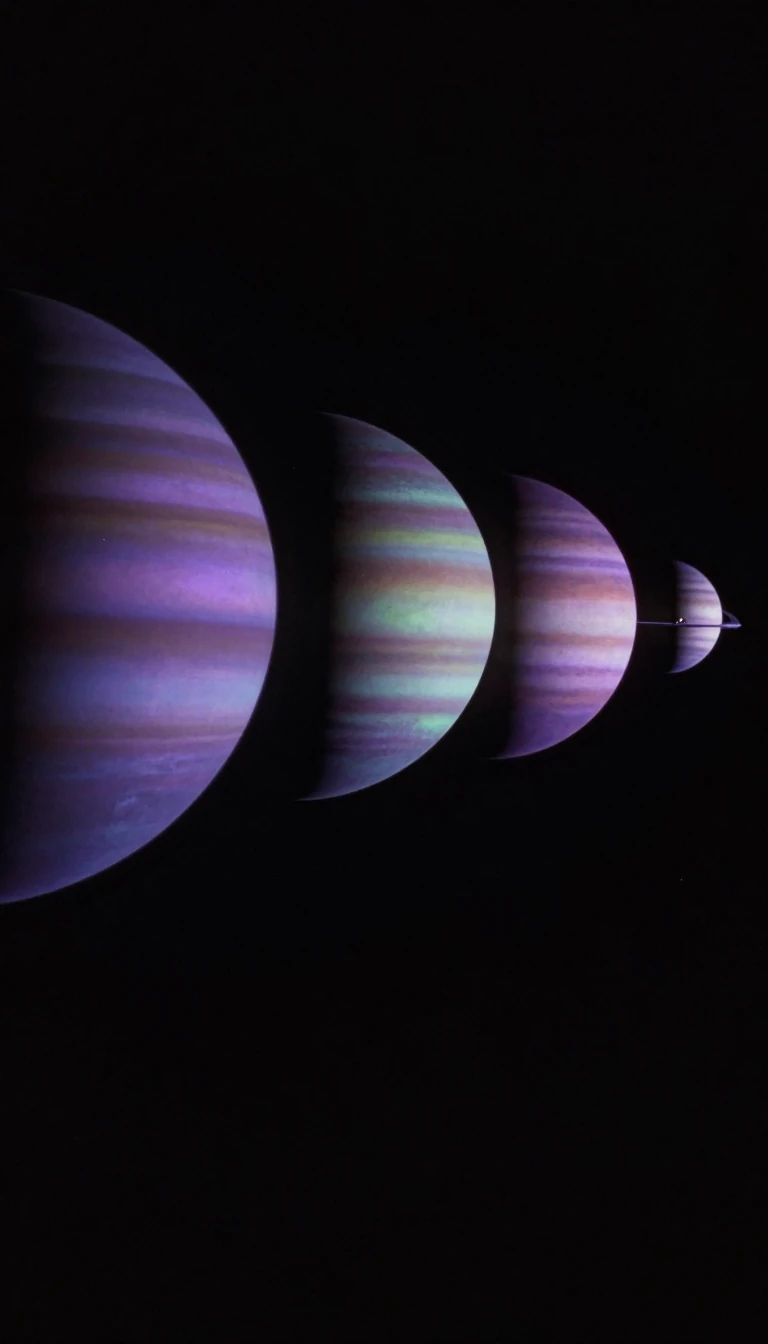 Pluto's discoverer told the New Horizons team they were welcome to his planetIn 1992 a NASA engineer phoned Clyde Tombaugh, who found Pluto, to ask permission to visit. Tombaugh said yes, warning it would be a long, cold trip. It took until 2015. New Horiz…
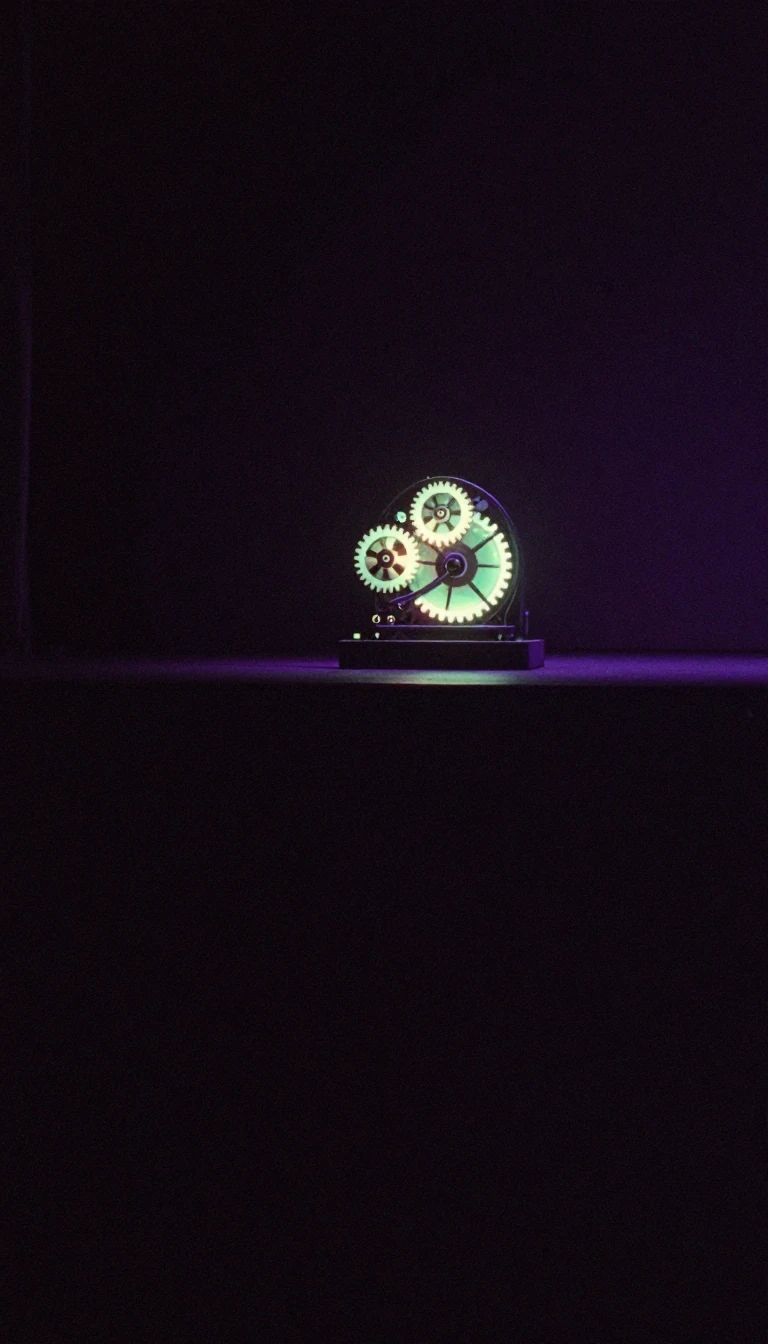 A Heuer stopwatch rode along on America's first crewed orbital flightWhen John Glenn circled the Earth aboard Mercury Atlas 6 in 1962, he carried a backup clock: a Heuer stopwatch he started by hand 20 seconds after launch. It made Heuer the first …
 Astronomers found a methanol cloud 288 million miles across drifting in spaceMethanol, the simplest alcohol, turns up in camping stoves, windscreen fluid and the chemistry of plastics. It also floats between the stars. In 2006 radio astronomers at Jodrell …
 Anousheh Ansari, the telecom founder who became the first woman to buy an orbital tripAs a six-year-old in Iran, Anousheh Ansari slept on her grandparents' balcony because the house had no air conditioning, staring up at the stars. In September 2006 she looked back…
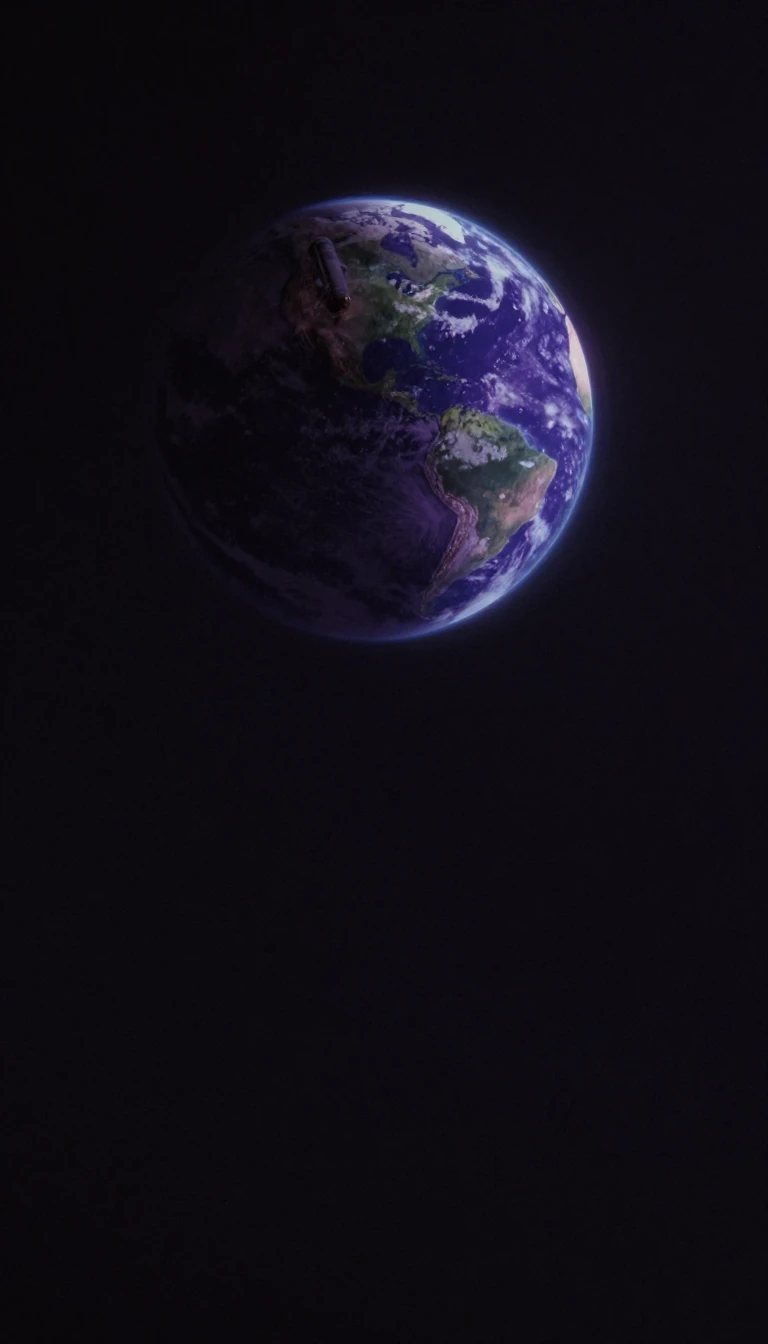 The Vostok programme picked short pilots and tested its capsule on dogs firstTo fit the cramped Vostok capsule, Soviet cosmonauts could be no taller than 1.75 metres and weigh no more than 72 kilograms. The capsule borrowed from a spy satellite design, the…
- The Voyagers rode a planetary lineup that comes round once every 175 yearsIn the 1960s an engineer noticed that the outer planets would soon line up so that one spacecraft could swing from each to the next. NASA cut the grand version to pay for the Spac…
- Venus, not Mars, has received more landers than any other planetVenus has a surface hot and crushing enough to wreck machines within hours, yet more landers have been sent there than to any other planet, nearly all of them Soviet. That fits th…
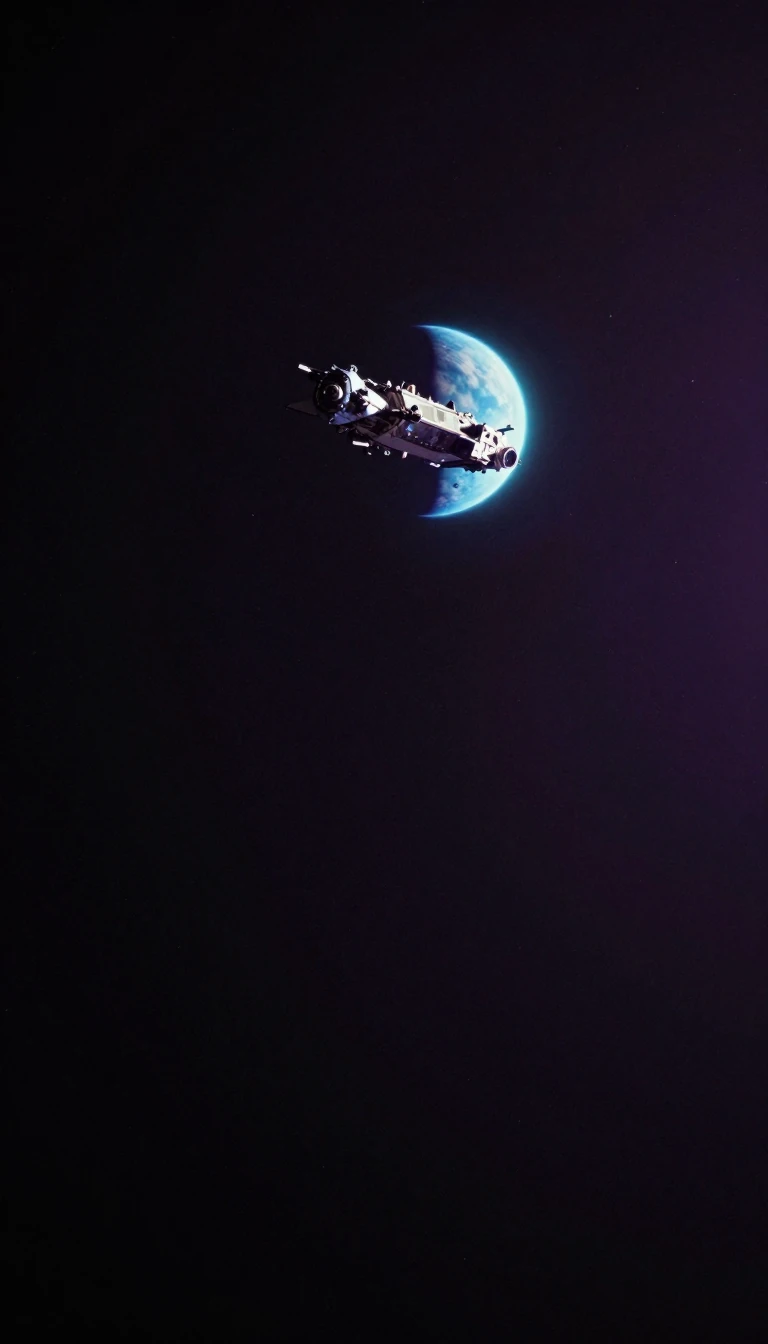 The Space Shuttle was a compromise between NASA's dreams and the Air Force's payloadsEngineers wanted a fully reusable spaceship: a winged orbiter riding a winged booster. What flew from 1981 to 2011 was only partly reusable, shaped by Air Force demands for a huge…
 Space stations went from one-shot cans to orbiting building setsSomeone has been living in orbit without a break since October 2000. That streak rests on an idea the Soviets proved in the 1970s and 1980s: instead of launching a sealed can and …
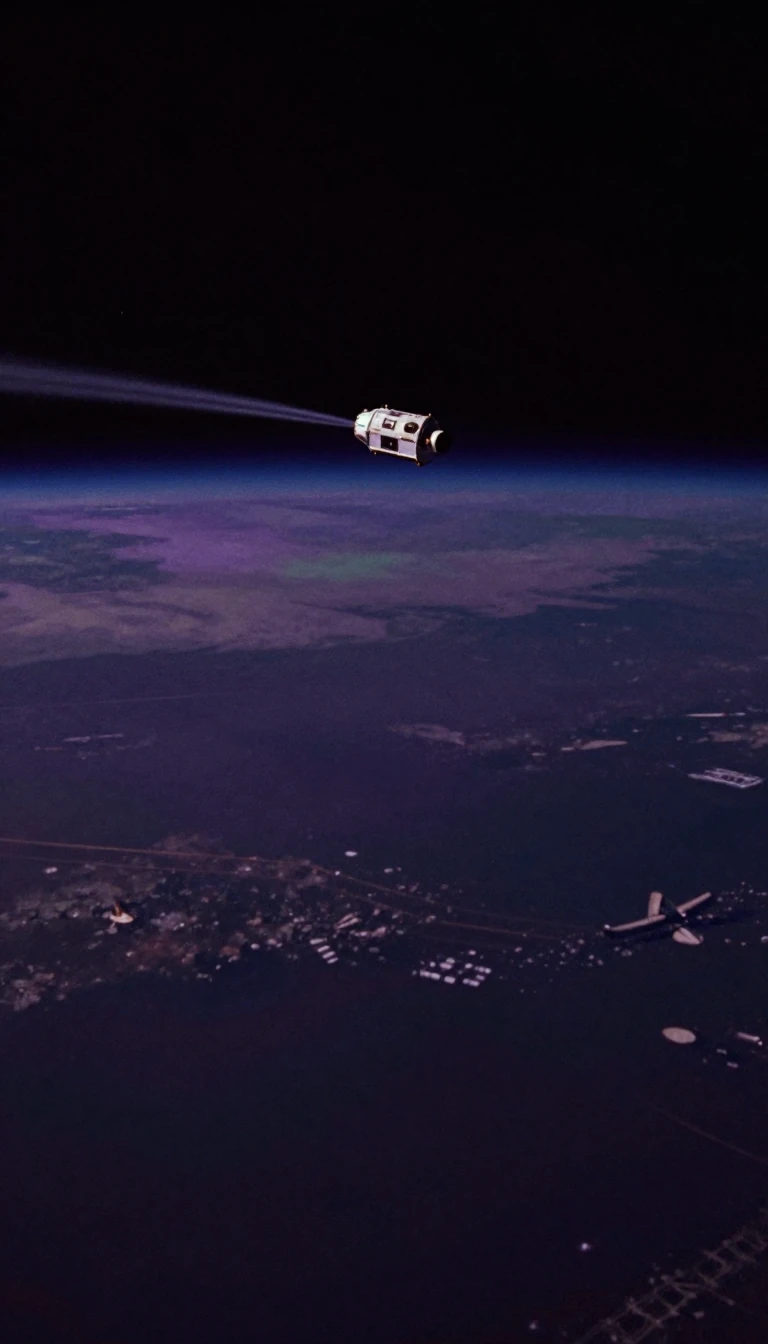 Being in orbit means falling around Earth fast enough to keep missing itA satellite does not float above gravity. It is falling the whole time, just moving sideways so quickly that the ground curves away beneath it. Getting that speed still requires r…
- Sputnik 1 was the Soviet Union's quick backup plan, and it changed historyThe first artificial satellite was never meant to be first. Soviet engineers had planned a heavy science laboratory, but it fell behind schedule, and fear of an American launch pu…
 It took thousands of years to learn that stars are distant sunsOn a dark night you can see about 4,000 stars, every one of them inside our own galaxy, out of somewhere between ten sextillion and a septillion in the observable universe. For mo…
- The Sun was born in a star cluster that fell apart long agoAlmost every lone star in our galaxy, the Sun included, began life packed alongside siblings in a cluster that later dissolved. Some clusters never break up: globular clusters hol…
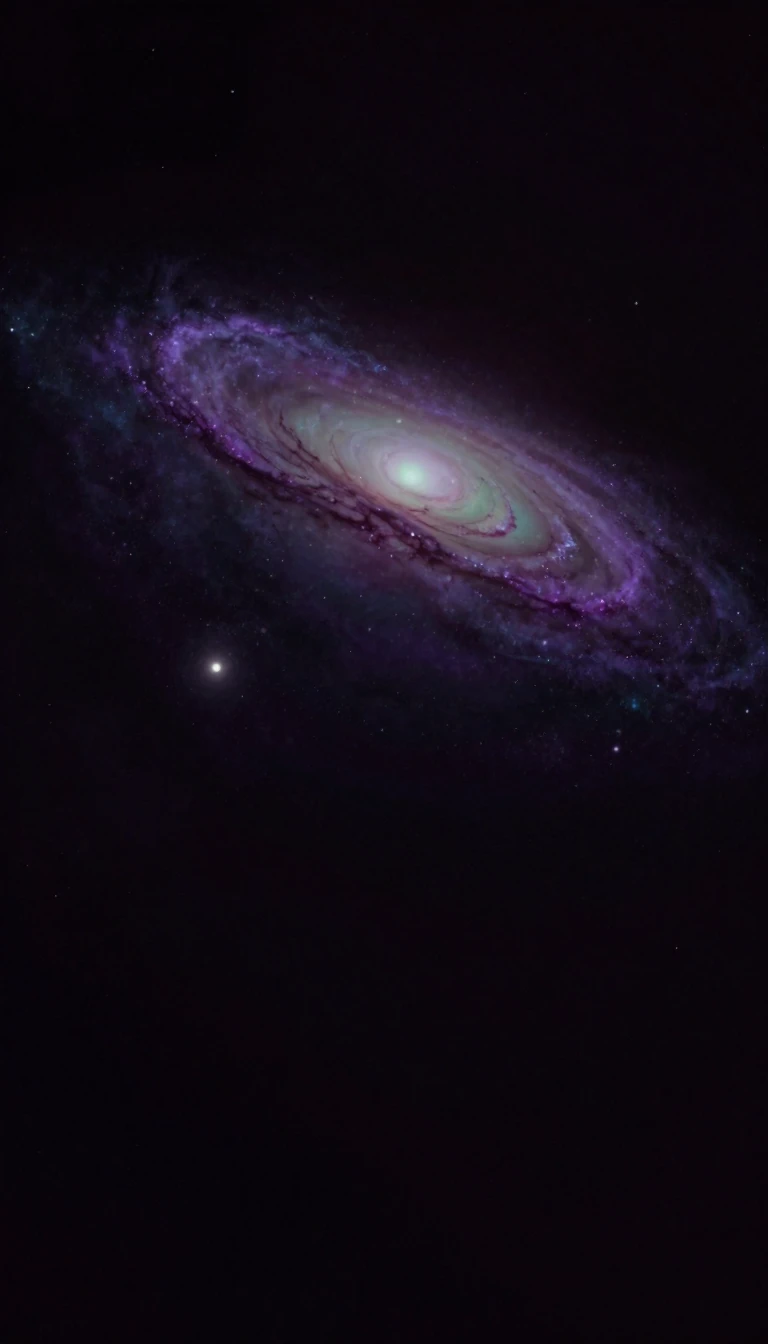 Starburst galaxies make stars so fast they burn through their fuel in a cosmic blinkThe Milky Way turns roughly three Suns' worth of gas into new stars each year. A starburst galaxy can manage a hundred or more. At that pace its whole gas supply is gone in around…
- Yuri Gagarin orbited Earth with his controls locked and the code already whispered to himNo one knew whether a person could think clearly while weightless, so Vostok 1's manual controls were locked. The unlock code sat in a sealed envelope for emergencies, and his sup…
- The solar wind was dismissed as nonsense until Soviet probes flew through itIn 1958 a reviewer told Eugene Parker to go to the library before writing about a subject he clearly misunderstood. Parker's claim was that the Sun's corona is so hot it streams o…
 At each solstice the Sun seems to pause in the sky before turning backTwice a year the Sun's noon height stops climbing or sinking and reverses. The Romans called that moment solstitium, a sun-stoppage. On the equator, though, the longest day of the…
 A spiral galaxy's arms are traffic jams that stars drive throughIf the arms of a spiral galaxy were fixed chains of stars, the galaxy's uneven rotation would wind them into a tight coil within a few turns. They survive because an arm is really…
 The biggest black holes can be less dense than waterA black hole of billions of solar masses sounds like the densest thing imaginable. Yet divide its mass by the volume inside its event horizon and the average can fall below the de…
 Our galaxy is overdue a supernova we can see with the naked eyeOn average a star in the Milky Way should explode every 61 years or so, yet the last one anyone actually saw here was Kepler's in 1604. Dust in the galactic disc may hide some; on…
 Rocky worlds much bigger than Earth may be surprisingly rarePlanet hunters once spoke of super-Earths as if giant rocky worlds were everywhere. Then modelling of how mass relates to size suggested that beyond about 1.6 Earth radii, planets…
 The most distant thing some people can see without a telescopeOn a truly dark night, a few sharp-eyed observers can make out a faint smudge in the constellation Triangulum. It is a spiral galaxy almost 2.9 million light-years away, about hal…
 Neptune's largest moon orbits backwards and was probably stolen from the Kuiper beltTriton circles Neptune the wrong way, against the planet's spin, which no other large moon in the Solar System does. Moons on backward orbits cannot form alongside their planets, …
 Why the star alphabet runs O, B, A, F, G, K, MAstronomy students memorise the star types with a cheeky line: Oh, Be A Fine Girl, Kiss Me. The jumbled letters run from the hottest stars to the coolest, but nobody who first ass…
- The smallest stars will outlive the current age of the universe many times overA massive, hot O-type star leaves its prime after only a few million years. A tiny red dwarf of a tenth the Sun's mass may keep fusing hydrogen for six to twelve trillion years. S…
 Measuring how stars move revealed hidden black holes and dark matterStars do not drift at random. Their speeds and paths are set by all the mass around them, seen and unseen. By clocking stellar motions, astronomers have detected giant black holes…
 Stars run internal dynamos that flip their magnetic poles on a scheduleEvery 11 years the Sun's main magnetic field turns upside down, so a full cycle takes about 22 years. The flip is the work of a dynamo inside the star, where churning, electricall…
- A star like the Sun is built inside out compared with a heavier oneIn the Sun, energy crawls outward from the core as radiation and then boils to the surface in convection currents. In stars more than one and a half times heavier, the arrangement…
- The Sun is the roundest natural object ever measuredSatellites measuring the Sun's shape found it bulges at the equator by just eight parts per million, less than expected. That makes it the closest thing to a perfect sphere nature…
 Not every huge, brilliant star counts as a true supergiantSome stars shine thousands of times brighter than the Sun yet are not supergiants at all. Astronomers define the label two ways, by the look of a star's spectrum and by the stage …
- Stars are born inside freezing clouds that can outweigh the Sun millions of timesThe birthplaces of stars sit at about ten degrees above absolute zero. Giant clouds of molecular hydrogen, some a hundred light-years across and holding up to six million solar ma…
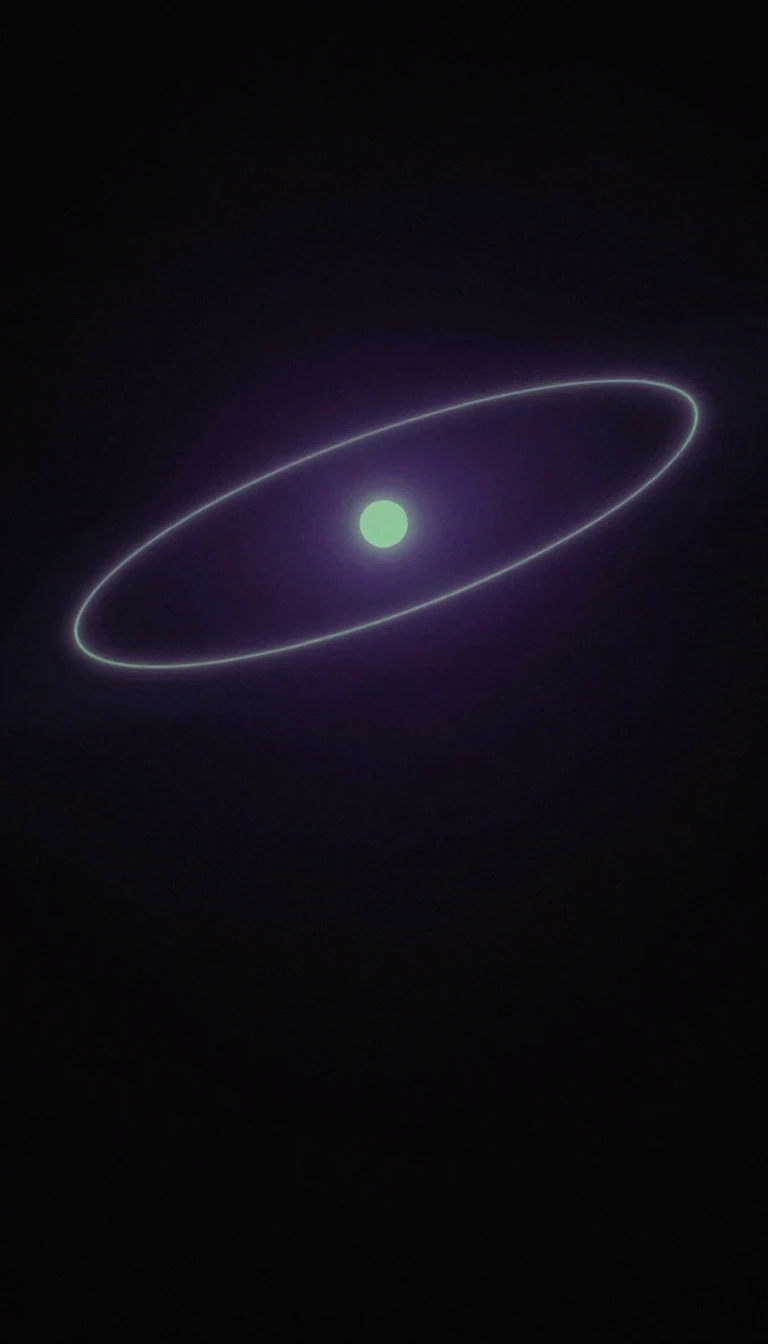 Some stars that look like partners only line up by chance from EarthTwo stars side by side in the night sky may have nothing to do with each other. Astronomers separate true star systems, bound by gravity and circling one another, from optical dou…
- The smallest known black hole is only about twenty kilometres wideIn 2020 astronomers reported a black hole of just 3.3 solar masses, only 19.5 kilometres across, hiding in a binary called 2MASS J05215658+4359220. Stellar black holes, the collap…
 Wolf-Rayet stars reach surface temperatures near 210,000 kelvinMost stars show dark absorption lines in their spectra. In 1867, Charles Wolf and Georges Rayet found three stars in Cygnus whose spectra glowed with bright, broad emission bands …
 The zodiac was born as the first celestial coordinate systemAround 401 BC, under Persian rule, Babylonian astronomers carved the Sun's yearly path into 12 equal slices of 30 degrees each, modelled on idealised 30-day months. Long before ho…
 Uranus spins on its side, so each pole gets 42 years of daylightUranus is tipped over by 82 degrees, so it rolls around the Sun rather than spinning upright. Over its 84-year orbit, each pole spends about 42 years in unbroken sunlight followed…
- The Big Dipper is only the tail end of a much bigger bearThe seven stars called the Big Dipper in North America and the Plough in Britain form just the hindquarters and tail of Ursa Major, the Great Bear. The whole constellation spreads…
- The Little Bear was once called the 'dog's tail'Ursa Minor, home of the North Star, carried an odd ancient nickname: Cynosura, Greek for dog's tail. Nobody knows why, since no neighbouring constellation was ever a dog. One trad…
- A star that blinked every 11 months helped overturn AristotleIn 1638 Johannes Holwarda noticed that Omicron Ceti brightened and faded on an 11-month cycle. David Fabricius had taken it for a nova in 1596. Together with the supernovae of 157…
- Vega was the first star after the Sun ever photographedOn 17 July 1850, William Bond and John Adams Whipple at Harvard College Observatory pointed a daguerreotype camera at Vega and captured the first photograph of any star besides th…
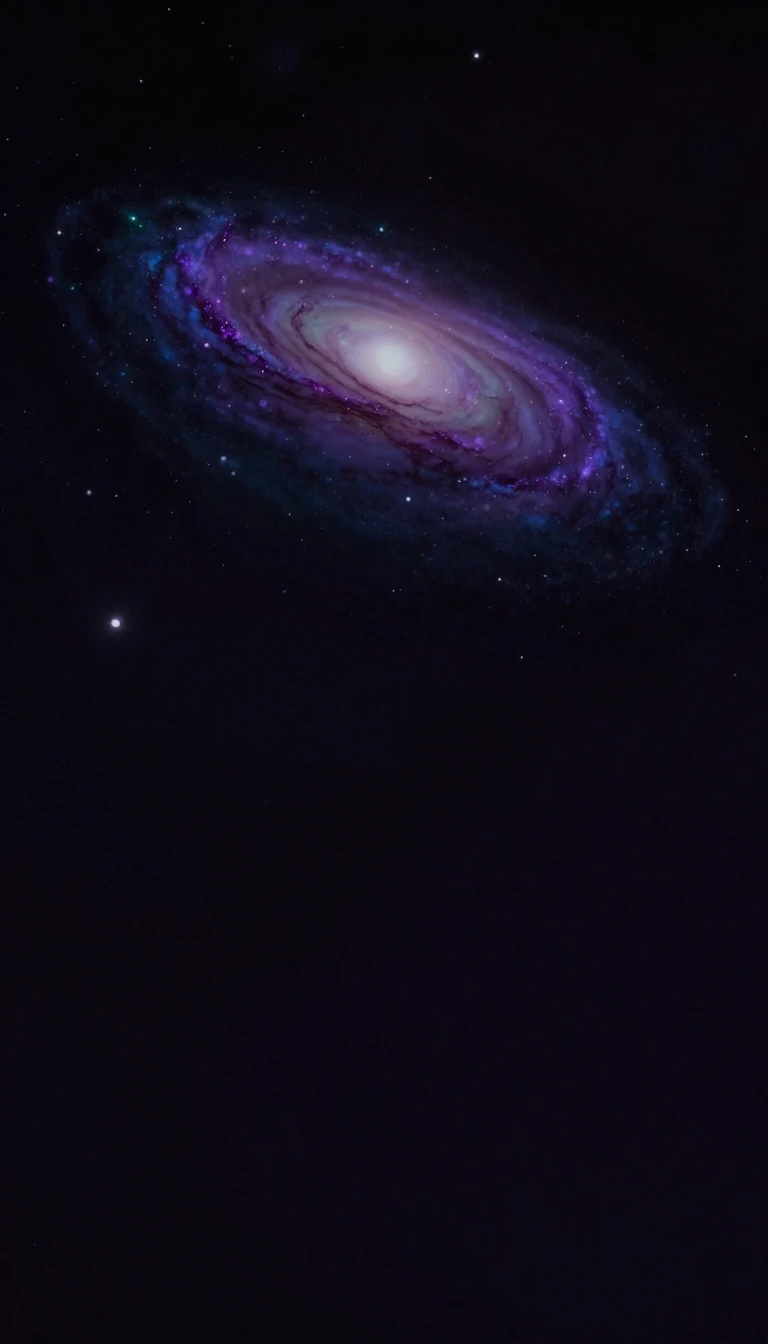 The Virgo Cluster is still assembling itself from merging galaxy clumpsSome 53.8 million light-years away, roughly 1,300 galaxies, perhaps as many as 2,000, crowd together in the Virgo Cluster. It is not a settled city but a young one: three main clu…
- The Milky Way lives on the edge of a flattened galaxy superclusterOur Local Group sits near the outskirts of the Virgo Supercluster, strung along a thin filament of galaxies running from the Fornax Cluster toward the Virgo Cluster at its centre.…
- Cosmic voids look empty but still hold some matterBetween the great filaments of galaxies lie voids up to 300 million light-years across that seem almost bare. They are not truly empty: even their sparsest parts contain more than…
- The Whirlpool Galaxy owes its perfect spiral to a smaller neighbourM51, the Whirlpool Galaxy, was the first object ever seen to have spiral arms, and its graceful shape is probably the work of a smaller companion. NGC 5195 appears to have punched…
 Einstein's 'greatest blunder' may decide how the universe endsBelieving the cosmos was static, Einstein added a cosmological constant to his equations to hold gravity in check. When Hubble showed the universe was expanding, Einstein called i…
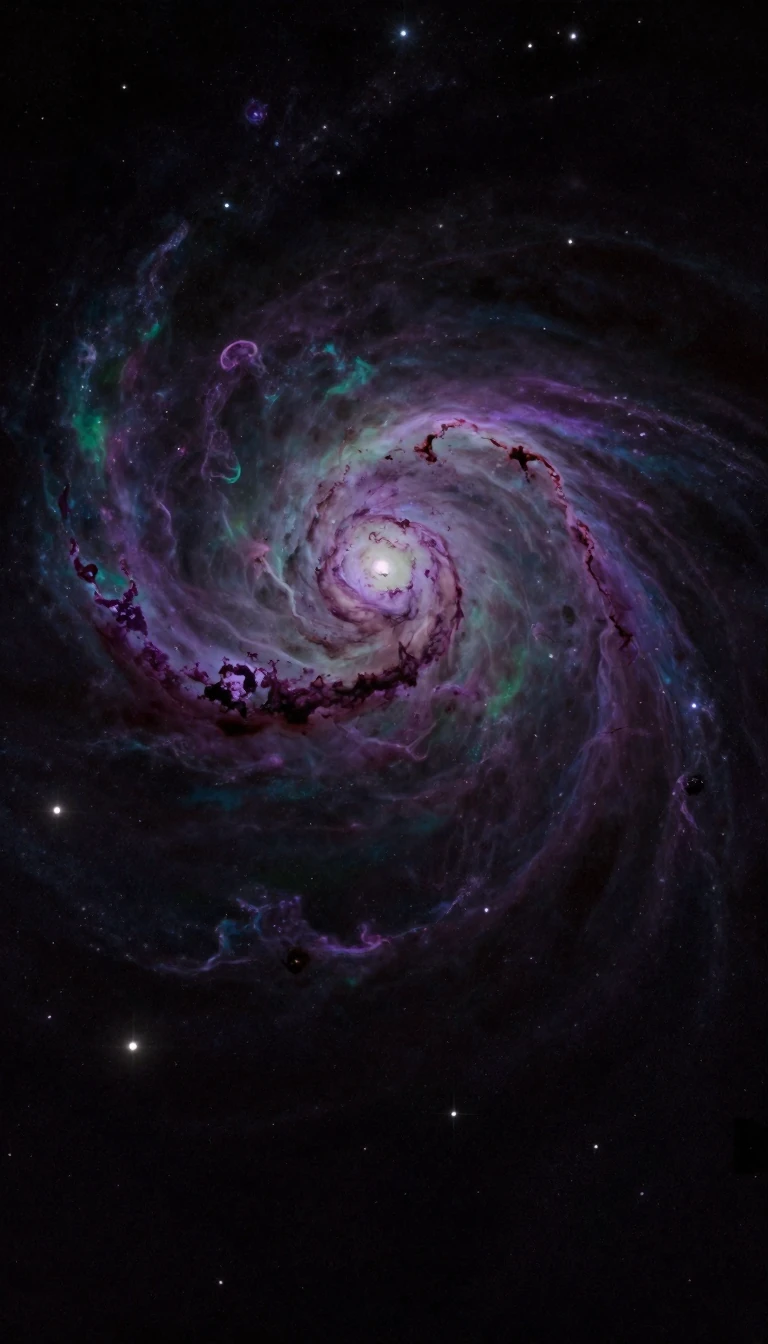 Everything you can see makes up under 5 percent of the universeStars, planets, gas and people are all built from ordinary matter, which accounts for only about 4.84 percent of the universe's mass and energy. Invisible dark matter makes up rou…
- About sixty percent of all spacecraft sent to Mars never finished the jobThe first spacecraft to land softly on Mars, the Soviet Mars 3 in December 1971, went silent after 14.5 seconds. Britain's Beagle 2 vanished in 2003 and was spotted twelve years l…
 Hubble survived a botched mirror and a NASA official who deliberately defunded itThe Hubble Space Telescope launched in 1990 with a main mirror ground to the wrong shape, blurring its vision until astronauts fixed it in 1993. Years earlier, a NASA manager had …
- People have lived aboard the ISS without a break since November 2000Since the first long-stay crew arrived on 2 November 2000, there has not been a single moment without humans aboard the International Space Station. It is roughly the size of a fo…
- Reaching orbit means going sideways at nearly 8 kilometres every secondGetting to space is mostly about speed, not height. An orbital rocket must climb to roughly 150 kilometres, then push its cargo sideways at no less than 7,814 metres per second so…
 Gerard Kuiper opened Mauna Kea to astronomy, then lost it to a rival bidIn the 1960s planetary scientist Gerard Kuiper persuaded Hawaii's governor to bulldoze a dirt road up Mauna Kea and put the mountain's first telescope on a cinder cone. When NASA …
- Mir was bolted together in orbit over ten years, one module at a timeMir, Russian for peace or world, was the first space station assembled piece by piece in orbit. Between 1986 and 1996 seven pressurised modules were added, each swung into place b…
- NASA grew out of a 1915 committee worried America had fallen behind in flyingAlthough the Wright brothers' Dayton is hailed as aviation's birthplace, by 1914 the United States knew Europe had overtaken it in the air. Congress responded in 1915 with a resea…
- While Armstrong and Aldrin walked the Moon, a Soviet probe crashed nearbyThree days before Apollo 11 launched, the Soviet Union sent an uncrewed probe, Luna 15, to scoop up lunar soil and beat the Americans home with it. It reached orbit first. On July…
- Apollo started as a spacecraft project, not a plan to land on the MoonWhen NASA manager Abe Silverstein picked the name Apollo one evening in early 1960, picturing the god driving his chariot across the Sun, nobody had committed to a lunar landing. …
- NASA's own deputy chief wanted American space travellers called cosmonautsIn 1959, before anyone had flown to space, NASA's deputy administrator Hugh Dryden argued for cosmonaut: crews would travel through the cosmos, not to the stars, which is what ast…