 Intellect Plus
Space
9,120 cards. Each one is a 40-second story with a five-minute read behind it. Page 120 of 152.
Subtopics: Apollo · Asteroids · Astronauts · Astronomical objects · Astronomical technology · Astronomy · Astronomy and geodesy · Astronomy basics · Big bang · Black holes · Celestial mechanics · Celestial sphere · Comets · Constellations · Cosmology · Dark energy · Dark matter · Deep time · Exoplanets · Exploration · Future Frontier · Galactic and extragalactic astronomy · Galaxies · Gravity · Impacts · Interstellar · Jupiter · Light · Mars · Mars exploration · Meteorites & asteroids · Moon · Moon exploration · Moons · Navigation and timekeeping · Nebulae · Observational astronomy · Observatories · Physical cosmology · Physics · Planetary science · Planets · Quantum · Relativity · Rockets & launch vehicles · Satellites · Saturn · Seti · Space · Space agencies · Space probes · Space stations · Space telescopes · Spacecraft · Spaceflight · Stars · Stellar astronomy · Sun & solar physics · Supernovae · Telescopes · Volcanoes · Weather
 A space telescope concept could spot hundreds of small, nearby exoplanetsResearchers simulating a space-based infrared interferometer found it could directly detect hundreds of small, nearby exoplanets by sensing the heat they give off. Computer models…
 Small planets are remarkably abundant around low-mass M dwarf starsResearchers using the CARMENES survey found that low-mass M dwarf stars host a high frequency of small planets. By analyzing 71 stars with extensive observations, the team discove…
 Stellar magnetic fields are driven by rotation and limited by kinetic energyAstronomers analyzing over 15,000 high-resolution spectra of M dwarfs found a clear link between how fast a star rotates and the strength of its magnetic field. The study reveals …
 Mars has a crust that is likely older than its surfaceResearchers using seismic data from NASA's InSight mission have established the first direct measurements of how thick the Martian crust actually is. By combining these local find…
 Capturing the shifting shape of our galaxy's central supermassive black holeAstronomers using the Event Horizon Telescope observed Sagittarius A*, the supermassive black hole at the center of our Milky Way. By analyzing data from 2017, they found that the…
- ESA's PLATO mission will hunt for Earth-like planets around bright starsESA's upcoming PLATO mission is designed to find small planets, including Earth-sized worlds in the habitable zones of Sun-like stars, by watching bright stars for tiny dips in br…
- Six planets orbit a distant star in a complex rhythmic danceAstronomers observing the TOI-178 system using multiple telescopes have identified at least six planets ranging from super-Earth to mini-Neptune in size. Most of these planets are…
- Hidden black holes are much more common in the early universe than expectedResearchers using the James Webb Space Telescope found that many compact, red-colored objects in the early universe are actually active galactic nuclei. By analyzing 15 candidates…
 Simulations suggest cold dark matter models must account for galaxy formation patternsResearchers using numerical simulations of cold dark matter found that standard models of the universe struggle to match the observed distribution of galaxies. By simulating nonli…
 Nitrogen and sulfur help reveal how giant planets form and migrateResearchers using computer simulations of growing planets found that while carbon and oxygen ratios offer limited clues about planetary migration, adding nitrogen and sulfur to th…
 A new model simulates the entire lifecycle of planetary systemsResearchers developed a comprehensive computer model called the Generation III Bern model to simulate how planets form and evolve. By solving complex equations for gas discs, plan…
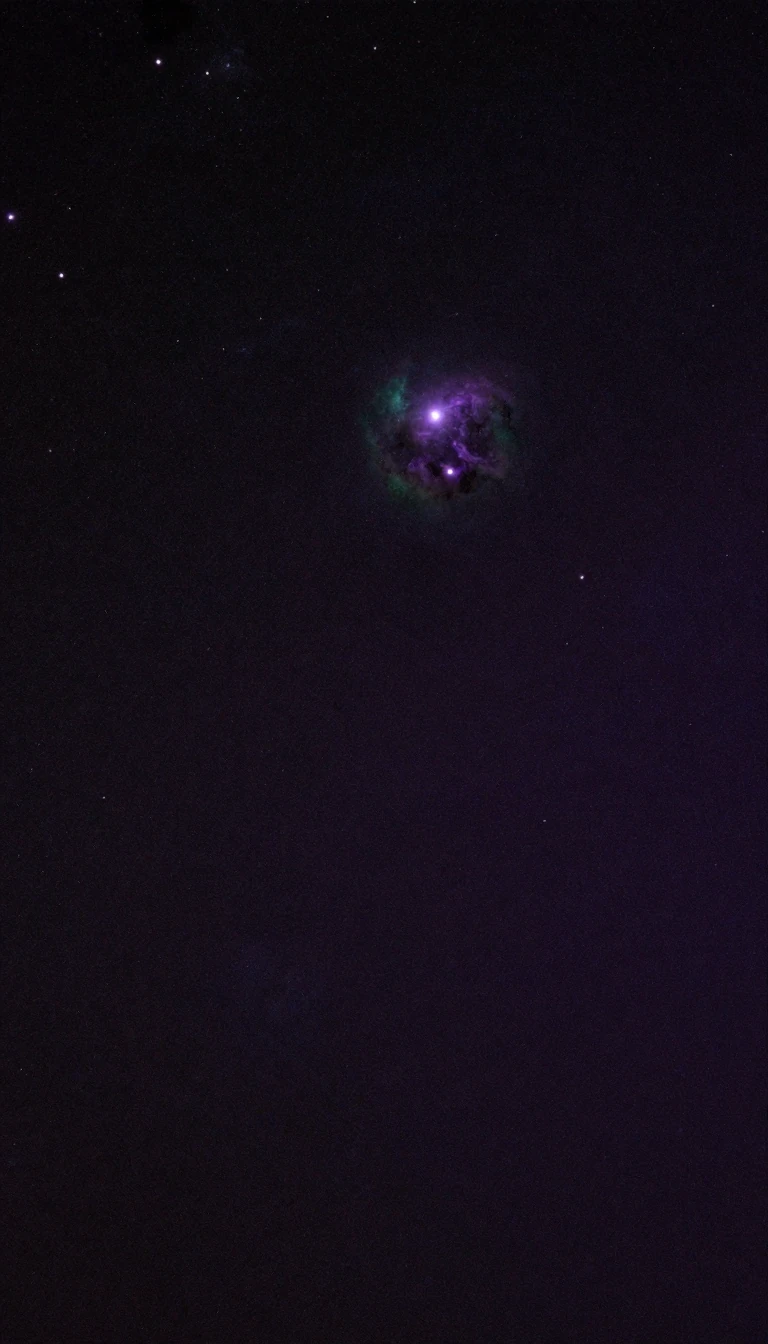 Discovery of a massive neutron star spinning at record speedsAstronomers using the Keck telescope observed a "black widow" pulsar system to identify one of the most extreme objects in our galaxy. By analyzing the light and movement of the p…
 JWST spots two unusually bright galaxies from the universe's first 400 million yearsSearching JWST images covering 49 square arcminutes, astronomers identified two unusually bright galaxy candidates, GLASS-z12 and GLASS-z10, with redshifts of about 12.4 and 10.4.…
- Mars lost its surface water by trapping it deep within its own crustResearchers who modeled the geological history of Mars found that the planet likely dried up because its water became chemically locked inside the ground. While ancient Mars once …
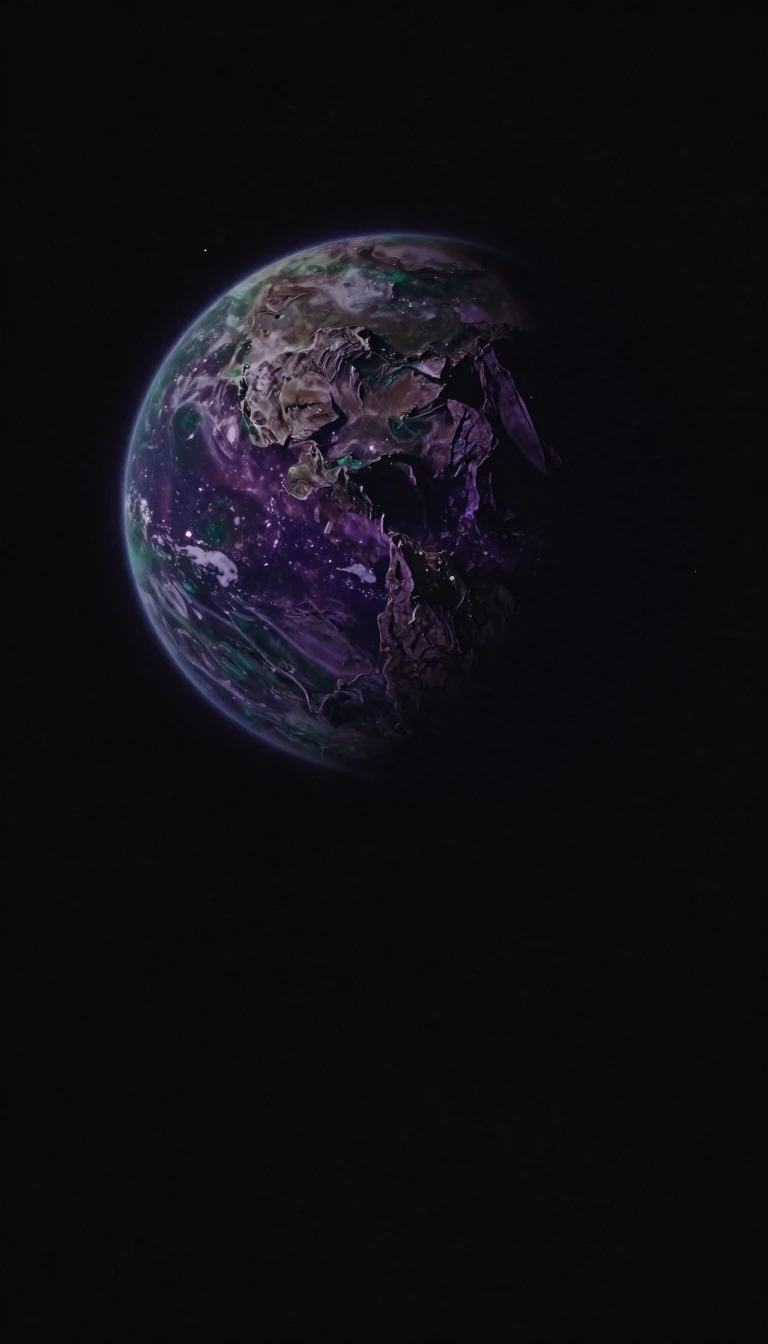 Phosphates may be abundant in the subsurface ocean of Saturn's moon EnceladusResearchers analyzing data from NASA's Cassini spacecraft found evidence of sodium phosphates in the plumes of Saturn's moon, Enceladus. While phosphorus is often scarce in extrat…
- Massive black hole discovered in the most distant known quasarAstronomers observing the distant universe have discovered J0313−1806, the most distant quasar known to date. Located at a redshift of 7.642, this luminous object contains a super…
 A new radio interferometer explores the unexplored low-frequency universeResearchers have introduced LOFAR, a new-generation radio interferometer spanning the Netherlands, Germany, France, Sweden, and the UK. By utilizing a novel phased-array design, t…
- Gravitational waves reveal the size and internal structure of neutron starsThe LIGO and Virgo observatories detected gravitational waves from two colliding neutron stars in 2017. By analyzing this signal, researchers were able to measure the physical dim…
- Kepler mission data reveals a high frequency of small planetary candidatesResearchers analyzing the first four months of Kepler mission data found 1,235 planetary candidates associated with 997 host stars. The study observed that over 74% of these candi…
- A mission concept balances scientific discovery and resource use to search for lifeResearchers investigating mission architectures for Saturn's moon Enceladus found that an 'Orbilander' concept offers the best balance of science return and resource investment. T…
- How pebble accretion and migration shape the architecture of super-Earth systemsResearchers using N-body simulations found that the way planets gather material from cosmic dust, known as pebble accretion, determines whether a system ends up with small rocky w…
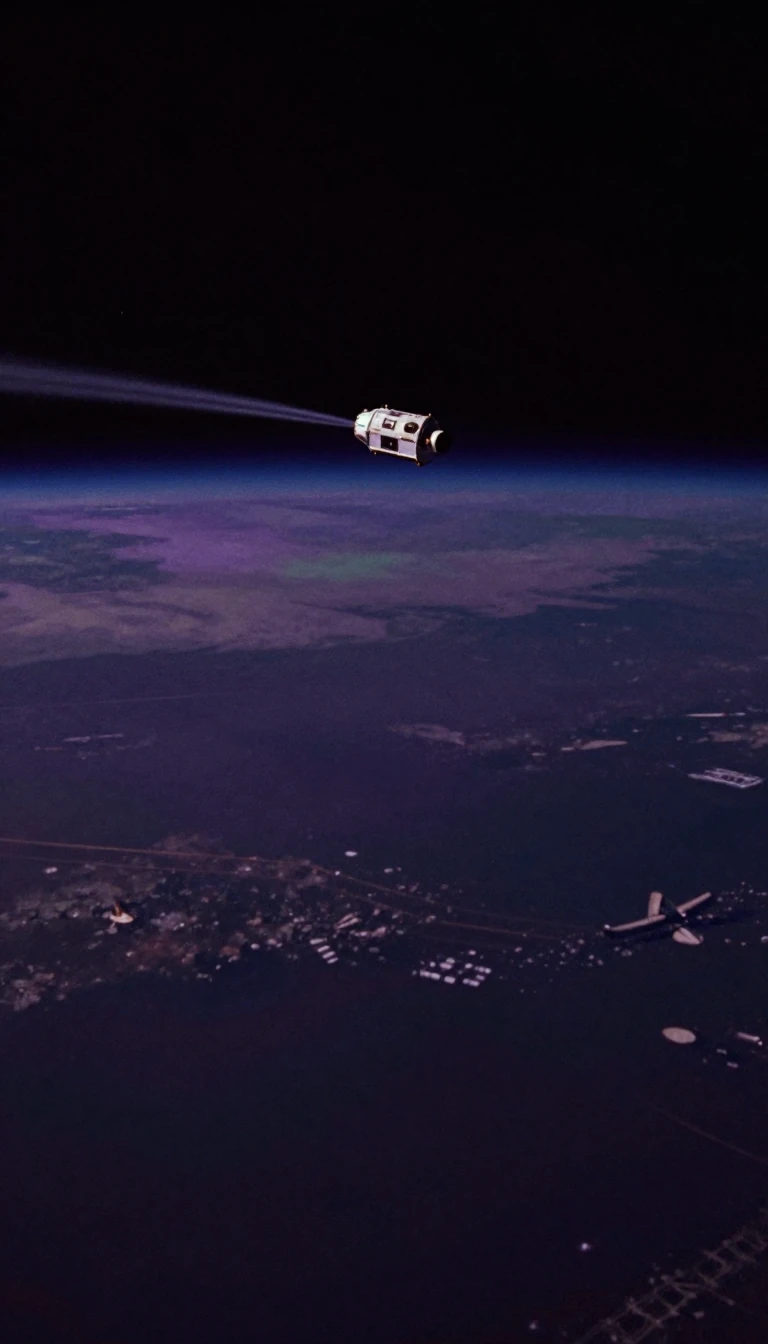 Asteroid impact test shows ejecta recoil significantly boosts momentum transferThe NASA DART mission conducted a kinetic impact on the asteroid Dimorphos to test planetary defense strategies. By striking the asteroid at high velocity, researchers aimed to se…
- Astronomers estimate the mass and radius of a massive millisecond pulsarAstronomers using X-ray data from the NICER instrument have estimated the physical properties of the massive millisecond pulsar PSR J0740+6620. By analyzing X-ray timing and spect…
 Can an engine produce thrust without pushing anything out?The EM Drive is one of the most controversial concepts in modern propulsion. This video examines a 2016 study by Eagleworks Labs to determine if this device actually defies the la…
 Beyond the launch: how we maintain and upgrade technology in orbitThis video explores the history and future of space servicing, moving from the maintenance of the Hubble Space Telescope to the next generation of in-space assembly and manufactur…
 How the Sun's magnetic breath shapes our cosmic bubbleExplore eleven years of data from NASA's IBEX spacecraft to see how the heliosphere expands and contracts. This visualization reveals how the Sun's changing activity levels reshap…
- New Hubble Space Telescope imaging survey maps the evolution of galaxies and black holesResearchers behind the CANDELS survey have released a massive collection of high-resolution images from the Hubble Space Telescope. By observing five distinct regions of the sky a…
 The Solar Orbiter mission aims to investigate how the Sun shapes our solar systemA paper describing the Solar Orbiter mission details how this international collaboration between ESA and NASA will study the Sun. By traveling close to the Sun and out of the ecl…
 A new era begins as private missions reach the International Space StationSpace exploration is shifting from government monopoly to a commercial frontier. This update covers a historic milestone for private spaceflight and a massive infrastructure deal …
 The telescope built for a decade that has lasted thirty yearsWhen the Hubble Space Telescope launched in 1990, its mission was only projected to last about ten years. Yet, through unprecedented repairs and upgrades by astronauts, this techn…
- The universe began in an extremely hot, incredibly small stateWe can use the laws of physics to rewind the clock toward the dawn of time. While the exact moment of the Big Bang remains a mystery, the evidence for a rapid, expanding beginning…
 How a car-sized spacecraft is surviving a direct flight through the Sun's atmosphereNASA's Parker Solar Probe is performing the unprecedented task of 'touching' the Sun. This video explores how the mission navigates the intense heat and radiation of the Sun's cor…
- How your backyard trees help NASA track global carbon storageNASA uses advanced lasers from space to measure Earth's surface height, but they need your help on the ground to make the data accurate. This video explains how citizen science br…
 How a bus-sized observatory peers billions of years into the pastExplore the operational brilliance behind the Hubble Space Telescope. This video reveals how NASA manages a massive orbiting observatory traveling at 17,000 miles per hour to capt…
 The International Space Station as a laboratory for MarsNASA Administrator Jim Bridenstine sits down with astronauts Joe Acaba and Mark Vande Hei to discuss the transition from orbital living to deep space exploration. This conversatio…
- A view of Hurricane Florence from 255 miles above the AtlanticWitness the immense scale of Hurricane Florence as captured from the International Space Station. This footage shows the storm's progression as it intensified into a major Categor…
 Cristoforetti's Return: A Second Chapter in Orbital ScienceESA astronaut Samantha Cristoforetti, a member of the 2009 class, is preparing for another journey to the International Space Station. Following her initial 200-day mission in 201…
 The physical reality of returning from orbit to EarthWhat does it actually feel like to land a spacecraft? Four astronauts share personal accounts of the intense physical sensations and varying experiences of returning from the Inte…
 Beyond Apollo: How we are preparing to return to the MoonFifty years after the first lunar footsteps, a new era of exploration is approaching. ESA scientist James Carpenter explains how recent missions and upcoming lunar infrastructure …
- How X-ray pulsar worksX-ray pulsars are astronomical objects that display periodic variations in X-ray intensity.
- The ratio of carbon monoxide to hydrogen gas varies across different galactic environmentsAstronomers use carbon monoxide (CO) as a primary tool to map the hydrogen gas that fuels star formation. However, because CO does not always represent all the hydrogen present, r…
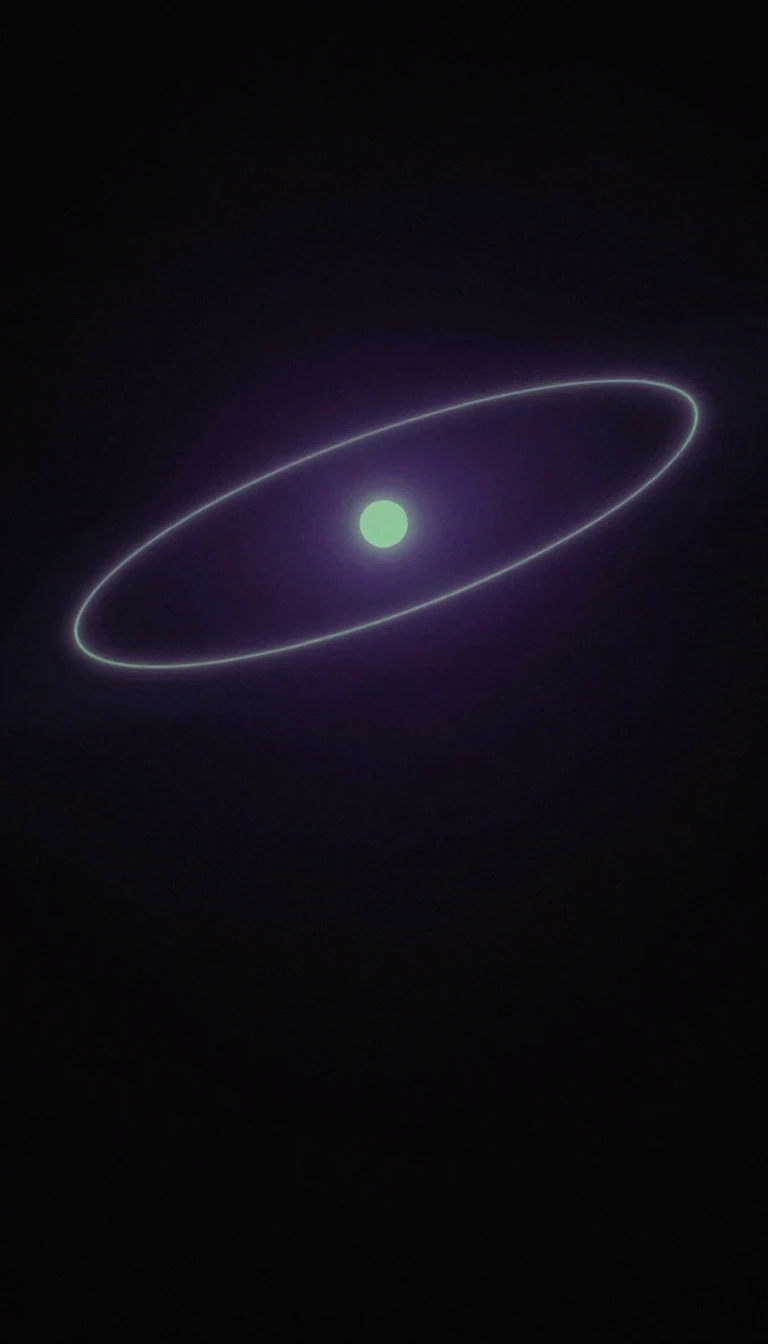 Improved satellite data reveals a higher frequency of hidden stellar companionsResearchers analyzing data from the Gaia space mission found that a significant portion of stars in our solar neighborhood have hidden companions. By comparing long-term and short…
 How the Crab Pulsar worksThe Crab Pulsar is a young neutron star that loses rotational energy to power the surrounding Crab Nebula.
 How a radio-quiet neutron star worksRadio-quiet neutron stars are visible through X-rays and gamma rays, even without radio emissions.
- A rocky exoplanet likely lacks a thick carbon dioxide atmosphereAstronomers using the James Webb Space Telescope observed the rocky exoplanet TRAPPIST-1 c to determine its atmospheric composition. By measuring thermal emissions from the planet…
 New software updates allow for more precise modeling of pulsating and rotating starsResearchers have updated the Modules for Experiments in Stellar Astrophysics (MESA) software to better simulate the complex lives of stars. The updates introduce new capabilities …
 Astronomers detect gravitational waves from two merging neutron star and black hole pairsUsing the LIGO and Virgo detectors, researchers observed gravitational waves from two cosmic collisions involving a black hole and a neutron star. These two events, identified as …
- Smaller planets tend to orbit further from their host starsResearchers analyzing data from the Kepler mission found that the orbital distances of planets are closely linked to their physical sizes. By studying 1,235 planet candidates orbi…
- New measurements refine our understanding of the chemical makeup of the SunResearchers who reassessed the chemical composition of the Sun found that its elemental abundances are slightly lower than previously thought. By using advanced 3D models and stat…
- Simulations reveal how many Kepler planet candidates are actually false alarmsResearchers using numerical simulations of the Kepler mission found that roughly 9.4% of detected planet candidates are actually false positives, such as eclipsing binary stars. B…
 NASA spacecraft observations reveal Bennu is slowly speeding up its rotationWhile approaching the asteroid Bennenu, NASA's OSIRIS-REx spacecraft surveyed the asteroid's environment and rotation. Researchers found that Bennu's rotation rate is continuously…
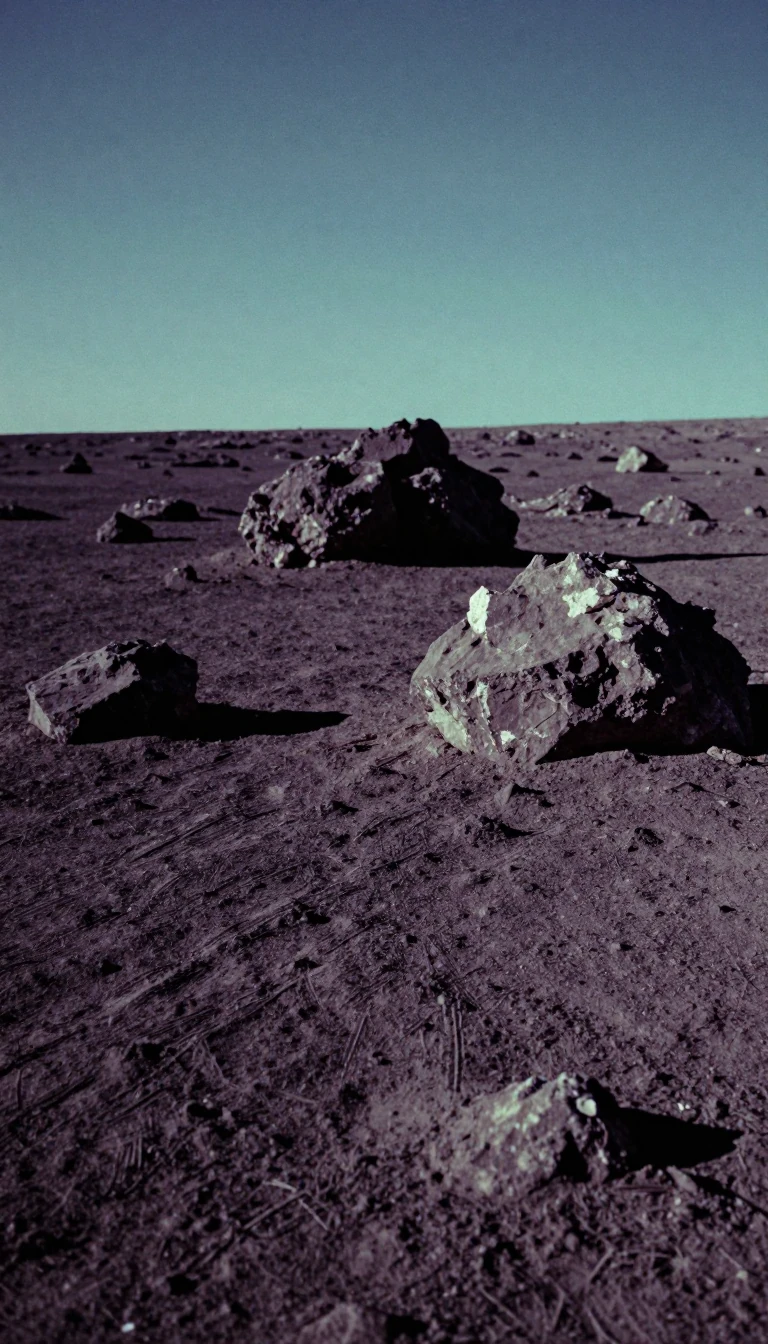 The Moon's mantle source for recent volcanic activity is remarkably dryResearchers analyzing samples from China's Chang'e-5 mission found that the lunar mantle source for recent volcanic activity is extremely dry. By examining melt inclusions in some…
- Astronomers detect gravitational waves from merging stellar-mass black holesResearchers using the LIGO detectors observed a gravitational-wave signal, named GW170104, produced by the merger of two stellar-mass black holes. The signal, detected in early 20…
- Moon's youngest basalts may not need heat-rich elements to formScientists who analysed two-billion-year-old basalt fragments returned by China's Chang'e-5 mission found that, although the rocks sit in a region known for heat-generating elemen…
- A massive Hubble survey aims to map the early history of galaxiesAstronomers designing the CANDELS survey plan to image over 250,000 distant galaxies using the Hubble Space Telescope. By observing across various wavelengths from mid-ultraviolet…
 New models help scientists understand the atmospheres of cool brown dwarfs and planetsResearchers have developed a new generation of atmospheric and evolution models to study L-, T-, and Y-type brown dwarfs, as well as self-luminous extrasolar planets. By simulatin…
- Satellite data confirms the standard model of the universe's evolutionData from the European Space Agency’s Planck satellite provided a high-resolution look at the early universe. By scanning the microwave sky, researchers confirmed that our current…
- New cosmic observations set the strongest limits yet on primordial gravitational wavesResearchers analyzing data from the BICEP2, Keck Array, and BIPE3 experiments through the 2018 season have established the most stringent constraints to date on primordial gravita…
- New cosmic microwave background measurements support the standard model of inflationResearchers analyzing the 2018 release of Planck cosmic microwave background data found that the universe's earliest expansion period aligns closely with standard single-field inf…
- A new model suggests inward-drifting pebbles helped build the inner planetsResearchers using a new pebble accretion model found that the masses and orbits of Earth, Venus, Mars, and the Moon-forming impactor Theia are consistent with growth fueled by dri…