 Intellect Plus
Technology
10,995 cards. Each one is a 40-second story with a five-minute read behind it. Page 33 of 184.
Subtopics: 3D printing & manufacturing · AI & machine learning: practical · Aircraft · Automata · Aviation · Batteries · Binary · Biotechnology · Bridges · Cameras & imaging · Cars · Chemical engineering · Chips · Codes · Compression · Computing · Computing and information technology · Computing history · Cryptography · Cybersecurity · Electric vehicles · Electronics · Energy · Engineering · Everyday tech · Famous patents · Future Frontier · How it works · How Things Work: GPS to the Phone · How Things Work: Jets, Propellers and Ships · Industry · Infrastructure · Internet · Inventions · Inventors · Machinery and tools · Maths · Media and communication · Medical technology · Medieval clockmaking · Mercedes-Benz Engineering · Military technology · Motorbikes · Navigation and timekeeping · Networks · Nuclear power · Optical technology · Physics · Pioneers · Programming · Programming languages · Radar · Radio · Researched · Robotics: practical · Robots · Rockets · Security · Semiconductors · Ships & boats · Skyscrapers · Smartphones · Software · Sound & audio technology · Spaceflight · Super-series Wave 1: Car To Wheels · Super-series Wave 1: From Power Station To Pc · Super-series Wave 1: The Journey Of Crude Oil · Technology today · Technology: General · Textiles · Trains & locomotives · Transportation · UK & Ireland: inventions · Video game technology · Web · Wireless
 How Oil Tankers Carry Crude OilA look inside a crude oil tanker: its double hull, the spaces that keep its cargo tanks apart, one example voyage cycle from inerting to discharge, and the terminals where oil is …
 LNG Is Not LPG: How Natural Gas Becomes a LiquidHow natural gas, mostly methane, is cleaned and deeply cooled into LNG, and why that makes it a different fuel from pressurised LPG.
 From Wellhead to Flame: How Natural Gas Is Cleaned and MovedHow raw natural gas is separated, dried and sweetened of hydrogen sulfide and carbon dioxide, then moved by high-pressure pipelines or cooled into LNG for ocean shipping.
 From Wellhead to Flame: The Journey of Natural GasHow natural gas in the United States travels from the wellhead through gathering lines, processing plants, high-pressure transmission pipelines and local distribution to the peopl…
 Where does argon come from?How argon, a quiet noble gas hidden in the air, was discovered and how it is obtained commercially by liquefying air and separating it through fractional distillation.
 A camera sees light, but a photographer sees zones.Most light meters are easily fooled by a dark object in a bright room, rendering both as a dull gray. The Zone System solves this by teaching photographers to map the world into s…
 From pixels to layers: the mechanics of digital image manipulationModern image editing is a sophisticated dance between mathematical algorithms and artistic intent. Whether correcting a lens distortion or blending multiple exposures into a singl…
 A 500-billion-euro wall to stop the rising oceanImagine a megaproject so massive it would take a century to build. The Northern European Enclosure Dam is a proposed engineering feat designed to wall off the North Sea and the En…
 The Gap That Colours the LightHow a semiconductor's band gap, set by its alloy recipe, decides an LED's colour, and how blue LEDs, phosphors and colour mixing make white light.
 The invisible bridge between our physical world and digital dataEvery time you hear music, feel a heartbeat on a monitor, or use a smartphone, invisible circuits are translating real-world phenomena into electricity. Analog Devices sits at thi…
 Public Chat vs Private MessageFrom Talkomatic on PLATO in 1973 to the IRC protocol of 1993, this film traces how a public chat room and a private one-to-one message came to sit side by side more than three dec…
 Preserving the past while modernizing the heat of historic homesDiscover how to integrate vintage aesthetics with modern efficiency. This video demonstrates a specialized plumbing technique to repurpose antique radiators into a functional, mul…
 Silencing the Squeak: Repairing Floors Beneath Your CarpetA squeaky floor can be a nuisance, but fixing it under carpet requires a specific approach. General contractor Tom Silva demonstrates how to identify and resolve these structural …
 The hidden architecture of our digital dystopia is built on adsTechno-sociologist Zeynep Tufekci explores how the same algorithms designed to drive consumer clicks are now shaping our entire social and political reality. This talk reveals why…
 What Was a Sysop?In the dial-up era, sysops operated bulletin-board systems and took up early moderation practices that, according to the description of historian Kevin Driscoll's work, social med…
 Before Feeds, There Were Chat RoomsFrom MIT's time-sharing system to CompuServe's CB Simulator, IRC channels and Yahoo's public rooms, a short history of when much of online chat meant joining a room.
 From Chat Rooms to Instant MessengerHow online talk moved from messages on shared time-sharing machines and AOL's chat rooms to buddy lists and instant messaging, where the question became who is online.
 MSN Messenger: Names, Pictures and StatusA short history of MSN Messenger, from its 1999 launch to its 2013 switch-off, and the display names, pictures, personal messages and away or busy symbols that let people show a l…
 How Big Was MySpace Really?MySpace counted 100 million registered accounts by 2006 and peaked at 75.9 million monthly unique visitors in 2008, and its rise and decline show that a network's size depends on …
 Facebook: What Did It Actually Invent?Profiles, friend lists and online communities existed before Facebook; this film traces how Facebook grew from campus networks and confirmed friendships into a News Feed, a develo…
 From Rooms to Profiles to FeedsFrom shared rooms to profiles, friend networks, feeds and ranking algorithms, this film reads the history of social software as a series of design questions, each reshaping what i…
 The Internet Was Built for Computers. Humans Made It Social.ARPANET began as an ARPA program to share scarce computing resources between research centres, but its users quickly turned it toward one another, and email, never a goal of the p…
 How Sulphur Leaves FuelHow refineries use hydrogen, heat and a catalyst to pull sulphur out of fuel as hydrogen sulphide, then turn that gas into solid elemental sulphur.
 1965: The PredictionIn 1965 Gordon Moore projected a yearly doubling of components per chip, a pace he revised to every 2 years in 1975, and the trend guided decades of computing.
 What If Apps Disappear?From typed commands to icons to AI agents, a calm look at whether one assistant could one day stand in for the apps we open, and what today's evidence for and against says.
 Will AI Become the Operating System?From letter-perfect text commands to the Xerox Alto to today's tool-using AI agents, this film weighs the evidence for and against our forecast that an AI layer will become the ma…
 Six Decades of DoublingMoore's 1965 observation of yearly doubling became a two-year forecast in 1975, and this film follows the measured numbers from about 50 components to about 100 million transistor…
 What Could Stop the AI Computer?Before believing in an AI-first computer, this film weighs falling costs against weak reliability, security risks, fragile trust and regulation, and offers a cautious prediction: …
 How Does an Oil Refinery Work?How a refinery separates crude oil by boiling point, cracks heavy fractions into lighter ones, and relies on storage and safety systems to turn one mixture into many products.
 Where does nitrogen for industry come from?How industry separates nitrogen from the air, through cryogenic distillation, pressure-swing adsorption with carbon molecular sieves and polymer hollow-fibre membranes, and the ph…
 The last of the conventional missile destroyersItaly's Durand de la Penne-class ships represent a peak in naval engineering: packing massive firepower into compact hulls. Born from decades of 'cumulative growth,' these vessels…
 The physical limits of print and the weight of fantasyWhen a book becomes so massive it hits the maximum printable size allowed by a publisher, it ceases to be just a story. It becomes a logistical feat. Brandon Sanderson’s Words of …
 The Borrowed Turn: How a Starter Motor WorksHow a starter motor uses a solenoid, a pinion gear and a high-torque electric motor to spin an engine fast enough for combustion to take over, and how the idea began with the 1912…
 Keeping the Grid in StepHow electricity grids keep supply and demand matched, from frequency and forecasting to reserves, storage and interconnectors.
 How an Air-Separation Unit Takes Air ApartA calm look inside the cryogenic air-separation unit, the compression-intensive, two-column machine that separates ordinary air into nitrogen, oxygen and argon for industries such…
 Bitumen, Tar and Asphalt: A Binder, a Mix and a Coal ProductBitumen is the binder left after crude oil is distilled, asphalt is the finished mix of that binder with aggregate, and tar comes from coal and is chemically different, with a ver…
 Where the Engine Meets the WaterHow a ship's engine, gearing and propeller are matched to turn power into motion through water, why cavitation shapes every blade, and how electrification and new fuels are changi…
 How Alternators WorkAn engine-driven belt spins an electromagnet inside fixed copper windings, and diodes and a regulator turn the resulting alternating current into the steady direct current that po…
 How Do Planes Stay in the Air?How lift, thrust, angle of attack and hinged control surfaces work together to keep an airplane in the air, drawn from NASA and FAA explanations of the physics.
 From Piston to Wheel: How an Engine Turns a Car's WheelsA step-by-step look at how a car carries an engine's power from the pistons to the wheels, through the crankshaft, clutch, gearbox, propeller shaft, differential and axles, and th…
 How LEDs Work: From Junction to PhotonHow an LED turns electric current into light: two doped parts of one semiconductor, a forward-biased junction, electrons meeting holes in a thin active region, and the bandgap tha…
 Four Satellites, One ClockHow a GPS receiver turns signal travel times from four satellites into a 3D position and a correction for its own clock.
 How a Car Differential Lets Wheels Turn at Different SpeedsHow the gears between a car's driven wheels share the engine's power while letting the outside wheel turn faster in a corner, from Pecqueur's 1827 design to electric cars with no …
 From Power Station to Computer: The Voltage JourneyHow electricity travels from a generator or solar panel through step-up transformers, high-voltage transmission, substations and distribution lines to the socket, and how power el…
 How a Ship Pushes Itself Through WaterFrom the burning fuel in a diesel cylinder to the move away from a single engine-driven propeller and rudder towards azimuth thrusters, podded propulsors and electric drive trains…
 How Does a Refrigerator Work?A calm walk around the vapour-compression loop inside most household fridges, through the compressor, condenser, capillary tube and evaporator, showing how phase change and electr…
 The Instructions Behind a Street LightHow passive infrared motion sensors, standardised photocontrol sockets and networked control systems can manage outdoor lights, and why their measured benefits depend on the setti…
 Two Coils That Never Touch: How Transformers WorkHow two unconnected coils on an iron core, fed with alternating current, step grid voltage up for long-distance transmission and down again for homes and factories, and how Farada…
 Why does a computer need a power supply?How a computer's power supply turns alternating mains electricity into the steady, low-voltage direct current its chips need, through rectification, switch-mode conversion and mul…
 What happens when there is a power cut?How a grid isolates a fault, tries automatic reclosing for temporary faults, and how outages look from the customer's side, from everyday interruptions to Hurricane Ian.
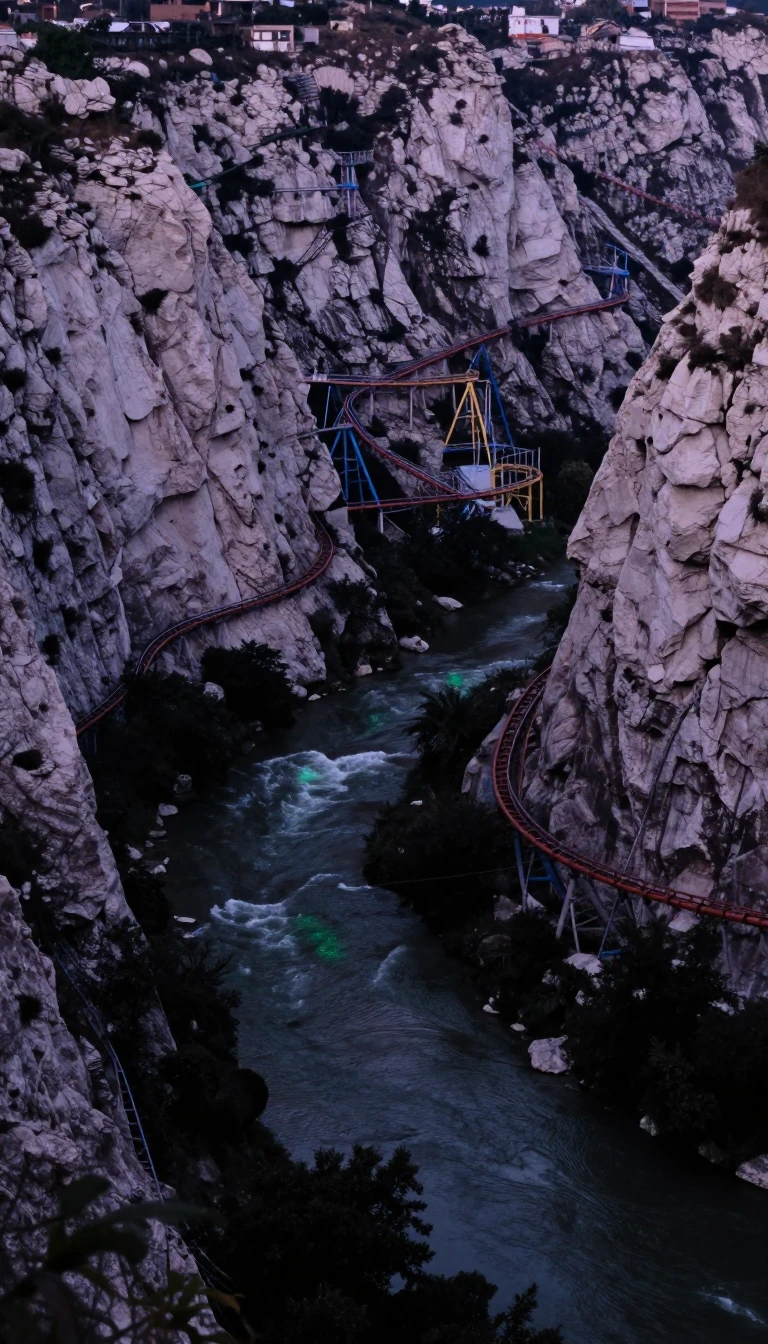 Building a miniature empire: the massive scale of Legoland MalaysiaBeyond the colorful bricks lies a complex feat of engineering and investment. From a RM720 million theme park to 1:20 scale replicas of Asian landmarks, discover how this Malaysia…
 Why GPS Loses Its Way IndoorsHow a GPS receiver turns timed satellite signals into a position, why foliage, buildings and reflections degrade or block it, and how corrections and multiple satellite systems fi…
 How Is Crude Oil Extracted?From the rotating drill bit and drilling mud to completion, produced water and the refinery, a sourced look at the physical steps that turn a hole in rock into a working oil well.
 How Crude Oil Travels Through a PipelineHow pumps, booster stations, steel pipe, computer control and wax-clearing pigs work together to carry crude oil from wells to refineries.
 The ancient sailing rig that trades high-tech tension for balanced stressWhile modern sailboats rely on complex stays and high-tension rigging to maintain their shape, the junk rig uses a different philosophy. By utilizing rigid battens to span the sai…
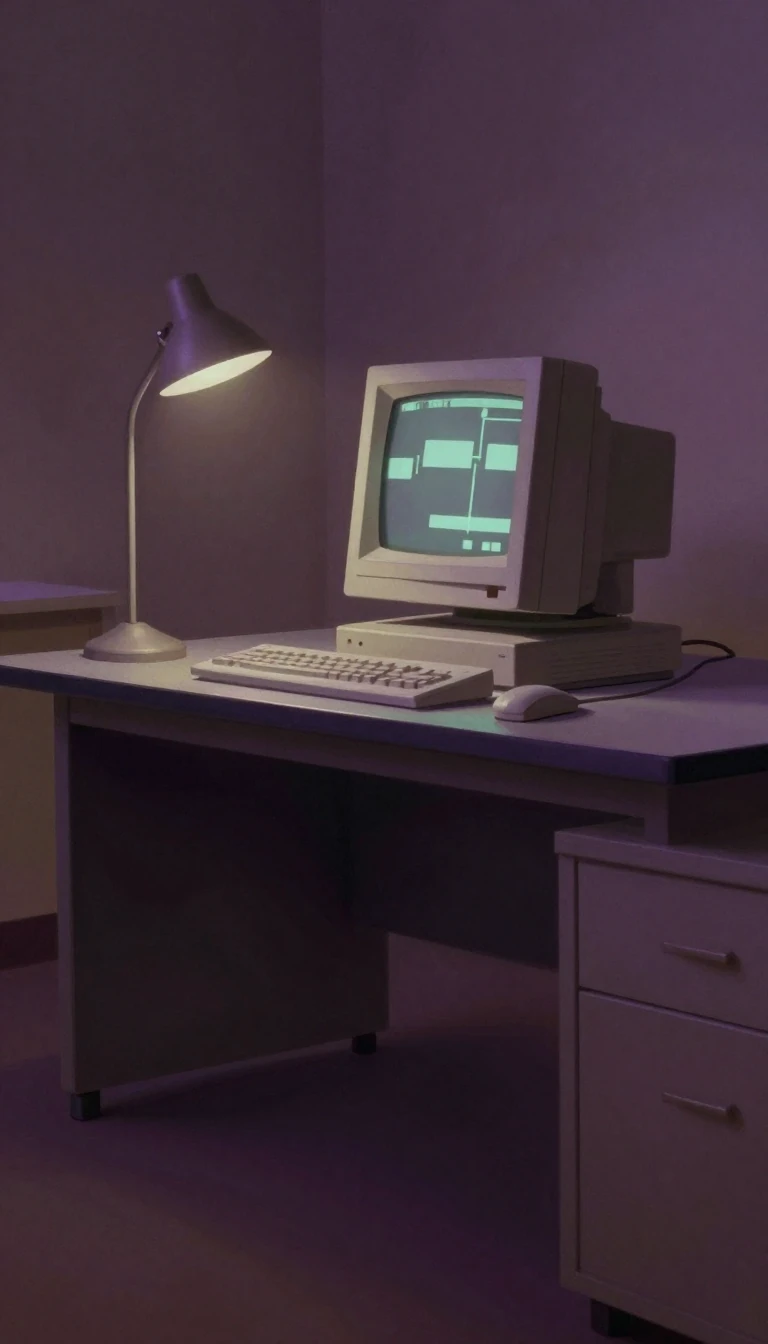 The man who taught computers how to mimic the physical worldBefore the digital revolution, cinema was bound by what could be physically built. Dennis Muren changed that by teaching machines to replicate the nuances of light, texture, and o…
 From Seabed to Surface: How an Offshore Oil Field WorksA sourced walk through offshore oil production: the subsea parts on the seabed, the many forms of host facility, gravity separation of oil, gas and water, reservoir pressure and a…
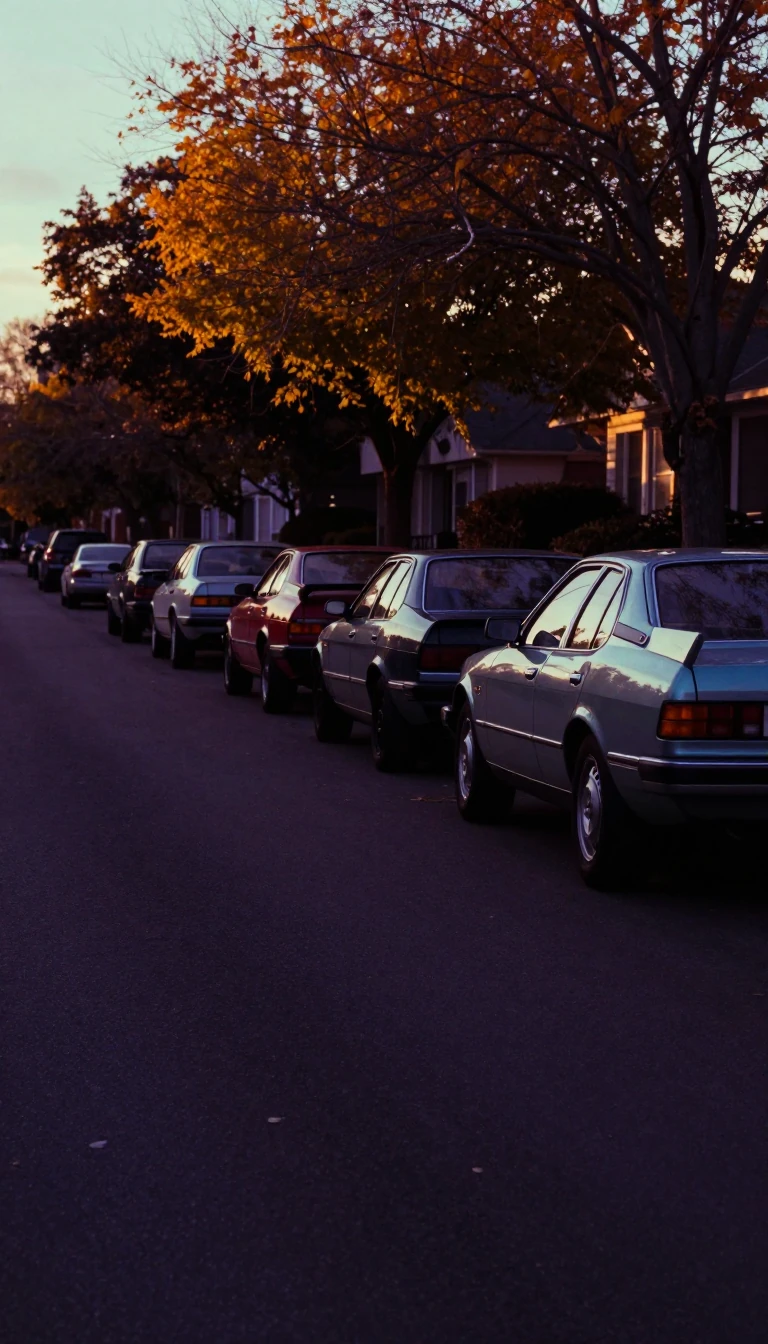 The evolution of the American police cruiser from wagons to SUVsThe first police car was an electric wagon that could only travel 30 miles before needing a recharge. Today, the North American fleet has shifted from iconic sedans to high-visibi…
 Rebuilding Naphtha: How Catalytic Reforming Raises OctaneHow a refinery's catalytic reformer uses heat, hydrogen and a platinum catalyst to reshape low-octane heavy naphtha into reformate, a high-octane gasoline blending component.
 How Crude Oil Becomes DieselHow a refinery turns crude oil into diesel: separating hydrocarbons by boiling point, cracking heavy molecules with hydrogen and a catalyst, and removing sulfur to meet fuel stand…