 Intellect Plus
Technology
10,995 cards. Each one is a 40-second story with a five-minute read behind it. Page 32 of 184.
Subtopics: 3D printing & manufacturing · AI & machine learning: practical · Aircraft · Automata · Aviation · Batteries · Binary · Biotechnology · Bridges · Cameras & imaging · Cars · Chemical engineering · Chips · Codes · Compression · Computing · Computing and information technology · Computing history · Cryptography · Cybersecurity · Electric vehicles · Electronics · Energy · Engineering · Everyday tech · Famous patents · Future Frontier · How it works · How Things Work: GPS to the Phone · How Things Work: Jets, Propellers and Ships · Industry · Infrastructure · Internet · Inventions · Inventors · Machinery and tools · Maths · Media and communication · Medical technology · Medieval clockmaking · Mercedes-Benz Engineering · Military technology · Motorbikes · Navigation and timekeeping · Networks · Nuclear power · Optical technology · Physics · Pioneers · Programming · Programming languages · Radar · Radio · Researched · Robotics: practical · Robots · Rockets · Security · Semiconductors · Ships & boats · Skyscrapers · Smartphones · Software · Sound & audio technology · Spaceflight · Super-series Wave 1: Car To Wheels · Super-series Wave 1: From Power Station To Pc · Super-series Wave 1: The Journey Of Crude Oil · Technology today · Technology: General · Textiles · Trains & locomotives · Transportation · UK & Ireland: inventions · Video game technology · Web · Wireless
 How a highway can turn a thriving forest into a genetic dead endRoads do more than just kill animals; they act as invisible walls that slice habitats into isolated islands. When a population is trapped on one side, inbreeding can lead to local…
 The widening gap in our connected worldBy 2025, an estimated 6 billion people are online, yet a profound digital divide persists. While global connectivity has surged, billions remain offline, trapped by barriers of in…
 India's AI leap began with 1960s calculators and linguistic rootsBefore the global generative AI boom, India was already pioneering machine intelligence to solve local problems. From early pattern recognition in the 1950s to building systems fo…
 How satellites turn orbital data into life-saving ground actionAs climate change and growing populations increase our vulnerability to natural disasters, the gap between orbital data and ground-level response can be fatal. UN-SPIDER acts as t…
 How a guitar learned to speak by using human lungsImagine an instrument that does not just play notes but shapes them using the same physical mechanics as human speech. The talk box achieves this by turning a musician's mouth int…
 The secret weapon of Nazi radio was a German tape recorderDuring World War II, Allied analysts were baffled by German radio broadcasts that appeared to be live from multiple time zones simultaneously. The secret wasn't a miracle of physi…
 How a loop of tape changed the architecture of modern musicBefore musicians could manipulate time with a simple pedal, they had to physically move magnetic tape across metal heads. This mechanical process birthed the echo effect, transfor…
- The 1857 invention that could record sound but couldn't play it backBefore we could listen to records, we had to find a way to trap sound waves physically. In 1857, a device succeeded in etching audio onto a medium, but it was a one-way street. It…
 Can your ears actually hear the difference in high-resolution audio?High-resolution audio promises a studio-grade experience, yet its benefits remain a subject of intense debate. While industry giants and archives treat it as a gold standard, crit…
 How 0s and 1s replaced physical grooves and magnetic powderBefore the digital revolution, capturing sound required physical mastery over matter—carving grooves into plastic or magnetizing oxide particles. Today, we transform air pressure …
 The invisible musicians: how backing tracks shape the live stageFrom a boombox in 1980s Austin to complex neural networks, backing tracks have redefined what it means to perform live. They allow a single person to sound like a symphony, but th…
 When sound hits a ceiling, it doesn't just stop—it squares off.Imagine pushing a wave until it hits a physical wall. In audio, this is clipping: a waveform distortion where an amplifier reaches its maximum capacity and simply cuts off the exc…
 How to sculpt a 3D soundscape from flat, linear recordingsA finished song is rarely a single performance; it is a meticulously constructed architecture of sound. By manipulating volume, frequency, and simulated space, mixing engineers tr…
 Why your ears hear a roar but your meter sees a whisperSound meters don't hear like humans do. To bridge this gap, engineers use A-weighting—a mathematical filter that mimics our biology. But this standard is currently caught in a str…
- Why your music sounds like it does is a 1970s compromiseThe standard sampling rate of 44,100 Hz isn't just a random number chosen for perfect audio. It is the result of industrial convenience, early video tape limitations, and a corpor…
 Can a magnetic pouch reclaim our focus in a digital world?The modern smartphone is an unparalleled tool for distraction, often fracturing our attention in schools, courts, and concerts. Yondr addresses this by creating physical boundarie…
 Why a 2014 smartphone design is making a 2025 comebackThe smartphone industry has largely abandoned physical keyboards in favor of glass slabs. Yet, a new project is resurrecting a decade-old design by swapping out old guts for moder…
 Why high-speed trains can no longer see the signals aheadAs trains reached blistering speeds, traditional wayside signals became a visual impossibility for drivers to track safely. This forced a technological shift from looking out the …
 The tactile return of the QWERTY keyboard in a 5G worldIn an era of glass slabs, a niche Chinese company is reviving the physical keyboard. The Unihertz Titan series offers a tactile, rugged alternative for those who find touchscreens…
 The smartphone that accidentally made your files larger and your voice boxyThe Palm Treo 650 was a pioneer of the smartphone era, but its launch was marred by technical quirks that felt like a step backward. From files that grew in size just by being sav…
- The ambitious Linux project that conquered TVs but retreated from phonesTizen was designed to be the next great mobile revolution, a successor to Nokia's MeeGo. While it successfully became a dominant force in smart TVs, its journey as a smartphone OS…
- The smartphone that defined a generation before the iPhone existedBefore the modern glass slab, there was a device designed to be held with two hands, featuring a swiveling screen and a physical QWERTY keyboard. It wasn't just a phone; it was a …
 The return of the physical slot and the embossed insigniaIn an era of streamlined designs and disappearing ports, the Sony Xperia 1 VIII acts as a defiant bridge to the past. It reintroduces hardware staples that many flagship manufactu…
- The smartphone that pioneered the modern multitasking interface we use todayBefore the modern era of sleek glass slabs, the Palm Pre introduced a revolutionary 'card' system for multitasking. It was a sophisticated, Linux-based innovation that faced inten…
 Why your phone feels like an addiction (but isn't one yet)Problematic smartphone use is more than just high screen time; it is a specific pattern of behavior where the device begins to dictate your mood and actions. While not yet a forma…
- Why your smartphone's 'waterproof' label might not mean it's ruggedMost people assume a waterproof phone can survive a construction site or a mountain climb. In reality, water resistance is only one piece of a much more complex engineering puzzle…
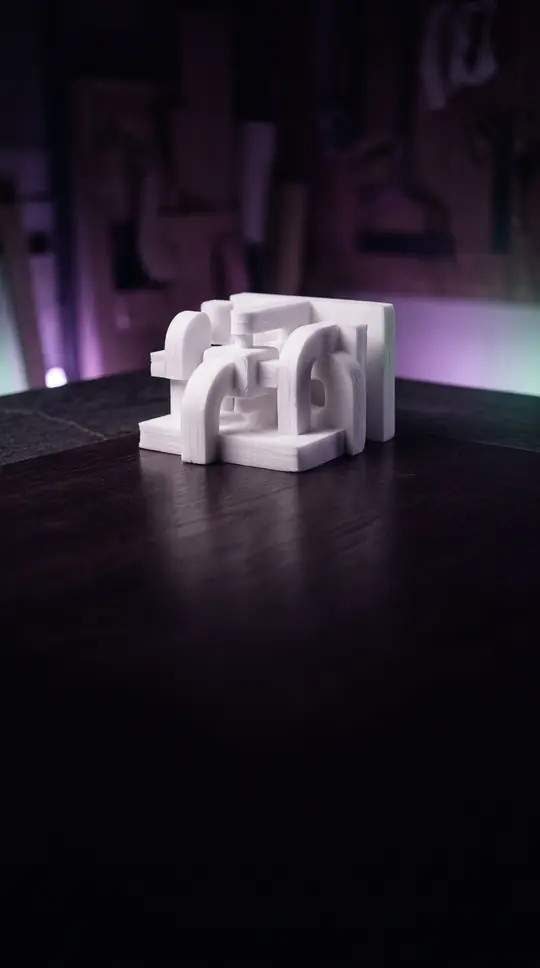 The smallest smartphone that once dominated the mobile internetIn 2008, the Palm Centro was a powerhouse of compact engineering. Despite its tiny footprint, it captured the lion's share of Palm's web traffic, proving that high-utility hardwar…
- Nothing's new design marks a departure from its transparent rootsFor years, Nothing defined itself by the see-through aesthetic of its hardware. With the release of the Phone (4a) and (4a) Pro in March 2026, that signature transparency is being…
 The block of wood that predicted the smartphone eraBefore the first PalmPilot hit shelves in 1996, its inventors carried a block of wood in their pockets for a week. This simple experiment helped them envision a handheld computer …
- The $100 million gamble that became a 'taco phone' memeNokia spent over $100 million to merge the cellular phone and handheld console into one device. It was a bold attempt to lure gamers away from the Game Boy Advance, but it resulte…
 The flagship paradox: can a unique design define premium performance?Nothing Technology is attempting to redefine the high-end smartphone market by moving beyond mere specs into aesthetic identity. The Phone (3) marks their first official entry int…
- The smartphone designed to break the sea of rectangular screensIn 2014, BlackBerry attempted to disrupt the smartphone market by abandoning the standard 16:9 ratio for a unique square display. Designed for power professionals, the Passport ai…
 The secret math behind the world's most influential camera benchmarksWhen you see a smartphone's camera score, you are looking at a proprietary masterpiece of engineering. DxOMark doesn't just average numbers; they use a confidential mapping system…
 The quest to strip smartphones of their corporate baggageMost smartphones are designed to track you and collect data by default. DivestOS was an ambitious project that sought to reverse this by creating a privacy-first operating system.…
- The engineering of durability: how a construction brand redefined mobile phonesMost smartphones are designed for elegance, but CAT phones were built for the extremes. From 2012 to 2024, these devices bridged the gap between high-end technology and industrial…
 The Russian officer imprisoned for not disobeying a pilot's fatal mistakeIn 1986, the MS Mikhail Lermontov struck rocks off New Zealand, sinking in under five hours. While the local pilot was blamed for the navigation error, the Soviet government chose…
 A vacation cruise to freedom that ended in a tragic odysseyIn 1939, 937 people boarded a luxury liner seeking a life free from Nazi persecution. They expected a path to safety in the Americas; instead, they were met with closed borders, d…
 North Korea's flagship smartphone is likely a Chinese product in disguiseNorth Korea's Arirang smartphone was marketed as a triumph of domestic engineering and national pride. However, independent analysts and defectors suggest a different reality: the…
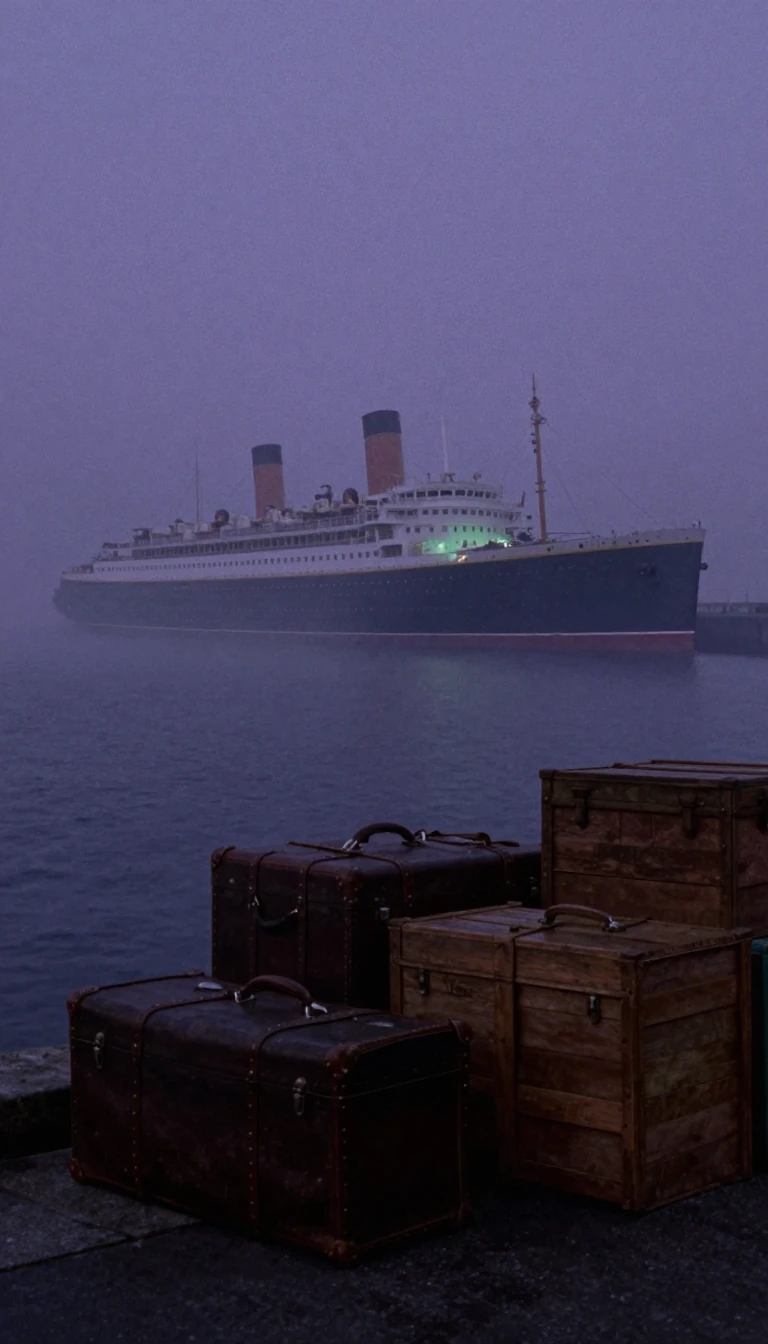 A Soviet troopship with a disco became a global cruise iconThe MS Marco Polo began its life as a rugged Soviet ocean liner designed for military utility. Built with reinforced hulls to navigate broken ice and massive storage for troop pro…
 From luxury liner to a stranded vessel of protestThe MS Mediterranean Sky lived several lives: a post-war cargo liner, a luxury cruise ship, a floating hotel for the America's Cup, and a vessel for evacuating troops from Somalia…
 The ship that shared a name with its own predecessorIn 1985, a shipping company faced a naming dilemma. They owned a cruise ship called Astor, but wanted a more powerful vessel for ocean liner service. The solution? They ordered a …
 A ship held offshore as a test of human rights and lawIn 1914, the Japanese steamship Komagata Maru became a floating battleground for immigration rights. While 376 passengers sought a new life in Canada, they were met with a naval b…
- The ocean liner that survived three mine strikes and a world warKnown as the Queen of the Pacific, the Hikawa Maru was more than a luxury vessel. It served as a sanctuary for Jewish refugees, a floating hospital for wounded soldiers, and a rep…
 A 60-year-old captain chose to fight a battleship with a converted linerIn November 1939, the HMS Rawalpindi faced the German battleships Scharnhorst and Gneisenau. Despite being hopelessly outgunned, the aging merchant cruiser stood its ground. It wa…
 Why nuclear reactors are measured in dollars and centsIn nuclear physics, a "dollar" isn't currency; it is a measurement of safety. It defines the razor-thin margin between a controllable power source and an uncontrollable explosion.…
 Can a nuclear reactor cool itself without a single drop of electricity?Most nuclear plants rely on massive electrical pumps to prevent overheating. But the BWRX-300 is designed to do the opposite. By leveraging the physics of natural circulation, it …
 The industrial alchemy required to fuel the future of fusion energyFusion power faces a unique paradox: it requires a fuel that doesn't exist in significant natural quantities. To solve this, engineers are designing 'breeding blankets'—complex in…
 Why a 'flawed' lens creates the world's most romantic imagesIn photography, perfection is often the enemy of atmosphere. Soft focus isn't just an out-of-focus blur; it is a deliberate manipulation of optical errors to create dream-like tex…
 How a camera lens solves the physics of a pinholeA pinhole camera is the simplest way to capture an image, but it faces a brutal physical trade-off: smaller holes create sharper pictures but let in less light. Modern lenses are …
 To reach the Moon, NASA turned back the clock on color TVIn 1969, cutting-edge electronics were too heavy and complex to reach the lunar surface. To solve this, engineers bypassed modern tech in favor of a 40-year-old mechanical system.…
 The aircraft that bridges the gap between people and parcelsImagine a plane that can swap its entire identity in a matter of hours. Combi aircraft are versatile workhorses of the skies, designed to carry passengers and freight simultaneous…
- The engineering of survival in the world's most inaccessible placesIn regions where roads end and infrastructure vanishes, the bush plane is the only lifeline. These aircraft are defined not by a specific model, but by a specialized logic of desi…
 How Do Car Engines Work?How a four-stroke car engine turns fuel and air into motion: its parts, the intake, compression, power and exhaust strokes, the diesel variant, and the limits on efficiency.
 Why Hydrocarbons Boil at Different TemperaturesA weak attraction between molecules, the London force, grows with molecular size and depends on shape, setting each alkane's boiling point and letting refineries separate crude oi…
 From Sunlit Sea to Jet Engine: How Jet Fuel Is MadeJet fuel starts as ocean algae and the life that feeds on them, turned into crude oil underground, then refineries distil, upgrade, treat and test it, and approved processes now l…
 How Do Brakes Work?How a push on the brake pedal travels through fluid to discs and drums, why heat and wheel lock-up shape brake design, and why brake dust is the next engineering challenge.
 How Do Jet Engines Work?Follow the air through a jet engine, from compressor to combustor, turbine and nozzle, and see how Newton's third law turns burning fuel into thrust.
 From Dim Red to White: How LEDs Got Their ColoursHow LEDs went from Holonyak's dim red 1962 device to blue gallium nitride breakthroughs and white light, and why the band gap of a semiconductor decides the colour.
 From Ancient Sea Life to the Petrol PumpHow marine organisms became crude oil, and how a refinery separates, converts, treats and blends that oil into petrol.
 How a Column Sorts Crude OilHow a distillation column uses differences in boiling point to sort crude oil into fractions, and why that is only the first step in a refinery.