 Intellect Plus
Technology
10,995 cards. Each one is a 40-second story with a five-minute read behind it. Page 69 of 184.
Subtopics: 3D printing & manufacturing · AI & machine learning: practical · Aircraft · Automata · Aviation · Batteries · Binary · Biotechnology · Bridges · Cameras & imaging · Cars · Chemical engineering · Chips · Codes · Compression · Computing · Computing and information technology · Computing history · Cryptography · Cybersecurity · Electric vehicles · Electronics · Energy · Engineering · Everyday tech · Famous patents · Future Frontier · How it works · How Things Work: GPS to the Phone · How Things Work: Jets, Propellers and Ships · Industry · Infrastructure · Internet · Inventions · Inventors · Machinery and tools · Maths · Media and communication · Medical technology · Medieval clockmaking · Mercedes-Benz Engineering · Military technology · Motorbikes · Navigation and timekeeping · Networks · Nuclear power · Optical technology · Physics · Pioneers · Programming · Programming languages · Radar · Radio · Researched · Robotics: practical · Robots · Rockets · Security · Semiconductors · Ships & boats · Skyscrapers · Smartphones · Software · Sound & audio technology · Spaceflight · Super-series Wave 1: Car To Wheels · Super-series Wave 1: From Power Station To Pc · Super-series Wave 1: The Journey Of Crude Oil · Technology today · Technology: General · Textiles · Trains & locomotives · Transportation · UK & Ireland: inventions · Video game technology · Web · Wireless
 Why modern computing relies on a network of machines that never truly agreeDistributed computing powers everything from global web services to peer-to-peer networks. By coordinating autonomous computers through message passing, these systems achieve scal…
 Why the future of electricity is moving from massive power plants to your backyardFor a century, we relied on distant, massive power plants to push electricity across vast networks. Today, that model is shifting. By generating power at or near the point of use,…
 The distribution board is the silent, essential gatekeeper of your home's electrical safety.Hidden in closets or garages, the distribution board divides incoming power into smaller, manageable circuits. Whether using simple fuses or sophisticated modern breakers, these p…
 How a tiny glass chip maps the hidden mutations driving human diseaseA DNA microarray acts as a diagnostic filter, using synthetic genetic sequences to detect mutations within an individual's blood. By comparing a patient's sample against a normal …
 Is an antelope a document? The surprising evolution of how we record our worldWe think of documents as paper or digital files, but the definition is far more fluid. From ancient stone tablets to a captured animal in a zoo, anything can become a document if …
 Why your computer speaks a dozen languages just to open a simple text file.Digital documents are not just text; they are complex data structures stored in specific formats. While we expect seamless compatibility, the reality is a fragmented landscape of …
 Why your website address is a lease, not a piece of propertyA domain name is not something you own; it is an exclusive right of use granted for a set duration. Behind the familiar strings of text lies a complex hierarchy managed by ICANN, …
 DOS was never meant to be a permanent operating system for the personal computer.Microsoft originally viewed DOS as a temporary, throw-away product designed to satisfy IBM. It was a stopgap intended to keep the tech giant happy until more advanced systems like…
 The noisy, mechanical workhorse that defined the early era of personal computingBefore laser and inkjet printers dominated, dot matrix technology was the standard for home and office. By striking pins against an ink-soaked ribbon, these impact printers create…
 The legendary DC-3: Why the only true replacement for this plane is another one.Born from a marathon phone call between airline titans, the Douglas DC-3 transformed air travel by proving planes could be profitable without mail subsidies. Nearly a century late…
- Before CAD, the drafting machine revolutionized engineering by automating precision through mechanical ingenuity.Before computer-aided design dominated the drafting room, engineers relied on a mechanical marvel: the drafting machine. By mounting two scales at a right angle on an articulated …
 The medieval drawbridge was more than just a gate; it was a sophisticated defensive machine.Far from the simple wooden planks depicted in cinema, the historical drawbridge served as a critical defensive barrier for castles. By utilizing complex counterweight systems and …
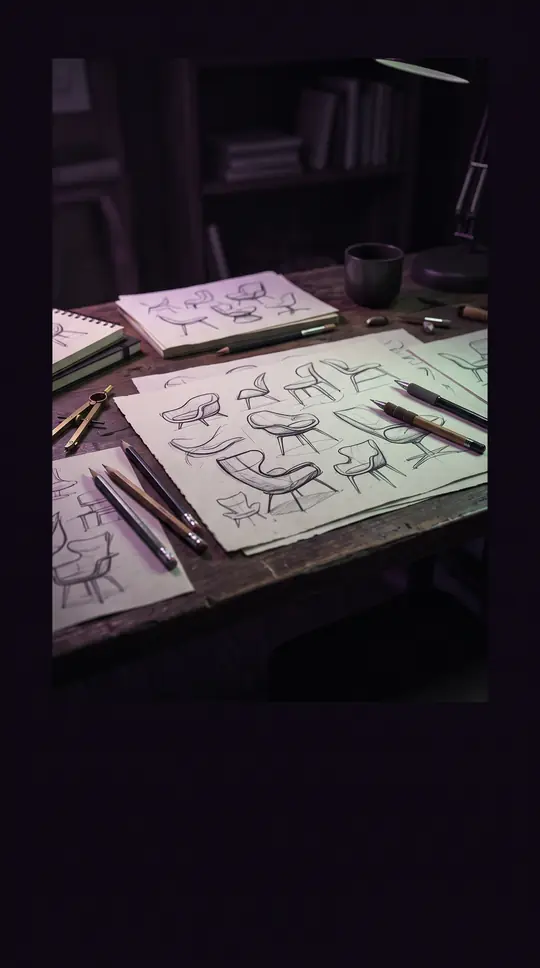 The drawing board: from a gentleman's library staple to a modern engineering relicBefore computer-aided design, the drawing board was the essential tool for architects and engineers. These versatile surfaces, once crafted from fine woods and brass, evolved into…
 How pulling metal through a hole creates the world's most precise componentsDrawing is a manufacturing process that transforms raw metal, glass, or plastic by pulling it through a die. By stretching material under tension, engineers achieve precise shapes…
 Without this hidden underwater excavation, global trade and modern shipping would grind to halt.Dredging is the routine removal of silt, sand, and debris from the floors of our waterways. While often invisible, this process is essential for maintaining the depth required by …
 How a needle-firing rifle helped Prussia forge the modern German EmpireIn 1841, Prussia adopted a revolutionary firearm that changed warfare forever. By allowing soldiers to reload while kneeling and firing from the rear, the Dreyse needle gun offere…
- How grid frequency acts as a silent signal to balance power across entire nationsElectrical grids are massive, complex machines that must balance supply and demand instantly. Droop speed control is the elegant, decentralized mechanism that allows generators to…
 From ancient Phoenician basins to modern floating giants, how we keep ships dry.For millennia, humans have needed to lift massive vessels out of the water to repair their hulls. Whether using ancient stone basins or modern submersible pontoons, the engineerin…
- The humble wallboard in your home is a sophisticated, fire-resistant, and engineered material.Drywall is more than just a flat panel; it is a complex sandwich of gypsum and paper designed for fire safety and rapid construction. While it revolutionized home building in the …
 Digital Video Broadcasting is the invisible architecture powering global television and streaming services today.DVB is not a single technology but a vast, international suite of open standards that define how digital television travels from satellites, cables, and transmitters to your scree…
 Dye lasers use organic stains to create light across a massive spectrum of colors.By using carbon-based fluorescent dyes as a gain medium, dye lasers achieve a level of wavelength agility impossible for most solid-state or gas lasers. These devices can be tuned…
 From prehistoric caves to coal tar: the evolution of how we color textilesDyeing is a precise chemical dance of absorption and diffusion, transforming raw fibers into vibrant materials. While humans have colored textiles for over 34,000 years, the 19th-…
 Your refrigerator could help stabilize the national power grid without you noticing a thing.Electrical grids rely on a delicate balance between supply and demand. When they drift, utilities burn expensive fossil fuels to compensate. Dynamic demand technology turns everyd…
 Why your computer's memory is constantly forgetting and rewriting itself to stay aliveDynamic random-access memory is the backbone of modern computing, yet it is inherently unstable. Each bit of data is stored as a tiny electric charge that naturally leaks away. To…
 Why the dream of a portable library nearly vanished before it truly beganE-readers promise the weightless convenience of thousands of books in your pocket. Yet, the technology faced a rocky path, from 1930s microfilm fantasies to a 2012 sales slump. Wh…
 Why your home's safety switch might be a relic of a forgotten electrical eraThe term earth-leakage circuit breaker is often used today to describe two very different technologies. While modern residual current devices protect you from shocks by monitoring…
 Moving mountains: How modern engineering masters the art of shifting the earthEarthworks are the fundamental engineering projects that reshape our planet, from railway beds and dams to military fortifications. While moving millions of cubic metres of soil o…
 Why the humble easel shares its name with a stubborn beast of burdenThe easel is an ancient tool that has supported artistic creation since the time of the Egyptians. Its name, surprisingly, is a linguistic nod to the donkey, reflecting a shared h…
 Before modern software, Cambridge researchers built a machine that treated programs as mere data.In 1949, the EDSAC became the first stored-program computer to enter regular service. By housing both instructions and data in the same electronic memory, it moved beyond the rigi…
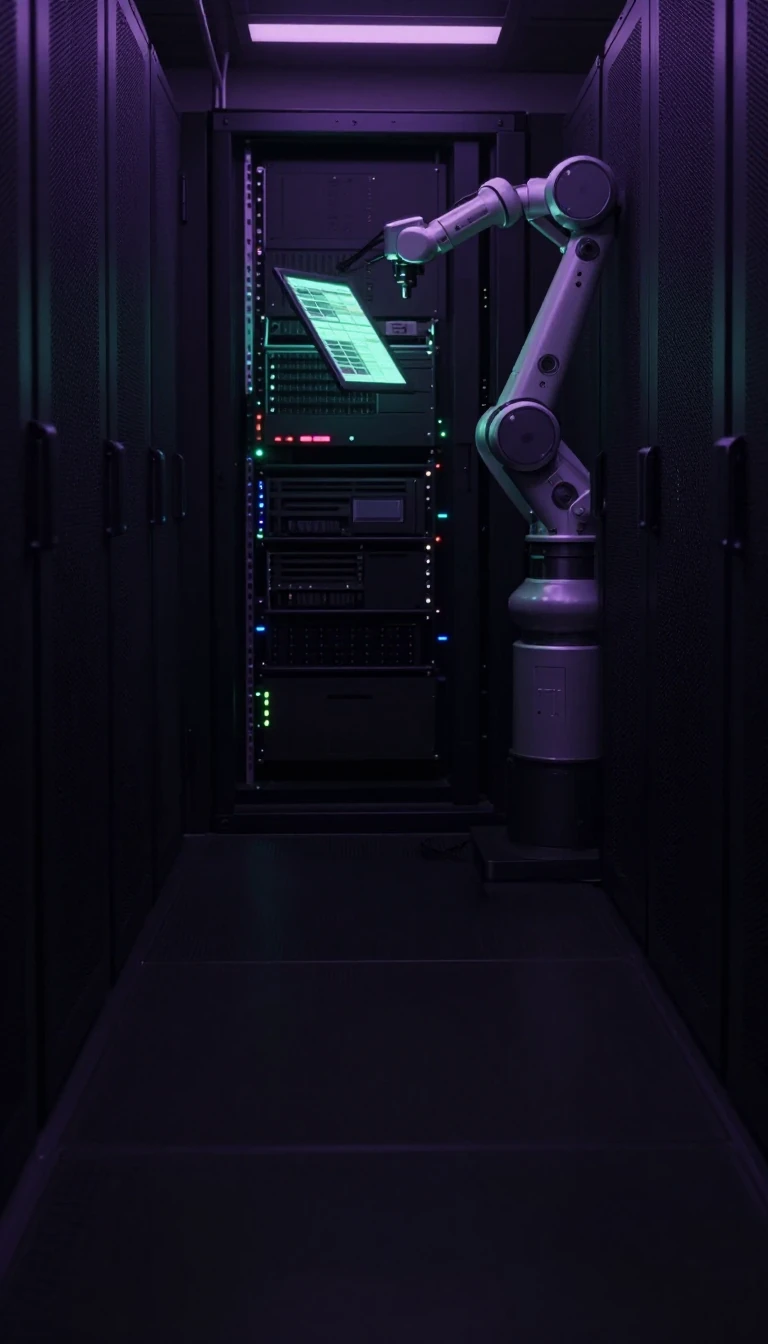 The massive machine that defined how modern computers store and execute their programsBefore your laptop could run diverse software, engineers had to solve a fundamental hardware problem. The EDVAC, a room-sized behemoth from the late 1940s, pioneered the stored-pr…
- The world's longest swing bridge has been a century-long engineering game of musical chairs.Spanning the Suez Canal, the El Ferdan Railway Bridge holds the record for the longest swing bridge on Earth. Yet, its history is defined by constant destruction, removal, and red…
 How electric arc furnaces turn scrap metal into the backbone of modern infrastructureElectric arc furnaces are the industrial workhorses of the steel world, capable of melting 400 tonnes of metal in a single batch. By using intense electrical arcs to reach tempera…
- Why your wall outlet's perfect sine wave is actually a fragile, messy illusionWe expect a steady flow of electricity, but the power grid is a chaotic environment. From lightning strikes to heavy industrial loads, the voltage delivered to your devices is con…
 The invisible network powering your life: how electricity travels from source to switchAn electric power system is a complex, synchronized network designed to generate, transmit, and distribute energy. From the massive turbines of a power station to the delicate cir…
 From platinum wires to induction, the electric stove took a century to masterBefore they were kitchen staples, electric stoves were expensive, unreliable novelties. Early models struggled with poor temperature control and short-lived heating elements. It t…
- Electrical discharge machining uses controlled sparks to carve the world's hardest metal components.Instead of cutting metal with physical force, electrical discharge machining (EDM) uses intense, recurring sparks to erode material with extreme precision. By submerging parts in …
- Why your power grid is designed to survive thousands of invisible electrical faultsAn electrical fault is any abnormality in current, from a simple short circuit to a dangerous ground leak. While these disruptions can cause catastrophic damage, modern power syst…
- Why electricity markets are fundamentally different from every other commodity market on EarthElectricity cannot be stored, yet supply must perfectly match demand every second to prevent grid collapse. Unlike airline tickets or hotel rooms, which share similar storage cons…
 Electrification is more than just switching to power; it is a strategic economic shift.Electrification is the process of converting devices and sectors from non-electric energy sources to electricity. Far from being a singular goal, it is a versatile tool for decarb…
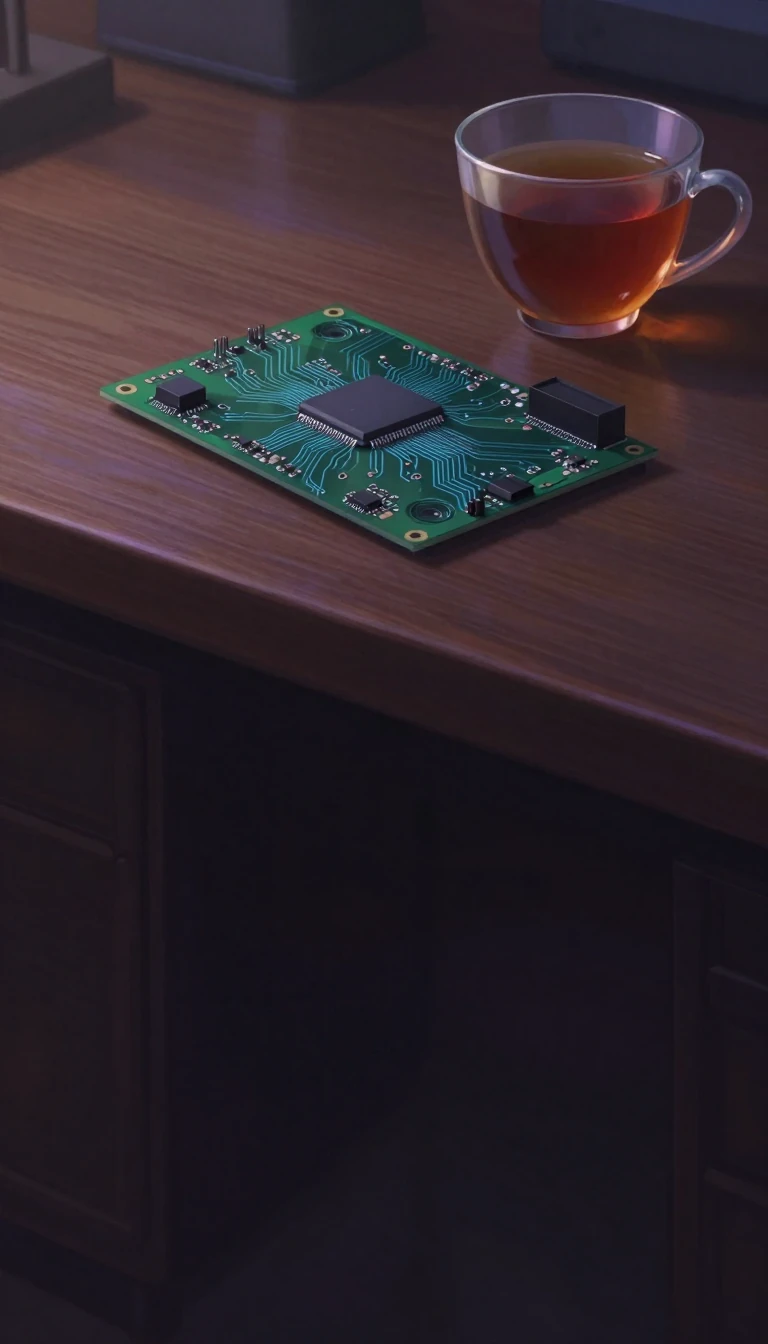 Why these tiny components are the secret to your laptop's compact powerElectrolytic capacitors pack massive energy storage into tiny spaces by using a clever chemical trick. By forming an ultra-thin insulating oxide layer on a rough metal surface, th…
 Why your microwave oven door is a perfect example of electromagnetic shielding in action.Electromagnetic shielding is the art of manipulating electric and magnetic fields to protect sensitive electronics. By using conductive barriers or magnetic materials, engineers c…
 What distinguishes an electronic circuit from a simple electrical one?An electronic circuit is more than just a path for current; it is a system capable of computation, signal amplification, and data movement. By incorporating active components like…
- Are your electronic components passive or active? The answer depends on your perspective.Electronic components are the building blocks of modern technology, yet their classification is surprisingly fluid. While physics defines components by their energy source, engine…
- How software engineers design the billions of transistors inside a modern semiconductor chipModern microchips contain billions of components, making manual design impossible. Electronic design automation (EDA) software provides the essential framework for architects to s…
 Why your next door lock might be smarter than your front door keyElectronic locks have evolved from simple magnetic hold-fasts to sophisticated systems that track access and eliminate the need for bulky key rings. By replacing traditional mecha…
 How military aircraft use invisible waves to blind enemy radar and radio systemsModern aerial combat is fought as much in the electromagnetic spectrum as in the physical sky. Electronic-warfare aircraft serve as invisible shields, deploying sophisticated jamm…
- Modern engineering is the art of controlling electrons to solve our most urgent global challenges.Electrical and electronic engineering has evolved from simple circuits into a multidisciplinary powerhouse. Today, engineers design everything from autonomous robotic systems to s…
- How electroplating uses electricity to transform the surface of everyday metal objectsElectroplating is the process of using direct electric current to coat a solid object with a thin layer of metal. By manipulating ions in a chemical bath, industry can enhance eve…
 How a simple hinged flap at the tail controls the pitch of an aircraftThe elevator is the unsung hero of flight, a small surface that dictates whether a plane climbs or dives. By manipulating the downward force at the tail, these hinged components a…
 Born from ice cream myths and macro hacks, Emacs is computing's ultimate extensible editor.Emacs began in 1976 as a collection of macros for a dated text editor at MIT. Today, it is a self-documenting, extensible powerhouse capable of running everything from email clien…
 Are emerging technologies the key to human progress or a path to extinction?Emerging technologies are defined by their radical novelty, rapid growth, and inherent uncertainty. While they promise to solve global suffering and eliminate poverty, they also c…
 Why the tail of an airplane is more than just a rudderThe empennage, or tail assembly, is the unsung hero of flight stability. Borrowing its name from the French word for feathering an arrow, this rear structure does far more than st…
 Emulators allow modern computers to act like machines from the past or present.An emulator is a system that enables one computer to behave like another. By mimicking hardware and software environments, these tools allow modern devices to run classic arcade g…
 Why the term enamel paint is a misleading label for modern hardware coatingsThe name enamel suggests a kiln-fired, glass-like finish, but most modern versions are simply durable, air-drying resins. While the term lacks a strict technical definition, it ha…
 Encapsulation: Why hiding your code's internal workings makes your software significantly more robustEncapsulation is the practice of bundling data with the methods that manipulate it, while shielding internal details from external interference. By restricting direct access to an…
 Why your electricity grid is built for a peak that rarely actually happensEnergy grids are designed to handle the absolute maximum demand, leaving expensive infrastructure idle most of the time. Demand-side management aims to fix this by shifting consum…
- Is the global transition to renewable energy actually keeping pace with our massive demand?Energy development powers everything from manufacturing to our daily digital lives. While fossil fuels still dominate 86% of the world's energy needs, the shift toward renewables …
- Energy engineering is the multidisciplinary field tasked with solving our most urgent power challenges.As global demand for power grows and climate change intensifies, energy engineering has emerged as a vital discipline. It combines physics, chemistry, and mathematics to optimize …
- Why fossil fuels are less efficient than we thought and renewables are winningConventional wisdom suggests renewables offer lower energy returns than fossil fuels. New research reveals this is a measurement error. By shifting the focus from raw extraction t…
- To balance a green grid, we must master the art of storing time itself.Renewable energy is fickle; the wind dies and the sun sets just as demand peaks. To bridge this gap, we are turning to ingenious storage methods that capture excess power. From ma…