 Intellect Plus
Technology
10,995 cards. Each one is a 40-second story with a five-minute read behind it. Page 71 of 184.
Subtopics: 3D printing & manufacturing · AI & machine learning: practical · Aircraft · Automata · Aviation · Batteries · Binary · Biotechnology · Bridges · Cameras & imaging · Cars · Chemical engineering · Chips · Codes · Compression · Computing · Computing and information technology · Computing history · Cryptography · Cybersecurity · Electric vehicles · Electronics · Energy · Engineering · Everyday tech · Famous patents · Future Frontier · How it works · How Things Work: GPS to the Phone · How Things Work: Jets, Propellers and Ships · Industry · Infrastructure · Internet · Inventions · Inventors · Machinery and tools · Maths · Media and communication · Medical technology · Medieval clockmaking · Mercedes-Benz Engineering · Military technology · Motorbikes · Navigation and timekeeping · Networks · Nuclear power · Optical technology · Physics · Pioneers · Programming · Programming languages · Radar · Radio · Researched · Robotics: practical · Robots · Rockets · Security · Semiconductors · Ships & boats · Skyscrapers · Smartphones · Software · Sound & audio technology · Spaceflight · Super-series Wave 1: Car To Wheels · Super-series Wave 1: From Power Station To Pc · Super-series Wave 1: The Journey Of Crude Oil · Technology today · Technology: General · Textiles · Trains & locomotives · Transportation · UK & Ireland: inventions · Video game technology · Web · Wireless
 Why the perfect aerodynamic aircraft design remains a nightmare to control and flyThe flying wing is theoretically the most efficient aircraft shape, promising minimal drag and maximum fuel economy. Yet, by eliminating the fuselage and tail, engineers lose the …
 Why your computer screen still uses the language of 19th-century metal foundriesThe term font originally described a physical collection of cast-iron characters used in manual printing. While we now use digital files, the terminology remains rooted in the phy…
 Beyond the label: how food additives engineer the safety and texture of your mealsFood additives are not just mysterious chemicals; they are precision tools designed to stabilize emulsions, prevent spoilage, and restore nutrients. From ancient salt-curing to mo…
 From toxic lead to vibrant dyes, the history of coloring our food is lethal.Before modern regulations, food coloring was a dangerous game of chance. Nineteenth-century consumers unknowingly ingested heavy metals like mercury and arsenic hidden in tea, can…
- Is processing the enemy of nutrition, or just a tool for food safety?Almost everything we eat undergoes some form of processing, from pasteurizing milk to baking bread. While the term ultra-processed often carries a negative connotation, the realit…
 Why your pantry is a high-stakes laboratory for preventing foodborne illness and wasteFood storage is more than just organizing a kitchen; it is a critical industrial and domestic science. From the precise temperatures required to halt bacterial growth to the chemi…
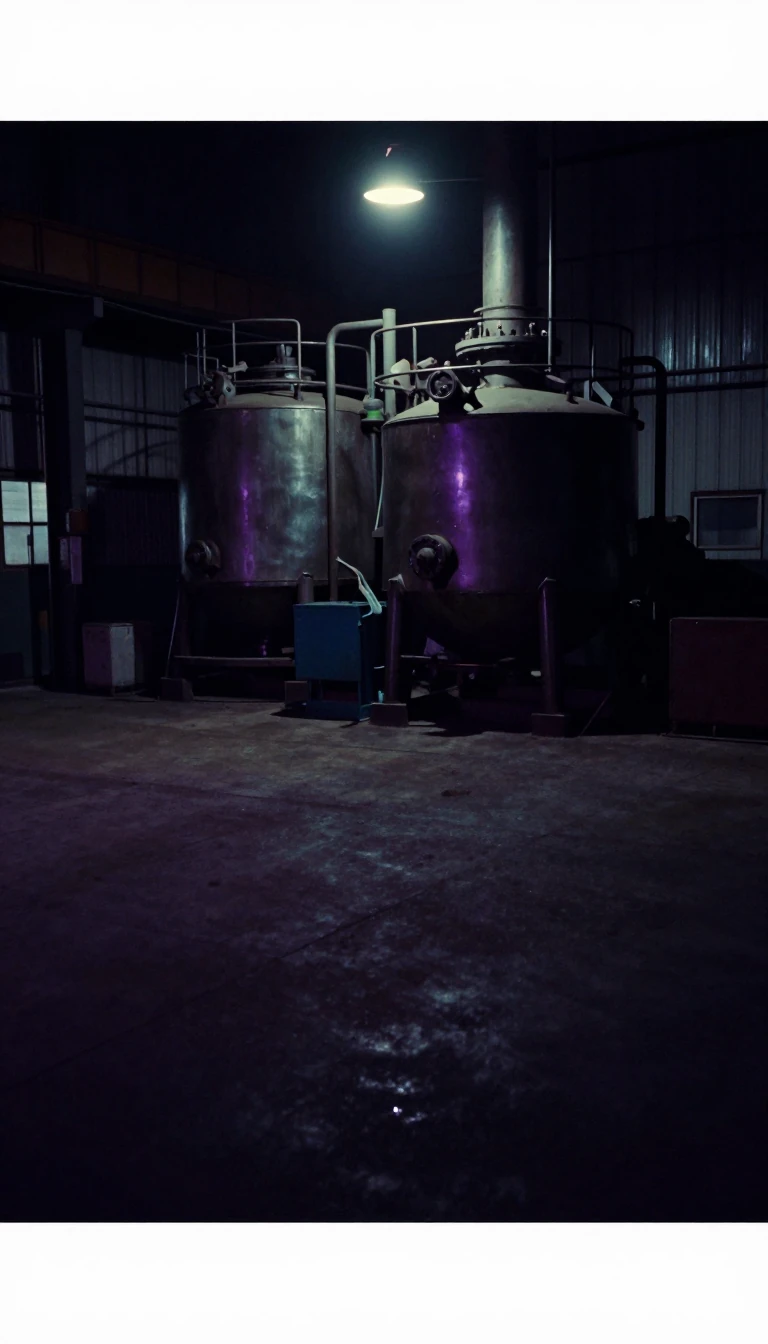 The forklift is a modern marvel that transformed how the world stores its goods.Born from early 20th-century industrial necessity, the forklift evolved from simple manual hoists into a sophisticated, high-tech machine. Today, these indispensable tools utilize…
 Can we mathematically prove that our most critical software and hardware systems are perfect?Formal verification moves beyond traditional testing by using mathematical proofs to guarantee a system behaves exactly as specified. While standard testing checks if a product wo…
 Before bold text existed, we used underscores and asterisks to emphasize our digital words.Modern digital text is rich with color, size, and style, but this convenience hides a complex history. Before we had WYSIWYG word processors, early computer users relied on clever…
 How burning fossil fuels converts ancient chemical energy into the modern world's electricityFossil fuel power stations are complex heat engines that transform chemical energy into electricity by burning coal, oil, or gas. While they provide the majority of the world's po…
 The four-bar linkage is the fundamental building block of almost all mechanical movementAt the heart of most complex machinery lies a deceptively simple loop of four rigid bodies. By connecting these links with specific joints, engineers can transform basic rotation …
 How frequency mixers manipulate signals to power everything from radio to synthesizersA frequency mixer does not just combine audio; it is the engine of modern communication. By shifting signals between frequency ranges, these circuits allow radios to tune into spe…
- Why your radio sounds clearer than ever: the clever physics of frequency modulationFrequency modulation (FM) is the backbone of modern communication, from high-fidelity music broadcasting to the humble garage-door opener. By varying the frequency of a carrier wa…
- How shifting frequencies allows your phone to display a caller's name and numberFrequency-shift keying is a fundamental communication method that encodes digital data by oscillating between discrete frequencies. From the early days of Morse code to modern cal…
 The front-side bus was the critical bottleneck that defined computer performance for two decades.Before modern point-to-point connections, the front-side bus acted as the primary highway between your CPU and the rest of your computer. While it enabled flexible, low-cost desig…
 The subroutine: how early programmers turned physical tape into modular software logicBefore modern software, programmers manually spliced paper tape to reuse code. This early modularity evolved into the function, a fundamental unit of logic that allows complex pro…
 How functional MRI maps your thoughts by tracking blood flow in the brainFunctional MRI is a powerful diagnostic tool that visualizes brain activity by measuring blood flow. By detecting how oxygenated blood shifts during specific tasks, clinicians can…
 Beyond the Kitchen: The Surprisingly Versatile Engineering Behind the Humble FunnelA funnel is more than a simple kitchen tool for pouring liquids. From laboratory filtration and industrial casting to specialized agricultural uses, this deceptively basic device …
 From coal-fired octopus to condensing gas, how your furnace evolved to heat your home.The modern furnace is a marvel of efficiency, but its roots lie in bulky, gravity-fed systems that relied on rising heat rather than fans. Today, high-efficiency units capture lat…
 Why this ultra-pure glass is the backbone of modern space travel and computingFused quartz is not just glass; it is a high-performance material capable of surviving extreme heat and deep-space conditions. From the windows of the International Space Station …
 The fuselage is more than just a shell; it is the backbone of flight.The fuselage is the central body of an aircraft, housing crew, passengers, and cargo. Far from a simple container, its design must balance aerodynamics, structural integrity, and …
 How digital satellite links are shrinking the vast, empty gaps between transoceanic flights.For decades, oceanic air traffic control relied on slow, error-prone voice radio and massive safety buffers. The Future Air Navigation System (FANS) replaced this with automated d…
 The silent guardian of modern warfare: how a tiny device decides when to explodeA fuze is far more than a simple trigger. It is a sophisticated gatekeeper, balancing the need for lethal precision with the absolute necessity of safety. From the high-speed spin…
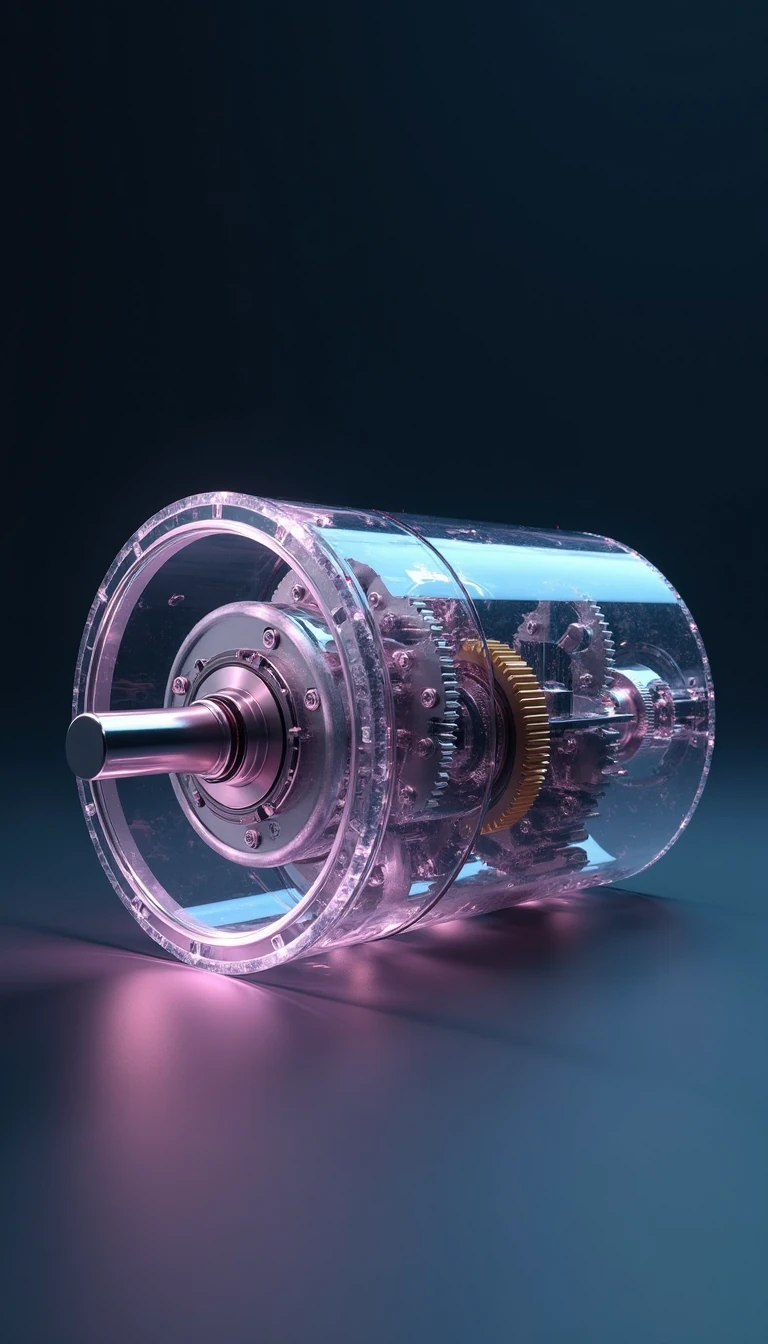 From a 50-ton behemoth to handheld power, the evolution of the gaming PCWhat defines a gaming computer? It is more than just a fast processor. Today, these machines range from massive, overclocked desktops to portable handhelds. While the industry has…
 How Apple turned a professional studio engine into a global music education toolGarageBand began as a simplified offshoot of the professional-grade Logic Pro, designed to democratize music production. Since its 2004 debut, it has evolved from a basic recordin…
 Before hot-air balloons dominated the skies, gas balloons ruled for nearly two centuriesUnlike their heat-dependent counterparts, gas balloons rely on lifting gases like helium or hydrogen to stay aloft. These vessels can remain airborne for days, travel vast distanc…
- Why gas-fired power plants are the essential, controversial backbone of modern electricity gridsGas-fired power plants generate nearly a quarter of the world's electricity. While they are significant sources of greenhouse gas emissions, they remain critical for balancing the…
 Gas lasers transformed light into a tool for industry, medicine, and scientific discovery.Before laser diodes became ubiquitous, gas lasers pioneered the ability to convert electrical energy into coherent light. From the first continuous-light beam in 1960 to the high-…
 The unsung hero of industrial safety, the gasket is a masterpiece of mechanical compression.A gasket is far more than a simple seal. It is a precision-engineered component designed to fill microscopic irregularities between mating surfaces, preventing catastrophic leaks …
 Why the most vulnerable part of a fortress became its most heavily armed feature.A gatehouse is the ultimate architectural paradox. Because it serves as the primary entry point to a castle or town, it is structurally the weakest link. To compensate, engineers …
- How a blinking bridge in Newcastle became a global icon of engineeringThe Gateshead Millennium Bridge is the world's first tilting bridge, a marvel that rotates like a giant eyelid to let ships pass. Spanning the River Tyne, this award-winning struc…
 General aviation is the vast, often invisible backbone of the world's skiesWhile commercial airliners dominate headlines, the majority of global air traffic belongs to general aviation. This diverse sector encompasses everything from private jets and agr…
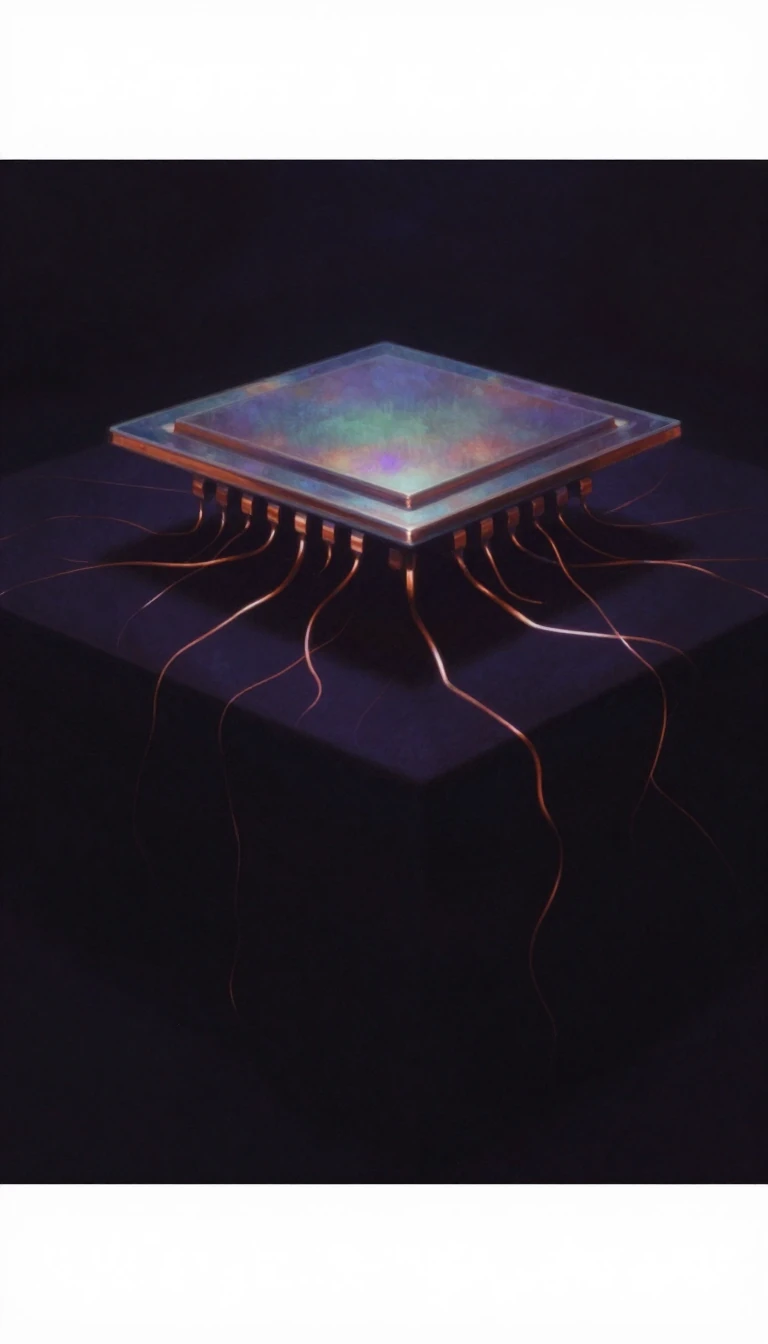 Why your graphics card is actually a supercomputer in disguiseGraphics processing units were once strictly for rendering pixels. Today, they power the world's most demanding scientific simulations and artificial intelligence. By shifting mas…
 Genetic testing can reveal more than your health, including hidden family truths.Genetic testing identifies gene variations linked to health conditions, cancers, and rare disorders. Beyond medical diagnosis, these tests can unexpectedly reveal biological secre…
 Beyond CRISPR: How Scientists Are Rewriting the Code of Life with PrecisionGenome editing allows scientists to modify DNA in plants, bacteria, and animals with unprecedented accuracy. While CRISPR often dominates the conversation, a diverse toolkit of mo…
 The GIF was designed for slow modems, yet it remains a digital cultural staple.Released by CompuServe in 1987, the Graphics Interchange Format was built to make large images downloadable over slow connections. Despite being limited to 256 colors and facing c…
 How a 2,000-year-old inkwell design keeps modern rockets and cameras perfectly steadyThe gimbal is a deceptively simple mechanism of concentric rings that allows an object to remain upright regardless of its support's movement. From ancient Chinese incense burners…
 How a student project inspired by Pulp Fiction became a professional graphics powerhouse.Born in 1995 as a semester-long experiment at UC Berkeley, GIMP evolved from a simple image editor into a sophisticated, open-source alternative to industry standards. Today, this…
 Why the sloped front of a tank is called a glacisThe term glacis originated in medieval military engineering, describing an artificial slope designed to deflect projectiles and thwart attackers. Today, the concept lives on in mo…
 How digital screens replaced steam gauges to transform the modern pilot's flight experienceBefore the digital age, pilots navigated using over a hundred mechanical dials. Today, glass cockpits consolidate this complexity into intuitive, customizable LCD displays. While …
- Why glass fiber is the silent powerhouse behind modern construction and high-tech engineeringGlass fiber is far more than just insulation in your attic. By combining the tensile strength of glass filaments with the compressive resilience of plastic, this versatile materia…
 Glass wool traps air in tiny cells to keep your home warm and quiet.Glass wool is not just spun glass; it is a sophisticated engineering feat that mimics nature. By forcing molten glass through a spinning cup, manufacturers create a web of fibers …
- How Syrian craftsmen in the 1st century BCE revolutionized the art of glassBefore the 1st century BCE, glass was primarily cast or molded. Then, Syrian artisans discovered that molten glass could be inflated like a balloon. This simple technical leap tra…
 Why a printer jam in 1979 sparked a global movement for software freedomIn 1983, Richard Stallman launched the GNU Project to reclaim computing for the user. Frustrated by proprietary software he could not modify, he created a system where code remain…
- From Caribou Antlers to Virtual Reality: The Surprising Evolution of Protective EyewearGoggles are more than just safety gear. Long before modern laboratories or high-speed aviation, Inuit and Yupik peoples carved them from caribou antlers to survive blinding snow. …
 How giant floating machines turned riverbeds into gold mines for over a centuryGold dredges are massive, ship-like machines that revolutionized placer mining by automating the separation of gold from river gravel. While the basic physics of using water to se…
 Gold leaf is so malleable that artisans have hammered it into near-transparency for millennia.For five thousand years, goldbeaters have transformed solid gold bars into sheets just 100 nanometers thick. This ancient craft, which relies on rhythmic hammering and specialized…
 How Google turned its internal search engine infrastructure into a global cloud utilityGoogle Cloud is more than just storage; it is the commercial engine powering the same systems that run Google Search and Gmail. From its origins as a simple web application host, …
- The Gordon Dam: A massive feat of engineering that reshaped Tasmania's wilderness and powerStanding 140 metres tall in Tasmania's remote southwest, the Gordon Dam is a double-curvature arch marvel. Completed in 1974, it created Australia's largest lake and powers the st…
- How a massive concrete wall transformed the American West through water and electricityThe Grand Coulee Dam is a colossal gravity structure on the Columbia River that reshaped the landscape of Washington state. Completed in the early 1940s, it serves as a vital engi…
 Africa's largest hydroelectric plant, the Grand Ethiopian Renaissance Dam, is finally fully operational.Spanning the Blue Nile, this massive gravity dam is designed to power Ethiopia's energy future. While it promises to transform the region's electricity supply, the project has spa…
- How Switzerland built the world's tallest gravity dam to capture glacial meltwaterStanding 285 meters high in the Swiss Alps, the Grande Dixence Dam is an engineering titan. It holds back a massive reservoir, Lac des Dix, which powers four hydroelectric station…
- Modern graphics cards are essentially powerful, independent computers living inside your desktop machine.Originally designed to simply output images to a monitor, the graphics card has evolved into a multifunctional powerhouse. Today, these components handle everything from complex 3…
 How a 16th-century French surveying tool mastered the art of geometric precisionBefore modern digital mapping, surveyors relied on the graphometer to capture precise angles in the field. Introduced in 1597, this semicircular device became a staple for French …
- The Great Belt Bridge transformed Denmark from a collection of islands into a nation.Spanning 18 kilometres, the Great Belt fixed link replaced a century of ferry service with a high-speed road and rail connection. This engineering marvel, the largest construction…
- A century-long vision for a bridge that also predicted space travelIn 1889, a Japanese politician dreamed of uniting Shikoku with the mainland. While his bridge took a century to manifest, he also famously sang of flying to the moon in a spaceshi…
 Why the future of chemistry is about preventing pollution before it ever beginsGreen chemistry is not about cleaning up chemical spills or treating toxic waste. Instead, it is a proactive philosophy that redesigns products and industrial processes at the mol…
 The invisible rules keeping your lights on: understanding the essential power grid codeEver wonder how the power grid stays stable despite millions of devices plugging in and out? The answer lies in the grid code, a set of technical mandates that every generator and…
 Grid computing treats the world's idle computers like a massive, shared power plant.Imagine tapping into the unused processing power of millions of desktop computers worldwide to solve complex scientific mysteries. By networking loosely coupled machines into a si…
- Grid energy storage acts as a massive savings account for our electrical power supply.Renewable energy sources like wind and solar are inherently variable, often producing power when we least need it. To modernize the grid, researchers are developing large-scale st…