 Intellect Plus
Fashion through the ages
121 cards. Each one is a 40-second story with a five-minute read behind it. Page 2 of 3.
 The man who famously refused Mick Jagger entry to his clubIn the late 1970s, Steve Strange curated a world of the 'weird and wonderful.' As the architect of the New Romantic movement, he enforced a door policy so strict it became legenda…
 How a studio dispute helped Madonna become a global superstarIn 1984, Madonna fought her label for creative control, demanding a sound that was uniquely hers. The result was 'Like a Virgin', an album that defied critics, dominated global ch…
 The American clothier that dressed Abraham Lincoln and invented the ready-to-wear suitFounded in 1818, Brooks Brothers transformed American style by pioneering the ready-to-wear suit and introducing staples like the button-down collar. From outfitting presidents to…
 Was Tyga's upbringing a reality or just a scripted performance?While many rappers lean into gritty origins, Tyga has faced scrutiny over his true beginnings. Was he a product of Compton's struggle or a child of privilege in the Valley? This d…
 How a 19th-century dry goods shop became a retail empire and then vanishedFounded in 1826, Lord & Taylor transformed the American shopping experience. From pioneering suburban branch stores to navigating complex bankruptcy cycles, the brand's journey re…
 The scandalous swimsuit named after a nuclear test siteIn 1946, a French engineer unveiled a garment so daring it was named after an atomic test site. This tiny two-piece, consisting of just 30 square inches of fabric, was intended to…
 The luxury department store that launched Calvin Klein and employed Andy WarholBefore they were icons of fine art, Jasper Johns, Robert Rauschenberg, and Andy Warhol were window dressers for Bonwit Teller. This New York institution was more than a retailer; …
 Did a talking head and a protective wolf create England's first patron saint?King Edmund of East Anglia died in 869, but his legend only grew louder after his demise. According to hagiography, his severed head miraculously called out to followers, guided b…
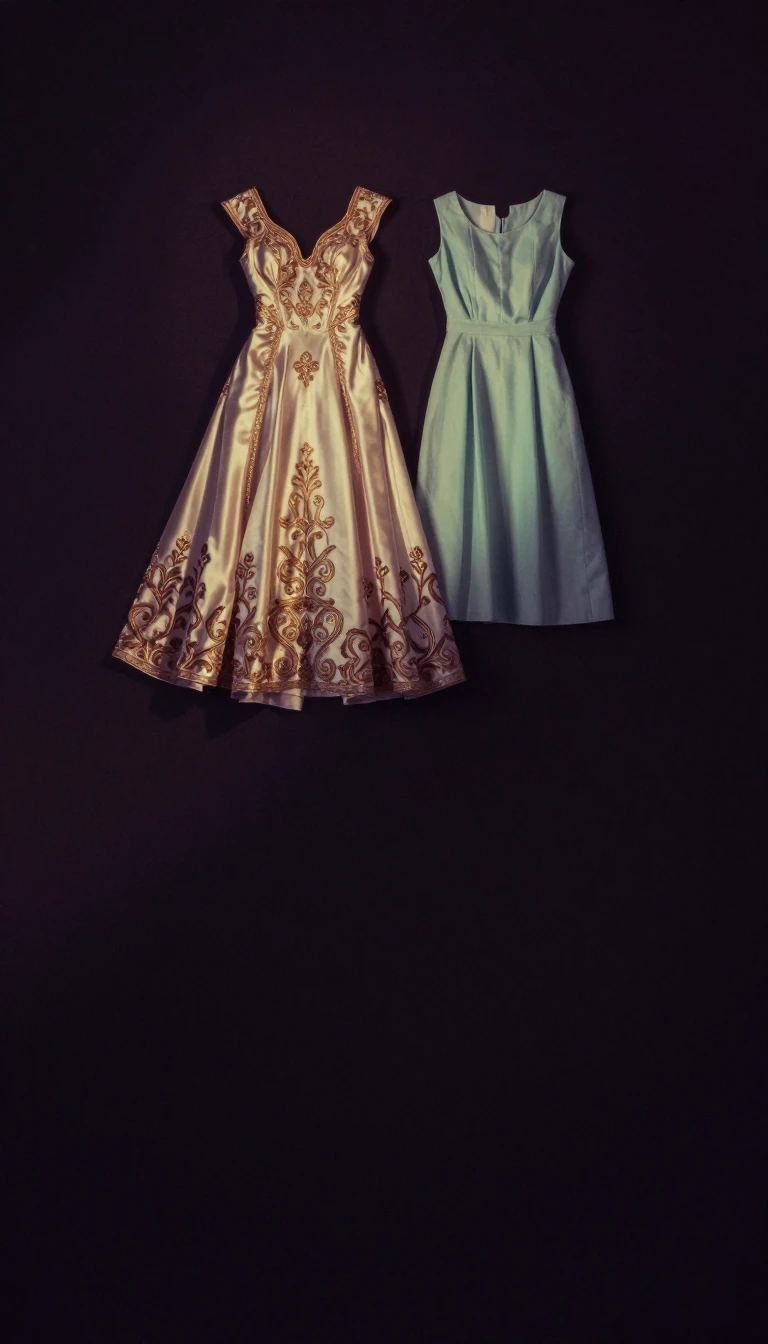 How Empress Shōken used Western fashion to redefine the image of modern JapanEmpress Shōken was a child prodigy who became a pivotal figure in Japan's modernization. Beyond her charity work, she orchestrated a radical shift in imperial aesthetics, mandatin…
 Inuit clothing is a sophisticated engineering system designed for extreme Arctic survivalTraditional Inuit garments are far more than simple fur coats. They represent a highly specialized, lightweight, and multi-layered technology developed over millennia. By masterin…
 Was Isabeau of Bavaria a political mastermind or a victim of medieval propaganda?Long dismissed as a spendthrift and adulterous queen, Isabeau of Bavaria navigated the volatile court of the mentally ill Charles VI with unexpected diplomatic skill. While contem…
 Why Renaissance Europe Traded Sleek Medieval Lines for Voluminous, Slashed, and Opulent Court AttireBetween 1500 and 1550, European fashion underwent a radical transformation. As the Little Ice Age cooled the continent, silhouettes expanded into thick, layered, and heavily ornam…
- The 1820s marked a dramatic shift from neoclassical simplicity to structured, ornate silhouettes.During the 1820s, Western fashion abandoned the free-flowing Regency aesthetic for a more rigid, defined look. Both men and women embraced corsetry, broader shoulders, and fuller …
 Why the 1840s silhouette traded exaggerated puffed sleeves for a narrow, sloping shoulder line.The 1840s marked a dramatic shift in Western fashion, moving away from the bold, puffed sleeves of the previous decades toward a more restrained, natural aesthetic. By emphasizing…
- How the bicycle transformed women's fashion and liberated the 1890s silhouetteThe 1890s marked a pivotal shift in Western style, driven by the invention of the safety bicycle. As women gained mobility, the demand for functional clothing challenged rigid gen…
- Why the 1930s was the decade that redefined modern glamour and the female silhouetteCaught between the roaring twenties and wartime austerity, the 1930s are often dismissed as a mere transition. Yet, this era birthed the bias cut, the Hollywood star system, and a…
- The 1950s wardrobe was a high-stakes performance of luxury, structure, and rigid social coordination.Far from simple, 1950s fashion was a decade-long tug-of-war between the hyper-structured hourglass silhouette and a slow drift toward modern, loose shapes. Driven by new synthetic…
 The 1990s rejected 1980s excess for a minimalist, low-maintenance, and often rebellious aesthetic.Fashion in the 1990s was defined by a shift away from the elaborate, high-volume trends of the previous decade. Embracing a low-maintenance ethos, the era saw the mainstream rise …
 How Gym Clothes Conquered the Office and Replaced Your Favorite Pair of JeansAthleisure is more than a trend; it is a fundamental shift in how we dress. By blending high-performance textile technology with everyday style, this hybrid category has moved fro…
 Byzantine fashion was a rigid, high-stakes language of rank, politics, and divine orderIn the Byzantine Empire, clothing was far more than personal style; it was a strictly regulated code. From the color of one's shoes to the specific placement of a decorative panel…
 How French fashion evolved from royal propaganda to a global industrial powerhouseFrench fashion is more than just style; it is a centuries-old engine of national identity and economic influence. From the calculated image-making of Louis XIV to the revolutionar…
- How a Seattle music scene turned thrift-store rags into a global fashion phenomenonEmerging from the Pacific Northwest in the mid-1980s, grunge fashion was an accidental aesthetic born of durability and indifference. By rejecting the flashy excess of the 1980s, …
 From street corners to haute couture, how hip-hop redefined the global fashion landscape.Hip-hop fashion is more than just clothing; it is a visual language of prestige, cultural identity, and defiance. From the gold chains of the 1980s to the avant-garde luxury of to…
 How Renaissance vanity and post-war pragmatism built the global empire of Italian style.Italian fashion is not a monolith, but a centuries-old evolution of craft. From the extravagant, fur-lined sleeves of the Renaissance to the post-war economic miracle that turned …
- The modern suit is a four-hundred-year-old evolution of royal court dressOnce an elaborate display of royal status, the suit has spent centuries shedding its ornamentation. From the rigid, wig-wearing standards of King Charles II to the streamlined sil…
 Why 18th-century British men were mocked for calling themselves pastaIn the 1700s, young British men returning from the Grand Tour adopted a flamboyant style that defied gender norms. They called themselves macaronis, a term that became a pejorativ…
 Punk fashion was never just about clothes; it was a weapon against mainstream pretension.Born from a desire to reject the polished excess of 1970s arena rock, punk fashion turned alienation into an aesthetic. From safety-pinned shirts to DIY garbage-bag dresses, the m…
 How a gloomy post-war capital transformed into the world's brightest epicentre of style.In the mid-1960s, London shed its grimy, post-war skin to become the global hub of youth, hedonism, and creativity. Driven by a baby-boom generation with newfound freedom, the cit…
 How a failed Savile Row fashion experiment birthed Britain's first teenage subcultureIn the early 1950s, London tailors tried to revive Edwardian elegance for demobilized officers. The market rejected the look, leaving piles of unsold drape jackets and drainpipe t…
 Victorian women fought for their freedom by challenging the rigid, health-destroying corset industry.In the 19th century, a global movement of reformers sought to liberate women from the physical constraints of crinolines, bustles, and tight-lacing. By advocating for rational, co…
- In Victorian Britain, clothing was a rigid tool for maintaining social hierarchy and respectability.For the class-obsessed Victorians, what you wore signaled exactly where you stood. While the ready-made garment industry made trends more accessible, fashion evolved rapidly to ke…
- Why the turn of the millennium is back as a dominant cultural aestheticThe Y2K aesthetic is more than just a fashion trend; it is a retrofuturistic revival of late 1990s and early 2000s optimism. Characterized by metallic textures, translucent techno…
- In medieval England, what you wore defined exactly who you wereClothing was far from just a matter of style; it was a strict social map. From the barefoot laborers of the Anglo-Saxon era to the silk-clad nobility, every color, fabric, and fas…
 The white, draped elegance of ancient Egyptian fashionWhile modern fashion relies on vibrant dyes, ancient Egyptian attire was famously monochromatic. Discover how a civilization built its entire aesthetic around the purity of white …
- The high-waisted silhouette that traded rigid corsets for ancient Greek idealsIn the late 18th century, fashion underwent a radical transformation. Moving away from the voluminous, constricting styles of the 1770s, women embraced the Empire silhouette—a str…
 How social media turned fashion into a chaotic mix of microtrends and nostalgiaThe 2020s have dismantled the era of a single dominant style. Instead, we are seeing a fragmented landscape where hyper-fast microtrends clash with deep nostalgia for the 1980s an…
- The architectural engineering behind the 19th-century silhouetteBefore the bicycle changed everything, women’s fashion relied on structural undergarments to defy gravity. The bustle was more than a trend; it was a complex solution to the weigh…
- How digital platforms and nostalgia rewrote the rules of global fashionThe 2010s began with neon streetwear and skinny jeans, but ended with a return to 1970s maximalism. Driven by the rise of Instagram and Tumblr, this decade saw subcultural aesthet…
- How the 1980s weaponized shoulder pads to redefine women's workwearThe 1980s wasn't just about neon colors and big hair; it was a decade of strategic dressing. As women entered the workforce in record numbers, fashion became a tool for profession…
- How the rise of fast fashion transformed the global wardrobeThe 2000s was a decade of unprecedented stylistic fusion, where high-fashion runways met high-street affordability. While celebrity culture drove massive new trends, a shift in re…
- The decade when fashion rules were officially brokenIn the early 1970s, Vogue declared that the fashion game had no more rules. Driven by an influx of affordable synthetics and a surge in individual expression, the era transformed …
- How the 1960s shattered tradition through radical silhouettes and synthetic materialsThe 1960s transformed fashion from a reflection of parental elegance into a powerful expression of youth identity. From the rise of the miniskirt to the futuristic allure of the S…
- How the 1920s invented the modern fashion cycle of mix-and-match separatesBefore the 1920s, women's fashion was a rigid performance of Victorian constraints. Then came a revolution: clothing became practical, masculine, and liberated. From the rise of r…
- How wartime scarcity transformed the silhouette of global fashionWhen World War II stripped away luxuries like silk and lace, fashion didn't disappear. Instead, it pivoted toward a structured, 'mannish' aesthetic. From the rise of American read…
- The 1860s: When Fashion Became a Chemical and Structural Engineering FeatImagine a dress so massive it required its own structural engineering, powered by the world's first synthetic dyes. In the 1860s, women's fashion moved from simple fabric to compl…
- How the Edwardian silhouette transitioned from pigeon breasts to straight linesAt the turn of the 20th century, fashion was caught between two worlds. One moment, women were defined by voluminous, 'pigeon breast' bodices and heavy corsetry; the next, Parisia…
- From oriental opulence to wartime utility: how the 1910s reshaped the female silhouetteThe 1910s began with flowing, exotic silks and ended with practical, shorter hemlines. Driven by a mania for Orientalism and the harsh necessities of World War I, fashion underwen…
- The 1850s saw the birth of the modern suit and the crinolineFashion in the mid-19th century was a tug-of-war between extreme volume and revolutionary practicality. While women were encased in expanding steel cages, men were quietly transit…
- The decade of the bustle and the S-shaped silhouetteIn the 1880s, Western fashion abandoned the lean lines of the previous decade for a dramatic, curvy silhouette. Driven by rigid corsetry and massive back structures, the era's aes…
- From massive crinolines to tight corsets: the dramatic silhouette shift of the 1870sIn just ten years, Western fashion underwent a radical structural transformation. The decade began with voluminous, heavy skirts supported by cage-like structures and ended with a…
- The 16th-century fashion revolution: how Spanish austerity became Europe's ultimate status symbolDuring the 1500s, fashion shifted from the elegant, figure-displaying aesthetics of the Italian Renaissance to a style of heavy, somber opulence. This transformation turned clothi…
- How Marie Antoinette’s 'peasant' style dismantled centuries of aristocratic dress codesIn the late 18th century, fashion shifted from rigid social signaling to personal expression. By adopting simple muslin gowns and straw hats, Queen Marie Antoinette sparked a scan…
- The decade of the extreme silhouette: why 1830s fashion embraced massive proportionsForget the sleek lines of the modern era. In the 1830s, fashion was an exercise in architectural expansion. From enormous 'leg of mutton' sleeves to padded men's chests, the decad…
- How the French Revolution replaced heavy aristocratic lace with Grecian simplicityAfter the French Revolution, wearing the heavy brocades and powdered wigs of the old aristocracy became a social liability. Instead, a new era of fashion emerged, trading rigid so…
- The Rococo divide: how French luxury and English practicality split European fashionBetween 1750 and 1775, Western fashion was a battlefield of aesthetics. While French courtiers embraced the extreme ornamentation of the Rococo style, the English favored durable,…
- The widening silhouette: how 18th-century fashion moved from rigid to RococoForget the narrow, tall look of the late 1600s. As Europe entered the 1700s, fashion expanded. From the heavy, stiff-bodiced mantua to the sweeping, wide panniers of the French co…
- From stiff ruffs to 'melancholy' robes: the radical softening of 17th-century styleIn the first half of the 1600s, Western fashion underwent a dramatic structural shift. The rigid, geometric silhouettes of the Renaissance gave way to softer lines, voluminous sle…
- From military excess to the structured silhouette of the Baroque eraThe mid-17th century was a whirlwind of sartorial transformation. As Europe moved past the Thirty Years' War, fashion shifted from military-inspired exuberance to a sleek, vertica…
- The 15th century invented the concept of being 'out of date'Before the 1400s, clothing was largely functional and static. But as Europe grew wealthier, fashion gained a temporal dimension. For the first time, people could be dated by their…
- The 14th century saw the birth of recognizable fashion through tailored seamsBefore the 1300s, clothing was largely draped and straight. Then, a revolution occurred. Through the use of curved seams, buttons, and lacing, garments began to hug the human form…