 Intellect Plus
Food & Drink
4,606 cards. Each one is a 40-second story with a five-minute read behind it. Page 47 of 77.
Subtopics: African cuisine · American cuisine · Baking · Beer & brewing · Biscuits & cookies · Bread · Breakfast · Cakes & pastries · Caribbean cuisine · Cheese · Chinese cuisine · Chocolate & sweets · Coffee · Cooking techniques · Cooking, food and drink · Desserts & puddings · Dumplings & pies · Eggs & dairy · Fast food · Fermented foods · Festive food · Food brands · Food preservation · Food science · French cuisine · Fruit · German & Central European cuisine · Greek & Turkish cuisine · History of food and drink · Indian cuisine · Italian cuisine · Japanese cuisine · Kitchen tools · Korean cuisine · Meat dishes · Mexican cuisine · Middle Eastern cuisine · Mushrooms & truffles · Nordic cuisine · Nutrition & diets · Nuts, seeds & beans · Pasta & noodles · Pizza · Restaurants & dining · Rice dishes · Sandwiches · Sauces & condiments · Seafood · Soft drinks & juices · Soups & stews · Spices & herbs · Spirits & cocktails · Staple foods & grains · Street food · Sugar & sweeteners · Tea · Thai & Southeast Asian cuisine · UK & Ireland: food · Vegetables · Vegetarian & vegan · Wine
 How a canned pork product became a global icon and a digital nuisanceIntroduced in 1937 to move surplus pork shoulder, this canned meat became a wartime staple that fed millions of soldiers. Today, it is a culinary fixture in Hawaii and South Korea…
 Why the bubbles in your sparkling wine might actually be a historical accidentSparkling wine was once considered a flawed product, with cellar workers wearing iron masks to protect against exploding bottles. Today, those same bubbles are the hallmark of lux…
 How a 17th-century cracker evolved into the world's most versatile, airy dessert foundation.Long before it became the fluffy, cloud-like treat we recognize today, the sponge cake was a thin, crisp cracker. Its transformation into a modern staple relied on a 19th-century …
 Are sports drinks actually better for your performance than a glass of water?Sports drinks promise to replenish electrolytes and boost endurance, but scientific consensus remains elusive. While they are marketed as essential for athletes, evidence suggests…
 Why the humble spread is the secret architect of your favorite mealsA spread is far more than a simple kitchen staple. By adding texture and flavor to otherwise bland foundations like bread or crackers, these versatile condiments transform basic i…
 The global evolution of the spring roll from seasonal vegetable pancake to international stapleOriginally a seasonal pancake celebrating the first harvest after winter, the spring roll has transformed into a global phenomenon. From the massive, one-pound rolls of Madison, W…
 Is the secret to perfect stir-fry hidden in the breath of a wok?Stir-frying is more than just a quick way to cook dinner. This ancient Chinese technique, which relies on intense heat and precise timing, creates a unique flavor profile known as…
 From Ancient Rome to Modern Cities, Street Food Feeds Billions Every Single DayStreet food is far more than a convenient snack. It is a global economic engine and a vital source of daily nutrition for 2.5 billion people. While often viewed through the lens o…
 Why the same long sandwich goes by thirteen different names across the United StatesFrom the Philadelphia hoagie to the New York hero, the humble submarine sandwich is a linguistic battlefield. While the term sub is the only one used nationally, regional pride ha…
 Why sun-dried tomatoes were once the ultimate solution for winter food scarcityBefore they became a trendy antipasto staple, sun-dried tomatoes were a vital survival strategy. By stripping away nearly all moisture, early cooks transformed perishable summer h…
 The messy, contested history of the American ice cream sundaeThe ice cream sundae is a quintessential American treat, yet its origin remains a subject of fierce debate. From religious blue laws to trademark disputes, the story of how this d…
 Why the word for your evening meal depends on your history and geographyIs it dinner or supper? The answer shifts depending on whether you are in a rural Canadian community, a British fish-and-chip shop, or a 17th-century French court. Once a distinct…
 Surimi is not just imitation crab; it is a sophisticated feat of protein chemistry.Often dismissed as a low-quality substitute, surimi is actually a marvel of food science. By stabilizing fish proteins against the ravages of freezing, researchers transformed a p…
 Why Mongolians traditionally avoid drinking pure water in favor of salty teaIn the vast landscape of the Mongol Empire, pure water was once considered sacred and rarely consumed directly. Instead, locals turned to suutei tsai, a rich, savory beverage blen…
- Why Indonesia's favorite condiment is a syrupy, molasses-infused transformation of standard soy sauceKecap manis is the backbone of Indonesian cooking, accounting for nearly 90 percent of the nation's soy sauce production. This dark, viscous liquid balances deep umami with intens…
 Despite the misleading name, sweetbreads are not a baked good but an organ meat.Often confused with pastries due to their name, sweetbreads are actually the thymus or pancreas of calves and lambs. Prized for a rich, gamey flavor and a tender, succulent textur…
 Why syrup is the secret weapon for perfect cocktails and consistent sweetnessGranulated sugar is a nightmare for bartenders, refusing to dissolve in cold drinks or alcohol. Syrup solves this by pre-dissolving sugar into a viscous, liquid state. Whether you…
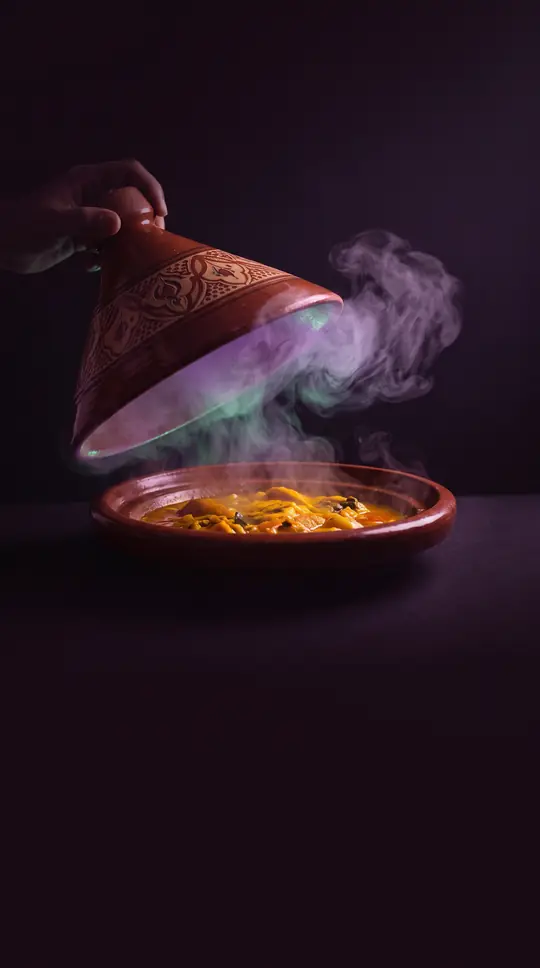 The Moroccan tagine is a masterclass in engineering for water-scarce environmentsThe iconic conical lid of a Moroccan tagine is not just for show. It is a precise piece of culinary engineering designed to trap steam and recycle condensation. This allows for sl…
 The accidental invention that turned a simple street snack into a global Japanese iconBorn in 1935 from the fusion of two distinct regional snacks, takoyaki is more than just an octopus ball. This flour-based delight, once a humble Osaka street food, has evolved in…
 Is your tap water actually safe, or is it just a matter of trust?Modern plumbing is a marvel of engineering, yet the journey from treatment plant to your kitchen sink is fraught with complexity. While we often equate bottled water with purity, …
 Why the humble tart was once a status symbol for the European nobilityDistinguished from the common pie by its open top and firm, vertical sides, the tart has a surprisingly aristocratic history. Once a savory dish reserved for the elite, this pastr…
 Why your favorite tea blend tastes exactly the same every single time you buy it.Commercial tea blending is a precise science designed to eliminate nature's variability. By mixing leaves from different regions and seasons, producers ensure that every batch tas…
- Beyond the bright orange color, what actually defines a traditional Thai tea?Thai tea is a global icon, yet its identity is often misunderstood. While many Western recipes insist on adding star anise or cardamom, authentic versions rely on strong Ceylon or…
 Why the world's most famous secret sauce has no single origin storyThousand Island dressing is a staple of American fast food, yet its history is a tangled web of conflicting legends. From fishing guides in New York to high-end hotel chefs, every…
- Why your morning toast is a chemical reaction, a cultural icon, and a paradoxToast is more than browned bread; it is the result of the Maillard reaction, a complex chemical process occurring above 155 °C. From its origins as a drink additive in the 1400s t…
 Why tomato juice tastes better at thirty thousand feet than on the groundTomato juice is a staple of airline beverage carts, but its popularity may be more than just tradition. Research suggests that the loud, pressurized environment of a flight cabin …
- Why the world’s most versatile sauce began as a pre-Columbian market stapleTomato sauce is a global culinary constant, yet its identity shifts from a simple condiment to a complex mother sauce depending on the border. While we often associate it with Ita…
- From a feared garden fruit to a global pantry staple, the story of tomato soup.Once avoided in America due to fears of toxicity, tomato soup evolved into a culinary icon. Today, it spans from cold Spanish gazpacho to spicy Indian variations and industrial co…
- How a French Veal Dish Transformed Into Japan’s Iconic Crispy Pork CutletTonkatsu is a cornerstone of Japanese comfort food, but its roots lie in 19th-century European cuisine. Originally adapted from a butter-fried veal dish, this breaded pork staple …
 The tortilla is an ancient Mesoamerican staple that became a global industrial powerhouse.Far more than a simple flatbread, the tortilla is a cultural icon with deep roots in Aztec and Maya history. From its origins as a sacred, hand-pressed corn cake to its modern sta…
 From Victorian staple to global delicacy: the complex culinary history of animal tripeTripe is the edible lining of a ruminant's stomach, transformed from a cheap, nutritious Victorian working-class staple into a global culinary treasure. While its popularity has w…
- Why the turkey became the centerpiece of holiday feasts across the Western worldOnce a common, abundant bird in the wild, the turkey has transformed into a global holiday icon. While often criticized for its tendency to dry out, this New World native holds a …
- Is turkey bacon actually a healthier alternative to traditional pork bacon for your breakfast?Many health-conscious eaters swap pork for turkey bacon, believing it to be a superior nutritional choice. While it does contain fewer calories and less total fat, this processed …
 Turkish coffee is not a bean variety, but a precise, ancient brewing ritualForget the coffee aisle. Turkish coffee is defined by a method: finely ground beans brewed in a copper cezve until a thick, frothy layer forms. It is a sensory experience that dem…
- Beyond the Kebab: The Deeply Rooted Culinary Heritage of Turkish CuisineWhile international menus often reduce Turkish food to grilled meats, the reality is a vast, regional tapestry. From the olive-oil-rich Aegean coast to the spice-forward southeast…
- Beyond the Salad: Understanding the Global Diversity of Vegetarian CuisineVegetarianism is often misunderstood as a restrictive diet, yet it encompasses a vast, global culinary tradition defined by the exclusion of meat and animal tissue. From the ferme…
 Why do major world religions often promote vegetarianism as a path to holiness?Across diverse faiths, vegetarianism is more than a diet; it is a spiritual discipline. From the nonviolence of Jainism to the fasting traditions of Eastern Christianity and the c…
- Why the term venison once meant much more than just deer meatDerived from the Latin for hunting, venison originally described any wild game, from rabbits to wild boar. Today, the term is synonymous with deer, but its history is tied to the …
 The curious evolution of the Vienna sausage from European tradition to canned stapleWhat we call a Vienna sausage in North America bears little resemblance to its European namesake. While the original is a long, smoked link served fresh, the canned version found …
- From medieval communion wafers to the modern croffle, the waffle has a complex history.Waffles are far more than a breakfast staple. Evolving from ancient flat cakes and medieval communion wafers, they have transformed through centuries of culinary innovation. Today…
 Wagashi: How Japanese Confectionery Evolved from Meat Soup to Seasonal ArtWagashi is more than just a sweet; it is a centuries-old cultural tradition defined by seasonality and plant-based artistry. While today it represents the pinnacle of Japanese con…
- From savory pies to towering sugar sculptures, the wedding cake has a wild history.Modern wedding cakes are iconic centerpieces, but they evolved from savory pies filled with live birds and snake meat. Once a status symbol for the wealthy, these desserts have tr…
- The delicate science of turning liquid cream into a stable, airy culinary masterpieceWhipped cream is a fragile colloid, a precise balance of fat and air that exists only for a fleeting hour. From 16th-century snow-like delicacies to modern nitrous oxide siphons, …
- Why the term white meat is a culinary illusion rather than a scientific factWe use the term white meat to describe everything from chicken breasts to pork, yet the label is notoriously inconsistent. Depending on who you ask—a chef, a nutritionist, or the …
- Why white tea is the most mysterious and least processed drink in your cupWhite tea is not a single defined product, but a category of minimally processed Camellia sinensis leaves. Despite its name, the brew is pale yellow, named for the silvery hairs o…
- White wine is not just for white grapes, and its history spans four millennia.White wine is defined by what it lacks: skin contact. While often associated with light, refreshing profiles, this ancient beverage has been shaped by everything from the Catholic…
- Why your brown bread might be a wolf in sheep's clothingWhole grains are nutritional powerhouses, but their health benefits are often obscured by clever marketing. While true whole grains contain the bran, germ, and endosperm, many pro…
 Why wine bars are replacing the traditional pub as our favorite social sanctuaryWine bars have evolved from niche establishments into neighborhood staples, successfully shedding the elitist reputation once attached to wine consumption. By prioritizing a relax…
- Winemaking is a delicate dance of chemistry, biology, and the influence of terroir.From ancient fermentation in Georgia to modern precision engineering, winemaking transforms simple fruit into a complex beverage. Whether through the gentle extraction of color in…
- Why the humble wonton is named after clouds and ancient chaosThe wonton is a culinary chameleon, evolving from a simple bread-like dumpling into a global icon. Known as cloud swallows in Cantonese for their ethereal appearance in broth, the…
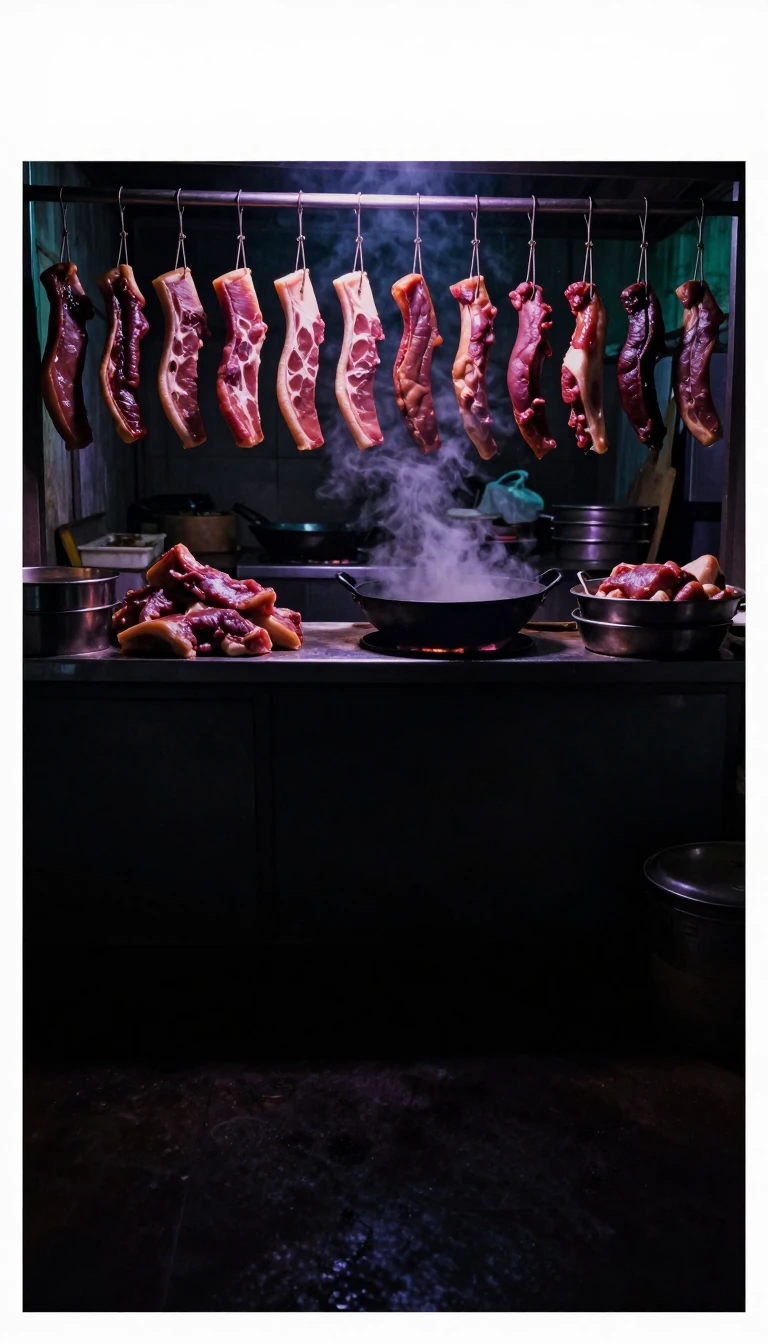 Why the perfect bowl of wonton noodles requires a very specific stacking orderWonton noodles are a Cantonese staple with a history dating back to the Tang Dynasty. While variations span from Malaysia to Thailand, the authentic Hong Kong style relies on prec…
- Why Japan's favorite fried noodle dish was born from a 1918 economic crisisYakisoba is a staple of Japanese street food, yet its origins are surprisingly pragmatic. Born from the necessity of a food shortage, this stir-fried dish replaced expensive ingre…
- Why yellow tea is the rarest, most misunderstood brew in the worldYellow tea is a culinary enigma, often confused with green tea yet distinct in its delicate, mellow profile. While Chinese huángchá undergoes a unique sweltering process to elimin…
- Why Indian cuisine relies on dried green mango powder for that perfect acidic punchAmchoor, a staple spice across India, is essentially dried, unripe green mangoes ground into a fine, pale-beige powder. It provides a distinctively tart, fruity acidity to dishes …
- Why the yellow-flowered choy sum is the heart of Chinese vegetable cookingChoy sum, or heart of the vegetable, is a staple of Chinese cuisine prized for its tender stems and vibrant yellow blossoms. Unlike its cabbage cousins, this mustard family member…
 The hairy fruit of the tropics: why the rambutan is more than just looksNamed for the Malay word for hair, the rambutan is a tropical marvel that hides a sweet, translucent interior beneath a spiky, leathery rind. While its appearance is striking, thi…
 Why this bitter, leafy green is the secret to perfect Italian-American comfort foodOften mistaken for broccoli, rapini is a distinct, nutrient-dense cruciferous vegetable prized for its nutty, pungent bite. From the streets of Naples to Philadelphia sandwich sho…
 Why white rice became the global standard despite losing its essential nutritional valueWhite rice is essentially brown rice stripped of its bran, husk, and germ. While this milling process creates a softer texture and longer shelf life, it removes critical fiber, vi…
 Once considered cheap fertilizer, the American lobster is now a global culinary icon.The American lobster, a ten-legged crustacean, was once so abundant in colonial America that laws restricted feeding it to servants. Today, it is a multi-billion-dollar industry. …
- The elusive kegani: why this hairy crab is a prized Japanese culinary treasureKnown as kegani, the horsehair crab is a staple of Japanese cuisine, yet it remains a biological enigma. Thriving in the frigid, sandy depths of the Northwest Pacific, this crusta…