 Intellect Plus
History
21,004 cards. Each one is a 40-second story with a five-minute read behind it. Page 313 of 351.
Subtopics: 19th century · 20th century · Africa · Age of Exploration · Ages & eras · Ancient · Ancient China · Ancient egypt · Ancient greece · Ancient rome · Ancient trade · Archaeological discoveries · Archaeology · Astronomy · Australia · Auxiliary historical sciences · Babylon · Basics · Born on this day · Bronze age · Buddhism · Case studies · Chefs, bartenders and winemakers · China · Cities · Climate · Columbus · Contemporary (1945-) · Cosmetics people · Crime · Criminals · Decipherment · Deep time · Disasters · Early modern · Education · Egypt · Empires · Empires & civilisations · Exploration · Explorers · Extinction · Fandom, conventions and festivals · History by continent and large region · History by continent and region · History by country · History by country, small region and city · History by ethnicity · History by subject matter · History by topic · Inca · India · Industrial Revolution · Japan · Kings & queens · London · Mass hysteria · Medicine · Medieval kingdoms · Medieval life · Mediterranean · Mercedes-Benz History · Mesopotamia · Middle ages · Military leaders and theorists · Military leaders, personnel, and theorists · Ming dynasty · Misconceptions · Modern · Modern (1800-1945) · Napoleon · Navigation · North africa · Other · Pacific · Pharaohs · Philippines · Pirates · Post-classical · Prehistory · Propaganda · Public health · Rebels, revolutionaries and activists · Renaissance · Researched · Second world war · Shipwrecks · Silk Road · South america · Tradespeople · UK & Ireland: history · United states · Vikings · Volcanoes · Women in history
 The ancient genetic thread that connects modern Wales to the Iron AgeWhile many nations are defined by recent migrations, the Welsh may hold one of the UK's most ancient biological legacies. New genetic research suggests a deep-rooted continuity th…
 The enduring legacy of vellum: why some laws are still written on skinWhile most of our history is recorded on paper, certain vital documents—from British Acts of Parliament to the Torah—rely on the incredible durability of vellum. This isn't just a…
 The medieval university was a lawless corporation of scholarsLong before modern campuses, the University of Paris operated as a powerful, independent guild. Protected by the Church and shielded from royal courts, its students—often teenager…
 How a Victorian science college became a global research powerhouseBorn from the industrial needs of West Yorkshire, the University of Leeds has evolved from a 19th-century technical college into the UK's fourth-most popular university. Discover …
 How a religious revival forged a political identity in UlsterIn the late 19th century, a shifting landscape of voting rights and religious fervor transformed Irish politics. What began as a struggle for tenant rights and parliamentary refor…
- The oldest political party in Ireland once governed Northern Ireland for fifty yearsFounded in 1905 to resist Irish Home Rule, the Ulster Unionist Party was the dominant force in Northern Irish politics for decades. From managing the Stormont era to negotiating t…
 How a collection of thirteen colonies transformed into a transcontinental powerThe United States did not begin as a continental giant. From a 1776 declaration of independence to the acquisition of Pacific islands, the nation's borders expanded through strate…
 The Caribbean island that once served as the American Revolution's secret warehouseIn 1776, a tiny, 21-square-kilometer island provided the gunpowder and arms that fueled the American fight for independence. Known as 'The Golden Rock,' Sint Eustatius was a vital…
 The ancient art of writing as fast as the human voiceBefore digital recording, the only way to capture a fleeting speech was through stenography. From Roman senators to 17th-century diarists, these specialized symbolic systems allow…
 It is not just migration; it is a structure designed to replace.While many confuse settlers with mere immigrants, true settler colonialism operates on a different logic. It is not just about moving to a new land, but about establishing a perma…
 From a limited assembly to a sovereign-style parliament: the evolution of the SeneddIt began in 1999 as a body with almost no power to make its own laws. Through a series of referendums and legislative shifts, the Welsh legislature transformed from the National A…
 The liquid history of Scotland's 'water of life'Long before it was a global luxury, Scotch whisky was a medicinal 'aqua vitae' used in gunpowder production. From 15th-century monastic records to a massive 19th-century illicit t…
 From Henry VIII to foreign ownership: the long evolution of the Royal MailA postal service once used by spymasters to intercept secrets has undergone a radical transformation. From a 16th-century royal appointment to a £3.6 billion acquisition by a Czec…
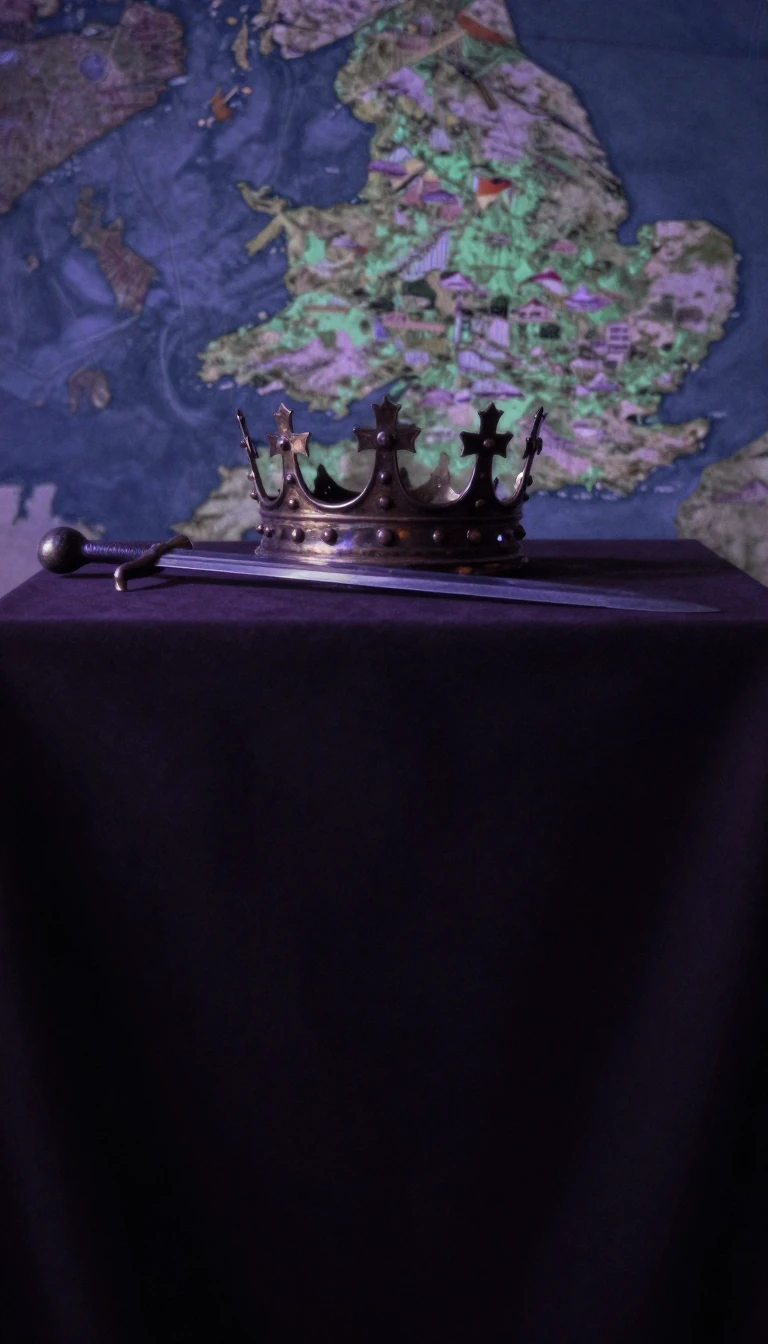 The shifting borders of England: from Anglo-Saxon kingdoms to modern statistical regionsEngland’s map is far from static. From the ancient heptarchy of the 500s to the administrative experiments of the 1990s, the lines defining the nation have been constantly redrawn…
 The hidden history of the Sunshine State's complex colonial originsBeyond the postcard-perfect Great Barrier Reef lies a landscape shaped by profound upheaval. From the ancient arrival of Aboriginal peoples to the brutal frontier wars and the con…
 Why the Irish word for province literally means a fifthToday, Ireland is divided into four provinces, but the ancient landscape was far more complex. The Irish term cúige translates to "fifth part," hinting at a legendary era of five …
 The ingenious way ancient miners repurposed Egyptian symbols to invent the alphabetLong before the Greek or Latin alphabets, a group of Middle Bronze Age workers found a way to simplify complex hieroglyphs. By repurposing Egyptian signs to represent sounds rathe…
 How a 17th-century land grab redesigned the face of UlsterIn the early 1600s, King James I orchestrated a massive colonial project to transform the Gaelic province of Ulster. By confiscating ancestral lands and importing English and Scot…
 Was the American Peace actually a period of global stability?The term Pax Americana suggests a world of tranquility, but history tells a more complex story. From the Marshall Plan's economic recovery to the expansion of a colonial empire, t…
 The hidden history written beneath the surface of ancient manuscriptsWhen parchment was too expensive to waste, scribes simply scraped away the old words to make room for the new. This practice created palimpsests: layered documents where lost trea…
 The 'Goths of the Rising Sun' and the lost kingdom of ItalyThey were once the masters of Italy, preserving Roman law while ruling as Germanic kings. But the name 'Ostrogoth' hides a complex story of tribal pride, shifting identities, and …
- The assembly of freemen: tracing the roots of Ireland's parliamentLong before the modern Irish state, the word 'oireachtas' described a gathering of free men. Today, this bicameral parliament operates from an eighteenth-century ducal palace, bal…
 How a 17th-century refugee colony became the Serbian AthensBorn from a 1694 displacement of Serb merchants fleeing a military fortress, Novi Sad transformed from a small 'new plantation' into a vital cultural powerhouse. Today, this Danub…
 Did the nation-state exist before the nation itself?Historians are locked in a debate over whether shared identities create states, or if powerful states manufacture identities. While we often view nations as ancient, many modern i…
 The legendary Middle-earth is not a distant planet, but our own ancient historyWe often imagine fantasy worlds as alien realms in far-off galaxies. However, J.R.R. Tolkien’s Middle-earth is explicitly described as our own Earth, set in a deeply remote, imagi…
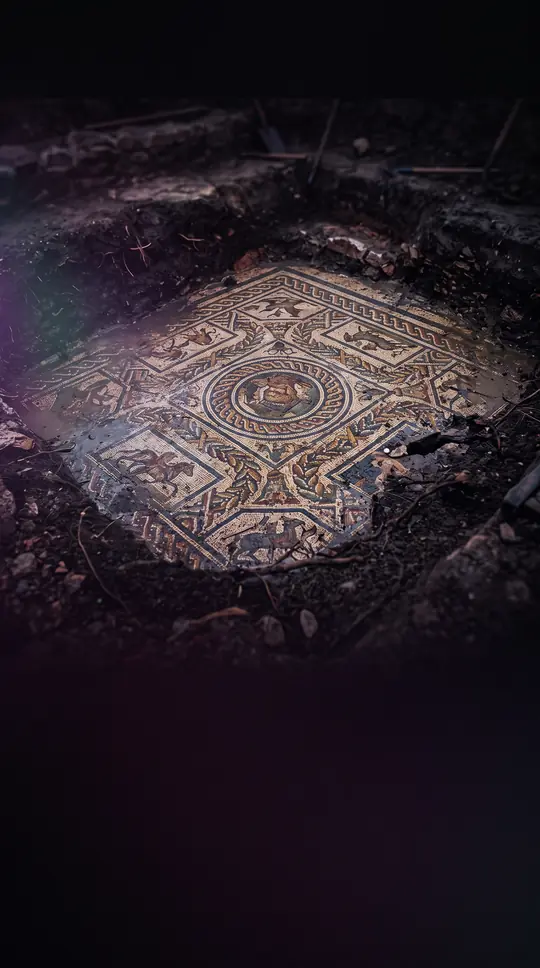 From feudal bailiffs to regional leaders: the evolving identity of the mayorThe title 'mayor' shares a linguistic root with the military rank of major, but its history is far from uniform. Once a role for overseeing royal cattle or managing feudal lands, …
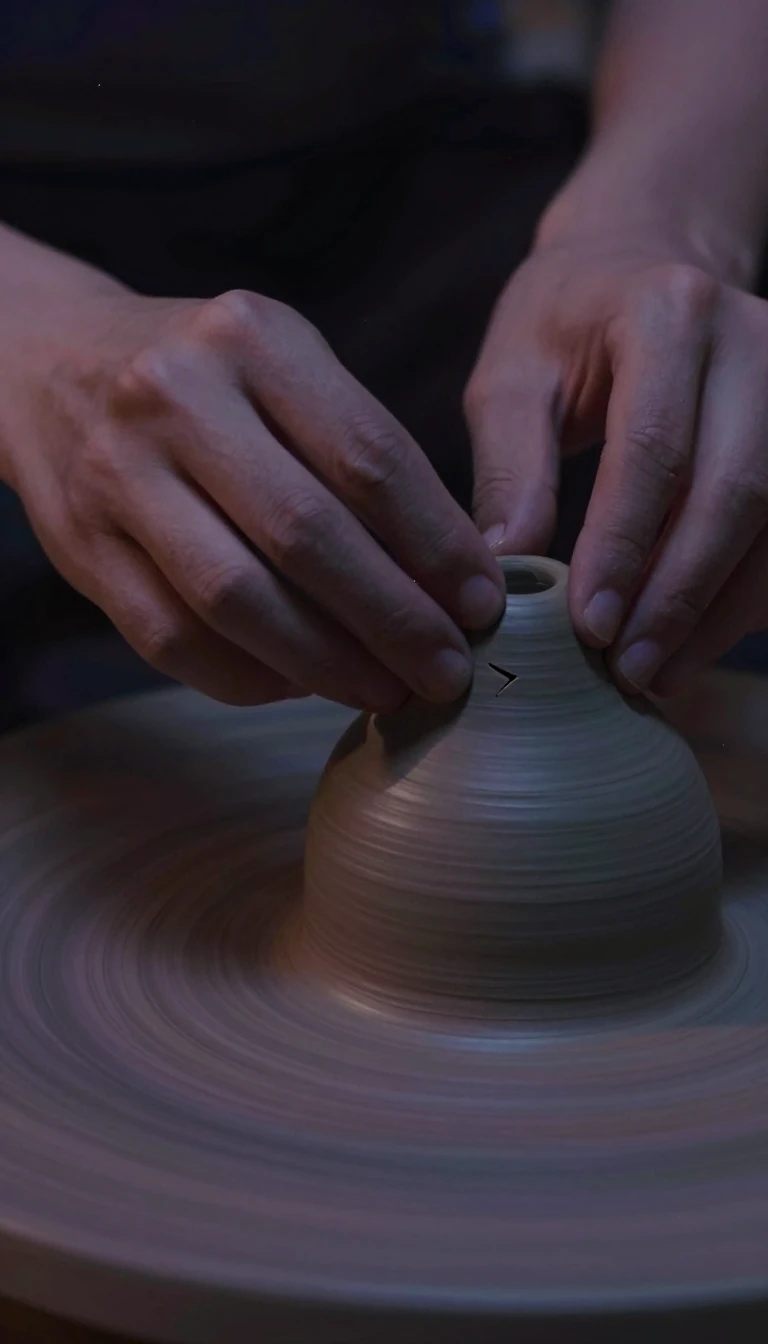 The lost administrative code of the Mycenaean palacesFor centuries, the clay tablets of the Bronze Age remained silent. It was not until 1952 that a self-taught linguist cracked the code of Linear B, revealing the earliest known for…
 The hidden history of why we use uppercase and lowercase lettersWe often view capital letters as mere emphasis, but their origin is physical. The terms 'upper' and 'lower' case actually describe the literal storage trays used in letterpress pr…
 The League of Nations mandate: a sacred trust or a new face for empire?After World War I, the League of Nations established a unique legal status for former German and Ottoman territories. While framed as a progressive mission to guide nations toward…
 The King James Bible was a masterpiece of political censorship and linguistic precisionIt is one of history's most influential books, yet its creation was driven by a monarch's fear of rebellion. Beyond the majestic prose lies a calculated effort to strip away subve…
- The forgotten tribe that shaped the English coastLong before the Normans, the Jutes arrived in Britain, carving out a distinct kingdom. While often overshadowed by the Saxons and Angles, their unique maritime technology and lega…
 The day a peaceful festival turned into a massacre in AmritsarOn 13 April 1919, thousands gathered in a walled garden to celebrate Baisakhi. They did not know that a military blockade was already in place. What followed was a ten-minute voll…
 The 'Slap of Tunis' and the rise of a Mediterranean empireItaly arrived late to the colonial race, a secondary power navigating the ambitions of Britain and France. Driven by a desire for prestige and the romanticized legacy of Rome, the…
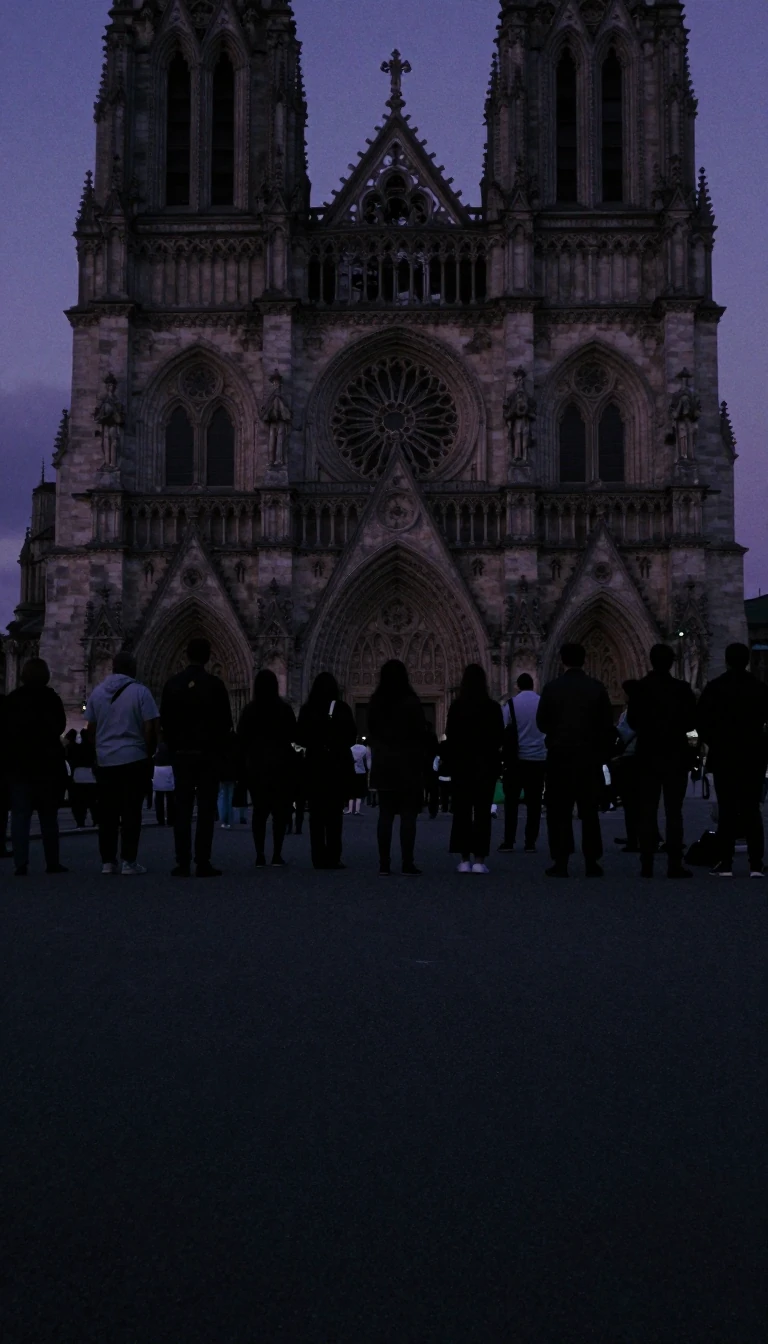 The 1798 rebellion was a failed attempt to unite religious rivalsDriven by the radical ideals of the French and American revolutions, the Society of United Irishmen sought to bridge the divide between Catholics and Protestants. Instead, the 179…
 The genetic continuity of a nation spanning four millenniaWhile many nations are defined by recent migrations, the Irish genome reveals a profound stability. From the Bronze Age to the modern era, certain biological markers have remained…
 How a small Alpine dynasty expanded from a poor county to the Italian throneFor over nine centuries, the House of Savoy navigated a treacherous landscape of shifting borders and imperial wars. Through strategic marriages and calculated diplomacy, this fam…
- How invasions and conquests transformed a Germanic dialect into a global lingua francaEnglish began as a cluster of West Germanic dialects brought to Britain by migrants. Through centuries of Viking raids and Norman conquests, it absorbed thousands of foreign words…
- The Anglo-Saxon identity was not an invasion, but a slow-motion transformationFor centuries, we believed the Anglo-Saxons arrived as a violent wave of conquerors who displaced the native Britons. However, recent genetic and archaeological evidence suggests …
 The Indian invention that the West mistakenly called ArabicWe call them Arabic numerals, but their true origin lies in ancient India. This revolutionary decimal system didn't just change how we count; it transformed global commerce and sc…
 The Renaissance of the 12th Century: Europe’s Great ReawakeningFar from being a stagnant era of darkness, the High Middle Ages was a period of explosive growth. From the birth of universities to a massive population boom, Europe underwent a p…
 The salt-rich empire that predated the rise of the CeltsLong before the Roman Empire, a sophisticated network of traders and warriors dominated Europe. Driven by the lucrative salt mines of the Austrian Alps, the Hallstatt culture esta…
 The lost original author of the Gospel of LukeWe possess no original copies of the Gospel of Luke, only third-generation reconstructions. While tradition names a physician and companion of Paul as its creator, the text itself…
- The Chancellor who famously declared, 'I am no man for colonies'Before it became a global power, the German Empire had no interest in overseas conquest. Otto von Bismarck viewed colonies as expensive, strategic burdens. Yet, how did a nation t…
 How a new nation built a police force without gunsIn 1923, the Irish Free State faced a daunting challenge: establishing order in a post-war landscape. Instead of adopting a heavy-handed military style, they looked to a French mo…
- The ancient 'forest people' who shaped the Atlantic fringesLong before the modern era, a group of maritime raiders known as the Scoti moved across Europe. From the expansion of the Kingdom of Alba to the establishment of colonies in Wales…
- The curly-haired tribes that once commanded the North SeaLong before modern borders, a West Germanic people known as the Frisii built a maritime empire. From man-made mounds to international luxury trade, discover how this resilient cul…
 The red dragon was once dismissed as nothing more than a mere badgeFor centuries, the iconic red dragon of Wales lacked official recognition. While the symbol appears in ancient chronicles and even on the battlefield, it wasn't until much later t…
 The English alphabet was not always twenty-six letters longToday, we rely on a stable set of 26 Latin letters. But the history of English writing is a graveyard of vanished characters, from runic symbols to medieval ligatures, all replace…
 The Empress who was never Queen: how a shipwreck changed England's destinyIn 1120, the White Ship disaster drowned the only legitimate male heir to the English throne. This left a teenage girl, Empress Matilda, as the sole survivor of a dynasty, thrusti…
- Did Empires Always Require Conquest to Exist?The concept of a 'colonial empire' often implies massive military expansion. However, the historical record shows that the impulse for global reach was initially rooted in commerc…
- The forgotten alphabet that once carved its way through EuropeBefore the Vikings, a mysterious 24-character script traveled from the Alps to Scandinavia. Used on weapons, jewelry, and amulets, the Elder Futhark was a sophisticated system of …
- The unexpected typographic origins of the English we speak todayWe often think of Modern English as a fixed entity, but its foundations were once a fluid landscape of shifting letters. From the interchangeable 'u' and 'v' to the disappearance …
 How a group of merchant companies built a global maritime empireBefore they were colonies, they were corporations. Driven by the pursuit of spices and salt, the Dutch transformed from small-scale maritime traders into a global powerhouse, usin…
 The unexpected architects of African independence were often the colonial powers' own eliteWhile the mid-20th century saw a wave of violent revolts across Africa, the movement was fueled by a surprising paradox: a class of local leaders educated in Western universities.…
 The Norman prince who transformed Scotland through a revolution of powerHe was a king with a doubtful claim, an exile in England, and a man with a vision. Through the 'Davidian Revolution,' David I reshaped Scotland from a collection of territories in…
- The legal boundary that reshaped the English languageIn the late ninth century, a massive Viking invasion didn't just bring warfare to England; it brought a new legal order. The Danelaw emerged as a distinct territory where Danish l…
 The massive working-class movement that almost rewrote British democracyBetween 1838 and 1857, a powerful wave of protest swept through the United Kingdom. Driven by economic hardship and a sense of political betrayal, millions of people demanded a vo…
 America seized Merck in World War I, and the family bought it backMerck & Co. began in 1891 as the American outpost of a German drug firm founded in 1668. When the United States entered World War I, the government seized the German-held shares a…
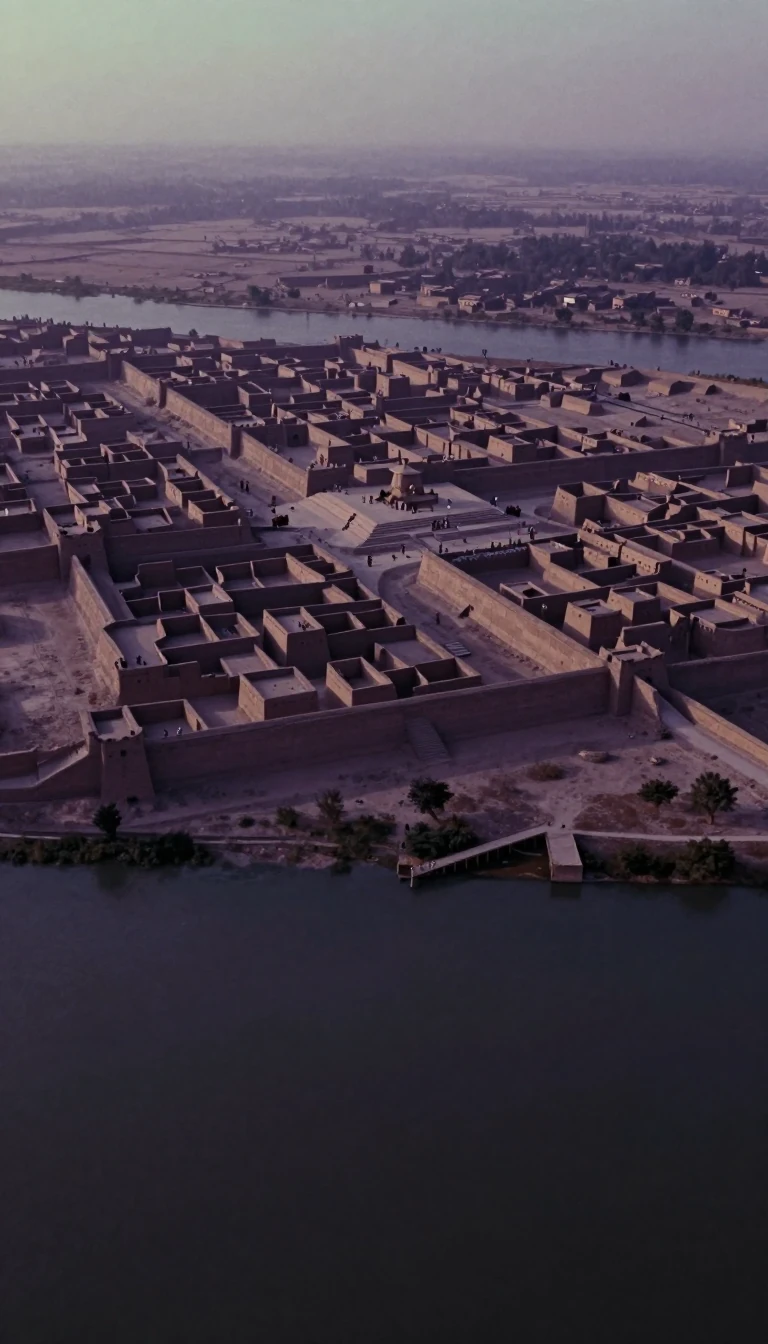 Christianity began as a tiny Jewish sect meeting in private homesBy AD 100, one historian estimates, there were only about 7,000 Christians in a Roman Empire of 60 million people, roughly one in ten thousand. They met in ordinary houses, kept i…
- Our species is at least 300,000 years old, far older than once thoughtFor decades the Omo skulls from Ethiopia, about 195,000 years old, marked the dawn of anatomically modern humans. Then finds from Jebel Irhoud in Morocco pushed the date back to r…