 Intellect Plus
History
21,004 cards. Each one is a 40-second story with a five-minute read behind it. Page 311 of 351.
Subtopics: 19th century · 20th century · Africa · Age of Exploration · Ages & eras · Ancient · Ancient China · Ancient egypt · Ancient greece · Ancient rome · Ancient trade · Archaeological discoveries · Archaeology · Astronomy · Australia · Auxiliary historical sciences · Babylon · Basics · Born on this day · Bronze age · Buddhism · Case studies · Chefs, bartenders and winemakers · China · Cities · Climate · Columbus · Contemporary (1945-) · Cosmetics people · Crime · Criminals · Decipherment · Deep time · Disasters · Early modern · Education · Egypt · Empires · Empires & civilisations · Exploration · Explorers · Extinction · Fandom, conventions and festivals · History by continent and large region · History by continent and region · History by country · History by country, small region and city · History by ethnicity · History by subject matter · History by topic · Inca · India · Industrial Revolution · Japan · Kings & queens · London · Mass hysteria · Medicine · Medieval kingdoms · Medieval life · Mediterranean · Mercedes-Benz History · Mesopotamia · Middle ages · Military leaders and theorists · Military leaders, personnel, and theorists · Ming dynasty · Misconceptions · Modern · Modern (1800-1945) · Napoleon · Navigation · North africa · Other · Pacific · Pharaohs · Philippines · Pirates · Post-classical · Prehistory · Propaganda · Public health · Rebels, revolutionaries and activists · Renaissance · Researched · Second world war · Shipwrecks · Silk Road · South america · Tradespeople · UK & Ireland: history · United states · Vikings · Volcanoes · Women in history
 The RAF pilot who became the youngest politician in Southern Rhodesian historyBefore he was a divisive Prime Minister, Ian Smith was a decorated fighter pilot and a decorated athlete. From surviving a plane crash in Egypt to navigating the Italian Alps on f…
 The bomber who became a historian of the oppressedAs a young WWII bombardier, Howard Zinn dropped napalm on French towns. Years later, his research revealed the devastating civilian cost of those very missions. This transformatio…
 From medicinal bitter broth to global commodity: the long evolution of teaLong before it was a refined afternoon ritual, tea was a savory, medicinal concoction. Once boiled with ginger and onions in ancient China, this botanical wonder transformed from …
 The star-crossed romance that drove a man 2,870 miles on footBefore he was a formidable political debater and prolific author, Hilaire Belloc was a young man driven by a desperate, intercontinental courtship. To reach his beloved in Califor…
 The Italian statesman who claimed responsibility for everything except the Punic WarsGiulio Andreotti was the most powerful figure of Italy's First Republic. A master of political mediation, he navigated decades of terrorism, economic crises, and intense legal bat…
 The philosopher who turned the act of thinking into a political weaponGiovanni Gentile was not just an academic; he was the intellectual architect of Italian Fascism. By merging his 'actual idealism' with state power, he attempted to erase the bound…
 The mysterious disappearance of the Chwezi and the end of an empireOral traditions describe the Chwezi dynasty as a legendary, powerful force in western Uganda. But how did a dynasty of skilled blacksmith kings, whose reach reportedly spanned vas…
 The dance that promised a world reborn and triggered a massacreIn 1890, a spiritual movement swept the American West, promising the return of the bison and the dead. But what began as a vision of peace and universal love ended in a violent co…
 The son of an actress who rose to lead the British EmpireBorn into poverty as the child of a destitute actress, George Canning defied the rigid social hierarchies of his era. Through sheer oratorical brilliance and political maneuvering…
 The man who turned a religious defense into a literary revolutionIn an era of growing secularism, one French aristocrat used the power of emotion to resurrect the prestige of the Catholic Church. François-René de Chateaubriand did more than jus…
 The dictator who ruled without even a rubber-stamp parliamentWhile Hitler and Stalin maintained parliaments to validate their decrees, Francisco Franco dispensed with the formality entirely. For years, the Spanish State functioned as perhap…
 The university that rose from an abandoned airport's control towerBefore it was a global research powerhouse, Florida International University began in a repurposed air traffic control tower. With no furniture, no running water, and no telephone…
 The dangerous art of being a monarch's favouriteIn the 16th and 17th centuries, being the ruler's most trusted companion was a high-stakes gamble. These individuals held immense political power, yet their sudden rise often trig…
 The soldier who survived fourteen wounds and a Nazi regimeErnst Jünger was a man of profound contradictions: a decorated war hero who pioneered stormtrooper tactics, yet a nationalist who ultimately rejected Hitler. His life spanned the …
 How a religious uprising turned Mexico into a battlefield for three yearsIn 1926, the enforcement of the Calles Law transformed a political struggle into a violent religious rebellion. From armed peasants to women smuggling ammunition, the Cristero War…
 How a fragile agreement prevented a total European collapse for a centuryAfter the Napoleonic Wars left the continent in ruins, the great powers forged a desperate pact. Not a formal government, but a vague consensus known as the Concert of Europe, des…
 The forgotten empire of the Caucasus: how Circassia vanished from the mapOnce a powerful confederation of autonomous tribes, Circassia held international recognition from the great powers of Europe. Yet, following a brutal 19th-century war, nearly 97% …
 How the flight of birds could halt the Roman EmpireIn ancient Rome, a single crow or a sudden lightning strike could paralyze the state. From delaying elections to pausing wars, the art of augury turned the natural world into a po…
 The Mediterranean island that once minted its own coins and exported luxury wineLong before it was known as the Mastic Island, Chios was a formidable naval power. From the ancient Ionian League to the heights of the Roman Empire, this Aegean stronghold comman…
 The legal architect who turned a state of emergency into a permanent realityCarl Schmitt was a brilliant, terrifying mind. A critic of liberal democracy, he provided the legal scaffolding for the Nazi regime, arguing that true sovereignty lies not in foll…
- The dynastic dispute that ignited a century of Spanish civil warsIn 1830, a single royal decree changed the line of succession, sparking a movement that would define Spanish politics for generations. Carlism was not just a fight for a throne, b…
 How a defeated empire attempted to resurrect a vanished monarchyAfter the fall of Napoleon, the House of Bourbon returned to a France they no longer recognized. Faced with a nation transformed by revolution, the new kings had to navigate a del…
 The ancient legal architecture of monogamy and the crime of bigamyWhile we often view monogamy as a modern social norm, its legal enforcement is centuries old. From Roman edicts to 19th-century British statutes, the transition from flexible marr…
 How a private trading company became a state within a stateIn the 1700s, the East India Company was more than a merchant; it was a sovereign power. From controlling half the world's trade to defeating Nawabs in battle, this corporation tr…
 Was the name of this Indian state once a symbol of being undefeated?The origins of the name Assam remain a subject of debate among historians. Some suggest it stems from the extinct Ahom word 'acham', meaning undefeated, while others point to Sans…
 Was the legendary Ariadne a Cretan princess or a pre-Greek goddess?Most know Ariadne as the princess who used a thread to guide Theseus through the Labyrinth. But beneath the myth of romance and abandonment lies a deeper linguistic mystery. Was h…
 The fragile architecture of a system built to collapseBefore the French Revolution, the Ancien Régime was a complex web of overlapping powers, local privileges, and systemic irregularities. It was a world of absolute monarchs struggl…
 What if history had taken a different turn?From Roman historians imagining Alexander the Great's survival to modern tales of butterfly-induced fascism, the 'what if' genre explores the fragile threads of our reality. Disco…
 The brutal Spartan blueprint for turning seven-year-olds into elite warriorsBefore they were soldiers, they were students of the agoge. This state-sponsored regimen stripped boys of family, food, and comfort to forge a singular, unbreakable identity. It w…
 Was the Wicker Man a historical reality or Roman propaganda?Ancient texts describe a terrifying spectacle: massive wooden effigies filled with living victims and set ablaze. Yet, modern scholars suggest this iconic image of Celtic ritual m…
 The People of the Dawn: How a defensive alliance rose from the ashes of warBefore the borders of modern Canada and the US were drawn, a powerful political union emerged from the Eastern Woodlands. Born from the need to resist colonial expansion and Iroqu…
 Can the secrets of ancient Greek warfare explain the dominance of the modern West?From the vineyards of California to the battlefields of antiquity, Victor Davis Hanson explores a provocative thesis: that the survival of Western civilization depends on the endu…
 How a $1,500 loan created the dictionary of show businessIn 1905, an editor fired for criticizing a paid advertiser launched a weekly newspaper with a small family loan. Today, that publication is the linguistic architect of Hollywood, …
 How an oil discovery transformed a Texas dream into a research powerhouseIn 1883, the University of Texas opened its doors with modest beginnings. Today, it is a global research titan, fueled by a massive endowment sparked by a single well. Discover ho…
 The American university that existed on paper for sixteen yearsBefore it was a research powerhouse, the University of Georgia was a legal promise without a single brick. Chartered in 1785 as the nation's first state-chartered public universit…
 The long, uneven journey toward the right to vote for allUniversal suffrage is often viewed as a settled democratic pillar, but its history is a fragmented saga of exclusion. From property requirements and religious tests to racial barr…
- The Roman ghost haunting the Slavic throne: where the title Tsar truly beganWhile we often associate the title Tsar with the Russian autocrats, its origins lie in a complex struggle for legitimacy between the Slavic world and the Byzantine Empire. It was …
- The legendary warriors who almost conquered the ancient MediterraneanHistorians often cast the ancient Thracians as primitive villagers. Yet, these fragmented tribes produced some of antiquity's greatest mercenaries, philosophers, and even the arch…
 The shifting identity of the Tatars: from Mongol conquerors to Russian nobilityThe name 'Tatar' once sent shivers through Europe, labeling the vast armies of the Mongol Empire. Yet, this identity was far from monolithic. Behind the label lies a complex story…
 How a shipwreck and a diplomatic pretext led to Japan's first colonyIn 1874, a maritime tragedy in Taiwan provided the perfect legal lever for Japanese expansion. Using the murder of Ryukyuan sailors as a justification, Japan launched a military c…
 How a group of mutineers helped forge a Polynesian kingdomIn 1788, the crew of the HMS Bounty arrived in Tahiti to transplant breadfruit trees. They left behind more than just seedlings; they left mercenaries whose weapons and support he…
 The Roman withdrawal left Britain to fend for itselfWhen the Roman legions were recalled to Gaul in 407, the province of Britannia was left vulnerable. What followed was not just a simple conquest, but a complex era of shifting kin…
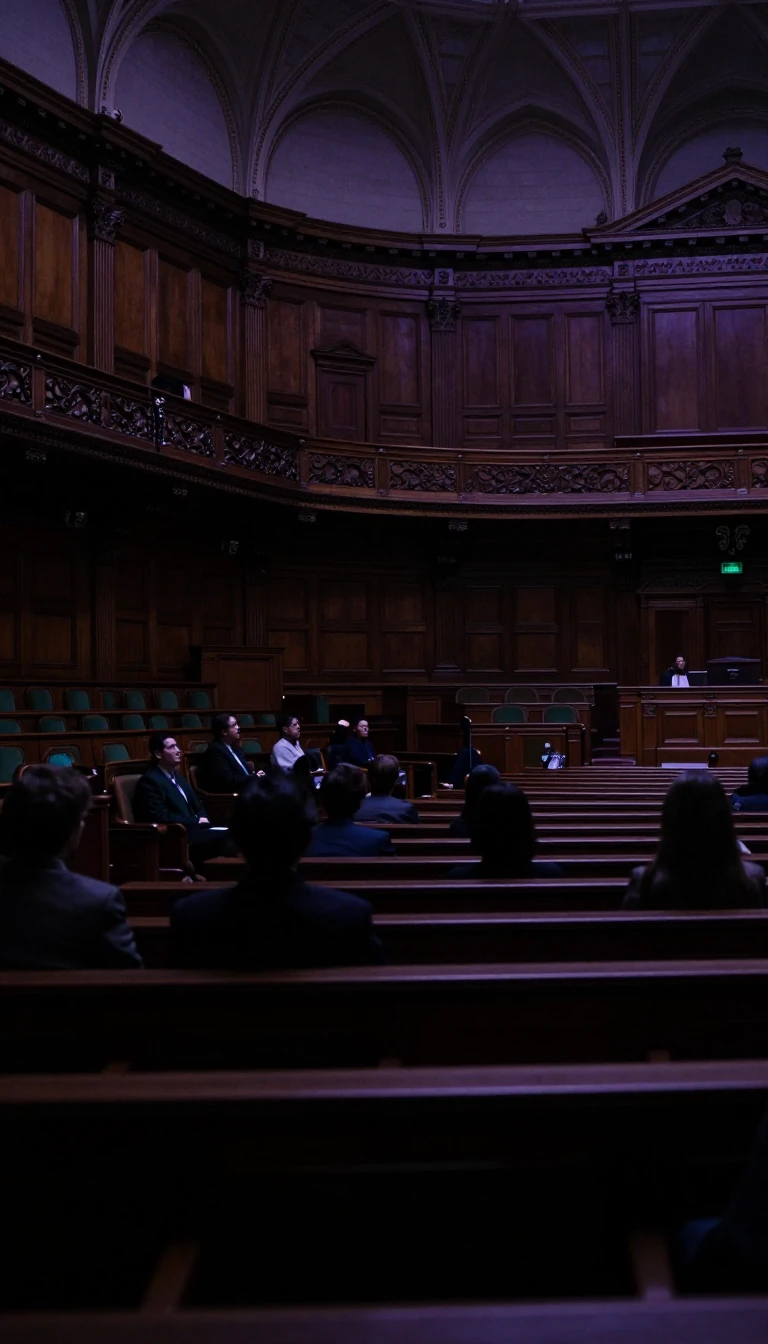 The Norwegian parliament once functioned as two separate houses within a single bodyWhile Norway is today a unicameral democracy, its legislature once practiced a unique form of 'qualified unicameralism.' For nearly two centuries, the Storting split its own membe…
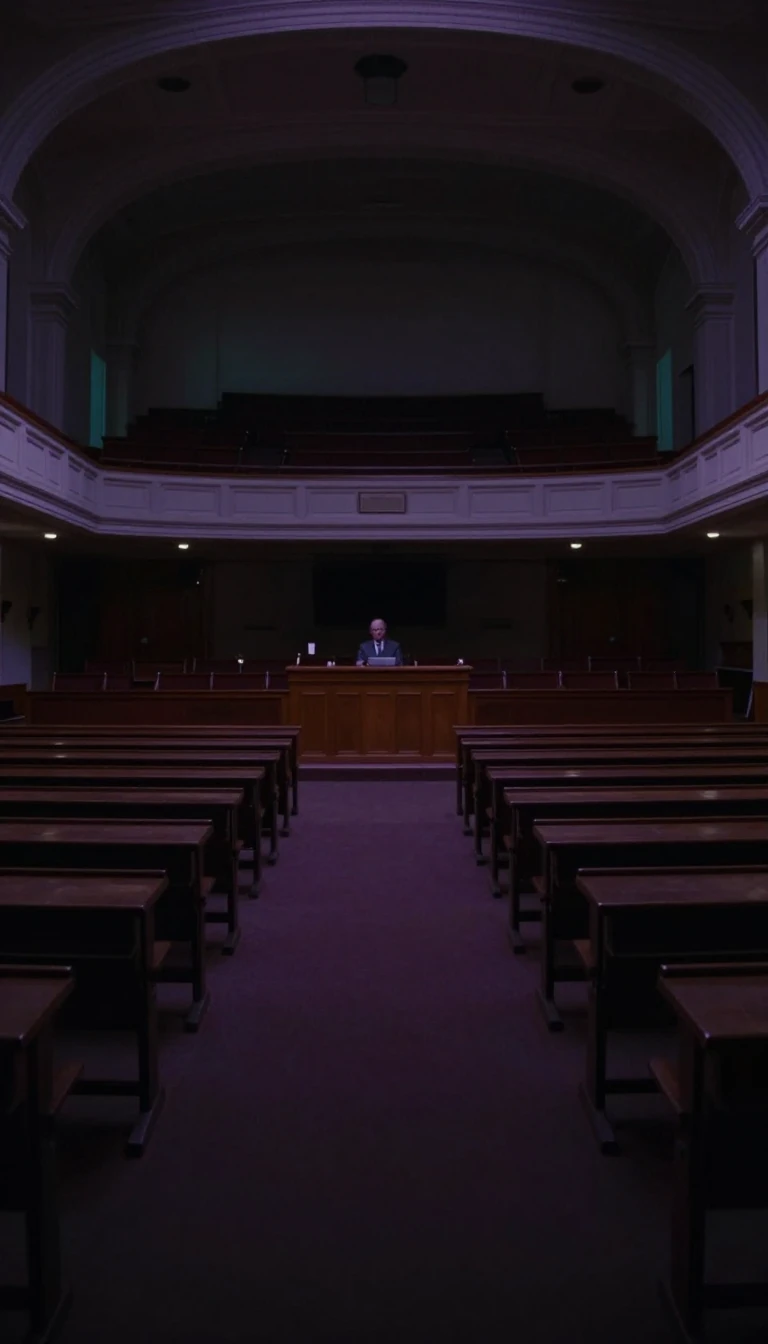 From Imperial assembly to modern rubber stamp: the evolution of Russia's State DumaOnce a symbol of parliamentary hope following the 1905 Revolution, Russia's lower house has undergone a profound transformation. From the era of Tsarist autocracy to the post-Sovi…
 The ancient, heat-resistant stone that shaped human civilizationFrom Viking cooking pots to Indus Valley seals, soapstone has been a vital human tool for millennia. This metamorphic rock is soft enough to carve with ease, yet possesses a remar…
 How a promise of self-determination became a tool for empireIn 1917, Vladimir Lenin promised Russia's ethnic minorities the right to govern themselves. Yet, this era of supposed autonomy was often a calculated maneuver to secure loyalty du…
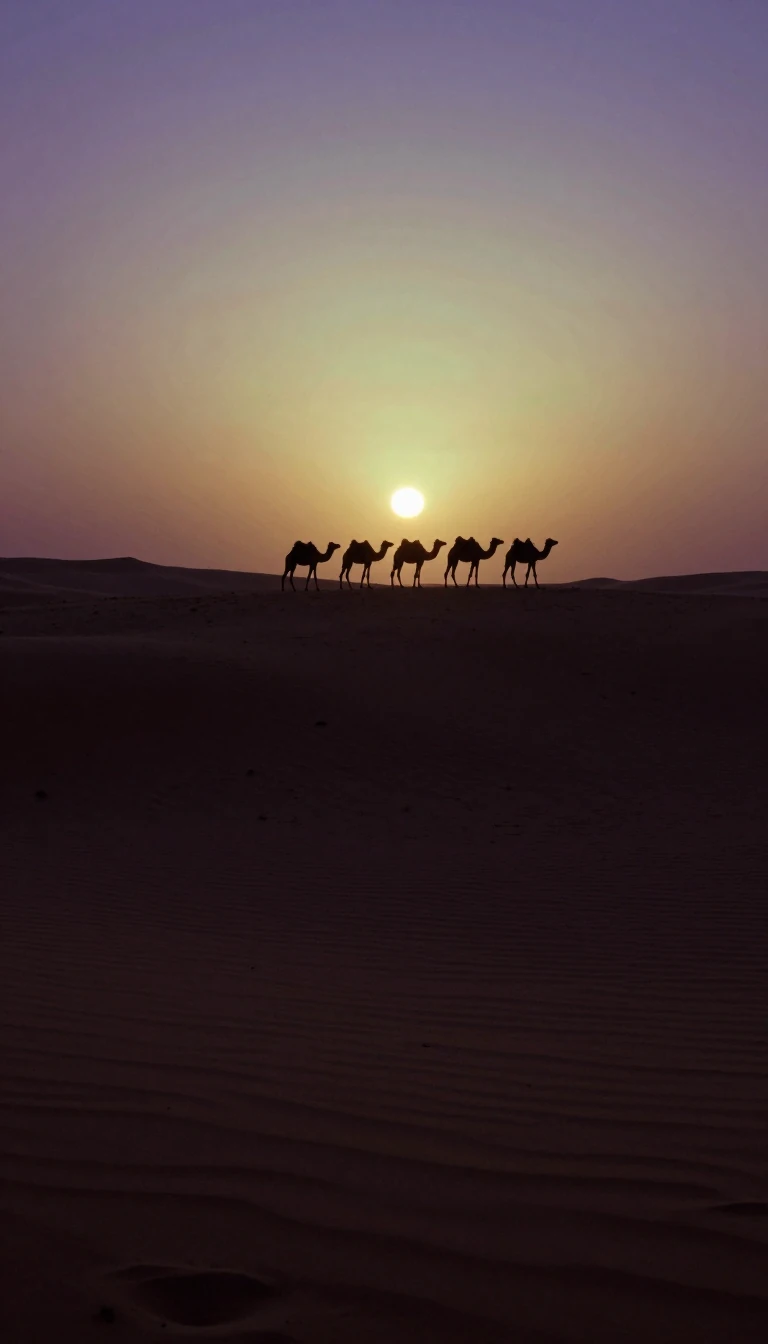 The nomadic empire that defeated the Great King CyrusLong before the Silk Road, the Saka dominated the Eurasian Steppe. These Eastern Iranian nomads were not merely wanderers; they were a sophisticated confederation of warriors capa…
- The Roman province was once a job description, not a mapBefore it meant a territory, a 'provincia' was simply a task assigned to a Roman official. From managing the treasury to leading armies, the evolution of this word tracks Rome's t…
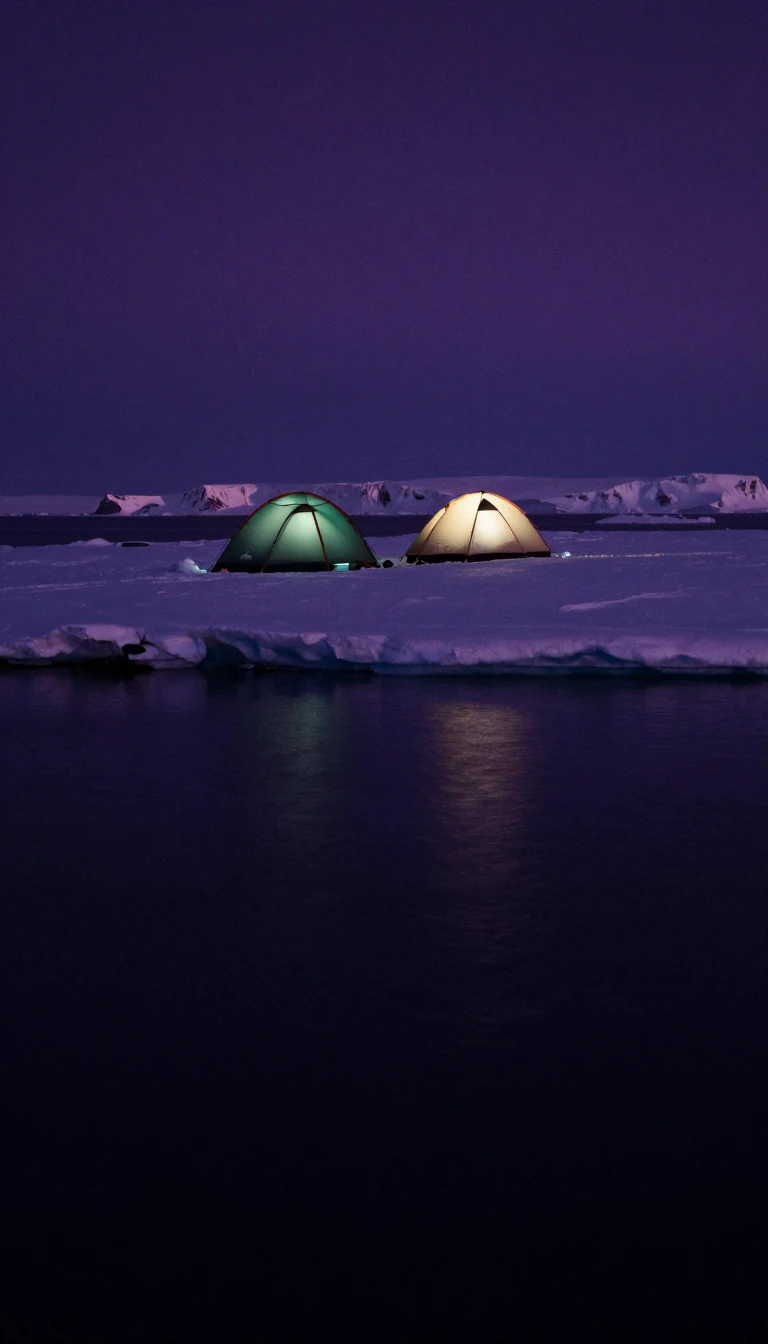 Did the man who claimed the North Pole actually reach it?In April 1909, Robert Peary announced he had achieved the impossible: reaching the geographic North Pole. Yet, decades later, a closer look at his diaries and navigational records…
 How a 15th-century feudal assembly evolved into a modern democracyThe Swedish Riksdag traces its roots back to a 1435 meeting in Arboga. What began as an informal gathering of nobles, clergy, and burghers has transformed through centuries of ref…
 The strategic valley that guarded the route to the GulfFounded in 1531 to secure trade between Mexico City and Veracruz, Puebla has long been a military and economic linchpin. From ancient corn cultivation to the repelling of French t…
 The island cradled on the waves was once a French colonyBefore it was Canada’s seventh province, Prince Edward Island was a contested frontier. Known to the Mi'kmaq as Abegweit, this slender crescent of land has survived colonial wars,…
 The river that was diverted to save a city from the seaIn 1604, the Republic of Venice performed a massive feat of hydraulic engineering. To prevent the Po's sediment from choking the Venetian lagoon, they redirected the river's main …
- Was the Great Dying an accident of biology or a product of policy?For decades, historians attributed the collapse of Indigenous American populations to the arrival of Eurasian diseases. But new research suggests that pathogens like smallpox were…
 How a Roman hostage became the architect of modern political thoughtAfter the defeat of Macedonia in 168 BC, Polybius was among 1,000 Achaeans detained in Rome. Yet, this period of captivity allowed the Greek statesman to mentor Roman leaders and …
 Were the Picts a mysterious lost tribe or simply a misunderstood confederation?For centuries, the Picts were cast as exotic, tattooed barbarians from a vanished world. However, modern archaeology and genomic studies suggest a far more complex reality: a hete…
 The disputed legacy of a vote held at gunpointIn 1969, a pivotal vote decided the fate of Western New Guinea. But was it a true expression of self-determination, or a manufactured mandate? Behind the integration of Papua into…
 The ancient, heavy-duty engine that shaped human civilizationLong before the steam engine, the ox was the world's primary source of power. Capable of pulling heavier loads for longer durations than horses, these steady beasts provided the m…
 The lost descendants of the Alans: tracing a nomadic empire across continentsFrom the plains of Hungary to the mountains of Mongolia, the remnants of the Alanic people scattered across history. While many groups vanished through assimilation, the Ossetians…
 The eight-year cycle of a nation's leadershipIn the heart of Ethiopia, a sophisticated system of governance once dictated the rhythm of life. Through the Gadaa system, leaders were elected for strictly defined eight-year ter…