 Intellect Plus
History
21,006 cards. Each one is a 40-second story with a five-minute read behind it. Page 270 of 351.
Subtopics: 19th century · 20th century · Africa · Age of Exploration · Ages & eras · Ancient · Ancient China · Ancient egypt · Ancient greece · Ancient rome · Ancient trade · Archaeological discoveries · Archaeology · Astronomy · Australia · Auxiliary historical sciences · Babylon · Basics · Born on this day · Bronze age · Buddhism · Case studies · Chefs, bartenders and winemakers · China · Cities · Climate · Columbus · Contemporary (1945-) · Cosmetics people · Crime · Criminals · Decipherment · Deep time · Disasters · Early modern · Education · Egypt · Empires · Empires & civilisations · Exploration · Explorers · Extinction · Fandom, conventions and festivals · History by continent and large region · History by continent and region · History by country · History by country, small region and city · History by ethnicity · History by subject matter · History by topic · Inca · India · Industrial Revolution · Japan · Kings & queens · London · Mass hysteria · Medicine · Medieval kingdoms · Medieval life · Mediterranean · Mercedes-Benz History · Mesopotamia · Middle ages · Military leaders and theorists · Military leaders, personnel, and theorists · Ming dynasty · Misconceptions · Modern · Modern (1800-1945) · Napoleon · Navigation · North africa · Other · Pacific · Pharaohs · Philippines · Pirates · Post-classical · Prehistory · Propaganda · Public health · Rebels, revolutionaries and activists · Renaissance · Researched · Second world war · Shipwrecks · Silk Road · South america · Tradespeople · UK & Ireland: history · United states · Vikings · Volcanoes · Women in history
 The Donbas: A Century of Industrial Might and Geopolitical Tug-of-WarBorn from coal and forged in the fires of the Industrial Revolution, the Donbas region has long served as a critical economic engine. Yet, its history is defined by a complex inte…
 The Derg: How a Secretive Military Committee Transformed Ethiopia into a Communist StateEmerging from a 1974 military mutiny, the Derg seized control of Ethiopia, dismantling the ancient monarchy to install a brutal Marxist-Leninist regime. Over seventeen years, this…
 From Marxist Guerrilla to Long-Serving Leader: The Complex Evolution of Daniel OrtegaDaniel Ortega has dominated Nicaraguan politics for decades, transitioning from a revolutionary guerrilla fighter who overthrew a US-backed dictator to an authoritarian leader. Hi…
 From Coimbatore to the Vice Presidency: The Political Ascent of C. P. RadhakrishnanBorn in 1957 and named after India's first Vice President, C. P. Radhakrishnan has mirrored that namesake's path to the nation's second-highest office. His journey from a youth ac…
 How the British Empire Governed Its Territories Through the Crown Colony SystemA Crown colony was a territory governed directly by the British monarch through an appointed official. These colonies, which focused on resource extraction, evolved from proprieta…
 Constantine I of Greece: The King who doubled his nation's size then lost his throne.Constantine I was a military hero who doubled Greece's territory in the Balkan Wars, only to become the central figure in a bitter national schism. Caught between his German dynas…
 How a former school teacher used cinema to reshape the politics of southern India.C. N. Annadurai was an orator and writer who pioneered the use of Tamil cinema for political propaganda. By blending socialist ideals with regional identity, he transformed his pa…
 The Comintern: How a Global Revolutionary Dream Became an Instrument of Soviet State ControlFounded in 1919 to ignite world revolution, the Communist International aimed to dismantle capitalism through a unified global party. Yet, within two decades, this ambitious proje…
 How a military dictator orchestrated South Korea's economic miracle while suppressing its democracyChun Doo-hwan seized power through a brutal military coup in 1979, establishing a regime defined by both extreme political violence and unprecedented economic expansion. While he …
 India's Christian roots stretch back to the first century, long before European colonial arrival.While many associate Indian Christianity with Portuguese colonialism, the faith has existed in the subcontinent since 52 AD. Tradition holds that Thomas the Apostle arrived in Ker…
 Chinatowns are not just ethnic enclaves, but complex, evolving products of global trade history.Far from being static cultural relics, Chinatowns have functioned for centuries as vital, adaptive trading hubs. From 10th-century origins to modern suburban developments, these d…
 How a minority government leader navigated India's most precarious economic crisis in 1991Chandra Shekhar served as India's prime minister for only seven months, leading a fragile minority government during a period of severe economic instability. Facing a credit ratin…
- The rigid racial caste system of colonial Spanish America is largely a modern myth.Eighteenth-century paintings depicting a strict racial hierarchy in Spanish America have long misled historians. While these images suggest a fixed social order, archival research…
 The brutal origins of the Caribbean's most feared and celebrated maritime outlawsBefore they were legendary pirates, buccaneers were land-bound hunters on Hispaniola who smoked wild meat over wooden frames called boucans. These rugged men eventually traded the…
- How a Central African Kingdom Built an Empire Through Sophisticated Statecraft and Strategic ViolenceBuganda, the largest traditional kingdom in modern Uganda, once dominated the Great Lakes region as an embryonic empire. Renowned by early European explorers for its advanced poli…
 Why the 1571 Battle of Lepanto was the last great clash of rowing shipsOn 7 October 1571, the Gulf of Patras hosted the largest naval engagement since classical antiquity. Over 450 warships, mostly galleys, collided in a brutal infantry battle on flo…
- From reluctant ophthalmologist to totalitarian dictator, the rise and fall of Bashar al-Assad.Bashar al-Assad was a quiet, Western-trained eye doctor who never intended to lead Syria. Recalled to Damascus after his brother’s death, he inherited a dynastic police state. His…
 How a military officer became the architect of Pakistan's most controversial decade of development.Ayub Khan rose from a village in British India to become Pakistan's first homegrown military chief and longest-serving president. His era, marked by rapid industrialization and a …
 The heir to the Austro-Hungarian throne was a man of contradictions and violent passions.Archduke Franz Ferdinand is remembered as the catalyst for World War I, yet his life was defined by a strange mix of absolute power, deep personal devotion, and a relentless, almo…
 Was the Kingdom of Ankole defined by cattle wealth or social mobility?Ankole, a traditional Bantu kingdom in Uganda, thrived from the 15th century until 1967. While often remembered for its pastoralist Hima elite and their cattle-centric lifestyle, …
 How a breakaway faction became a dominant force in Tamil Nadu's political landscapeFounded in 1972 by film star M. G. Ramachandran, the AIADMK transformed from a splinter group into a political powerhouse. By blending socialist ideals with populist welfare schem…
 How a Dutch victualling station for spice ships evolved into a distinct ethnic identity.Afrikaners originated not as a planned colony, but as a pragmatic solution for the Dutch East India Company. By granting freedom to former employees to farm at the Cape of Good Ho…
 The Emperor who broke two millennia of tradition to marry for loveAkihito, the 125th Emperor of Japan, redefined the Chrysanthemum Throne by prioritizing human connection over rigid protocol. From marrying a commoner to visiting war-torn battlef…
- How a liberation movement became South Africa's dominant political party for three decadesFounded in 1912 to advocate for black South African rights, the African National Congress evolved from a petitioning group into a governing force. After decades of exile and armed…
 The medieval empire that turned the Horn of Africa into a global trade hub.Spanning from the Red Sea to the Harar plateau, the Adal Sultanate was a powerhouse of commerce and conflict. By connecting African inland resources with Indian Ocean markets, thi…
 How a Military Intelligence Chief Became the Sixth President of Modern EgyptAbdel Fattah el-Sisi rose from a career in military intelligence to lead Egypt following the 2013 coup against Mohamed Morsi. While supporters hailed him as a savior of the nation…
 From child soldier to Nobel laureate, the complex trajectory of Ethiopia's Prime Minister Abiy Ahmed.Abiy Ahmed rose from a modest upbringing to become Ethiopia's leader, initially winning global acclaim for sweeping reforms and a historic peace deal with Eritrea. Yet, his tenure…
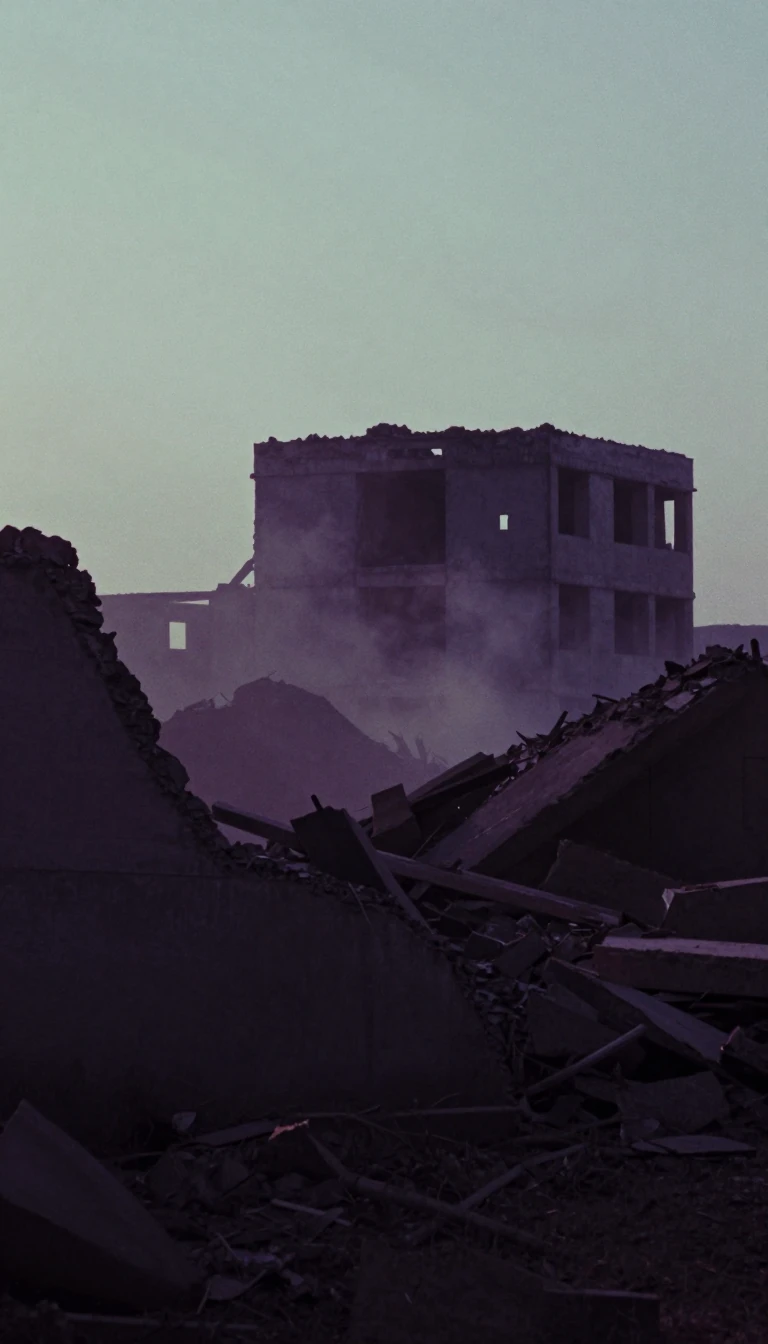 The 2023 Turkey–Syria earthquakes were among the most powerful and destructive in modern history.On February 6, 2023, two massive earthquakes struck Turkey and Syria, triggering a sequence of events that devastated an area the size of Germany. With over 60,000 deaths and bill…
- How Mexico Saved the 1986 World Cup After Colombia Withdrew From Hosting DutiesWhen Colombia declared it could not afford the 1986 World Cup, Mexico stepped in to host the tournament for the second time. Despite a devastating earthquake just months before ki…
 How Barcelona 1992 Transformed the Olympic Games into a Global Unifying ForceThe 1992 Barcelona Games marked a historic turning point, standing as the first Olympics since the Cold War ended and the first in two decades free from major boycotts. Beyond the…
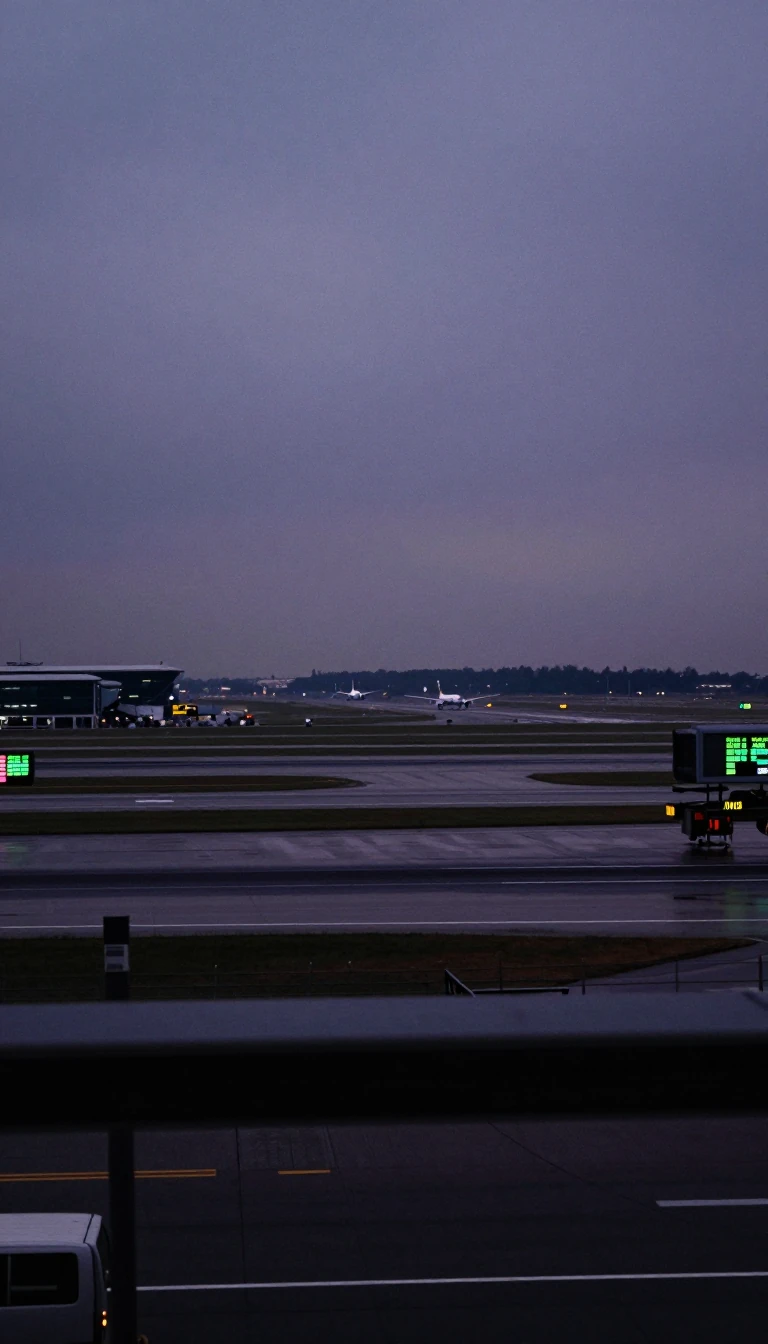 How Zurich Airport transformed from a makeshift shanty town into a global aviation hub.Following the Second World War, Zurich Airport emerged from a modest moorland site. Through decades of complex political maneuvering, public referendums, and massive engineering p…
 Zulfikar Ali Bhutto: The Architect of a New Pakistan After National DisintegrationRising from the ashes of the 1971 civil war, Zulfikar Ali Bhutto became Pakistan's first civilian martial law administrator. A polarizing figure who championed socialism and nucle…
 Why the World Series began as a peace treaty between two warring baseball leaguesThe World Series was not an inevitable invention, but a fragile truce. After years of bitter competition and player raiding between the National and American Leagues, the 1903 cha…
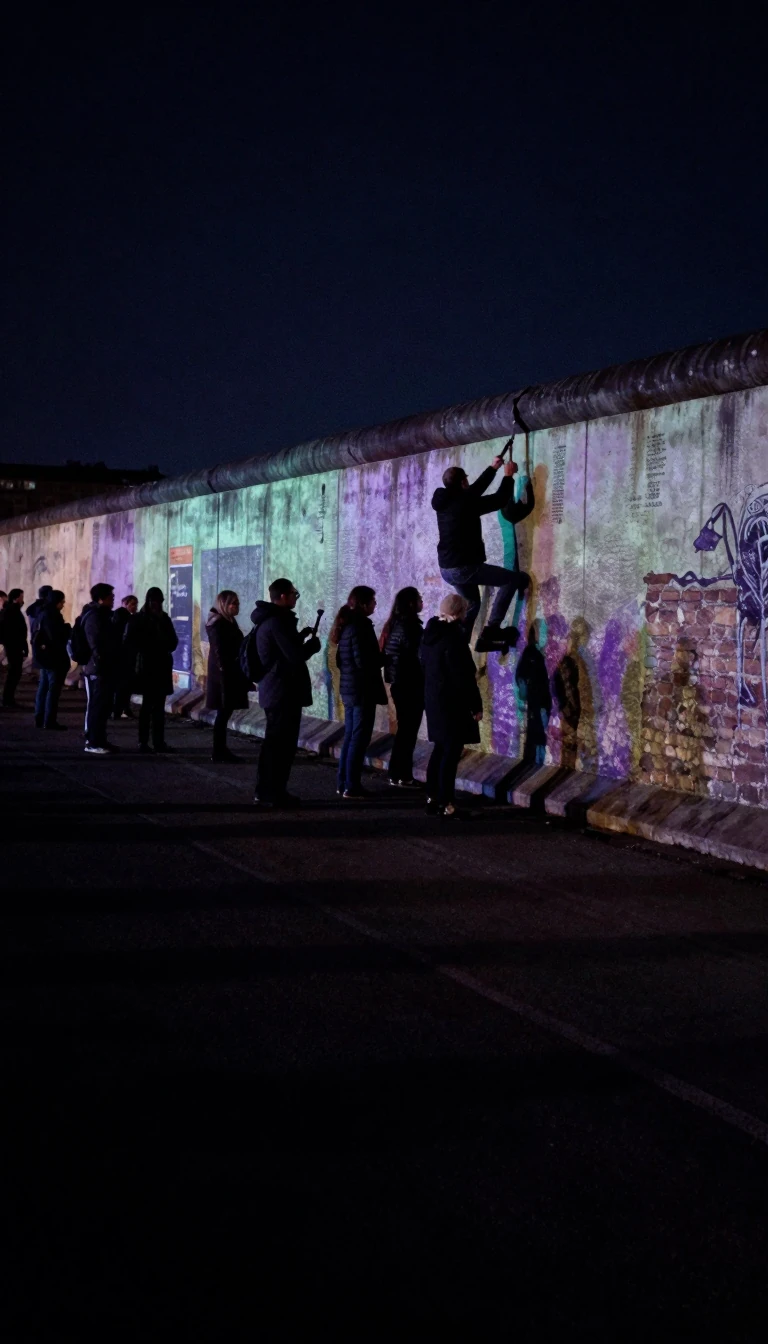 West Berlin was a Cold War island of freedom, legally trapped in limbo.For over four decades, West Berlin existed as a political anomaly: a wealthy, cosmopolitan showcase of the West, physically isolated deep within East German territory. Though it f…
- The ancient title of vizier evolved from a personal helper into a powerful state office.The term vizier has roots that stretch across centuries and continents, shifting from a humble Quranic helper to a high-ranking political minister. While some scholars argue for a…
 The 63-day battle for Warsaw that reshaped the map of the Cold WarIn the summer of 1944, the Polish Home Army launched a desperate bid to liberate Warsaw from Nazi occupation before the Soviet Red Army could seize control. What began as a strate…
 The Western Turkic Khaganate controlled the Silk Road through a complex web of puppet rulers.Spanning from the Mongolian Plateau to the Caspian Sea, the Western Turkic Khaganate emerged in the early 7th century. This powerful confederation, known as the Onoq or ten arrows…
- How a wandering scholar sparked a revolution that reshaped West Africa for centuriesUsman dan Fodio was an 18th-century Islamic polymath who transformed the political and social landscape of West Africa. By founding the Sokoto Caliphate, he challenged existing po…
- How a fractured collection of colonies forged a sovereign state in southern AfricaBorn from the unification of four distinct colonies in 1910, the Union of South Africa functioned as a British dominion for over half a century. It navigated complex shifts in sov…
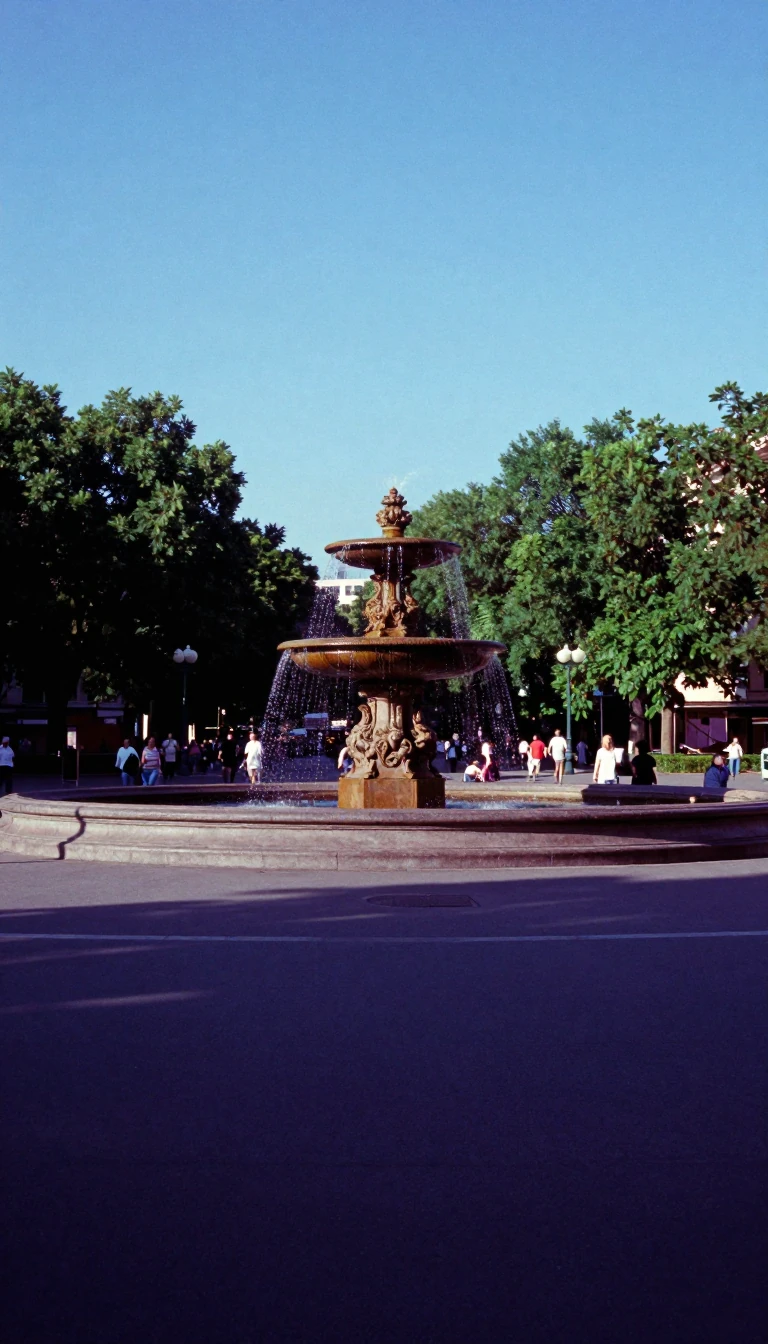 Why the City of Lakes became the strategic capital of the Mewar kingdomFounded in 1559 by Maharana Udai Singh II, Udaipur emerged as a secure fortress city nestled in the Aravalli Range. Known as the Venice of the East, this historic capital of Mewar…
- How the Turkish Army adopted a foundation date from 209 BCThe Turkish Land Forces officially trace their origins to 209 BC, a date adopted after the 1980 coup. While the modern army emerged from the collapse of the Ottoman Empire in 1920…
 How a Borderland People Forged a Distinct National Identity Over Ten Turbulent CenturiesUkrainians are the second-largest Slavic ethnic group, numbering about 46 million worldwide. Their history is defined by a persistent struggle for sovereignty across a landscape o…
 How the Ottoman Empire’s administrative heart became a city of secret passageways and silence.Topkapı Palace was not merely a residence but a sprawling, asymmetric fortress of imperial seclusion. From its 15th-century origins to its transformation into a museum, this compl…
 The treaty that redrew North America was signed by a man officially recalled home.In 1848, Nicholas Trist negotiated the Treaty of Guadalupe Hidalgo despite being fired by President Polk. This unauthorized peace deal ended the Mexican-American War, forced Mexic…
- The monk whose final act of protest changed the course of the Vietnam WarOn 11 June 1963, Thích Quảng Đức sat in a lotus position at a busy Saigon intersection and set himself on fire. The photograph of his death became a global symbol of the Buddhist …
- A failed examination led to a theocratic rebellion that claimed thirty million lives.In the mid-19th century, a failed scholar named Hong Xiuquan claimed to be the younger brother of Jesus Christ. He launched the Taiping Heavenly Kingdom, a theocratic movement tha…
- The word Syrian is a multi-layered label with roots in ancient Mesopotamian historyWhile modern Syrians are defined by their Levantine heritage and Arabic language, the term itself has a complex history. Originally a corruption of Assyrian, it evolved through Gr…
- Was the breakaway State of Katanga a sovereign nation or a corporate puppet state?In 1960, the mineral-rich province of Katanga declared independence from the newly formed Congo. Backed by Belgian mining interests and foreign mercenaries, the secessionist state…
 How a meticulously landscaped extermination camp hid its true purpose from incoming prisonersSobibor was designed to deceive. With its flower beds, gravel paths, and Tyrolean-style barracks, the camp presented an idyllic facade to arrivals. Yet, behind this carefully cura…
- Why a British General’s refusal to retreat led to a ten-month starvation siegeIn 1884, Major-General Charles George Gordon arrived in Khartoum with orders to evacuate. Instead, he fortified the city against the Mahdist uprising. As food supplies dwindled an…
 Shanxi: The Chinese Province That Once Recruited Thousands of Japanese Soldiers to Its DefenseKnown as the model province during the early 20th century, Shanxi was a unique industrial and political stronghold. Under the rule of warlord Yan Xishan, it became a site of inten…
- How a nomadic Turkic clan became the architects of a Persianate golden ageOriginating as Oghuz Turks on the Kazakh Steppe, the Seljuks transformed from nomadic warriors into the patrons of a sophisticated Turco-Persian culture. By adopting the Persian l…
- How a small bodyguard unit evolved into the primary architect of the Nazi Holocaust.Beginning as a modest volunteer guard for party meetings in Munich, the Schutzstaffel transformed into an elite, ideologically driven paramilitary force. Under Heinrich Himmler, i…
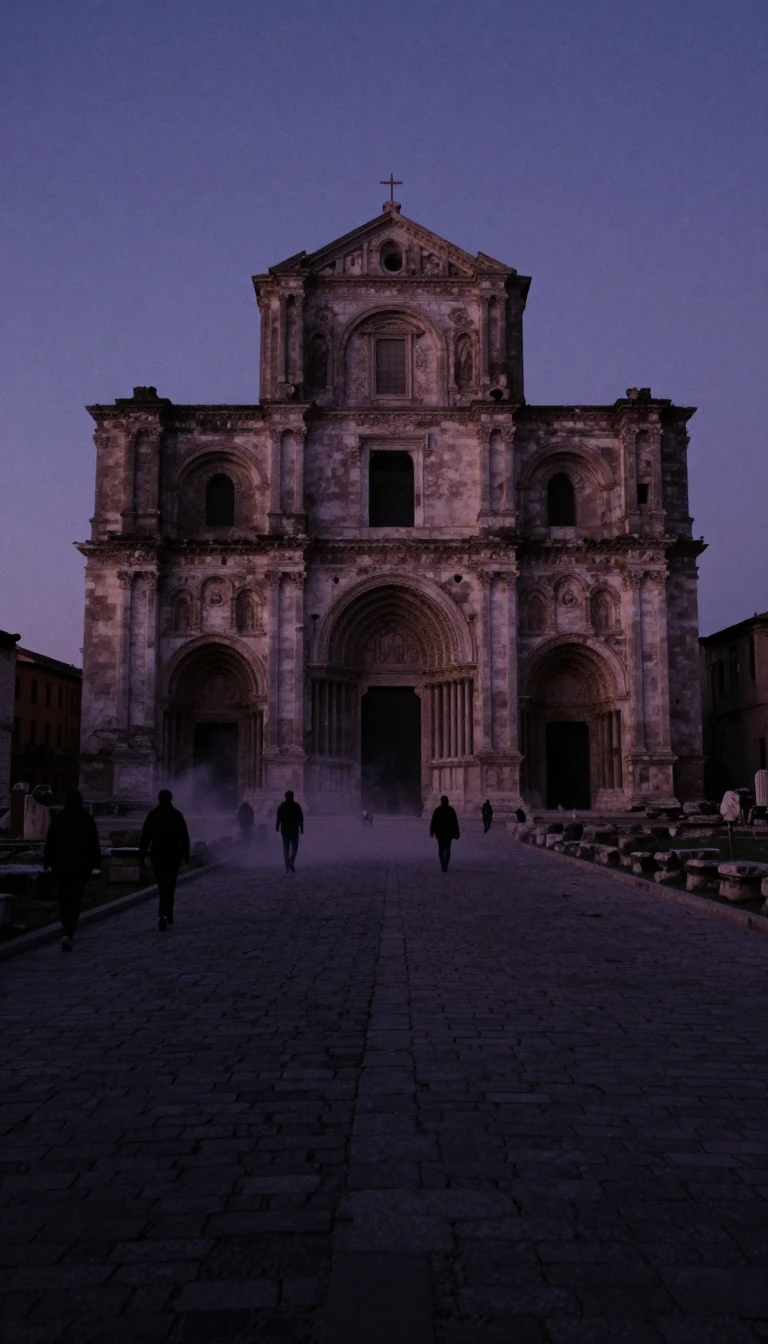 Is the legendary Field of Stars actually just an ancient, well-ordered burial ground?Santiago de Compostela is world-famous as the destination of the Camino de Santiago, a pilgrimage route dating back to the 9th century. While folklore links the city's name to a m…
- The red cross of Saint George was not originally associated with the saint himself.The iconic red-on-white cross is synonymous with England, yet its origins are rooted in the Crusades, not the saint. For centuries, the symbol was a generic mark of crusader ident…
- Ram Prasad Bismil: The Revolutionary Poet Who Challenged the British Raj From the ShadowsBorn in 1897, Ram Prasad Bismil was a pivotal revolutionary and poet who helped found the Hindustan Republican Association. Though he became a symbol of resistance against British…
- The Rashtriya Swayamsevak Sangh: A Century of Indian Nationalism and Paramilitary DisciplineFounded in 1925, the Rashtriya Swayamsevak Sangh is the world's largest far-right organization. It operates as a paramilitary force dedicated to the ideology of Hindutva, aiming t…
- The English adventurer who carved a sovereign kingdom out of the Borneo jungleIn 1841, James Brooke, a former soldier, transformed a local rebellion into a personal kingdom on the island of Borneo. For over a century, the Raj of Sarawak functioned as an ind…
- Was the legendary Queen of Sheba a real monarch or a symbolic trade envoy?The Queen of Sheba remains one of history's most enduring enigmas. While she appears in the Hebrew Bible, the Quran, and Ethiopian sagas as a powerful ruler bearing gold and spice…
 The Indian President who once received a note saying he outperformed his own examinerRajendra Prasad was a brilliant scholar and lawyer who became India's first president. Beyond his political legacy, his life was marked by a deep commitment to intellectual rigor …