 Intellect Plus
History
21,004 cards. Each one is a 40-second story with a five-minute read behind it. Page 344 of 351.
Subtopics: 19th century · 20th century · Africa · Age of Exploration · Ages & eras · Ancient · Ancient China · Ancient egypt · Ancient greece · Ancient rome · Ancient trade · Archaeological discoveries · Archaeology · Astronomy · Australia · Auxiliary historical sciences · Babylon · Basics · Born on this day · Bronze age · Buddhism · Case studies · Chefs, bartenders and winemakers · China · Cities · Climate · Columbus · Contemporary (1945-) · Cosmetics people · Crime · Criminals · Decipherment · Deep time · Disasters · Early modern · Education · Egypt · Empires · Empires & civilisations · Exploration · Explorers · Extinction · Fandom, conventions and festivals · History by continent and large region · History by continent and region · History by country · History by country, small region and city · History by ethnicity · History by subject matter · History by topic · Inca · India · Industrial Revolution · Japan · Kings & queens · London · Mass hysteria · Medicine · Medieval kingdoms · Medieval life · Mediterranean · Mercedes-Benz History · Mesopotamia · Middle ages · Military leaders and theorists · Military leaders, personnel, and theorists · Ming dynasty · Misconceptions · Modern · Modern (1800-1945) · Napoleon · Navigation · North africa · Other · Pacific · Pharaohs · Philippines · Pirates · Post-classical · Prehistory · Propaganda · Public health · Rebels, revolutionaries and activists · Renaissance · Researched · Second world war · Shipwrecks · Silk Road · South america · Tradespeople · UK & Ireland: history · United states · Vikings · Volcanoes · Women in history
 Portugal's colony became a tropical empire under Pedro IIThe Empire of Brazil spanned nineteenth-century lands of modern Brazil and, until 1828, Uruguay. Unlike many Spanish American republics, it kept relative stability, growth, and co…
 Three emperors steered Japan from Meiji rise to 1945 radio surrenderThe Empire of Japan lasted seventy-nine years under slogans to enrich the country, strengthen forces, and promote industry after the Boshin War restored imperial rule. Meiji, Tais…
 The Derg's Marxist junta fell when rebels took Addis AbabaEthiopia's civil war ran from 12 September 1974 to 28 May 1991, pitting the Derg military junta against Ethiopian and Eritrean rebels. After toppling Haile Selassie, the Marxist–L…
- Churchill's United States of Europe outlived the speechEuropean integration stitches political, legal, social, and economic ties among states in and near Europe. Rome offered an ancient template; after World War II, Winston Churchill'…
 France's Indochina war ran from Saigon 1945 to Dien Bien Phu's shadowThe First Indochina War matched the French Union against the Viet Minh from 19 December 1946 into 1954. Potsdam split the peninsula at 16°N; France seized Saigon in September 1945…
- Britain's most profitable drug trade blasted open Qing portsThe First Opium War, or Anglo-Chinese War, pitted Britain against Qing China after Canton crackdowns on opium. The Royal Navy's June 1840 expedition forced unequal treaties; natio…
 Crown rule replaced Company rule after the 1857 rebellionThe British Raj was Crown government on the Indian subcontinent from 1858 to 1947, begun when East India Company authority passed to Queen Victoria after the 1857 rebellion—she be…
- A safety test’s failure made Chernobyl a maximum-scale accidentOn 26 April 1986 reactor 4 at Chernobyl near Pripyat exploded—one of only two nuclear accidents rated level 7 on the International Nuclear Event Scale. Two engineers died at once;…
 China’s civil war paused for Japan, then finished on Taiwan’s shoreFighting between the Nationalist Kuomintang and the Chinese Communist Party ran intermittently from 1 August 1927 until Communist victory sent the KMT to Taiwan on 7 December 1949…
 Brown’s school ruling lit a decade of nonviolent mass protestThe U.S. civil rights movement of 1954–1968 sought to end legal segregation, discrimination, and Black disenfranchisement, with roots in Reconstruction’s unfinished promises. Brow…
- Housing fights in Dungannon helped spark a wider rights waveCivil rights movements worldwide peaked in the 1960s as drives for equality before the law, often through nonviolent protest. In Northern Ireland, activists from Dungannon housing…
 Orwell named a “cold war” before the blocs fully hardenedThe Cold War pitted the United States and its capitalist Western Bloc against the Soviet Union and communist Eastern Bloc after World War II until Soviet dissolution. George Orwel…
 From Aztec calpulli to Russian mir, farms can be joint projectsCollective and communal farming let multiple cultivators run land together—member-owned cooperatives or state-run farms. Aztec calpulli, Mexican ejidos after 1917, Wendat and Haud…
- Bismarck’s Berlin congress trimmed Russia’s Balkan victoryFrom 13 June to 13 July 1878, Europe’s great powers rewrote the Treaty of San Stefano that had ended the Russo-Turkish War. Otto von Bismarck mediated toward British lines: no Gre…
- Vienna’s diplomats redrew Europe while Napoleon briefly returnedThe Congress of Vienna (1814–1815) gathered Europe’s powers—except the Ottomans—to redesign the post-Napoleonic order through negotiation, not merely restoring old lines but resiz…
- “Contemporary history” usually starts where 1945 left the worldIn English historiography, contemporary history covers roughly 1945 to now, overlapping social scientists’ talk of postmodernity. Its political spine is the Cold War (1947–1991), …
- Serbia’s mountain retreat kept an army alive to fight againWorld War I’s Balkan Front pitted Austria-Hungary, Bulgaria, Germany, and the Ottomans against Serbia, Montenegro, and later Western Allies plus Greece. Three Austro-Hungarian inv…
- Uranus trapped a German army on the Volga’s ruined shoreStalingrad (now Volgograd) became the Eastern Front’s hinge in 1942–43: an industrial Volga hub Germany needed on the road to Caucasus oil. From July clashes to August bombing, th…
 Britain needed a million import tons a week to stay in the warThe Battle of the Atlantic ran from 1939 to Germany’s 1945 defeat—the longest continuous WWII campaign. Allied blockade met U-boat counterblockade as convoys from North America fe…
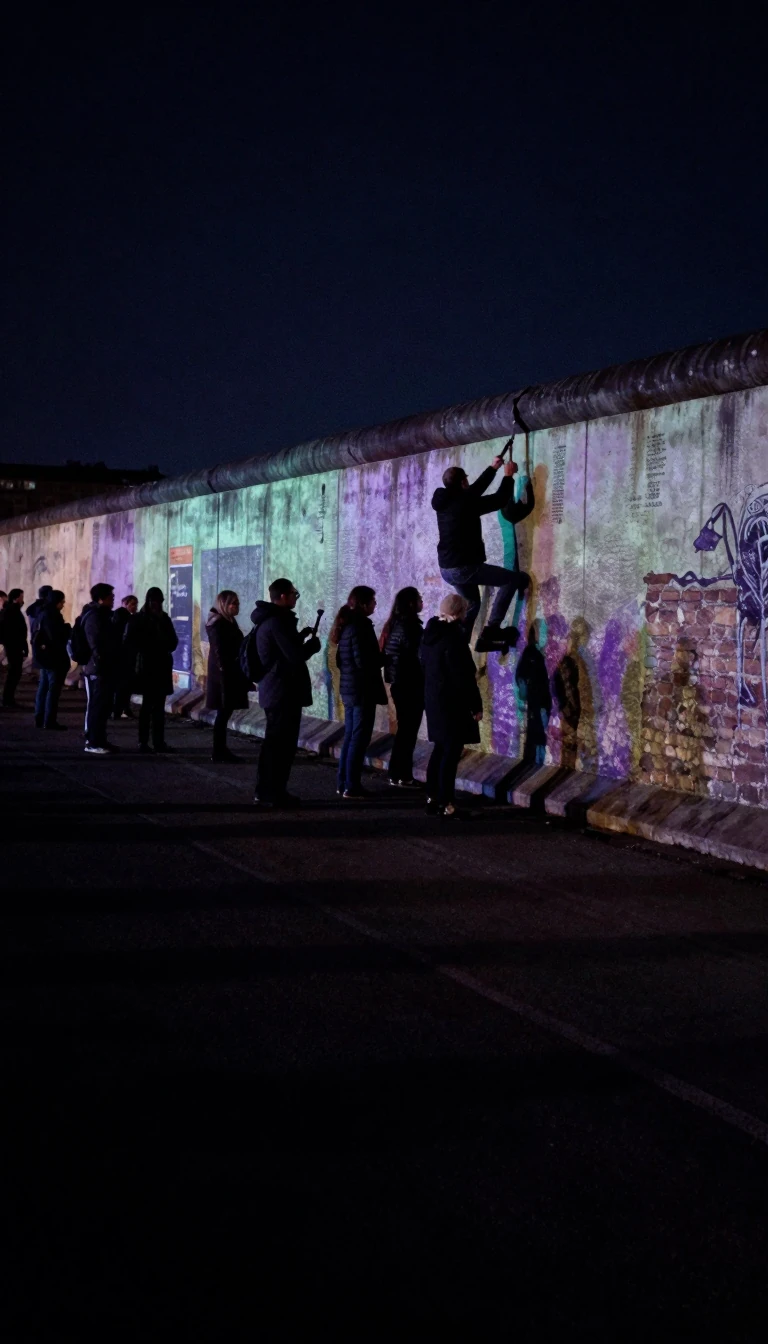 The Wall rose after 3.5 million East Germans walked westEast Germany began the Berlin Wall on 13 August 1961, a guarded concrete ring around West Berlin meant to stop the bleed of citizens into the West. Propaganda called it an Anti-Fa…
 A martial society’s uprising drew eight foreign armies inlandFrom 1899 to 1901 the Society of Righteous and Harmonious Fists rose in North China against foreign spheres and missionary power as Qing rule faltered. After Boxers and imperial f…
- A Sunday raid that ended American neutrality overnightOn 7 December 1941 Japan’s carrier force under Chūichi Nagumo struck the U.S. Pacific Fleet at Pearl Harbor, Oahu, while the United States was still neutral. Three hundred fifty-t…
- Europe’s dual monarchy that declared war and then dissolvedAustria-Hungary was a Central European dual monarchy from 1867 to 1918—Europe’s second-largest state by area after Russia and third-most populous after Russia and Germany. Cisleit…
- Francis II’s answer to Napoleon: one Habsburg empireThe Austrian Empire (1804–1867) unified Habsburg realms under Francis II after Napoleon proclaimed the French Empire. It was Europe’s third-most populous great power while it last…
 The 2004 Sumatra quake ruptured a record 1,300 km of fault for ten minutesOn 26 December 2004 a magnitude 9.2–9.3 megathrust earthquake struck off Aceh in northern Sumatra. Its fault tore for at least ten minutes along more than a thousand kilometres, a…
 Four years that freed four million and remade the UnionThe American Civil War, fought from April 1861 to May 1865, set the Union against a Confederacy of slave states that seceded after Abraham Lincoln won the 1860 election. Historian…
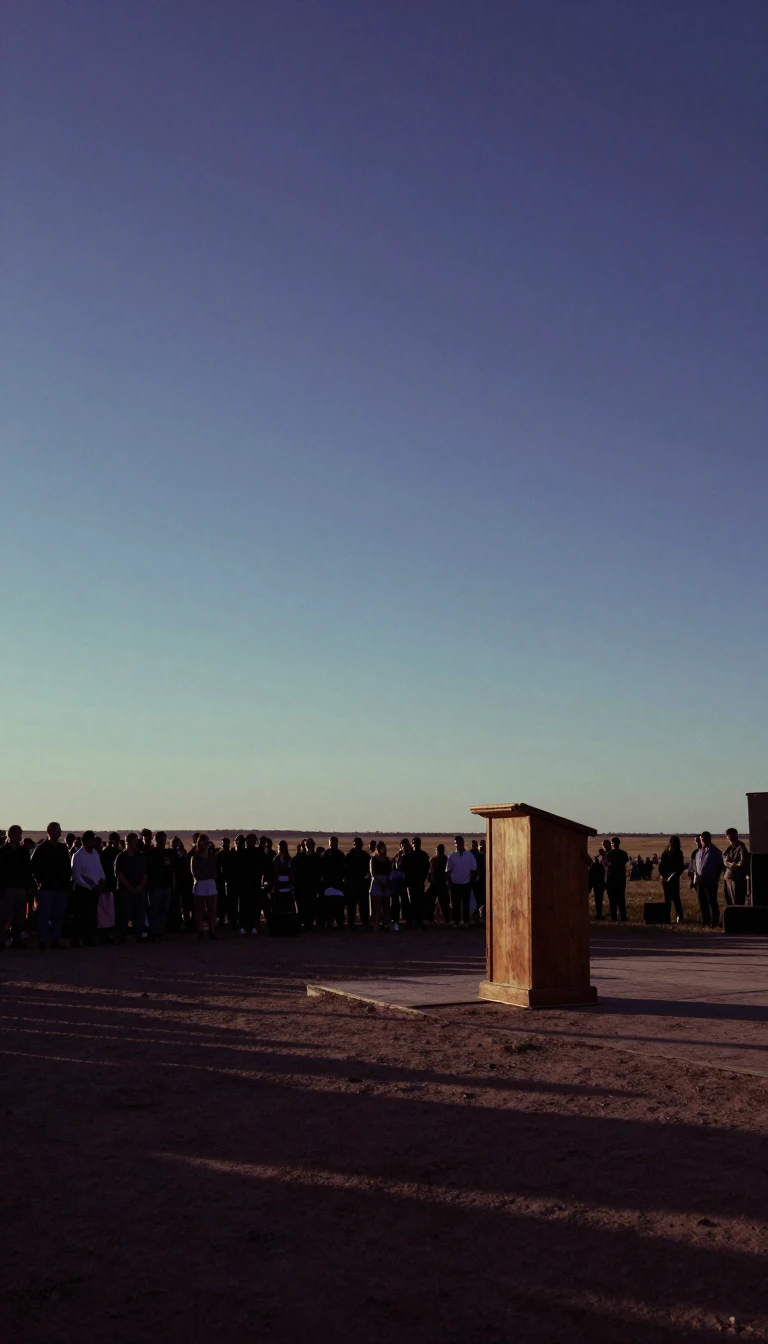 When the census said the frontier line had dissolvedThe American frontier was the advancing edge of settlement that crept west from Jamestown in 1607 until the last contiguous territories became states in 1912, along with all the f…
- Centuries of conflict as settlement pushed westFor almost three centuries, from the first 17th-century colonies to the end of the 1800s, European empires and then the United States fought Native American nations over land. Tri…
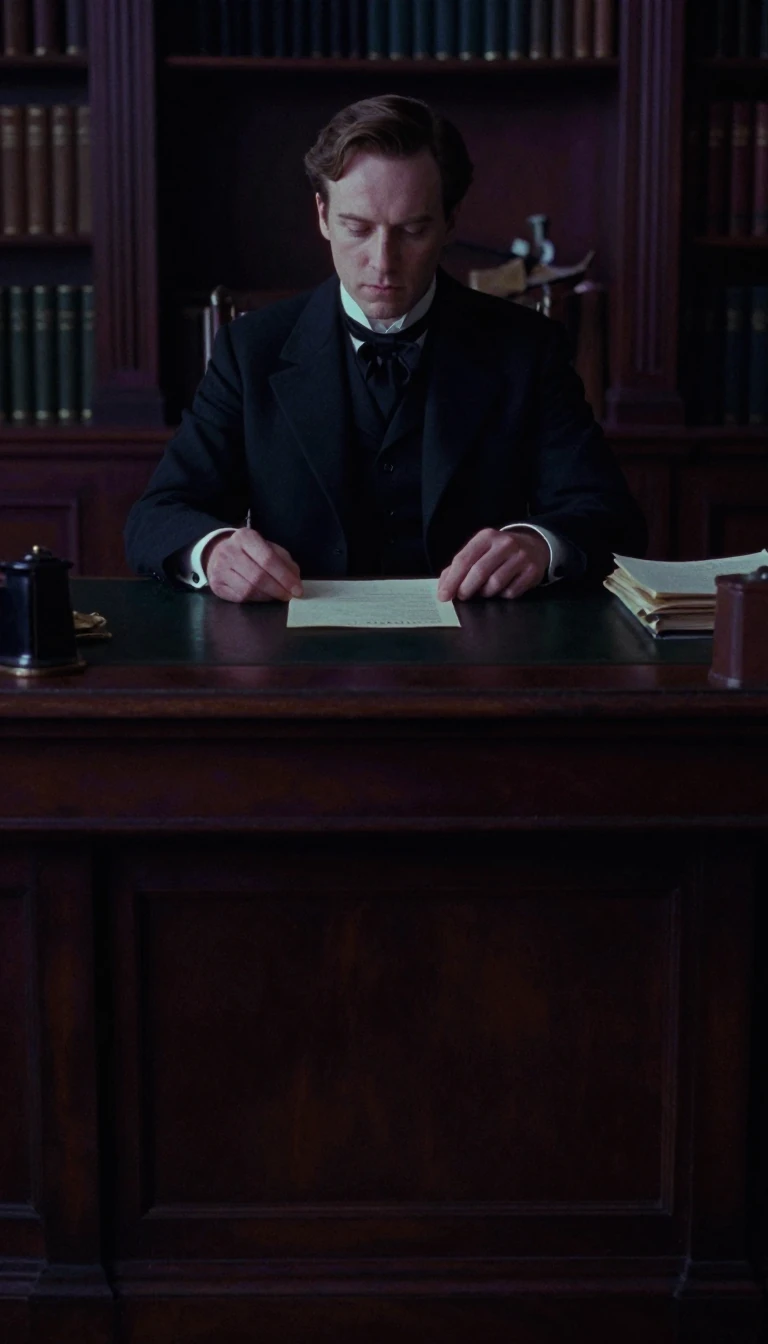 A war London did not want, launched by one official’s ultimatumThe Anglo-Zulu War lasted barely six months in 1879, yet it shook the British Empire. Started on the initiative of one colonial official against his own government’s wishes, it op…
- Twenty-seven years of civil war as a Cold War proxyAngola won independence from Portugal in November 1975 and fell into civil war almost immediately. The fighting, broken by fragile truces, lasted until 2002, killing an estimated …
- Separateness as law: South Africa’s grand and petty apartheidApartheid, an Afrikaans word for “separateness” first recorded in 1929, governed South Africa and South West Africa from 1948 to 1994. It sorted every citizen by race, then used t…
- A Sarajevo pistol shot that opened the Great War’s fuseOn 28 June 1914 in Sarajevo, Bosnian Serb student Gavrilo Princip killed Archduke Franz Ferdinand, heir to Austria-Hungary, and his wife Sophie. Six young assassins, coordinated b…
 Two August mornings that ended a world war’s Pacific chapterIn early August 1945, U.S. forces released nuclear weapons over Hiroshima and then Nagasaki, with estimated deaths between 150,000 and 246,000 people, mostly civilians, in World W…
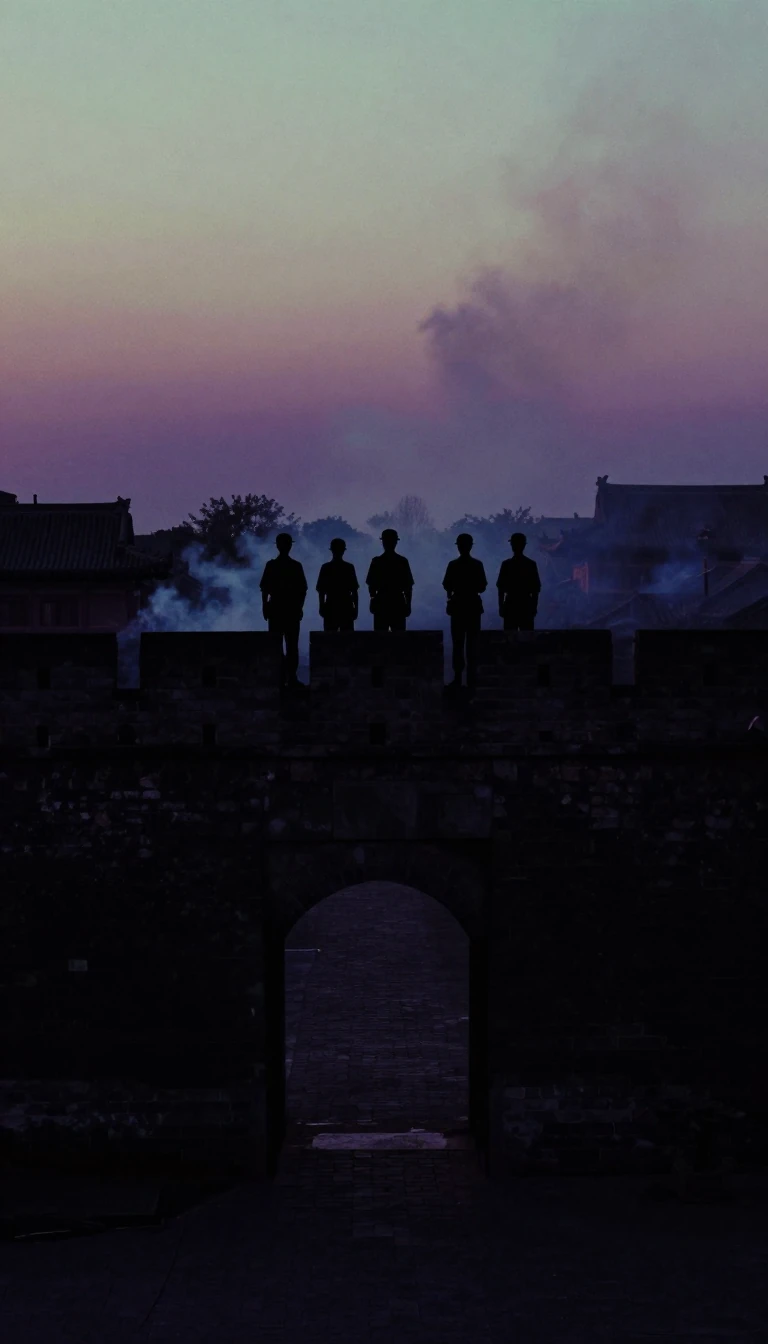 A New Army mutiny in Wuchang ended two millennia of empireThe 1911 Revolution—also called Xinhai after the year’s sexagenary label—toppled China’s Qing dynasty and opened the Republic. The flashpoint was the 10 October Wuchang Uprising b…
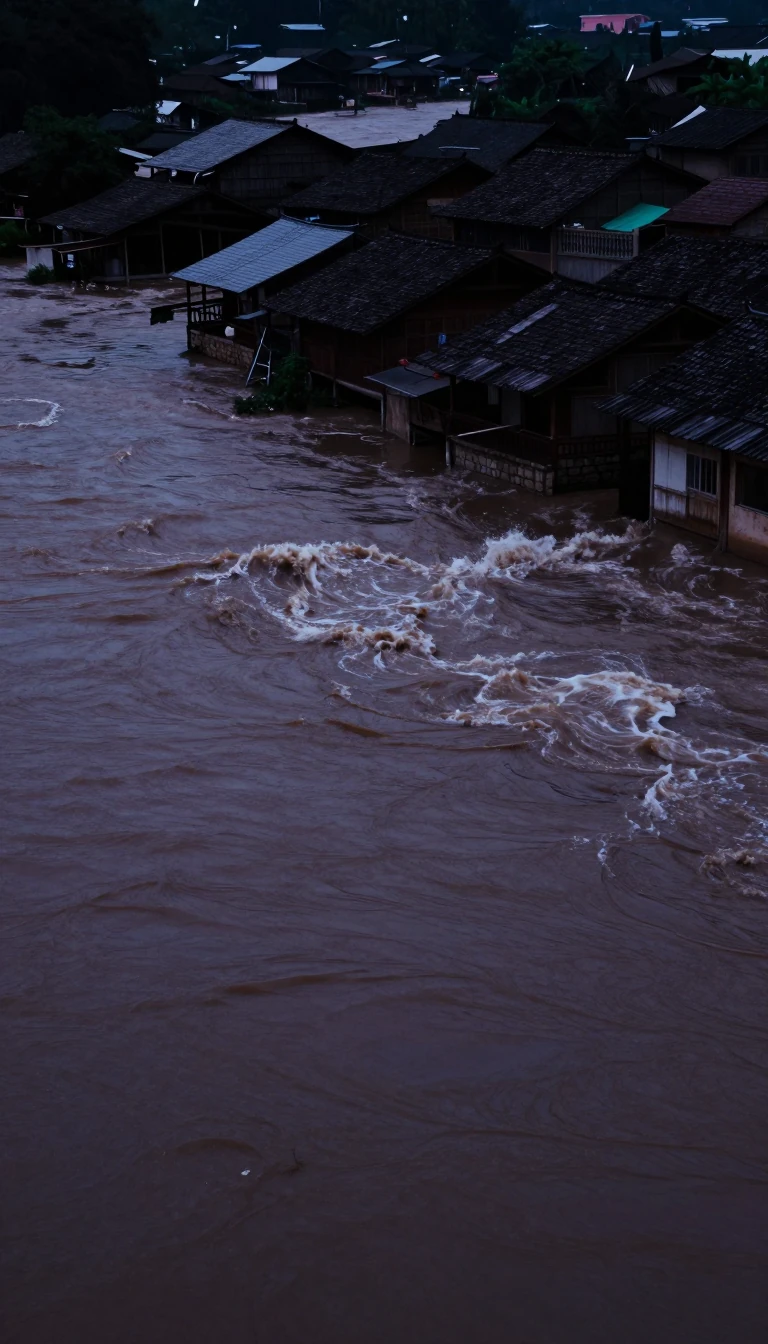 1931 Yangtze floods drowned cities the size of kingdomsFrom June to August 1931, Yangtze–Huai floods smashed Chinese cities after years of drought flipped into melt and rain. Water covered about 180,000 square kilometres—an area liken…
 Bhola 1970 remains the deadliest tropical cyclone recordedThe Bhola cyclone of November 1970 is the deadliest tropical cyclone on record and among history’s worst natural disasters. Formed over the Bay of Bengal on 8 November, it peaked …
 An Arab oil embargo nearly tripled the world priceIn October 1973, Arab OPEC producers (OAPEC) embargoed nations backing Israel in the Yom Kippur War—initially Canada, Japan, the Netherlands, the UK, and the United States under S…
 A fault under Tangshan city broke at 3:42 in the morningA magnitude 7.6 quake struck Tangshan, Hebei, at 03:42 local time on 28 July 1976 (27 July UTC). Intensity reached XI, and the Tangshan fault—one of three in the Changdong zone—ra…
 Spacewar! on a PDP-1 made games a shared campus virusVideo games began on 1950s–60s lab computers as demos and simulations. Spacewar!, written in 1962 for MIT’s PDP-1 by Steve Russell and colleagues, became the first widely shared t…
 Iron Age kingdoms became a global diaspora storyJewish history begins with the Israelites of Iron Age Israel and Judah, first named on an Egyptian stele around 1210 BCE. Assyrian and Babylonian conquests started a diaspora that…
 Canon law is the West’s oldest continuously working legal systemLegal history asks how rules evolve inside civilizations. Egyptian Ma’at ideals reach toward 3000 BC; Ur-Nammu’s Sumerian code by the twenty-second century BC is among the earlies…
 Reaching Sahul required seafaring over 50,000 years agoMaritime history studies human life with the sea—fishing, navies, law, ships, and ocean science—often globally. Rafts may be older than a million years if Homo erectus crossed str…
 Military history thrives with the public, not professorsMilitary history studies armed conflict and its social, cultural, and economic fallout—causes, doctrine, logistics, leadership, technology. Academies teach it to avoid repeating m…
 Second-wave historians rebuilt the archive of women’s pastsWomen’s history studies women’s roles and the methods needed to recover them, including rights movements. Its scholarly centers grew in the United States and Britain as second-wav…
 Sociology named itself after revolution shook EuropeSociology crystallized after the French Revolution as an Enlightenment-born, positivist science of society. The word and concept are tied to Emmanuel Joseph Sieyès and later ninet…
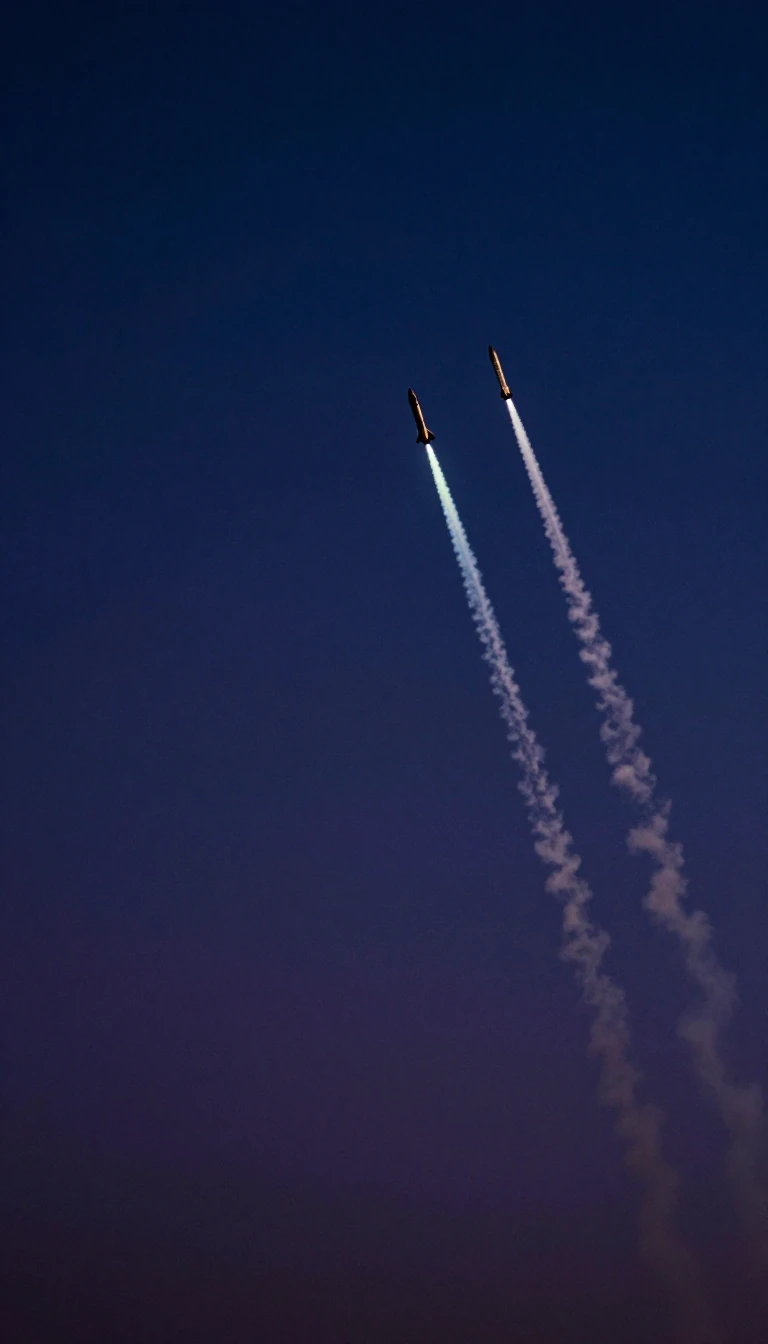 A V-2 reached space years before Sputnik’s fameSpaceflight’s theory came from Konstantin Tsiolkovsky, Robert Goddard, and Hermann Oberth. Engineering caught up when a German V-2, flight MW 18014, crossed into space on a June 1…
 Sumerian wrestlers were cast in bronze by 2600 BCSport’s deep past reaches at least to the ancient world around 7000 BC, tangled with war training and spectacle. Upper Paleolithic cave art at Lascaux seems to show sprinting some…
 Western theatre still speaks a Greek invented wordTheatre history is usually traced about 2,500 years, with Athenian drama as the root of the Western tradition—the word itself is Greek. Ritual shares costumes, masks, and pleasure…
 McAdam’s cheap stone crust invented the modern highwayTransport history is mostly a story of inventions that let people and goods go farther. Before engines, international trade already knit a pre-modern world economy; after them, Jo…
 Earth-writing began as Nile-centered world mapsGeography—Greek geographia, “Earth-writing”—has many cultural histories before it became a university discipline. Ancient Egypt centered the world on the Nile; Babylon’s Imago Mun…
- Fossil fish on mountains puzzled Greeks firstGeology studies Earth’s origin, history, and structure. Xenophanes noted fossil fish and shells on mountains in 540 BC; Herodotus echoed them about 490 BC. Aristotle watched slow …
 A synthesis of Indian traditions, not a single foundingHinduism’s history gathers related Indian subcontinent traditions from Iron Age roots, with strands that may reach prehistoric and Indus Valley cults. Scholars treat it as fusion …
 Seventh-century mission, then empires and debatesHistorians date Islam’s start to Muhammad’s seventh-century mission in Mecca and Medina; Muslims read it as restoring Abrahamic faith. Early conquests across Arabia and weakening …
 Writing began as accounting before it told storiesLiterature’s history tracks prose and poetry meant to entertain or teach—and the techniques that carry them. Oral myth in hunter-gatherer bands came first; writing arose independe…
 Humorism ruled until the microscope’s centuryMedical history studies healing practices across societies, drawing on economics, sociology, and politics for context. Early traditions rose in Babylon, Egypt, China, and India. R…
 Bone flutes date music to about 38,000 BCEvery known culture makes music, a cultural universal whose origins stay contested and often tied to language debates. Upper Paleolithic bone flutes firmly date prehistoric music …
 Opera began in 1597 with Peri’s lost DafneOpera is young beside music history: Jacopo Peri’s Dafne (1597) opened the genre. Latin opera means works. Orchestra plus libretto and singers of different tessituras fuse drama, …
 Greek cosmos questions met Vedas and ConfuciansHistory of philosophy maps rational argument’s development—though some include myth and proverb. Western lines start with Greek cosmos inquiry; Arabic–Persian thought peaked in th…
 Gravity’s century turned philosophy into physicsPhysics studies matter and energy—topics ancients debated without separating cause from superstition. The seventeenth-century Scientific Revolution, especially gravity’s law, bega…
 Athens dominates textbooks; Zhou China had schools tooPolitical thought’s history spans methods and ideas across philosophy, law, history, and political science. Western surveys elevate Athenian democracy and Socrates, Plato, and Ari…