 Intellect Plus
History
21,004 cards. Each one is a 40-second story with a five-minute read behind it. Page 58 of 351.
Subtopics: 19th century · 20th century · Africa · Age of Exploration · Ages & eras · Ancient · Ancient China · Ancient egypt · Ancient greece · Ancient rome · Ancient trade · Archaeological discoveries · Archaeology · Astronomy · Australia · Auxiliary historical sciences · Babylon · Basics · Born on this day · Bronze age · Buddhism · Case studies · Chefs, bartenders and winemakers · China · Cities · Climate · Columbus · Contemporary (1945-) · Cosmetics people · Crime · Criminals · Decipherment · Deep time · Disasters · Early modern · Education · Egypt · Empires · Empires & civilisations · Exploration · Explorers · Extinction · Fandom, conventions and festivals · History by continent and large region · History by continent and region · History by country · History by country, small region and city · History by ethnicity · History by subject matter · History by topic · Inca · India · Industrial Revolution · Japan · Kings & queens · London · Mass hysteria · Medicine · Medieval kingdoms · Medieval life · Mediterranean · Mercedes-Benz History · Mesopotamia · Middle ages · Military leaders and theorists · Military leaders, personnel, and theorists · Ming dynasty · Misconceptions · Modern · Modern (1800-1945) · Napoleon · Navigation · North africa · Other · Pacific · Pharaohs · Philippines · Pirates · Post-classical · Prehistory · Propaganda · Public health · Rebels, revolutionaries and activists · Renaissance · Researched · Second world war · Shipwrecks · Silk Road · South america · Tradespeople · UK & Ireland: history · United states · Vikings · Volcanoes · Women in history
 The secret history of a peerage defined by royal ties and private traumaCharles Spencer, the 9th Earl Spencer, occupies a unique space in British history. As the younger brother of Diana, Princess of Wales, his life has been a public spectacle of roya…
 The Docile Don who traded mob violence for soft powerIn the brutal world of the Philadelphia crime family, Angelo Bruno was an anomaly. Known as "The Docile Don," he prioritized bribery and conciliation over murder. Yet, his refusal…
 From Navy SEAL to Governor: The rise and fall of Eric GreitensHow does a Rhodes Scholar and decorated Navy SEAL become a governor and then a political pariah? Eric Greitens' career is a study in high-stakes ambition, marked by elite credenti…
 The world's tallest inclined tower was born from a secret dealMontreal's Olympic Stadium, nicknamed "The Big O," is a masterpiece of Organic Modern architecture. Yet, its iconic retractable roof and world-record tower were the result of a cl…
 The Civil War was a collision of two distinct economic worldsBy 1860, the United States had fractured into two incompatible civilizations. While the North built a modern infrastructure of railroads and factories, the South doubled down on a…
 The alliance that failed to include Japan because of a two-front war fearIn 1939, Germany and Italy forged a military pact intended to bind them so tightly that neither could seek peace without the other. But a secret geopolitical calculation—the fear …
 The county that gave the world the word 'gerrymandering'In 1812, a resident of Marblehead created a legislative district so bizarre it birthed a new political term. Today, Essex County exists as a ghost of its former self—a historical …
 The planned paradise of Westwood Village faced a tragic 1988 turning pointIn the 1920s, Westwood Village was engineered as a Mediterranean masterpiece of architecture and commerce. It was designed to be a beacon of upscale living, but a single violent e…
 The golden apple that sparked a decade of warA single invitation snub by the goddess of discord set off a chain reaction of divine bribery and mortal tragedy. The Judgement of Paris isn't just a myth about beauty; it is a ma…
 The blueprint for an empire: how a 1787 law shaped the MidwestBefore the United States was a unified nation, it had to solve a massive problem: how to turn a wild frontier into a structured country. The Northwest Ordinance of 1787 provided t…
 The tank destroyer that wasn't actually named 'Hetzer'In military history, names often stick even when they are technically incorrect. The Hetzer was a vital German light tank destroyer of World War II, but its famous moniker was act…
 The village named for a fur trader and a Native American wifeWilmette, Illinois, carries a name rooted in the complex history of the American frontier. It honors Archange Chevallier Ouilmette, a woman of mixed French and Potawatomi heritage…
 The scientist who saw too much and fell from the tenth floorIn 1953, a top U.S. biological warfare scientist died in a mysterious fall from a New York hotel. While the government first called it a suicide, decades of investigation revealed…
 The violent birth of the American steel industry's labor landscapeIn 1892, a massive steel mill became a literal fortress. When the Carnegie Steel Company attempted to break a powerful union, it sparked a bloody confrontation involving private d…
- The bookkeeper who lived a life of splendor on fraudRuth Madoff was the silent partner in one of history's largest financial crimes. While her husband Bernie faced the public spotlight, Ruth managed the books and lived in luxury, o…
 The nation that defied Nazi orders to save its own JewsWhile many Axis allies participated in the Holocaust, Bulgaria became a rare exception. Despite intense German pressure and the enactment of anti-Semitic laws, internal protests a…
- The band that was silenced mid-set for being too provocativeDivinyls became a staple of Australian rock through a persona of subversive humor and overt sexuality. However, their most famous hit was so controversial that it led to the band …
 The private police force that shaped American labor and lawBefore the FBI, there was the Pinkerton Agency. From thwarting assassinations to infiltrating secret societies and crushing labor unions, this private powerhouse became the world'…
 The 1,000-year-old cave where a goddess supposedly hollowed out a homeDeep in the Trikuta Hills of Jammu and Kashmir lies a cave that geological surveys suggest is nearly one million years old. While modern pilgrims flock to it by the millions, the …
 The city that failed to boom preserved its past by accidentIn the late 19th century, Port Townsend was destined to be the largest harbor on the West Coast. When the railroad bypassed it, the economy collapsed almost instantly. This sudden…
 European university students generally accept evolution despite lacking substantial knowledgeA large-scale survey of 9,200 first-year university students across 26 European countries found that while most students accept the theory of evolution, they do not possess a deep…
 The palace so opulent it contributed to an empire's financial collapseBuilt to rival the luxury of European monarchs, Dolmabahçe Palace was a masterpiece of 19th-century synthesis. But its staggering cost—equivalent to $3 billion today—was financed …
 From literal windows to metaphorical offices: the history of defenestrationThrowing someone out of a window is more than just a violent act; it is a historical catalyst. From medieval uprisings to modern corporate dismissals, the term captures how power …
 The detective who died as a real-life mysteryEdgar Allan Poe invented the modern detective story, yet his own death remains one of America's greatest unsolved enigmas. Found delirious in a Baltimore gutter wearing clothes th…
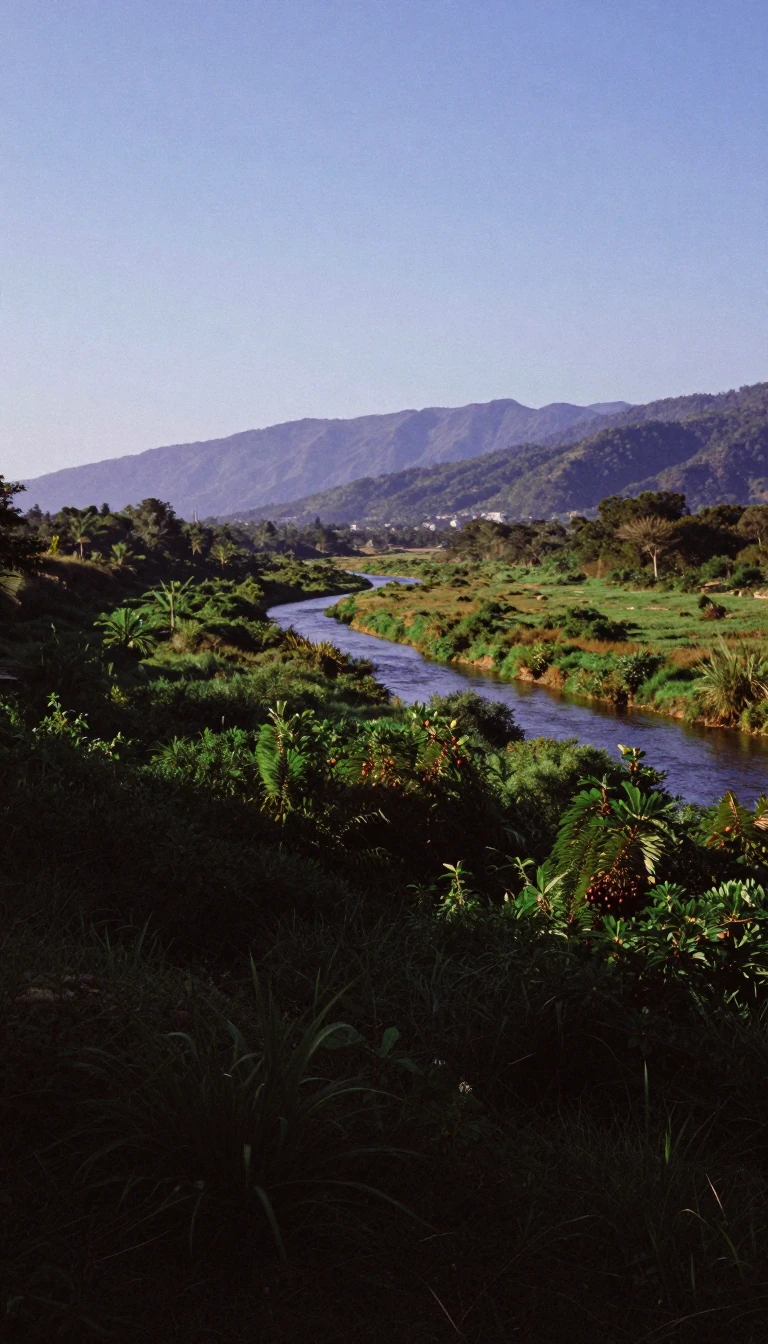 Ancient Amazonian civilizations intentionally engineered fertile soil to manage rainforest resourcesResearchers investigating Amazonian history found evidence that ancient populations deliberately created "dark earth" soils to boost agricultural productivity. By comparing the ch…
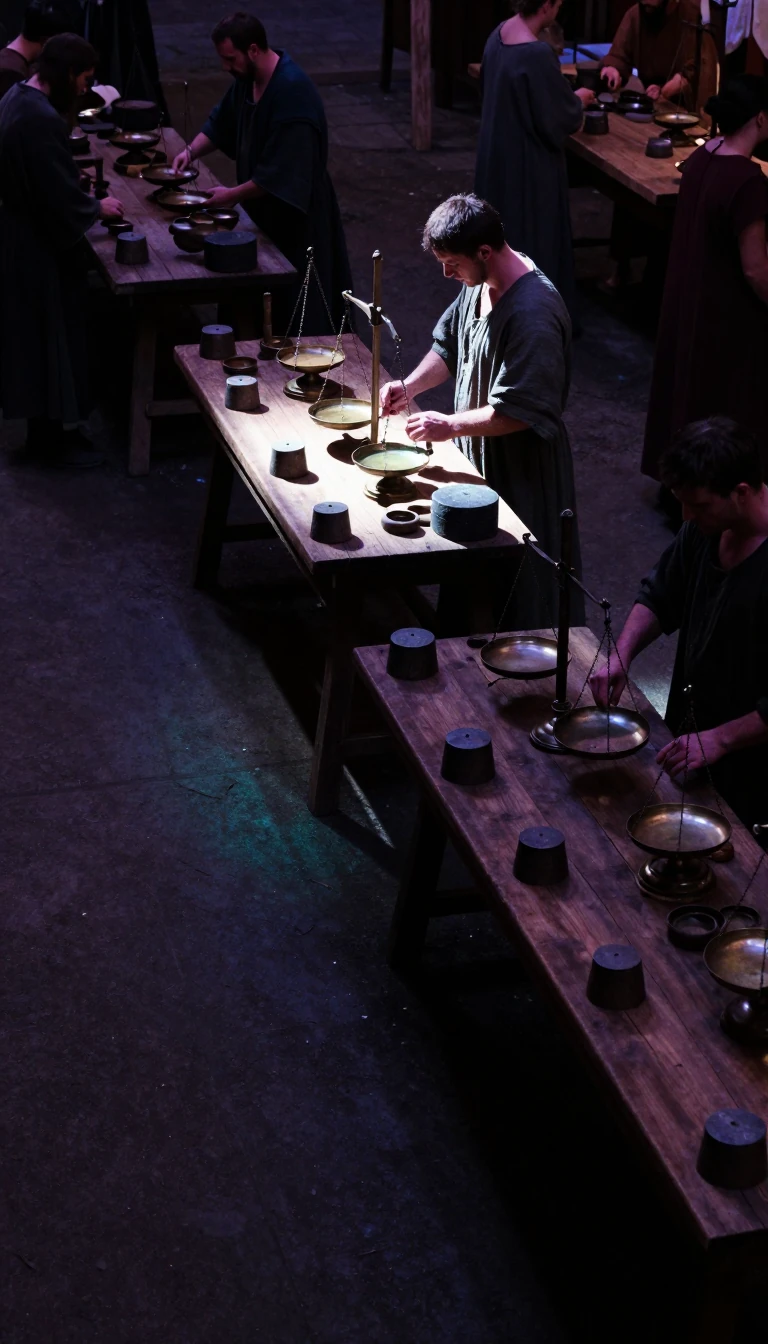 Market self-regulation, not political decree, likely shaped early weight systemsResearchers investigating the origins of commerce found that the first standardized weight systems in Western Eurasia likely emerged from bottom-up merchant interactions rather th…
 The village that invented the world's first Winter OlympicsBefore it was a global sports destination, Chamonix was a fortified plain and a feudal territory of the House of Savoy. It transformed from a remote alpine valley into an internat…
 The neighborhood that once served as the beer capital of the NortheastBefore it was a hub of modern culture, Bushwick was a powerhouse of industrial production. By 1890, it boasted 14 breweries across just 14 blocks, earning a title that defined its…
 The evolution of human dissection from public entertainment to modern educationA historical overview of human anatomy reveals that dissection has evolved from a public spectacle into a cornerstone of modern medical education. The research traces how the prac…
 Ancient sea level shifts reshaped the landscapes of California's Channel IslandsResearchers reconstructing the history of California's Northern Channel Islands found that sea levels were significantly different during the first human arrivals. By accounting f…
- Human brains are naturally wired to incorporate technology into our sense of selfDrawing on cognitive science, Clark argues that humans are uniquely capable of fully integrating tools and cultural practices into our existence. This research suggests that our m…
 Ancient shell beads in North Africa suggest early origins of symbolic human behaviorArchaeologists who excavated a cave in Morocco discovered shell beads dating back approximately 82,000 years. These perforated marine shells, found at the Grotte des Pigeons site,…
- Natural and cultural factors shape the spatial layout of traditional Chinese villagesResearchers analyzed 724 traditional villages in China's Guizhou province to understand how they are distributed across the landscape. The study found that these villages are gene…
 New 1.7 million year old site reveals early human tool useArchaeologists have identified a new site in Tanzania's Olduvai Gorge that dates back 1.7 million years. This site provides some of the earliest evidence of Acheulean technology, …
- Early marks may reflect physical movement rather than just symbolic thoughtResearchers exploring the origins of human intelligence suggest that early markings, like those found in Blombos Cave, were not just symbols. Instead, they argue these marks were …
 Humans and Neandertals may have co-existed for millennia in Western EuropeResearchers using statistical modeling found that modern humans and Neandertals likely lived in the same regions of France and northern Spain for between 1,400 and 2,900 years. Wh…
- Ancient dental remains reveal a gradual shift in human microbiomes during the Neolithic transitionResearchers who analyzed dental calculus from ancient remains found that the human oral microbiome underwent a significant transformation as humans moved from hunter-gatherer life…
- Neanderthals systematically collected feathers and claws from raptors and corvids across EuropeResearchers who analyzed a database of 1,699 Pleistocene Palearctic sites found a widespread and systematic association between Neanderthals and specific bird species. The study i…
 The Victorian era of 'proper' culture was built on a lieWe often associate the Victorian era with strict moral policing and the sanitization of art. But the famous practice of 'bowdlerizing' literature—removing anything deemed unsuitab…
 How a 1798 poem about triangles fueled a famous Victorian feudIn 1860, Bishop Samuel Wilberforce famously mocked Thomas Huxley’s ancestry during a heated debate over evolution. But the ultimate insult was rooted in a much older, bizarre piec…
 Archaeology is moving from the dirt to the digital heavensSarah Parcak is revolutionizing how we find lost civilizations. By using satellite imagery to scan the Earth's surface, she can identify hidden ruins that have remained invisible …
 How NASA's space survival tactics saved 33 miners buried aliveWhen 33 miners were trapped 2,300 feet underground in Chile, the government turned to an unlikely ally: NASA. Using expertise developed for the hostile vacuum of space, a team of …
 Decoding the Past: How Historians Interpret Primary SourcesReading a historical document requires more than just literacy; it requires a toolkit for analysis. This video explores how to interpret complex texts, using Franklin D. Roosevelt…
- How to decode the past: The historian's toolkit for primary sourcesMastering history requires more than memorizing dates; it requires the ability to interrogate primary documents. This video demonstrates how to analyze a foundational text—Frankli…
 How to write a historical essay that actually worksWriting about history is more than just reciting dates; it is about interpreting a dramatic, centuries-long struggle for ideals. This video from Khan Academy provides specific str…
 How a domestic politician became a commanding figure in global affairsWoodrow Wilson entered the White House with a primary focus on domestic politics, yet he emerged as a central architect of American imperial power. His presidency serves as a case…
- Mastering the Art of the AP US History Multiple ChoiceNavigating high-stakes history exams requires more than just memorizing dates; it requires a specific strategy for analysis. This video from Khan Academy breaks down how to approa…
 Mastering the nuances of American history through practiceThis video breaks down a specific multiple-choice example from the AP US history exam. It provides a practical look at how to navigate complex historical narratives and identify t…
- Mastering the Art of the AP US History Short AnswerNavigating the AP US History exam requires more than just memorizing dates; it demands a specific analytical approach. This video from Khan Academy breaks down how to effectively …
 How to master the AP US History short answer sectionNavigating the AP US History exam requires more than just memorizing dates. This video features Kim explaining the specific strategic approach needed to tackle the short answer po…
 How historians transform raw data into a cohesive national narrativeDiscover the systematic process historians use to piece together the past. This video demonstrates how to analyze primary sources to build a structured argument about American his…
 How to deconstruct history: mastering the historian's toolkitAnalyzing historical documents requires more than just reading the text. This video explains how to systematically break down primary sources to uncover the deeper narratives of t…
- Mastering the long essay: A strategy for AP US HistoryLearn how to navigate the complex demands of the AP US History long essay. This video breaks down a general strategy for students aiming to synthesize centuries of American histor…
 The myth of the kite and the reality of Franklin's scienceBill Bryson deconstructs the legacy of Benjamin Franklin, moving past popular legends to examine his genuine contributions to early modern science and his role within the Royal So…
- The high price of justice: Was the Shipman Inquiry worth it?Lady Justice Janet Smith reflects on the massive scale of the inquiry into Harold Shipman, a doctor who killed hundreds of patients. She provides a frank assessment of the investi…
- The £21 million question: Was the Shipman Inquiry worth the cost?Lady Justice Janet Smith reflects on the massive public inquiry into Harold Shipman, the doctor who killed hundreds of patients. She offers a rare, candid assessment of whether th…
 The unexpected clergymen who shaped the foundations of modern statisticsFrom breeding Jack Russells to inventing the submarine, 19th-century English country parsons were prolific innovators. Bill Bryson explores how these clergymen, including the fath…
 The right man in the right place to witness solar flaresBill Bryson recounts the pivotal role of Richard Carrington in the history of astronomy. This lecture explores how a single observer's presence at the right moment changed our und…
- The astronomer who tracked 777 stars and died under mysterious circumstancesBefore the telescope, Tycho Brahe achieved the most precise measurements of the heavens in history. But his legacy is as much about a lost nose and a possible murder as it is abou…
 Why did the Victorian era become the age of the beard?From a symbol of health to a marker of masculinity, facial hair underwent a dramatic evolution in 19th-century Britain. This lecture explores the cultural shifts that turned a sim…