 Intellect Plus
History
21,004 cards. Each one is a 40-second story with a five-minute read behind it. Page 62 of 351.
Subtopics: 19th century · 20th century · Africa · Age of Exploration · Ages & eras · Ancient · Ancient China · Ancient egypt · Ancient greece · Ancient rome · Ancient trade · Archaeological discoveries · Archaeology · Astronomy · Australia · Auxiliary historical sciences · Babylon · Basics · Born on this day · Bronze age · Buddhism · Case studies · Chefs, bartenders and winemakers · China · Cities · Climate · Columbus · Contemporary (1945-) · Cosmetics people · Crime · Criminals · Decipherment · Deep time · Disasters · Early modern · Education · Egypt · Empires · Empires & civilisations · Exploration · Explorers · Extinction · Fandom, conventions and festivals · History by continent and large region · History by continent and region · History by country · History by country, small region and city · History by ethnicity · History by subject matter · History by topic · Inca · India · Industrial Revolution · Japan · Kings & queens · London · Mass hysteria · Medicine · Medieval kingdoms · Medieval life · Mediterranean · Mercedes-Benz History · Mesopotamia · Middle ages · Military leaders and theorists · Military leaders, personnel, and theorists · Ming dynasty · Misconceptions · Modern · Modern (1800-1945) · Napoleon · Navigation · North africa · Other · Pacific · Pharaohs · Philippines · Pirates · Post-classical · Prehistory · Propaganda · Public health · Rebels, revolutionaries and activists · Renaissance · Researched · Second world war · Shipwrecks · Silk Road · South america · Tradespeople · UK & Ireland: history · United states · Vikings · Volcanoes · Women in history
 Bristol's Theatre Royal remains the world's longest-running playhouse within English-speaking nationsWhile many landmarks claim antiquity, Bristol's Theatre Royal has been hosting performances since 1766. Its survival is a feat of architectural endurance and legal maneuvering, ev…
 The Carolingian queen who defied the Pope to shape an empireKnown to history as Bertha Broadfoot, Bertrada of Laon was far more than a legendary figure of folklore. As the first Caroling and influential matriarch, she navigated forbidden m…
 The spiritual friendship that defined a medieval master of the soulAelred of Rievaulx was more than a monk; he was a royal steward who traded a life of courtly power for a path of ascetic devotion. His writings redefined the nature of human conne…
 What a 14th-century fresco reveals about modern American democracyLawyer and ACLU executive Anthony D. Romero explores the enduring visual metaphors of governance. By analyzing a 700-year-old Italian Renaissance fresco, he offers a profound pers…
 The glittering facade of 19th-century wealth masked a deep national divideThis video explores the technological innovations that fueled the Gilded Age and the stark social contrasts that defined the era. It examines how rapid industrial growth created a…
 The legislative architecture of racial segregation in the post-Civil War SouthThis video explores the origins of Jim Crow laws during the Gilded Age, a pivotal era that shaped American social and legal structures. It provides essential context for understan…
 How the American South reorganized after the end of slaveryExplore the turbulent era of the Gilded Age, as US history fellow Kim examines how Southern governments implemented laws to disenfranchise African Americans and the subsequent con…
 The bizarre and unexpected history of the apostropheDiscover how a common punctuation mark has a strange past, including a name that shares no real connection to grammar. This video explores the origins and evolution of the apostro…
 Did Neolithic Scots master complex geometry thousands of years before Plato?Archaeologists in northern Scotland have unearthed over four hundred stone balls dating back to 3200–2500 BCE. While they appear to be simple artifacts, their precise geometric sy…
 Was mathematical skill as common in ancient Rome as it is today?We often imagine the ancient world as a place of simple arithmetic, but new research suggests a much broader spectrum of skill. From mosaic craftsmen to theoretical giants, the bo…
 The ancient shipwreck that held the world's first computerIn 1900, sponge divers found a corroded lump of rock in a Greek shipwreck. It turned out to be an archaeological marvel: a piece of clockwork so complex it remained unmatched for …
 The industrial engines of the Arctic were fueled by whalebone and oilBetween 1750 and the early 20th century, a fleet of specially reinforced sailing ships braved the ice-filled seas between Canada and Spitsbergen. This was not just a hunt; it was …
- How the shift from manuscript to print reshaped political rebellionIn 17th-century London, the way a radical idea reached an audience was as significant as the idea itself. By examining the publication histories of Sir Walter Ralegh and John Milt…
 How Victorian architecture transformed industrial squalor into civic prideExplore the grand history behind Northern England's most impressive town halls. Dr Tristram Hunt examines how economic shifts and noble community sentiments shaped the monumental …
 Why London's medieval guilds survived the Industrial Revolution and still thriveMost medieval trade guilds vanished as industry modernized. Yet the City of London's Livery Companies endured, evolving from strict craft regulators into a massive charitable and …
 Did the Conservatives actually roll back the tide of socialism?After the 1945 electoral debacle, the Conservative Party staged a rapid recovery to lead Britain for thirteen years. This lecture examines whether they successfully dismantled soc…
 How the wreckage of World War II forged a new religious aestheticIn the wake of total war, the Church of England didn't just rebuild stone walls; it sought a new visual language for faith. This era saw a surprising marriage between avant-garde …
- The Victorian myth of the medieval leper's isolationWe often imagine medieval lepers as social pariahs, cast out in fear and total isolation. However, historical evidence suggests this image is largely a Victorian invention. Betwee…
 How a sea captain turned 17 years of campaigning into a lasting legacyIn 1739, Captain Thomas Coram witnessed the tragic reality of London's abandoned infants. Driven by the sight of children dying on dung heaps, he launched a seventeen-year crusade…
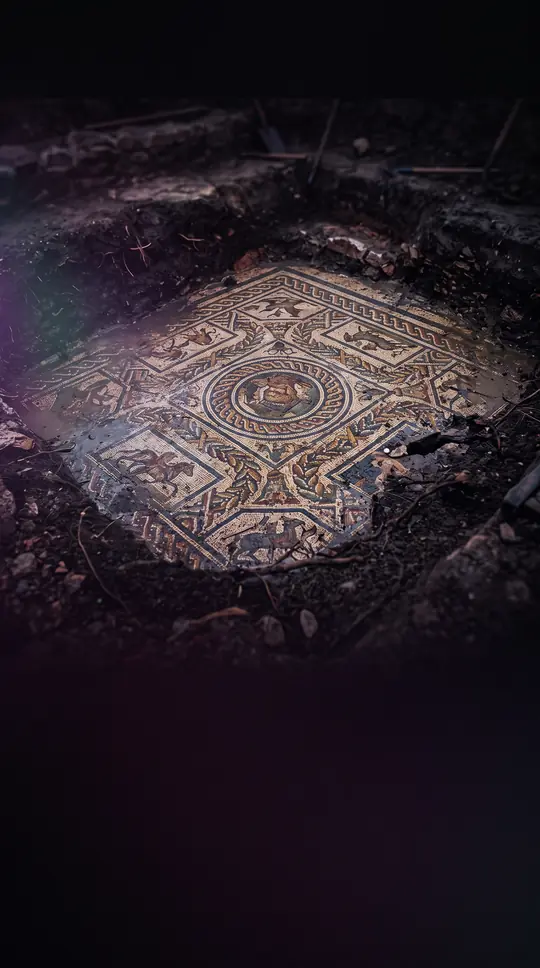 The moment British governance lost its grip on industrial powerExplore how a shift toward state planning and European integration ultimately backfired, leading to a breakdown in authority that defined the end of Britain's postwar era.
 Why fashion often triumphs over the comfort of clear visionExplore how the history of spectacles is defined by more than just optics. This lecture examines how shifting social attitudes toward appearance and the face have historically dic…
- How a single London quarter once housed seven major hospitalsExplore the forgotten history of a neglected London district that was once a massive healthcare hub, featuring a lecture by Professor Nick Black.
 Did New Labour actually succeed in ending the Thatcher era?After decades of ideological warfare, Britain entered a period where the old battles seemed fought to exhaustion. As Tony Blair rose to power, a question emerged: was his 'New Lab…
 How an egalitarian design philosophy reshaped Oxford's academic landscapeSt Catherine's College was born from a radical social experiment: making an elite education accessible to the poor. By prioritizing egalitarian architecture and non-collegiate sta…
 The evolution of Russian identity is written in its bannersRussia's national symbols are not static relics; they are a shifting visual dialogue between imperial legacy, Soviet triumph, and modern statehood. From the merchant tricolors of …
 How a military training event became a blueprint for genocideIn September 1941, the German Wehrmacht held a security conference in Mogilev. Ostensibly about fighting partisans, it served as a chilling mechanism to integrate regular army uni…
- The con man who turned a humble bar of soap into an empireJefferson Randolph "Soapy" Smith II didn't just steal money; he engineered elaborate psychological traps. From burying fake prehistoric humans to running organized criminal empire…
 The rise and rapid contraction of a celebrity burger empireWahlburgers transformed the brothers Wahlberg from Hollywood icons into restaurateurs, leveraging a reality TV hit to build a global footprint. However, the brand's journey from o…
 From family bakery to a multi-national empire of cake ATMsBuddy Valastro didn't just bake cakes; he engineered a media and retail dynasty. By blending traditional Italian heritage with high-tech vending machines and reality television, h…
 The woman who turned British mythology into a global fantasy epicSusan Cooper didn't just write stories; she wove the threads of Arthurian legend and Welsh folklore into a contemporary tapestry. Her work bridged the gap between ancient myth and…
- How a childhood of disruption forged a master of modern fantasyShe wrote about magic to survive a world that went mad. From the shadows of wartime evacuation to the lecture halls of Oxford, Diana Wynne Jones bridged the gap between traditiona…
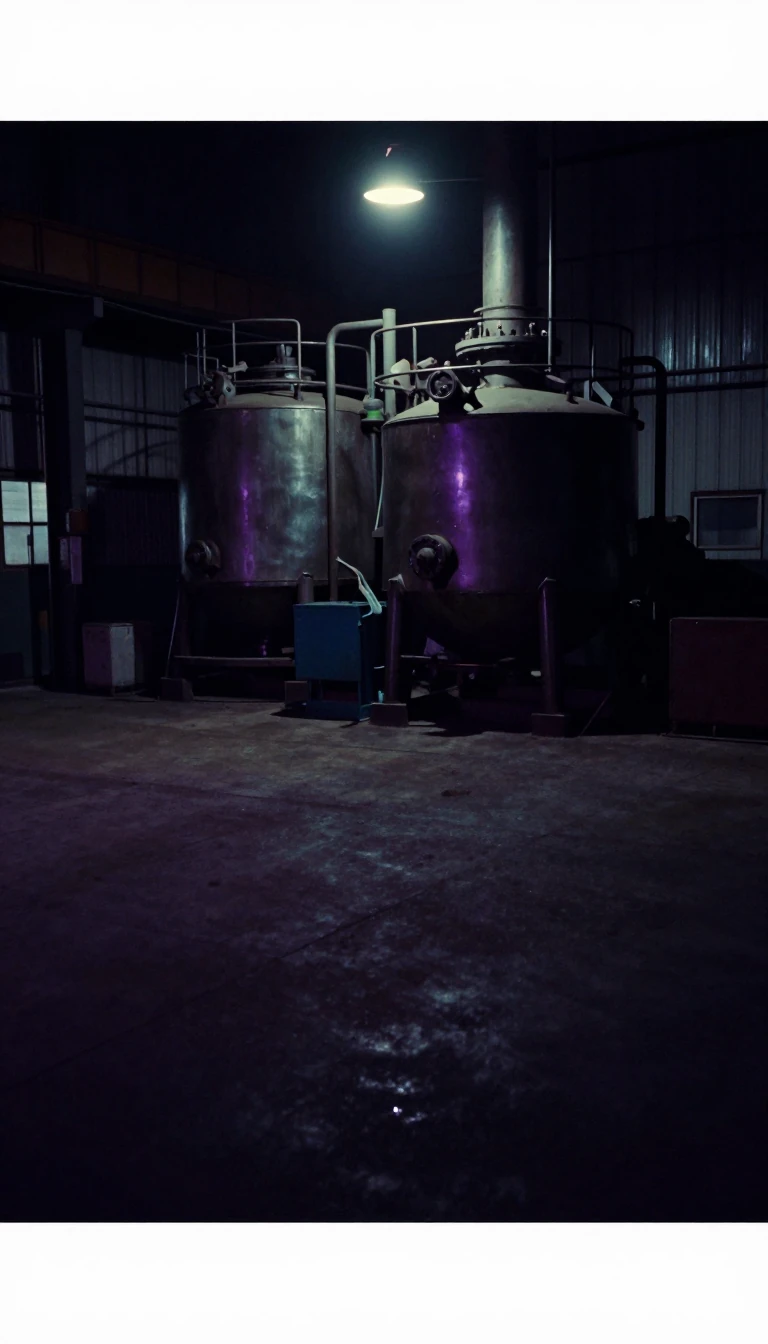 Before the electric motor, factories were powered by a single rotating spine.Imagine a factory where every machine, from looms to lathes, is physically tethered to a single overhead shaft. This was the line shaft: a massive, rotating backbone of steel that…
- The industrial revolution's hidden cost was a cycle of generational povertyBy the 1820s, half of England's workforce was under twenty. While factories are often blamed for child labor, many children worked in traditional roles like farming and domestic s…
 The Rise and Fall of the Paternalistic Company TownFrom the rivers of New England to the industrial heart of Poland, mill towns were more than just factories. They were self-contained worlds where corporations provided housing, sc…
 Can a unified regional partnership unlock £118 billion for the North?A new alliance of Northern Mayors is moving beyond Westminster-led initiatives. By uniting 15 million people under 'The Great North' partnership, local leaders aim to transform th…
 The woman who popularized EVOO and mastered the 30-minute mealRachael Ray did not begin her career in a professional kitchen but rather within a gourmet market. By noticing that many people felt reluctant to cook, she developed the 30 Minute…
 The engineering of fear: how shallow drafts conquered EuropeViking success wasn't just about raw aggression; it was a masterclass in naval logistics. By designing ships that could navigate rivers and beach on sand, they bypassed the strong…
 Why 'straight' lines are never actually straight in navigationIf you steer a ship or plane on a constant bearing, you aren't necessarily traveling in a straight line. Because of the Earth's curvature, maintaining a fixed heading creates a rh…
 How Napoleon used speed and columns to conquer much of EuropeNapoleon Bonaparte did not just rely on brute force to dominate the continent. By mastering rapid movement and specialized infantry formations, he dismantled disconnected enemy un…
 Why your fallen snack is riskier than the clock suggestsThe idea that you have a five-second window to rescue dropped food before it becomes toxic is a convenient myth. While time matters, science reveals that moisture, surface type, a…
 The vanished palace that hosted the rise and fall of empiresFrom the private sanctuary of Marie-Antoinette to the imperial seat of Napoleon, the Château de Saint-Cloud was a stage for French history. But how did a magnificent palace, once …
 Why did millions believe an electric fan could be a deadly weapon?For decades, a persistent fear gripped South Korea: that sleeping in a closed room with an electric fan could lead to death. While the mechanics of the myth are scientifically imp…
 The quest for world domination is more about influence than territoryHistory shows that while no single power has ever conquered every inch of Earth, the pursuit of universal rule is as old as civilization. From Mesopotamian kings to modern superpo…
- Is visiting disaster sites an act of empathy or a form of voyeurism?From the ash-covered streets of Pompeii to the radioactive exclusion zone of Chernobyl, travelers increasingly seek out the sites of human and natural catastrophes. While some aim…
- When nature breaks a contract, who pays the price?In legal terms, an 'act of God' is more than just a tragedy; it is a shield against liability. From lightning strikes to devastating floods, these events can discharge human oblig…
 How a single Australian farm grew to be larger than many nationsIn the vast expanse of the Australian outback, some cattle stations are so immense they dwarf small countries. From the legendary cattle drives of the 1880s to the massive corpora…
 Evolution often works by subtraction rather than additionWe often view evolution as a ladder of increasing complexity, but some of nature's most successful designs come from stripping away. From snakes to eels, many vertebrates have dis…
 Why the colors of a single nation became a continental identityMost national flags are unique identifiers, but some colors serve as a shared visual language for an entire continent. The specific shades found on many African flags aren't just …
- Ghana's 261 districts: A masterclass in decentralized governanceHow does a nation manage local development across diverse landscapes? Ghana solved this by fragmenting its regions into 261 distinct administrative units. This isn't just a map of…
 The Greek word for philosopher may be a translation of an Egyptian conceptWestern history often frames philosophy as a purely Hellenic invention. However, evidence suggests that the very root of the word 'philosopher'—a lover of wisdom—may be a translat…
 How a 1950s gossip columnist redefined the global eliteBefore the era of digital influencers, there was the jet set. Born from the speed of new jet engines, this social class traded the predictable rhythms of traditional high society …
 When logic is outsourced, imagination becomes the ultimate economic engineWe are moving beyond the Information Age, where success was defined by rational analysis and data processing. In the emerging Imagination Age, economic value shifts toward creativ…
 The pirate who became a literary blueprint for the anti-heroIn 1814, Lord Byron released a poem so popular it sold ten thousand copies on its first day. It didn't just create a bestseller; it codified the 'Byronic hero'—a brooding, mysteri…
 From oral traditions to the 'enlightened' rebels of the 19th centuryBefore the Spanish arrived, Philippine education was a communal, oral tapestry of trade skills and ancestral wisdom. The shift to formal schooling didn't just change how children …
 From religious elite circles to a trifocal system for allThe Philippine Department of Education is more than a modern bureaucracy; it is a historical map of the nation's identity. From Spanish-led religious instruction to American-manda…
- The boy emperor who led a vanguard into a Gothic trapIn 251, a child was elevated to the highest rank of the Roman Empire. Not as a figurehead, but as a commander sent to the front lines. His short reign ended in a brutal ambush tha…
- The king who was born from a touchIn Greek mythology, Epaphus is the man whose very name means 'touch.' Born of Zeus and Io, his life serves as a bridge between divine intervention and the founding of one of histo…
 The salt monopoly that fueled empires and fueled rebellionsBecause salt is a biological necessity, the Chinese state transformed it into a powerful political tool. By controlling production and selling rights to merchants, the government …
- The ancient geometry of protection woven into a single threadIn many cultures, a simple piece of string is more than just fiber. It is an apotropaic tool—a ritual barrier designed to ward off misfortune. From the Vedic period to modern Indi…
 India is seeking to nearly double its maritime territory through scienceIndia currently holds the 18th-largest exclusive economic zone in the world, but it is moving to expand its reach significantly. By leveraging new geological data, the nation aims…