 Intellect Plus
History
21,004 cards. Each one is a 40-second story with a five-minute read behind it. Page 63 of 351.
Subtopics: 19th century · 20th century · Africa · Age of Exploration · Ages & eras · Ancient · Ancient China · Ancient egypt · Ancient greece · Ancient rome · Ancient trade · Archaeological discoveries · Archaeology · Astronomy · Australia · Auxiliary historical sciences · Babylon · Basics · Born on this day · Bronze age · Buddhism · Case studies · Chefs, bartenders and winemakers · China · Cities · Climate · Columbus · Contemporary (1945-) · Cosmetics people · Crime · Criminals · Decipherment · Deep time · Disasters · Early modern · Education · Egypt · Empires · Empires & civilisations · Exploration · Explorers · Extinction · Fandom, conventions and festivals · History by continent and large region · History by continent and region · History by country · History by country, small region and city · History by ethnicity · History by subject matter · History by topic · Inca · India · Industrial Revolution · Japan · Kings & queens · London · Mass hysteria · Medicine · Medieval kingdoms · Medieval life · Mediterranean · Mercedes-Benz History · Mesopotamia · Middle ages · Military leaders and theorists · Military leaders, personnel, and theorists · Ming dynasty · Misconceptions · Modern · Modern (1800-1945) · Napoleon · Navigation · North africa · Other · Pacific · Pharaohs · Philippines · Pirates · Post-classical · Prehistory · Propaganda · Public health · Rebels, revolutionaries and activists · Renaissance · Researched · Second world war · Shipwrecks · Silk Road · South america · Tradespeople · UK & Ireland: history · United states · Vikings · Volcanoes · Women in history
 The Inca Trail is a high-altitude gauntlet of ancient engineeringTo reach the Sun Gate, trekkers must navigate three overlapping paths through Andean cloud forests and alpine tundra. This isn't just a hike; it is a journey through 500 BC histor…
 The ancient universities that shaped the foundations of global scholarshipLong before modern campuses, the Indian subcontinent hosted legendary centers of learning where scholars traveled vast distances to study medicine, grammar, and philosophy. These …
 The Inca used specialized tubers to make soldiers forget their spousesInca cuisine was a sophisticated feat of engineering and social hierarchy. By mastering diverse microclimates through mountain terracing, they cultivated a vast array of staples. …
 How the Inca built earthquake-proof cities using 'dancing' stonesInca masonry is often cited as a pinnacle of ancient engineering, but the secret isn't just in the precision of the cuts. By mastering the physics of seismic movement and the chem…
- The 'Young Peak' that guards the secrets of the Inca citadelRising just 260 meters above the famous Lost City, Huayna Picchu is more than a scenic backdrop. It houses elite underground complexes and sacred spaces that suggest a complex soc…
 The 2,000-year-old ritual of 'Sitting the Month' for new mothersIn China, childbirth triggers a profound cultural transition known as Zuò yuè zi. For centuries, this practice has mandated strict seclusion and specific dietary rituals to protec…
 Why some societies prioritize your conscience while others watch your faceIs morality an internal compass or a public performance? Anthropologists distinguish between guilt, shame, and fear as the primary engines of social order. While one culture might…
 The title of 'King of Sumer and Akkad' was a calculated political invention.For centuries, the Akkadian empire ruled Mesopotamia as two distinct entities. It wasn't until nearly 400 years after its collapse that a new king deliberately fused their names i…
 The angels who were dared to be humanIn Islamic mythology, two angels descended to Earth not as rebels, but as participants in a divine wager. They were tasked with proving that they could resist the temptations of h…
 A tragic love triangle fueled by honor, theft, and a stolen headdressIn the 13th-century Laxdæla saga, a lifelong friendship between two warriors dissolves into a lethal feud. What begins as a shared affection for a beautiful woman spirals into a c…
 From Roman Villas to Viking Raids: Normandy's Layered IdentityNormandy is often defined by its medieval history, but its roots stretch back to Neolithic footprints and Roman villas. Before it became a seat of ducal power, the region was a co…
 The logistics of the Silk Road required more fodder than freightMoving goods across the Gobi Desert was a feat of endurance that required a massive logistical tail. To transport 100 loads of merchandise, a caravan had to carry roughly 30 loads…
 Why human rights are as essential as daily breadFor laborers during the Industrial Revolution, survival meant more than just a paycheck. It required dignity. The slogan 'Bread and Roses' captured this dual necessity: while brea…
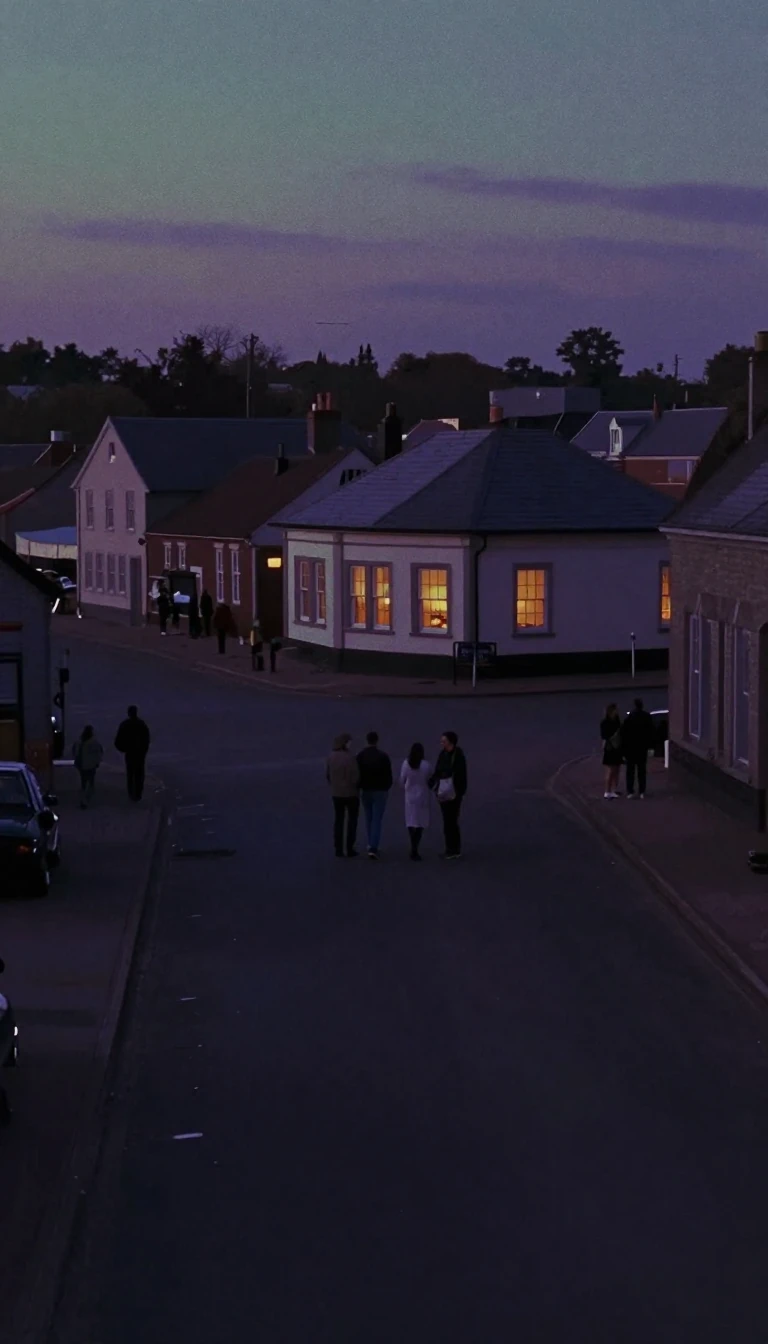 The town that gave the US military its first dress uniformBefore it was a logistics hub, Uxbridge was the engine of the American Industrial Revolution. From pioneering the woolen industry to manufacturing the first official U.S. Air Forc…
 The city built on water power, labor strife, and industrial tragedyIn 1845, a consortium of industrialists harnessed the Merrimack River to create a textile powerhouse. But the rapid rise of Lawrence, Massachusetts, was paved with dangerous labor…
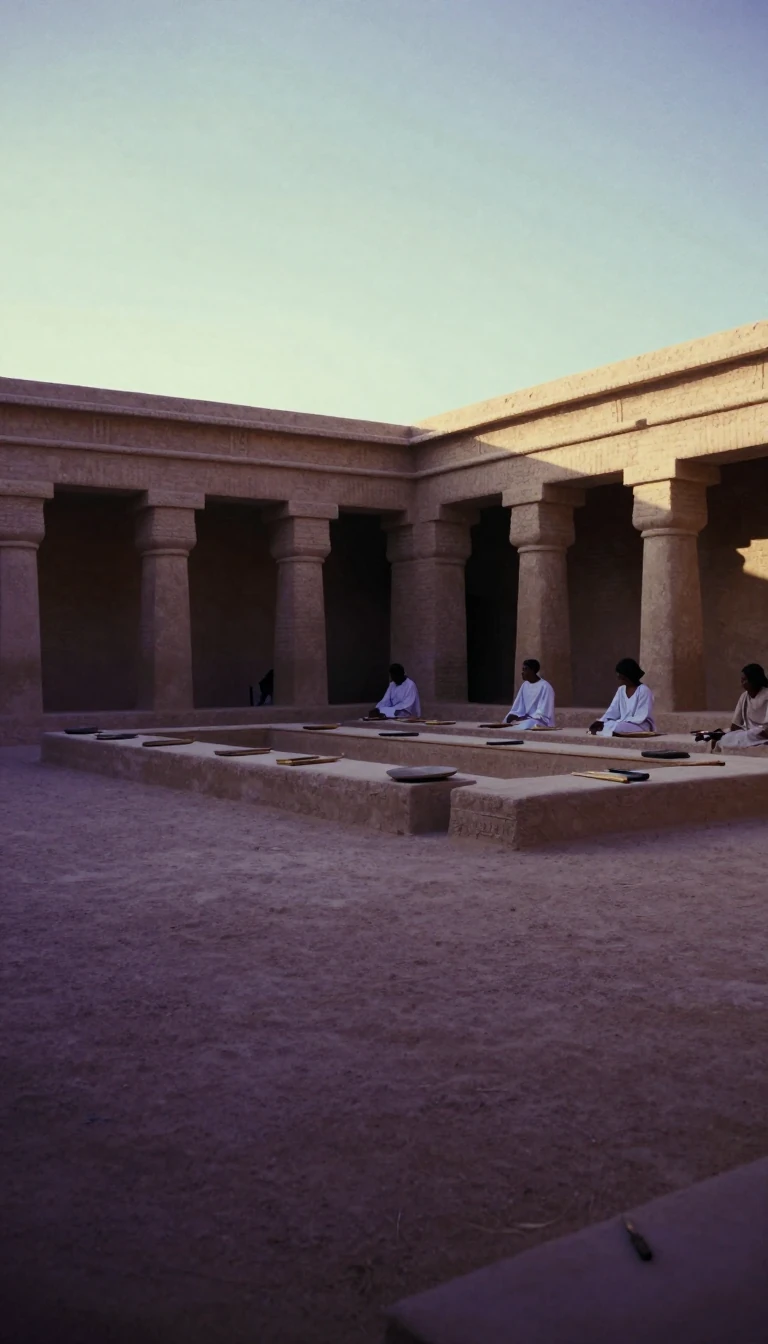 From the House of Life to the modern classroomEgypt's educational history is a journey from the world's first library to a complex dual system of religious and secular learning. While modern schools face funding hurdles, they…
 Is the barrier actually the language, or our lack of translation?We often view different tongues as walls that separate us. However, some argue that languages themselves aren't the problem—they are simply tools for expression. The real barrier …
 From a forgotten day to a global movement for recognitionFor decades, women's contributions were often left out of the national narrative. What began as a local march in California transformed into a formal federal observance, shifting …
 The Byzantine exodus that sparked the European RenaissanceWhen the Byzantine Empire fell in 1453, it triggered a massive migration of scholars to Western Europe. These émigrés didn't just bring luggage; they carried the preserved remnant…
 The safety arms race making our roads more dangerousWhy are cars getting bigger? It is a phenomenon known as autobesity. While drivers buy larger vehicles to feel safer, this creates a spiraling effect that increases kinetic energy…
 The island that inspired Moby Dick and hosted pirate supply basesMocha Island is a landscape of maritime ghosts and geological upheaval. From serving as a strategic outpost for 16th-century privateers to inspiring one of literature's most famou…
 From Cartographers to Corsairs: The Jewish History of Maritime RevengeAfter being expelled from Iberia, many Jews traded their navigational expertise for pirate ships. They didn't just raid for gold; they waged a sophisticated campaign of economic w…
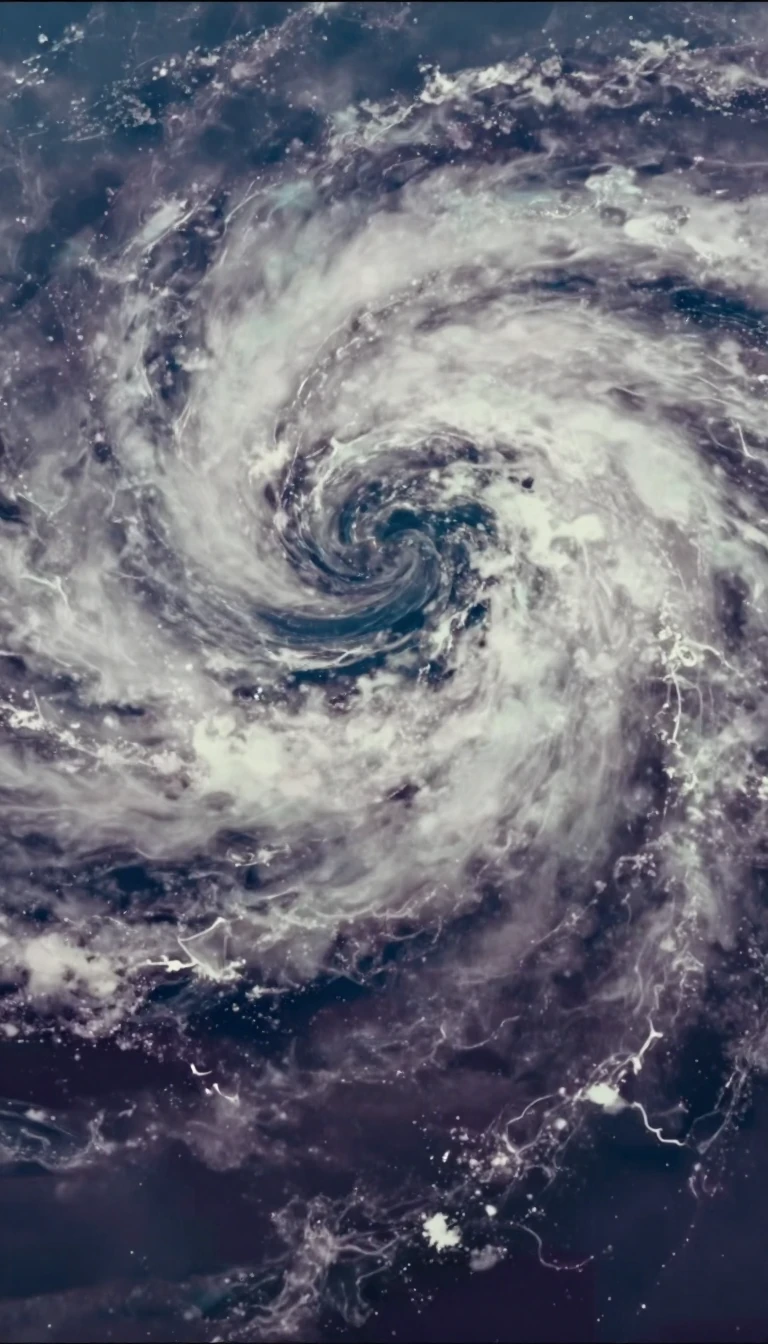 The shifting winds and seasonal extremes of the Philippine archipelagoBeyond the tropical heat lies a complex dance of monsoons and typhoons. From the heavy rains of the Habagat to the drought-inducing Amihan, the Philippines' climate is a high-stak…
 The invisible web of profit behind Southeast Asia's choking hazeIn 2019, a thick veil of smog paralyzed Southeast Asia, turning clear skies into a public health crisis. While the smoke was visible, the underlying mechanism was a complex, multi…
 From Bankrupt to Best: The Evolution of the Philippines' Central BankThe Bangko Sentral ng Pilipinas (BSP) didn't always enjoy its reputation as a premier regulator. It survived a path of political manipulation, massive insolvency, and a total stru…
 Why a single grade in the Philippines means something different everywhereIf you are moving between universities in the Philippines, your transcript might be a puzzle. There is no national standard for grade equivalence, meaning a high mark in one insti…
 The queen who might not have existed in historyWas Cleopatra VI a daughter, a mother, or a ghost in the records? Her brief reign as a co-queen of Egypt is shrouded in such genealogical fog that historians still debate if she w…
 The woman who anchored the dawn of Egypt's New KingdomBefore the fame of Tutankhamun or Ramses, there was Ahmose-Nefertari. As the first Great Royal Wife of the 18th Dynasty, she provided the dynastic stability necessary to launch on…
 The legendary Pharaoh who conquered Europe and AsiaAncient Greek historians described a king named Sesostris who led armies from Egypt into the heart of Europe. But was he a real conqueror, or a magnificent composite of several di…
 The famous warning about China's awakening was likely never said by NapoleonWe often hear that Napoleon Bonaparte warned the world to let China sleep lest it wake and shake the globe. Yet, historians find no evidence he ever uttered these words. Instead, …
 Why your compass heading is rarely your actual pathWhen navigating a vessel or aircraft, pointing the nose in one direction does not guarantee you will travel in that direction. Between shifting magnetic poles and the metal in you…
 The queen who might be two people at onceCleopatra V Tryphaena is one of history's most elusive royals. Because of a lack of primary records, scholars are still debating whether she died in 69 BC or lived until 57 BC, po…
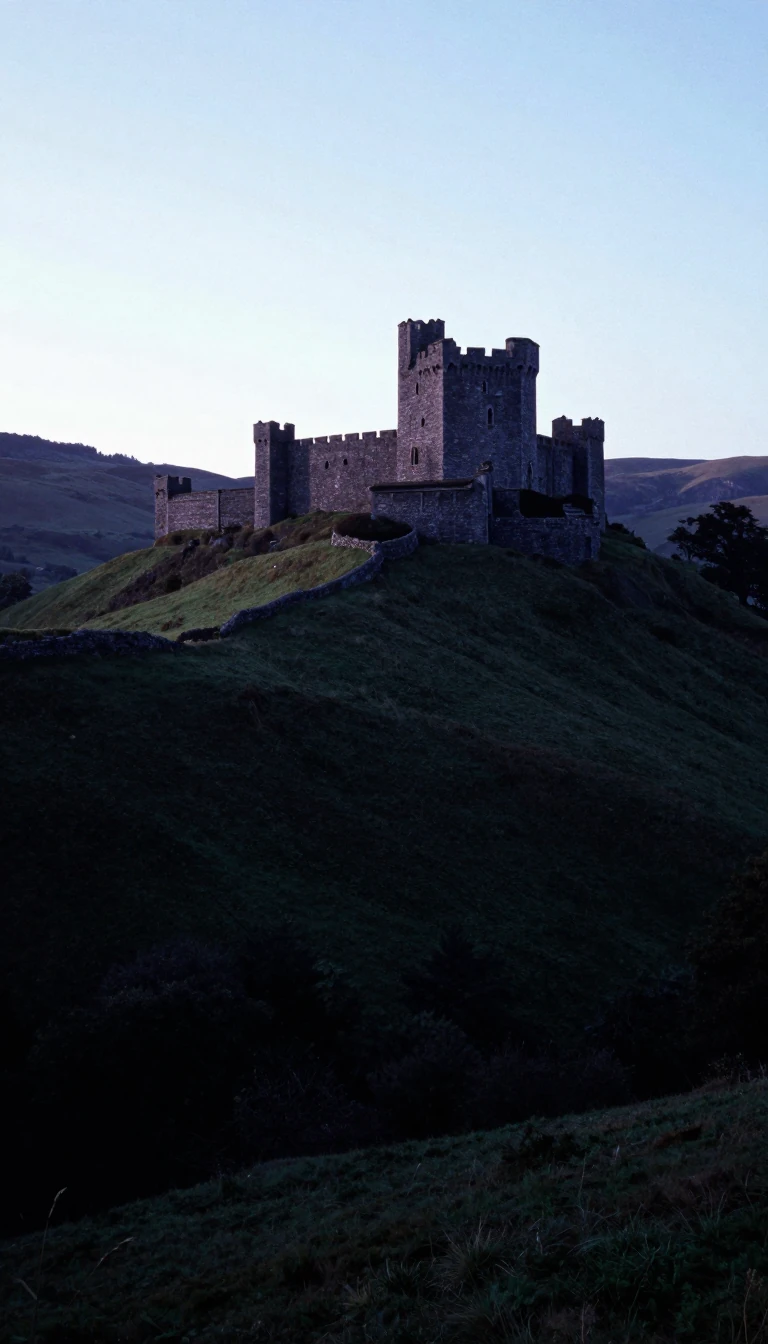 The castle that was rebuilt as an imperial fantasyIn 1810, Napoleon I purchased a crumbling ruin for less than 3,000 francs. It wasn't just a pile of stones; it was a canvas for a reimagined Middle Ages. What followed was one of …
 Napoleon's private bank became the anchor of global monetary powerBorn from the chaos of the French Revolution, the Bank of France was designed to restore trust in a shattered economy. While founded as a private corporation with state ties, it e…
 The Emperor's final stop before exile was a French châteauBefore Napoleon I departed for his permanent exile on Saint Helena, he spent one final night at the Château de Rambouillet. This historic estate, which served as a summer residenc…
- The invisible rules of English that you were likely taught incorrectlyFrom splitting infinitives to starting sentences with 'but', much of what we consider 'proper' English is actually a collection of modern myths. Many of these perceived errors are…
 The Roman Empire's invisible border: How language split a civilizationFor centuries, the Roman Empire was not just one entity but two distinct worlds. While Rome ruled both, a linguistic and cultural divide between the Greek-speaking East and Latin-…
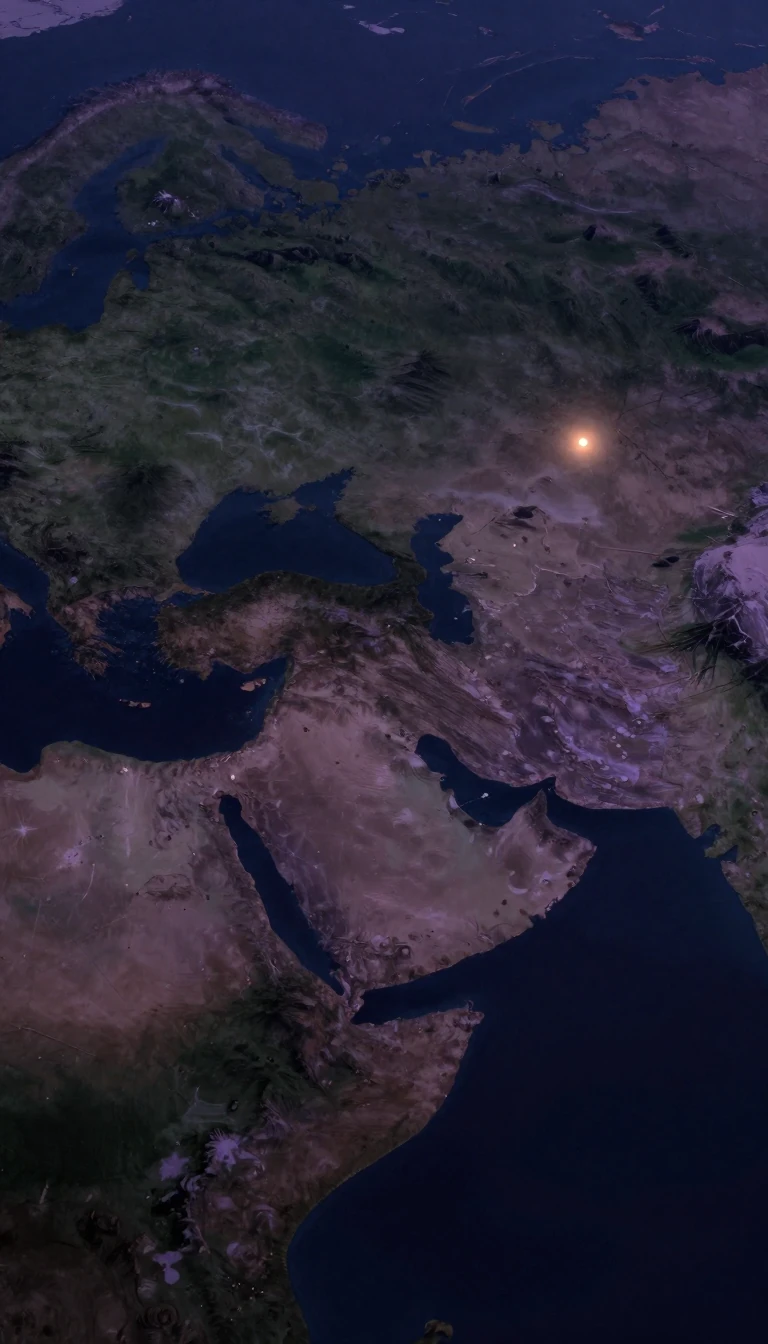 The genetic corridor that linked the Nile to the MediterraneanA single Y-chromosome mutation, known as E-V68, traces a massive human migration. From the ancient Nile Valley to the Balkans and Iberia, this lineage reveals how shifting climate…
 The world's first business school was born from Napoleonic soldiersBefore the modern corporate world existed, two former soldiers of Napoleon founded a school to teach commerce. Established in 1819, ESCP Business School became a pioneer of cross-…
 London's demographic shift: when a city outgrows its own majorityFor most of its history, London was ethnically homogenous. That changed rapidly in the late 20th century. By 2011, the city reached a historic tipping point where White British re…
 The secret architecture of the world's most elite law firmCravath is not just a law firm; it is a blueprint for corporate power. By perfecting a specific system of hiring and training, it shaped how American business operates. From secur…
 London is sinking faster than its neighbors due to a hidden thirstWhile London's climate is defined by mild winters and temperate summers, a more subterranean crisis is unfolding. The city isn't just facing rising tides; it is physically descend…
 From a magazine livestream to a global cultural powerhouseWhat began as a simple request for a magazine mix has transformed into one of the world's most influential music broadcasters. Boiler Room didn't just stream sets; it built an int…
 The shifting power of Egypt's legislative chamber through 135 years of historyFrom the People's Assembly to the House of Representatives, Egypt's lower house has undergone seven distinct parliamentary systems since 1866. While its constitutional powers incl…
 From Ancient Geometry to Psychedelic Rock: The Global Arc of IndomaniaFor centuries, India has fascinated the world as a land of paradoxes—a place where people lived in cities but were not fixed to them. This enduring fascination, known as Indomania…
 The coffee houses that mapped the world's shipping lanesBefore high-frequency trading and digital ledgers, the global maritime economy was negotiated over coffee. The Baltic Exchange traces its lineage to 18th-century coffee houses, wh…
- From Vedic Vedas to Royal Arenas: The Evolution of Indian CombatIndian martial arts are not just fighting styles; they are a sophisticated tapestry of philosophy, dance, and military science. From ancient duels lasting forty-five days to the s…
 The 3,000-year-old science of alcohol-free fragrance and its royal historyLong before modern perfumes relied on alcohol, ancient civilizations mastered the art of distilling botanical essences into potent oils. From the Silk Road to the Mughal courts, t…
 The world's largest ship graveyard is a hub of industrial paradoxIn Gujarat, India, massive ocean liners and super-tankers are beached on mud flats to be dismantled by hand. This site processes over a third of the world's retired freight ships,…
 The Andean blade that served as a tool, a coin, and a god.In the Central Andes, the tumi was far more than a simple knife. It was a versatile instrument of survival and spirituality, capable of performing complex brain surgery, facilitat…
 The Inca Empire used sequestered women as a tool of statecraftTo build an empire without money, the Inca relied on a system of reciprocity. They achieved this by selecting girls from conquered lands to become aclla—women who served as living…
- The 'Cradle of Gold' was a fortress of final resistanceHidden in the rugged Vilcabamba mountains, Choquequirao was more than a scenic ruin. It served as a sophisticated administrative hub, a sacred ceremonial center, and one of the fi…
 Can we breed the ghosts of extinct animals back into existence?When humans wiped out wild species, they left behind a genetic blueprint buried in our domestic livestock. Breeding back is a high-stakes attempt to unearth those ancient traits, …
- The math of extinction: how many species vanish every year?To understand if humans are accelerating the loss of life, scientists first have to calculate the 'normal' pace of extinction. By looking at the fossil record, they can establish …
 How empires conquered nations without ever officially owning themYou don't need to plant a flag or sign a treaty to rule a country. By leveraging trade, debt, and military threats, powers can create an "informal empire"—a sphere of influence wh…
 Can controlling a river create a permanent, inescapable despotism?In arid lands, water is more than a resource; it is the ultimate lever of power. The 'hydraulic empire' theory suggests that when a state monopolizes irrigation, it creates a cent…
 Before they were manufacturing hubs, 'factories' were fortresses of global tradeThe word factory doesn't always imply assembly lines. In the medieval and early modern eras, a factory was an entrepôt—a sophisticated hybrid of a warehouse, customs house, and de…
 The ancient canal that failed because it was too highFor centuries, engineers tried to link the Nile to the Red Sea. They were repeatedly thwarted by a simple geographical reality: the sea was higher than the land. It took nearly 2,…
 The mystery of Rongorongo: a script that may not be writingFor over a century, scholars have struggled to crack the code of Easter Island's Rongorongo. Is it a lost language or a sophisticated mnemonic device? The truth lies in a complex …
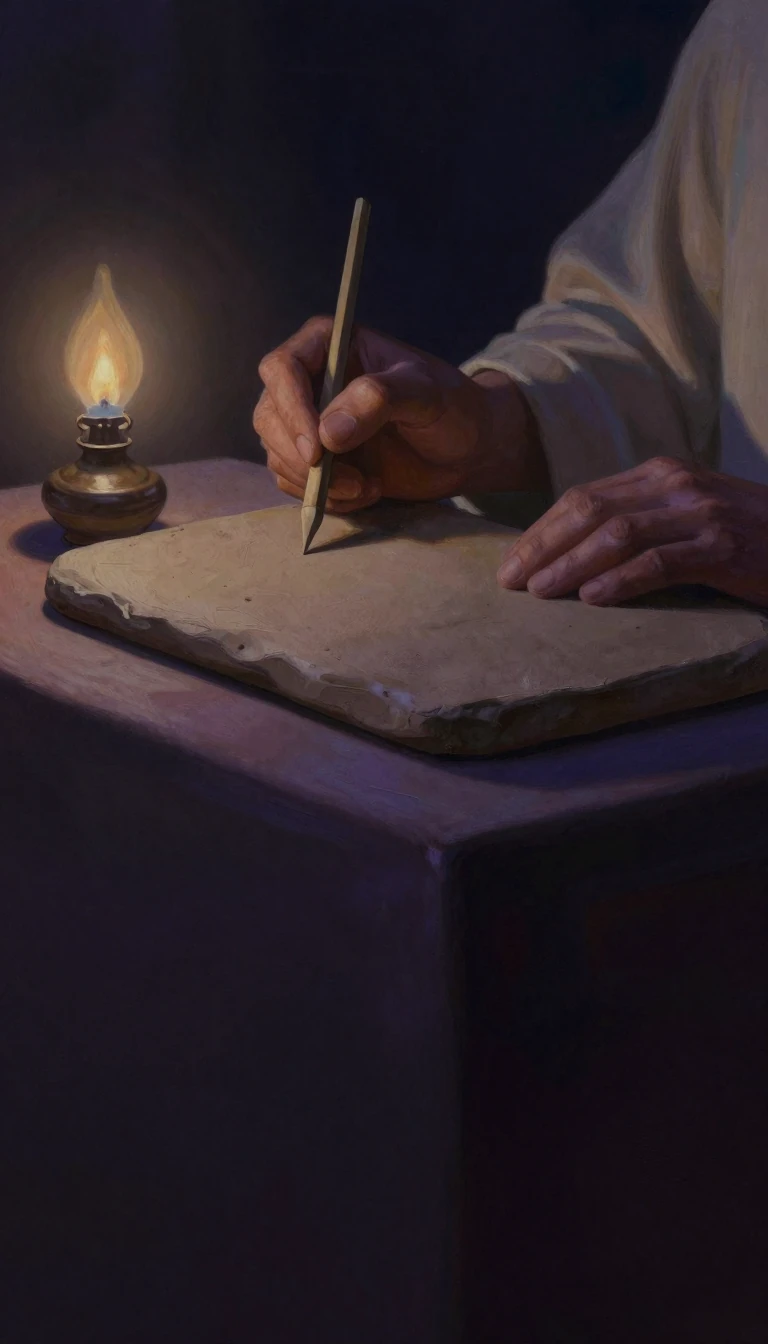 How a 2,500-year-old script was lost and then rebornCuneiform vanished so completely that the Greeks were practically unaware of its existence. This complex system of wedge-shaped marks fell into oblivion as more efficient scripts …