 Intellect Plus
Countries & Cities
15,124 cards. Each one is a 40-second story with a five-minute read behind it. Page 203 of 253.
Subtopics: Africa · Americas · Ancient cities & ruins · Asia · Australia & New Zealand · Basics · Bodies of water · Canada · Capes · Capital cities · Caribbean & Pacific islands · Castles & palaces · Cathedrals & churches · China · Cities · Countries · Countries and other regions · Countries of the world · Countries: General · Deserts · Eastern Europe · Europe and Russia · Famous landmarks · Famous streets & squares · Flags & symbols · France · Germany & Central Europe · Ghost towns · Greece & Turkey · Historical cities · Historical cities, towns and archaeological sites · India & South Asia · Islands · Isthmuses · Italy · Japan & Korea · Land relief · Major world cities · Maps & cartography · Microstates & enclaves · Middle East · Mountain peaks and volcanos · Mountains · National parks · Non-city settlements · Oceania · Other hydrological features · Other terrestrial features · Parks, preserves, and World Heritage Sites · Peninsulas · Polar regions · Ports & harbours · Regions and country subdivisions · Rivers & lakes · Scandinavia · Seaside towns · South America · Southeast Asia · Spain & Portugal · Technical geography · UK & Ireland: places · UK & Irish cities · United States landmarks · Urban studies and planning · US cities · Vegetation features · World Heritage Sites
 How a Brazilian port city became the world's gateway for coffee and football legendsFounded in 1546, Santos evolved from a colonial trading post into a global economic powerhouse. Today, it manages nearly 30% of Brazil's trade while housing the world's largest be…
 Temuco: A Chilean City Built on Military Might and Indigenous RootsFounded as a military fort in 1881, Temuco has transformed from a frontier encampment into a thriving, diverse metropolitan hub. Nestled in the heart of the historic Araucanía reg…
 From a Tsarist mill town to a hub of Kazakh cultureNestled on the Tobol River, Kostanay serves as a living timeline of Central Asian history. It evolved from a 19th-century Russian settlement into a vital industrial and cultural c…
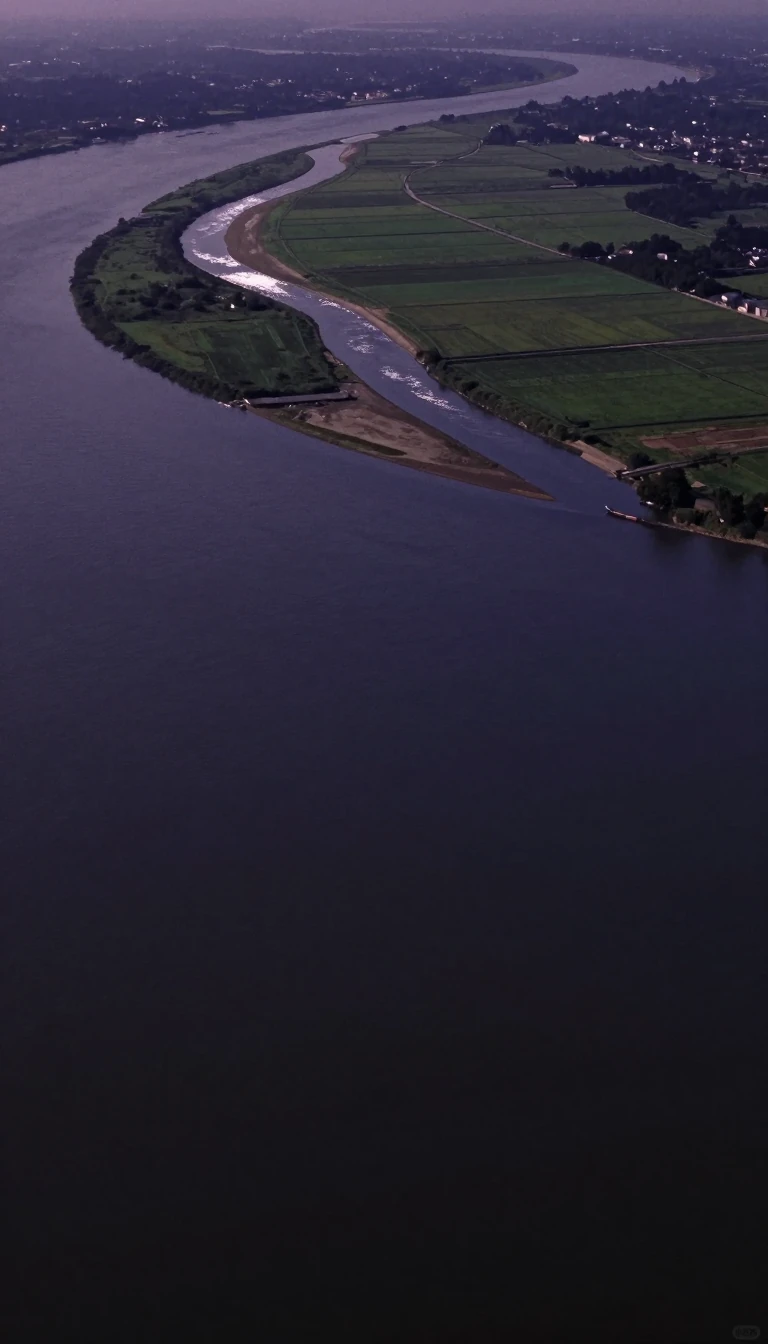 Why is this Argentine city often mistaken for a historic town in southern Spain?Nestled in the Lerma Valley at an altitude of 1,200 metres, Salta is frequently cited as Argentina's most Spanish-looking city. Beyond its colonial architecture and neoclassical p…
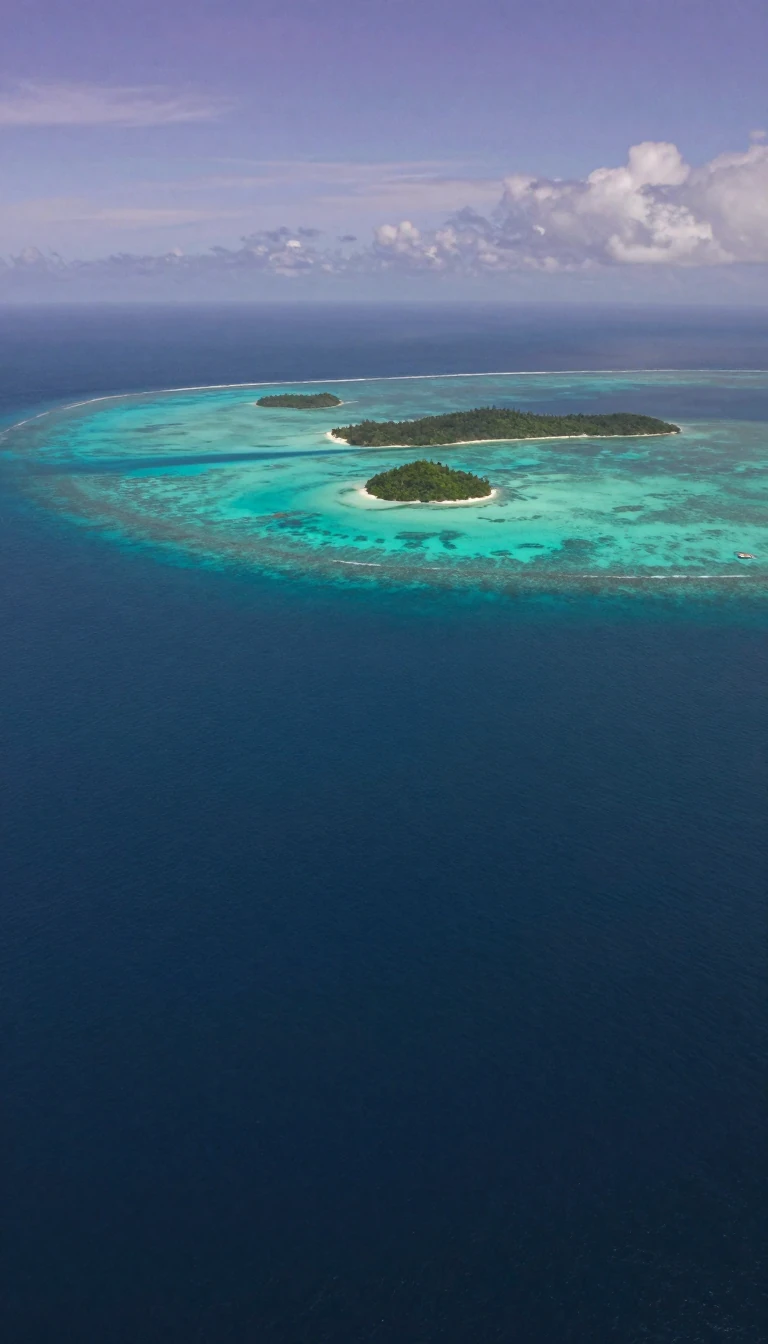 A river confluence shaped the destiny of northern Japan's Kitakami BasinNestled where the Kitakami, Shizukuishi, and Nakatsu rivers meet, Morioka has been a center of human life since the Paleolithic era. From ancient Emishi tribes to the powerful Nam…
 Why this high-altitude Colombian city is known as the theological city of the regionNestled in the Andes at the foot of an active volcano, Pasto has long served as a cultural and religious anchor. From its colonial roots as a royalist stronghold to its vibrant an…
 Pereira: The Colombian city that rose from jungle ruins to economic powerhouseNestled in the Andean foothills, Pereira is the beating heart of Colombia's Coffee Axis. Once a forgotten site of colonial ruins, this city has transformed into a vital logistical…
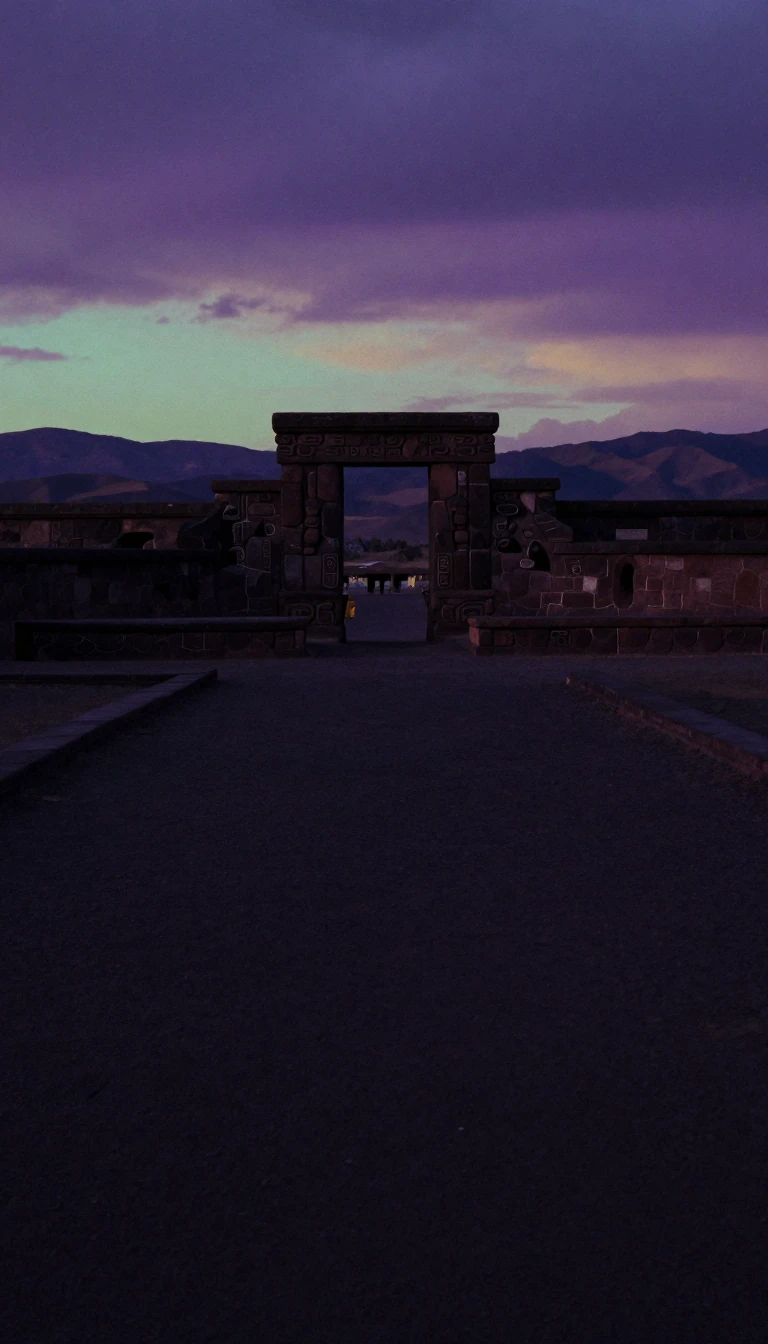 High in the Bolivian Altiplano, a city built on silver and tin celebrates its heritage.Perched at over 12,000 feet, Oruro is a city defined by its mineral wealth and cultural depth. Founded in 1606, this high-altitude hub transitioned from a colonial silver center t…
 How a remote Brazilian mining town became the epicenter of a colonial golden ageFounded in the late 17th century, Ouro Preto grew from a rugged gold-mining settlement into the opulent capital of Minas Gerais. Its isolation during the 19th and 20th centuries i…
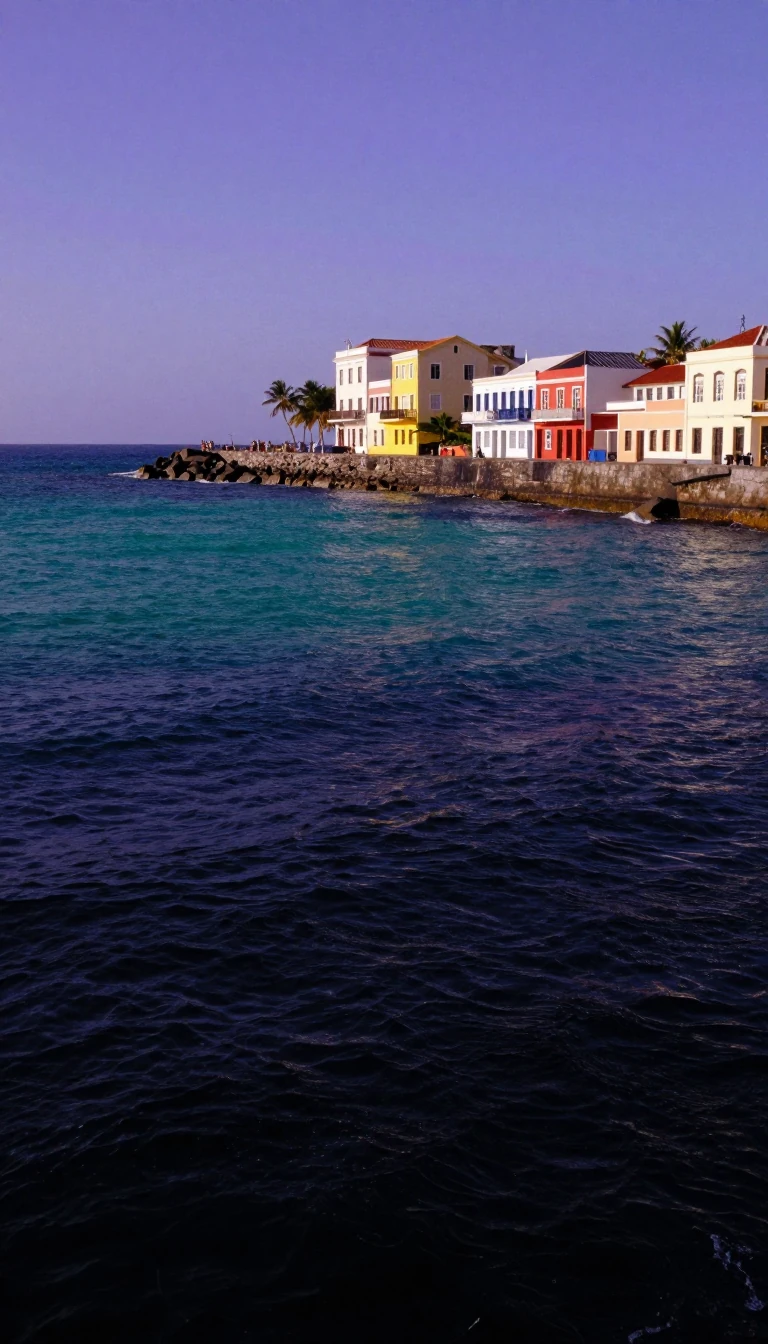 Palmas: The Brazilian capital built from scratch to transform a forgotten agricultural frontierFounded in 1990, Palmas was designed as a modern administrative hub for the newly created state of Tocantins. With urban zoning inspired by the national capital, Brasília, this ci…
- Rio Branco: How a remote rubber outpost became the capital of the Amazon frontierDeep in the westernmost reaches of the Brazilian Amazon, Rio Branco stands as a testament to the rubber boom. Once a collection of workers' shacks on the Acre River, this city has…
- How a Brazilian Port City Became the Easternmost Point of the AmericasJoão Pessoa, the capital of Paraíba, holds a unique geographical distinction as the easternmost city in the Americas. Founded in 1585, this historic port has survived colonial con…
 Why this Andean city is known as the musical capital of the AmericasPerched in the Colombian Andes, Ibagué is more than a regional administrative hub. Known for its prestigious conservatory and deep-rooted folklore, the city balances its identity …
- The world's largest city unreachable by road is a jungle metropolis built on rubberDeep in the Peruvian Amazon lies Iquitos, a sprawling city of nearly half a million people accessible only by river or air. Once the epicenter of a global rubber frenzy, this isol…
 Why is this Brazilian capital designed like a fan in the middle of the jungle?Boa Vista is a planned city in the heart of the Amazon, uniquely positioned as Brazil's only state capital situated completely above the equator. With a radial layout inspired by …
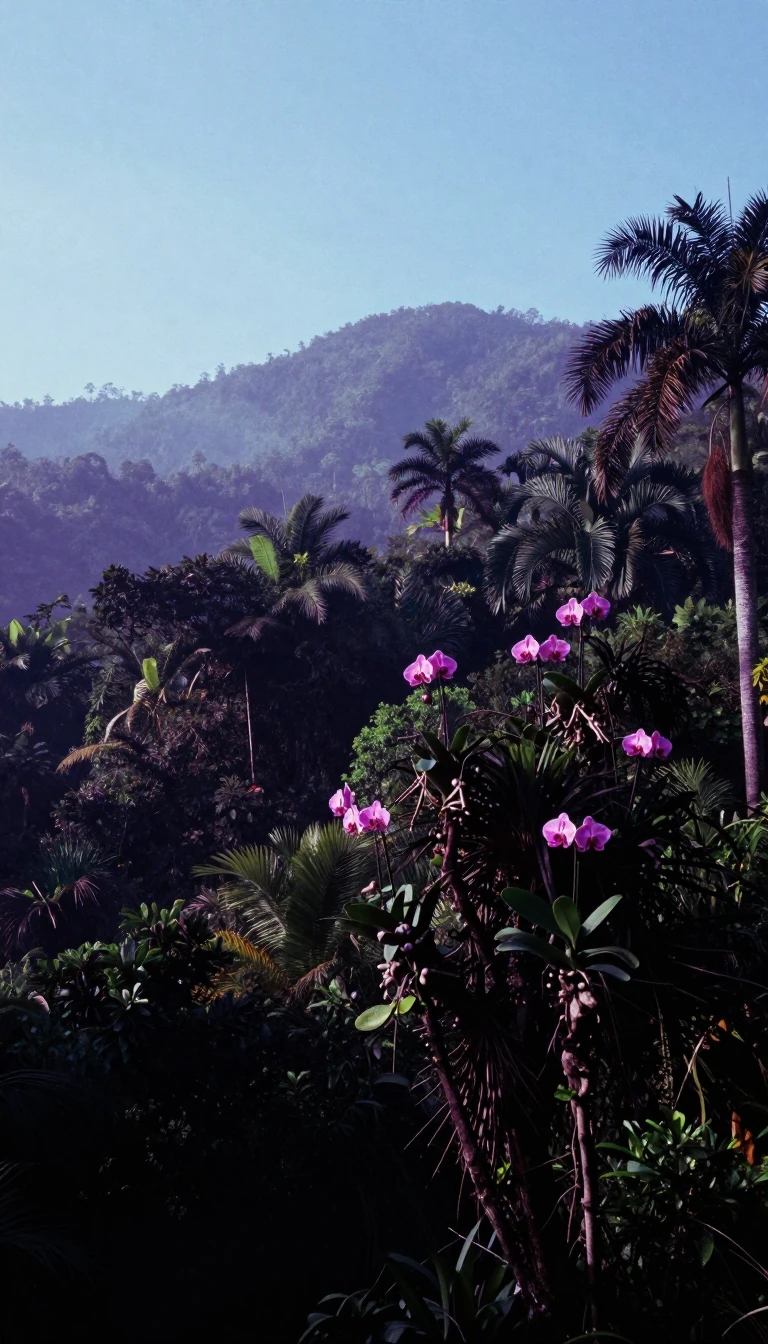 Perched on the Andean slopes, Bucaramanga is Colombia's hidden industrial and botanical powerhouse.Founded in 1622, this high-altitude city in the Cordillera Oriental has evolved from a gold-mining settlement into a major manufacturing hub. Known for its pleasant climate and ab…
- Arica is the driest inhabited place on Earth and a site of ancient mummification.Perched on the edge of the Atacama Desert, this Chilean port city holds a record for near-zero rainfall. Yet, its history is deep, home to the world’s oldest mummification culture…
- Chiclayo: The Northern Peruvian Hub Built on Ancient Moche Engineering and Modern TradeKnown as the Heroic City, Chiclayo serves as a vital commercial center in northern Peru. Beyond its modern role in agriculture and finance, the city acts as a gateway to extraordi…
 Ciudad del Este: The Paraguayan boomtown built on trade, smuggling, and the Triple Frontier.Rising from dense jungle in the 1950s, Ciudad del Este is Paraguay’s second-largest city and a massive free-trade hub. Sitting at the Triple Frontier where Paraguay, Brazil, and A…
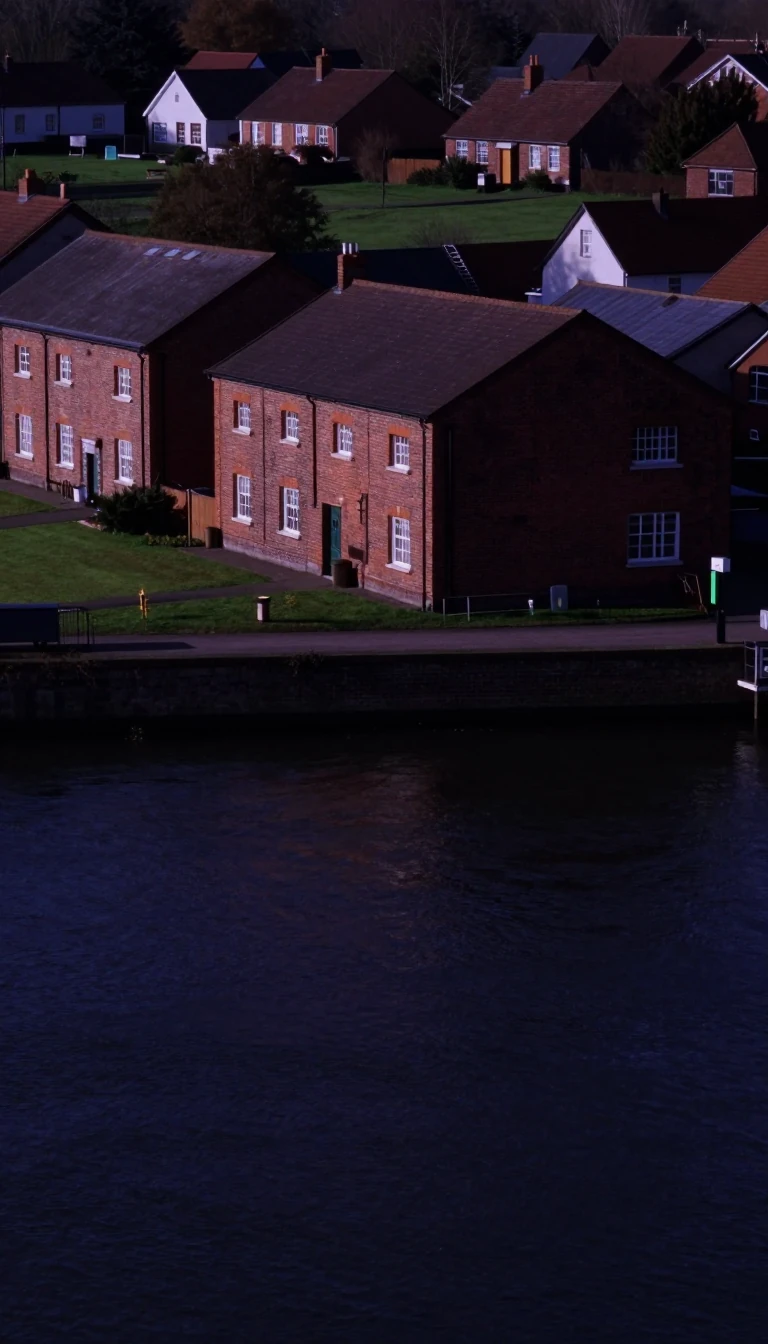 Why does a Venezuelan industrial hub look like a 1970s American suburb?Ciudad Guayana is a planned city defined by its dual identity. While its roots trace back to colonial-era struggles for El Dorado, its modern layout was designed by Harvard and MI…
 Cúcuta: The Colombian Border City That Forged a Nation and Survived Total DestructionPerched on the Venezuelan border, Cúcuta is more than a transit hub. It is the birthplace of Gran Colombia, a site of colonial resistance, and a city that literally rebuilt itself…
 Aracaju: The Purpose-Built Coastal Capital Designed to Solve a Centuries-Old Logistics ProblemFounded in 1855, Aracaju was not a product of organic growth but a deliberate administrative intervention. By relocating the capital from the inland city of São Cristóvão to the c…
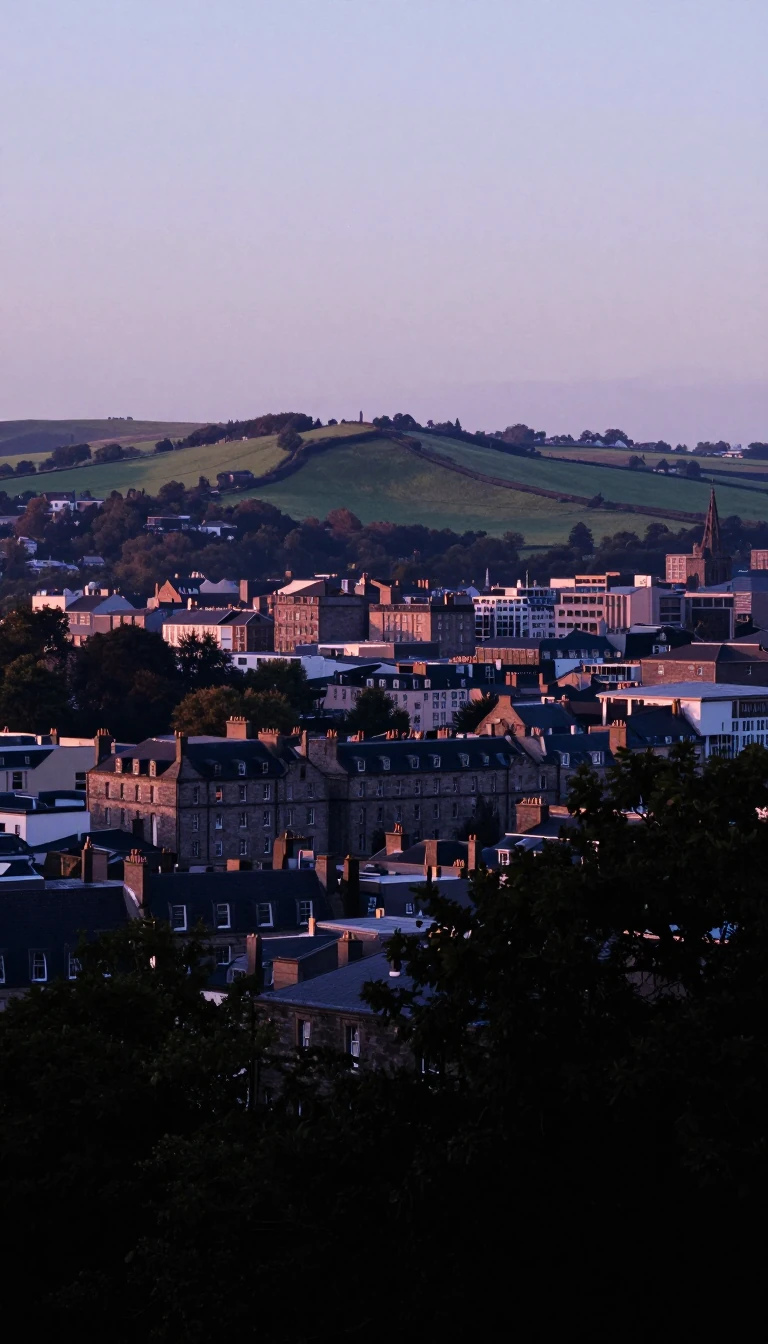 Why cities grow outward even when their populations shrink or stay the sameUrban sprawl is often blamed on rising populations, but data reveals a more complex reality. In many regions, the physical footprint of cities expands far faster than the number o…
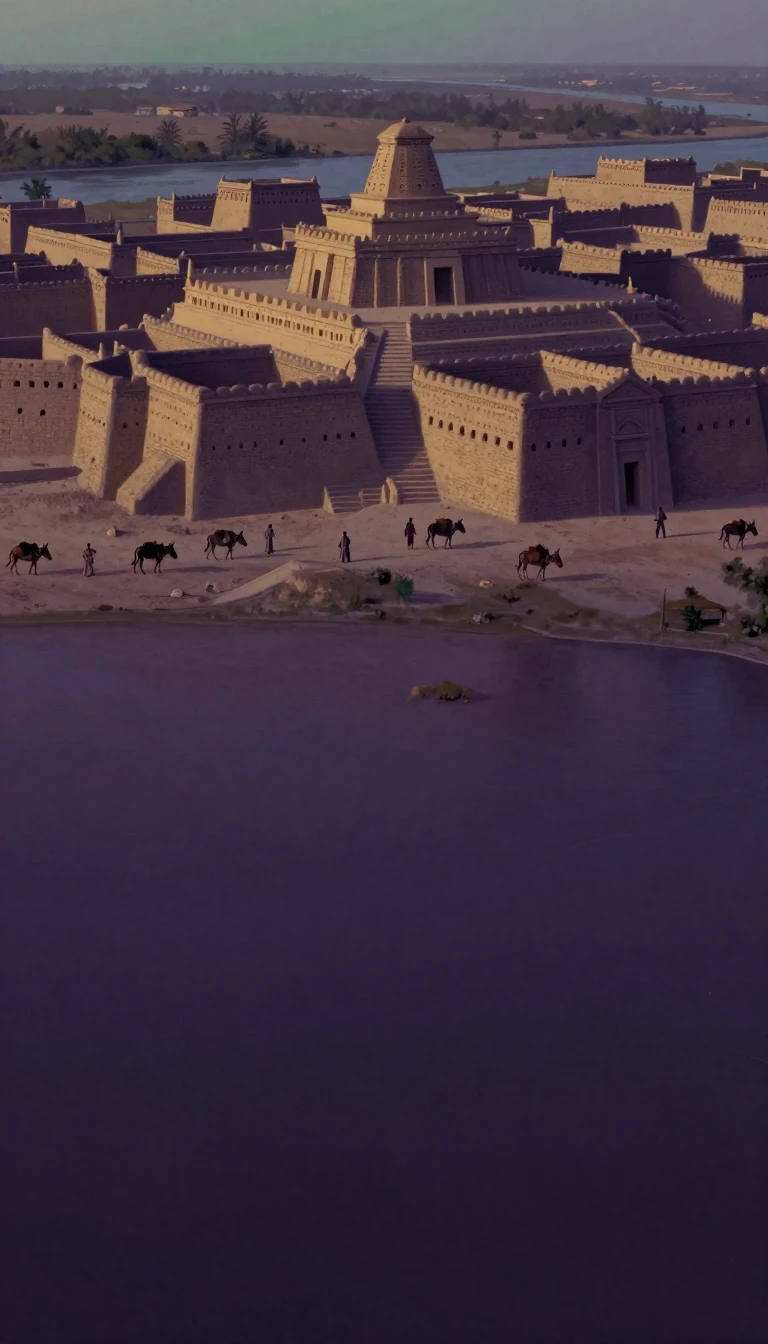 Why the study of cities is more than just architecture and urban designUrban studies is a transdisciplinary field that examines how human values and social interactions shape the physical environment. By blending geography, sociology, and public poli…
 Why a simple patch of grass can stop a multi-million pound development projectHistorically, village greens were humble grazing lands for livestock. Today, they are protected legal entities in England and Wales. By proving twenty years of continuous public u…
- How a desolate desert port became the engine of a nation's wealthAntofagasta sits in one of the driest places on Earth, yet it transformed from a contested frontier town into a critical industrial hub. Once the center of a global nitrate monopo…
 Why the town square is more than just a patch of open groundFrom the Italian piazza to the Spanish plaza, the town square has served as the heartbeat of urban life for centuries. While often associated with markets and community gatherings…
 Why the modern city park is a product of Victorian ambition and social engineeringUrban parks are rarely just patches of grass. From their origins as private philanthropic projects to their evolution into tools for social integration and wildlife refuge, these …
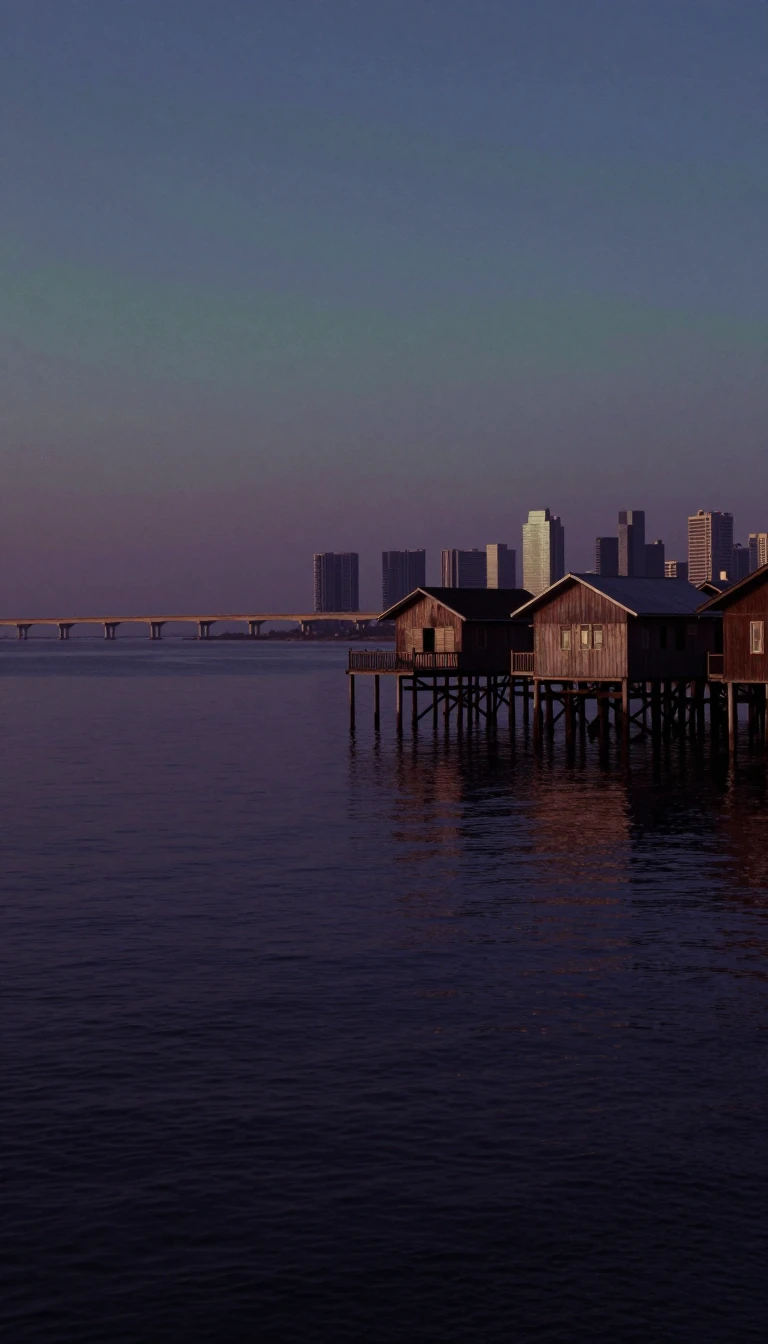 Beyond the village: How the kampong shaped the soul of Southeast Asian citiesThe kampong is more than a traditional village; it is a foundational unit of Southeast Asian life. From rural hamlets to dense urban enclaves, these settlements have evolved from …
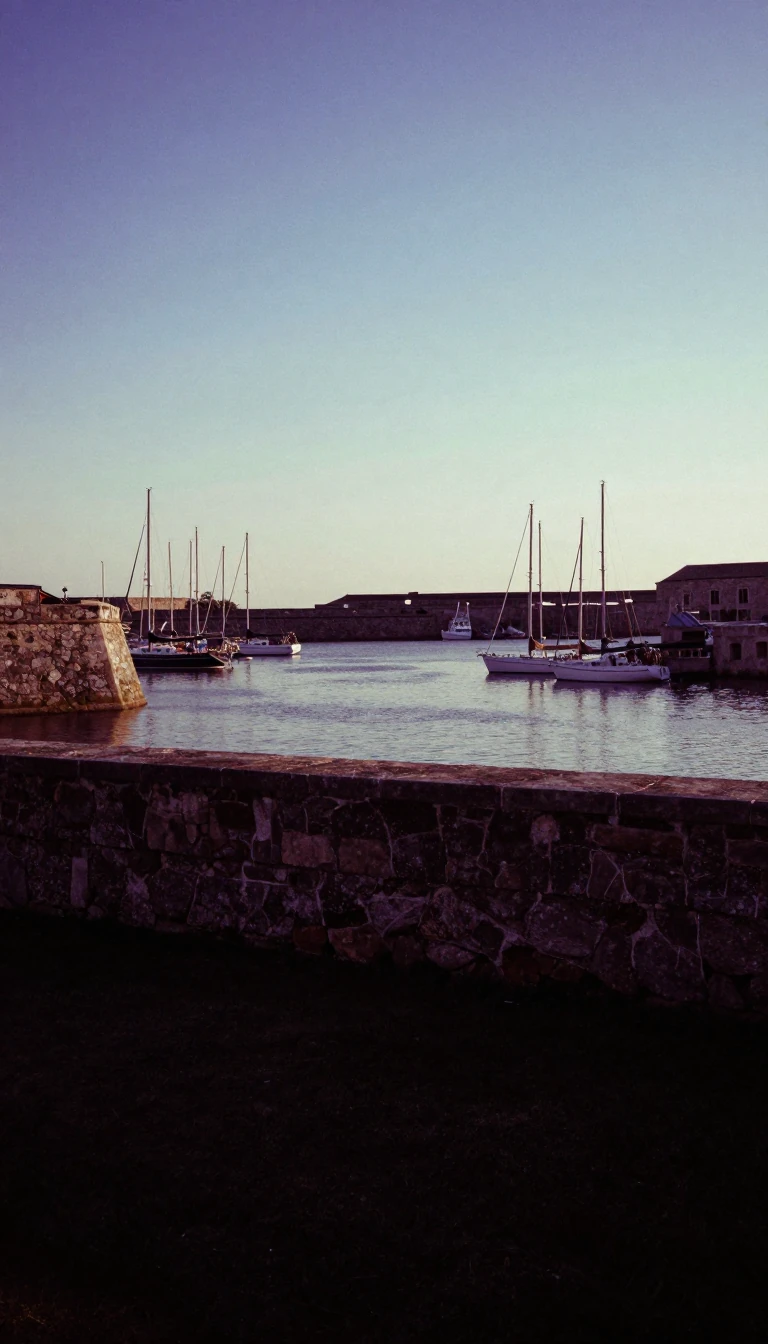 From Neolithic settlements to modern resorts, the fishing village is constantly evolvingFor millennia, fishing villages have anchored human life to the water, from the stilt houses of Asia to the stone dwellings of ancient Scotland. While some remain traditional, oth…
 How do we define the character of a neighborhood using census data?Beyond simple zoning, residential areas are complex ecosystems defined by demographic, economic, and social patterns. By applying advanced clustering techniques to census data, re…
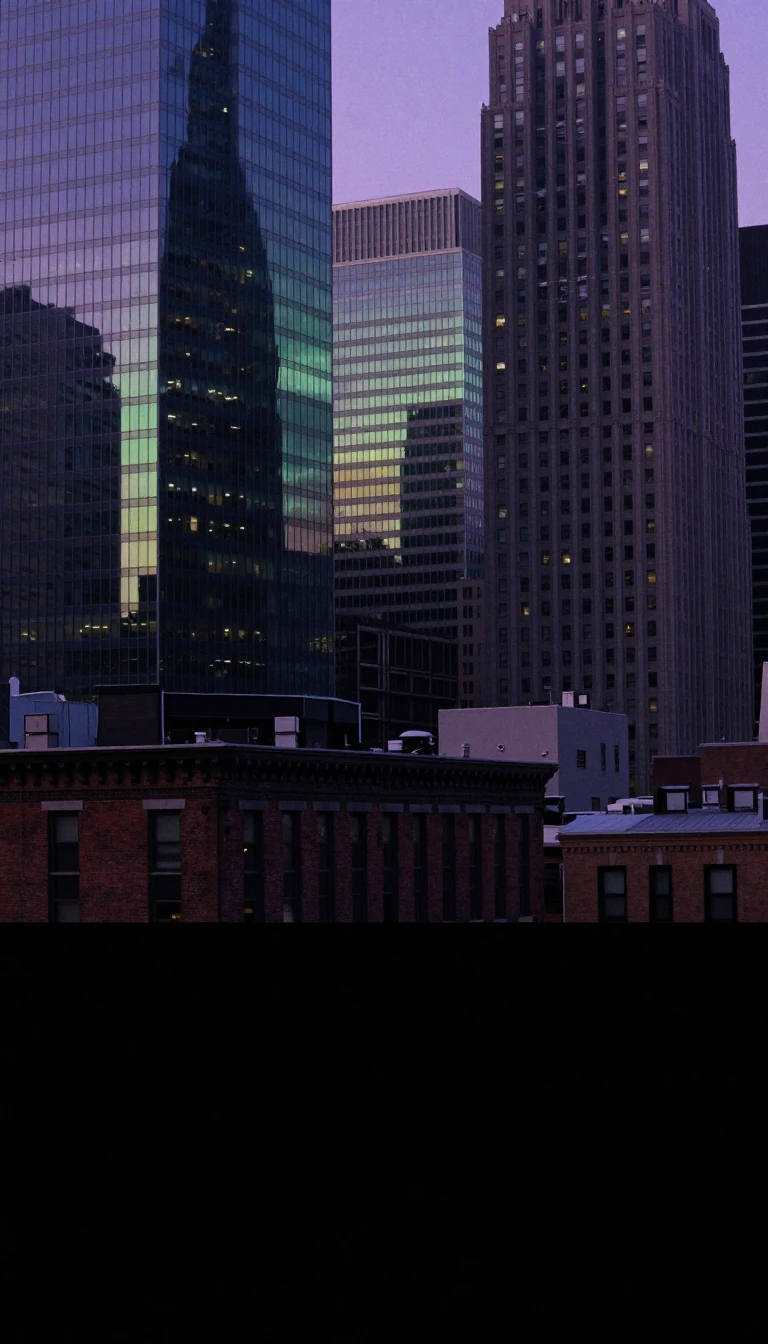 Why the heart of the American city is no longer where you thinkThe term downtown once described the original settlement of a city, but its meaning shifted as urban centers expanded. Originally a geographic marker in Manhattan, the word evolve…
- Why your city's downtown and its business district are rarely the same placeWe often use city centre and central business district interchangeably, but they are distinct concepts. While a business district focuses on economic power, a city centre encompas…
- Why your city is organized into distinct zones for business and livingCommercial areas are more than just clusters of shops and offices. They are the economic engines of our communities, carefully curated by city planners to balance commerce with re…
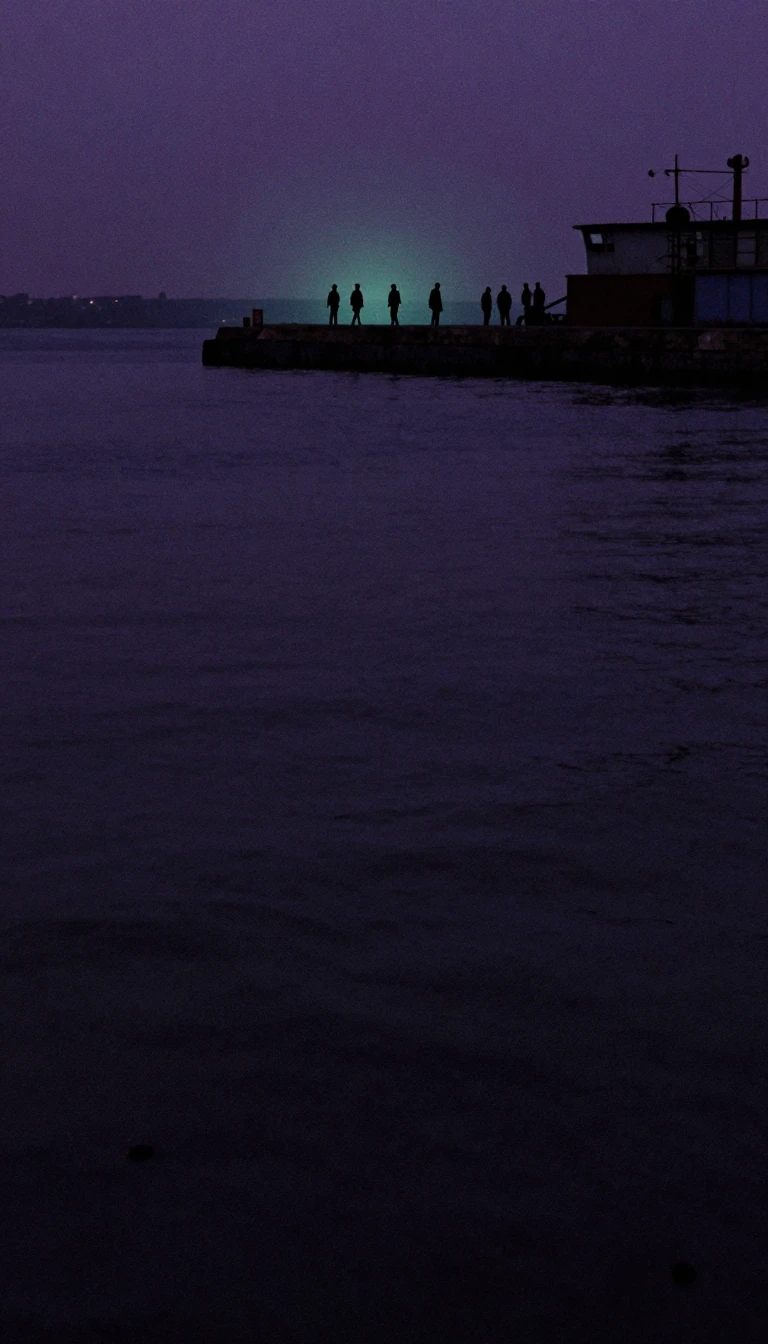 Why this Japanese lakeside city was once the center of the imperial worldLong before it became a modern prefectural capital, Ōtsu served as the seat of the Japanese emperor and a vital transit hub. Nestled on the shores of Lake Biwa, this historic city…
 Qarshi: The ancient Silk Road oasis that became a modern energy powerhouseDeep in southern Uzbekistan lies Qarshi, a city whose name literally means fort. Once a vital stop for caravans traveling between Balkh and Bukhara, this historic hub has evolved …
- From Salt Outpost to Industrial Powerhouse: The Transformation of PavlodarLocated along the Irtysh River in northeastern Kazakhstan, Pavlodar evolved from a 9th-century capital of the Kimek–Kipchak confederation into a critical Soviet industrial hub. To…
 Founded as a military outpost, Petropavl evolved into a vital northern gateway for Kazakhstan.Established in 1752 as a wooden fortress on the Ishim River, Petropavl began as a strategic defense point against nomadic incursions. Over centuries, it transformed from a frontie…
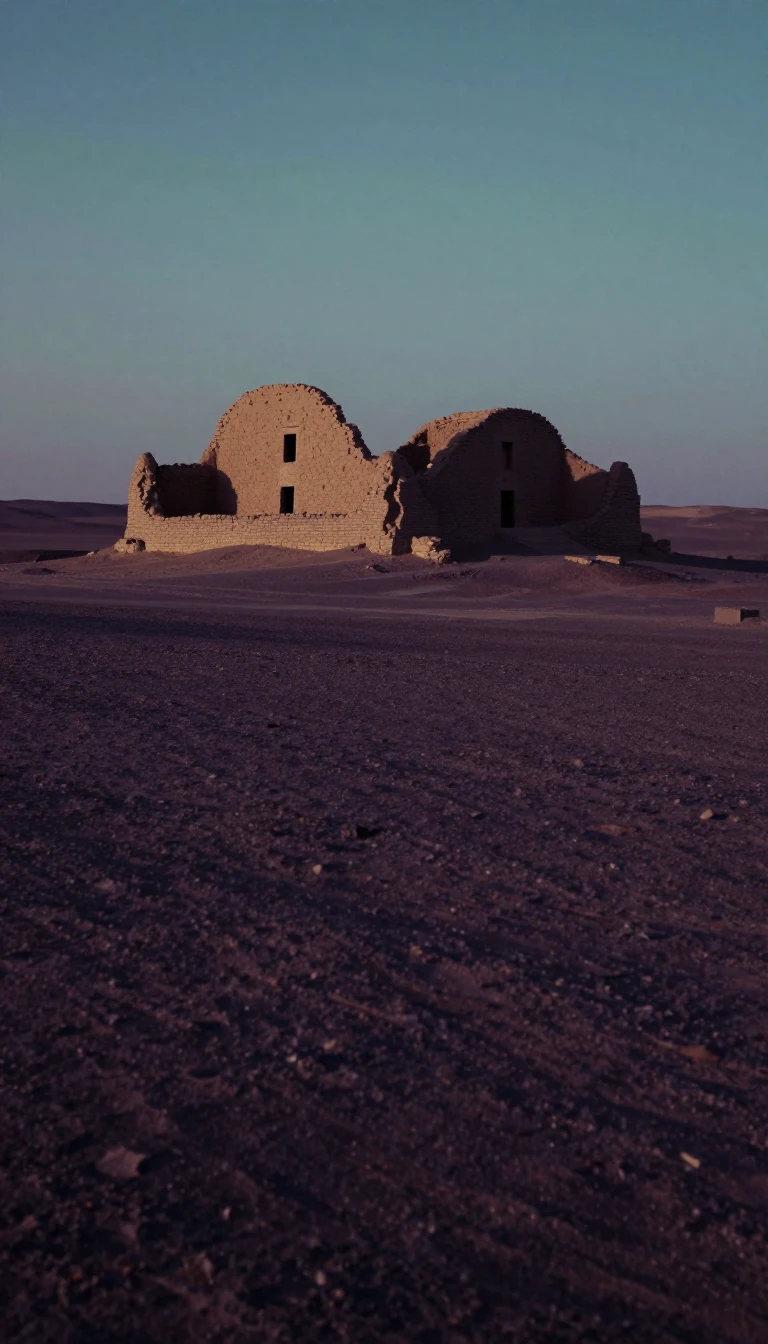 How a Central Asian railway hub became a melting pot of two distinct culturesTürkmenabat sits on the banks of the Amu Darya River, a city with 2,000 years of history. Once a vital Silk Road intersection known as Āmul, it evolved into a modern industrial ce…
 Taraz is a 2,000-year-old Silk Road hub that has survived countless reinventions.Located in southern Kazakhstan, Taraz is one of the oldest cities in Transoxania. From its origins as a Xiongnu fortress to its role as a vital Silk Road trade center, the city ha…
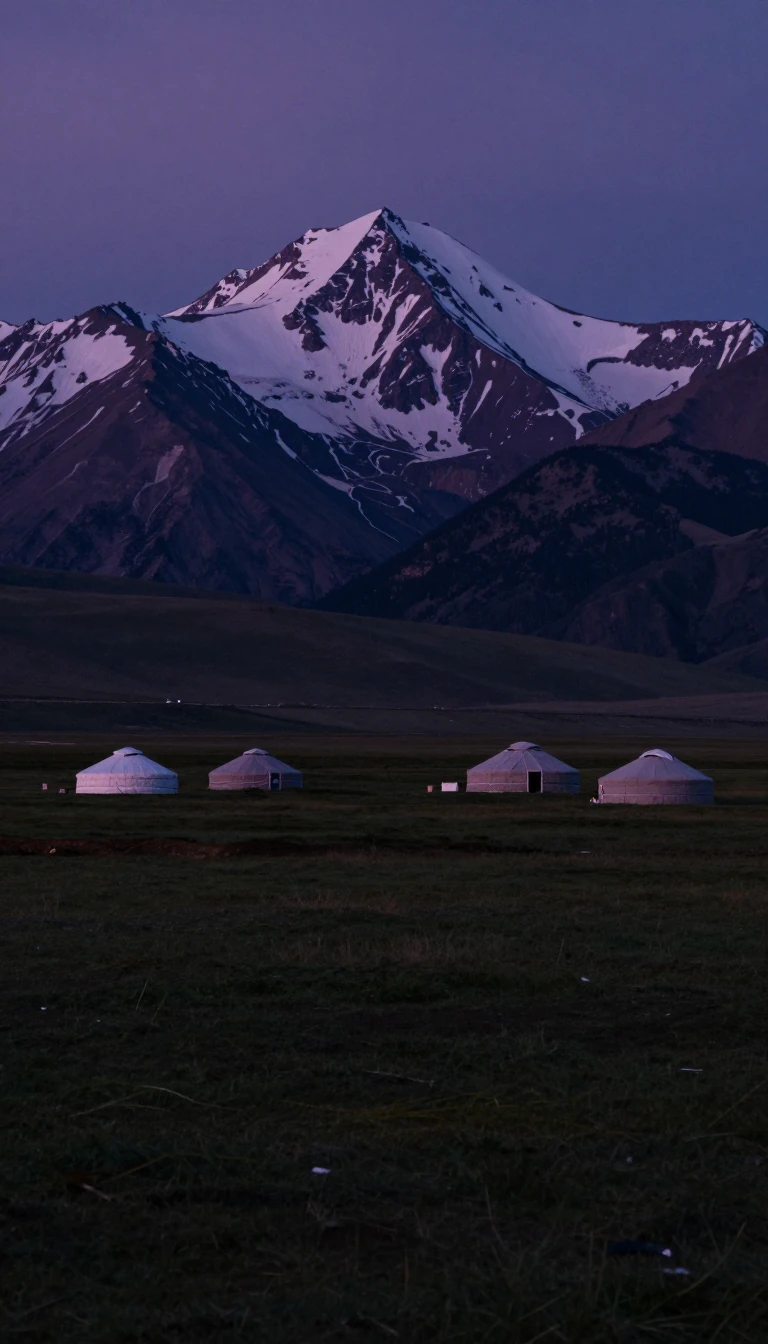 Osh is a 3,000-year-old Silk Road hub that remains Kyrgyzstan's southern capital today.Known as the capital of the south, Osh is one of Central Asia's oldest cities. Once a vital Silk Road market, it sits in the Fergana Valley. Today, this ethnically diverse city ba…
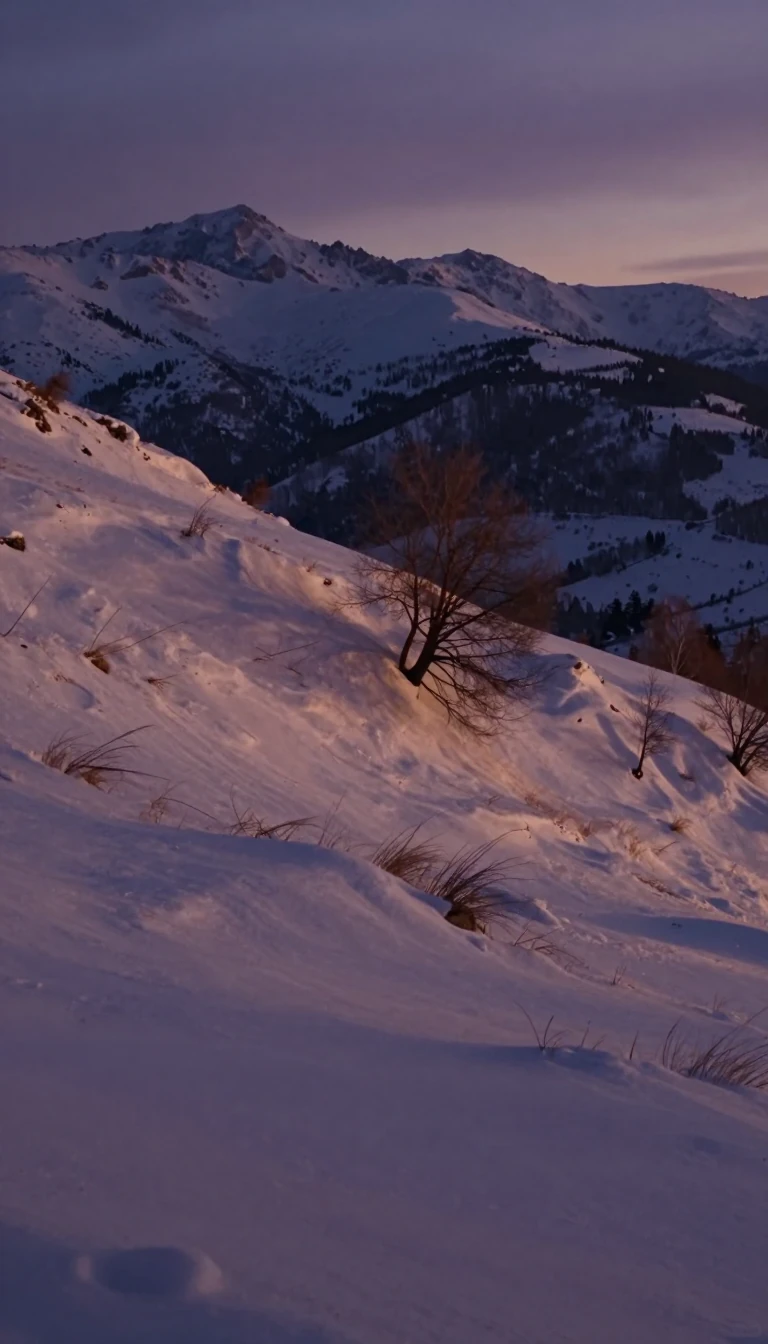 Why a city of seven chambers shed its name to escape a nuclear shadowFounded as a Russian fort near a mysterious monastery, Semey spent decades as the epicenter of Soviet atomic testing. Known formerly as Semipalatinsk, the city endured 456 nuclear…
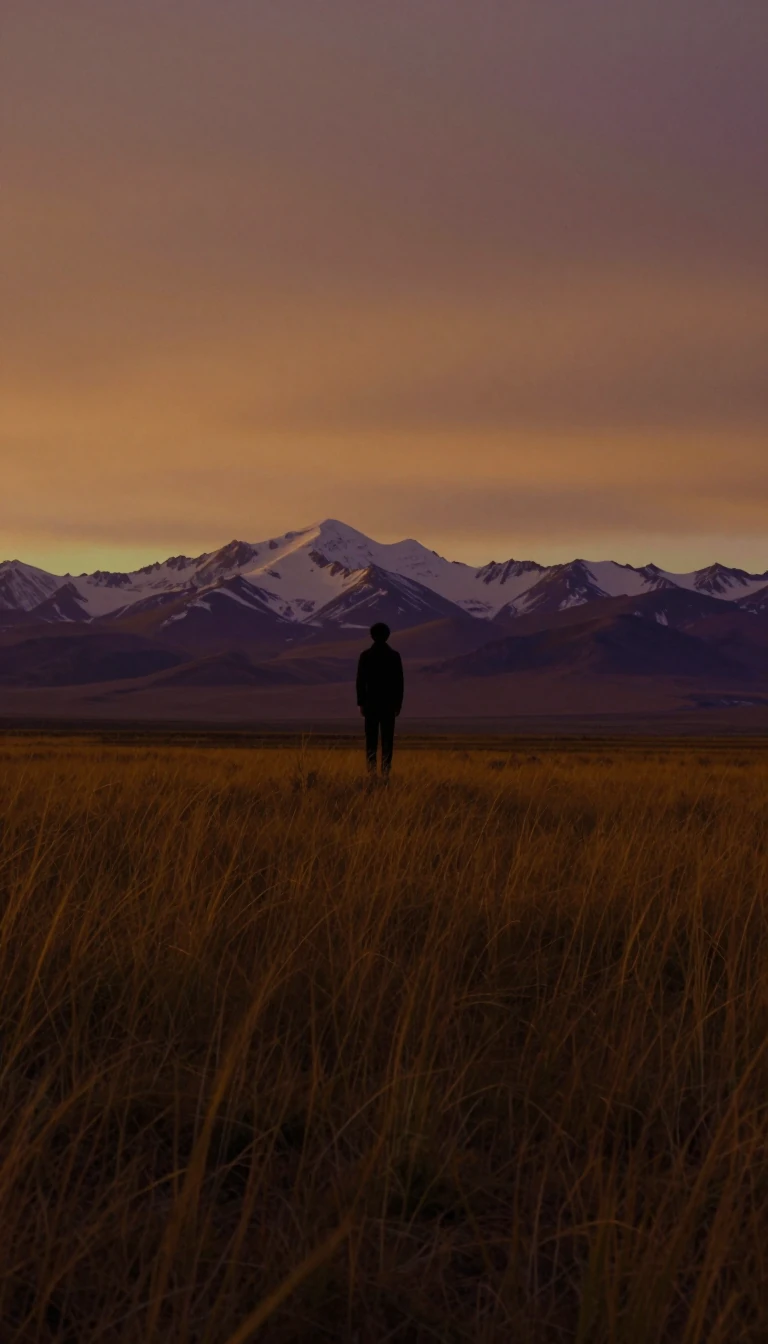 Oral, the Kazakh city that changed its name to erase a bloody rebellionFounded by Cossacks in the early 17th century, this northwestern Kazakh hub has spent centuries at the center of regional conflict. Once known as Yaitsky Gorodok, the city was for…
 Miyazaki: A Japanese City Where Ancient Mythology Meets Modern Subtropical Coastal LifeNestled on the island of Kyushu, Miyazaki is a city defined by its humid subtropical climate, sprawling alluvial plains, and deep historical roots. From the legendary birthplace o…
 A desert port city hosts Central Asia’s largest electronic music festival among rusting ships.Once a thriving fishing hub on the Aral Sea, Moynaq now sits 150 kilometers from the water. Following a catastrophic Soviet-era river diversion, the town became a graveyard for ab…
- How a Japanese port city escaped the atomic bomb and reinvented its landscapeNiigata was once a target for atomic destruction, yet it remained untouched by the firebombing that leveled other Japanese cities. Today, this resilient hub on the Sea of Japan is…
 Nukus: A Soviet-era city built on the edge of a vanishing seaOnce a small settlement, Nukus transformed into a modern capital of Karakalpakstan. Beyond its broad avenues and Soviet architecture, the city hides a complex history as a former …
- Why this Japanese city holds a monopoly on the nation's fireworks and dark misoOkazaki is a city defined by its history as a Tokugawa stronghold. Beyond its feudal past, it remains the quiet industrial heart of Japan's most explosive and savory traditions. F…
- From a Kokand fortress to a Soviet capital, the story of KyzylordaDeep in the heart of south-central Kazakhstan lies Kyzylorda, a city defined by its shifting identities. Once a strategic fortress guarding the Syr Darya river, it transformed int…
 Why Japan's Land of Sunshine is a masterclass in urban resilience and reinventionKnown as the Land of Sunshine for its record-breaking lack of rain, Okayama is more than a climate anomaly. From its origins as a 16th-century feudal stronghold to its modern stat…
 Kōchi is a resilient Japanese city forged by castle history and Pacific stormsNestled between rugged mountains and the open Pacific, Kōchi serves as the primary commercial hub of Shikoku. This city, defined by its historic castle and a climate that invites …
- Why this remote Kazakh city became the Soviet Union's most famous punchlineKaraganda is a major industrial hub in the Kazakh steppe, but it is best known for a linguistic quirk. Because its name rhymes with the Russian word for where, it became the stand…
 Khujand: The ancient Silk Road bastion that once stood at the edge of empire.Perched on the banks of the Syr Darya, Khujand is one of Central Asia’s oldest urban centers. Once a vital Silk Road waypoint, this resilient city has survived centuries of conque…
 How a Peasant's Potato Patch Became One of Japan's Most Powerful Feudal CitiesKanazawa began as a humble marsh where a potato farmer reportedly discovered gold. It evolved into a massive, sophisticated castle town that rivaled European capitals in size. By …
- How a Silk Road trading hub became a short-lived center of Central Asian powerNestled in the Fergana Valley, Kokand has been a vital crossroads for centuries. From its ancient roots as a caravan stop between India and China to its rise as the capital of a p…
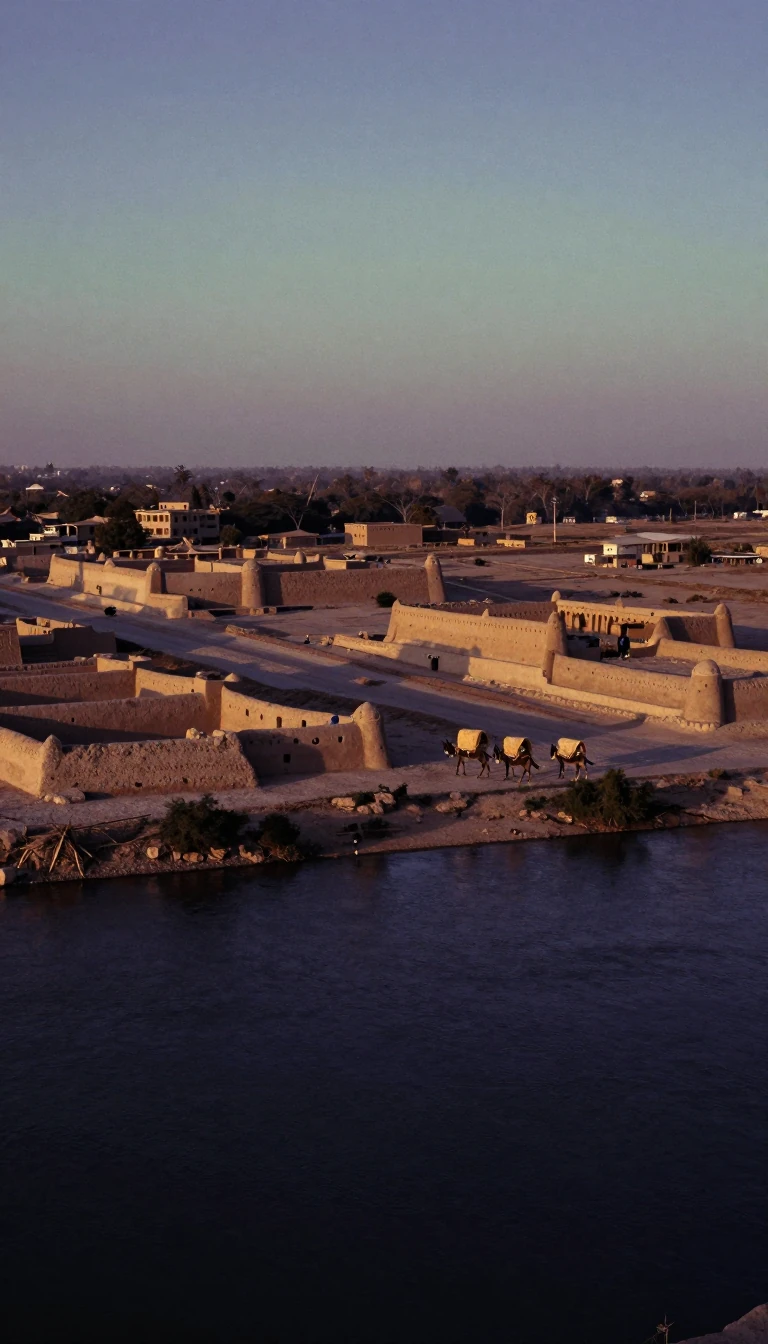 How a 16th-century fortress city became the cradle of Japan's modern peace movementKumamoto is defined by its impenetrable castle, built by a legendary strategist in 1588. Yet, this city of warriors also birthed a global movement for peace. From the final home o…
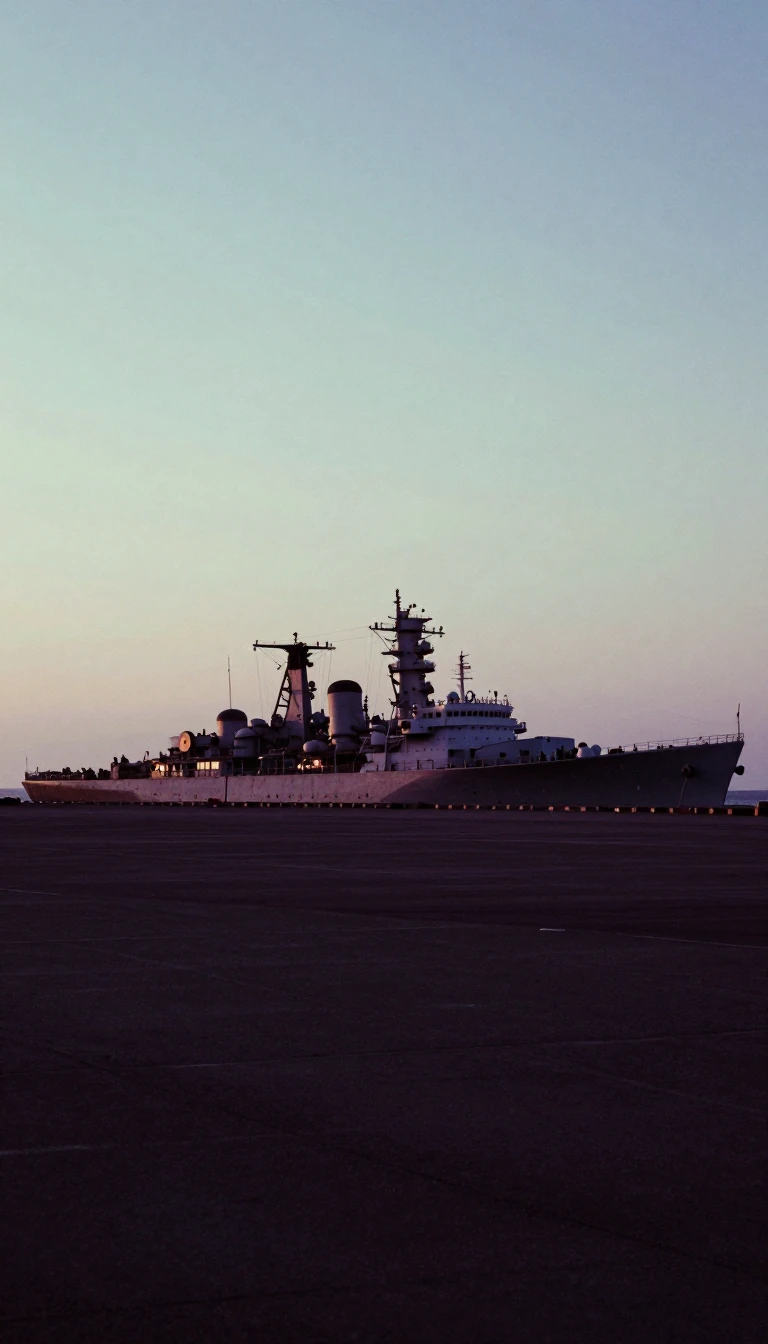 How a quiet Japanese port became the cradle of the world's largest battleship.Nestled in the Hiroshima Prefecture, Kure transformed from a regional seaport into the industrial heart of the Imperial Japanese Navy. Once the site where the massive Yamato was l…
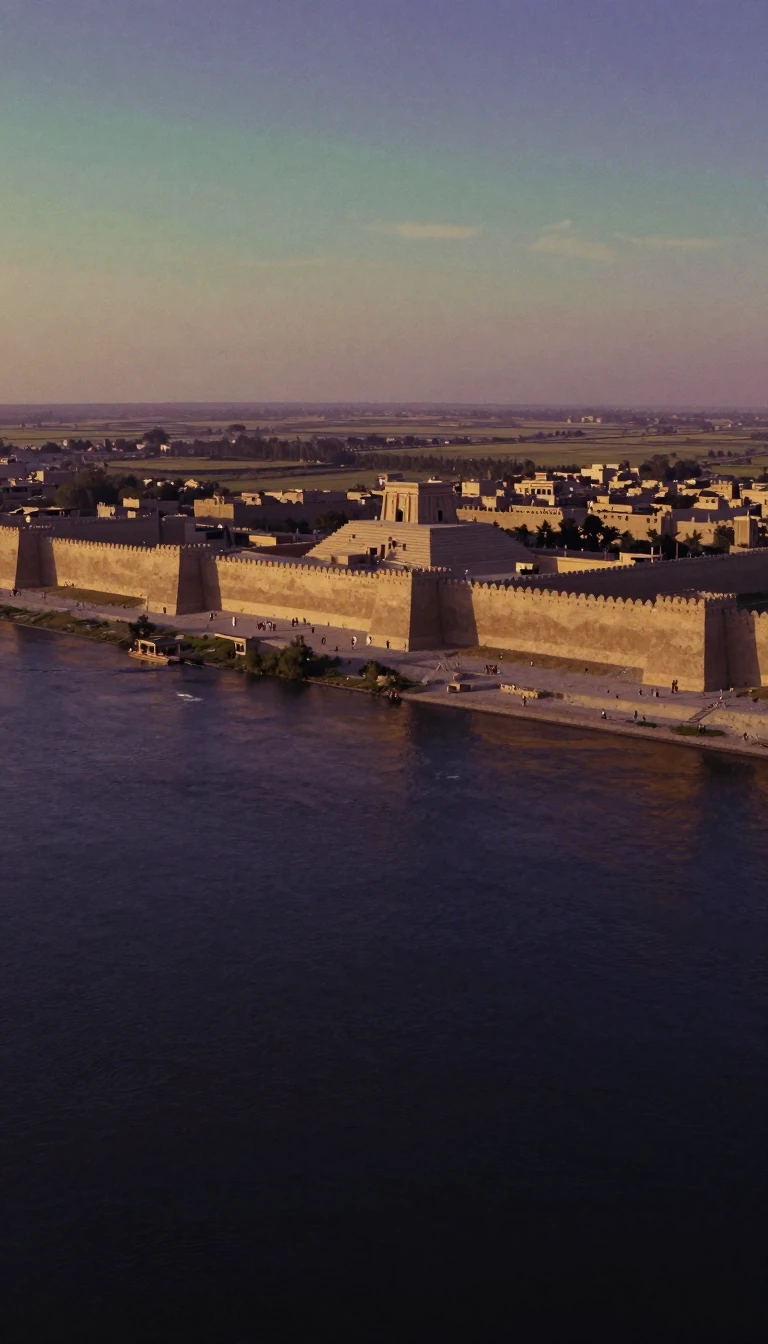 The city that served as the world's first global shortcutBefore the modern canal existed, ancient empires were already carving paths through the desert to link continents. From Persian kings to medieval caliphs, Suez has functioned as a…
- Why is this Japanese city consistently ranked as the happiest in the country?Hamamatsu, the largest city in Shizuoka Prefecture, holds a unique distinction: it has been named Japan's happiest government-designated city twice in recent years. Beyond its mod…
- From ancient station to modern capital: the layered history of Fukushima CityLong before it became a modern prefectural capital, Fukushima was a strategic frontier post. From its origins as a Jōmon-era settlement and a Ritsuryō-era transit hub to its evolu…