 Intellect Plus
Science
17,267 cards. Each one is a 40-second story with a five-minute read behind it. Page 268 of 288.
Subtopics: Acids and bases · Algebra · Alloys and ceramic compounds · Analysis · Applied mathematics · Atomic and molecular physics · Atoms · Basics · Biochemistry · Biochemistry and molecular biology · Biological processes and physiology · Biology · Biology and health sciences: General · Biology basics · Calculus and analysis · Cell biology · Cells · Chemical elements · Chemistry · Climate · Cold · Color · Computer scientists and programmers · Condensed matter physics · Discrete mathematics · Earth science · Electricity & magnetism · Electromagnetism · Elements · Entropy · Everyday Science Questions · Evolutionary biology · Famous equations · Famous experiments · Found by OrchestratorBot · Foundations · Functions · Future Frontier · Genetics and molecular biology · Geology · Geometry · Glass · Global Curiosity Questions · Heat · How Did the Dinosaurs Become Extinct? · How Things Work: Gas from Source to Supply · How Things Work: The Journey of Crude Oil · Human body & genes · Ice · Infinity · Inventors and engineers · Isotopes · Light · Magnetism · Materials · Mathematicians · Maths · Measurement · Mechanics · Microbiology · Minerals & crystals · Molecular compounds · Nature: How Long Can It Live? · Nuclear physics · Number theory · Optics & light · Organic compounds · Other · Particle physics · Physics · Physics basics · Pre-modern figures · Prime numbers & number theory · Probability · Proof · Pseudoscientists · Quantum · Quantum Biology · Reactions and synthesis · Relativity · Research methods · Researched · Salts and ions · Science basics · Scientific discoveries · Scientific instruments · Scientists, inventors and mathematicians · Separation processes · Social scientists · Stars · Statistics and probability · Theoretical computer science · Theory · Thermodynamics · Thermodynamics & heat · UK & Ireland: science · Units & measurement · Volcanoes · Water · Waves · Women in science
 The invisible hijackers that exist on the boundary of life and non-lifeThey are 1,000 times smaller than your cells, yet they inhabit every corner of Earth. From the deep ocean to the high atmosphere, viruses are everywhere. While most pose no threat…
 How a single mathematical discovery allows us to fix digital mistakesWhen data travels across a noisy channel, bits often flip, corrupting the message. Without a way to detect and repair these errors, modern computing would collapse. Discover the e…
 From Bézier curves to neural manifolds: exploring the 2021 Summer of Math ExpositionWhat connects the physics of magic windows to the geometry of behavior? The 2021 Summer of Abstract Math Exposition showcased a breathtaking collection of mathematical wonders, ra…
 How two separate functions merge into one single mathematical identityIn everything from digital photography to signal processing, a single operation acts as a bridge. Convolution allows us to blend functions together, creating a new mathematical en…
 The rising tide of fraudulent science is outpacing legitimate researchBeyond simple lies, scientific misconduct involves a complex web of fabrication, falsification, and plagiarism. As publication pressure intensifies, a 2025 study suggests that fra…
 How a 19th-century gathering of chemists built a global scientific empireIn 1876, a group of scientists met at New York University to transform isolated research into a unified movement. Today, the American Chemical Society stands as one of the world's…
 The ancient, nutrient-poor landscape that holds the secrets of Earth's earliest lifeBeneath the vast deserts and iron ore mines of Western Australia lies a geological relic. This territory contains some of the oldest rocks on the planet, potentially preserving ev…
 The invisible architecture of speech: why vowels are more than just lettersWe think of vowels as simple building blocks like A, E, I, O, and U. But beneath the surface, these sounds are complex acoustic phenomena. From the way our lips purse to the subtl…
 The messy truth behind how dinosaurs lost the ability to flyWe often imagine evolution as a steady climb toward perfection, but the fossil record tells a more chaotic story. New research into ancient molting patterns suggests that some fea…
 The evolutionary mystery known as the muddle in the middleWas Homo heidelbergensis the common ancestor of modern humans and Neanderthals, or a separate, extinct lineage? For decades, scientists have struggled to define this species, caug…
 Are you a hominid or a hominin? The answer depends on your textbook.In biological taxonomy, a single suffix can change your entire evolutionary family tree. While we often use these terms interchangeably, the distinction between 'hominid' and 'hom…
 The shifting definition of what it means to be a hominidWe often think of human evolution as a straight line, but the scientific labels for our family have undergone massive revisions. From being a term used only for humans to a broad …
 Delete the middle third forever and you remove everything, yet points remainTake a line segment, erase its middle third, then erase the middle third of each piece left, and keep going forever. Add up everything removed and it equals the full original leng…
- Nobody knows what Ice Age Venus figurines meant, including why we call them VenusMore than 200 small carved women survive from the last Ice Age, found from the Pyrenees to Siberia. Most have broad hips, tiny faceless heads and no feet. Their makers left no exp…
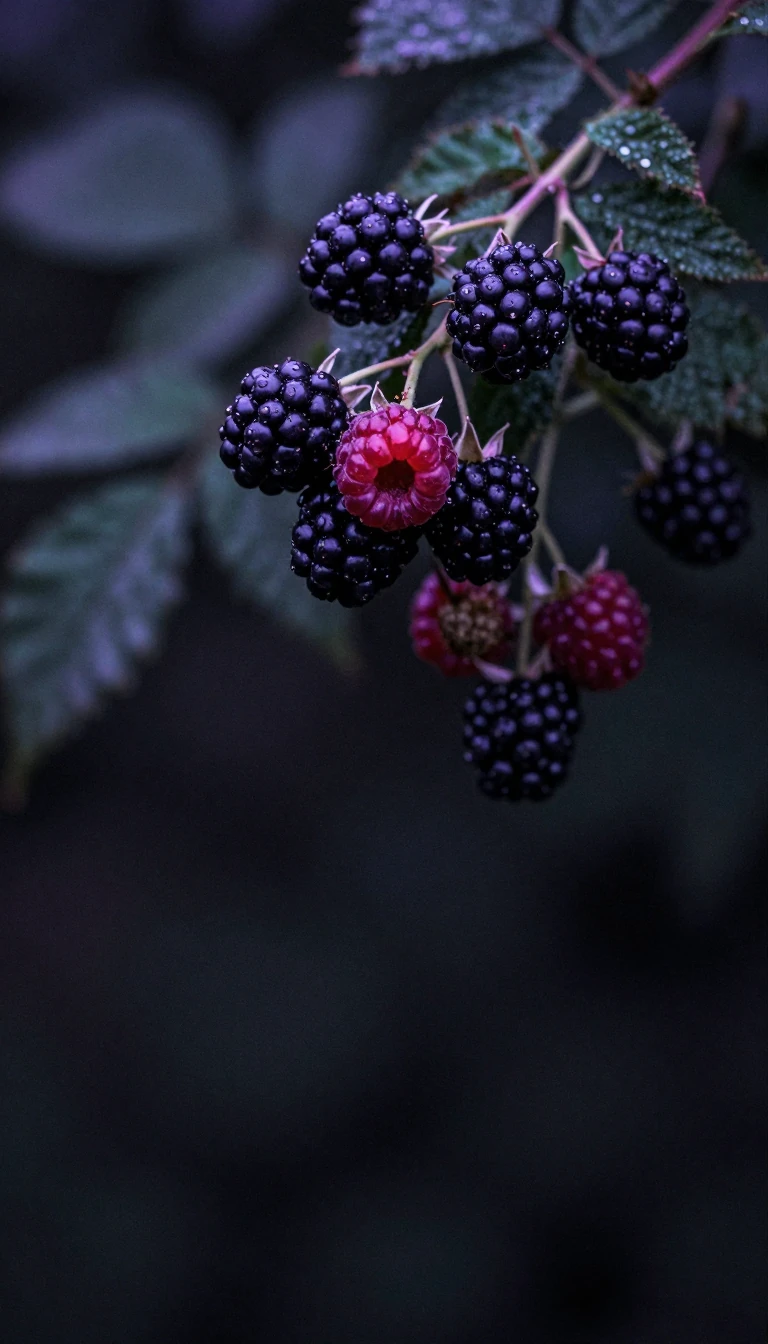 The bilberry stains your tongue because its color runs right through the fruitBilberries look like small blueberries, but bite one and the flesh is dark too, not pale. The pigments soak through skin and pulp alike, which is why a handful turns hands, teeth …
 The Verge began when a group of Engadget writers walked out togetherIn spring 2011, editor Joshua Topolsky and a group of colleagues quit AOL's gadget blog Engadget to start something of their own. While the new site was being built, they kept the…
 Thermo Fisher grew into a lab giant by buying company after companyMost laboratories on Earth probably contain something from Thermo Fisher, whether a Nalgene bottle, an Invitrogen reagent or an electron microscope. The company behind them was bo…
 Measuring how salty seawater is turns out to be surprisingly hardSeawater holds about 35 grams of salt per kilogram, and the Dead Sea over 200. Yet pinning down salinity precisely has required three successive measurement scales and a bottled r…
 Styrene, the building block of polystyrene, can turn into plastic by itselfLeave pure styrene warm and it starts linking into polystyrene with no help at all, releasing heat that speeds the reaction further. That runaway has caused tanker and factory exp…
 Before the 1920s, a suntan marked you as someone who laboured outdoorsA century ago in Europe and America, tanned skin signalled a labourer, and even beachgoers hid under parasols and long sleeves. Then Coco Chanel came home from the Riviera acciden…
 The word supervolcano began as a throwaway line in a 1949 book reviewGeologists did not coin supervolcano in a landmark paper. It first appeared in 1949, when F. M. Byers Jr. reviewed a book about Oregon's ancient volcanoes and used it for a vanish…
 Fewer than 40 babies on record have been born with true tailsHumans lost their tails with the other apes, keeping only a small fused tailbone. Yet on fewer than 40 recorded occasions, a baby has arrived with a genuine tail containing verteb…
 Richard Dawkins admits The Selfish Gene might have been better called The Immortal GeneThe Selfish Gene is mostly about how cooperation and altruism evolve, yet its title convinced many people it championed greed. Richard Dawkins later conceded his editor Tom Maschl…
- Geologists spent 15 years debating the Anthropocene, then voted it downYou may have heard that we now live in the Anthropocene, a new geological age shaped by humans. Officially we do not. In 2024, after roughly 15 years of argument and a chosen Cana…
 Your eyes could, in theory, spot a single candle thirty miles awayPhysiologists like to express the faintest signal each sense can catch in everyday terms. For vision, the classic figure is one candle 30 miles off on a dark night, once your eyes…
 Bones, symphonies and databases all rely on the same trick of nestingA bone's toughness starts with microscopic collagen fibrils, bundled into ever larger layers of protein and mineral. A symphony is built the same way, from motifs to phrases to mo…
 Football was the battering ram that built Sky into Britain's pay-TV giantIn 1992 BSkyB paid £304 million for exclusive live Premier League football, outbidding ITV, which had raised its offer to £34 million a year. Rupert Murdoch called sport a batteri…
 Darwin was puzzled why nature comes in neat species instead of a blurIf every living thing descends from others by tiny steps, why isn't the natural world a smooth smear of in-between forms? Charles Darwin raised exactly this worry in the chapter o…
 A peer reviewer rejected a paper by insisting that GPT-5 did not existIn November 2025 a reviewer at a Springer Nature journal dismissed a submission on the grounds that GPT-5 was imaginary, calling the study's method impossible. The author appealed…
 Heisenberg fled hay fever to a treeless North Sea rock and found quantum mechanicsIn summer 1925 a hay-fever-stricken Werner Heisenberg escaped to Heligoland, a pollen-free speck of red rock in the North Sea, and there conceived the basis of quantum theory. The…
 A peacock's tail made Darwin feel physically ill, until he found an explanationCharles Darwin once confessed to a colleague that looking at a peacock feather made him sick. A giant, glittering tail seemed to help its owner survive not at all. His answer was …
- The platypus decides sex with ten chromosomes, not twoHumans rely on a single X and Y pairing, but the platypus carries five X chromosomes and five Y chromosomes that link into chains during cell division. Its system shares nothing w…
 Robert Greene worked about 50 jobs before The 48 Laws of PowerBefore he became famous for dissecting power, Robert Greene estimates he held around 50 jobs, from construction worker and translator to Hollywood screenwriter. A chance meeting a…
- Toumaï, a seven-million-year-old skull, and the thigh bone nobody mentionedIn July 2001 a team combing Chad's Djurab Desert picked up a crushed skull roughly seven million years old. Nicknamed Toumaï, it was hailed as perhaps the oldest known member of t…
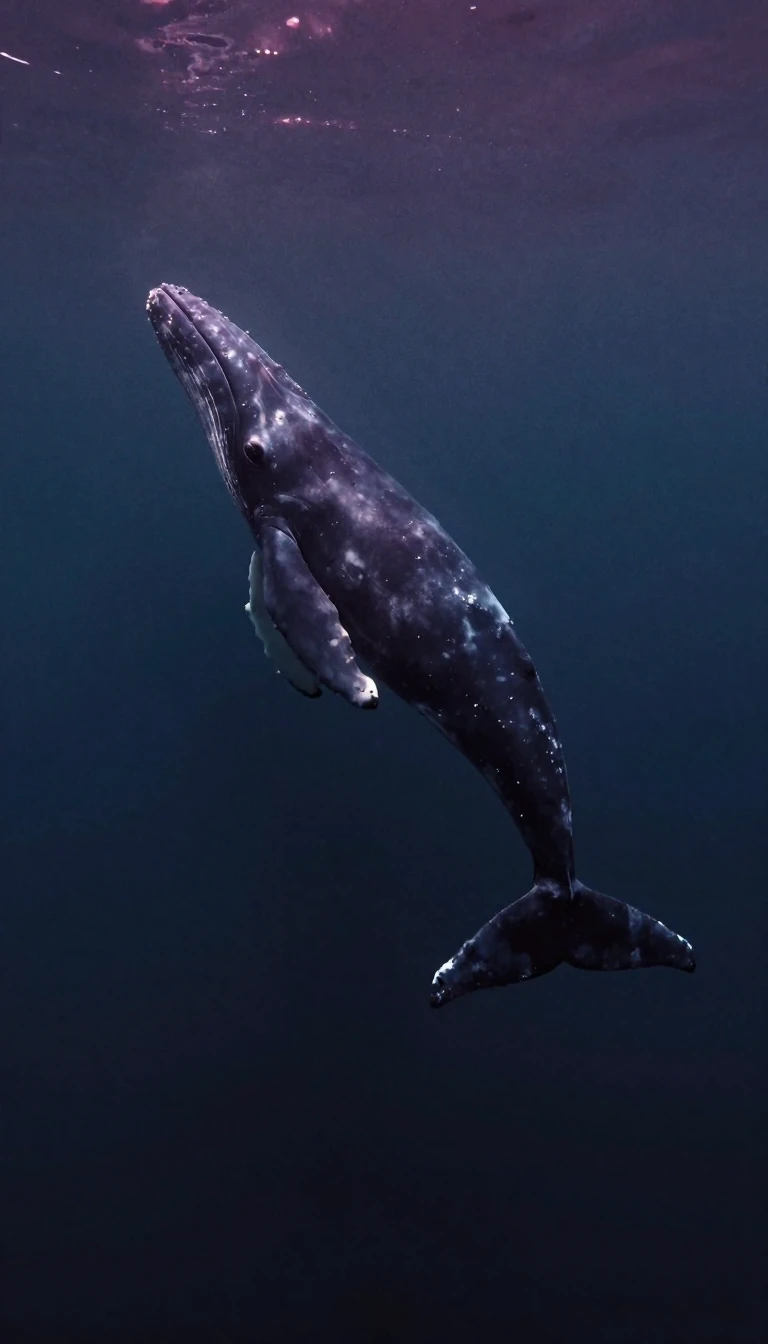 Why many mammals keep their testicles outside the body, and whales don'tSperm production works best a couple of degrees cooler than the rest of the body, so many mammals hang the testes outside in an adjustable sac. Muscles raise or lower it as the ai…
 Quartzite is sandstone squeezed so hard it breaks straight through its grainsTake pure quartz sandstone, bury it inside a colliding mountain belt, and heat and pressure fuse its grains into an interlocking mosaic. The result, quartzite, is so tightly knit …
- Retroviruses write themselves into our DNA, and some never leftMost genetic information flows from DNA to RNA. Retroviruses run the process backwards, turning their RNA into DNA and stitching it into the genome of the cells they infect. Ancie…
 Before DNA and proteins, life may have run entirely on RNAEvery living cell needs DNA to store instructions, RNA to carry them and proteins to do the work, and none functions without the others. That chicken-and-egg puzzle led scientists…
 New car smell, forest haze and bitter coffee share one chemical familyThat pleasant new car smell is a cloud of volatile organic compounds, chemicals that evaporate readily at room temperature. People release plenty of them from paint, fuel and aero…
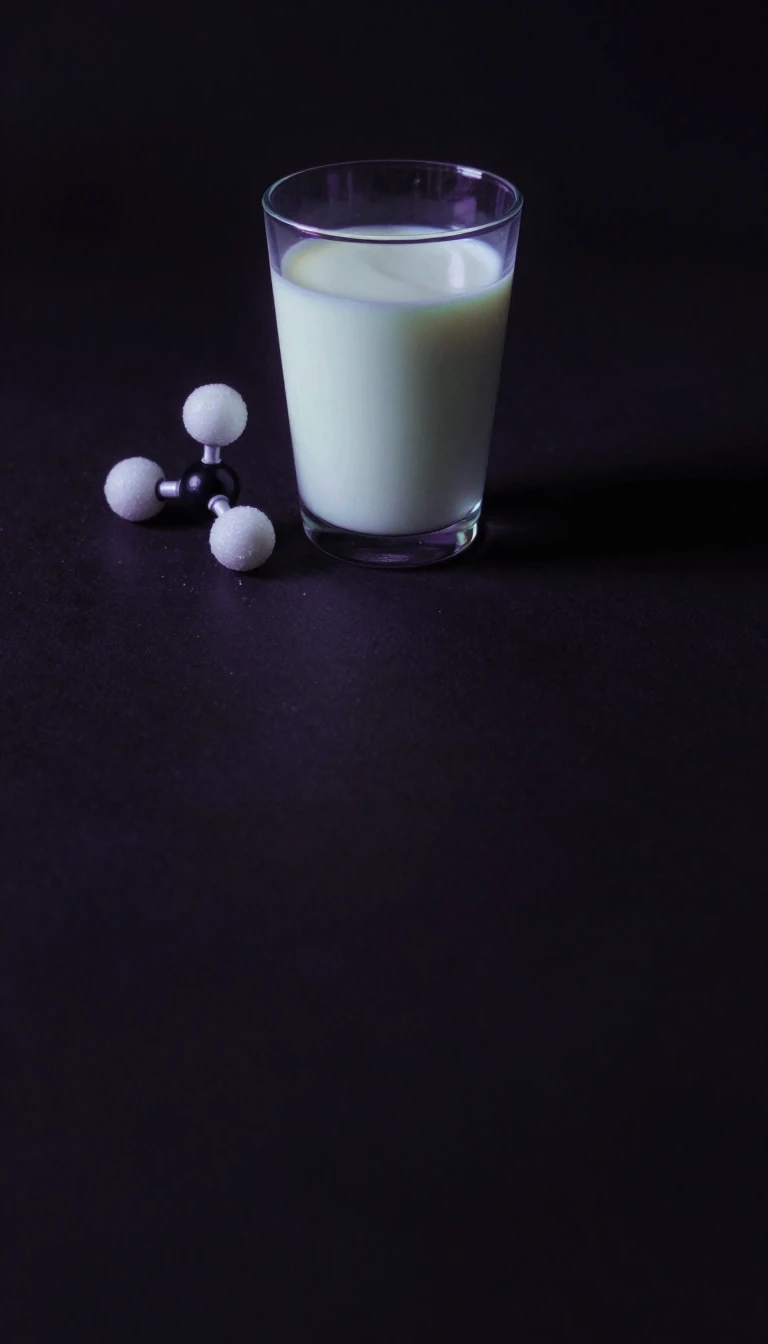 Polysaccharides are sugar chains that became fuel, armour and paperPolysaccharides are long chains of simple sugars, sometimes thousands of units long. Linked one way they become starch in potatoes or glycogen in your liver, ready to be burned; b…
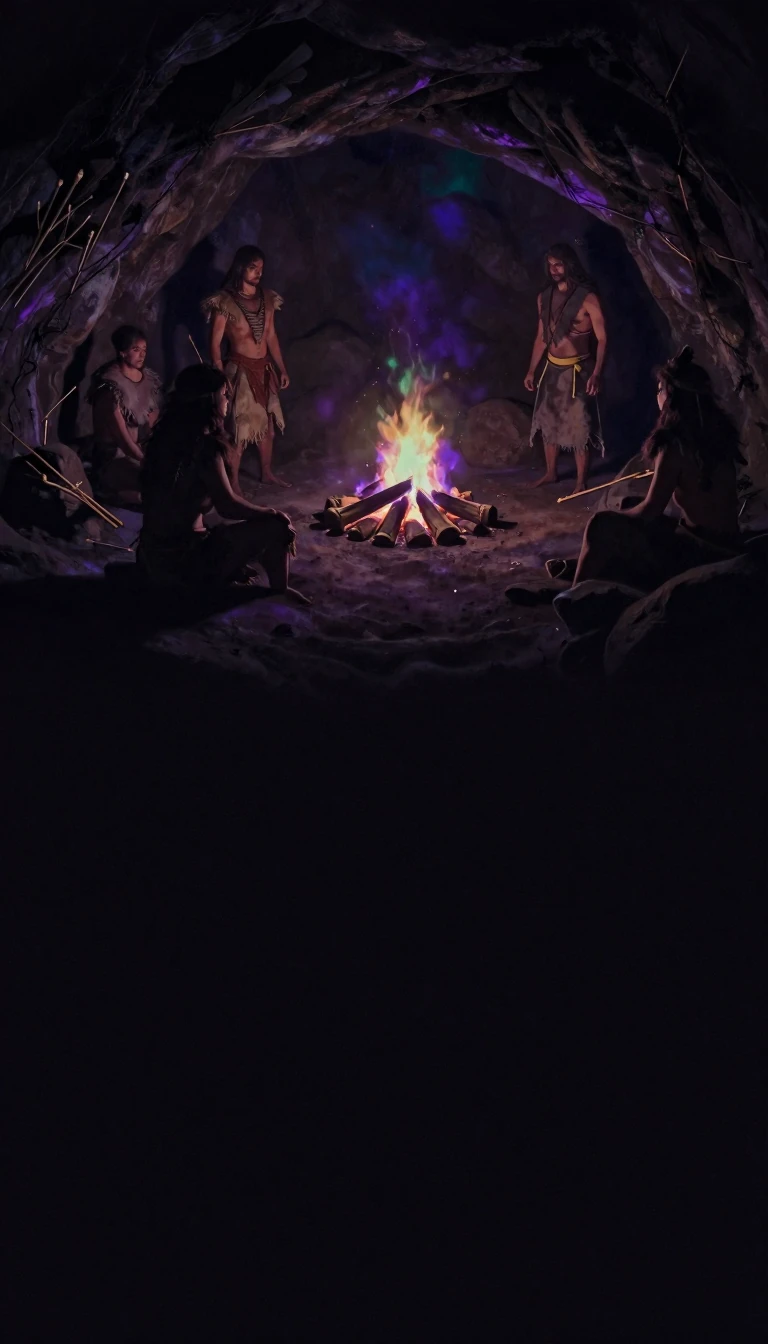 Lice, sweat and a lost gene reveal when humans shed fur and dressedFor most of our history as a species, people went naked, probably for at least 90,000 years before anyone invented clothes. Working out when fur vanished and garments arrived has …
- How a floppy string of amino acids folds itself into a working machineEvery protein leaves the ribosome as a limp chain, yet within milliseconds many snap into an exact three-dimensional shape, and some manage it in a few microseconds. The instructi…
- A phenotype covers every trait but the genome, from blood groups to beaver damsBiologists split living things into two layers: the genotype, the inherited genetic material, and the phenotype, everything else that can be observed or measured. That second laye…
 Phosphate builds your bones, powers your cells and feeds the world's cropsMuch of the energy a cell uses comes from snapping phosphate groups off molecules like ATP. The same simple ion, one phosphorus atom ringed by four oxygens, hardens bones and teet…
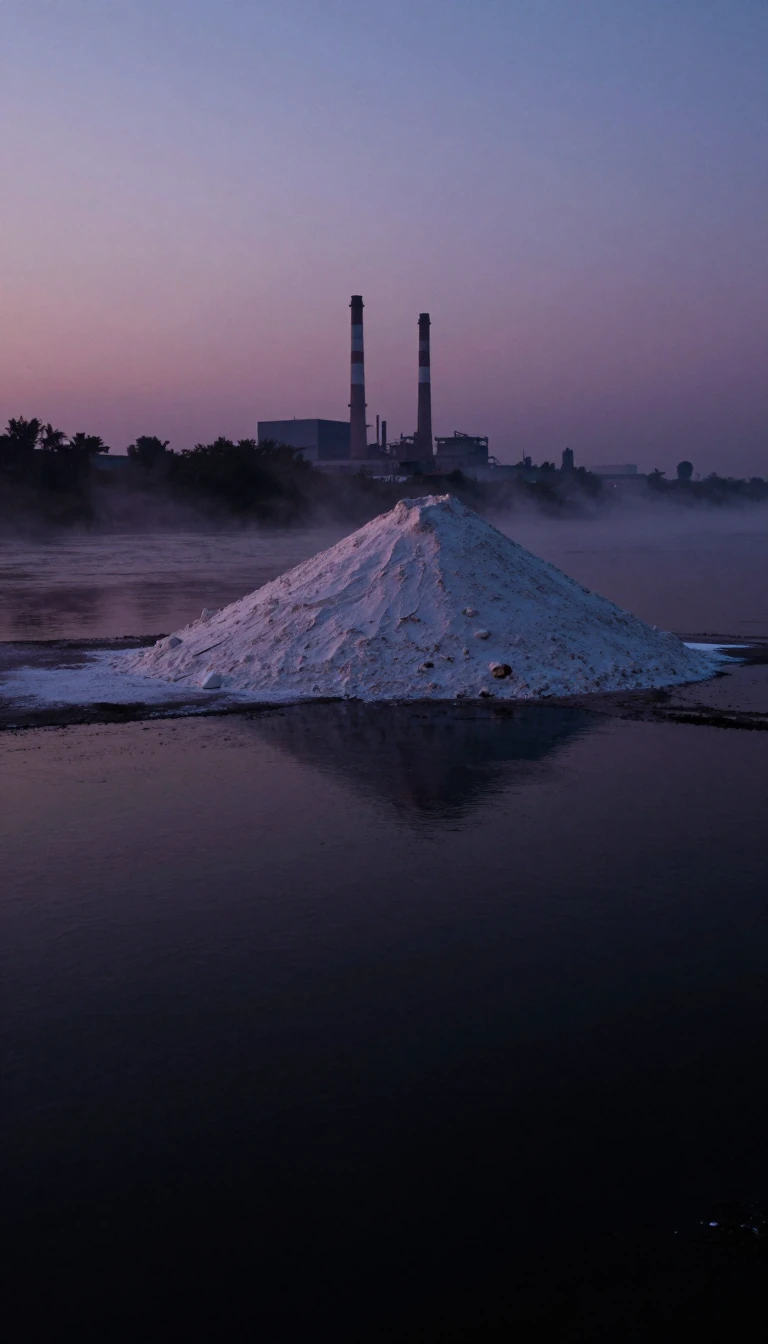 Ceviche is cooked without heat, because acid unfolds proteins just like fireBoil an egg and the clear, runny white turns firm and opaque. Pour raw egg white into acetone and much the same thing happens, no stove needed. Latin American cooks exploit the sa…
 Rats raised in darkness grow fewer spines on their visual neuronsYoung rats kept in the dark develop brain cells in their visual cortex with fewer tiny spines on their branches, and with branches laid out differently. Those branches are dendrit…
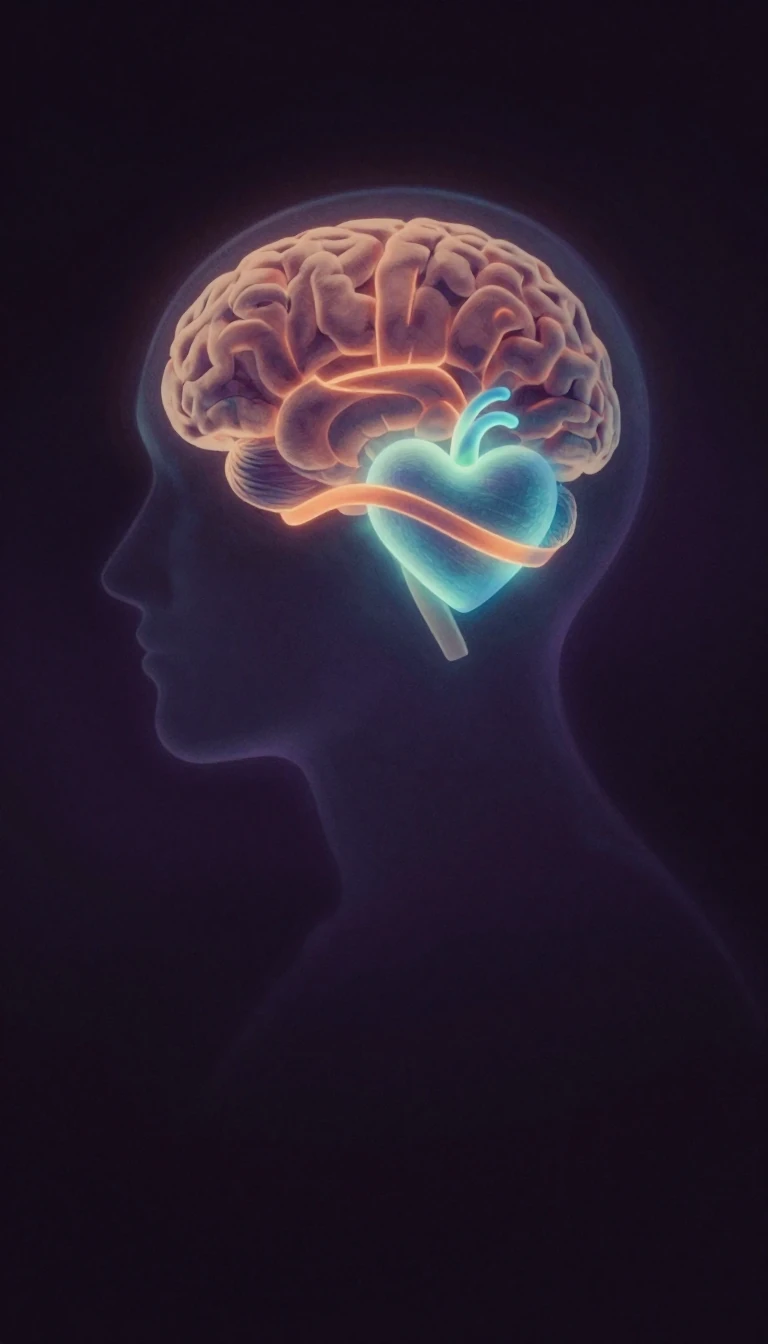 Denis Noble put the heartbeat on a computer, then took on the geneIn 1960, while still a doctoral student in London, Denis Noble published the first mathematical simulation of the heart's electrical rhythm built on real experimental data. Decade…
 Bile works like washing-up liquid, breaking dinner's fat into tiny dropletsFat and water do not mix, which poses a problem for a gut that digests everything in a watery soup. The liver's answer is bile, a yellow-green fluid whose salts behave like deterg…
 CRISPR turned a bacterial defence against viruses into programmable genetic scissorsBacteria fight viruses by storing snippets of their DNA and using an enzyme to slice matching invaders. Scientists borrowed that trick. Pair the enzyme Cas9 with a custom guide RN…
 Queen's guitarist finished his astrophysics PhD 36 years after starting itBrian May began doctoral research in astrophysics in 1971, then got rather busy as Queen's lead guitarist. He finally received his PhD from Imperial College London in 2007. Since …
- Viruses that eat bacteria outnumber every living thing on Earth combinedThere may be more than ten million trillion trillion bacteriophages on the planet, more than all living organisms, bacteria included, put together. These viruses infect only bacte…
 All the DNA base pairs on Earth would weigh about 50 billion tonnesScientists estimate that Earth holds around 5 times ten to the 37th power DNA base pairs, together weighing some 50 billion tonnes. Each pair is just two small molecules gripping …
 In archaeology, the present has been frozen at 1 January 1950When a scientist dates a bone to 1000 BP, the present they mean is not today. It is 1 January 1950, fixed permanently so that dates never drift. That makes 1000 BP the year 950 AD…
- Losing hurts about twice as much as winning feels goodIn a 1992 study, Daniel Kahneman and Amos Tversky put a number on a very human quirk: losses sting roughly 2.25 times more than equal gains please. That lopsided feeling, called l…
 The same mathematical curves describe drumheads, radio waveguides and DNA's X-ray imagesStrike a drum and its skin ripples in patterns described by Bessel functions. The same family of curves governs radio waves inside a cylindrical waveguide, sound radiating from sp…
 The Taung child proved humans evolved in Africa, and experts ignored itIn November 1924 the anatomist Raymond Dart opened two boxes of fossils from a South African lime quarry and found the face and natural brain cast of a young skull. Small-brained …
 Lime mortar slowly turns itself back into limestone inside a wallBake limestone above 900 degrees Celsius and it becomes fiercely caustic quicklime. Add water and it calms into slaked lime. Spread that between bricks and, over years, it drinks …
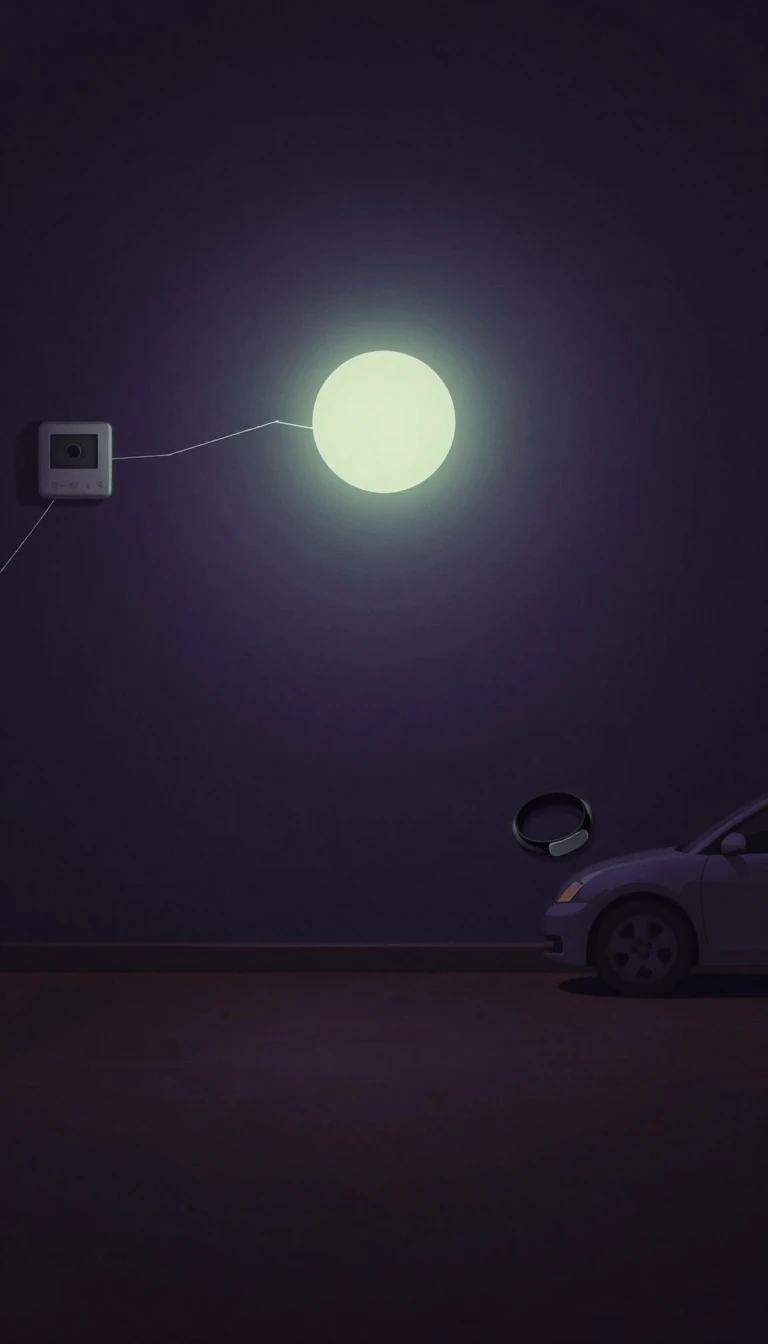 Thermodynamics starts by drawing a boundary and asking what can cross itBefore physicists can apply the laws of heat and energy to anything, from a car engine to a star, they must decide what counts as the system and what counts as everything else. Th…
- Toluene, named after a Colombian tree balsam, flavours petrol fumes and makes TNTPart of that sweet smell at the petrol pump and in fresh paint is toluene, a benzene ring carrying one extra methyl group. Its name traces to balsam of Tolu, a resin from a tropic…
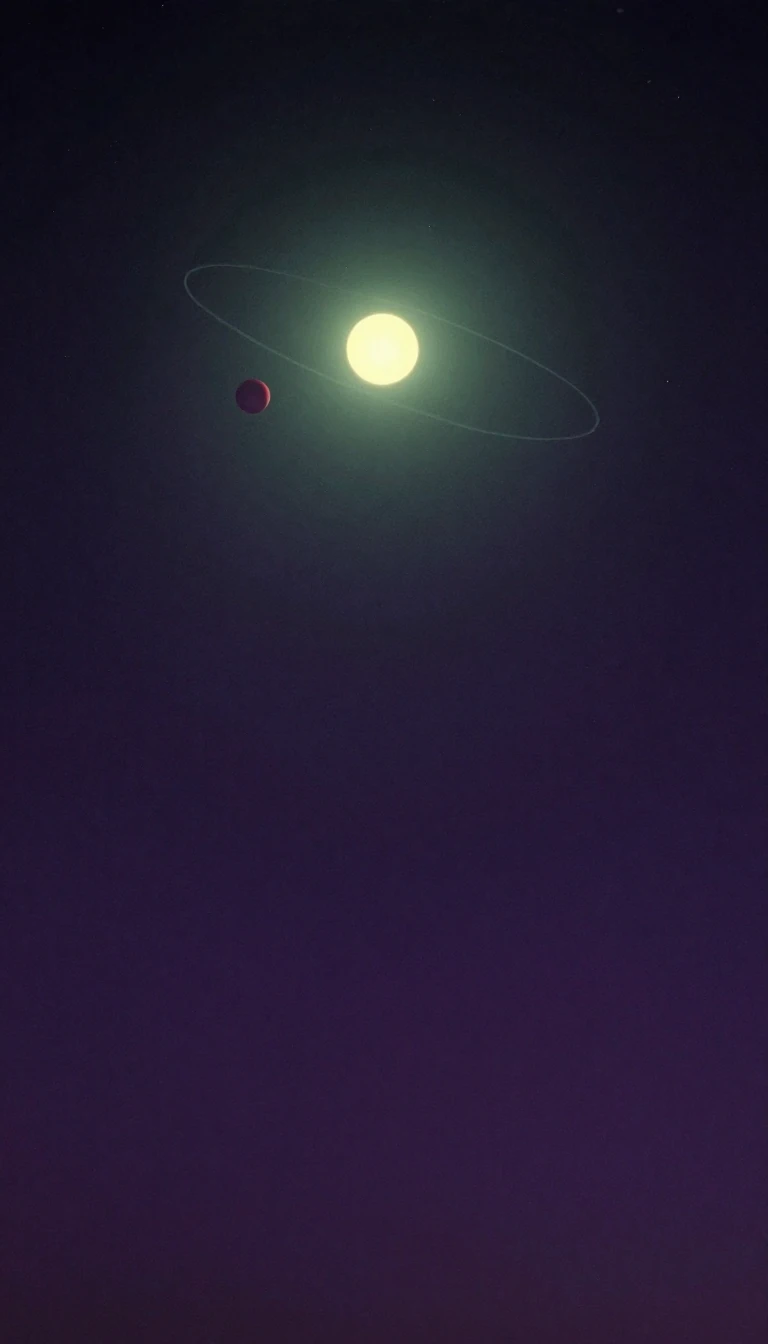 Astrobiology hunts for alien life by studying the toughest life on EarthNo one has found life beyond Earth, yet a whole science is built on the premise that it may exist. Astrobiologists search Mars and icy moons for chemical traces while studying mic…