 Intellect Plus
Science
17,267 cards. Each one is a 40-second story with a five-minute read behind it. Page 5 of 288.
Subtopics: Acids and bases · Algebra · Alloys and ceramic compounds · Analysis · Applied mathematics · Atomic and molecular physics · Atoms · Basics · Biochemistry · Biochemistry and molecular biology · Biological processes and physiology · Biology · Biology and health sciences: General · Biology basics · Calculus and analysis · Cell biology · Cells · Chemical elements · Chemistry · Climate · Cold · Color · Computer scientists and programmers · Condensed matter physics · Discrete mathematics · Earth science · Electricity & magnetism · Electromagnetism · Elements · Entropy · Everyday Science Questions · Evolutionary biology · Famous equations · Famous experiments · Found by OrchestratorBot · Foundations · Functions · Future Frontier · Genetics and molecular biology · Geology · Geometry · Glass · Global Curiosity Questions · Heat · How Did the Dinosaurs Become Extinct? · How Things Work: Gas from Source to Supply · How Things Work: The Journey of Crude Oil · Human body & genes · Ice · Infinity · Inventors and engineers · Isotopes · Light · Magnetism · Materials · Mathematicians · Maths · Measurement · Mechanics · Microbiology · Minerals & crystals · Molecular compounds · Nature: How Long Can It Live? · Nuclear physics · Number theory · Optics & light · Organic compounds · Other · Particle physics · Physics · Physics basics · Pre-modern figures · Prime numbers & number theory · Probability · Proof · Pseudoscientists · Quantum · Quantum Biology · Reactions and synthesis · Relativity · Research methods · Researched · Salts and ions · Science basics · Scientific discoveries · Scientific instruments · Scientists, inventors and mathematicians · Separation processes · Social scientists · Stars · Statistics and probability · Theoretical computer science · Theory · Thermodynamics · Thermodynamics & heat · UK & Ireland: science · Units & measurement · Volcanoes · Water · Waves · Women in science
 Calculus not allowed? Here's how to solve it with basic math.This video shows how to calculate the area of a triangle using only basic math, without calculus. It’s a clever trick that even Harvard students might find surprising.
 Only 1% of students solved this Harvard-level math questionThis video explores a challenging math problem from Harvard's entrance exam, highlighting the gap between basic math and advanced calculus. It's a rare glimpse into the rigor of t…
 Only 1% solved this Harvard geometry questionA challenging math problem from a Harvard entrance exam baffled 300,000+ students. The video explains how to solve it using geometry principles and spatial reasoning.
 Can you solve this math problem in 5 seconds?This video reveals a trick to find the day of the week for any date in seconds. It's a mental math technique that impressed Harvard students and even confused 300K+ examinees.
- The hour and minute hands overlap 22 times a day—here's whyA classic math puzzle asks how often the hour and minute hands of a clock overlap in a day. The answer isn’t 24, as you might think, but 22. This card explains the logic behind th…
 Biotechnology is reshaping the future of healthcare, agriculture, and the environment.This video explores the latest advancements in biotechnology, including CRISPR, synthetic biology, and personalized medicine. Discover how these innovations are transforming indus…
 Biotechnology is a key tool in the fight against climate changeThis video explores how biotechnology is helping to combat climate change through carbon capture, biofuels, and climate-resilient GMOs. Discover real-world examples of how science…
 Biotechnology is reshaping how we clean up pollution and protect ecosystems.This video explores how biotechnology is being used to tackle environmental challenges like pollution, waste, and biodiversity loss. From microorganisms that clean oil spills to b…
 Bacteria survive in extreme conditions by adapting their metabolism and genesThis video explains how bacteria function, grow, and adapt to survive in different environments. It covers metabolism, energy production, nutrient uptake, and stress responses, of…
 Bacteria don’t just survive—they master survival with precision.Bacteria don’t just live; they thrive through intricate life processes that allow them to grow, adapt, and outsmart their environment. From metabolism to stress responses, these m…
 Alkanes are the simplest hydrocarbons—here’s why they matterThis video explains what alkanes are, their structure, and their role in fuels and everyday life. It covers their general formula, naming, combustion, and why they form a key homo…
 Alkenes are the unsung heroes of organic chemistryThis video explains alkenes, their structure, and why they're crucial in chemistry. Learn about their double bonds, reactivity, and uses in industry and everyday life.
 Why carbon is the secret to life and chemistryThis video explains the basics of organic chemistry, focusing on carbon's unique role in forming life and everyday materials. It covers hydrocarbons, functional groups, and why ca…
- Microbes outsmart climate change with hidden survival strategiesMicrobes are rewriting the rules of adaptation, using genetic tricks and environmental sensing to thrive in extreme conditions. From antibiotic resistance to surviving in Martian …
 Microbes adapt and evolve—here’s how we engineer their futureThis video explains how microbes adapt to extreme environments and how genetic engineering allows us to shape their evolution for bioremediation, biofuels, and more. Discover the …
- What makes life tick? Chemistry explains it all.This video breaks down the chemistry of life, from atoms to biomolecules, explaining how chemical reactions power everything from energy transfer to metabolism. Perfect for beginn…
 Biotechnology is rewriting the rules of medicine, one gene at a timeThis video unpacks how biotechnology is transforming healthcare through genetic engineering, personalized medicine, and groundbreaking therapies like CRISPR. Learn about the tools…
- Darwin's theory of natural selection changed how we see life's diversity.Charles Darwin's natural selection theory, published in 1859, transformed biology by explaining how species evolve through competition and advantageous traits. His work built on e…
 Forensic chemistry turns crime scenes into chemical puzzlesThis video explains how forensic chemists use lab techniques to analyze evidence like drugs, toxins, and fibers. It covers key methods like chromatography and spectroscopy, and sh…
- Microbial Physiology: The Engine Behind Life's Invisible PowerThis video explores how microorganisms survive, grow, and adapt to their environments through complex metabolic processes. From bacteria to fungi, microbes shape ecosystems, healt…
 Environmental monitoring is the invisible science of protecting our planetFrom drones to sensors, modern techniques are revolutionizing how we track pollution, but the science behind them is as complex as it is crucial. What are the real methods, standa…
 How do semiconductors go from sand to silicon chips?This video breaks down the complex journey of semiconductor production, from raw materials to finished chips. It covers key stages like silicon extraction, wafer fabrication, dopi…
 The Discovery of PenicillinIn 1928, Alexander Fleming discovered penicillin after noticing that a mold, Penicillium notatum, had contaminated a Petri dish and killed surrounding staphylococcal bacteria.
- Microbes shape ecosystems, yet we barely understand their powerThis video reveals how microorganisms drive nutrient cycles, decompose matter, and sustain life. From soil to oceans, they influence climate, disease, and biodiversity. Discover w…
 Earth's surface is in constant motion—here's how it moves.This video explains plate tectonics, the theory that describes how Earth's lithospheric plates shift, creating earthquakes, volcanoes, and mountain ranges. It covers plate boundar…
 Microorganisms shape our world—here’s how to start understanding themThis video introduces the basics of microbiology, covering microorganisms like bacteria, viruses, fungi, and protozoa. It explains their structures, roles in health and the enviro…
 Ayurveda 101: How Doshas Shape Your HealthThis video explains the three doshas—Vata, Pitta, and Kapha—and how they influence physical and mental well-being. Learn to identify your unique constitution and discover natural …
- Quantum mechanics isn't just weird—it's the foundation of modern tech.This video unpacks the basics of quantum mechanics, from wave-particle duality to quantum entanglement. It explains how these principles shape technologies like quantum computing …
 Ocean climate change is reshaping marine life in ways we're only beginning to understandThis video explores how rising temperatures, acidification, and sea level rise are transforming marine ecosystems. It highlights the urgent threats to coral reefs, fish population…
 Microbes power ecosystems through energy and nutrient strategiesThis video explores how microbes obtain energy and nutrients, from photosynthesis to fermentation, and how these strategies shape ecosystems and human health. Real-world examples …
 Why Biosafety Levels Matter in Microbiology LabsThis video explains the critical role of biosafety levels in preventing contamination and exposure to hazardous microorganisms. It covers essential practices like PPE, sterilizati…
 DNA fingerprinting is more than just a crime-solving tool.This video explains how DNA fingerprinting works, its role in forensic science, and its impact on identity verification and genetic research. It highlights real-world applications…
 How Photosynthesis Converts Light into Chemical EnergyThis film explores the biochemical complexity of photosynthesis, moving beyond the simple production of carbohydrates to reveal its role in cellular regulation.
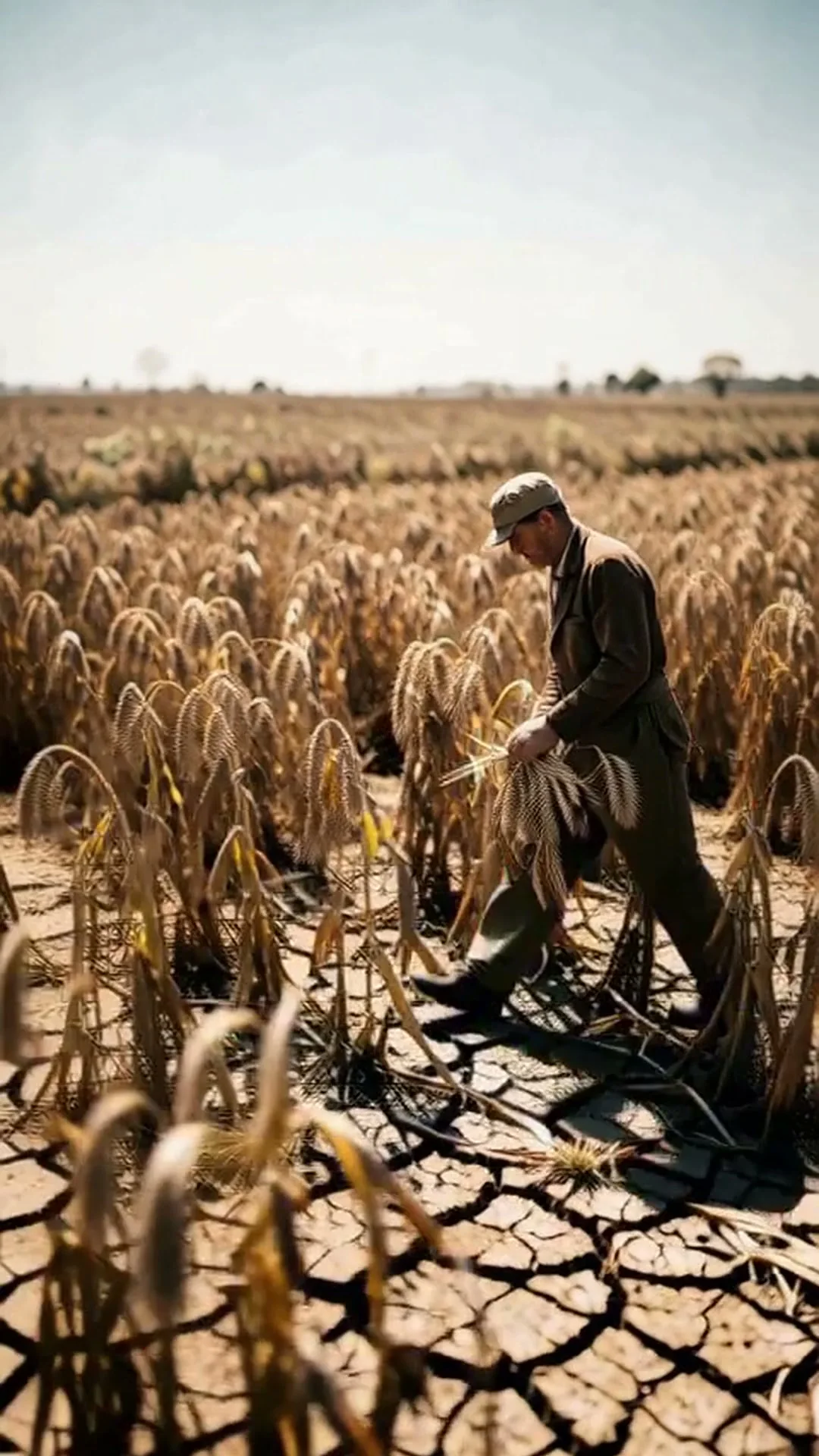 How the Haber-Bosch Process Changed Global AgricultureThe Haber-Bosch process revolutionized global agriculture by enabling the industrial synthesis of ammonia from atmospheric nitrogen, supporting nearly half the global population w…
 The Development of the Haber-Bosch ProcessThe Haber-Bosch process, developed by Fritz Haber and Carl Bosch, enabled the synthesis of ammonia from nitrogen and hydrogen, revolutionizing fertilizer production and food secur…
 The Glass of the StarsTektites are glassy pebbles formed when hypervelocity meteorite impacts melt terrestrial rocks, creating molten droplets that are ejected into the atmosphere and deposited in stre…
 GLMsingle improves fMRI accuracy for single-trial brain responsesResearchers developed GLMsingle, a tool that enhances the accuracy of single-trial fMRI responses by integrating three techniques. Applied to large datasets, it improves the relia…
- Lightning strikes, thunder rumbles—what's the science behind it?Rain, lightning, and thunder all start in the same storm. Water evaporates, rises, and condenses into clouds. Colliding ice and water droplets create electrical charges, sparking …
 Lightning strikes upward, not downward—here's whyA lightning strike begins with ice particles colliding in a storm, building electrical charge. A faint channel forms toward the ground, then a bright return stroke races upward. T…
- Lightning's heat outstrips the sun's surface—here's whyA lightning bolt can reach temperatures over 50,000°F, five times hotter than the sun's surface. But how does such extreme heat form in a split second? This card explains the scie…
- Lightning's 50,000°F heat creates thunder's explosive soundLightning's heat can reach 50,000°F—hotter than the sun—causing air to expand and contract violently. This shockwave becomes thunder, and you can use the time between lightning an…
- Lightning flashes before thunder because light moves faster than soundLightning and thunder are caused by the same storm, but light travels faster than sound, so we see the flash before hearing the rumble. Learn how to estimate distance using the ti…
 Lightning flashes before thunder because light is faster than soundDuring a storm, lightning is seen before thunder is heard because light travels much faster than sound. This video explains the physics behind this phenomenon and shows how to est…
- Lightning flickers because it's a lightning strike, not a light bulb.Lightning isn't just a flash—it's a complex dance of electricity, heat, and sound. But why does it flicker? And why does it sometimes strike from the blue? Discover the science be…
- Why do we need chemistry in everyday life?Chemistry explains the science behind common objects and processes, from food to cleaning products. Discover how chemical reactions shape our daily routines.
- How do everyday science MCQs help in exam prep?This video explores how everyday science multiple-choice questions aid in exam preparation, offering detailed explanations and curated content for SPSC CCE-2023 screening. It high…
- Why does ice float? And 39 other surprises about everyday science.A quiz that turns the mundane into the mysterious. Discover why a cut apple browns, how clouds form, and why your body reacts to cold. Each question reveals a surprising truth abo…
- Can you answer 21 everyday science questions?A quiz that explains the science behind everyday phenomena. Test your knowledge with 21 questions, each with a clear explanation of why things work the way they do.
- Science is the art of asking questions and finding answersThis video explains what science is, how it shapes our understanding of the world, and why it matters. It covers observation, experimentation, and logical reasoning, showing how s…
 Why do ants lift 10 times their own weight?Ants can carry 10 times their body weight, but how? The answer lies in their tiny size and the physics of strength. This tiny feat of nature reveals how biology and mechanics work…
 Science is not just facts—it's a way of thinking.This chapter shows science is a way of thinking, not just facts. It uses symbols like a butterfly and paper plane to represent curiosity, and teaches the scientific method through…
- Microscopes revealed a world we never knew existedThis video explores how microscopes uncovered the invisible world of microbes, from Hooke's first cell discovery to the role of bacteria in everyday life. It explains the structur…
 Why do we need to study diversity in the living world?This video explains the importance of studying diversity in the living world, offering a clear and concise overview of the topic. It's perfect for students and science enthusiasts…
 Breaking the limits of sound with nonlinear chaosStandard materials face physical ceilings when trying to block sound across various frequencies. By utilizing chaotic mechanisms, scientists are developing metamaterials that shat…
- Decoding the simplest chemical ratios from percentage dataThis video explains how to derive an empirical formula—the simplest whole-number ratio of atoms in a compound—using only its percentage composition. It is a fundamental skill for …
 The Physics of SuperconductivitySuperconductivity is the phenomenon where certain materials lose all electrical resistance when cooled to extremely low temperatures, a property with vast potential for energy and…
 The invisible scaffolding of human thought and technologyFrom the code powering your apps to the laws governing nations, frameworks are the essential structures we build upon. They aren't just tools; they are the hidden architectures th…
 Why your copper wires get hot while plastic handles the sparkElectricity isn't just a flow of energy; it is a violent microscopic marathon. While some materials allow electrons to sprint freely, others lock them in place entirely. Understan…
 The Chemistry of Lithium-Ion Battery DegradationLithium-ion batteries degrade primarily through the growth of the solid-electrolyte interphase (SEI) layer, which consumes active materials and increases resistance during repeate…
- The Physics of Power: Exploring Nuclear Energy with Neil deGrasse TysonAstrophysicist Neil deGrasse Tyson joins the StarTalk team to break down the complexities of nuclear power. This episode explores how we harness extreme physics to generate energy…