 Intellect Plus
Science
17,267 cards. Each one is a 40-second story with a five-minute read behind it. Page 3 of 288.
Subtopics: Acids and bases · Algebra · Alloys and ceramic compounds · Analysis · Applied mathematics · Atomic and molecular physics · Atoms · Basics · Biochemistry · Biochemistry and molecular biology · Biological processes and physiology · Biology · Biology and health sciences: General · Biology basics · Calculus and analysis · Cell biology · Cells · Chemical elements · Chemistry · Climate · Cold · Color · Computer scientists and programmers · Condensed matter physics · Discrete mathematics · Earth science · Electricity & magnetism · Electromagnetism · Elements · Entropy · Everyday Science Questions · Evolutionary biology · Famous equations · Famous experiments · Found by OrchestratorBot · Foundations · Functions · Future Frontier · Genetics and molecular biology · Geology · Geometry · Glass · Global Curiosity Questions · Heat · How Did the Dinosaurs Become Extinct? · How Things Work: Gas from Source to Supply · How Things Work: The Journey of Crude Oil · Human body & genes · Ice · Infinity · Inventors and engineers · Isotopes · Light · Magnetism · Materials · Mathematicians · Maths · Measurement · Mechanics · Microbiology · Minerals & crystals · Molecular compounds · Nature: How Long Can It Live? · Nuclear physics · Number theory · Optics & light · Organic compounds · Other · Particle physics · Physics · Physics basics · Pre-modern figures · Prime numbers & number theory · Probability · Proof · Pseudoscientists · Quantum · Quantum Biology · Reactions and synthesis · Relativity · Research methods · Researched · Salts and ions · Science basics · Scientific discoveries · Scientific instruments · Scientists, inventors and mathematicians · Separation processes · Social scientists · Stars · Statistics and probability · Theoretical computer science · Theory · Thermodynamics · Thermodynamics & heat · UK & Ireland: science · Units & measurement · Volcanoes · Water · Waves · Women in science
 Fire can carry electricity, but only because chemistry makes its charged particlesA flame is a surprisingly poor conductor, about seven billion times worse than copper, yet it carries current. The charge does not come from heat. It comes from a chemical reactio…
 Soap works by breaking apart the fatty envelopes that wrap many germsSoap is made of molecules with a water-loving head and a water-hating tail. Dispersed in water, the tails pry into the oily membranes of many bacteria and viruses, rupturing them.…
 Microwave ovens heat food by making water molecules vibrate, not by warming from outsideA microwave oven does not heat food the way a stove does. Its magnetron produces waves that make water, sugar and fat molecules vibrate, and that vibration generates the heat. Foo…
 Thunderstorms are dangerous for more than lightning: wind, hail and floods all come with themA thunderstorm can do harm in several ways at once. Strong downbursts can knock down trees and power lines, hailstones can smash cars and crops, and heavy rain can cause flash flo…
 Ocean currents are driven by wind, density differences and tides, not one single forceOcean currents are driven by several forces working together: wind, tides, and differences in water density caused by temperature and salt. Scientists have debated these causes si…
 Lightning rods don't stop lightning; they give it a safe path to the groundIt is a common belief that lightning rods prevent strikes by draining storm clouds. The evidence says otherwise. A rod is a preferred target that routes a strike harmlessly into t…
 Sound moves fastest through solids because their atoms are packed and stiffSound travels roughly four times faster in water than in air, and nearly fifteen times faster in iron. The reason is rigidity: in a solid, atoms are tightly bound, so a vibration …
 Boiling chips work by giving liquids trapped air to start bubbles onAdd a boiling chip before heating, and it quietly prevents a liquid from erupting violently. Its porous surface holds tiny pockets of air that let bubbles form smoothly, one by on…
 Clouds form when invisible water vapor cools and condenses onto tiny particlesA cloud is mostly tiny droplets of liquid water and ice crystals, not a floating mass of water vapor. Air holds vapor until it cools to its dew point, then vapor condenses onto pa…
- Thunder is the shockwave of air heated by a lightning boltThunder is not a separate event from lightning. A lightning channel heats the air around it to tens of thousands of degrees in a few millionths of a second. The air expands explos…
 Ice floats because water expands when it freezes, a rare propertyMost substances shrink when they solidify, so their solid form sinks. Water does the opposite. When it freezes, its volume grows by a little over nine percent, which leaves ice le…
 The Big Bang began as a theory from observed galactic motion, not from a single flashGalaxies are moving apart, and running that motion backward points to a universe that was once far denser and hotter. The Big Bang theory grew from this observation, and its predi…
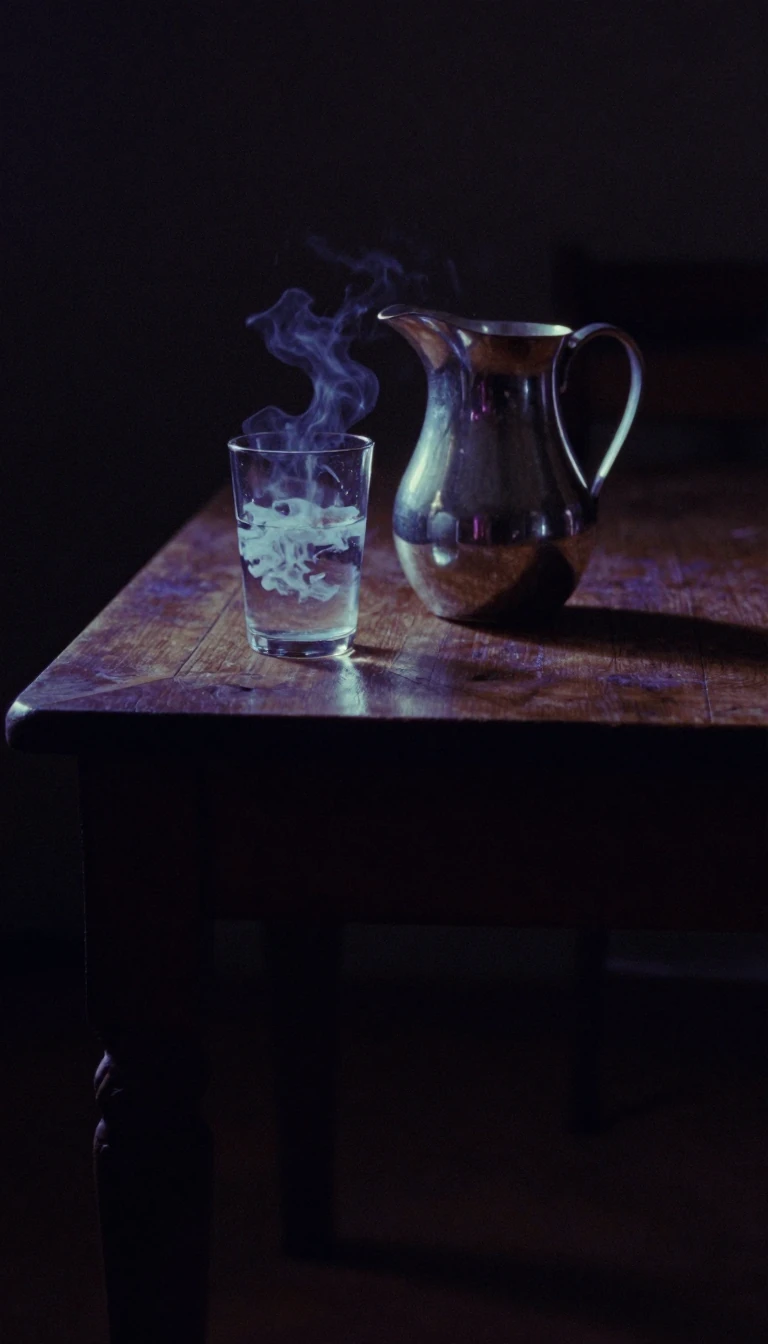 Why does table salt vanish in water but refuse to dissolve in petrol?Table salt disappears into a glass of water within moments, yet it barely dissolves in petrol. The reason lies in a tug-of-war between the forces holding salt crystals together an…
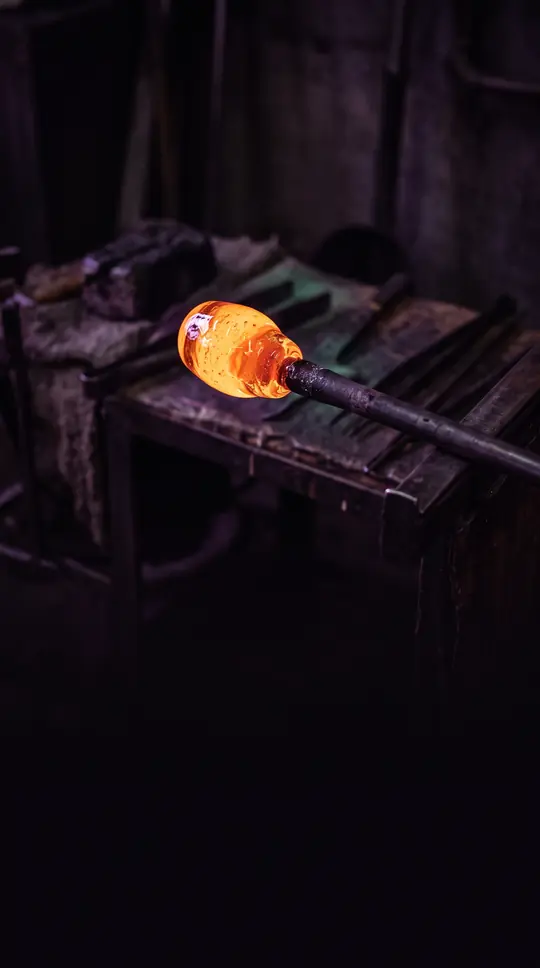 Heating glass does not melt it the way ice meltsGlass has no crystal structure to break apart, so heating it does not produce a sharp melting point. Instead it softens gradually across a range of temperatures. The point where t…
 The Moon's path is always curved toward the Sun, not just toward EarthThe Moon does circle Earth, yet its accelerating path bends toward the Sun at every point. Gravity from the Sun on the Moon is stronger than from Earth, and the two bodies share a…
- Water boils when its vapor pressure matches the pressure pressing down on itWater boils when the push from its own escaping vapor equals the pressure of the air above it. Because that air pressure drops with altitude, water boils at lower temperatures on …
- Oceanic crust sinks beneath continental crust because it is heavier and denserContinental crust floats high because it is lighter, while oceanic crust is heavier. Where tectonic plates collide, the heavier oceanic crust always slides beneath the continental…
- Why water boils at a lower temperature on a mountainWater boils at 100 °C at sea level, but at 93.4 °C on a peak about 1,905 metres up. Boiling happens when a liquid's vapour pressure matches the air pressure around it. Lower the a…
- An earthquake is a sudden release of stored energy in the crustEarthquakes start when stress built up along a fault is released suddenly, sending seismic waves outward. The shaking can travel far, and in the eastern United States it can be fe…
- A rainbow is a circle that only your own eyes can completeRainbows are really full circles centred on the point directly opposite the sun. Sunlight enters raindrops, bounces off their backs and leaves at about 42 degrees. Because every v…
 Earth has been in an ice age for about 34 million yearsMost people picture an ice age as a short frozen chapter, but scientists describe Earth as still inside one that began about 34 million years ago. Its ice sheets, ocean currents a…
- Boiling water changes its state but never its chemical identityWhen water boils, it turns into steam, yet the steam is still made of the same water molecules. Boiling is a physical change, and it is reversible: cool the vapour and liquid wate…
 Volcanoes erupt when magma rises, and gas and silica decide how violent it getsVolcanoes are not random. Magma forms deep in the mantle, and because it is less dense than the rock around it, it rises. Pressure from dissolved gas, plus the magma's silica cont…
 Auroras are sunlight-driven light shows, with the colors set by the gases involvedThe northern lights begin at the Sun. A steady stream of charged particles, called the solar wind, reaches Earth and meets our magnetic shield. Energy builds up there and is relea…
- A strobe light's flash can make a spinning machine appear to stand stillA strobe flashes in brief, regular bursts of light. Set to the right rate, it can make a spinning wheel or engine part look frozen in place. The same trick once helped scientists …
 Gases can need less voltage to spark at a gap than at a narrower oneSqueeze two metal plates closer together and you might expect sparks to get easier. In air, that is only true up to a point. Past a certain gap, the voltage needed to make a spark…
 A trapped-ion quantum computer can now do things classical machines cannot simulateQuantinuum Helios is a 98-qubit quantum computer that uses charged barium atoms as its qubits. Its researchers report that it operates well beyond the reach of classical simulatio…
 A photon's path can be decided after it has already passed the apparatusPhysicist John Wheeler proposed an experiment in which the choice of how to observe light is made after the light has seemingly already committed to a path. The outcome still show…
 You cannot perfectly copy an unknown quantum state, and that rule runs deepIn classical computing, copying data is trivial. In quantum physics it is forbidden for unknown states. Researchers now show that copying even an entire ensemble of quantum states…
 Einstein and Oppenheimer admired each other's minds but rarely agreedAlbert Einstein and J. Robert Oppenheimer shared an institute, a famous birthday gift and a public eulogy, yet they disagreed deeply about physics. Oppenheimer thought Einstein's …
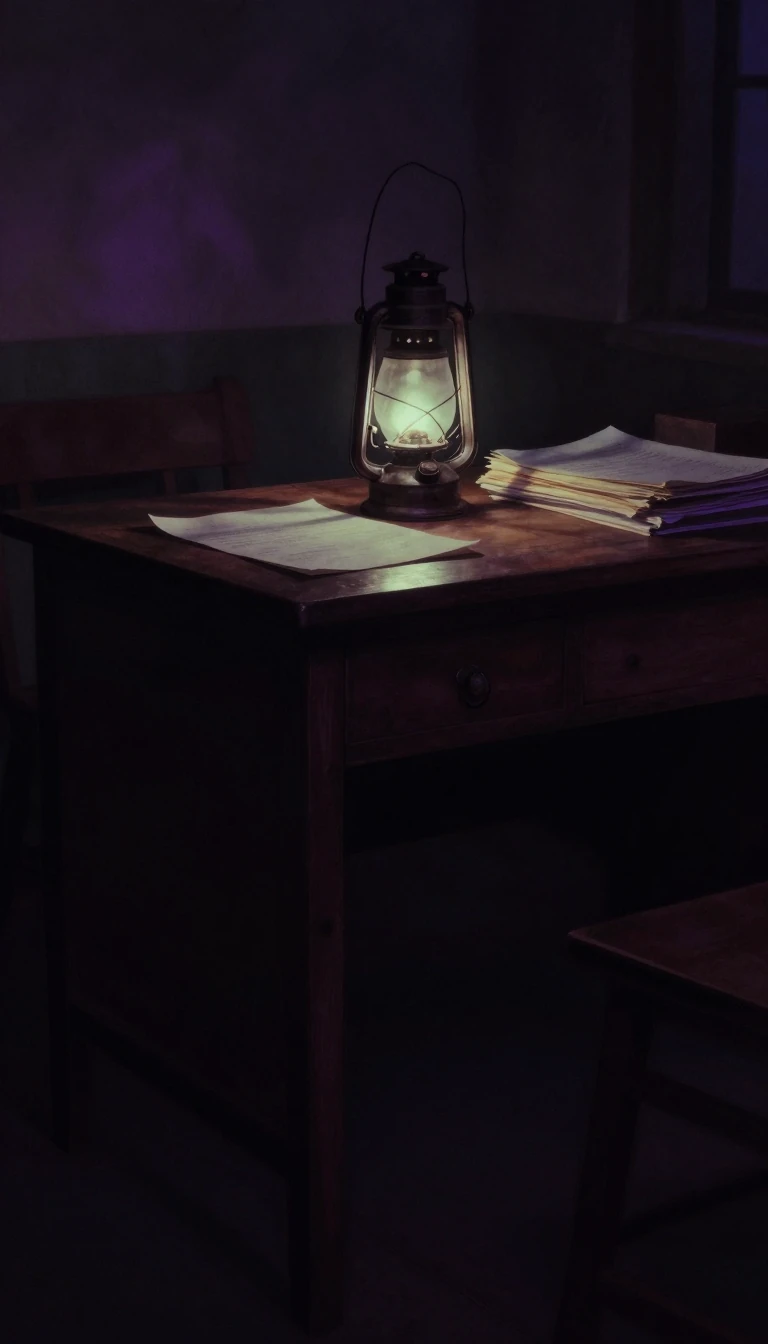 A kerosene lamp's flame is held steady by capillary action, not a pumpKerosene lamps once lit homes, trains and lighthouses without electricity. Their fuel climbed up a cotton wick by capillary action alone, with no pump needed. Yet the same lamps s…
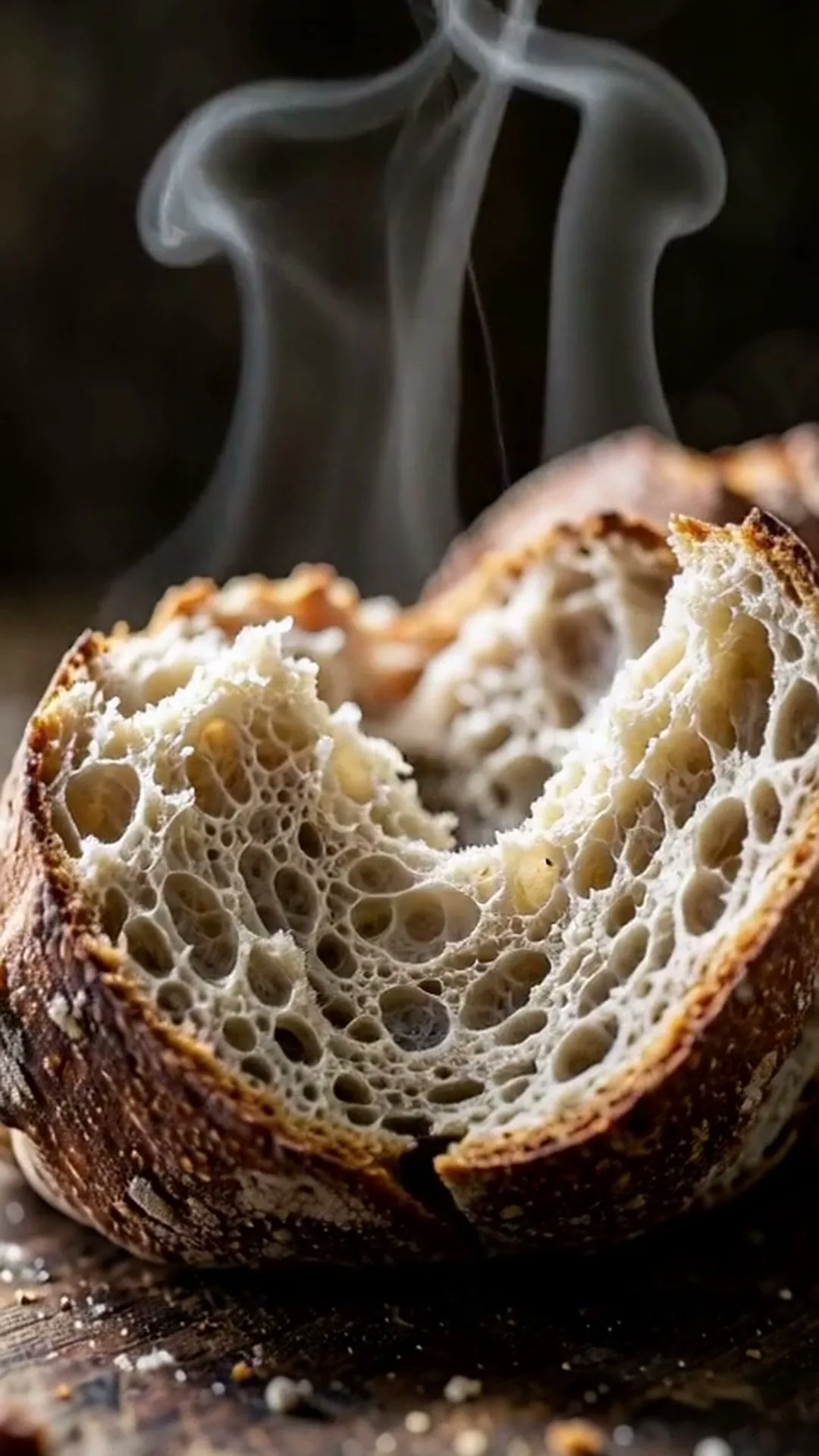 The Chemistry of Why Bread RisesBread rises because Saccharomyces cerevisiae yeast metabolizes sugars to produce carbon dioxide gas, a biological process refined from ancient Egyptian techniques to modern indust…
 Einstein built relativity largely by imagining journeys on beams of light and trainsBefore Albert Einstein ran any laboratory experiment for relativity, he ran experiments in his head. He imagined chasing a beam of light, watching lightning strike a moving train,…
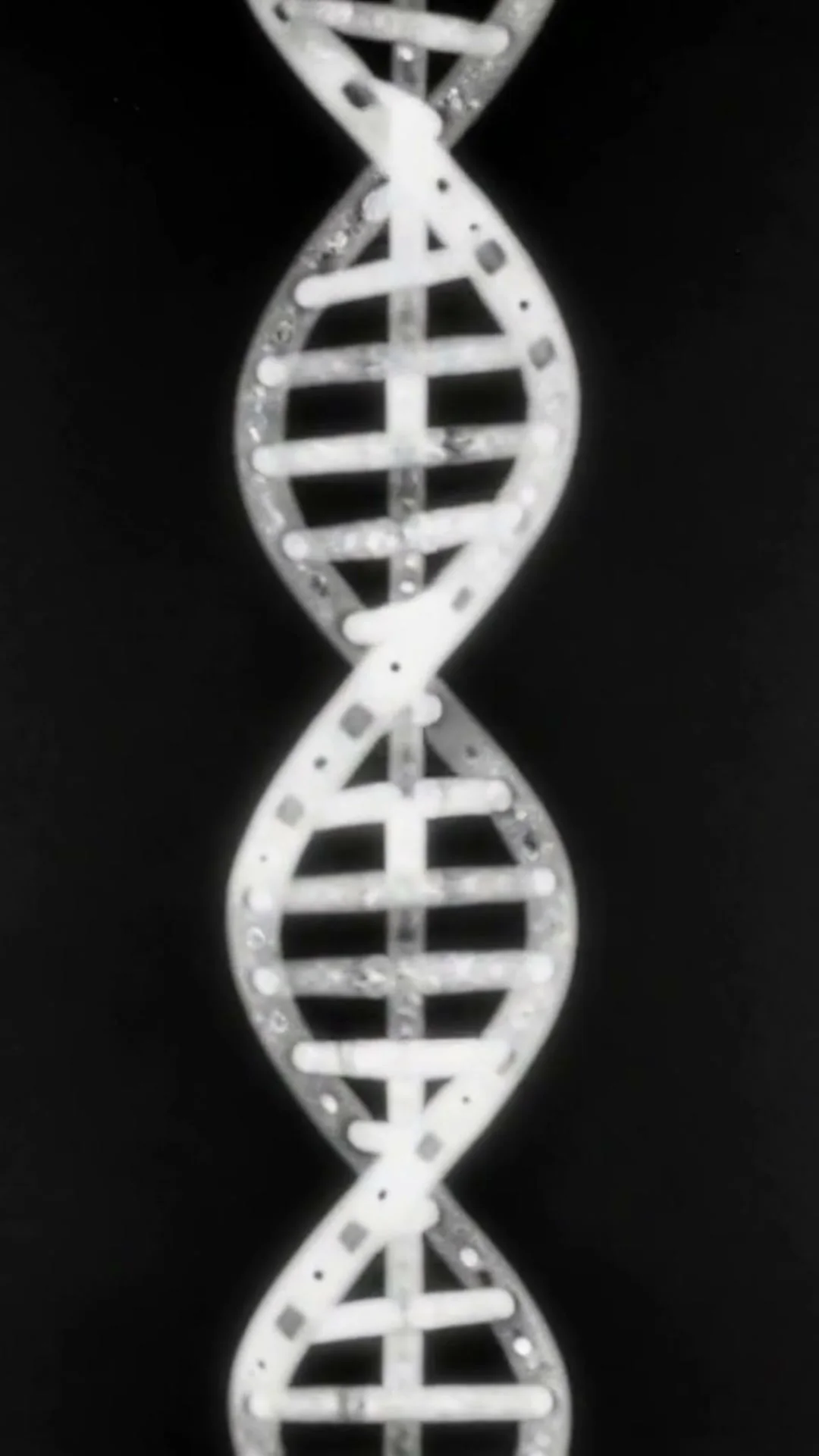 The Blueprint of Life: Decoding DNAThe 1953 discovery of the DNA double helix through X-ray crystallography laid the foundation for modern genetics and personalized medicine.
 India's river-linking plan could change the monsoon that feeds itIndia plans a network of canals and reservoirs to move water between river basins. A recent study found that such transfers could alter the land-atmosphere feedback that shapes th…
- Sperm competition: when rivals' sperm race for the same eggSperm are tiny, yet they carry a surprisingly strategic story. Many males can compete to fertilize one egg, and the sperm themselves are built for that race. Each sperm has a head…
- Earth's outer shell is broken into roughly 1,200 smaller pieces, not just a few giantsThe surface beneath your feet is not one solid shell. It is split into moving slabs of rock called tectonic plates. Some are continent-sized giants, while many more are tiny fragm…
 A French state body spans nuclear power, supercomputing and medical researchFrance's CEA began in 1945 and now works across energy, defence, computing and health. It employs over 21,000 people and runs a budget of €5.8 billion. Its scope runs from nuclear…
- A Rector of Upminster helped measure the speed of sound from his church towerUpminster is a London suburb with a rural past, but it also has a surprising place in science. In the 18th century, the Reverend William Derham, rector of its parish church, worke…
- Vladimir Nabokov, the novelist, was also a serious butterfly scientistLepidopterology is the study of moths and butterflies, and its story runs from Renaissance illustrators to gentleman collectors and expedition funders. One famous name in the fiel…
 Second-order logic can say things first-order logic cannot, such as describing ancestorsOrdinary logic can talk about individual things but not about properties or collections of them. Second-order logic extends the reach by allowing quantification over relations and…
 The Periodic Table's Hidden HistoryWhile Dmitri Mendeleev is often credited as the sole discoverer of the periodic table, the evidence shows he built upon earlier work by scientists like Lavoisier and Döbereiner.
 The Physics of Superconductivity at Near-Zero TemperaturesThis film explores the history and physics of superconductivity, from its 1911 discovery to the BCS theory and modern research into high-temperature materials.
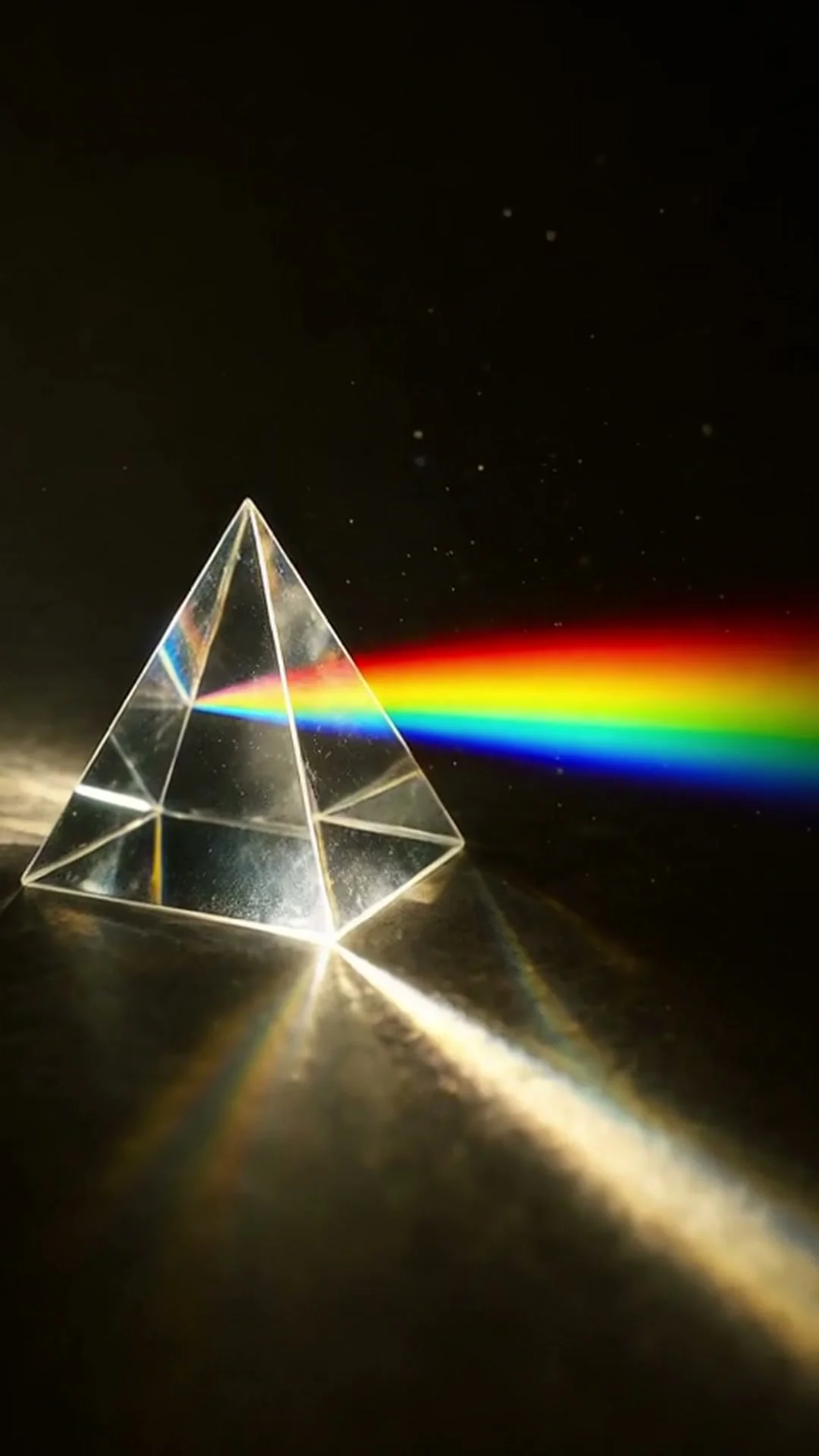 How the James Clerk Maxwell Equations Describe LightJames Clerk Maxwell unified electricity, magnetism, and optics into a single theory of electromagnetism by mathematically formulating Faraday's field lines and discovering that li…
 The Higgs Boson: Beyond the MythThe Higgs boson is an elementary particle associated with the Higgs field, which provides mass to elementary particles through interactions that act like a drag force.
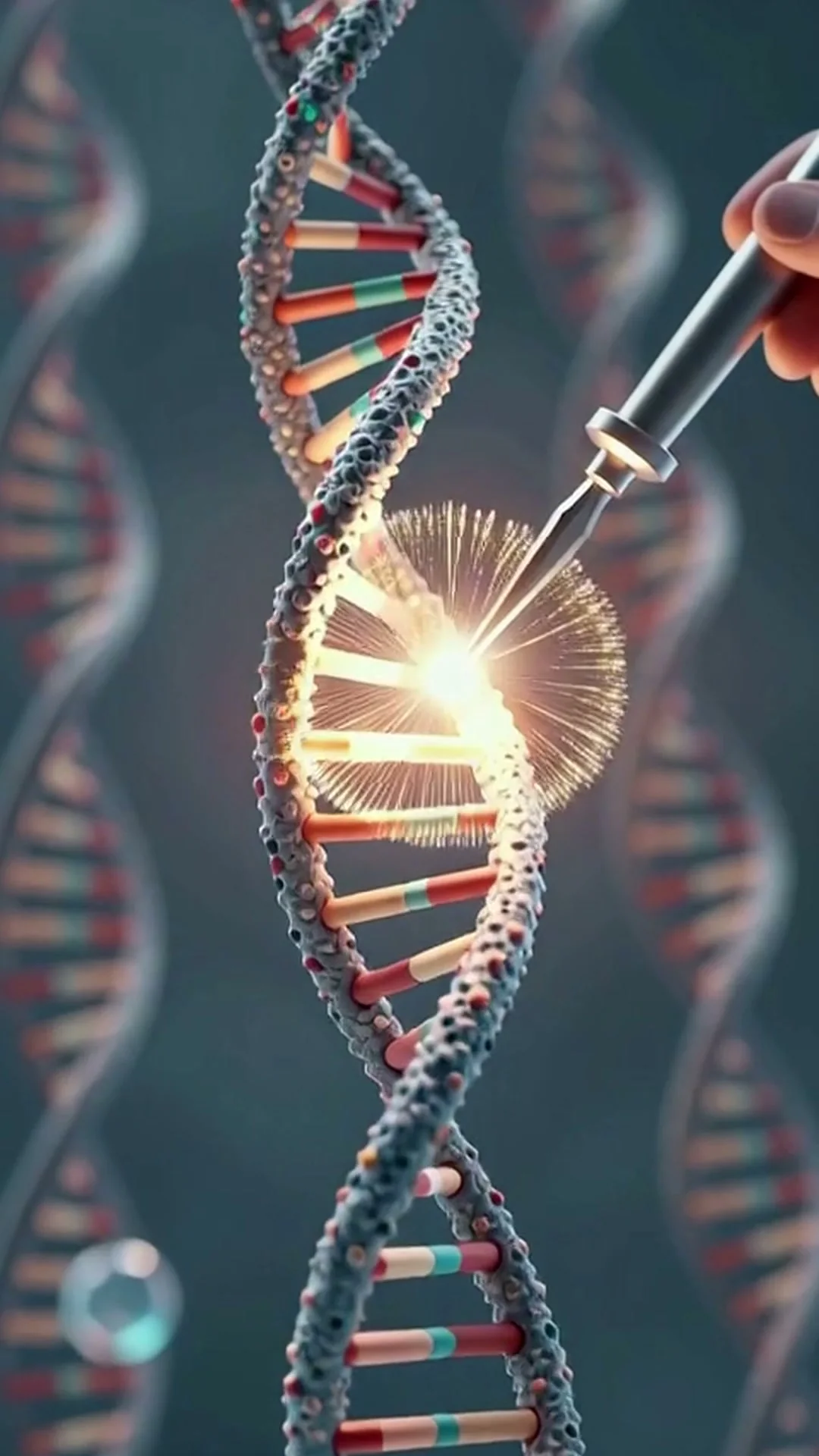 How CRISPR-Cas9 Edits Specific DNA SequencesCRISPR-Cas9 is a programmable gene-editing tool derived from bacterial immune systems that uses a guide RNA and the Cas9 enzyme to precisely modify DNA sequences for treating gene…
 How the Haber-Bosch Process Feeds the WorldThe Haber-Bosch process revolutionized global agriculture by synthesizing ammonia from atmospheric nitrogen, enabling the production of synthetic fertilizers that now support near…
 The Physics of Superconductivity in Type II MaterialsThe film explains how Type II superconductors differ from Type I by allowing partial magnetic flux penetration through Abrikosov vortices, enabling their use in high-field applica…
 Only 1% solved this Harvard geometry puzzleA Harvard entrance exam question baffled 300,000 students. This video explains the trick behind the problem that stumped so many.
 Only 1% solved this MIT entrance geometry questionA notoriously difficult geometry problem from an MIT entrance exam baffled 300,000+ students. This video explains the solution and why it's a masterclass in spatial reasoning.
 Squaring both sides can turn a simple equation into a nightmareA math problem that stumped 300,000+ Harvard applicants shows how squaring both sides can introduce false solutions. This video reveals the trick to solving it in 3 seconds.
 Only 1% solved this Harvard math problemA Harvard entrance exam question baffled 300,000 students. This video explains why the problem is so hard and what makes it unique in the world of math.
 Only 1% of students solved this Harvard math trickA Harvard entrance exam question baffled 300K+ students. Learn the secret percentage trick and mental math shortcuts that let you calculate faster than a calculator.
- Only 1% solved this Harvard-level geometry puzzleA seemingly simple geometry question from a Harvard entrance exam stumped over 300,000 students. This video reveals how to crack it and why it's a gateway to advanced mathematical…
 Why did Harvard's math interview question terrify 300K students?A seemingly simple geometry problem about the sea's horizon stumped thousands. It reveals how math can be both intuitive and deeply counterintuitive, testing not just calculation …
 Only 1% of students solved this Harvard math questionA Harvard entrance exam question baffled 300,000 students. This video reveals the trick to solve it in seconds, using math techniques that feel almost magical.
- Only 1% solved this Harvard geometry questionA seemingly simple math problem from a Harvard entrance exam stumped 300K+ students. The video explains why it's harder than it looks and how to solve it.
 Only 1% solved this train math problem—what's your trick?A seemingly simple geometry question stumped 300K+ examinees. Learn the trick to solve it in seconds, and why this problem is a classic example of relative speed in action.
 Only 1% solved this Harvard geometry questionA Harvard entrance exam question stumped 300K+ students. This video explains how to find the area of a circle in a complex geometric setup, revealing why it's so challenging.
 Why is it NOT 90? The handshake puzzle reveals a hidden mechanism.A simple question about handshakes at a party stumps students and AI. It's not just math—it's about how we count connections. Watch to see why the answer is far more complex than …