 Intellect Plus
Air
229 cards. Each one is a 40-second story with a five-minute read behind it. Page 3 of 4.
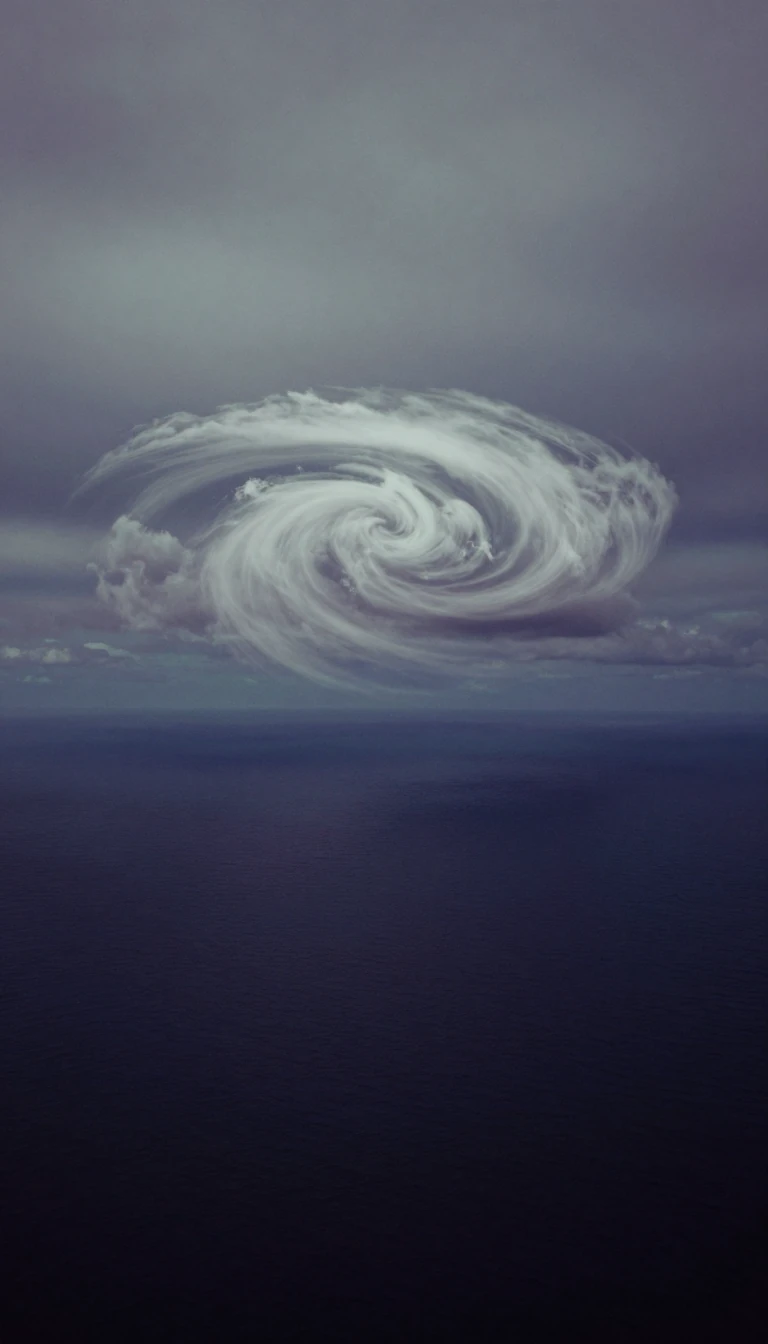 Why the rare mackerel sky is a beautiful warning of changing weatherHigh above the earth, cirrocumulus clouds form delicate, rippled patterns that resemble the scales of a fish. While these rare, icy formations often signal fair weather, their app…
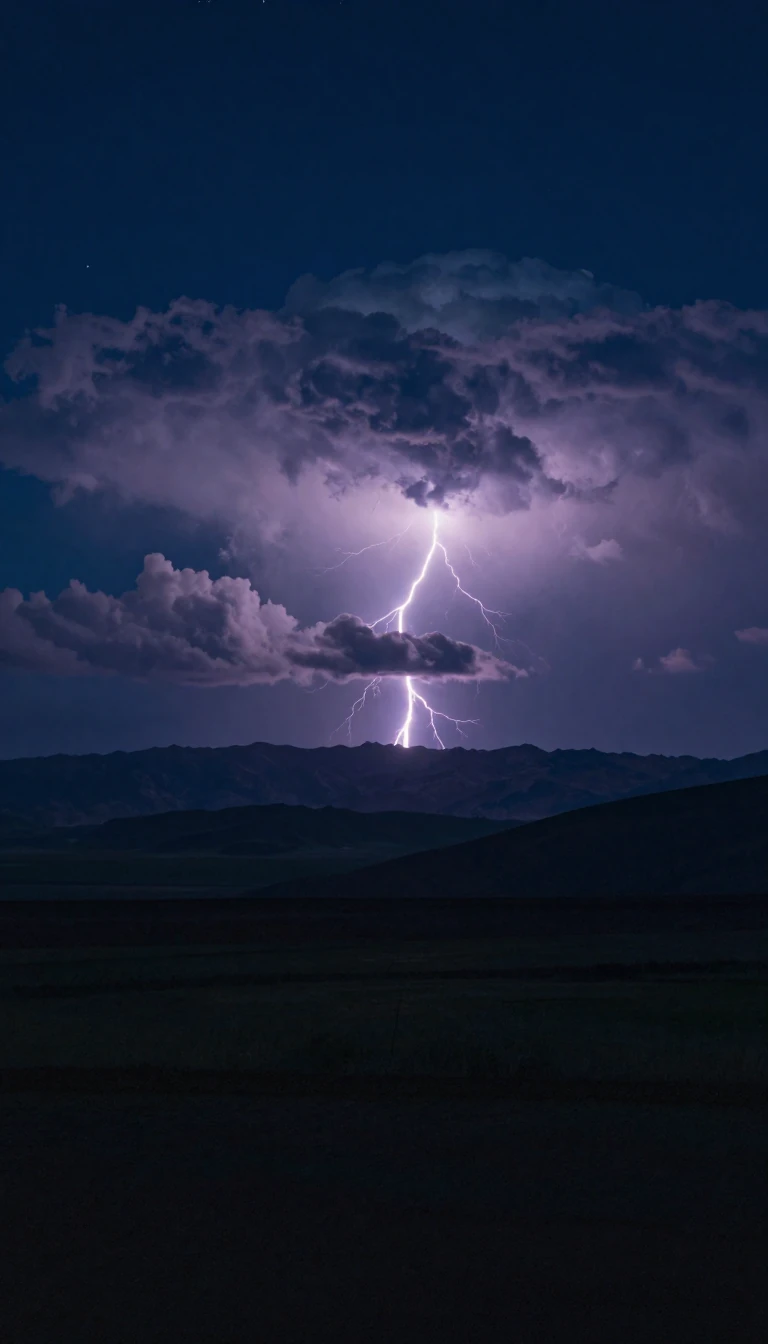 Why that milky haze in the sky often signals a coming rainstormCirrostratus clouds are high-altitude, ice-crystal veils that often go unnoticed, yet they act as a sophisticated atmospheric warning system. By casting halos around the sun or mo…
 The invisible veil in the sky that predicts the coming of rainCirrostratus nebulosus is a high-altitude cloud so subtle it often vanishes into the blue. Yet, this featureless, icy veil is a powerful meteorological signal. When you spot its f…
 Mapping the geography of climate denial: why certain regions reject scientific consensusRoughly 15 percent of Americans reject the reality of climate change, but this skepticism is not spread evenly. By analyzing millions of social media posts, researchers have uncov…
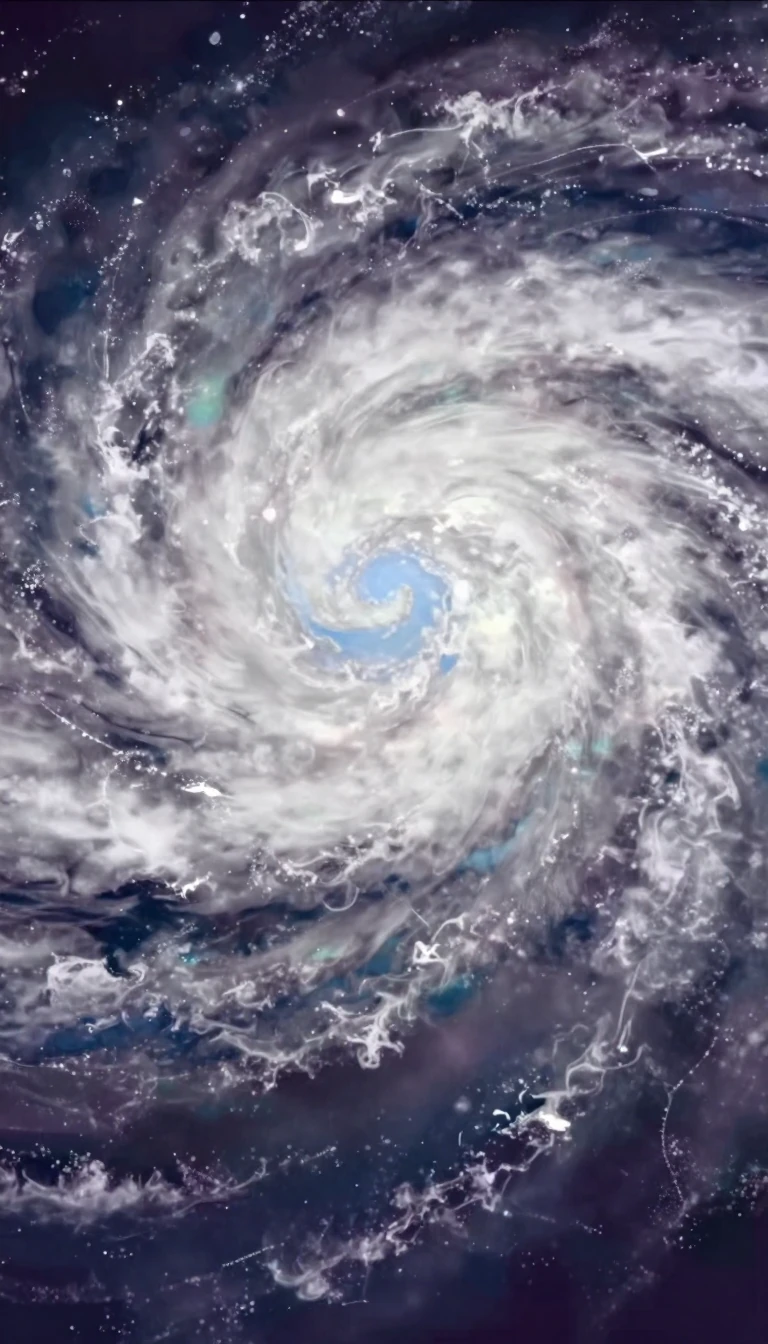 Why Earth’s climate system is a complex web of self-reinforcing and balancing loopsClimate change is not just about emissions; it is driven by feedback loops that either stabilize or accelerate warming. While some processes act as a natural thermostat, others cr…
 Africa is warming faster than the global average, triggering unprecedented climate-related humanitarian crises.The African continent is heating up at a rate unseen in the last thirty years. This warming is not just a statistical anomaly; it is driving a surge in extreme weather, from devas…
 Antarctica is warming faster than the rest of the world, threatening global sea levels.Once a stable, frozen desert, Antarctica is now experiencing rapid temperature spikes. While the massive East Antarctic ice sheet remains largely stable, the West Antarctic ice sh…
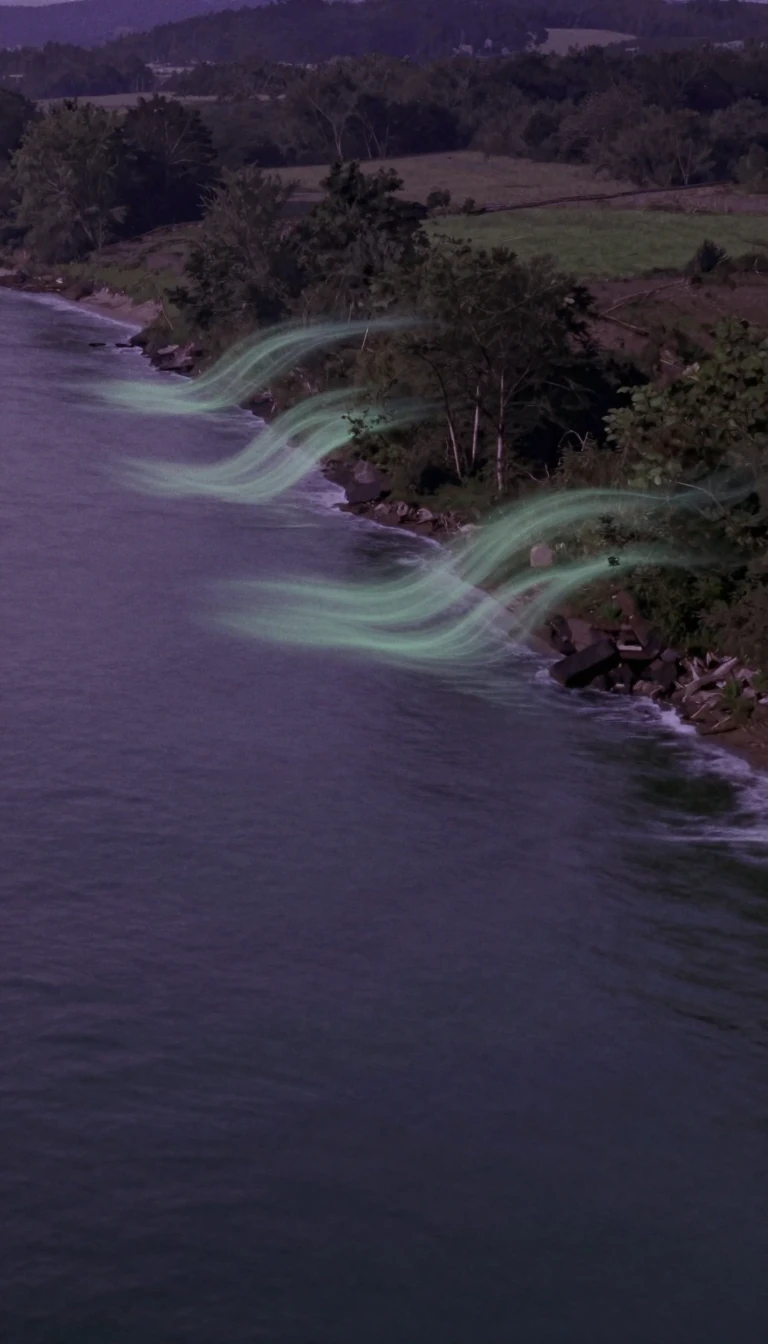 Australia is facing a future of extreme heat, longer fire seasons, and shifting rainfall.Australia is warming twice as fast as it did fifty years ago. As the continent becomes hotter and drier, the nation faces a cascade of environmental shifts: from disappearing stre…
 Brazil faces a climate paradox where its own rainforest could trigger a national crisis.Brazil is a global climate heavyweight, both as a major emitter and a critical carbon sink. Yet, as the Amazon nears a tipping point, the nation faces a future of erratic rainfall…
- Canada is warming at double the global rate, transforming its landscapes and traditional cultures.Canada is experiencing climate change at an accelerated pace, with average temperatures rising twice as fast as the global mean. This shift is fueling extreme weather, from year-r…
- Europe is warming faster than any other continent, with temperatures rising over 2 °C.Europe is currently the fastest-warming continent on Earth, with temperatures already 2.3 °C above pre-industrial levels. This rapid shift is fueling extreme heatwaves, devastatin…
 Most Indians report feeling the direct impact of climate change in their daily lives.Extreme weather is no longer an abstract concept for the Indian public. A massive survey reveals that a majority of citizens have personally experienced severe heat waves, air pol…
- Why Indonesia is moving its capital city to escape a sinking futureIndonesia is one of the world's most climate-vulnerable nations, facing a dual crisis of rising seas and rapid land subsidence. With Jakarta sinking by up to 10 centimeters annual…
 Japan faces a warming future as climate shifts threaten its ecosystems and food security.From Hokkaido's frigid winters to Okinawa's subtropical reefs, Japan is experiencing rapid climatic shifts. Rising temperatures, unpredictable rainfall, and extreme weather are di…
- To survive a warming planet, humanity must master two distinct, complementary strategies for climate action.Climate change is a global problem with local consequences that will persist for millennia. Because we are already committed to future warming, we must pursue a two-pronged approa…
- Over half of the global population lives in areas prone to climate-related hazardsClimate change is not a uniform threat. While 4.5 billion people—roughly 57 percent of the world—face exposure to floods, droughts, cyclones, or heatwaves, the true danger lies in…
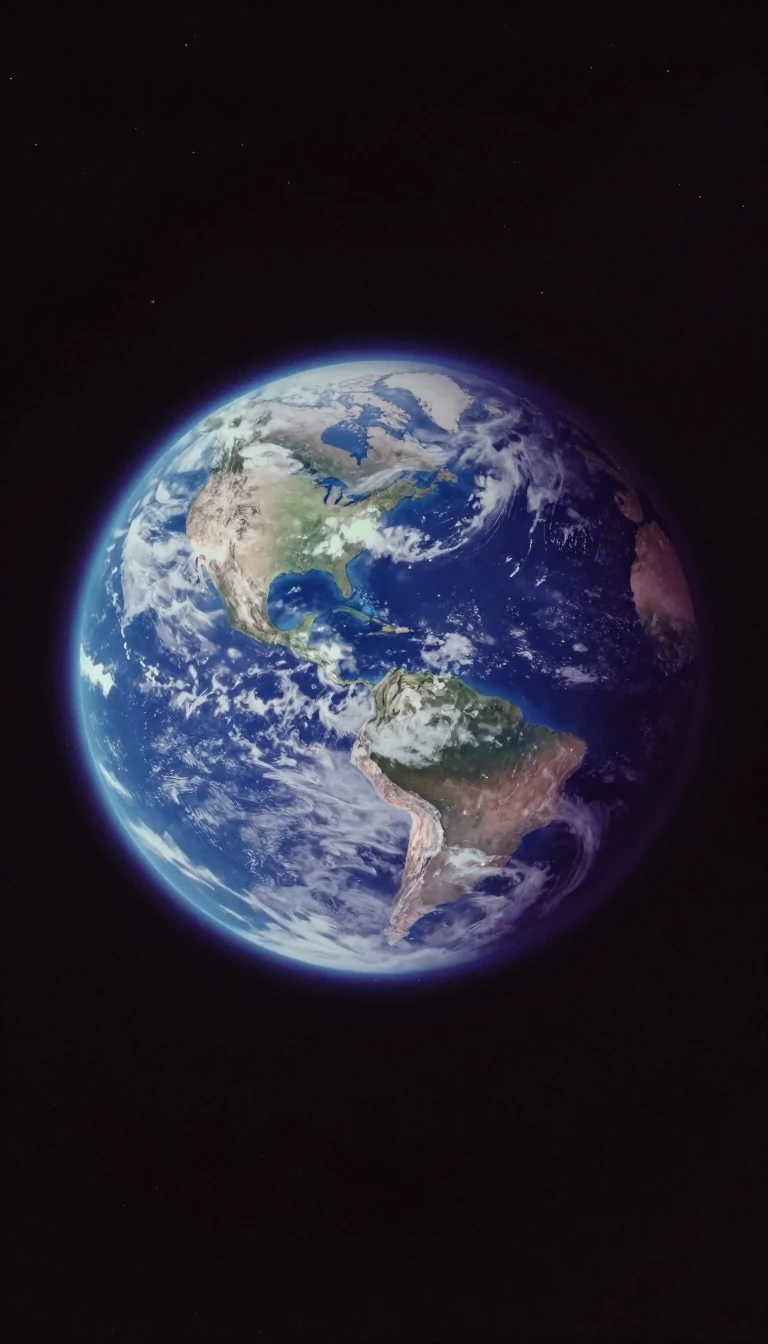 How do we predict the future of a planet that is too complex to simulate?Climate models are our most sophisticated tools for understanding the Earth, yet even the world's fastest supercomputers cannot fully replicate our planet's complexity. Instead, s…
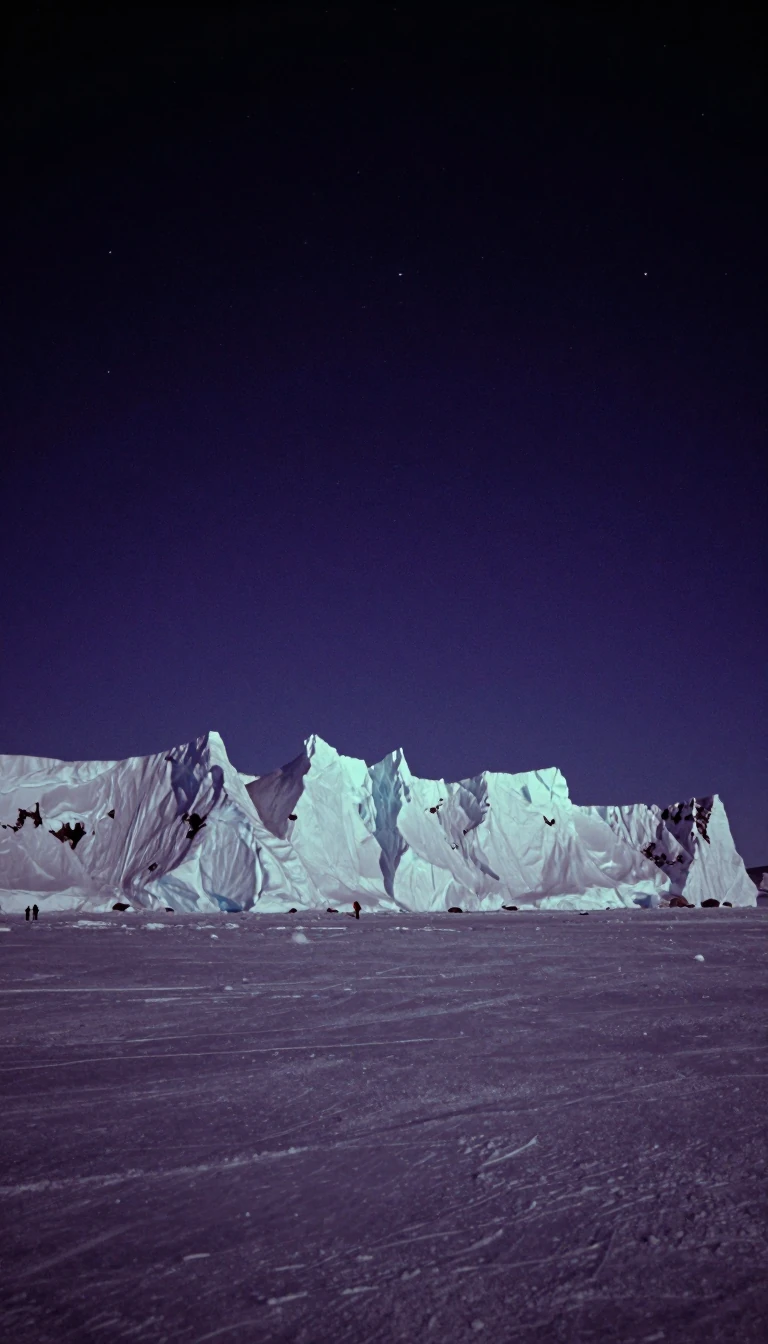 Antarctica is the world's largest desert, yet it holds 70 percent of Earth's freshwater.Known as the White Desert, Antarctica is a paradox of extreme aridity and immense frozen volume. While it remains the coldest place on Earth, its vast ice sheets are not static. T…
 The Arctic is not just a frozen wasteland but a complex, shifting climate mosaic.While we imagine the Arctic as a uniform block of ice, it is actually a collection of distinct climate zones. From the stormy, maritime coasts of Iceland to the intensely cold, qu…
- How much will the planet warm if we double atmospheric carbon dioxide levels?Climate sensitivity is the core metric for predicting our future. It measures the global temperature rise following a doubling of atmospheric CO2. While the physics of a 1°C incre…
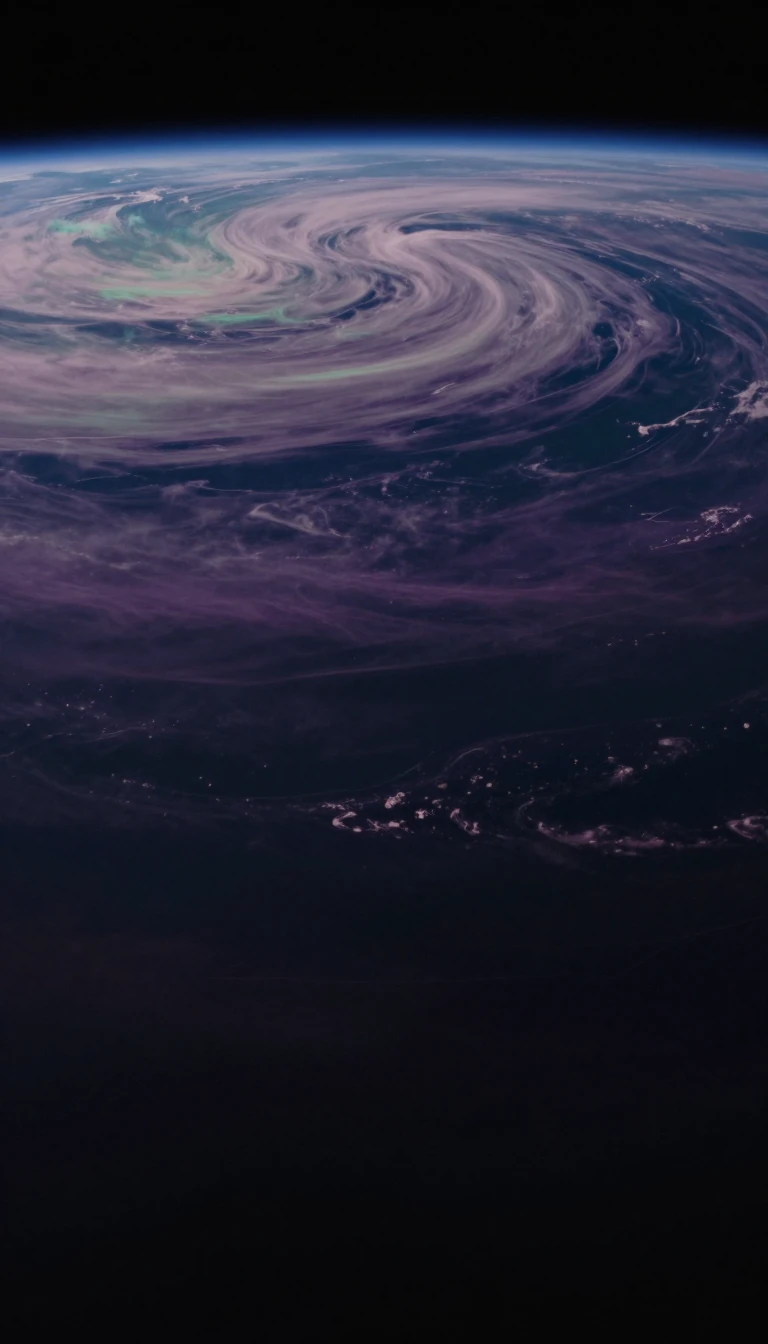 Why Earth’s surface is nearly 60 degrees Fahrenheit warmer than the sun alone allowsEarth would be a frozen, uninhabitable rock if it relied solely on solar heating. Our planet maintains a comfortable average temperature of 57 degrees Fahrenheit because of a comp…
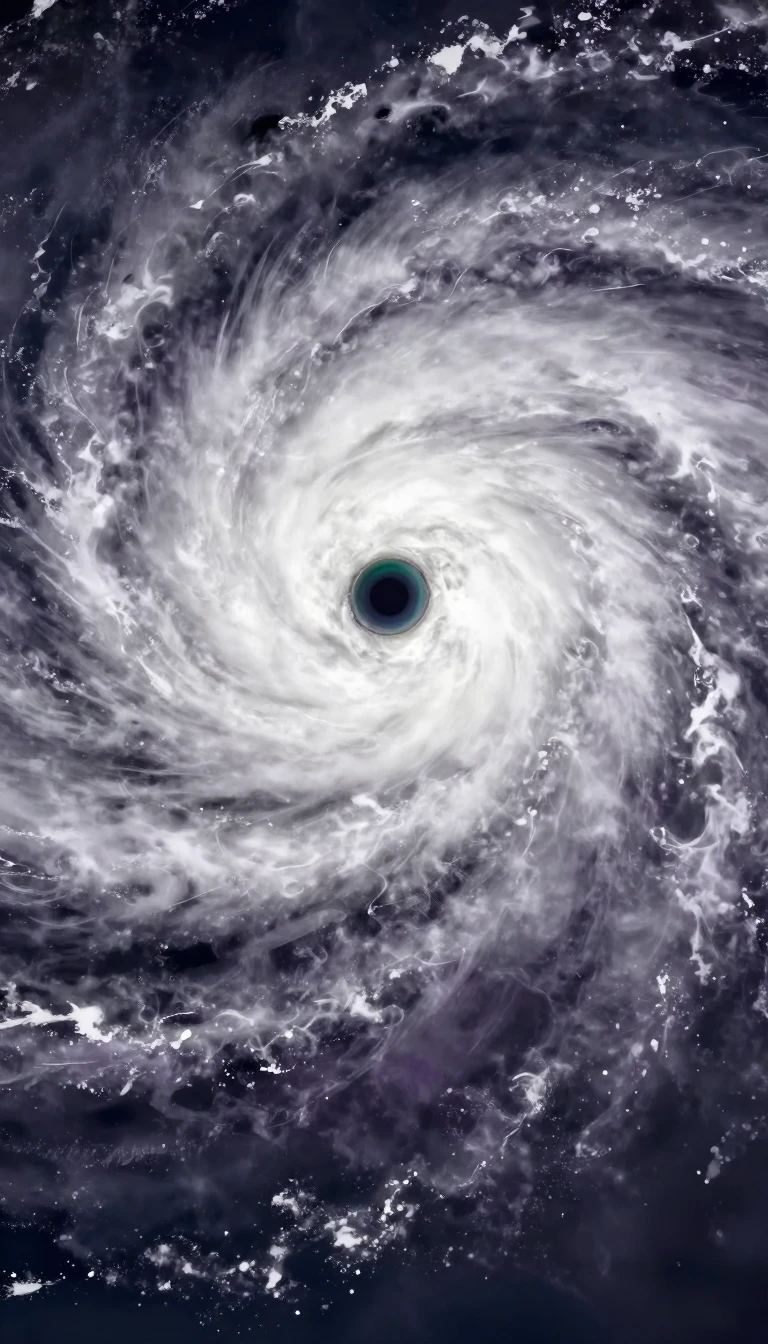 Can a cloud really burst like a water balloon and flood an entire city?The term cloudburst evokes a dramatic image of a ruptured sky, but the reality is a complex atmospheric phenomenon. These intense, localized deluges can dump enormous volumes of w…
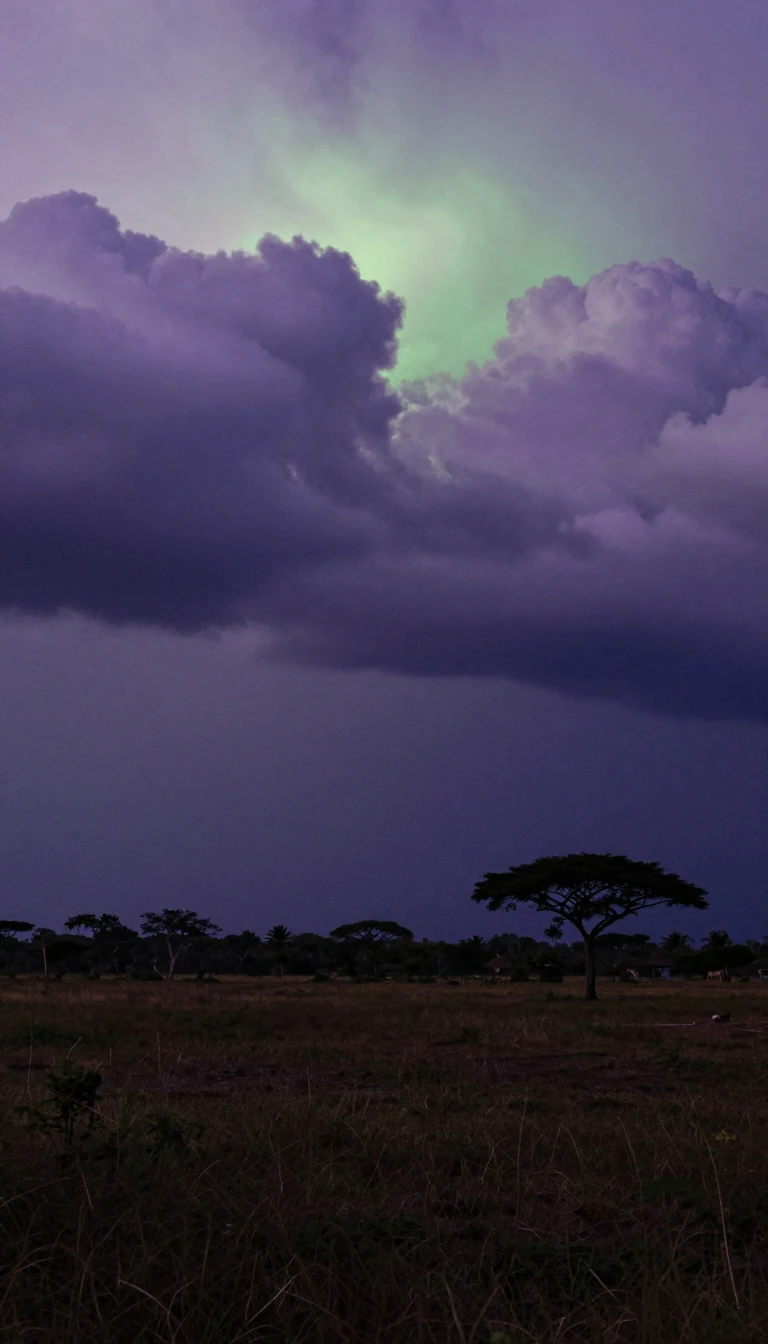 Why do some regions experience extreme seasonal temperature swings while others remain mild?Continental climates are defined by their distance from the ocean's moderating influence. By lacking the thermal buffer of large bodies of water, these regions experience intense …
- The towering cumulus cloud is an atmospheric sign of deep, moist, and unstable convection.Known as towering cumulus, the cumulus congestus is a dramatic intermediate stage between smaller clouds and the massive cumulonimbus. These vertical giants are defined by sharp o…
- Why these tiny, harmless-looking clouds can be a warning sign of coming stormsKnown as fair weather cumulus, the small, flat cumulus humilis cloud often dots a summer sky. While they typically signal pleasant conditions, their presence can be deceptive. Dep…
- Why these fluffy white clouds are actually a warning sign of coming stormsThe Cumulus mediocris is more than just a classic cauliflower-shaped cloud. While it appears brilliantly white and harmless under the sun, its presence in the morning or early aft…
 Can financial incentives turn the tide on the global loss of tropical forests?Deforestation accounts for up to 21% of global greenhouse gas emissions, turning vital carbon sinks into sources of CO2. While initiatives like REDD+ aim to reverse this by paying…
- Why the Amazon's survival depends on the roads we build through its heartThe Amazon rainforest is not just disappearing; it is being systematically dismantled. While global demand for beef and soy drives the destruction, the true catalyst is often the …
 Why the sky sparkles with ice crystals even on perfectly clear, sunny daysDiamond dust is a ground-level cloud of tiny ice crystals that glitters in the sunlight. Unlike fog, which is made of liquid water, this phenomenon forms directly as ice in freezi…
 Why a volcanic eruption once triggered a surprising boom in global plant growthWhen Mount Pinatubo erupted in 1991, it blanketed the stratosphere in haze, dimming direct sunlight by 30 percent. Scientists expected a agricultural catastrophe, but instead, glo…
- Why the lightest rain might be the most powerful force in our climateDrizzle is more than just a nuisance. These tiny water droplets, smaller than half a millimeter, are crucial to the behavior of marine clouds. By influencing how clouds reflect su…
 From cosmic nebulae to your living room, dust is the universe's quiet architect.Dust is far more than household grime. It is a complex mixture of dead skin, volcanic ash, and ancient stardust. Whether it is clogging your electronics as dust bunnies or cooling…
- How meteorologists use satellite images to estimate the power of invisible tropical stormsBefore aircraft reconnaissance, tracking a hurricane's strength was guesswork. Developed by Vernon Dvorak between 1969 and 1984, the Dvorak technique revolutionized meteorology by…
- Earth is a giant heat engine, and its thermostat is currently running a fever.Earth functions as a massive, solar-powered heat engine, constantly balancing incoming sunlight with outgoing thermal radiation. While this delicate equilibrium has kept our clima…
 How economists calculate the true price of a warming planet and its mitigationClimate change is not just an environmental crisis; it is a complex economic puzzle. By using sophisticated modeling, researchers quantify the costs of inaction, the price of adap…
- The Earth is warming, and the consequences are already reshaping our global landscape.Climate change is no longer a distant threat; it is a present reality. From rising sea levels and shifting rainfall to more frequent heatwaves and wildfires, human activity is fun…
- Climate change is already reshaping the global food system, from production to your plate.Extreme weather is no longer a distant threat; it is a current driver of food system instability. From soil erosion to supply chain variability, climate change is forcing a transf…
 Climate change is not just an environmental crisis but a direct threat to human health.Rising temperatures and shifting weather patterns are already reshaping global health. From expanding habitats for disease-carrying insects to the degradation of air and water qua…
- The world's oceans are absorbing the brunt of human-driven climate change impactsOur oceans act as a massive buffer for the planet, soaking up over 90 percent of excess heat and a quarter of human-caused carbon emissions. This vital service, however, is trigge…
- Earth's atmosphere does not end at a line; it leaks into space forever.The exosphere is the final, ghostly frontier of our atmosphere, where air is so thin that atoms rarely collide. It is a place of ballistic arcs and slow escape, where Earth's grav…
- Why record-breaking weather is becoming the new normal for our warming planetExtreme weather events are no longer just statistical anomalies; they are becoming more frequent and intense. Driven by human-induced greenhouse gas emissions, this shift is trans…
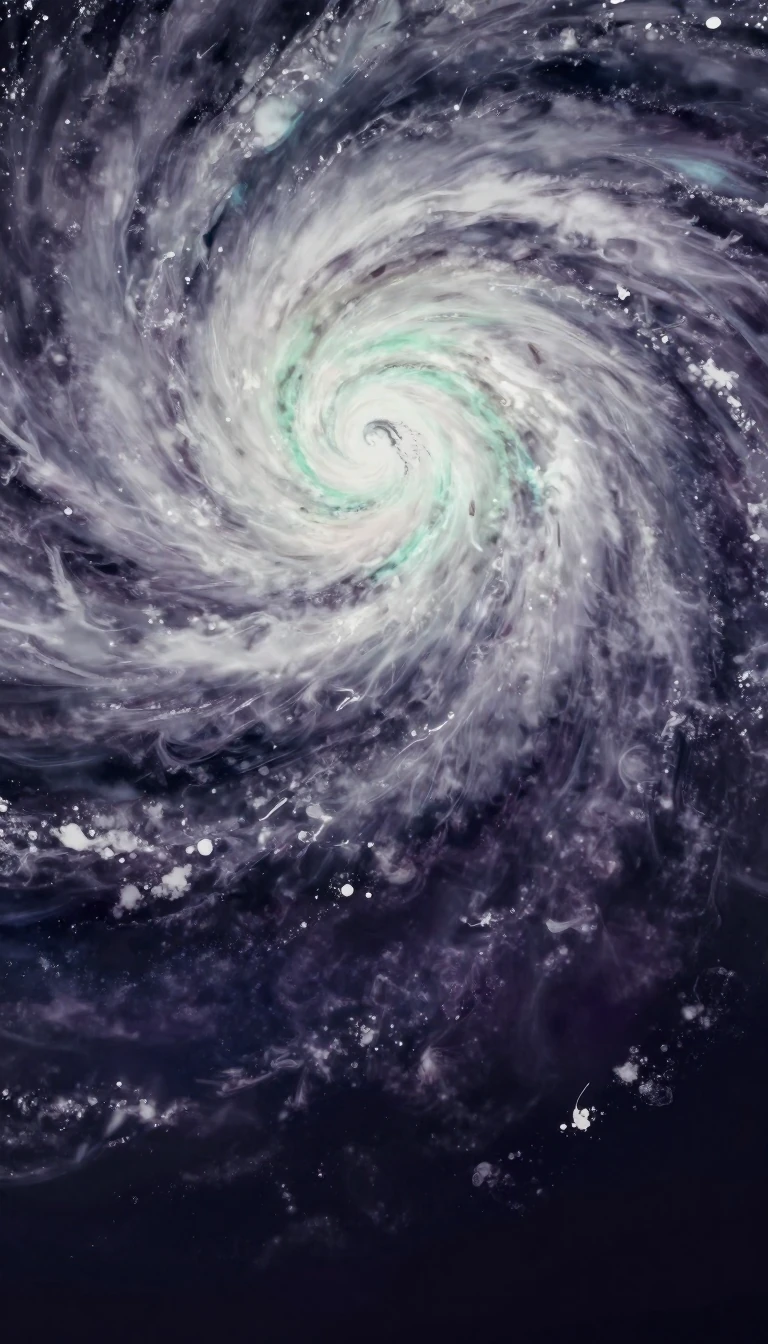 The complex optical illusion that once sent explorers on doomed quests for phantom landsA Fata Morgana is not just a simple desert shimmer. It is a sophisticated, rapidly shifting atmospheric mirage that stacks inverted and upright images into towering, unrecognizabl…
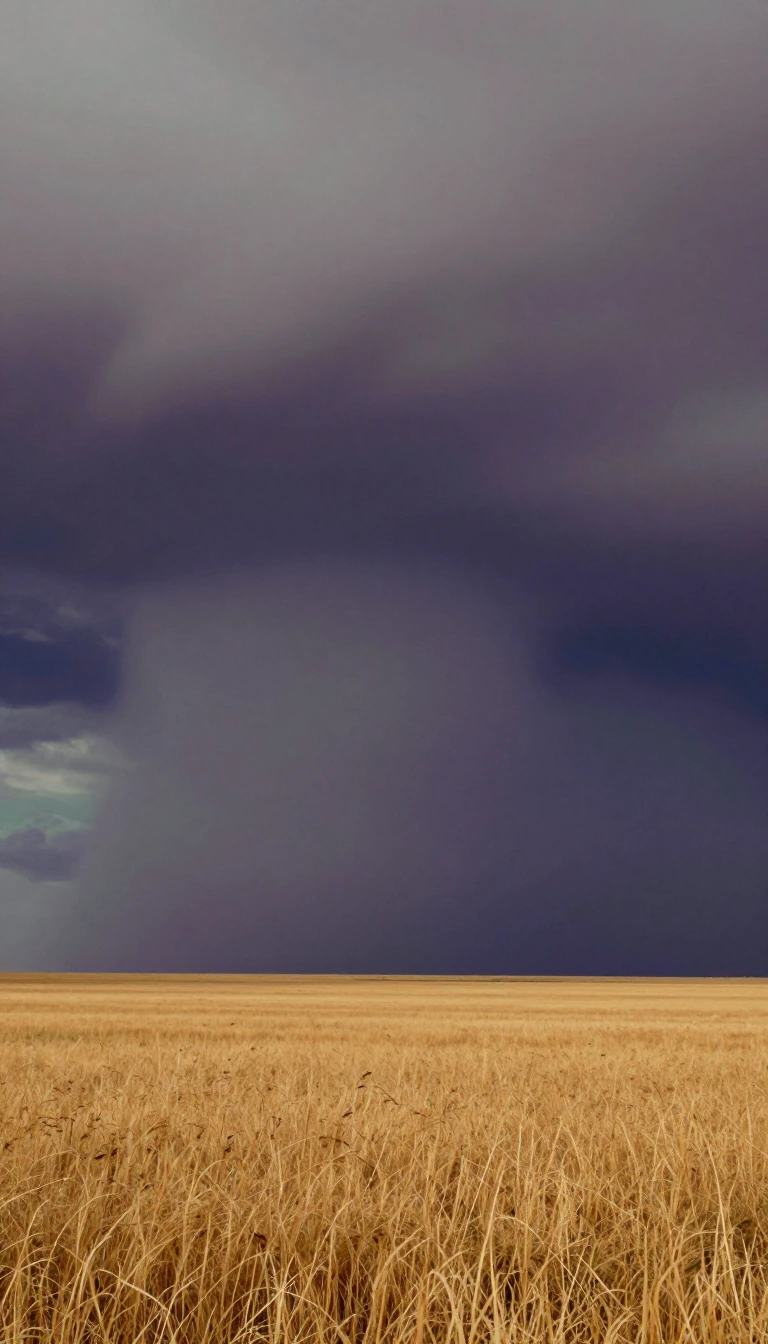 Fire whirls are not just flames; they are complex, self-sustaining atmospheric vortex machines.Often mislabeled as fire tornadoes, fire whirls are intense, rotating columns of air fueled by wildfire heat and surface winds. These phenomena can reach temperatures of 1,100 deg…
- Why mountain winds can melt snow, spark wildfires, and perhaps even trigger madnessThe foehn effect is a powerful meteorological phenomenon that turns cool, moist air into a warm, dry gale on the leeward side of mountains. Known by names like the Chinook and San…
- Why those ragged, shredded cloud fragments are the ultimate indicators of atmospheric motionOften mistaken for ominous storm precursors, fractus clouds are the shredded, irregular remnants of larger cloud systems. These fleeting, ragged formations—frequently called scud—…
 Why freezing rain turns the world into a dangerous, transparent ice rinkFreezing rain is a rare, deceptive weather phenomenon where liquid droplets remain unfrozen even at sub-zero temperatures. These supercooled drops strike surfaces and instantly sn…
- A funnel cloud is not a tornado, but it often signals one is coming.A funnel cloud is a tapered column of water droplets extending from a thundercloud base. While it outlines the core of a rotating vortex, it remains a visual phenomenon. If this c…
- Air pollution has been masking global warming for decades, but cleaning it up accelerates climate change.For years, industrial pollution acted as a hidden shield, reflecting sunlight and cooling the planet. As nations aggressively clean their air to protect public health, this protec…
- Why the halo you see around your shadow is a private optical illusionIf you spot your shadow cast upon a cloud from an airplane or mountain, you might see a shimmering, multicolored halo encircling your head. This is a glory. Remarkably, if you are…
 Graupel is the fragile, ball-like winter precipitation you have likely mistaken for hailOften called soft hail or snow pellets, graupel forms when supercooled water droplets freeze onto falling snowflakes. This accretion process creates opaque, granular balls that lo…
- Is that a tornado? Why a gustnado is actually a different beast entirelyA gustnado looks like a tornado, but it is a meteorological imposter. Born from the turbulent outflow of a thunderstorm rather than its updraft, these shallow vortices rarely conn…
 That ring around the sun is actually a giant prism made of iceWhen a halo appears in the sky, you are witnessing light interacting with millions of tiny ice crystals suspended in the upper atmosphere. These crystals act as natural mirrors an…
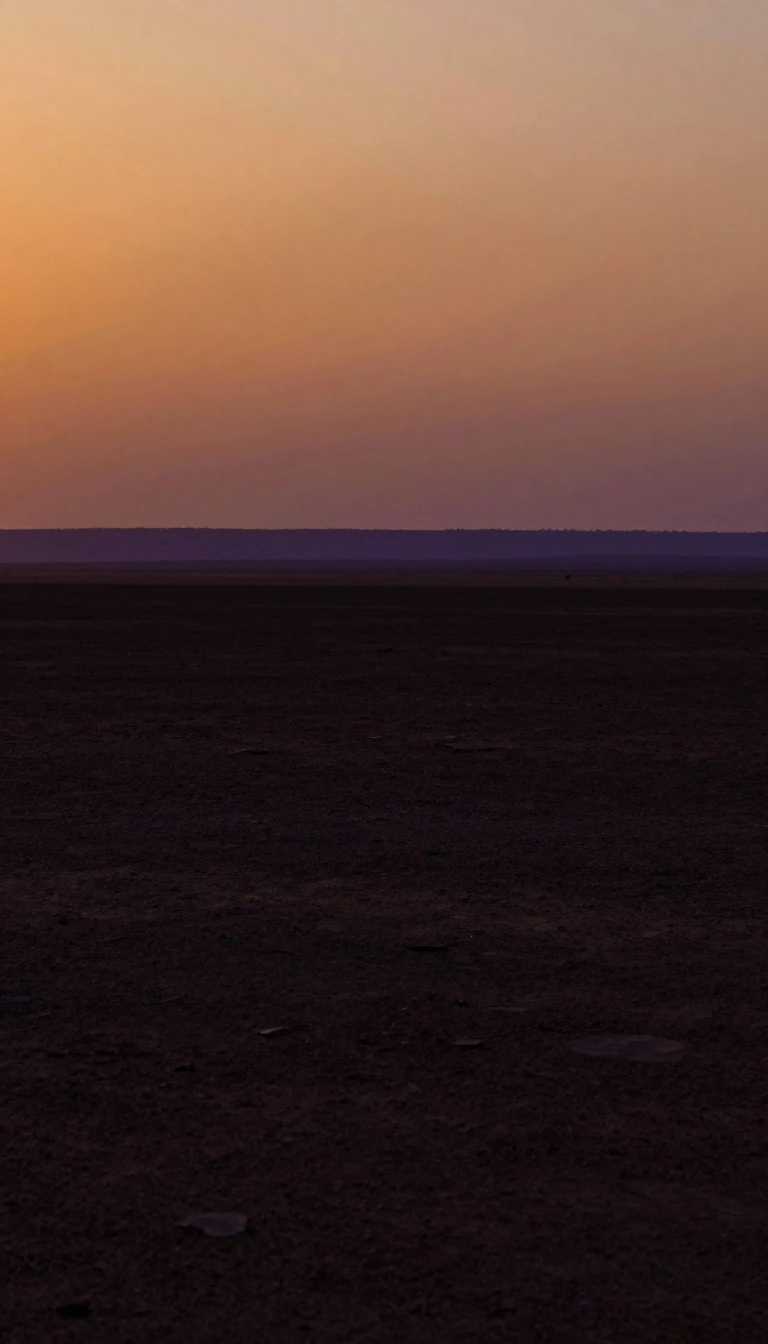 The Harmattan: Why West Africa’s invigorating 'doctor wind' is a double-edged swordSpanning from late November to mid-March, the Harmattan brings a dry, dust-laden northeasterly wind from the Sahara across West Africa. While its low humidity offers a refreshing …
 Why a glowing halo sometimes appears around the shadow of your own headHave you ever noticed a luminous glow surrounding your shadow while walking through dew-covered grass? This is Heiligenschein, an optical phenomenon where light is reflected back …
 Why the Arctic Ocean is transforming into a self-reinforcing solar heat engineAs Arctic sea ice retreats, it exposes dark, heat-absorbing water. This shift triggers a powerful feedback loop: less ice means more solar energy absorbed by the ocean, which in t…
 Why that rhythmic tapping on your windshield might be more than just rainIf you hear a sharp, high-pitched tap against your jacket instead of a dull splat, you are likely experiencing ice pellets. Often confused with sleet or freezing rain, these trans…
- Why a gentle rain can become a catastrophic, power-killing winter disasterAn ice storm is not a violent blizzard, but a deceptive, quiet event. It begins as rain that freezes instantly upon contact with cold surfaces. This thin, supercooled film accumul…
 The hidden physics of icicles: more than just frozen water hanging from a roofIcicles are not merely static spikes of ice; they are dynamic, hollow tubes that grow through complex interactions of wind, temperature, and water flow. While they appear simple, …
- Why do we call unseasonably warm autumn days an Indian summer?The term Indian summer describes a period of dry, hazy, and mild weather occurring after the first frost. While the exact origin remains debated, the phrase has evolved from a spe…
- Gravity is the engine behind these powerful, cold winds that scour the Earth's surface.Katabatic winds are not just mountain breezes; they are massive, gravity-driven flows of cold, dense air cascading down slopes. From the destructive piteraq of Greenland to the wi…