 Intellect Plus
Air
229 cards. Each one is a 40-second story with a five-minute read behind it. Page 4 of 4.
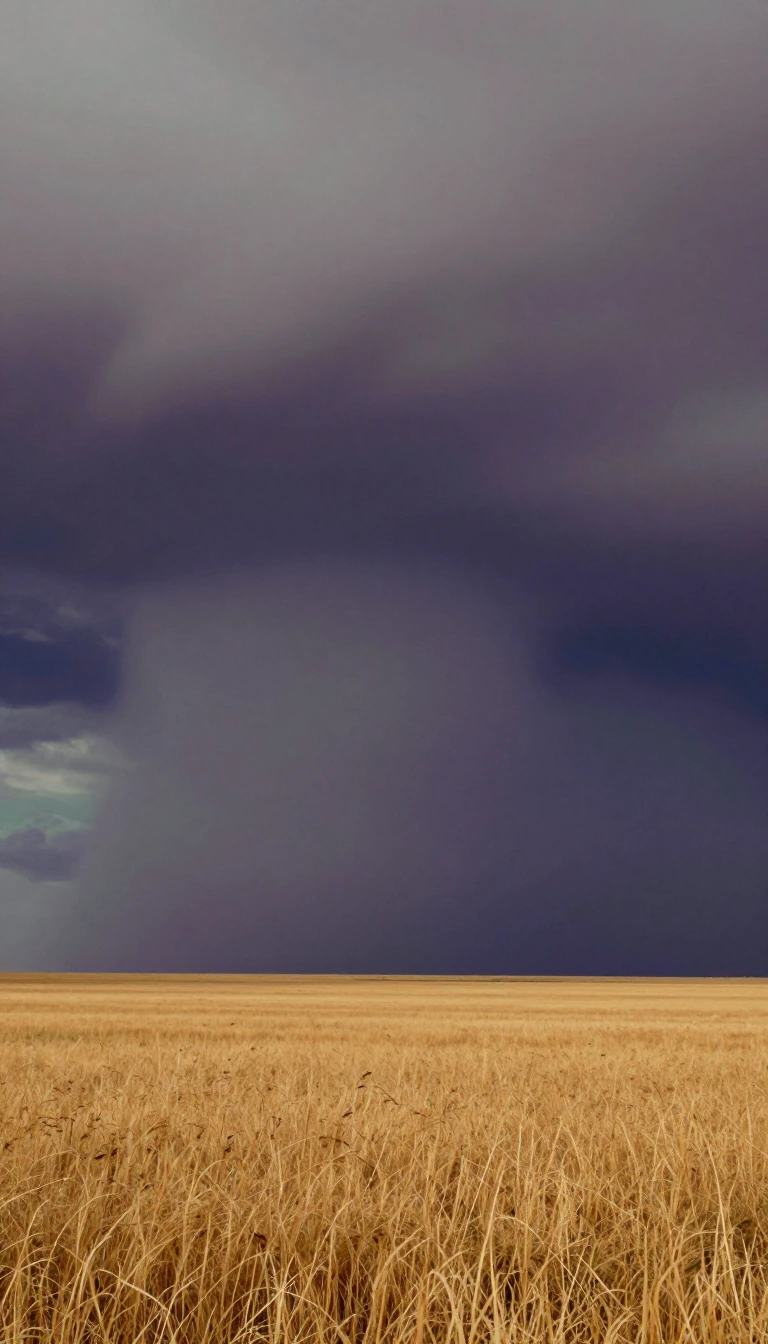 Why these ground-up tornadoes often go undetected by even the most advanced weather radarUnlike classic supercell tornadoes that descend from rotating clouds, landspouts build from the ground up. These small, short-lived vortices form when surface winds collide and ar…
 Why do mysterious glowing columns sometimes appear to rise from the frozen ground?A light pillar is an atmospheric illusion where a vertical beam of light seems to extend from a source, such as the Sun or a streetlight. This striking phenomenon is not a solid b…
 Why modern marine weather forecasting is a legacy of maritime tragedyMarine weather forecasting emerged from the wreckage of historic disasters, evolving from simple rules of thumb to complex numerical models. Today, a global network of satellites,…
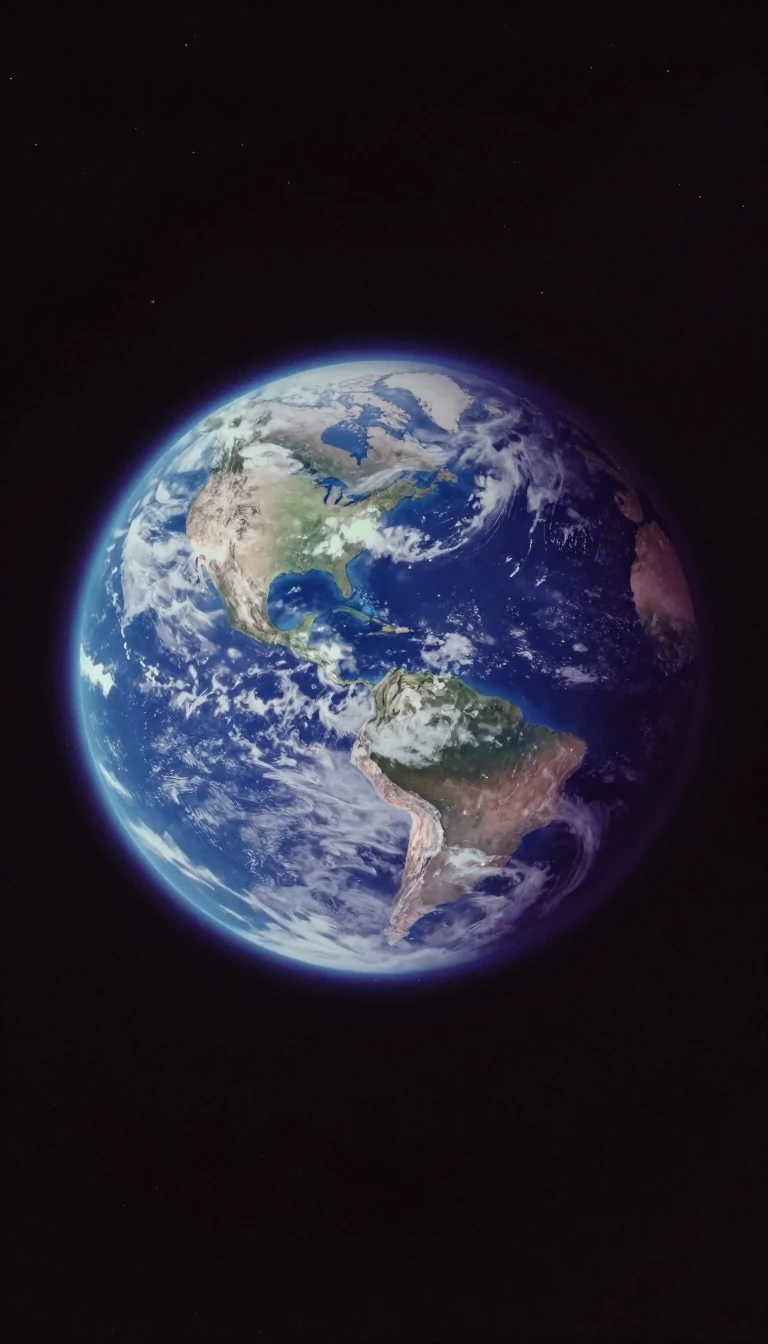 The mesosphere is Earth's most mysterious layer, where meteors burn and strange clouds glow.Sandwiched between the stratosphere and the thermosphere, the mesosphere remains an atmospheric enigma. Too high for weather balloons and too low for satellites, this region is a …
 Methane is a powerful climate lever, trapping far more heat than carbon dioxide does.While carbon dioxide dominates climate conversations, methane is a potent, short-lived heat-trapper. It is responsible for roughly 20% to 30% of global warming since the Industria…
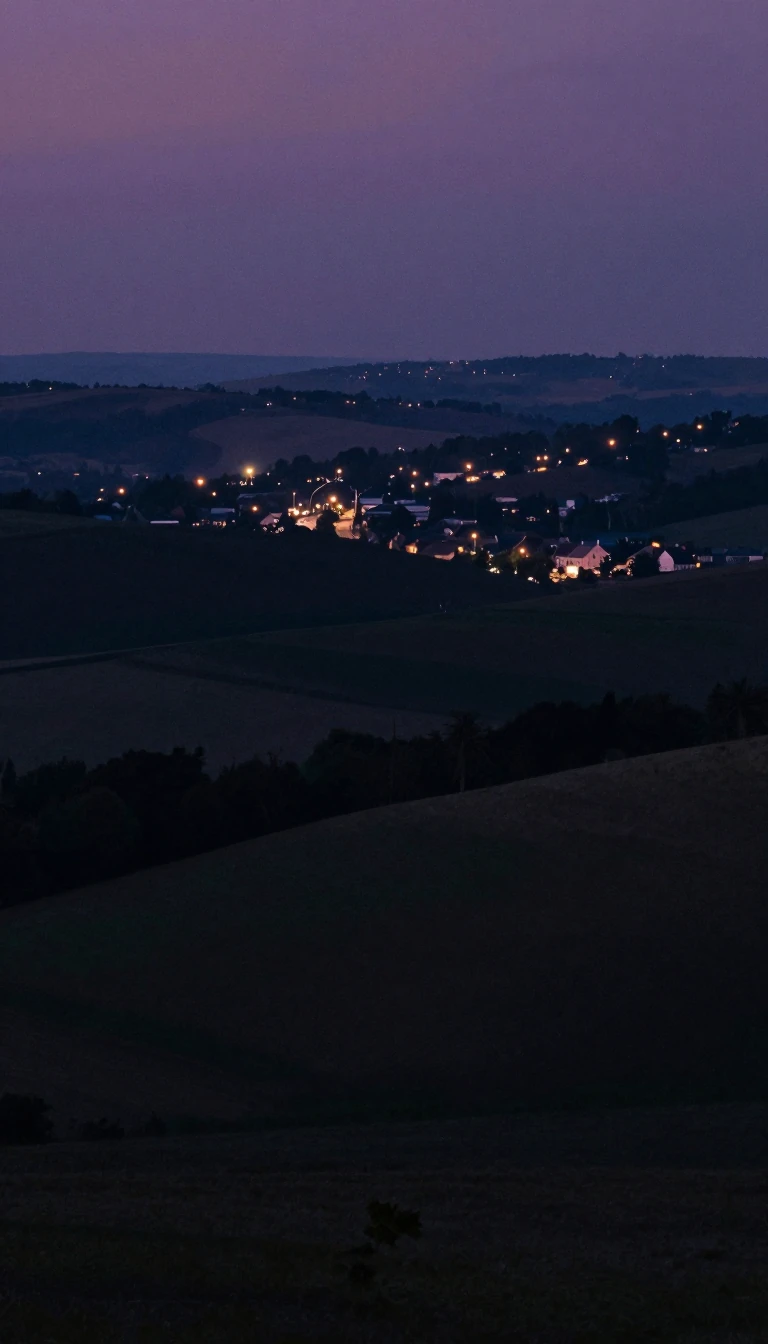 Why the city you live in creates its own private weather systemCities are not just concrete jungles; they are distinct climatic zones. By replacing soil and vegetation with heat-absorbing masonry and asphalt, urban centers trap energy and alt…
- Is it mist or fog? The answer lies in how far you can seeWe often use these terms interchangeably, but meteorologists draw a precise line based on visibility. If you can see further than 1,000 metres, it is mist. If the world shrinks to…
 Why the South Asian monsoon is two distinct, competing climate engines, not oneWe often think of the South Asian monsoon as a single, massive rain event. In reality, it is a complex system of two opposing wind patterns. By analyzing ancient sediment from the…
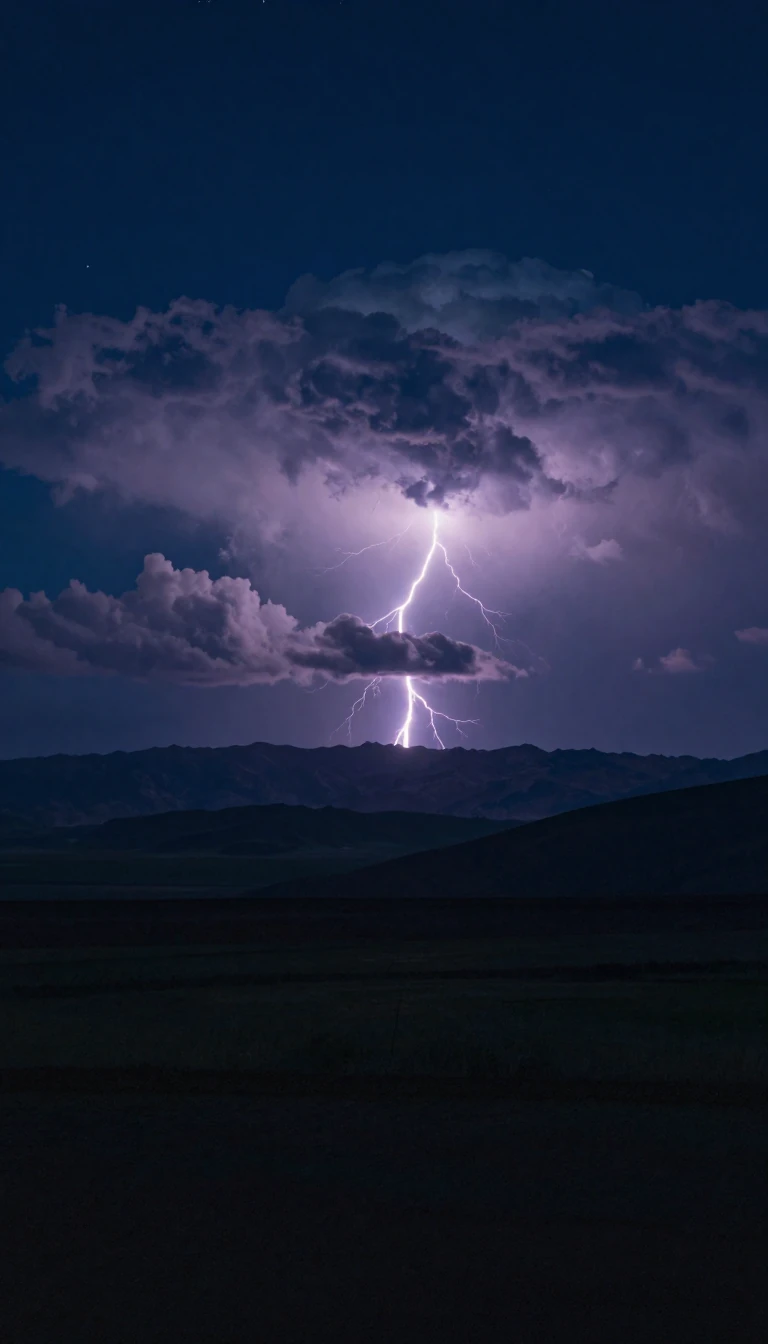 Why the nimbostratus is the most reliable harbinger of a long, grey dayOften dismissed as the least picturesque cloud, the nimbostratus is a massive, featureless blanket that signals the arrival of steady, persistent precipitation. Unlike the sudden …
 Earth's highest clouds shine at night because they are made of frozen space dustFloating 50 miles above the surface, noctilucent clouds are the highest in our atmosphere. These electric blue streaks appear only during summer, when the mesosphere reaches extre…
 The ocean is absorbing our carbon emissions, but the chemical cost is rising rapidlyAs the world burns fossil fuels, the ocean acts as a massive carbon sink, absorbing roughly a quarter of human-generated emissions. This service slows global warming but fundament…
 Earth stays cool by shedding invisible heat into the vastness of spaceEvery moment, our planet radiates invisible energy back into the cosmos. This process, known as outgoing longwave radiation, is the primary mechanism Earth uses to shed heat. By m…
 Why the coldest places on Earth are defined by a lack of summer heatPolar climates cover over one-fifth of our planet, yet they are defined not by their extreme winter lows, but by their inability to sustain a true summer. From the ice-locked expa…
- These shimmering polar clouds are the silent architects of our planet's ozone destructionHigh above the poles, rare clouds form in the extreme winter cold. While they appear beautiful, these structures act as chemical factories. They provide surfaces for reactions tha…
 Why the loudest voices on climate change are not the most representative of AmericansPublic discourse on climate change is often reduced to a binary of alarmists versus deniers. However, research reveals a more nuanced reality: the American public is divided into …
- Why the Earth is heating up: the delicate physics of incoming and outgoing energyRadiative forcing is the fundamental metric scientists use to measure the Earth's energy imbalance. When the energy entering our atmosphere from the sun exceeds the heat escaping …
 Why that slushy mix falling from the sky is a meteorological balancing actEver wonder why winter precipitation sometimes hits the ground as a soft, translucent slush rather than crisp flakes or hard ice? This fleeting state is a delicate transition phas…
 Why the Saffir–Simpson scale measures wind speed but ignores the true power of stormsThe Saffir–Simpson scale is a household name for hurricane intensity, yet it is often misunderstood. Designed as a simple tool to gauge potential structural damage, it focuses exc…
- Why the afternoon breeze at the coast is a thermal engine in disguiseA sea breeze is more than a cooling relief on a hot day. It is a localized weather system driven by the unequal heating of land and water. This daily thermal cycle creates moving …
- Why a sudden snow squall can be more dangerous than a massive blizzardSnow squalls strike with little warning, turning clear roads into blinding whiteouts in minutes. Unlike sprawling blizzards, these intense, localized bursts of heavy snow and gust…
 Why the popular image of a perfectly symmetrical snowflake is a scientific mythWhile we imagine snowflakes as perfectly symmetrical, six-pointed stars, empirical studies show that fewer than 0.1 percent actually achieve this ideal. Most are irregular, shaped…
 Does the Sun control our climate, or is it just a minor background player?While the Sun is essential for life, its recent fluctuations are far too small to explain the rapid warming of our planet. Scientific consensus confirms that human-produced greenh…
- That eerie blue glow on ship masts is actually a form of atmospheric plasmaSailors once saw St. Elmo's fire as a divine omen, but this luminous phenomenon is purely electrical. It occurs when high-voltage fields ionize air molecules around pointed object…
- What are the swirling, ghostly vortices that dance above freezing lakes and hot springs?Known as steam devils, these rare, short-lived whirlwinds form when cold, dry air rushes over warm water. Unlike powerful tornadoes, these gentle vortices draw up fog to become vi…
 Why the stratosphere is the calm, protective shield for life on EarthAbove the turbulent weather of our daily lives lies the stratosphere, a stable, dry layer of the atmosphere. By absorbing lethal ultraviolet radiation, it creates a temperature in…
- Stratus clouds are essentially ground-level fog that blankets the sky in uniform grey.Often dismissed as the culprit behind dull, overcast days, stratus clouds are the lowest-lying clouds in our atmosphere. These featureless, layered sheets form in calm conditions …
 Why do ancient observers often report seeing three suns in the sky at once?Known as sun dogs or parhelia, these bright, colorful patches of light flanking the sun have puzzled humanity for millennia. Far from being supernatural omens, these optical illus…
- A supercell is a rotating thunderstorm capable of dominating weather for over thirty kilometers.While most thunderstorms are fleeting, supercells are quasi-steady-state machines that can persist for hours. Defined by a deep, rotating updraft known as a mesocyclone, these sto…
 How nineteenth-century telegraphy transformed our ability to track the world's shifting weather systemsBefore the telegraph, weather maps were drawn long after storms passed. Today, surface analyses integrate satellite, radar, and ground-based data to map atmospheric boundaries in …
 How a network of ground stations keeps the atmosphere under constant, precise surveillanceTo forecast weather, meteorologists rely on a vast, uniform grid of land-based sensors. These stations capture everything from air pressure to soil temperature, feeding a central …
- The thermosphere is a scorching, near-vacuum layer where satellites orbit and auroras ignite.High above the clouds, the thermosphere defies common sense. Despite temperatures that can soar to 2,000 degrees Celsius, the air is so thin that an object would feel freezing col…
- Thunder is a supersonic shock wave born from the explosive expansion of superheated air.Thunder is not merely a loud noise; it is a physical shock wave created when lightning heats air to temperatures hotter than the surface of the sun. This rapid thermal expansion c…
- How do warm oceans transform into the most powerful storms on our planet?Tropical cyclogenesis is the complex process where organized low-pressure systems intensify over warm oceans. Driven by sea-surface temperatures, atmospheric moisture, and pre-exi…
- Why hurricane preparation must extend far beyond the coastline to ensure your safetyHurricanes are not merely coastal threats; they can cause significant destruction hundreds of miles inland. Whether you live near the shore or deep within the interior, proactive …
- Why the most dangerous tropical cyclone rainfall often happens before the eye arrivesTropical cyclones are not uniform rain machines. While we often focus on the center, the heaviest precipitation frequently occurs in advance of the eye. Predicting these deluges r…
- How meteorologists predict the path of a storm days before it makes landfallPredicting a cyclone's path has evolved from simple barometric readings to complex computer simulations. By analyzing atmospheric pressure, satellite data, and the beta effect, fo…
 Why the tropical monsoon climate is more than just a rainy seasonKnown as the Am climate, the tropical monsoon zone is a complex atmospheric dance. While it mimics the wet equatorial rainforest, it hides a distinct dry spell. Driven by shifting…
- Why the world's most lush rainforests are not always found at the equatorTropical rainforest climates are defined by constant heat, high humidity, and a lack of a dry season. While often associated with the equator, this climate type appears in surpris…
 Are the world's vast tropical savannas actually just transition zones between forests and deserts?Savannas are dynamic landscapes defined by alternating wet and dry seasons, typically found between 8 and 20 degrees from the Equator. While often viewed as simple grasslands, the…
- The troposphere is the thin, turbulent engine driving almost all of Earth's weather.While we live at the bottom of the atmosphere, we rarely consider the troposphere as a distinct, shifting machine. Containing nearly 80% of the atmosphere's mass and almost all it…
- Why the atmosphere is constantly churning through invisible, powerful vertical currents of airVertical drafts are the engine of our weather, driven by the simple physics of buoyancy. When warm air rises or cool air sinks, they create the updrafts and downdrafts that build …
 A waterspout does not suck up water, but it can still be dangerousContrary to popular belief, these swirling columns of air do not vacuum up the ocean. Instead, they are atmospheric vortices that form in two distinct ways: as intense tornadic sy…
- Why your backyard weather gauge probably won't make it into the national record booksTo track the atmosphere, meteorologists rely on a precise grid of sensors spaced roughly 40 kilometers apart. While personal weather stations are popular for hobbyists, they rarel…
- Why the Earth's mid-latitude winds act as a global steering system for weatherThe westerlies are powerful, prevailing winds that flow from west to east across the middle latitudes. Driven by the planet's rotation and temperature gradients, these currents ac…
- Beyond the tornado: the hidden physics of the atmosphere's ubiquitous swirling dust devilsA whirlwind is more than just a miniature tornado. These columnar vortices, ranging from tiny eddies to towering dust devils, are driven by surface heat and atmospheric instabilit…
 Why a whiteout can make the horizon vanish and leave you completely disorientedIn a true whiteout, the sky and landscape merge into a featureless void. This isn't just heavy snow; it is a total loss of visual reference that strips away your ability to naviga…
- Wind shear is the invisible atmospheric force that can dismantle a massive hurricaneWind shear is a rapid change in wind velocity or direction over a short distance. While often associated with turbulence for aircraft, this atmospheric phenomenon acts as a critic…
 Why meteorologists name winter storms and how they decide which ones make the listNaming storms provides a consistent, authoritative message that helps the public stay safe during severe weather. While we often associate these systems with wind, they are freque…
- Why the direction of global winds dictates the severity of our daily weatherThe atmosphere moves in two primary directions: zonal and meridional. While zonal flow keeps weather predictable and mild, meridional flow acts as a catalyst for extreme condition…