 Intellect Plus
History
21,004 cards. Each one is a 40-second story with a five-minute read behind it. Page 187 of 351.
Subtopics: 19th century · 20th century · Africa · Age of Exploration · Ages & eras · Ancient · Ancient China · Ancient egypt · Ancient greece · Ancient rome · Ancient trade · Archaeological discoveries · Archaeology · Astronomy · Australia · Auxiliary historical sciences · Babylon · Basics · Born on this day · Bronze age · Buddhism · Case studies · Chefs, bartenders and winemakers · China · Cities · Climate · Columbus · Contemporary (1945-) · Cosmetics people · Crime · Criminals · Decipherment · Deep time · Disasters · Early modern · Education · Egypt · Empires · Empires & civilisations · Exploration · Explorers · Extinction · Fandom, conventions and festivals · History by continent and large region · History by continent and region · History by country · History by country, small region and city · History by ethnicity · History by subject matter · History by topic · Inca · India · Industrial Revolution · Japan · Kings & queens · London · Mass hysteria · Medicine · Medieval kingdoms · Medieval life · Mediterranean · Mercedes-Benz History · Mesopotamia · Middle ages · Military leaders and theorists · Military leaders, personnel, and theorists · Ming dynasty · Misconceptions · Modern · Modern (1800-1945) · Napoleon · Navigation · North africa · Other · Pacific · Pharaohs · Philippines · Pirates · Post-classical · Prehistory · Propaganda · Public health · Rebels, revolutionaries and activists · Renaissance · Researched · Second world war · Shipwrecks · Silk Road · South america · Tradespeople · UK & Ireland: history · United states · Vikings · Volcanoes · Women in history
 Why did the brilliant minds of antiquity produce so few technological breakthroughs?The Classical world mastered philosophy, drama, and political theory, yet its mechanical innovation remained surprisingly limited. While they built enduring monuments and complex …
 How Roman engineers built an empire that lasted through sheer technical ingenuity and durabilityThe Roman Empire was a powerhouse of ancient innovation, building roads, dams, and aqueducts so durable they remained functional for over a millennium. By mastering volcanic concr…
 Humanity's technological journey began long before we settled into permanent, organized urban civilizations.For hundreds of millennia, our ancestors relied on natural objects before mastering the deliberate shaping of stone. This slow evolution from opportunistic tool use to the sophist…
 How a near-bankrupt oil venture in the Persian desert became a global energy giant.Founded in 1909 to exploit a struggling Iranian concession, the Anglo-Persian Oil Company transformed from a desperate gamble into a cornerstone of British naval power. Its evolut…
 When Portugal withdrew from Angola in 1975, it left behind a power vacuum.After the 1974 coup in Lisbon, Portugal abruptly ended its colonial presence in Angola. Without a formal transfer of power, three competing liberation movements—the MPLA, UNITA, a…
 Why French historians stopped writing about kings and started studying the long-term patterns of life.For centuries, history was a parade of battles, treaties, and famous men. In 1929, the Annales school shattered this tradition, arguing that true history lies in the slow, invisib…
 Mao Zedong invited criticism of his government, then used it to purge his enemies.In 1957, Mao Zedong encouraged Chinese citizens to speak freely, promising that truth would emerge from a sea of falsehoods. When intellectuals and students finally shared their g…
 Why the Roman Catholic Church has struggled to define its own list of popes.An antipope is not merely a pretender, but a figure who successfully challenged a sitting pope, creating deep historical ambiguity. Because records are often biased or incomplete,…
 Did a mysterious pandemic trigger the slow, agonizing collapse of the Roman Empire?Between 165 and 180 AD, a devastating epidemic swept through the Roman Empire, killing millions and potentially altering the course of history. While scholars debate whether it wa…
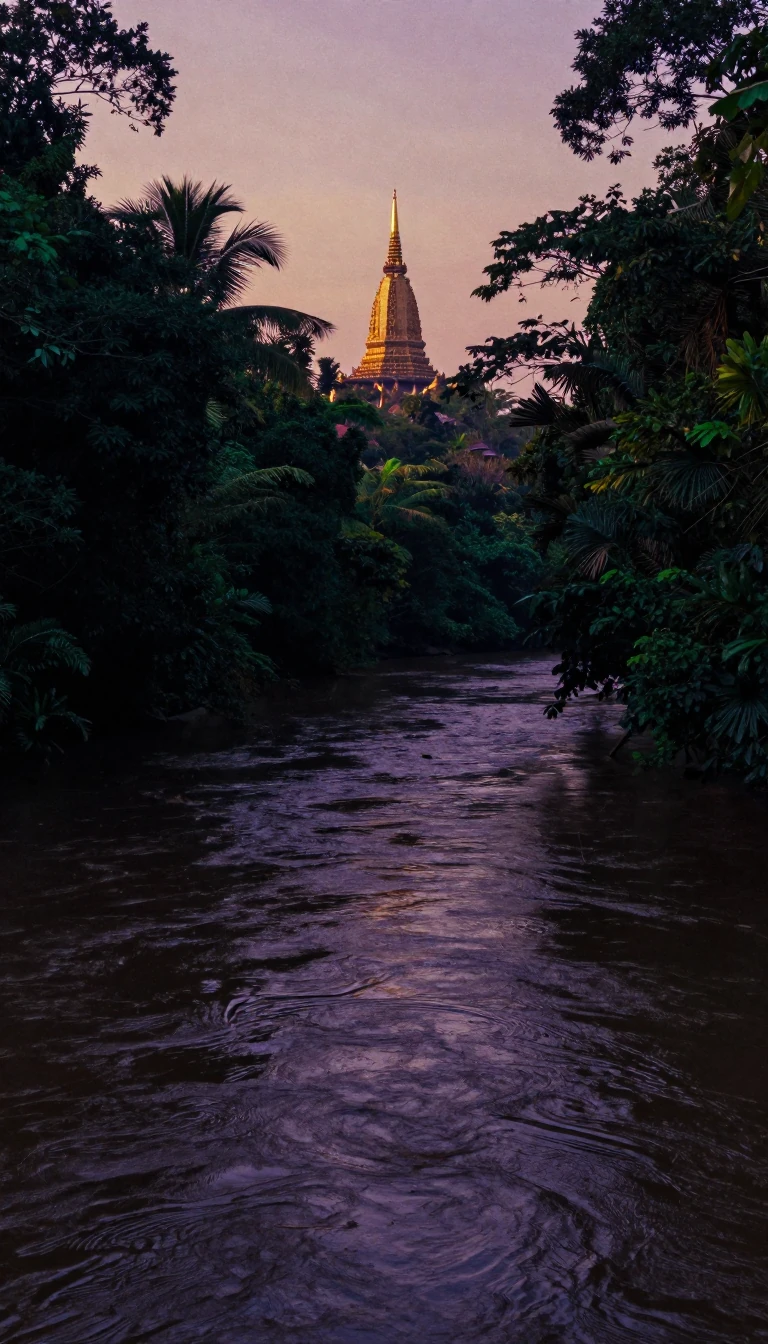 How an ancient Sri Lankan kingdom mastered water to survive for over a millenniumThe Anuradhapura kingdom, established in 437 BC, transformed Sri Lanka through a sophisticated irrigation network that turned the dry zone into a self-sufficient agricultural powe…
 Did a medieval agricultural revolution truly transform the Islamic world or just refine it?Between the 8th and 13th centuries, Islamic lands saw a surge in agricultural productivity, urban growth, and botanical science. While some historians credit this to a revolutiona…
 How ancient DNA reveals the hidden history of human migration and plant domesticationArchaeogenetics blends molecular biology with archaeology to unlock secrets trapped in fossilized remains. By sequencing ancient DNA, researchers track prehistoric population move…
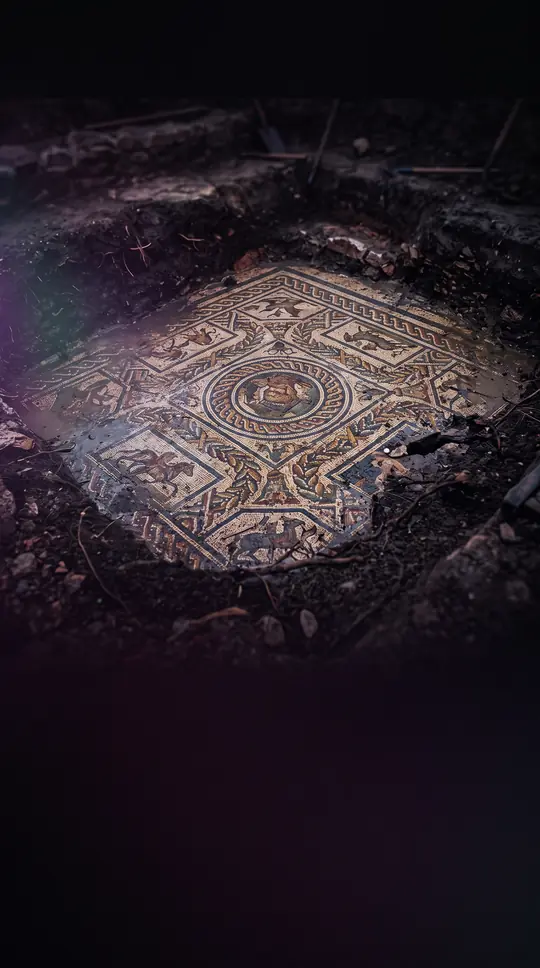 What defines an archaeological site when human activity leaves no clear boundaries?An archaeological site is more than just a ruin; it is any location where evidence of past human activity is preserved. Defining these spaces is notoriously difficult, as archaeol…
 Archives are not just dusty storage; they are the bedrock of historical truth.Archival science is the systematic study of how we curate, preserve, and authenticate records to ensure they remain trustworthy. Far from passive storage, it is a rigorous discipl…
 Why art history is more than just looking at pretty pictures in museumsArt history is not merely the study of objects, but a rigorous investigation into human experience. By analyzing the conscious and unconscious choices behind visual works, histori…
 A fatal act of trust: why Indira Gandhi’s bodyguards turned against herOn October 31, 1984, Indian Prime Minister Indira Gandhi was gunned down by her own Sikh bodyguards. The assassination was a direct retaliation for Operation Blue Star, a military…
 The 1994 assassination that triggered a genocide remains a subject of intense historical debate.On April 6, 1994, a plane carrying the presidents of Rwanda and Burundi was shot down over Kigali. The deaths of Juvénal Habyarimana and Cyprien Ntaryamira served as the catalyst …
 Why a Hindu nationalist ended the life of India's most famous advocate for peaceOn January 30, 1948, Mohandas Gandhi was shot dead in New Delhi. His assassin, Nathuram Godse, was a Hindu extremist who believed Gandhi had betrayed the nation by being too lenie…
 The assassination of Martin Luther King Jr. and the end of a tumultuous eraOn April 4, 1968, Martin Luther King Jr. was fatally shot on the balcony of the Lorraine Motel in Memphis. His death triggered widespread violence across American cities, marking …
 Was the assassination of Yitzhak Rabin the most successful political killing in modern history?On November 4, 1995, Yigal Amir murdered Israeli Prime Minister Yitzhak Rabin to halt the Oslo Accords. While the act shocked the world, it also fundamentally altered the trajecto…
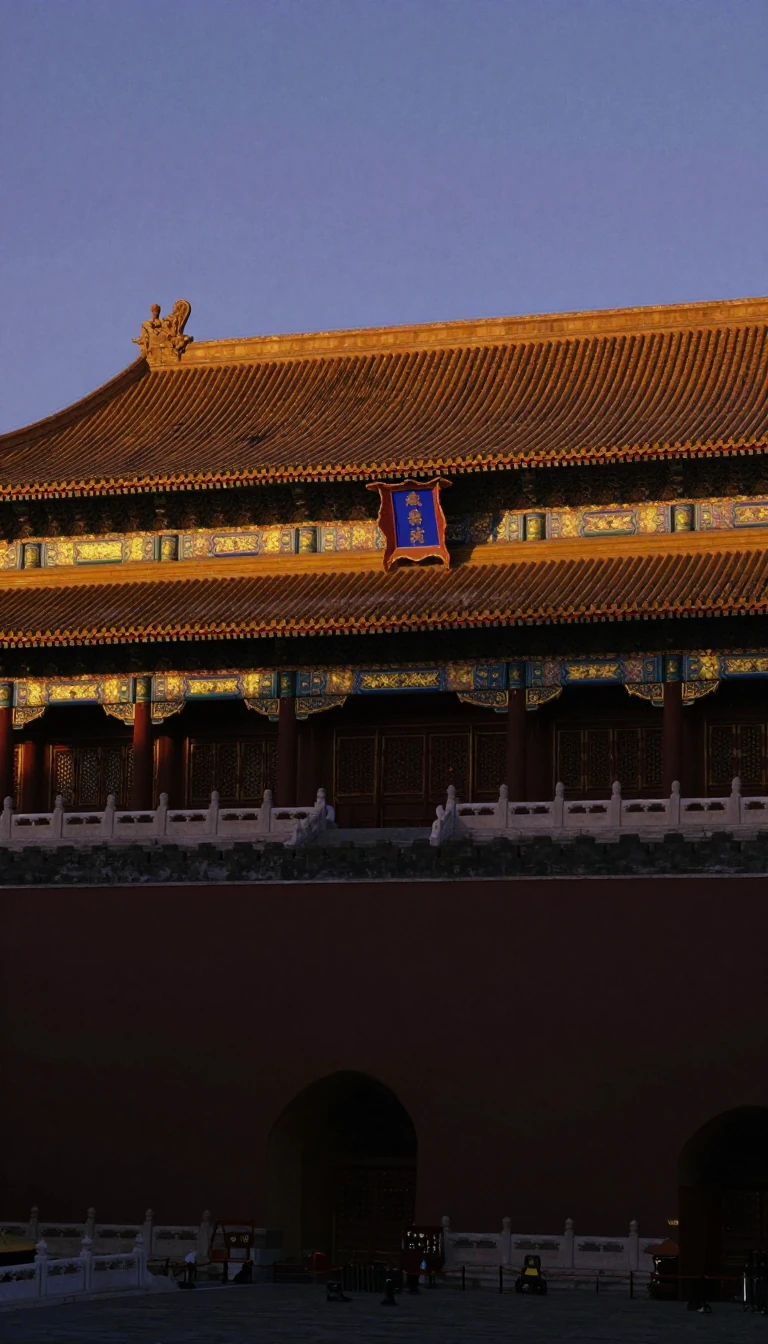 How a seventh-century diplomatic insult helped forge the modern Japanese stateDuring the Asuka period, Japan transformed from a loose collection of clans into a centralized imperial power. By adopting Buddhism, Chinese administration, and a bold new diploma…
 Austrasia: The forgotten eastern heartland that forged the medieval Frankish power structureBefore modern borders, the Frankish realm was a shifting mosaic of sub-kingdoms. Austrasia, the northeastern territory centered on the Rhine, served as the launchpad for the Carol…
 Why the Habsburg Empire never built a substantial overseas colonial empireWhile other European powers carved up the globe, the Habsburg monarchy remained focused on continental priorities. From short-lived trading companies in India to a small concessio…
 Did a single era of human history define how we think about the world?Between 800 and 200 BCE, civilizations across Eurasia experienced a sudden, parallel shift in consciousness. From the philosophers of Greece to the sages of China and India, think…
 The Short-Lived State of Azawad: A Desert Rebellion That Never Gained Global RecognitionIn 2012, Tuareg rebels unilaterally declared the independence of Azawad, a vast region covering 60 percent of Mali. Despite seizing major cities like Timbuktu and Gao, the state r…
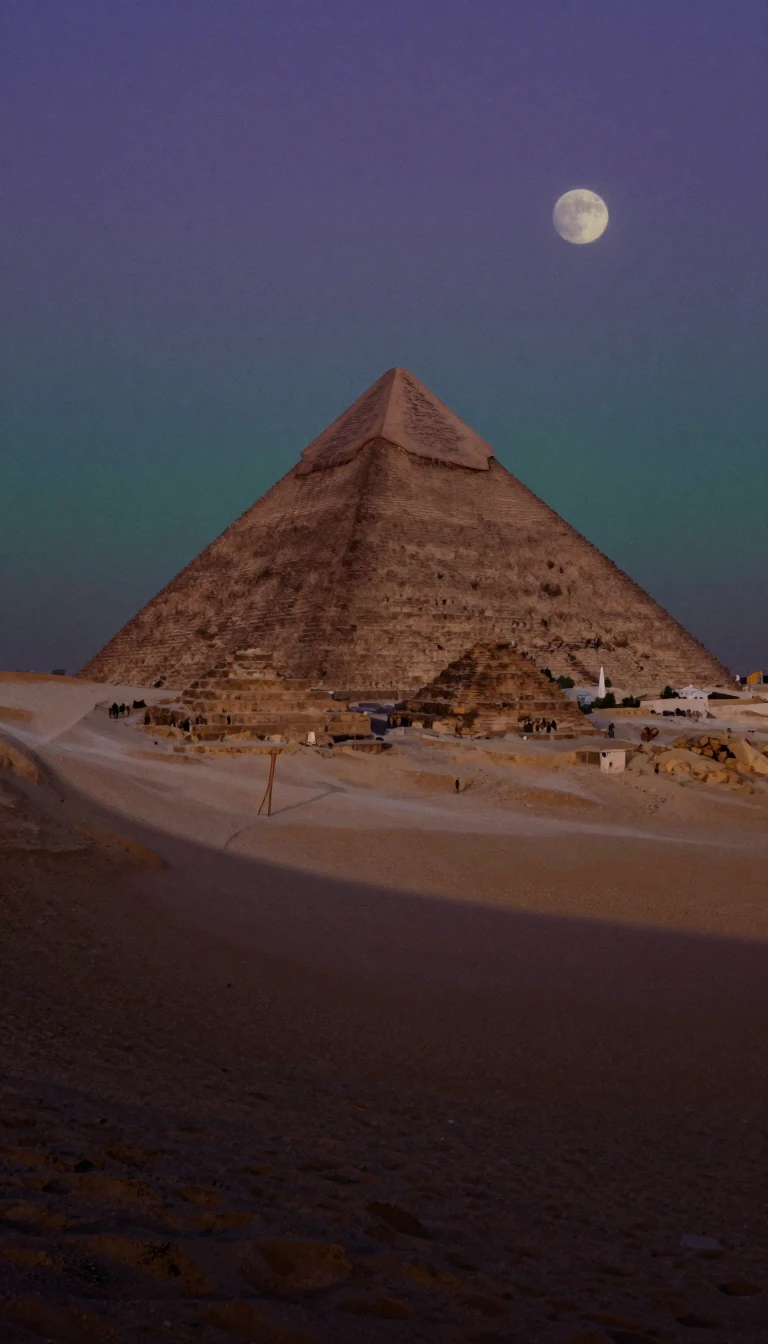 The Badarian culture: Egypt's earliest farmers were a complex, connected, and diverse societyFlourishing in Upper Egypt between 4400 and 4000 BC, the Badarian culture represents the earliest direct evidence of agriculture in the region. Far from an isolated tribe, these a…
 From Roman Sails to Digital Ads: The Enduring Power of the BannerA banner is more than just a piece of cloth; it is a vessel for identity, protest, and commerce. From the ancient Roman vexillum to the modern web advertisement, this versatile me…
 Was the largest naval battle in history fought between Rome and Carthage in 256 BC?In 256 BC, nearly 700 warships and 290,000 sailors clashed off the coast of Sicily. This massive encounter, known as the Battle of Ecnomus, pitted the Roman Republic against Carth…
 A father's grief triggered the naval battle that secured European dominance over Asian seasWhen the Portuguese viceroy’s son was killed in a skirmish, he ignored royal orders to step down, instead launching a brutal campaign of vengeance. The resulting 1509 Battle of Di…
 Why a British victory at Guilford Court House actually doomed their southern campaignOn March 15, 1781, Lord Cornwallis defeated Nathanael Greene in North Carolina. While the British held the field, the cost was staggering: nearly a quarter of their force became c…
 When Kabul became a battlefield for proxies: the forgotten war of 1992–1996After the Soviet withdrawal and the collapse of the Najibullah regime, Kabul descended into a brutal, multi-factional struggle. Backed by competing foreign powers, local warlords …
 How a brutal 1795 defeat paved the way for Russia to annex GeorgiaIn 1795, the Persian Qajar dynasty launched a devastating campaign to reclaim Georgia, a region they viewed as an integral province. The resulting Battle of Krtsanisi left Tbilisi…
 The Battle of Sirte: How a Month of Urban Warfare Ended the Libyan ConflictThe Battle of Sirte was the final, decisive clash of the First Libyan Civil War. As Muammar Gaddafi’s hometown and last major stronghold, the city became a ruinous theater of chao…
 Were the Belgae a distinct people or just the fiercest of the ancient Gauls?Julius Caesar famously branded the Belgae as the bravest of all Gauls, yet modern historians struggle to define them. Were they a unique ethnic group, a military alliance, or simp…
 The 2004 Beslan school siege remains a haunting turning point in modern Russian history.On September 1, 2004, militants seized a school in Beslan, Russia, holding over 1,000 people captive for 53 hours. The tragedy, which claimed more than 330 lives, triggered a mass…
 How a city of children forced the American government to confront systemic racial inequalityIn 1963, Birmingham was the most segregated city in the United States. When adult protesters faltered, organizers turned to students. This Children's Crusade, featuring peaceful m…
 When the World's Stock Markets Collapsed in a Single Day of Financial ChaosOn October 19, 1987, global financial markets suffered a historic, sudden crash. Known as Black Monday, the event saw the Dow Jones Industrial Average plummet by over 22 percent i…
 Why Australia’s deadliest bushfire day released the energy of 1,500 atomic bombsOn February 7, 2009, Victoria faced the worst fire conditions in its history. Temperatures soared to 115.5 degrees Fahrenheit, and gale-force winds turned forests into giant fireb…
 How a Swedish arms deal triggered a decades-long political earthquake in IndiaIn the 1980s, a massive contract for 410 howitzers turned into a scandal that toppled a government and defined Indian politics for a generation. Allegations of kickbacks, internat…
 The 1992–1995 Bosnian War was an ethnically rooted conflict that reshaped a nation.Following the collapse of Yugoslavia, Bosnia and Herzegovina descended into a brutal three-way war. Driven by nationalist manipulation and territorial ambitions, the conflict saw …
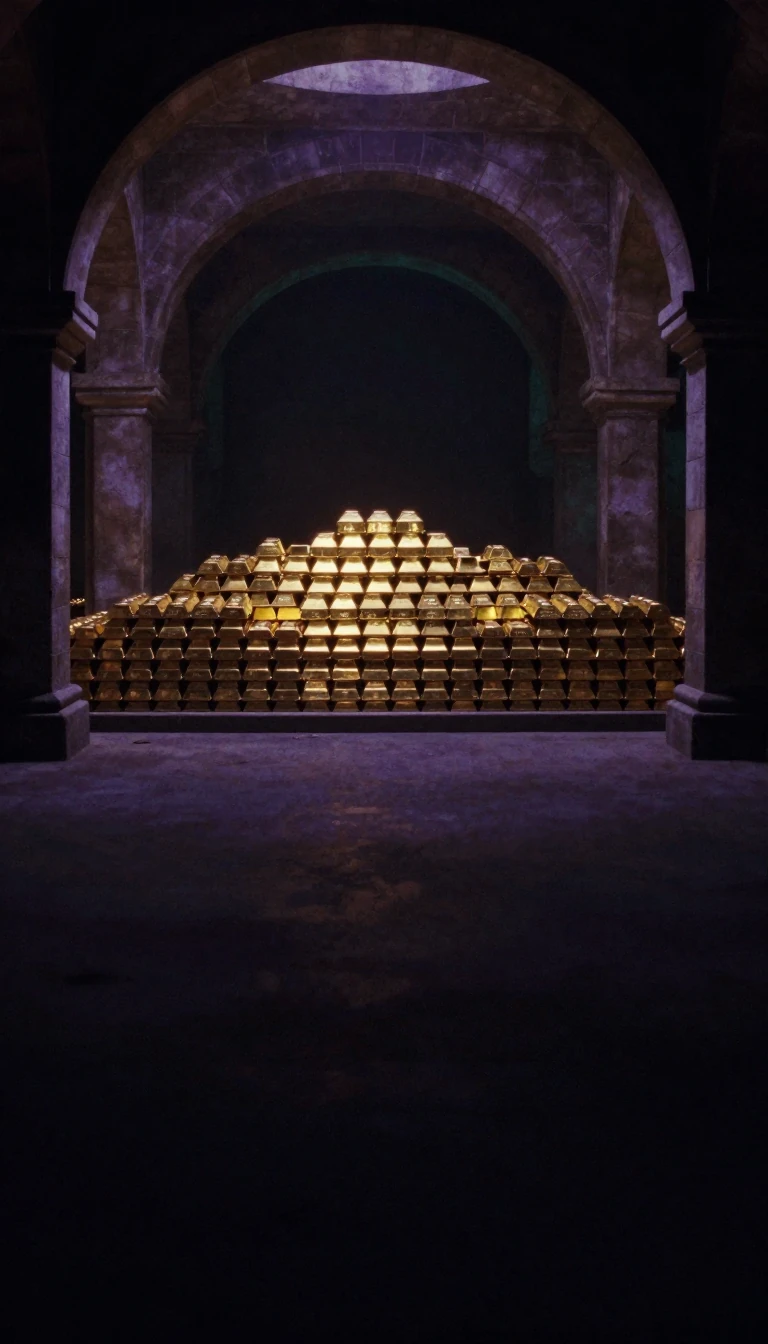 How a massive gold rush transformed the map and demographics of colonial BrazilStarting in the 1690s, the discovery of gold in Minas Gerais triggered the world's longest gold rush. It pulled hundreds of thousands of people from the coast into the interior, s…
 How a Liverpool quartet turned a transatlantic musical obsession into a global youthquakeIn the mid-1960s, a wave of British rock groups swept across the United States, fundamentally altering youth culture and the nature of songwriting. Led by the Beatles, this moveme…
 Did Buddhist councils actually happen, or are they myths designed to unify the faith?For centuries, Buddhist traditions have cited grand councils to validate their scriptures and monastic rules. Yet, modern scholarship suggests these assemblies were often less abo…
- Did the First Emperor of China actually bury hundreds of scholars alive?History remembers Qin Shi Huang as a tyrant who burned books and buried scholars to cement his rule. Yet, modern historians suggest this narrative may be a later invention by his …
 How Mao Zedong used the Korean War to consolidate power through mass political purgesBetween 1950 and 1953, the People's Republic of China launched a massive campaign to eliminate perceived internal enemies. By framing the suppression of former officials and dissi…
 A massacre at a shared holy site shattered the fragile peace of the 1990s.On February 25, 1994, an American-Israeli physician entered the Ibrahimi Mosque in Hebron and opened fire on hundreds of worshippers. The attack killed 29 people and wounded 125, …
 How a satirical magazine became the epicenter of a global free speech crisisIn January 2015, two brothers stormed the Paris offices of Charlie Hebdo, murdering twelve people in a targeted attack. The violence, fueled by the magazine's provocative depictio…
 The ancient Chera kings built a maritime empire on the back of black pepperLong before modern global trade, the Chera dynasty dominated the southern tip of India. By controlling the Malabar Coast and vital mountain passes, these rulers connected the Indi…
 Is the U.S.–China trade war a fight over goods or global dominance?What began as a series of targeted tariffs in 2018 has transformed into a profound struggle for geopolitical and technological supremacy. While the conflict centers on trade defic…
 The Chinese nobility was not just about titles, but a shifting dance of power.For centuries, Chinese aristocracy was defined by pedigree and bureaucratic office rather than formal noble ranks. While imperial titles existed, the true power often lay with eli…
 The Christianization of Scandinavia was a slow, political, and often violent, grassroots transformation.Contrary to the myth of forced conversion by foreign powers, Scandinavian kings adopted Christianity as a strategic political tool. Yet, for the common people, the transition was …
- How the southern state of Chu challenged the heart of ancient Chinese powerRising from the fertile Hubei valley, Chu evolved from a minor Zhou dynasty fiefdom into a formidable hegemon. While northern states struggled to maintain order, Chu expanded its …
- Who were the Cimmerians, the mysterious nomadic warriors displaced by the rising Scythian empire?Before the Scythians dominated the Eurasian steppe, the Cimmerians held sway over the Caucasus and northern Black Sea regions. Driven out by their rivals in a decades-long conflic…
 Before socialism, radicalism was the primary force for democratic reform in the Western world.Emerging from the English Civil War, radicalism served as the left-wing flank of liberalism for over a century. It demanded universal suffrage, secularism, and institutional refor…
 How a tenth-century monastic movement reshaped the power of the medieval ChurchIn the early Middle Ages, monasteries were often treated as private family estates by local lords, leading to widespread corruption and decay. The Cluniac Reform movement emerged …
 Did a deadly salmonella strain cause the mysterious 16th-century Aztec cocoliztli epidemic?Between 1545 and 1550, a catastrophic outbreak known as cocoliztli killed up to 15 million people in Mexico. For five centuries, the cause remained a mystery. Now, ancient DNA ext…
 How the FBI used covert sabotage to dismantle American civil rights movementsBetween 1956 and 1971, the FBI operated a secret program called COINTELPRO to neutralize domestic groups it deemed subversive. By painting activists as communists and inciting int…
 Why your group's shared history might be a carefully constructed, collective illusionCollective memory is the shared pool of knowledge that defines a social group's identity. Yet, research suggests this memory is often less about objective history and more about t…
 Rhode Island was the radical outlier that redefined American religious and political freedomFounded by an exiled Puritan minister, Rhode Island became a haven for dissenters. While other colonies enforced state-sanctioned religion, this territory pioneered the separation…
 Are colour revolutions spontaneous uprisings or a sophisticated new form of Western warfare?Colour revolutions are non-violent movements in post-Soviet states and the former Yugoslavia aimed at establishing Western-style democracy. Often triggered by contested election r…