 Intellect Plus
History
21,004 cards. Each one is a 40-second story with a five-minute read behind it. Page 186 of 351.
Subtopics: 19th century · 20th century · Africa · Age of Exploration · Ages & eras · Ancient · Ancient China · Ancient egypt · Ancient greece · Ancient rome · Ancient trade · Archaeological discoveries · Archaeology · Astronomy · Australia · Auxiliary historical sciences · Babylon · Basics · Born on this day · Bronze age · Buddhism · Case studies · Chefs, bartenders and winemakers · China · Cities · Climate · Columbus · Contemporary (1945-) · Cosmetics people · Crime · Criminals · Decipherment · Deep time · Disasters · Early modern · Education · Egypt · Empires · Empires & civilisations · Exploration · Explorers · Extinction · Fandom, conventions and festivals · History by continent and large region · History by continent and region · History by country · History by country, small region and city · History by ethnicity · History by subject matter · History by topic · Inca · India · Industrial Revolution · Japan · Kings & queens · London · Mass hysteria · Medicine · Medieval kingdoms · Medieval life · Mediterranean · Mercedes-Benz History · Mesopotamia · Middle ages · Military leaders and theorists · Military leaders, personnel, and theorists · Ming dynasty · Misconceptions · Modern · Modern (1800-1945) · Napoleon · Navigation · North africa · Other · Pacific · Pharaohs · Philippines · Pirates · Post-classical · Prehistory · Propaganda · Public health · Rebels, revolutionaries and activists · Renaissance · Researched · Second world war · Shipwrecks · Silk Road · South america · Tradespeople · UK & Ireland: history · United states · Vikings · Volcanoes · Women in history
 Can a detective solve a centuries-old murder from a hospital bed?Confined to a hospital bed with a broken leg, Scotland Yard Inspector Alan Grant becomes obsessed with the face of King Richard III. By applying modern investigative logic to hist…
 The 11th-century Chinese military manual that first revealed the chemical secrets of gunpowder.Compiled between 1040 and 1044, the Wujing Zongyao served as a comprehensive guide for Song dynasty officials. Beyond its strategic advice, it provides the earliest known written …
 Can a single novel capture the frantic, neon-lit collapse of 1930s Shanghai?Mao Dun’s 1933 masterpiece, Ziye, offers an unflinching look at a city caught between colonial influence and industrial decay. Through the eyes of an industrialist struggling agai…
 Before synthetic dyes, this humble mustard plant built the fortunes of medieval Europe.Long before global trade brought exotic pigments to European shores, Isatis tinctoria—commonly known as woad—was the backbone of the continent’s textile industry. From the prosper…
 The walnut family once dominated European forests before disappearing during the ice agesToday, the walnut family is synonymous with global agriculture, but its history is written in ancient fossils. Once abundant across Central Europe, these trees were pushed to exti…
 How Britain transformed from a divided nation into a global superpower in the 1700sIn 1714, Britain was a fractured kingdom, plagued by internal religious strife and rival claimants to the throne. Yet, through strategic political maneuvering, control over taxati…
 The 1940s: A decade of global upheaval, technological leaps, and the birth of modernity.The 1940s was a period of violent transformation, defined by the horrors of global war and the subsequent redrawing of the world map. Yet, amidst the conflict, humanity birthed th…
 How a bloodless political maneuver in 1948 permanently shifted the Cold War landscapeIn February 1948, Czechoslovakia fell under communist control without a single shot fired. While Western powers watched in alarm, the event signaled the end of democratic hopes in…
 The 1950s: A Decade of Global Upheaval, Cold War Tensions, and Rapid DecolonizationWhile often remembered for post-war prosperity and the rise of television, the 1950s was a volatile era defined by the Cold War, the collapse of colonial empires, and a series of …
 Was the 1951 Seventeen Point Agreement a peaceful liberation or a forced annexation?Signed under the shadow of military occupation, the Seventeen Point Agreement aimed to integrate Tibet into the People’s Republic of China. While Beijing framed it as a peaceful l…
 How a Banana Monopoly and Cold War Paranoia Toppled a Democracy in 1954In 1954, the CIA orchestrated a covert operation to depose Guatemala’s democratically elected president, Jacobo Árbenz. Driven by corporate lobbying from the United Fruit Company …
 How a workers' uprising in Poznań triggered a seismic shift in Polish communist ruleIn June 1956, industrial workers in Poznań took to the streets to protest against economic hardship and government rigidity. The violent state response, involving tanks and thousa…
 The 1957 Asian Flu: How a Hidden Pandemic Reshaped Global Public HealthEmerging from southern China in 1957, the H2N2 influenza pandemic claimed over a million lives worldwide. While it moved rapidly through crowded cities and military bases, the glo…
 Did a cultural dance performance trigger the 1959 uprising against Chinese rule in Tibet?On March 10, 1959, thousands of Tibetans surrounded the Dalai Lama’s summer palace in Lhasa, fearing he would be abducted by Chinese forces. What began as a desperate attempt to p…
 Why the 1960s remain the most volatile and transformative decade in modern historyThe 1960s were far more than a countercultural fever dream. From the first human steps on the Moon to the birth of global civil rights movements and the height of Cold War nuclear…
 How a fake coup plot in 1963 accidentally toppled the South Vietnamese governmentOn November 1, 1963, South Vietnamese generals launched a real coup under the cover of a fake one. By manipulating the regime's own counter-insurgency plans and exploiting the van…
 How a Cold War alliance turned Brazil into a 24-year military dictatorshipIn 1964, Brazil’s military overthrew President João Goulart, ending the Fourth Republic. Driven by fears of communism and supported by American logistical planning, the coup launc…
 When Australia's Governor-General Fired the Prime Minister and Triggered a Constitutional CrisisIn 1975, Australia faced its greatest political upheaval when the Governor-General dismissed Prime Minister Gough Whitlam. This unprecedented move followed a parliamentary deadloc…
- The 1980s: A Decade of Geopolitical Upheaval, Technological Breakthroughs, and Global Demographic ShiftsThe 1980s were far more than a cultural caricature of excess. It was a transformative era defined by the collapse of Soviet communism, the birth of the internet, and the first gen…
 The 1983–1985 Ethiopian famine was not just a natural disaster, but a political weapon.While drought triggered the crisis, the military government’s counter-insurgency strategies and forced resettlement programs turned a food shortage into a humanitarian catastrophe…
 How a year-long industrial battle permanently reshaped the British economy and trade unionsThe 1984–1985 miners' strike was the most bitter industrial dispute in British history. Led by Arthur Scargill against Margaret Thatcher's government, the conflict saw over 26 mil…
 How a single golf game helped trigger two military coups in 1987 FijiIn 1987, Lieutenant Colonel Sitiveni Rabuka seized control of Fiji’s government, citing ethnic tensions. While he claimed to protect indigenous interests, he later revealed that t…
- The 1990s: A Decade Defined by Digital Optimism and Global Political UpheavalOften remembered as a time of relative peace and economic growth, the 1990s were a period of intense contradiction. While the internet revolutionized communication and the Cold Wa…
- Why North Korea’s Arduous March was a man-made catastrophe, not just a weather event.Between 1994 and 1999, North Korea suffered a devastating famine that claimed hundreds of thousands of lives. While floods and droughts were the immediate triggers, the crisis was…
 Why the 1992 Los Angeles riots became a defining moment in American civil unrestWhen a jury acquitted four police officers of beating Rodney King, Los Angeles erupted into one of the most destructive civil disturbances in American history. The violence expose…
 Did Russia’s 1993 constitutional crisis kill its chance at becoming a genuine democracy?Before tanks shelled the Russian parliament in October 1993, Russia was arguably on a path toward functional democracy. Competitive elections were held, and a legislative body was…
 South Africa's 1994 election was a technical disaster that became a political triumph.Millions of citizens queued for days to cast their first-ever democratic ballots in April 1994. While the process was marred by logistical chaos, missing materials, and allegation…
 The 1995 Hanshin earthquake shattered Japan's confidence in its own disaster-proof infrastructure.On January 17, 1995, a massive earthquake struck the Hanshin region, exposing fatal flaws in supposedly resilient architecture. While Japan prided itself on advanced engineering, …
 The 1999 East Timor crisis: A nation's violent birth after decades of occupationWhen East Timorese voters overwhelmingly chose independence in 1999, the result triggered a brutal scorched-earth campaign by pro-Indonesia militias. As infrastructure burned and …
 Why the 2000s were defined by a decade of profound global disruptionThe first decade of the 21st century transformed the world through rapid technological shifts, geopolitical upheaval, and economic instability. From the rise of the internet and s…
 How a single hotel guest triggered a global health crisis in early 2003In February 2003, a medical professional staying at a Hong Kong hotel unknowingly became a super-spreader, igniting a chain reaction that carried a deadly new virus to hospitals a…
 In April 2002, a Venezuelan coup ousted Hugo Chávez for just forty-seven hours.Hugo Chávez was removed from office in 2002 after a massive protest turned deadly, but his exile lasted less than two days. Driven by military dissent and a polarized nation, the …
 Did a demand for reparations trigger the 2004 removal of Haiti's elected president?In February 2004, President Jean-Bertrand Aristide was flown out of Haiti under U.S. military escort, ending his second term. While officials cited a violent rebellion, some obser…
 The Madrid train bombings were not a simple case of homegrown radicalizationOn March 11, 2004, coordinated explosions across Madrid’s commuter rail network killed 191 people. While often framed as a homegrown phenomenon triggered by the Iraq War, the real…
- How a massive tectonic collision flattened a province and sparked a national reckoningOn May 12, 2008, the Longmenshan Fault ruptured, triggering a catastrophic earthquake in China's Sichuan province. The disaster claimed nearly 90,000 lives, displaced millions, an…
 The 2009 H1N1 pandemic was a global event defined by confusion and misnomersThe 2009 H1N1 outbreak was the first major influenza pandemic of the 21st century. While it spread rapidly due to modern air travel and high contagiousness, the public response wa…
 The 2010s: A Decade of Economic Recovery, Digital Transformation, and Global Political UpheavalThe 2010s began with a slow climb out of the Great Recession and ended with a world reshaped by smartphones, social media, and rising populism. From the Arab Spring to the rise of…
 A landslide vote for independence ended decades of conflict in Sudan in 2011In January 2011, South Sudan held a historic referendum to determine its future. With a staggering 98.83% of voters choosing to secede, the region moved toward statehood. This mon…
 Why are the Rohingya, one of the world's most persecuted groups, considered stateless?The Rohingya people, a Muslim minority in Myanmar, are trapped in a cycle of systemic exclusion and violence. Denied citizenship by successive laws, they have been forced to flee …
 Was the 2016 Turkish coup attempt a genuine military uprising or a staged event?On July 15, 2016, a faction of the Turkish military launched a dramatic, failed coup attempt that left over 300 dead. While the government blamed a global movement led by Fethulla…
 How a bloodless military intervention ended Robert Mugabe’s thirty-seven-year rule in ZimbabweIn November 2017, Zimbabwe’s military seized control of state media and key government sites, insisting it was not a coup. The operation, dubbed Operation Restore Legacy, aimed to…
 The Black Summer: How Australia’s 2019–20 Bushfires Redefined Catastrophic Fire SeasonsKnown as the Black Summer, the 2019–20 Australian bushfire season was a record-breaking catastrophe. Driven by extreme drought and heat, over ten thousand fires scorched 24 millio…
 How Bolivia managed a rare democratic U-turn after a chaotic 2019 political crisisIn 2019, Bolivia faced a dramatic electoral revolution that ousted long-time leader Evo Morales. While many feared a return to the military juntas of the past, the country defied …
 The 2020 Beirut explosion was one of the most powerful non-nuclear blasts in history.On August 4, 2020, 2,750 tonnes of ammonium nitrate ignited at the Port of Beirut, triggering a shockwave that shattered the city. The disaster, which killed 218 people and caused…
 How Beijing bypassed local resistance to impose a sweeping new security law on Hong KongIn 2020, China enacted a national security law for Hong Kong that fundamentally altered the city's legal landscape. By bypassing the local legislature and integrating the measure …
 Why did India’s ambitious attempt to modernize its massive agricultural sector end in total repeal?In 2020, India passed three sweeping laws to deregulate its government-run wholesale markets and encourage private investment. The government hailed them as a transformative water…
 The 2020s: A Decisive Decade of Economic Upheaval, Political Realignment, and Rapid Technological ChangeThe 2020s have been defined by a volatile mix of global crises and transformative shifts. From the COVID-19 pandemic and subsequent inflation to the rise of generative AI and a ma…
 How Myanmar's military used a constitutional loophole to seize power from elected officialsOn February 1, 2021, Myanmar’s military orchestrated a swift coup, detaining the country’s democratically elected leaders just as parliament was set to convene. By invoking specif…
 The 21st century is a volatile era of rapid technological, demographic, and geopolitical transformation.From the rise of a globalized economy and the digital revolution to the shifting balance of power between the United States and China, the 21st century has redefined human existen…
- Why a lucky number and a birthday cake triggered a nation's violent collapseIn 1988, Burma exploded in a nationwide uprising against a regime that had crippled the economy through bizarre superstitions and sudden currency demonetizations. What began as a …
 How the loss of Britain's largest overseas asset forced a total diplomatic rethinkIn 1951, Iran nationalized the Anglo-Iranian Oil Company, stripping Britain of its single most valuable foreign asset. The resulting crisis was a humiliating blow to British prest…
 How the Abraham Accords fundamentally reshaped Middle Eastern diplomacy and regional security alliancesThe Abraham Accords marked a historic pivot, moving clandestine cooperation between Israel and several Arab nations into the open. By prioritizing shared security interests and ec…
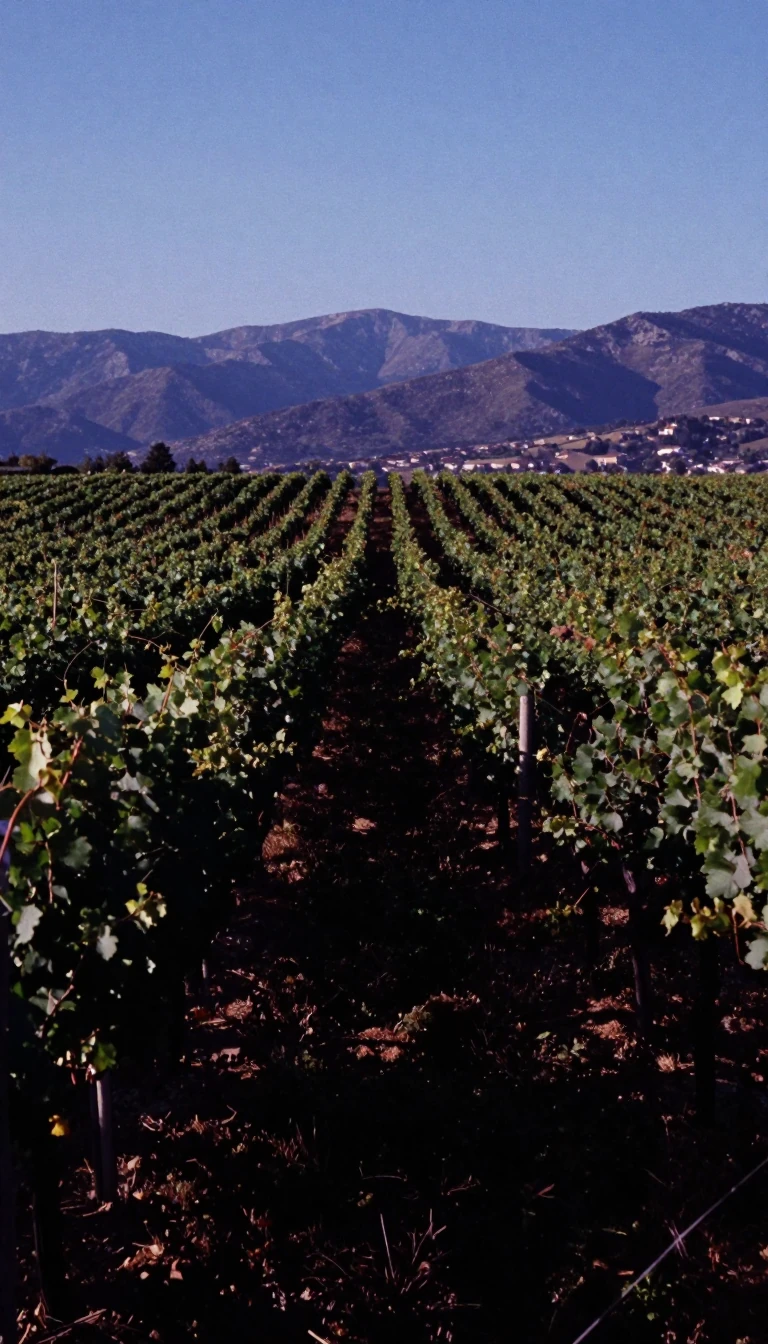 Why Roman agriculture was more than just farming: it was a moral imperative.For Romans, agriculture was the ultimate occupation, blending economic necessity with a profound moral code. While the empire relied on massive estates and slave labor to feed its…
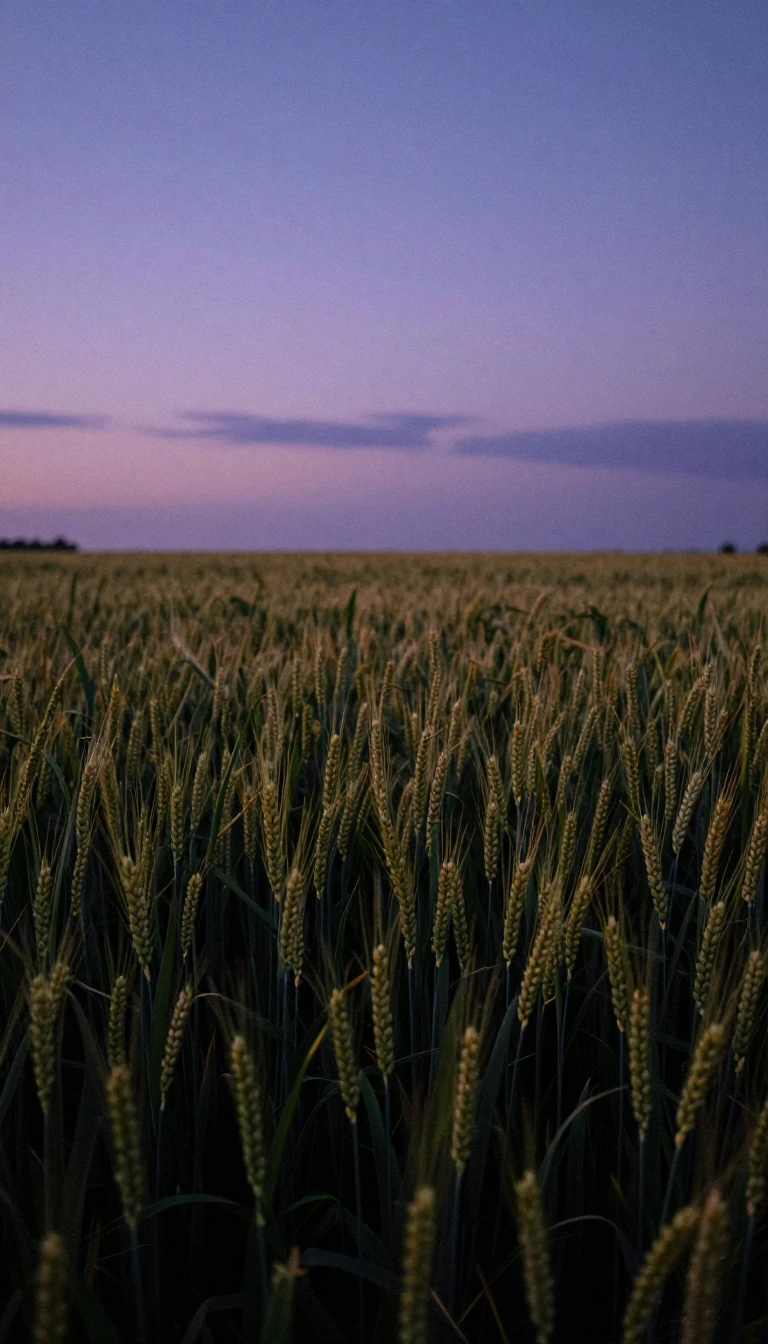 Did ancient Mesoamericans domesticate corn for its sugar before they ever ate the kernels?While corn is the iconic staple of Mesoamerican history, its origins remain a puzzle. New genetic research suggests that early farmers may have first cultivated wild grasses not f…
- Medieval farming was not just subsistence; it was a period of profound technical evolution.While often viewed as a stagnant era, medieval agriculture underwent a radical transformation. From the adoption of the heavy wheeled plow and the life-changing horse collar to th…
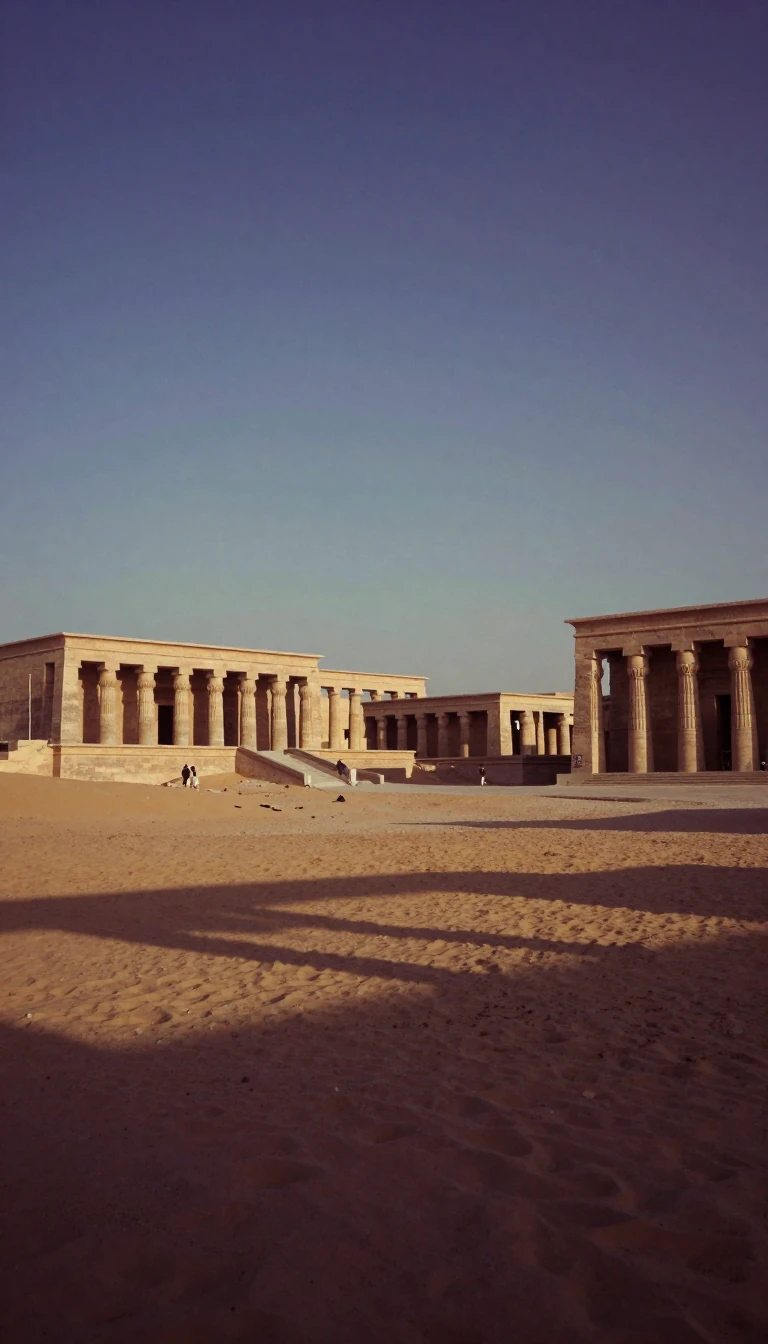 A lost Hellenistic city in Afghanistan reveals the reach of Greek culture in Asia.Deep in the mountains of modern-day Afghanistan lies Ai-Khanoum, a city founded by the successors of Alexander the Great. Rediscovered by a king on a hunting trip in 1961, this an…
 These fierce medieval frontiersmen terrorized heavy cavalry by turning their own mounts against them.Originating as shepherd-warriors on the Iberian frontier, the Almogavars evolved into elite light infantry. Renowned for their extreme frugality and ferocity, these soldiers rejec…
 The Amber Road was never a single path, but a vast ancient trade network.Forget the image of a simple, paved highway. The Amber Road is an archaeological concept describing a complex web of trails that connected the Baltic coast to the Mediterranean fo…
 How an ancient religious pact became a powerful tool for Greek political controlLong before the rise of the Greek city-state, neighboring tribes formed sacred alliances called amphictyonies to protect shared temples. While these leagues began as peaceful reli…
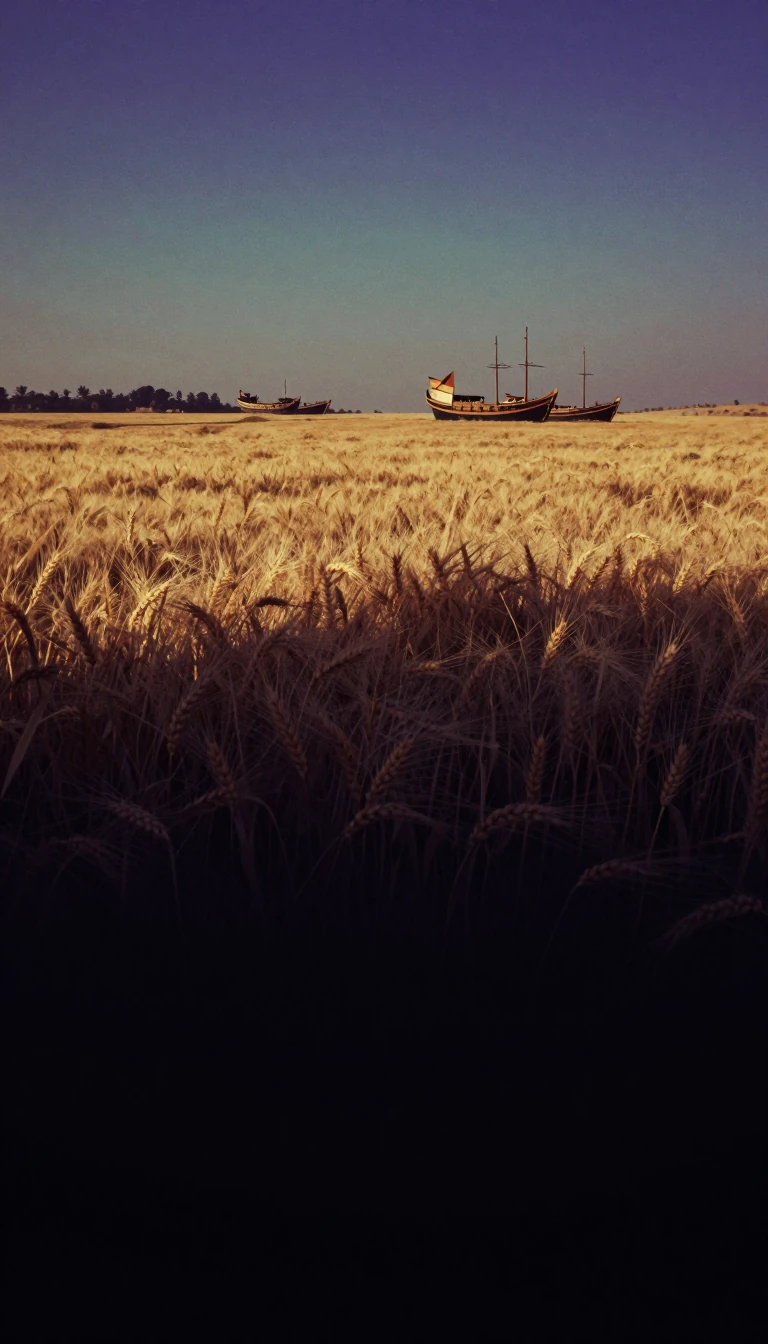 The Nile’s predictable floods were the foundation of an entire ancient empire’s agricultural wealth.Ancient Egypt’s rise was not accidental. By mastering the Nile’s seasonal inundation through ingenious basin irrigation, farmers turned arid desert into a breadbasket. This sophis…