 Intellect Plus
History
21,004 cards. Each one is a 40-second story with a five-minute read behind it. Page 183 of 351.
Subtopics: 19th century · 20th century · Africa · Age of Exploration · Ages & eras · Ancient · Ancient China · Ancient egypt · Ancient greece · Ancient rome · Ancient trade · Archaeological discoveries · Archaeology · Astronomy · Australia · Auxiliary historical sciences · Babylon · Basics · Born on this day · Bronze age · Buddhism · Case studies · Chefs, bartenders and winemakers · China · Cities · Climate · Columbus · Contemporary (1945-) · Cosmetics people · Crime · Criminals · Decipherment · Deep time · Disasters · Early modern · Education · Egypt · Empires · Empires & civilisations · Exploration · Explorers · Extinction · Fandom, conventions and festivals · History by continent and large region · History by continent and region · History by country · History by country, small region and city · History by ethnicity · History by subject matter · History by topic · Inca · India · Industrial Revolution · Japan · Kings & queens · London · Mass hysteria · Medicine · Medieval kingdoms · Medieval life · Mediterranean · Mercedes-Benz History · Mesopotamia · Middle ages · Military leaders and theorists · Military leaders, personnel, and theorists · Ming dynasty · Misconceptions · Modern · Modern (1800-1945) · Napoleon · Navigation · North africa · Other · Pacific · Pharaohs · Philippines · Pirates · Post-classical · Prehistory · Propaganda · Public health · Rebels, revolutionaries and activists · Renaissance · Researched · Second world war · Shipwrecks · Silk Road · South america · Tradespeople · UK & Ireland: history · United states · Vikings · Volcanoes · Women in history
 The 19th-century Somali state that challenged colonial powers with its own bureaucracy and army.The Sultanate of Hobyo was not a mere tribal outpost but a sophisticated, centralized state. With its own flag, professional military, and written records, it navigated the danger…
 The medieval Somali superpower that minted its own currency and traded with Ming ChinaLong before modern global trade, the Sultanate of Mogadishu dominated the Indian Ocean. This wealthy metropolis was a hub for gold, ivory, and exotic wildlife, connecting the Horn…
 How a tiny island kingdom once dominated the spice trade and halted European expansion.Before the Dutch and Portuguese arrived, the Sultanate of Ternate was a regional powerhouse that controlled the world's clove supply. By blending Islamic law with local traditions…
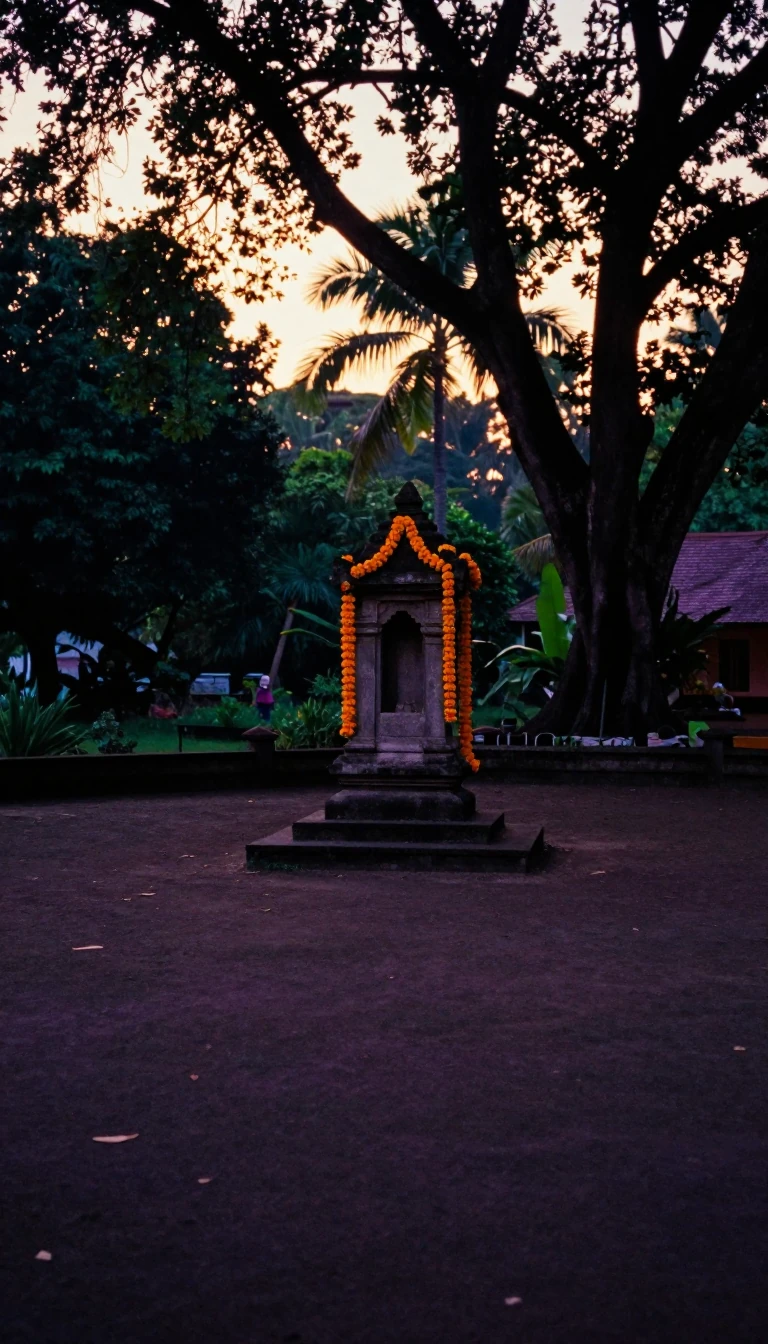 The Sunda Kingdom: A Thousand-Year Hindu Powerhouse in Western JavaFor nearly a millennium, the Sunda Kingdom dominated the western reaches of Java, leaving behind a legacy of sacred stone inscriptions and a tragic royal history. From its early d…
 Did the Sundance Kid really die in a Bolivian shootout in 1908?Harry Longabaugh, the infamous Sundance Kid, spent his life fleeing the Pinkerton Detective Agency. While history books often place his final moments in a 1908 Bolivian gunfight, …
 The Parthian general who humiliated Rome and paid for it with his lifeSurena was the brilliant military mind behind the crushing defeat of Marcus Licinius Crassus at the Battle of Carrhae in 53 BC. Despite securing a legendary victory for the Parthi…
 Can a massive infrastructure campaign change the deep-seated sanitation habits of a nation?Launched in 2014, the Swachh Bharat Mission aimed to eliminate open defecation across India by constructing 90 million toilets. While the project achieved record-breaking infrastr…
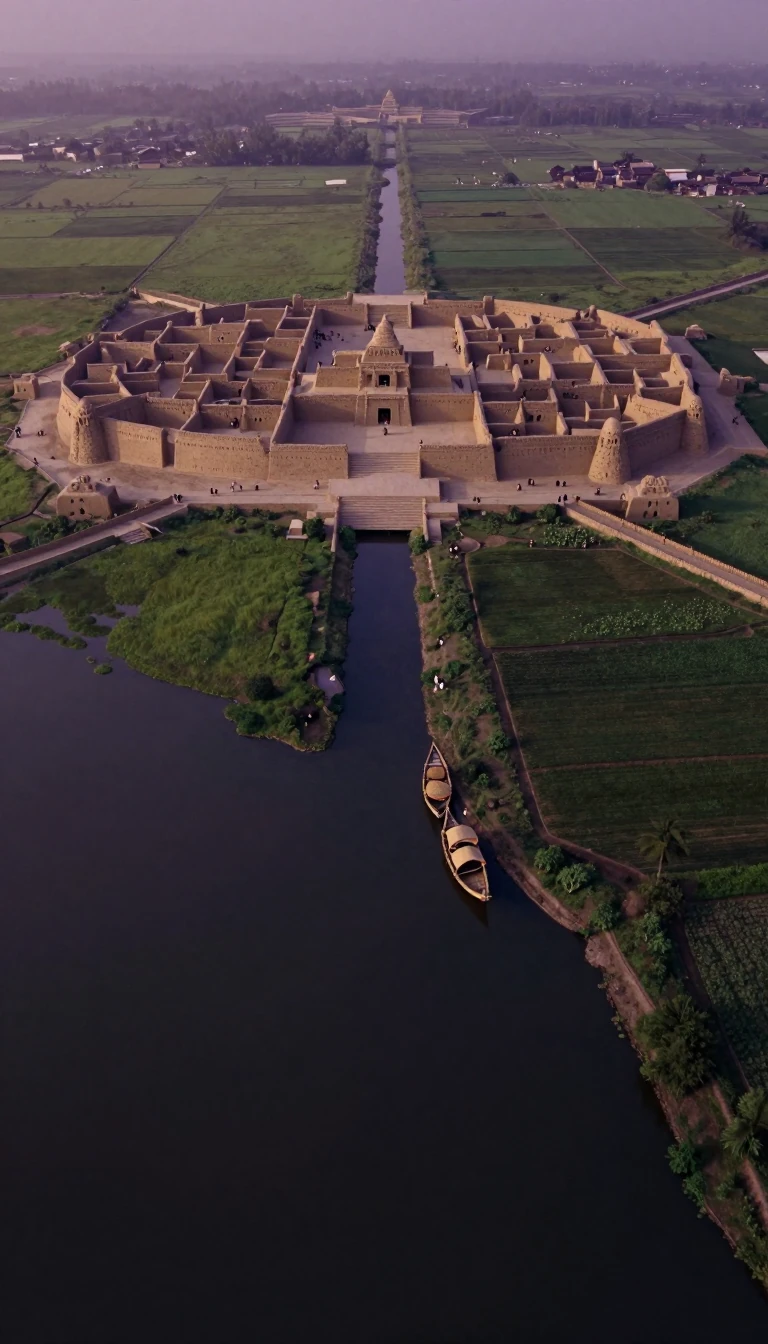 How independent East African city-states became the vital bridge between two massive continentsBetween the 8th and 16th centuries, the Swahili coast flourished as a collection of autonomous, wealthy urban hubs. By acting as essential intermediaries in Indian Ocean trade, th…
 How Sweden Profited From Neutrality While Navigating The Great War's Global ConflictSweden remained neutral during the Great War, yet the conflict fundamentally reshaped the nation. By balancing delicate diplomatic relations between the Central Powers and the Ent…
 Why the British Empire Invaded Its Own Ally in the Middle of World War IIIn June 1941, British forces launched Operation Exporter to invade Syria and Lebanon. Though technically allies, these territories were controlled by Vichy France, a vassal of Naz…
 The Aymara leader who promised to return as a thousand thousandBorn a peasant, Julián Apasa Nina rose to command 40,000 soldiers against the Spanish Empire. Known as Túpac Katari, he led a massive indigenous uprising in colonial Bolivia, twic…
 When the Caliphate of Córdoba collapsed, it birthed a fractured landscape of rival kingdoms.After the Umayyad Caliphate fell in 1031, al-Andalus splintered into roughly 33 independent principalities known as taifas. These small, warring emirates often paid tribute to Chr…
 How a bloody coup in 645 AD transformed Japan into a centralized imperial stateBefore the Taika Reforms, Japan was a fractured patchwork of clans dominated by the ruthless Soga family. After a dramatic palace coup, new leaders looked to Tang China to build a…
 Is Taiwan already independent, or is it still waiting to become a sovereign state?The debate over Taiwan's independence is a complex tug-of-war between two visions. Some argue for a formal, new state, while others insist the Republic of China is already soverei…
 Why the Qing Emperor Initially Rejected Taiwan as a Tiny Speck of LandWhen the Qing dynasty defeated Ming loyalists in 1683, the Kangxi emperor famously dismissed Taiwan as a worthless, distant mud ball. He saw no reason to govern it until a strateg…
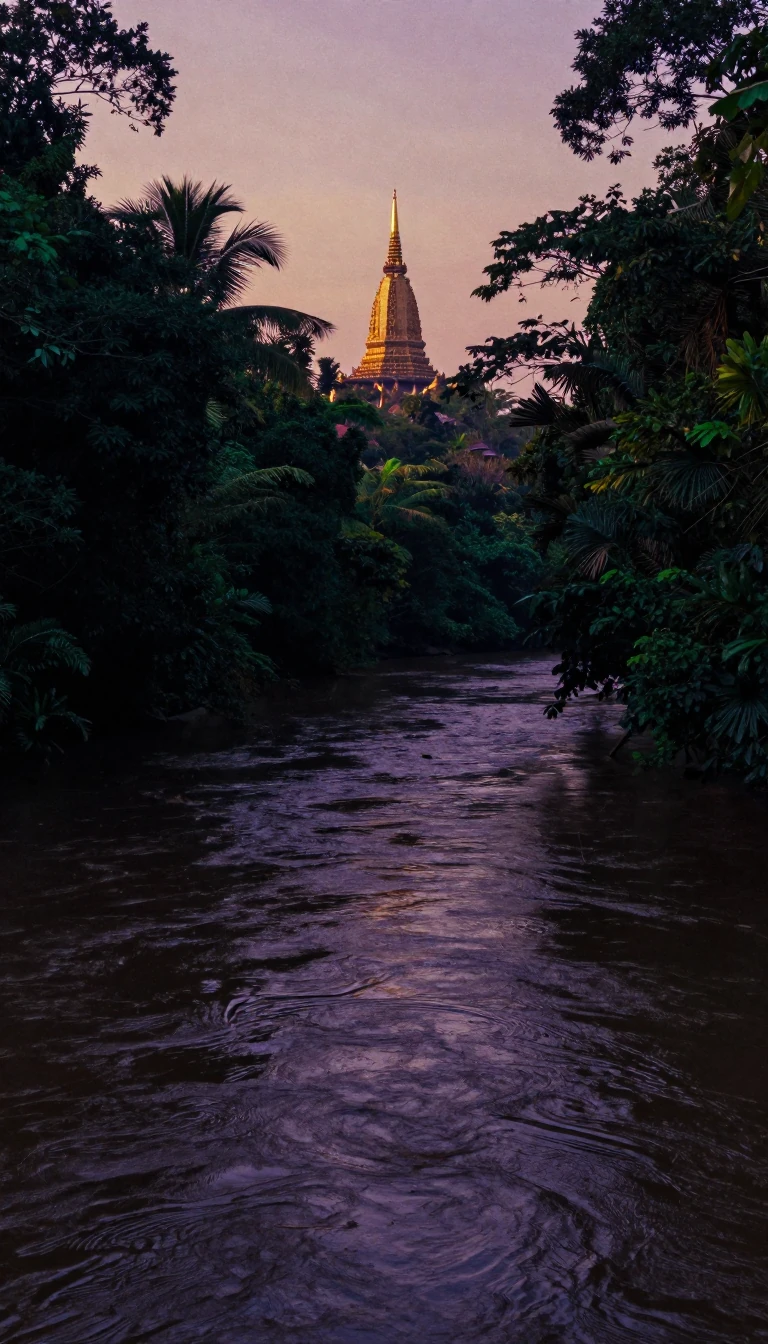 Tambralinga: The Forgotten Kingdom That Once Challenged Empires Across Southeast AsiaLong before it was known as Nakhon Si Thammarat, the mysterious kingdom of Tambralinga dominated the Malay Peninsula. From its rise as a powerful maritime state to its bold invasi…
 How a secret oil deal turned a presidential cabinet into a national disgraceIn the early 1920s, the Teapot Dome scandal exposed a web of bribes and corruption within the Harding administration. By secretly leasing federal oil reserves to private companies…
 The Qianlong Emperor called himself the Old Man of Ten Great Campaigns, but why?In the 18th century, the Qing dynasty launched ten major military operations across Asia. While the Emperor celebrated these as total victories, the reality was far more complex. …
 Why a U-shaped line on a map is reshaping global maritime power dynamicsThe South China Sea is a flashpoint where historical claims collide with modern international law. China asserts control over nearly the entire region using a controversial dashed…
 How a strategic Pacific island became a complex administrative puzzle for the Australian government.New Guinea is the world's second-largest island, yet its modern political map is a legacy of colonial mandates and wartime occupation. Once divided between German and British inte…
 The Tet Offensive was a crushing military defeat that won the war at home.In January 1968, North Vietnamese forces launched a massive, surprise assault across South Vietnam. While the offensive was a tactical disaster that failed to spark a popular upri…
 The assassin who forced a nation to confront its religious and political shadowsTetsuya Yamagami’s 2022 assassination of former Prime Minister Shinzo Abe was not a political act, but a personal vendetta against the Unification Church. His life, defined by his…
 Why Texas joined the United States through a simple congressional vote instead of treatyTexas voted for annexation in 1836, but the United States rejected it for nearly a decade. When formal treaties failed, Congress bypassed the traditional process using a joint res…
 How a catastrophic volcanic eruption preserved an entire Roman city for nearly two millenniaWhen Mount Vesuvius erupted in 79 CE, it buried Pompeii under a thick blanket of ash and pumice, effectively freezing a sophisticated Greco-Roman society in time. Today, this uniq…
 The Battle of Loos: Why the First Use of British Gas Failed DecisivelyIn September 1915, the British and French armies launched a massive offensive on the Western Front, hoping to break the German lines and relieve pressure on their Russian allies. …
 The Brutal Reality of the British Death March Following the Siege of KutFollowing the Ottoman victory at the Siege of Kut, British and Indian prisoners faced a harrowing ordeal. Forced onto a death march toward distant prison camps, these soldiers end…
 The Siege of Kut concludes as Britain suffers its largest military surrender in historyAfter 140 days of grueling isolation, the British forces at Kut finally capitulated, marking a catastrophic low point for the empire. As the defeated soldiers began their arduous …
 Aleksei Brusilov unleashes a revolutionary offensive to shatter the Austro-Hungarian Army's defensive linesOne hundred years ago, the Eastern Front transformed as General Aleksei Brusilov launched an ambitious offensive. By abandoning traditional, rigid tactics in favor of innovative m…
 When India’s democracy went dark: The 21-month suspension of civil libertiesIn June 1975, Prime Minister Indira Gandhi invoked emergency powers to silence political dissent, arrest opponents, and censor the press. For 21 months, India operated under a sta…
 By mid-1915, the promise of a swift victory in the Great War had vanished.One year into the conflict, the initial hope for a quick resolution had been replaced by the grim reality of total war. From the Russian retreat to the catastrophic stalemate at G…
- As the Gallipoli campaign ends in defeat, the Austro-Hungarian Army invades MontenegroBy early 1916, the British evacuation of Gallipoli was finally complete. While the withdrawal itself was successful, the campaign remained an undeniable defeat. The consequences w…
 Why the Eastern and Western Fronts reached a brutal stalemate in 1916By 1916, the First World War had devolved into a devastating war of attrition. While the meat grinder at Verdun consumed French and German forces, Russian General Aleksei Brusilov…
 How a tactical ruse at Gallipoli stalled an Allied push for victoryAt Gallipoli, 20,000 fresh reinforcements arrived, hoping to finally break the stalemate. Instead, they encountered Ottoman commander Mustafa Kemal, who utilized a calculated tact…
 While socialists plead for peace in Switzerland, the Great War accelerates across three fronts.In the fifty-ninth week of the Great War, a stark disconnect emerged between political idealism and military reality. As socialist leaders gathered in Switzerland to advocate for …
 The Third Plague Pandemic: How a Global Shipping Crisis Reshaped Modern Disease ControlWhile the Black Death remains history's most infamous plague, the Third Pandemic quietly circled the globe at the turn of the 20th century. Arriving in Europe via international sh…
 How a dishwasher became the only American chef with two simultaneous three-star Michelin ratings.Thomas Keller rose from humble beginnings as a teenage dishwasher in Florida to become a titan of fine dining. By mastering classical French techniques and demanding perfection, h…
 A forgotten ninth-century rebel once nearly seized the entire Byzantine Empire for himself.Thomas the Slav, a humble officer from the Pontus, launched one of the largest revolts in Byzantine history. Between 821 and 823, he commanded massive armies, secured an alliance …
- Why a sixteenth-century nobleman led a doomed rebellion against Queen Mary IThomas Wyatt the Younger was a soldier and politician who rose against Queen Mary I to prevent her marriage to Philip of Spain. His rebellion, fueled by fears of foreign influence…
 Was the world's most prolific murderer actually a master of self-aggrandizing myth?Thug Behram is often cited as history's deadliest killer, credited with 931 strangulations. Yet, historical scrutiny suggests this figure is likely a fabrication. By examining his…
 Is the Tibetan independence movement a quest for sovereignty or a historical misunderstanding?The movement to separate Tibet from China has evolved from a Cold War proxy battle into a global cultural phenomenon. Once backed by the CIA, the cause now centers on the Dalai La…
 Uncovering the Ancient Maya: The 1959 Tikal Excavations Captured on FilmIn 1959, the University of Pennsylvania Museum launched a major archaeological expedition at Tikal. Through rare 16mm color footage, researchers documented the meticulous process …
 Was Timur the most successful military commander in history, or just a brutal conqueror?Timur, the 14th-century Central Asian warlord, remained undefeated in battle, carving out a vast empire across the Middle East and Asia. Yet, he never claimed the title of Emperor…
 The dentist who became the face of Brazil’s fight for independence from PortugalJoaquim José da Silva Xavier, better known as Tiradentes, was a colonial soldier and dental practitioner who spearheaded a revolutionary movement to establish a Brazilian republic…
 How a disgraced priest fabricated a conspiracy that sent fifteen innocent men to death.Titus Oates, a failed student and serial liar, nearly toppled the English monarchy by inventing the Popish Plot. By weaving a web of false accusations against Jesuits and nobles, …
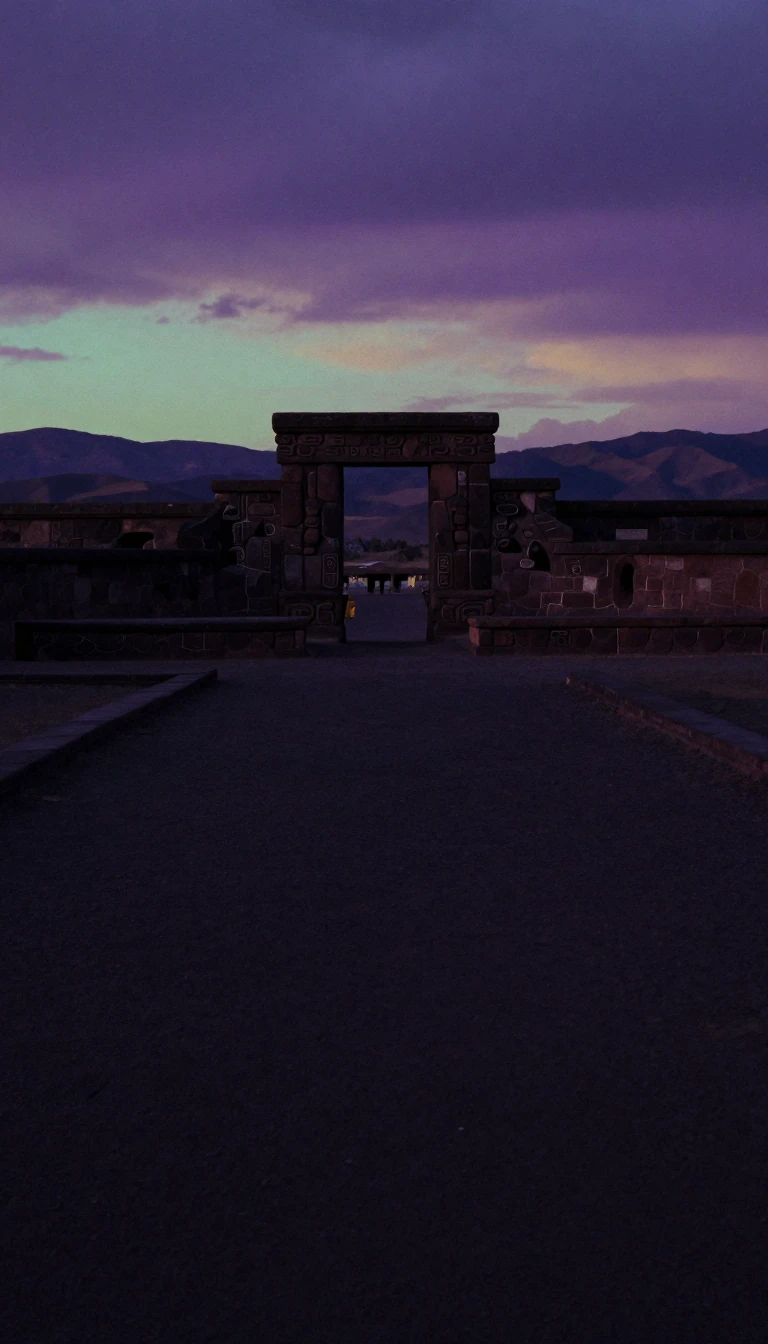 Was the ancient Andean capital of Tiwanaku a sprawling empire or a ritual network?Perched 3,800 meters high in the Andes, Tiwanaku was once viewed as a militaristic empire. Modern research suggests a more nuanced reality: a multi-cultural hub of religious festi…
 The First World War's opening shots were fired in a forgotten West African colony.In August 1914, British and French forces launched a lightning invasion of Togoland, a German protectorate. The objective was not territory, but a massive wireless station at Kami…
 How a doomsday cult used sharpened umbrellas to unleash chemical warfare on Tokyo commuters.On March 20, 1995, the Aum Shinrikyo cult executed the largest chemical attack on civilians in modern history. By puncturing bags of sarin nerve agent on subway trains during rush…
 Why was a man found in a Danish bog smiling after 2,400 years?In 1950, peat cutters unearthed a body so well-preserved they assumed it was a recent murder victim. Instead, they found a man from the Iron Age, his face still holding a faint, h…
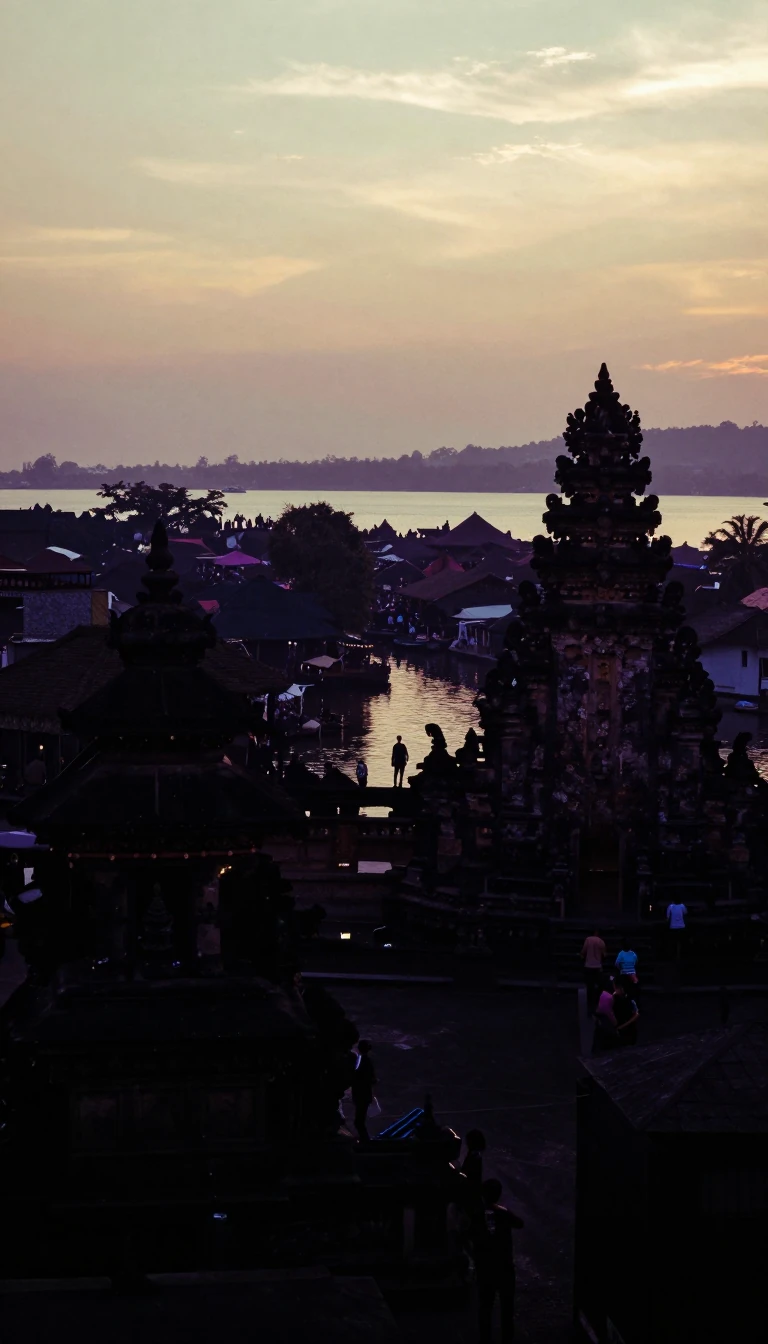 The Toltec Empire: Legendary Rulers and the Myth of the Feathered SerpentThe Toltec Empire remains one of Mesoamerica's most enigmatic powers. While later civilizations claimed Toltec lineage to legitimize their own rule, historians now suggest that ma…
 The mobster who broke the code of silence and dismantled the Sicilian MafiaTommaso Buscetta was a high-ranking member of the Sicilian Mafia who became the organization's most significant informant. After a brutal internal war claimed his family, he aband…
- How a 19th-century peasant uprising in Korea challenged both local corruption and foreign powers.The Tonghak Peasant Revolution began as a local revolt against a corrupt magistrate but spiraled into a national movement. Driven by the egalitarian ideals of the Donghak religion…
 Was the Tongzhi Restoration a genuine revival or merely a delayed collapse for China?Between 1860 and 1874, the Qing dynasty attempted to arrest its decline through the Tongzhi Restoration. Engineered by Empress Dowager Cixi, this movement sought to strengthen Chi…
 The Trail of Tears was not just a single event, but a systematic displacement.Between 1830 and 1850, the United States government forcibly removed 60,000 Native Americans from their ancestral homelands. This ethnic cleansing, driven by the desire for land a…
 The 1920 Treaty of Trianon stripped Hungary of two-thirds of its territory and population.Signed at Versailles, the Treaty of Trianon formally ended World War I for Hungary but left a legacy of deep-seated resentment. By redrawing borders without plebiscites, the Allie…
 A locked door turned a factory fire into a national movement for worker safety.On March 25, 1911, a fire broke out in a New York City garment factory. With exits bolted to prevent theft, 146 workers were trapped in the inferno. The tragedy, which lasted only…
 The secret desert test that changed the course of human history foreverBefore the atomic bomb could be used in war, scientists had to prove their complex plutonium design would actually detonate. On a stormy morning in the New Mexico desert, the Gadg…
 Why three great Indian dynasties fought for decades over a single city throneBetween 785 and 816, the Gurjara-Pratiharas, the Palas, and the Rashtrakutas engaged in a brutal power struggle. The prize was Kannauj, a city whose control signified imperial dom…
 Was Truganini the last of her people, or a symbol of colonial survival?Born on Bruny Island around 1812, Truganini lived through the brutal displacement of the Palawa people. Often misidentified as the final survivor of her race, she was actually a r…
 How a Pacific maritime power built an empire through double-hulled canoes and tributeBeginning around 950 CE, the Tuʻi Tonga Empire projected hegemony across Oceania, fueled by a formidable navy and a sophisticated system of annual tribute. While some scholars deb…
 How a 19th-century Muslim theocracy attempted to unify West Africa through holy warFounded by a cleric of the Tijānīyah brotherhood, the Tukulor Empire stretched from Senegal to Timbuktu. By training an elite military corps equipped with European firearms, its l…