 Intellect Plus
History
21,006 cards. Each one is a 40-second story with a five-minute read behind it. Page 42 of 351.
Subtopics: 19th century · 20th century · Africa · Age of Exploration · Ages & eras · Ancient · Ancient China · Ancient egypt · Ancient greece · Ancient rome · Ancient trade · Archaeological discoveries · Archaeology · Astronomy · Australia · Auxiliary historical sciences · Babylon · Basics · Born on this day · Bronze age · Buddhism · Case studies · Chefs, bartenders and winemakers · China · Cities · Climate · Columbus · Contemporary (1945-) · Cosmetics people · Crime · Criminals · Decipherment · Deep time · Disasters · Early modern · Education · Egypt · Empires · Empires & civilisations · Exploration · Explorers · Extinction · Fandom, conventions and festivals · History by continent and large region · History by continent and region · History by country · History by country, small region and city · History by ethnicity · History by subject matter · History by topic · Inca · India · Industrial Revolution · Japan · Kings & queens · London · Mass hysteria · Medicine · Medieval kingdoms · Medieval life · Mediterranean · Mercedes-Benz History · Mesopotamia · Middle ages · Military leaders and theorists · Military leaders, personnel, and theorists · Ming dynasty · Misconceptions · Modern · Modern (1800-1945) · Napoleon · Navigation · North africa · Other · Pacific · Pharaohs · Philippines · Pirates · Post-classical · Prehistory · Propaganda · Public health · Rebels, revolutionaries and activists · Renaissance · Researched · Second world war · Shipwrecks · Silk Road · South america · Tradespeople · UK & Ireland: history · United states · Vikings · Volcanoes · Women in history
 How a German immigrant's lost fortune helped build a modern Texas suburbHenry Pfluger Sr. arrived in Texas with $1,600 after losing everything in the 1848 revolutions. He purchased land near Austin, establishing a farming community that survived the G…
 Why a small Illinois town was named after the capital of imperial ChinaIn 1829, the founders of a new settlement in Illinois chose the name Pekin, believing it sat on the exact opposite side of the globe from China’s capital. While the geography was …
 New York City's largest public park was once a massive, contested colonial estateAt 2,772 acres, Pelham Bay Park is more than triple the size of Central Park. Yet its vast landscape—now home to wildlife sanctuaries and golf courses—was once the site of a blood…
 How a small Appalachian city became a global hub for the railroad industryNestled in the Catskill foothills, Oneonta, New York, evolved from a quiet settlement into a pivotal railroad center. Once home to the world's largest locomotive roundhouse, the c…
 How a medieval chivalric order evolved into a modern recognition for arts and lettersFounded in 1469 to secure the loyalty of powerful French nobles, the Order of Saint Michael began as an exclusive military circle. Yet, over centuries, it shifted from a dynastic …
 How a minor country school became a powerhouse of science and modern engineering education.Oundle School transformed from a local grammar school into a premier hub for science and technology under headmaster Frederick William Sanderson. By prioritizing student interests…
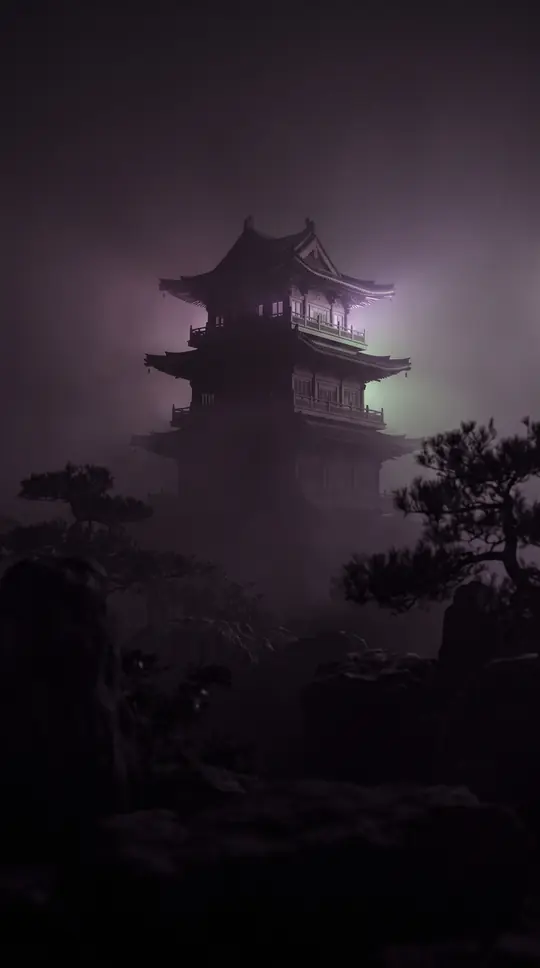 How a rural dueling ground became the beating heart of French political powerOriginally a secluded country estate for the daughter of Louis XIV, the Palais Bourbon evolved through centuries of revolution and empire. Today, this sprawling complex serves as …
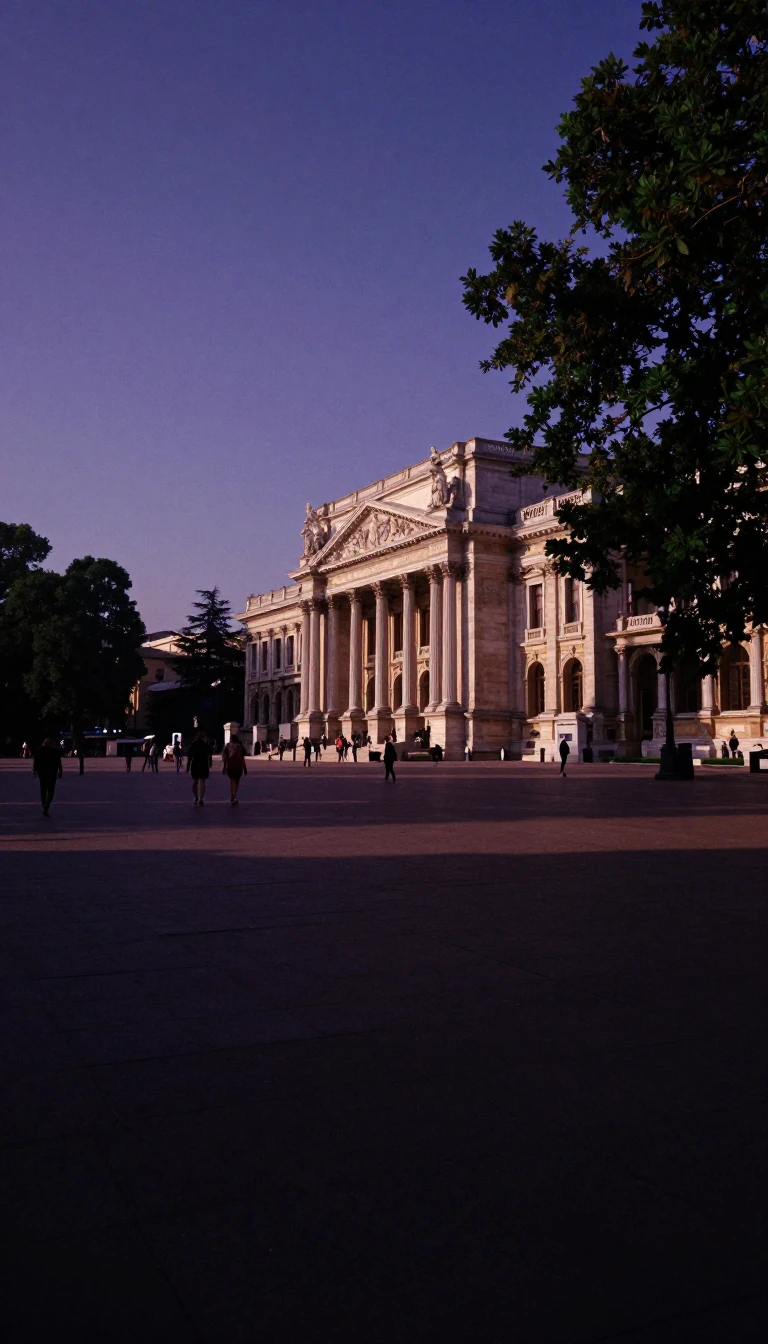 How a cascade of sovereignty declarations dismantled the Soviet Union from the inside outBetween 1988 and 1991, the Soviet Union faced a systemic collapse triggered by its own constituent parts. As central authority weakened under perestroika, republics and autonomous…
 How the Ottoman Empire transformed its medieval military into a modern, westernized fighting force.The Ottoman Army underwent a century-long metamorphosis, shedding its Janissary past to embrace European-style professionalism. From the abolition of traditional corps to the adop…
 From the shadow cabinet to the pharmaceutical boardroom: the career of Owen SmithOwen Smith, a former Labour MP for Pontypridd, navigated a career spanning broadcasting, political lobbying, and frontbench opposition. After challenging Jeremy Corbyn for the Lab…
 Why hundreds of British clergy sacrificed their careers over a single oath of loyaltyFollowing the 1688 Glorious Revolution, a small but influential group of clergy refused to swear allegiance to the new monarchs, William and Mary. These nonjurors prioritized thei…
 A Victorian seaside sanctuary where the architecture and acoustics defy modern expectationsFounded in 1869 as a Methodist camp meeting, Ocean Grove remains a unique time capsule on the New Jersey shore. Its centerpiece, the Great Auditorium, is a massive wooden structur…
 How the world's largest sanitation department evolved from a chaotic police bureau to data-driven logistics.Before 1881, New York City’s streets were buried in filth, managed by a police bureau that failed to clean them. Today, the Department of Sanitation is a massive, tech-enabled ope…
 The high-stakes politics of a parliamentary career spanning 32 yearsFrom a 1987 electoral debut to a knighted legacy, Michael Fabricant’s career serves as a masterclass in the endurance of British politics. His journey through the House of Commons…
 How the Soviet Union attempted to engineer nations from a vast, multiethnic empireAfter 1917, the Soviet state launched an ambitious project to categorize its diverse population into distinct, territorially defined nations. By mapping ethnic groups to specific …
 The carpenter who joined a secret society to change the course of European historyMuhamed Mehmedbašić was an impoverished carpenter from Herzegovina who became a key conspirator in the assassination of Archduke Franz Ferdinand. A member of the revolutionary You…
 How a 1923 vision for New York City history survived crashes and political shiftsFounded to preserve the story of New York, this private non-profit has navigated economic turmoil, shifting mayoral administrations, and architectural evolution. From its early da…
 The explorer who mapped mountains that didn't existIn 1819, Rear-Admiral John Ross led an expedition to find the Northwest Passage. He returned home claiming to have found massive mountains at the end of a strait. His peers were s…
 How a French President navigated the Dreyfus Affair and separated Church from StateÉmile Loubet rose from a peasant background to lead the French Third Republic during one of its most volatile eras. His presidency became a battleground for justice and secularism…
 From Revolutionary War scouts to modern digital warfare, the evolution of Army intelligence.The United States Army Military Intelligence Corps traces its roots to George Washington’s 1776 reconnaissance units. What began as an experimental language program with a $2,000 …
 For three centuries, the Mediterranean Fleet was the Royal Navy's most prestigious command.From 1654 until 1967, the Mediterranean Fleet served as the vital guardian of British sea lanes between the United Kingdom and India. It evolved from a colonial foothold into a ma…
 How a British Archbishop navigated the turbulent social and religious shifts of the twentieth centuryMichael Ramsey, the 100th Archbishop of Canterbury, was a theologian who bridged deep divides. From his early days as a student activist to his historic 1966 meeting with Pope Pau…
 How a working-class upbringing led Maria Eagle to three decades in British parliamentary politics.Born in Yorkshire to a factory worker and a print worker, Maria Eagle rose from a legal career in Liverpool to become a long-serving Labour MP. Since 1997, she has navigated the s…
 How a sewing critique transformed into a pioneering model for American vocational educationWhen Mary Schenck Woolman was asked to review a sewing manual in 1892, her blunt critique of its impractical methods led to a career-defining invitation. She went on to revolution…
 How a nineteenth-century Illinois prairie town transformed into a modern regional economic hubFounded on a small grassland in 1839, Marion, Illinois, has evolved from a modest county seat into a significant retail and employment center. From its humble origins in a log cab…
 The world's oldest grand terminus still operates todayLiverpool Lime Street is a living museum of railway engineering. From its 1836 opening to its status as a 5-star historic landmark, it has survived structural collapses, revolutio…
 How a Brooklyn Librarian Became the Only Member of Congress Known by His ProfessionMajor Owens was not just a politician; he was a revolutionary librarian who brought books to laundromats and bars. Later, as the only librarian to serve in the U.S. House of Repre…
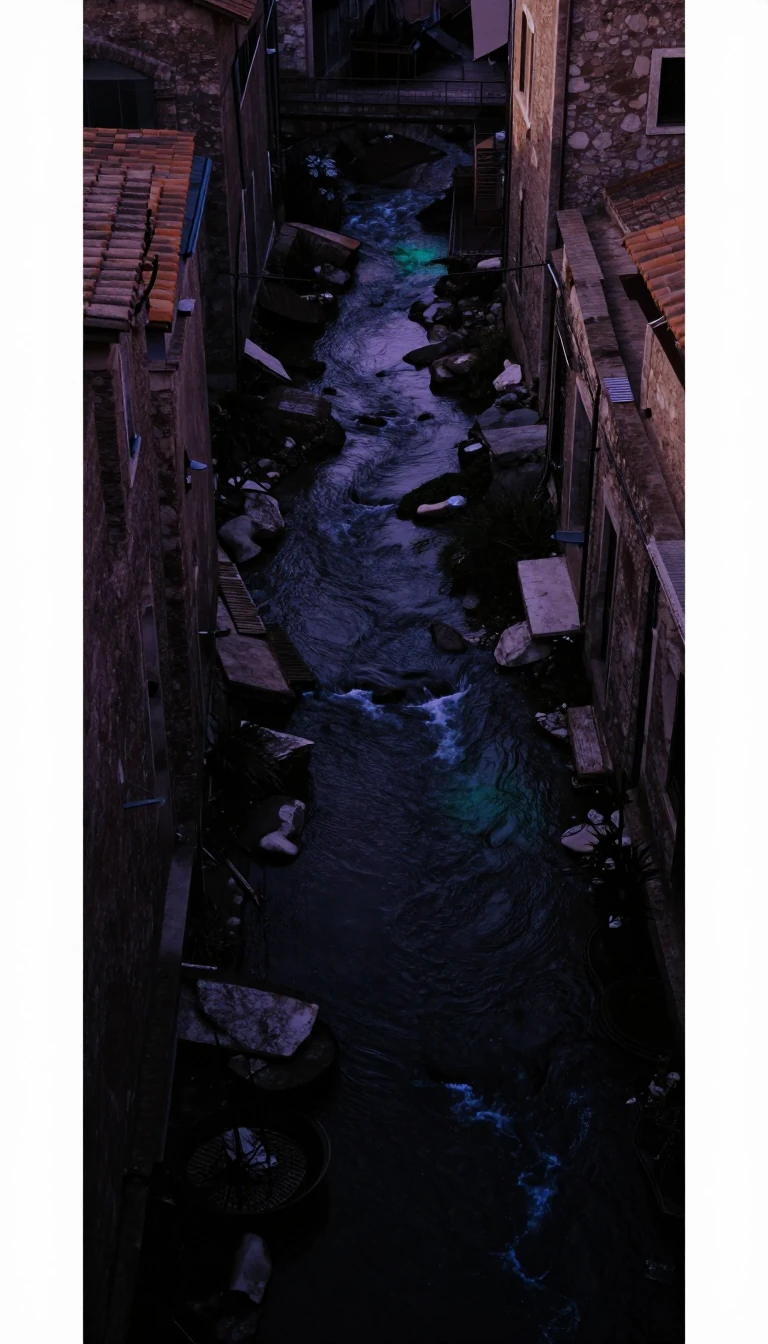 How a Roman outpost evolved into a thriving Yorkshire food and retail hubFrom a first-century Roman fort to a modern culinary destination, Malton has reinvented itself repeatedly. Once a strategic military site on the River Derwent, this North Yorkshir…
 The illegitimate daughter of Louis XIV who built a legacy through financial speculationLouise Françoise, a legitimised daughter of Louis XIV, navigated the treacherous waters of the French court with sharp wit and scandal. Beyond her turbulent romances and intense s…
 How a World War I flying ace's legacy shaped the home of fighter pilots.Named for a legendary balloon-busting ace, Luke Air Force Base evolved from a 1941 training field into the premier hub for fighter pilot instruction. From the AT-6 Texan to the F-…
 How a British journalist became the first foreign reporter expelled from Russia post-Cold WarLuke Harding, a seasoned foreign correspondent for The Guardian, found himself at the center of an international diplomatic standoff in 2011. After years of reporting on Russian p…
 How a Massachusetts aristocrat became a quiet, effective mediator in the United States Senate.Leverett Saltonstall was a quintessential Yankee politician who rose from colonial roots to become a powerful Senate Republican. Known for his moderate temperament and ability to …
- Lesser Poland was the cradle of the Polish state and its wealthiest historical province.Often confused with a modern administrative region, historical Lesser Poland was a vast, hilly territory that served as the political and economic heart of the Polish-Lithuanian C…
 Was this 17th-century indigenous chief the secret architect of modern critiques of European society?Kondiaronk, a brilliant Wyandot strategist, brokered the 1701 Great Peace of Montreal, ending decades of colonial warfare. Yet, his legacy extends beyond diplomacy. Through record…
 How a young Socialist prime minister attempted to modernize France through industrial and social reformAppointed at age 37, Laurent Fabius became the youngest French prime minister of the Fifth Republic since 1819. His tenure signaled a pivot for the Socialist Party, moving away fr…
 How the Soviet Union once promoted nationalism to secure its own federal power baseIn the 1920s, the Soviet Union launched korenizatsiia, a radical policy of indigenization. Instead of enforcing Russian dominance, the Bolsheviks actively promoted local languages…
 The mercantile scripts of the Indus plain that functioned without a tailKnown as Laṇḍā, meaning without a tail, these diverse writing systems served as the shorthand of the Indus River plain for centuries. Originally designed for commerce, they lacked…
 Why Napoleon called this taciturn painter his finest general in defensive warfareLaurent de Gouvion Saint-Cyr was an unlikely marshal. A former art student who joined the revolution as a volunteer, he rose through the ranks with cold, analytical precision. Nap…
- The general who led from the front and survived his own bloodJohn B. Gordon rose from a civilian lawyer to one of Robert E. Lee's most trusted commanders. Despite having no prior military training, he became a symbol of Confederate leadersh…
- How a baggage handler became an unlikely global symbol of decisive civilian crisis responseIn 2007, John Smeaton, a baggage handler at Glasgow Airport, intervened during a terrorist attack involving a burning vehicle. His spontaneous actions and subsequent defiant publi…
- Can a historian who fabricated his own past accurately reconstruct the lives of others?Joseph Ellis, a celebrated historian of the American Founding Fathers, built a career on character analysis. Yet, his reputation faced a reckoning when he was caught fabricating a…
 How a self-taught leader transformed Bahrain into a modern state over five decadesKhalifa bin Salman Al Khalifa served as Bahrain's prime minister for nearly fifty years, overseeing the nation's transition from a rudimentary administration to a modern state. By…
 How the Soviet Union attempted to reconcile state atheism with its millions of MuslimsThe Soviet Union was home to tens of millions of Muslims, yet the state pursued a policy of aggressive atheism. From initial attempts at religious autonomy and decolonization to b…
 The town that gave a president his most famous wordsIn 1992, a sitting governor stood before a national audience and declared his belief in a place called Hope. This wasn't just a poetic sentiment; it was a tribute to a small Arkan…
 The palace where France's most famous labor laws were bornA single building in Paris has served as a royal gift, a site of revolutionary exile, a vault for the world's most valuable stamp collection, and the birthplace of the 40-hour wor…
 Why Arizona's major east-west highway functions more like a north-south routeInterstate 10 in Arizona is a vital artery, yet its path through the state is dictated by history rather than geography. By following 19th-century stagecoach trails and 1920s rail…
- How Japan’s Army Air Service evolved from captive balloons to a sophisticated aerial force.The Imperial Japanese Army Air Service began with experimental balloons in 1874, eventually transforming into a technologically advanced force by the 1930s. Despite early successe…
 Hyrum Smith was the designated successor to the founder of the Latter Day Saint movement.As a close advisor and brother to Joseph Smith, Hyrum Smith played a foundational role in the early Church of Christ. Beyond his religious leadership, he was a key witness to the …
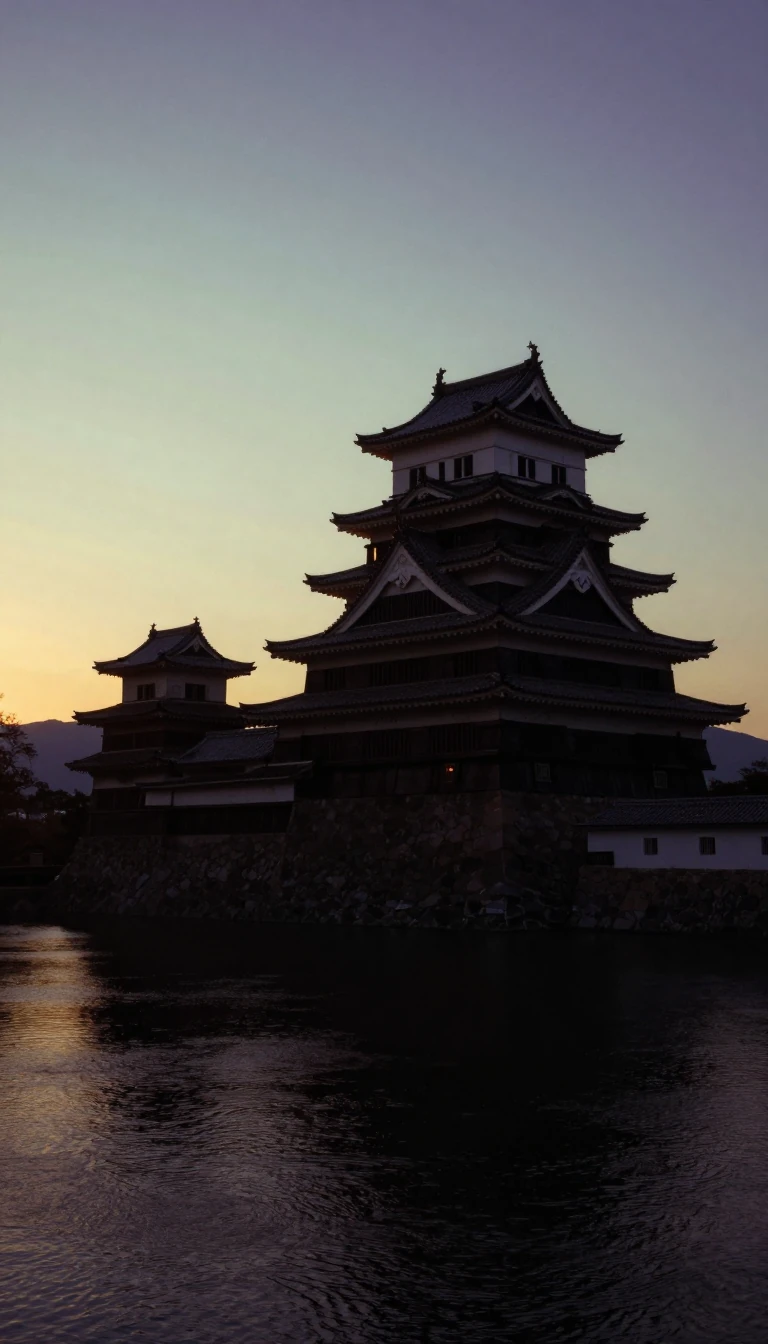 The Imperial Guard was created to secure Japan's modernization, but it ultimately divided its leader.In 1871, the legendary samurai Saigō Takamori took command of the newly formed Imperial Guard. This force of 10,000 troops provided the stability needed to dismantle the feudal sy…
- How the Philippines navigated a complex path to sovereignty between 1946 and 1965When the United States granted the Philippines independence in 1946, the young republic faced immediate constraints. From economic mandates favoring American interests to the heav…
 How a Philippine President Used Martial Law to Consolidate Two Decades of Absolute PowerFerdinand Marcos transformed from a democratically elected leader into an authoritarian ruler, governing the Philippines for twenty years. By leveraging martial law and suppressin…
 How a lost language of the 2nd millennium was rediscovered in a Turkish villageIn 1906, archaeologists unearthed 25,000 clay tablets in Hattusas, Turkey. These archives, written in a borrowed cuneiform script, revealed the secrets of the Hittites—a dominant …
 Was the American West's most notorious outlaw sheriff actually a victim of vigilante justice?Henry Plummer was an elected sheriff in 1863, yet he was hanged by a vigilante committee just months later. Accused of leading a gang of road agents, his legacy remains so contest…
 How a single law ended the era of military silosBefore 1986, the U.S. military functioned as a collection of independent fiefdoms. During the Vietnam War and the 1980 Iranian hostage rescue, inter-service rivalry caused catastr…
- Why Henry VIII chained a massive Bible to every parish church in EnglandIn 1538, Henry VIII mandated that every English parish church purchase a massive, officially authorized Bible. By chaining these books to stands, the King aimed to control religio…
- How a Victorian railway company fought its way from London to the northern coalfieldsIncorporated in 1846, the Great Northern Railway was born from the feverish era of Railway Mania. Navigating parliamentary battles, hostile financiers, and complex land disputes, …
- How a quiet London manor transformed into a bustling hub of aviation and industryOnce a rural parish defined by haymaking and feudal leet courts, Hendon evolved into a suburban powerhouse. From its origins as a high-ground settlement to its role as a major avi…
- Did a British commander truly win hearts and minds, or just use coercion?Field Marshal Gerald Templer is remembered for his successful counter-insurgency in Malaya, where he famously claimed that victory relied on winning the local population. Yet, whi…
- Beyond the industrial grit, Gorton hides a history of boggarts, locomotives, and global icons.Once a rural township, this Manchester district evolved into an industrial powerhouse that birthed a world-famous football club and hosted a legendary zoo. From the folklore of ha…
 How Luxembourg survived four years of German occupation while maintaining its own governmentDuring World War I, the German Empire occupied neutral Luxembourg to secure supply lines for its Western Front campaign. Despite the overbearing military presence, the Grand Duchy…