 Intellect Plus
History
21,006 cards. Each one is a 40-second story with a five-minute read behind it. Page 43 of 351.
Subtopics: 19th century · 20th century · Africa · Age of Exploration · Ages & eras · Ancient · Ancient China · Ancient egypt · Ancient greece · Ancient rome · Ancient trade · Archaeological discoveries · Archaeology · Astronomy · Australia · Auxiliary historical sciences · Babylon · Basics · Born on this day · Bronze age · Buddhism · Case studies · Chefs, bartenders and winemakers · China · Cities · Climate · Columbus · Contemporary (1945-) · Cosmetics people · Crime · Criminals · Decipherment · Deep time · Disasters · Early modern · Education · Egypt · Empires · Empires & civilisations · Exploration · Explorers · Extinction · Fandom, conventions and festivals · History by continent and large region · History by continent and region · History by country · History by country, small region and city · History by ethnicity · History by subject matter · History by topic · Inca · India · Industrial Revolution · Japan · Kings & queens · London · Mass hysteria · Medicine · Medieval kingdoms · Medieval life · Mediterranean · Mercedes-Benz History · Mesopotamia · Middle ages · Military leaders and theorists · Military leaders, personnel, and theorists · Ming dynasty · Misconceptions · Modern · Modern (1800-1945) · Napoleon · Navigation · North africa · Other · Pacific · Pharaohs · Philippines · Pirates · Post-classical · Prehistory · Propaganda · Public health · Rebels, revolutionaries and activists · Renaissance · Researched · Second world war · Shipwrecks · Silk Road · South america · Tradespeople · UK & Ireland: history · United states · Vikings · Volcanoes · Women in history
 How a Texas county became a bastion of German culture and Union loyaltySettled by German immigrants in the 1800s, Gillespie County, Texas, evolved from a frontier outpost into a unique cultural enclave. Despite its location in the heart of the South,…
 Tito's Adriatic prison was a brutal labor camp for political dissenters and Stalinists alike.Known as the Croatian Alcatraz, Goli Otok was a top-secret labor camp where thousands were imprisoned for their political allegiances. From 1948 to 1955, the regime of Josip Broz …
 George Carey: The Archbishop who broke the Oxbridge tradition and faced intense institutional scrutinyServing as Archbishop of Canterbury from 1991 to 2002, George Carey was a notable evangelical leader who oversaw the ordination of women. Yet, his legacy is deeply complicated by …
 How a tiny minority of Scottish Presbyterians won a massive legal battle for propertyWhen the Free Church of Scotland merged with the United Presbyterians in 1900, a small dissenting group refused to join. Despite their numbers plummeting from nearly 300,000 to ju…
 A Maryland mountain town once used a local band to smuggle illegal prohibition liquor.Perched 2,000 feet up in the Allegheny Mountains, Frostburg, Maryland, is a town defined by its rugged climate and industrial past. Beyond its snowy winters and coal-mining histor…
 How a Florida resort town evolved from an ancient mound culture to a modern city.Fort Walton Beach is more than a seasonal vacation destination. Its history spans from the sophisticated mound-building Fort Walton Culture of the 12th century to a 19th-century C…
 How a Pennsylvania trading post evolved from colonial frontier warfare to oil industry boomtownFranklin, Pennsylvania, sits where French Creek meets the Allegheny River, a strategic junction that defined its turbulent history. Once a contested site for European empires seek…
 Detroit's Fox Theatre remains the largest surviving movie palace from the roaring 1920s era.Opened in 1928, this architectural marvel was the flagship of a five-theater chain built by film pioneer William Fox. Beyond its massive capacity, the venue features an exotic int…
 France helped build NATO, then spent decades fighting its own role within the alliance.France was a founding member of NATO, yet its relationship with the alliance has been defined by persistent tension. From early disputes over American dominance to the 1966 withdr…
 Francesco Cossiga: The Italian President who called himself a fake madman speaking the truth.A central figure of the First Italian Republic, Francesco Cossiga served as Prime Minister and President, yet his legacy remains defined by controversy. From his iron-fisted respo…
 How a choir of formerly enslaved students saved their university by singing their own songsIn 1871, Fisk University faced bankruptcy. To survive, a fledgling choir of nine students began touring to raise funds. Initially struggling with classical repertoire, they pivote…
 Is the town of Fleet named after a stream or a large freshwater lake?The origin of the name Fleet, a town in Hampshire, remains a subject of historical debate. While some experts trace the name to a simple stream, others argue it refers to the town…
 How the Soviet Union forced its republics to design unique, yet uniform, national flagsIn 1947, the Soviet leadership mandated that every republic adopt a distinct national flag. While these designs had to incorporate the iconic hammer, sickle, and red star of the U…
 A desert town in Arizona became the unlikely epicenter of American incarceration and history.Founded in 1866 as an agricultural outpost, Florence evolved from a frontier mining hub into a complex landscape of historic preservation and high-security confinement. Today, thi…
 How a surveyor's error and gunpowder mills shaped a Connecticut town's industrial identityEnfield, Connecticut, began as a Massachusetts settlement before a boundary dispute moved it across state lines. Beyond its colonial origins, the town became a powerhouse of carpe…
 When Abraham Lincoln defied the Supreme Court to save the Union during wartimeIn 1861, Chief Justice Roger Taney ruled that President Lincoln lacked the authority to suspend the writ of habeas corpus. Lincoln ignored the order, sparking a constitutional cri…
 The arrival of the First Fleet in 1788 triggered a catastrophic collapse of Indigenous populations.When British ships arrived at Sydney Cove in 1788, they initiated a colonization process that fundamentally disrupted thousands of years of Indigenous life. While early interactio…
- How eighteen days of mass protest dismantled a three-decade presidency in EgyptIn early 2011, unprecedented demonstrations swept across Egypt, fueled by widespread frustration with poverty, corruption, and political repression. Within three weeks, this popul…
 The 1921 law that fundamentally reshaped American immigration through a rigid mathematical quota system.In 1921, the United States abandoned its open-door tradition, introducing the Emergency Quota Act. This legislation established the first numerical limits on immigration, using a …
 A town built on a canal that never reached its intended destinationEllesmere Port was founded to serve a canal designed to link the rivers Severn, Mersey, and Dee. Yet, the project stalled, never reaching the Severn as planned. Despite this incom…
 The 1887 relief expedition to save a governor became a notorious colonial tragedy.Henry Morton Stanley led nearly 700 men into the African interior to rescue Emin Pasha, a besieged governor. What began as a celebrated humanitarian mission devolved into a harrow…
 How a small Pennsylvania borough became a sanctuary for faith and industrial growthSettled by German Protestants fleeing persecution, Emmaus evolved from a closed Moravian village into a bustling industrial hub. Today, this Lehigh Valley borough balances its ric…
 How a former Senate parking attendant became a central architect of modern Republican political strategy.Ed Gillespie’s career spans from managing Capitol Hill parking to orchestrating presidential campaigns and lobbying for major corporations. As a key figure in the Republican estab…
 Belgium transformed from a coal-powered industrial giant to a modern service-based European hub.Once the heart of Europe’s industrial revolution, Belgium’s economy has undergone a radical metamorphosis. After its coal mines in Wallonia were exhausted, the nation pivoted from…
 How a nation with the world's largest oil reserves fell into economic collapseVenezuela once boasted the highest standard of living in Latin America, fueled by vast petroleum wealth. Yet, a reliance on oil, combined with aggressive nationalization, politica…
 How a nation’s economy collapsed after its citizens bet everything on a pyramid schemeBefore 1991, Albania was a strictly isolationist state where private enterprise was forbidden. Following a rapid transition to a market economy, the country briefly became Europe’…
 Massive stone structures across the desert were once sophisticated traps for wild gameSeen from the sky, these ancient mega-constructions resemble windborne kites. Spanning thousands of meters, these dry-stone walls were designed to funnel migrating herds into hidd…
 How a dry patch of marshland became the bustling London district of East HamTracing its roots to an Anglo-Saxon charter from 958, East Ham evolved from a singular manor into a diverse urban landscape. Defined by its unique geography between the rivers Lea…
 How the collapse of Roman order transformed the French economy into a rural strongholdWhen the Roman Empire fell, France retreated from international trade to a self-sufficient manorial system. For centuries, the economy relied on a bipartite structure of lordly re…
- How a failed coup in Moscow triggered the birth of an independent Ukrainian stateIn August 1991, the collapse of central authority in the Soviet Union prompted the Ukrainian parliament to act with sudden, historic urgency. By declaring independence, they trans…
 How a Kansas scrap metal heir became a key player in American political lifeDan Glickman transitioned from a family business in Wichita to the highest levels of federal power. After eighteen years representing Kansas in Congress, he served as Secretary of…
 How a small Arkansas river town became a hub for commerce and cultural changeDardanelle, one of Arkansas's oldest cities, evolved from a 19th-century river marketplace into a unique demographic center. Once defined by steamboats and cotton, the town now bo…
 The flowing evolution of Hebrew script from ancient clay bowls to modern Israeli handwritingModern Hebrew handwriting is not a static relic but a living evolution. While today's informal Israeli script stems from a 13th-century Ashkenazi style, its roots trace back to an…
 How a crooked piece of land became a cradle for Manchester's cultural iconsCrumpsall, an outer suburb of Manchester, derives its name from an Old English term for a crooked piece of land. Once a rural township, it transformed into an urban hub during the…
 Did a Prussian field marshal invent the blueprint for the modern total war state?Colmar Freiherr von der Goltz argued that the era of limited cabinet wars had ended. He envisioned a future where nations mobilized their entire society and resources for conflict…
 How Britain’s first commercial television channel broke the BBC’s monopoly seventy years agoIn 1955, the UK launched ITV, a bold commercial rival to the BBC. Born from intense government debate and public demand for local content, this new service had to train a workforc…
 How a French law student founded a global missionary order in 1703Claude Poullart des Places was a promising law student who abandoned his career to support impoverished men seeking the priesthood. His small seminary in Paris blossomed into the …
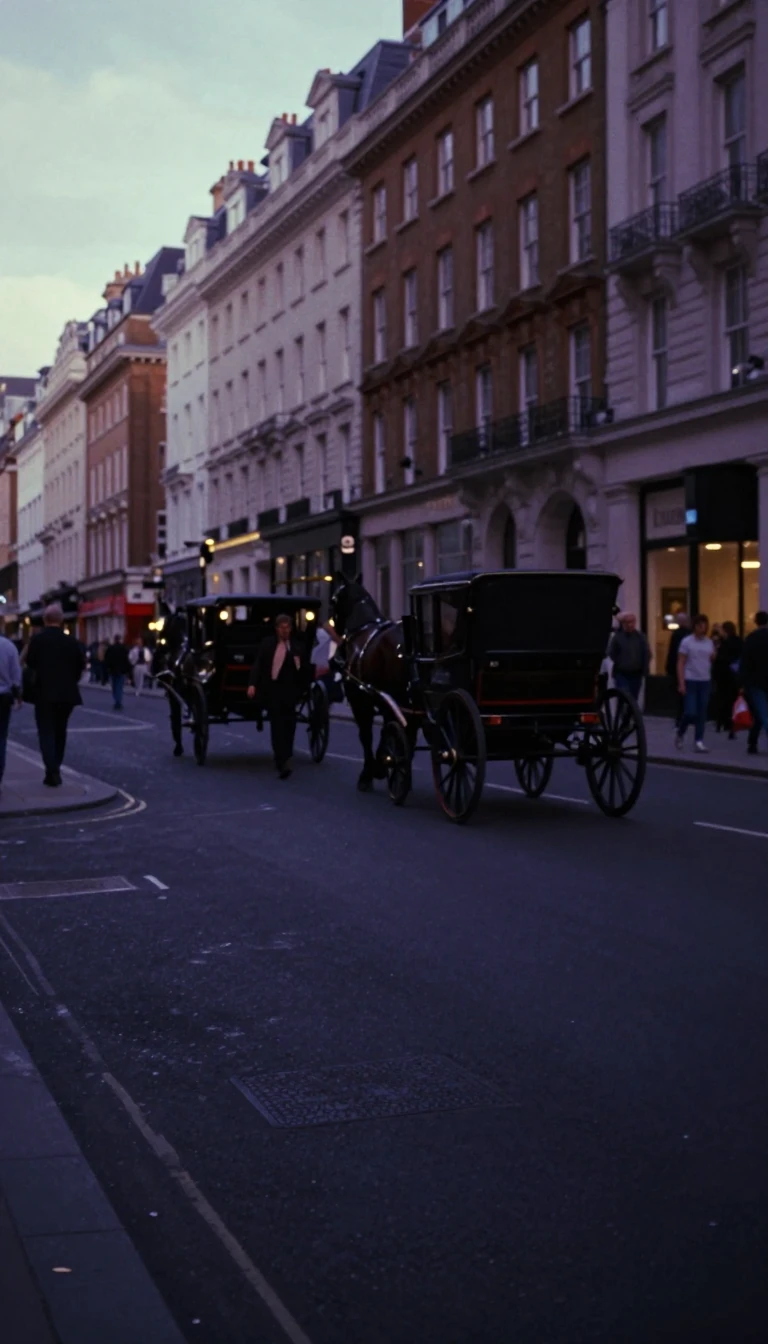 How a medieval well for literate clerks became the heart of London's urban evolution.Clerkenwell takes its name from a humble water source where parish clerks once performed biblical mystery plays. Over centuries, this London district transformed from a quiet mona…
- Denmark’s royal coat of arms hides a long history of territorial claims and symbolsThe Danish coat of arms is more than a national emblem; it is a complex visual record of shifting borders and dynastic power. While the simple national version features three lion…
- A revolutionary physician who navigated the volatile politics of the early twentieth-century BalkansChristian Rakovsky was a polyglot socialist revolutionary who moved through the highest echelons of European political life. From his medical studies in Geneva to his role as a So…
- China entered World War I not to fight, but to reclaim its lost territory.While China never sent combat troops to the Western Front, it played a pivotal role in the Great War. By deploying over 140,000 laborers to support the Allies, China hoped to secu…
 Ancient Chinese bronze inscriptions reveal a complex, evolving history of writing across centuries.Long before paper, Chinese artisans cast intricate scripts into ritual bronze vessels. These inscriptions, ranging from simple clan names to lengthy historical records, offer a ra…
- A London railway terminus built upon the ruins of a medieval trading empireCannon Street station sits on the historic site of the Hanseatic League's London base. Since its 1866 opening, this central hub has survived wartime bombing, political corruption …
 The bloodless capture of Guam began with a misunderstanding over a supposed military salute.In 1898, the U.S. Navy arrived at Guam expecting a fierce battle against fortified Spanish defenses. Instead, they found a garrison completely unaware that war had been declared. …
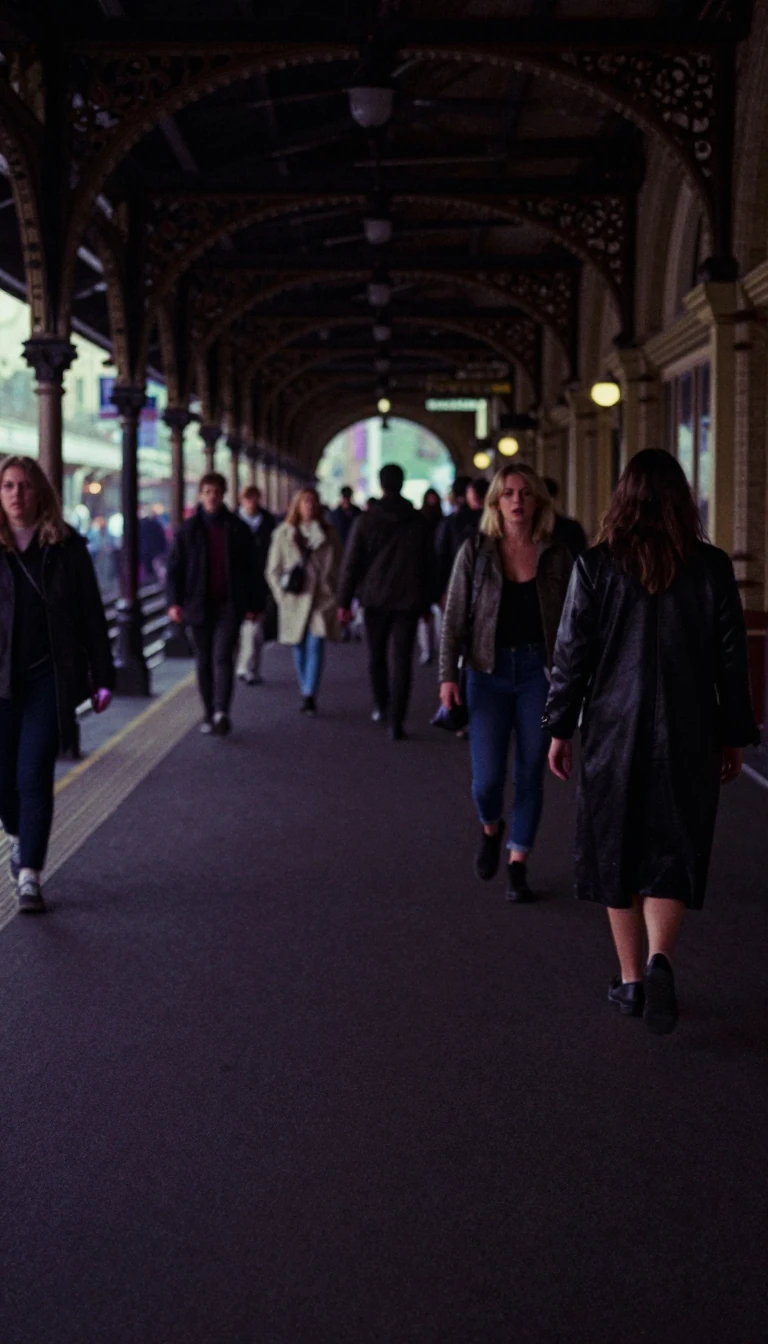 How a Victorian engineer moved a river to build Wales's busiest railway hubCardiff Central station sits on land that was once a flood-prone marsh. To secure a stable foundation for the city's primary rail gateway, Isambard Kingdom Brunel engineered a dra…
 How a desperate attempt to save the French treasury helped trigger a revolutionCharles-Alexandre de Calonne was appointed controller general of finance in 1783, inheriting a treasury crippled by the American Revolution. His radical plan to tax the nobility a…
 How the Soviet state used censorship to rewrite history and control every citizen's mind.In the Soviet Union, censorship was not merely about removing forbidden words; it was a totalizing project to engineer reality. From airbrushing purged officials out of photograph…
 Byron Preiss buried twelve treasures across North America, but he took the map away.An innovative publisher who pioneered digital books and graphic novels, Byron Preiss also crafted a real-world treasure hunt. In 1982, he hid twelve keys in parks across the conti…
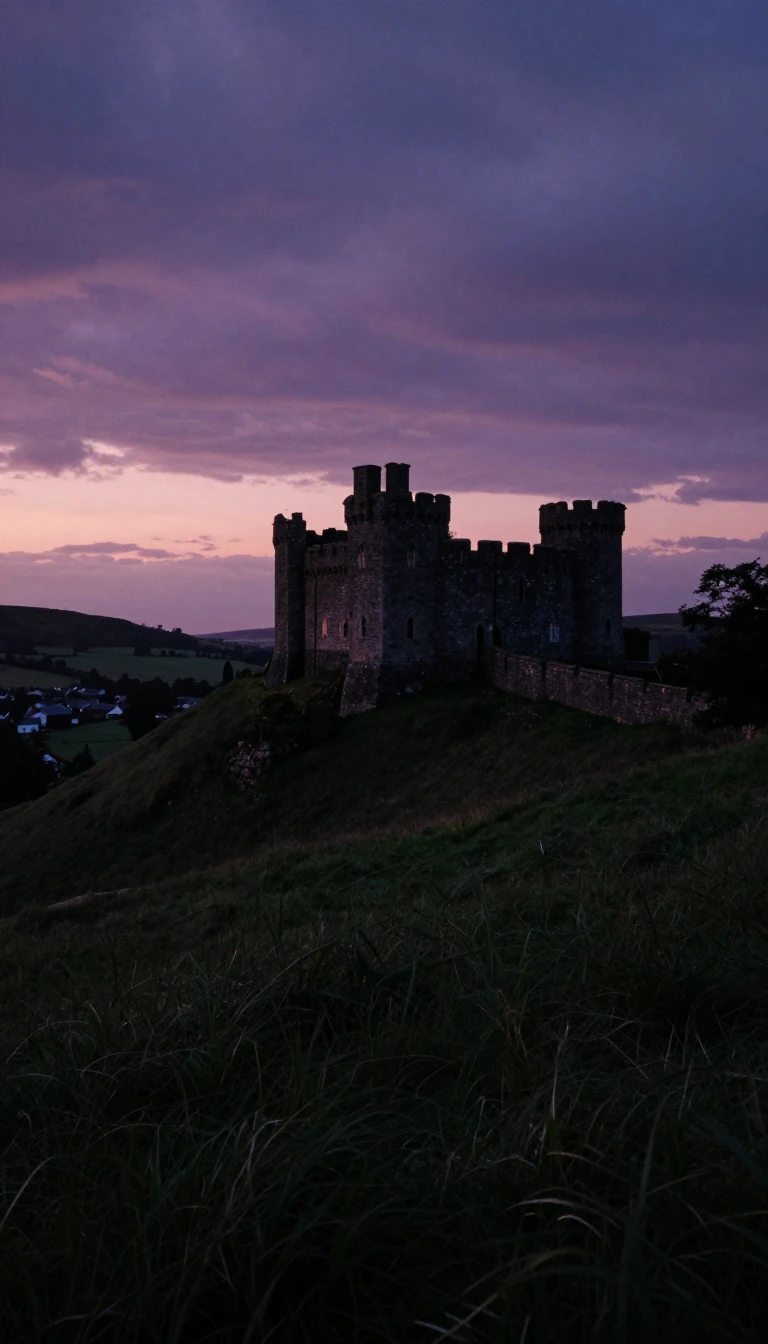 A Scottish landmark evolved from a leper colony to a seat of national government.Calton Hill is more than a scenic Edinburgh viewpoint. Once a site for medieval tournaments and a grim leper hospital, it became a hub for political protest, photography, and arch…
 Once the Prussia of the Balkans, Bulgaria’s military history reflects a century of radical transformation.From a regional powerhouse fielding 370,000 troops in 1912 to a modern NATO member, the Bulgarian Armed Forces have navigated shifting alliances, communist reorganization, and pos…
 How a Bavarian immigrant transformed a quiet English village into a hub for artIn 1874, a penniless immigrant named Hubert Herkomer arrived in Bushey, England. Within decades, he had founded a prestigious art school, built a sprawling Bavarian-style castle, …
 How a prehistoric river valley became a crucible for Philippine history and political powerCagayan, a province at the northeastern tip of Luzon, holds a history spanning from ancient mollusk-hunting civilizations to the center of modern political upheaval. Once a vast c…
 How a movement of Bulgarian peasants became Europe's only majority-governing agrarian political party.The Bulgarian Agrarian National Union began as a professional organization for farmers, not a political party. Yet, it evolved into a dominant force that secured a majority govern…
- From wooden hulks to royal training, the evolution of Britain's premier naval academyBritannia Royal Naval College has shaped British naval leadership for over a century. Once operating from floating wooden ships, the institution moved to a permanent shore-based c…
 Why the White House's most famous oval parlor is permanently draped in blueThe Blue Room is a centerpiece of presidential history, known for its distinct oval shape and signature color. While it once featured crimson decor, a tradition established in 183…
 How a deadly samurai encounter sparked an unlikely alliance between Britain and JapanIn 1862, a British merchant was killed by samurai for failing to yield on a road. The resulting diplomatic crisis escalated into a naval bombardment of Kagoshima. Yet, instead of …
- Why did a short-lived revolution in the Austrian Netherlands challenge an enlightened emperor?In 1789, the Austrian Netherlands erupted in revolt against Holy Roman Emperor Joseph II. While the emperor sought to modernize his realm through Enlightenment reforms, he inadver…
 Bernard Cazeneuve served the shortest prime ministerial term in France's Fifth Republic historyBernard Cazeneuve navigated the highest levels of French government, from managing national budgets to overseeing internal security during terror crises. A career politician and l…
- How a strategic race to the Great Morava valley liberated Belgrade in 1944The Belgrade offensive was a complex, multi-national operation that dismantled German control in Yugoslavia. By coordinating Soviet armor with Yugoslav partisan infantry, the Alli…
 The 1898 Battle of Manila was a staged performance designed to exclude Filipino revolutionaries.On August 13, 1898, American and Spanish commanders orchestrated a mock battle to transfer control of Manila. This clandestine agreement aimed to ensure the city fell to the Unite…