 Intellect Plus
History
21,006 cards. Each one is a 40-second story with a five-minute read behind it. Page 48 of 351.
Subtopics: 19th century · 20th century · Africa · Age of Exploration · Ages & eras · Ancient · Ancient China · Ancient egypt · Ancient greece · Ancient rome · Ancient trade · Archaeological discoveries · Archaeology · Astronomy · Australia · Auxiliary historical sciences · Babylon · Basics · Born on this day · Bronze age · Buddhism · Case studies · Chefs, bartenders and winemakers · China · Cities · Climate · Columbus · Contemporary (1945-) · Cosmetics people · Crime · Criminals · Decipherment · Deep time · Disasters · Early modern · Education · Egypt · Empires · Empires & civilisations · Exploration · Explorers · Extinction · Fandom, conventions and festivals · History by continent and large region · History by continent and region · History by country · History by country, small region and city · History by ethnicity · History by subject matter · History by topic · Inca · India · Industrial Revolution · Japan · Kings & queens · London · Mass hysteria · Medicine · Medieval kingdoms · Medieval life · Mediterranean · Mercedes-Benz History · Mesopotamia · Middle ages · Military leaders and theorists · Military leaders, personnel, and theorists · Ming dynasty · Misconceptions · Modern · Modern (1800-1945) · Napoleon · Navigation · North africa · Other · Pacific · Pharaohs · Philippines · Pirates · Post-classical · Prehistory · Propaganda · Public health · Rebels, revolutionaries and activists · Renaissance · Researched · Second world war · Shipwrecks · Silk Road · South america · Tradespeople · UK & Ireland: history · United states · Vikings · Volcanoes · Women in history
 From Cold War allies to regional rivals: the complex evolution of U.S.-Turkey relationsOnce a cornerstone of Western containment strategy, the U.S.-Turkey relationship has morphed into a volatile, uneven partnership. While both nations remain NATO allies, deep-seate…
 How a Cold War standoff over two narrow waterways reshaped global military alliances forever.After World War II, the Soviet Union pressured Turkey to share control of the Bosporus and Dardanelles. This intimidation campaign, intended to secure ice-free naval access, backf…
 How a British country estate became a secret listening post for Nazi secretsDuring World War II, Trent Park was transformed into a clandestine intelligence center. By installing hidden microphones in the rooms of captured German generals, British military…
 Before engines, global trade relied on human and animal power pulling boats along towpaths.Long before modern shipping, inland waterways were the arteries of commerce. When wind failed or channels narrowed, barges were hauled by teams of men or horses walking along dedi…
 How a small Ohio town became an early pioneer of the electric ageLong before electricity was a household standard, Tiffin, Ohio, made history by embracing the new technology. In 1884, a local church became the first public structure globally to…
 Tony Lloyd served as a British politician for over three decades across multiple roles.A career spanning local council, Parliament, and regional governance, Tony Lloyd was a fixture in British politics for 36 years. From his early days in Trafford to his time as an …
 How the man who saved the English throne from gunpowder ended in financial ruin.Thomas Howard, 1st Earl of Suffolk, was a pivotal figure in Elizabethan and Jacobean politics. He helped uncover the Gunpowder Plot and commanded ships against the Spanish Armada,…
 How a wartime paratrooper and FBI agent became North Carolina's transformative education governorTerry Sanford was a man of paradoxes: a combat veteran who fought for civil rights in the Jim Crow South, and a politician who risked his career to hike taxes for schools. His leg…
 How a 1091 tornado and a 1666 fire shaped London's most iconic church spire.St Mary-le-Bow is a survivor of history, defined by its architectural resilience. From its Norman origins to Sir Christopher Wren's masterpiece, this City of London landmark has w…
- Why does the floor of St Davids Cathedral slope by nearly four metres?St Davids Cathedral is a architectural anomaly built upon a sixth-century monastic site in Wales. Beyond its religious significance, the structure features a pronounced floor slop…
 How a 12th-century leper hospital transformed into London's most exclusive aristocratic residential enclave.St James's began as a medieval sanctuary for the sick, but by the 17th century, it had been reimagined as a grid of prestige. Developed by the Earl of St Albans, this district evo…
 How a colonial frontier town became the unlikely birthplace of American religious freedomFounded in 1634, St. Mary's City served as Maryland's first capital and a radical experiment in tolerance. While other colonies enforced religious conformity, this settlement mand…
 How a lakeside campus evolved from a teacher training school into a research hub.Founded in 1861 to revolutionize American education, SUNY Oswego has transformed from a modest teachers' college into a sprawling 690-acre institution on the shores of Lake Ontari…
- Founded in 1123, this London hospital has survived fires, wars, and near-closure campaigns.St Bartholomew's Hospital, known as Barts, is Britain's oldest hospital still operating on its original site. From its 12th-century origins to its modern role as a cardiac and can…
 From ancient cuneiform records to 1929, how did slavery shape the history of Iran?Slavery in Iran was not a static institution but a complex, evolving system spanning millennia. From the early Elamite cuneiform records to the structured legal codes of the Sasan…
 Enslaved people in the United States resisted their bondage through hundreds of documented uprisings.For generations, historians falsely claimed enslaved people were too docile to rebel. In reality, resistance was constant, ranging from daily acts of sabotage to organized insurre…
 How a small New York town once became a radical center for social reformSkaneateles, New York, is known today as a quiet town of 7,112 residents. Yet, in the mid-19th century, it was a hotbed of abolitionist activity and unorthodox social experiments.…
 Why medieval France became a lucrative transit hub for the international slave tradeWhile chattel slavery gradually vanished within France during the Middle Ages, the country simultaneously thrived as a vital transit corridor. By leveraging its geography, France …
 How a Bengali lawyer shattered the glass ceiling of the British imperial legal systemSatyendra Prasanna Sinha was a trailblazer who broke barriers across two continents. From a modest background in Bengal to the highest echelons of British power, he became the fir…
 Why the Roman Empire failed to permanently conquer the rugged lands of northern ScotlandFor nearly four centuries, Rome treated Scotland as a restless frontier, launching three major invasions that each ended in retreat. While the legions built roads and massive wall…
- How Admiral S.M. Nanda transformed India’s naval strategy from defensive posture to aggressive strike force.Admiral Sardarilal Mathradas Nanda, the sixth Chief of the Naval Staff, fundamentally reshaped the Indian Navy. By shifting the service from a defensive mindset to an offensive on…
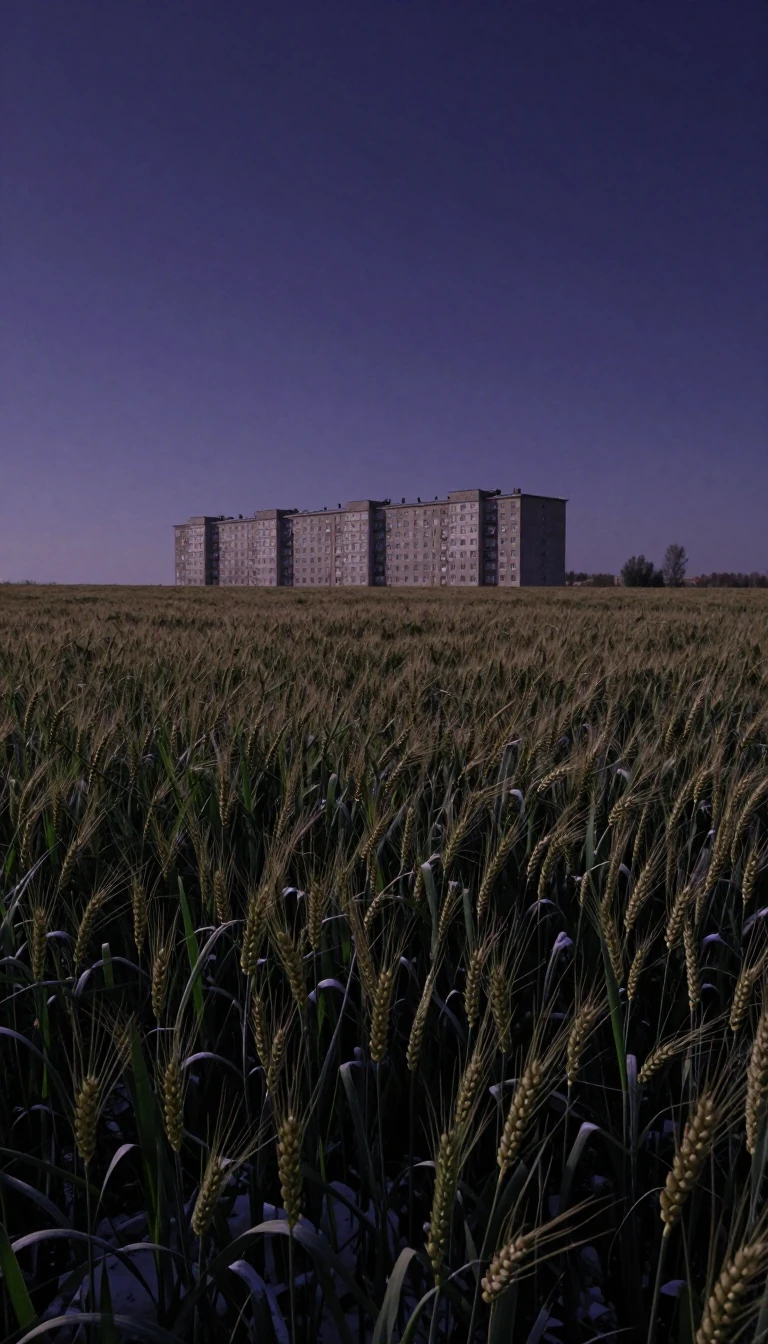 Sarov: The Russian holy site that became a secret city for nuclear weaponsOnce a sacred destination for Orthodox pilgrims and home to Saint Seraphim, Sarov transformed into a clandestine hub for Soviet nuclear research. Known by various code names durin…
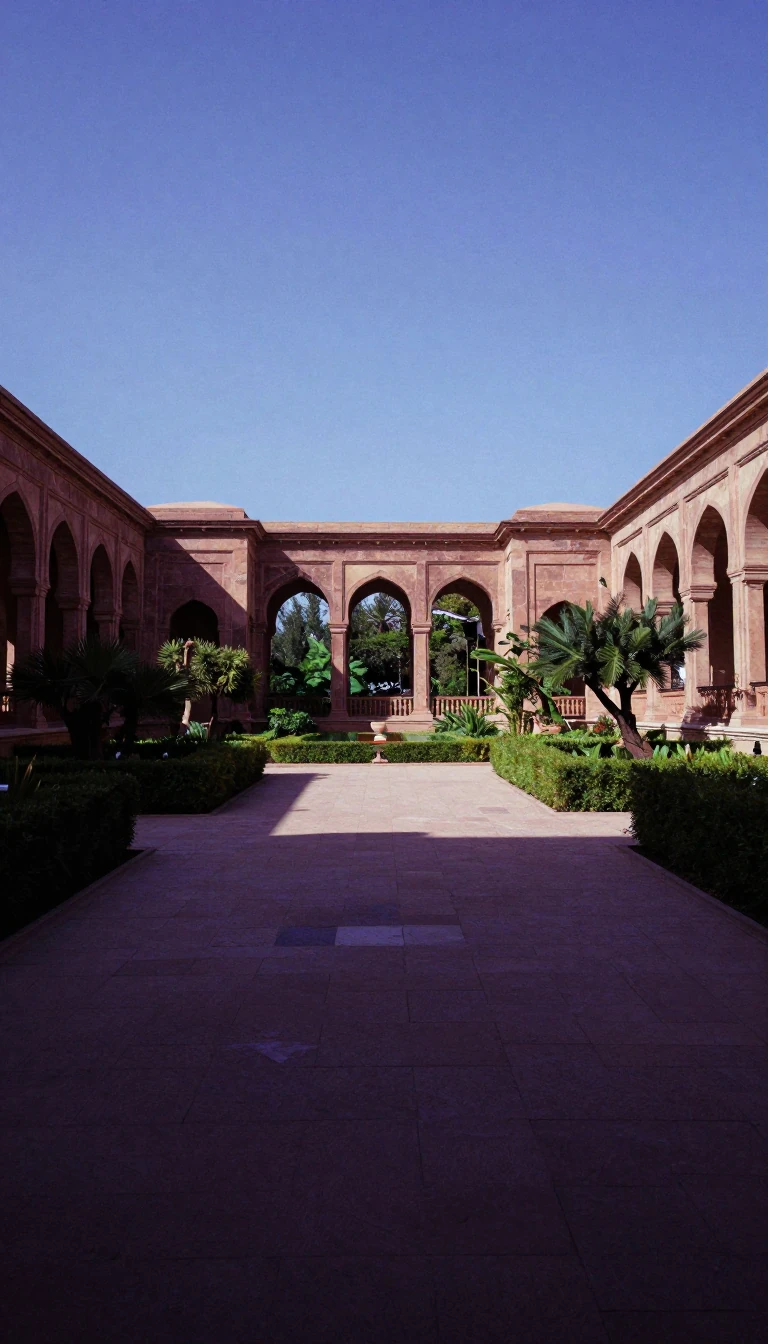 How a simple riverside cottage became the epicenter of India's fight for independenceSabarmati Ashram was more than a residence for Mahatma Gandhi; it was a laboratory for self-sufficiency and civil disobedience. From this quiet site, Gandhi launched the historic …
 How a samurai-born admiral navigated the turbulent rise of Japan’s inter-war military stateSaitō Makoto rose from a samurai household to become a powerful admiral, colonial governor, and prime minister. His career spanned the rapid modernization of the Imperial Japanese…
 Sakhnin: A 3,500-Year-Old City Shaped by Ancient Dyes, Shrines, and Modern FootballPerched on three hills in Israel's Lower Galilee, Sakhnin is a city of deep historical layers. From its ancient origins as an indigo production center to its modern identity as a …
 A seventeenth-century theologian who championed constitutionalism while vehemently opposing the liberty of conscience.Samuel Rutherford was a towering figure in Scottish Presbyterianism, known for his influential political theory and deeply personal letters. While he laid foundations for limited …
- Why thirty-one Allied bombers failed to destroy a single strategic rail link in FranceDuring World War II, the coastal rail viaduct at Anthéor was a critical artery for Axis supply lines. Between 1943 and 1944, Allied forces launched three separate air raids from E…
- Was the architect of India's self-government also the man who betrayed the League of Nations?Samuel Hoare was a central figure in British politics, steering the massive Government of India Act through Parliament. Yet, his career was defined by a notorious secret pact that…
- How a British automotive giant collapsed due to a 600-mile engine manufacturing loopThe Rootes Group once controlled iconic brands like Hillman and Humber, dominating the British motor industry. Yet, a government-mandated factory move to Scotland created a logist…
 From marriage proposals to proxy wars, the Anglo-Russian relationship spans five centuries of volatility.Formal ties between Britain and Russia began in 1553, evolving from a bizarre 16th-century marriage proposal between Ivan the Terrible and Elizabeth I into a complex dance of alli…
 How a nineteenth-century English architect founded an influential American political and business dynastyTracing its roots to a Dalton-in-Furness architect who emigrated in the 1840s, the Romney family evolved into a prominent LDS dynasty. From governors and senators to the father of…
 The first CIA director who struggled to predict the dawn of the atomic age.Roscoe H. Hillenkoetter was the inaugural director of the Central Intelligence Agency, tasked with navigating the early, turbulent years of the Cold War. His tenure was defined by…
 The complex legacy of a British landowner and his family's historical ties to slaveryRichard Drax, a former British Member of Parliament and significant landowner, faces scrutiny over his family's ancestral connections to the slave trade in Barbados. While he serv…
 How a young Catholic journalist’s political movement transformed into a radical collaborationist force in Belgium.Léon Degrelle founded the Rexist movement in the 1930s, promising moral renewal and social order. What began as a populist challenge to parliamentary corruption quickly morphed in…
 Beneath London's Olympic Park lies a history of Roman villages and massive power infrastructure.Transforming a mix of industrial brownfield and greenfield land into a world-class sporting complex required monumental engineering. Before the 2012 Games could begin, crews remov…
 The Quadi were a Germanic people who acted as a vital cultural bridge for Rome.For four centuries, the Quadi occupied the Middle Danube, balancing between the Roman Empire and the Sarmatian plains. Often dismissed as mere raiders, they were actually a sophis…
 Did the CIA provide the lists used to hunt Iraqi communists in 1963?The 1963 Ramadan Revolution in Iraq remains a historical flashpoint, marked by a brutal purge of communists. While the Ba'ath Party methodically tracked down dissidents using deta…
 How a 19th-century sugar magnate's estate became a modern hub for genetic genealogy research.Ramapo College sits on land once owned by a sugar tycoon, but its modern identity is defined by rapid expansion and specialized science. From its origins as a state-authorized pro…
- What defines the legacy of a Victorian premier beyond their time in office?In Victoria, political longevity is etched in bronze. While any member of the Legislative Assembly can lead the state, only those who surpass 3,000 days in power earn a statue nea…
 How a Swiss immigrant became the architect of American Protestant historical scholarship and unity.Philip Schaff arrived in America in 1843, carrying the rigorous intellectual traditions of German universities. He spent his life bridging European theology and American religious…
 Polygamy in North America is often viewed as fringe, but its history is surprisingly deep.While modern North American law strictly enforces monogamy, plural marriage has a complex, centuries-old history. From indigenous traditions and colonial-era practices to the rise…
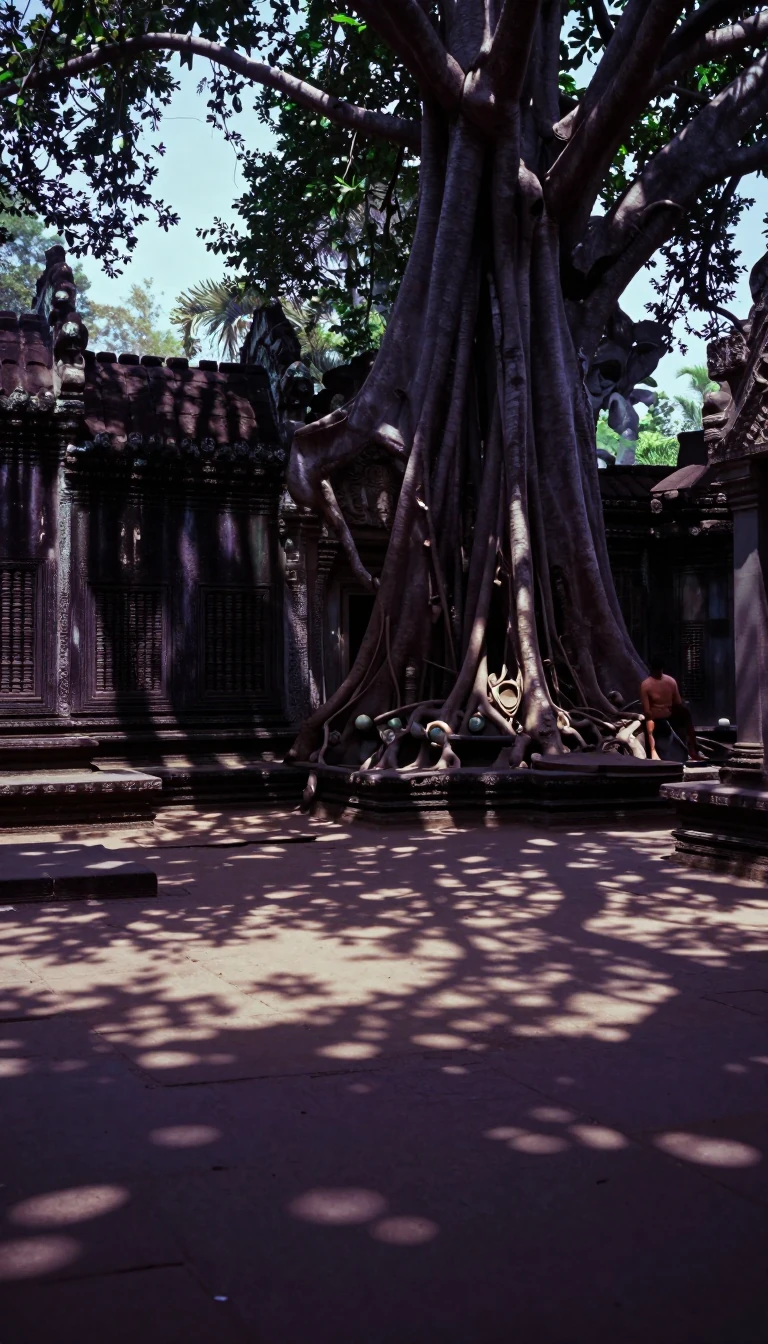 How a historic Kolkata college became the cradle of India's scientific and intellectual giantsPresidency University in Kolkata is more than a historic institution; it is the birthplace of India's premier scientific bodies. From its origins as Hindoo College in 1817 to its …
- How a fringe cultural preservation group became a symbol of Soviet-era political extremismEstablished in 1978 to protect Russian heritage, Pamyat evolved into a controversial nationalist movement during the late 1980s. By blending Orthodox Christian values with xenopho…
- How a Marathi teacher’s crusade for social justice reshaped India’s cultural and political landscapePandurang Sadashiv Sane, known as Sane Guruji, was a transformative figure who bridged the gap between rural education and the Indian independence movement. Beyond his political a…
- Is it possible to write an honest history of a nation's most painful era?Sir Paul Preston, widely considered the world's leading authority on 20th-century Spain, has spent five decades dissecting the Spanish Civil War. His work challenges the nation's …
 Why the Philippines and the United States share a complex, century-long geopolitical history.From colonial rule to a mutual defense treaty, the Philippines and the United States have maintained a storied, often turbulent relationship. While historically bound by security …
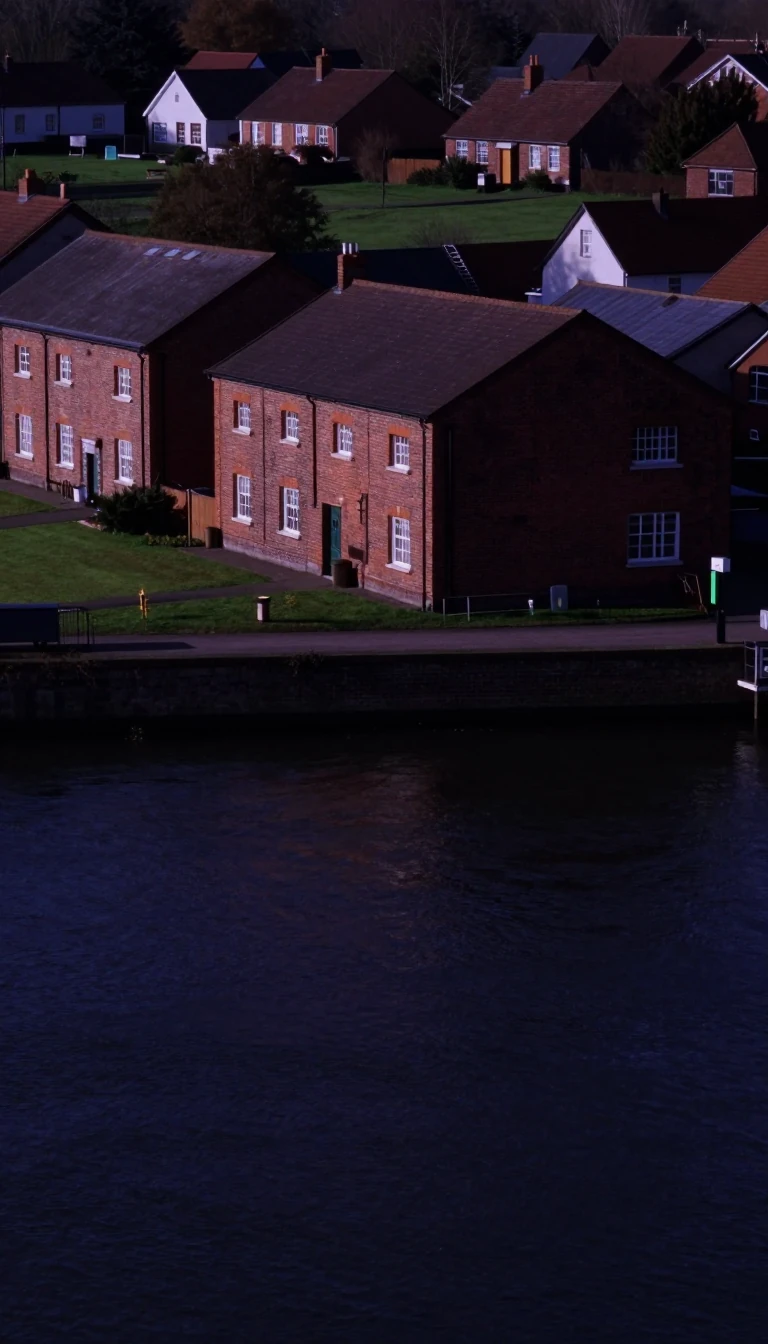 How a vast Philadelphia region once attempted to secede and form its own countyNortheast Philadelphia is a sprawling urban section defined by its unique garden-suburb row homes and a history of industrial might. Once a collection of rural townships, the area…
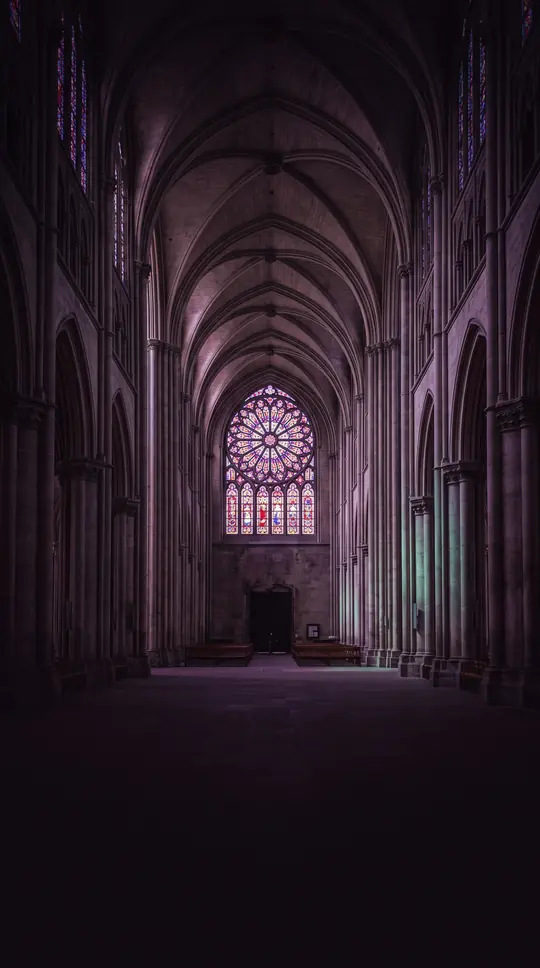 The FBI spent millions building a secret tunnel that never gathered a single secret.In 1977, the FBI launched Operation Monopoly, a clandestine effort to tunnel beneath the new Soviet Embassy in Washington, D.C. The goal was to intercept sensitive communications,…
 Can a city be engineered to shift the demographic balance of an entire region?Founded in 1957 to overlook Nazareth, Nof HaGalil was explicitly planned to assert state sovereignty and maintain a Jewish majority in the Galilee. Through land expropriation and …
- How a vast, frontier-era county in New York shrunk to its modern, scenic bordersOnce a sprawling territory stretching toward the Pacific, Ontario County evolved from a massive colonial land claim into a compact Finger Lakes hub. Today, it is a center for agri…
 Room 39: How British naval intelligence shaped global conflicts and inspired James BondBefore modern intelligence agencies, the Naval Intelligence Division operated from a single room in the Admiralty. Known as Room 39, this secretive unit evolved from a small commi…
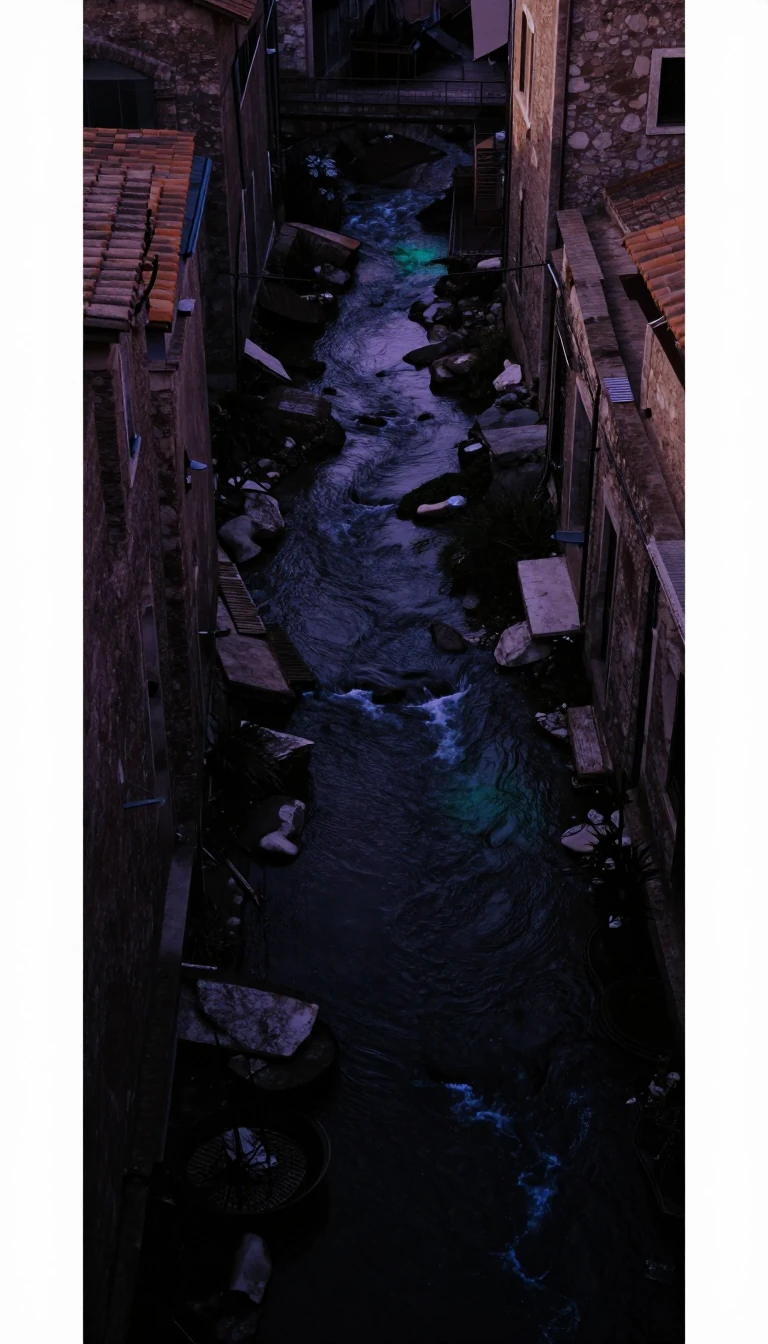 Neath: A Welsh market town with Roman secrets and an industrial legacyNestled on the River Neath, this Welsh town hides a unique Roman military history and a past defined by iron, steel, and coal. From ancient Celtic hill forts to the birthplace of …
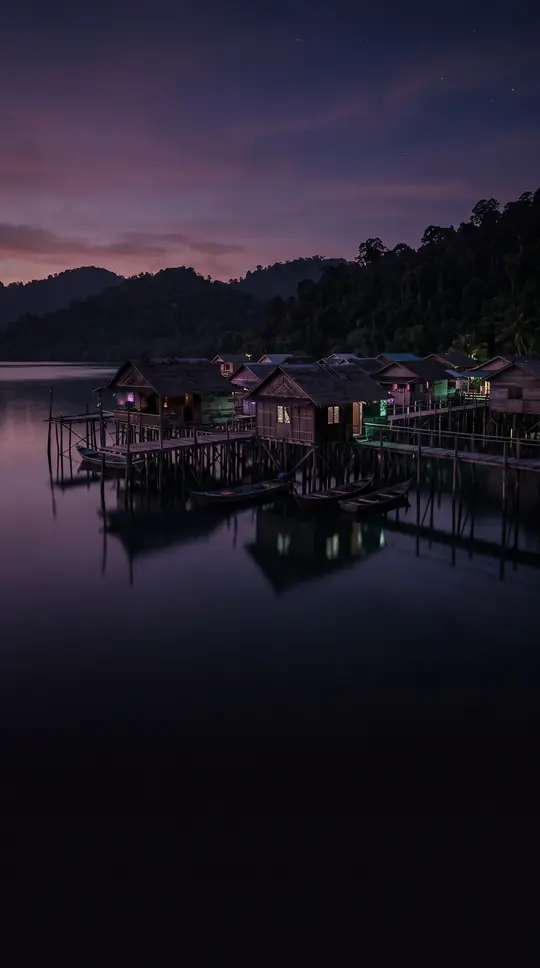 How a daring intelligence ruse ended a six-year jungle hostage crisis in ColombiaIn 2002, presidential candidate Íngrid Betancourt was kidnapped by FARC guerrillas while campaigning in southern Colombia. She spent over six years in captivity before a sophistic…
 Napoleon’s dual legacy: granting Jewish civil rights while enforcing total assimilationDid Napoleon liberate the Jews or attempt to erase them? His reign was a paradox of progress and pressure. While he dismantled ghettos and granted citizenship across Europe, he si…
 How Napoleon used 'Enlightenment ideals' to justify the systematic looting of EuropeNapoleon didn't just steal art; he rebranded it as a moral crusade. By framing the seizure of masterpieces as a mission to liberate culture from 'slavery' and 'feudalism,' the Fre…
- The radical sect that believed the execution of a king was a prophecyIn 1649, the execution of Charles I wasn't just a political act; for the Fifth Monarchists, it was a cosmic milestone. They believed it signaled the end of the 'Fourth Monarchy' a…
 The 'Cradle of Bishops' and the roots of American CatholicismHidden in the rural mountains of Maryland lies a campus that shaped the American Catholic hierarchy. From a single log cabin to a university that has produced 51 bishops and the f…
- From Mineral Springs to Modern Art: The Evolution of a Michigan HubBefore it was a suburban fixture, Mount Clemens was a destination for the elite. From Hollywood stars to news magnates, the city’s mineral springs drew a high-society crowd, creat…
- The first Catholic Speaker of the House since the ReformationIn 2000, Michael Martin broke centuries of tradition to become the first Catholic to preside over the House of Commons since the Reformation. His journey from a Glasgow tenement t…
 The aircraft carriers that were technically civilian merchant shipsDuring World War II, the British and Dutch navies faced a desperate shortage of aircraft carriers. The solution was a bizarre hybrid: merchant grain ships and oil tankers modified…