 Intellect Plus
History
21,004 cards. Each one is a 40-second story with a five-minute read behind it. Page 64 of 351.
Subtopics: 19th century · 20th century · Africa · Age of Exploration · Ages & eras · Ancient · Ancient China · Ancient egypt · Ancient greece · Ancient rome · Ancient trade · Archaeological discoveries · Archaeology · Astronomy · Australia · Auxiliary historical sciences · Babylon · Basics · Born on this day · Bronze age · Buddhism · Case studies · Chefs, bartenders and winemakers · China · Cities · Climate · Columbus · Contemporary (1945-) · Cosmetics people · Crime · Criminals · Decipherment · Deep time · Disasters · Early modern · Education · Egypt · Empires · Empires & civilisations · Exploration · Explorers · Extinction · Fandom, conventions and festivals · History by continent and large region · History by continent and region · History by country · History by country, small region and city · History by ethnicity · History by subject matter · History by topic · Inca · India · Industrial Revolution · Japan · Kings & queens · London · Mass hysteria · Medicine · Medieval kingdoms · Medieval life · Mediterranean · Mercedes-Benz History · Mesopotamia · Middle ages · Military leaders and theorists · Military leaders, personnel, and theorists · Ming dynasty · Misconceptions · Modern · Modern (1800-1945) · Napoleon · Navigation · North africa · Other · Pacific · Pharaohs · Philippines · Pirates · Post-classical · Prehistory · Propaganda · Public health · Rebels, revolutionaries and activists · Renaissance · Researched · Second world war · Shipwrecks · Silk Road · South america · Tradespeople · UK & Ireland: history · United states · Vikings · Volcanoes · Women in history
 The invisible lines that dictate where your taxes goA city limit is more than just a sign on a highway; it is a legal boundary of jurisdiction. While these borders define who provides your trash collection or zoning rules, they can…
 From Peking Opera to Pop Icons: The Evolution of China's 'Four Dan'In Chinese entertainment, the term 'Dan' carries a weight that transcends modern cinema. Originally referring to male actors portraying women in Peking opera, it has evolved into …
 The high price of progress: How corruption shaped modern ChinaFrom the Ming dynasty to the modern era, corruption in China has evolved from a moral failing into a structural byproduct of rapid economic reform. While it fueled social unrest i…
 The linguistic gymnastics required to avoid saying an emperor's nameIn Imperial China, speaking a ruler's given name wasn't just a social faux pas; it was a legal transgression that could lead to execution. This naming taboo created a complex web …
 Is China’s 'Common Prosperity' a goal of equality or a shift in control?China’s political slogan of 'common prosperity' is often mistaken for a simple push for equality. In reality, it is a complex ideological evolution that has shifted from collectiv…
 From toothpaste tubes to billions of badges: a study in mandatory devotionIn 1966, a small piece of metal became the ultimate litmus test for loyalty. The Chairman Mao badge transformed from a rare commemorative medal into a ubiquitous requirement, worn…
 The pragmatic philosophy that redefined China's economic destinyIn 1962, a simple proverb about cats became the blueprint for one of the most significant economic shifts of the 20th century. It moved China away from rigid ideology toward a phi…
 The cycle of production and waste behind the Chinese dreamJessica Kingdon’s documentary captures a nation in motion. By following the flow of goods through various social classes, it reveals how a global pursuit of productivity shapes hu…
 Why a 1,000-year-old coin might hold the key to your home's energyIn Chinese feng shui, a simple copper coin is far more than spent currency. It is a metaphysical tool designed to balance the flow of qi, ward off malevolent spirits, and manifest…
 The word 'Buddhist' is a relatively modern inventionFor over two millennia, followers of the Buddha were rarely called 'Buddhists.' In ancient India, they were known as Sramanas—ascetics defined by their renunciation rather than a …
 The real-world inspiration for the biblical Tower of BabelAncient Babylon was home to a structure so massive it was described as a wonder of the world. Known as Etemenanki, this stepped pyramid served as a literal bridge between heaven a…
 The first scientific revolution may have started in Mesopotamia.Long before the Renaissance, Babylonian priest-scribes were moving beyond mere observation to develop an internal logic for the universe. By treating celestial movements as mathem…
 The 'red gold' of Africa that fueled the Atlantic slave tradeLong before paper notes or digital coins, West African markets relied on heavy metal bracelets as currency. Known as manillas, these copper and brass rings were so essential to tr…
 Why an 80% score in Australia might not mean what you thinkIn many countries, a grade is a direct reflection of your percentile rank. In Australia, it is often a notional percentage of the maximum raw marks available. This distinction cre…
 Why the wheel was often a luxury of the desert and riverWhile the wheel is a universal symbol of progress, its adoption across Africa was dictated by geography rather than just technology. From Saharan chariots to riverine canoes, the …
 Spies are no longer just in suits and shadowsModern espionage has moved beyond clandestine officers in diplomatic cover. Today, foreign states use businesspeople, journalists, and even criminal gangs to steal industrial secr…
 Kenya's 47 counties: A constitutional shift from provinces to devolved powerIn 2010, Kenya fundamentally restructured its governance, replacing old provincial systems with 47 distinct counties. This wasn't just a map change; it was a constitutional mandat…
 The Cold War's shadow persists in our modern nuclear and economic architectureWe often treat the end of the Cold War as a clean break, but its legacy is baked into our world. From the massive military-industrial complexes that still shape global science to …
- The shifting borders of a federal republic in constant fluxSomalia's administrative map is not a static blueprint but a living, contested process of federalization. From colonial commissariats to modern autonomous states, the country's in…
 From isolationism to hyperpower: the rise of the American CenturyThe term 'American Century' wasn't just a description of history; it was a self-fulfilling prophecy. Coined by a magazine publisher in 1941, it envisioned a United States that wou…
 Why history books often stretch a century to 125 yearsThe 19th century didn't just happen between 1800 and 1900. To historians, this era is a sprawling 125-year arc of transformation. By stretching the timeline, scholars can capture …
 The Viking name for Russia was once a 'realm of towns'Long before the name Russia appeared in records, Norse explorers referred to the East as Garðaríki. This wasn't just a vague direction; it was a specific geopolitical identity roo…
 One of only two Viking helmets that can be reconstructedIn 1943, a farmer in Norway unearthed what is arguably the richest man's grave from the Viking Age. Among the treasures was a rare iron helmet—a find so unique it stands alone in …
 The Viking axe was more of a cleaver than a wood toolForget the heavy, blunt tools of lumberjacks. The Dane axe was a masterpiece of medieval engineering—a thin, high-carbon steel blade designed for devastating, high-velocity cuts. …
 The Viking meadow that became Ireland's industrial heartLong before it was a commuter hub or an industrial center, Arklow was defined by the Norse. Its very name preserves a 9th-century landscape of meadows and seafaring power, marking…
 A political promotion led to one of history's most infamous shipwrecksIn 1816, a French frigate carrying 400 people became the site of a horrific maritime disaster. The tragedy wasn't just a result of nature; it was fueled by political patronage, in…
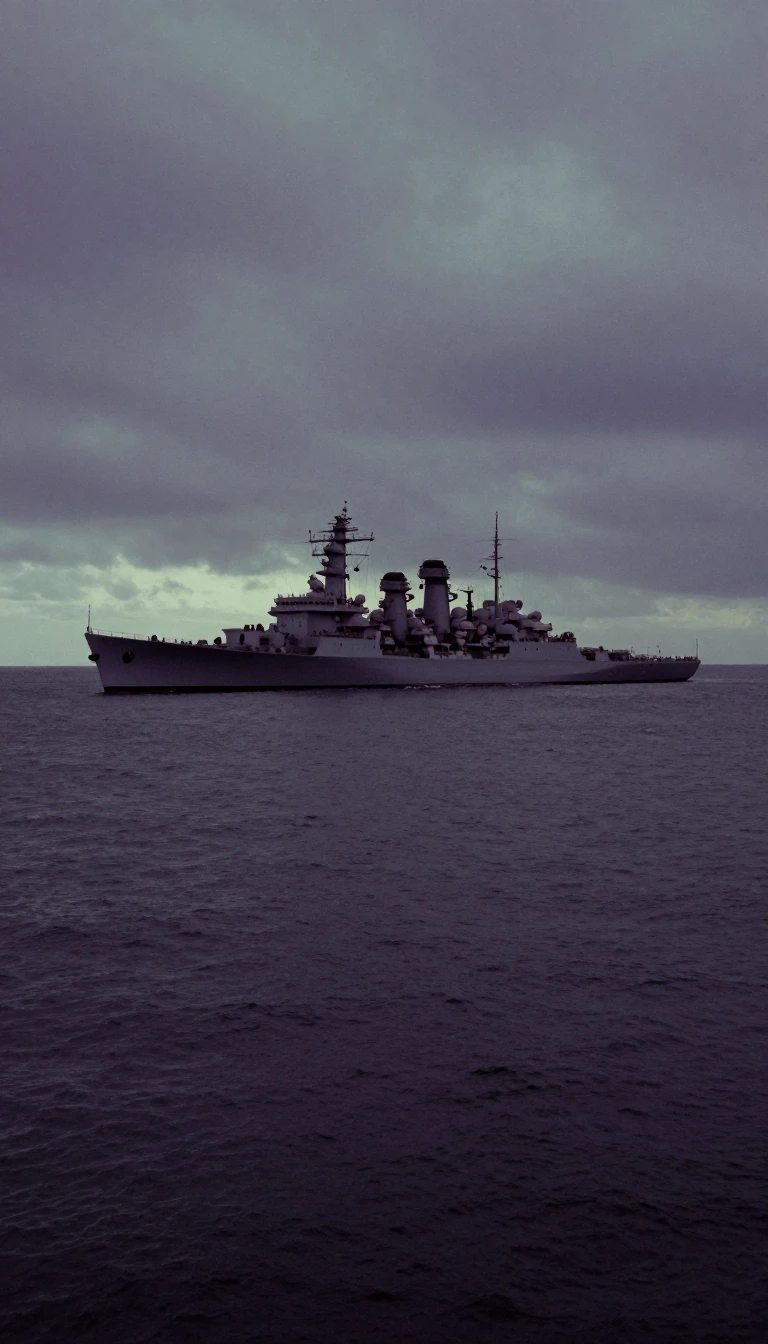 The ship that silenced the most famous admiral in naval historyAt the Battle of Trafalgar, the French ship Redoutable performed a desperate, high-stakes maneuver to shield its flagship. In a brutal fifteen-minute musket duel, its crew engaged…
 How the British Industrial Revolution turned homes into factoriesBefore the 18th century, weaving was a domestic craft performed in living rooms by families using handlooms. The shift to industrial textile manufacture didn't just change where p…
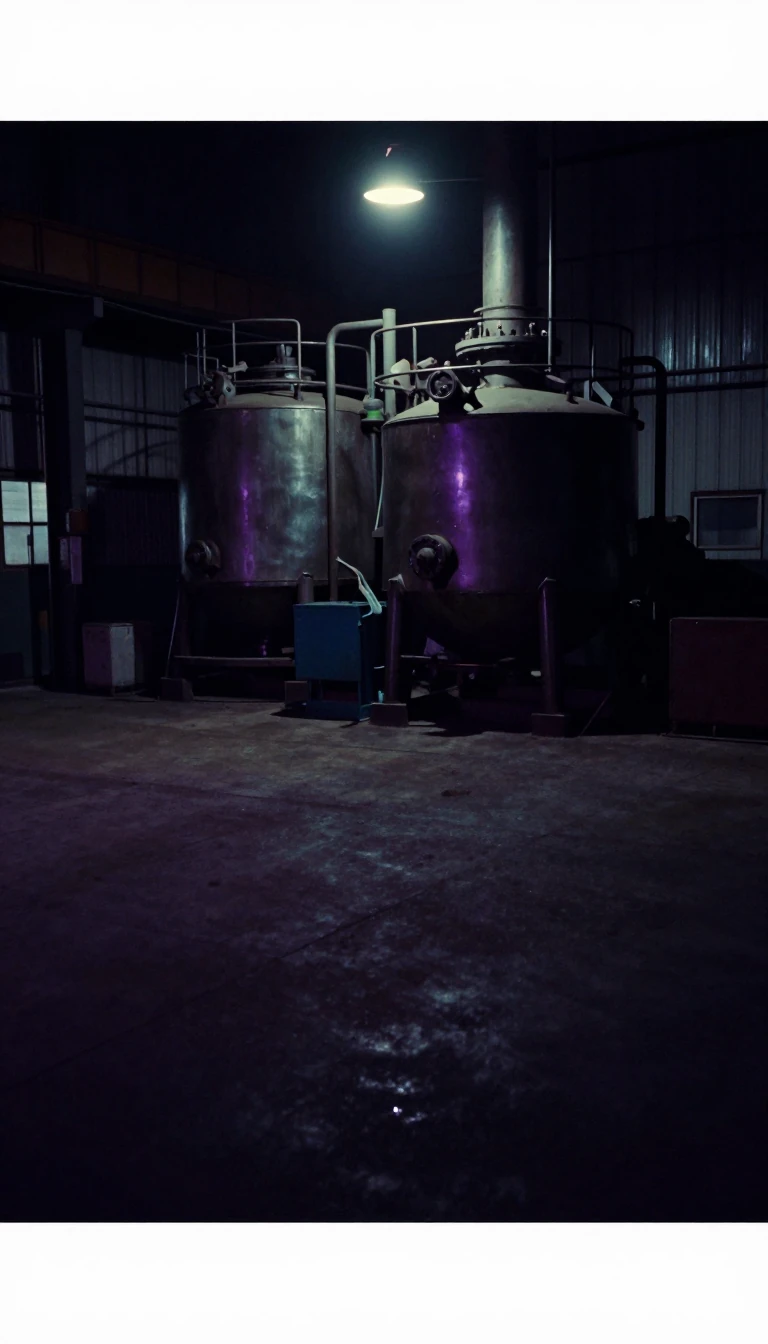 The industrial plant that built entire towns and then abandoned themBefore the era of modern steelworks, the ironworks was the heartbeat of industrial civilization. These massive plants didn't just produce metal; they dictated the geography of hum…
- The ship that refused to surrender to the Spanish crownIn 1591, the English galleon Revenge faced a Spanish fleet of 53 ships. Outnumbered and battered, the vessel became a symbol of defiance. Its final moments were so dramatic they i…
 How a medieval 'ash wood' settlement became a global metallurgy pioneerJesenice wasn't always an industrial powerhouse. It began as a simple forest area, but a desperate need for water energy and iron ore transformed it into a hub of technical invent…
 The ancient scratch plough that shaped human agriculture for millenniaBefore the heavy turnploughs of the Middle Ages, the ard was the engine of civilization. This simple, symmetrical tool didn't flip the soil; it merely scratched it, creating a del…
 The Danish minister who chose principle over the party lineBirthe Rønn Hornbech’s political career was defined by a tension between institutional power and personal conviction. From her years in the police force to her time in the Danish …
 The woman who turned racial trauma into choreopoemsNtozake Shange didn't just write plays; she engineered a new form of performance that traded traditional plots for the raw, rhythmic power of poetry and dance. Her work transforme…
 The last Republican to hold a seat in New England's CongressFor over two decades, Christopher Shays stood as a rare bridge in the polarized landscape of American politics. As a moderate Republican who championed national service and bipart…
- The mayor who became a 'European Hero' for defusing urban violenceWhen an extremist murdered filmmaker Theo van Gogh in 2004, Amsterdam faced a potential explosion of communal violence. Instead of retreating into division, Mayor Job Cohen chose …
 The doctor who mastered the art of linguistic and vocal fusionJanalynn Castelino is a rare example of a modern polymath who balances the rigors of medicine with the nuances of global pop. From mastering Latin Baroque music to recording in fi…
 The novelist who wanted to make readers march to gun storesJames Robert Baker was a master of transgressional fiction, crafting a cinematic, drug-fueled vision of Los Angeles. While his work achieved cult status for its sharp satire and r…
 The cardinal who finds the sacred in Shakespeare and BowieHow does a high-ranking Vatican official bridge the gap between ancient scripture and modern pop culture? Cardinal Gianfranco Ravasi argues that faith isn't found by retreating fr…
 The philosopher who mapped the dialogue between civilizationsHow do disparate cultures find common ground without erasing their unique identities? Hans Köchler moved beyond abstract theory to build a global framework for cross-cultural inte…
- The dual life of a rugby league star turned outlawGary Sullivan was an elite athlete who reached the pinnacle of Australian rugby league in the 1970s. Yet, behind his sporting success lay a shadow career as one of Queensland's mo…
 Two different Drew Crawfords: One a basketball star, one a sonic architectThe name Drew Crawford belongs to two distinct masters of their crafts. One dominated the Big Ten courts as a high-achieving athlete, while the other shapes the auditory landscape…
 The Welsh statesman who broke linguistic barriers in WestminsterIn 1974, Dafydd Elis-Thomas became one of the first MPs permitted to take the oath of allegiance in Welsh. This wasn't just a personal milestone; it was a foundational moment for …
 The woman who wrote the soundtrack of a nation's identityBefore she was a household name, Christine Charbonneau was the invisible architect of Québec's musical landscape. As a songwriter, she dominated the airwaves, crafting hits for so…
 A 1985 police operation that became one of England's largest mass arrestsWhen a convoy of New Age travellers tried to reach Stonehenge in 1985, the resulting confrontation escalated into a scene of extreme violence. It remains a controversial flashpoin…
 How a boy king’s crown became a catalyst for civil warShakespeare’s Henry VI, Part 1 captures a nation in freefall. As a child king sits on the throne, England’s external empire collapses and its internal stability dissolves into a b…
 The true crime that birthed England's first domestic tragedyBefore the era of grand historical epics, a local murder shocked the public. The brutal killing of Thomas Arden by his own wife and her lover provided the raw, scandalous material…
 To conquer a people, you must first conquer their godsWhen the Romans invaded Britain in 43 AD, they didn't just bring swords; they brought a strategy of spiritual subversion. The historical fantasy series Britannia explores this bru…
 The ocean is a canvas for history, art, and high-tech warfareFrom the 17th-century leaps of the Caribs to the sentient submarines of Jules Verne, the deep sea serves as a profound stage for human narrative. It is a space where historical ge…
 How Did Humans First Learn to Fly?From myth and sketches to balloons, gliders, the Wright Flyer and the jet age: how human flight was learned one tested step at a time.
 The Enlightenment's most shocking spectacle: a bird in a vacuum.In 1768, Joseph Wright of Derby captured a moment of scientific brutality. A bird is deprived of air in a glass vessel while a crowd watches in a mix of dread and fascination. It …
 The medieval dream where houses were made of barley sugarImagine a land where the weather is eternally mild, wine flows freely, and roasted pigs wander around with knives in their backs to make carving easy. This was Cockaigne: a mediev…
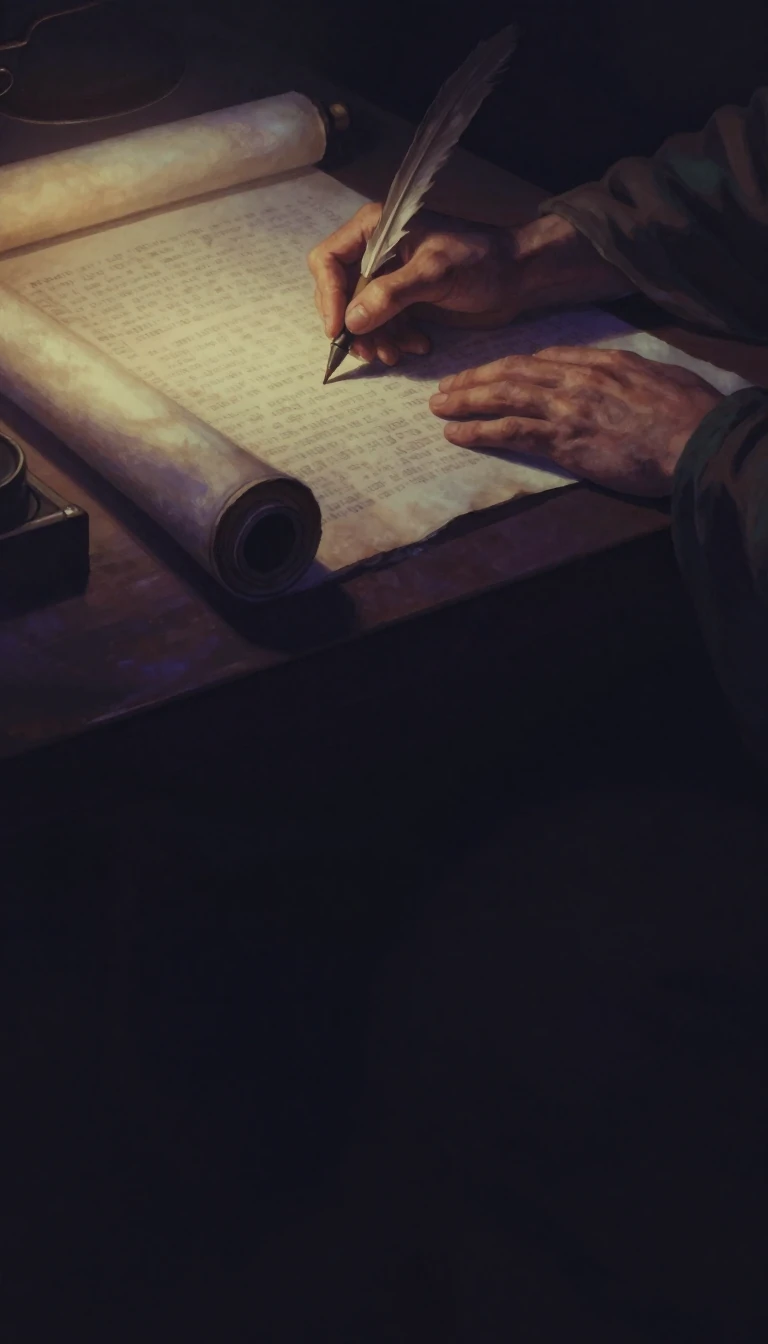 The ancient scrolls that dictated the fate of the Roman RepublicIn moments of existential crisis, the Roman state turned to a mysterious set of prophecies. These were the Sibylline Books, a collection of divine utterances so sacred they were k…
 The frontier gateway where history’s most famous trails beganBefore it was a suburb of Kansas City, Independence was the ultimate western threshold. As the farthest point on the Missouri River accessible by steamboat, it served as the prima…
 The real Virgil Earp lived a life far beyond the moviesWhile Hollywood cemented his brother Wyatt as the ultimate frontier lawman, Virgil Earp lived a complex reality of service, violence, and survival. Beyond the famous shootout at t…
- From Confederate guerrilla to outlaw: the transformation of Cole YoungerCole Younger didn't just become a bandit; he was forged in the fires of the American Civil War. After his father was killed by Union forces, he joined a notorious guerrilla unit, …
 The White Revolution: A Modernization Project with a Gendered Blind SpotIn 1963, Iran’s Shah launched the 'White Revolution' to rapidly modernize the nation. While it successfully dismantled feudal land structures and sparked a literacy boom, its impa…
 The high-end restaurant that started as a steam laundryThe French Laundry is a global icon of fine dining, but its name is a relic of industrial history. To understand its prestige, you have to look past the three Michelin stars to a …
 The Peruvian flag was redesigned because it looked too much like Spain'sImagine fighting for independence while flying a banner that confuses your enemies with the very empire you are trying to overthrow. Peru’s national colors were born from revoluti…
 The only national flag in the world with two different sidesParaguay holds a unique distinction in vexillology. While most nations display a single design, Paraguay’s flag features a completely different emblem on its front and back. This …