 Intellect Plus
History
21,004 cards. Each one is a 40-second story with a five-minute read behind it. Page 65 of 351.
Subtopics: 19th century · 20th century · Africa · Age of Exploration · Ages & eras · Ancient · Ancient China · Ancient egypt · Ancient greece · Ancient rome · Ancient trade · Archaeological discoveries · Archaeology · Astronomy · Australia · Auxiliary historical sciences · Babylon · Basics · Born on this day · Bronze age · Buddhism · Case studies · Chefs, bartenders and winemakers · China · Cities · Climate · Columbus · Contemporary (1945-) · Cosmetics people · Crime · Criminals · Decipherment · Deep time · Disasters · Early modern · Education · Egypt · Empires · Empires & civilisations · Exploration · Explorers · Extinction · Fandom, conventions and festivals · History by continent and large region · History by continent and region · History by country · History by country, small region and city · History by ethnicity · History by subject matter · History by topic · Inca · India · Industrial Revolution · Japan · Kings & queens · London · Mass hysteria · Medicine · Medieval kingdoms · Medieval life · Mediterranean · Mercedes-Benz History · Mesopotamia · Middle ages · Military leaders and theorists · Military leaders, personnel, and theorists · Ming dynasty · Misconceptions · Modern · Modern (1800-1945) · Napoleon · Navigation · North africa · Other · Pacific · Pharaohs · Philippines · Pirates · Post-classical · Prehistory · Propaganda · Public health · Rebels, revolutionaries and activists · Renaissance · Researched · Second world war · Shipwrecks · Silk Road · South america · Tradespeople · UK & Ireland: history · United states · Vikings · Volcanoes · Women in history
 The Academy Award-winning child star who couldn't bridge the gap to adulthoodPeggy Ann Garner was a prodigy of the silver screen, winning a prestigious Academy Award for her performance in A Tree Grows in Brooklyn. Yet, she faced a hurdle common to many ch…
 The Chilean flag's red stripe is a tribute to independence-era bloodChile’s national colors are more than just aesthetic choices; they are woven from the geography of the Andes and the violence of revolution. While many see a simple tricolor, the …
 Why a burning ship might yell 'Yuliet alfa vore' to be savedIn the middle of a maritime emergency, language barriers can be fatal. The International Code of Signals (INTERCO) solves this by turning complex needs into standardized phonetic …
 A coat of arms is defined by words, not by picturesIn the world of heraldry, a visual image is secondary to its verbal description. A blazon is a precise, technical language that allows a reader to reconstruct an exact emblem from…
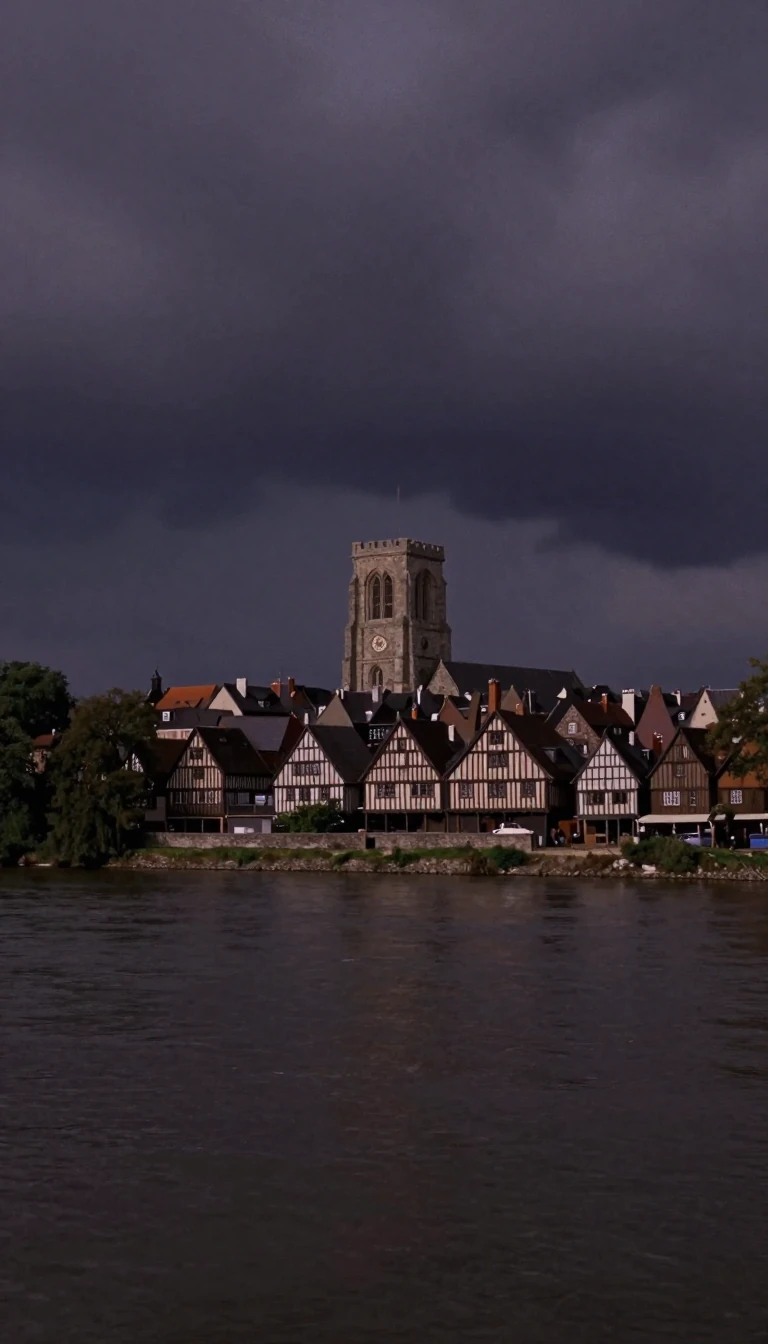 From Anglo-Saxon manor to cradle of British aviationWalthamstow’s history is a masterclass in industrial evolution. It transitioned from a medieval manor owned by the nobility to a 19th-century suburban hub, eventually becoming a s…
 A legal sanctuary born from a papal ban and royal decreeTo practice law in England, one must belong to an Inn of Court. Lincoln's Inn, the largest of these four, didn't just appear; it was forged by religious prohibitions and royal edi…
 The 'Bible' of Jewish Emancipation: A 1781 plea for civil rightsFor centuries, European Jews faced severe legal disabilities, including forced dress codes and residential isolation. The path to equality wasn't a single event but a century-long…
 The high-altitude ghost territory where empires traded lines on paperIn one of the world's most inhospitable regions, a 5,200 km2 tract of land became a geopolitical puzzle. While some see it as a stolen province, others view it as a long-overdue s…
- The Chief Rabbi is a political invention, not a religious one.You might assume the office of Chief Rabbi is rooted in ancient scripture. In reality, it is a modern administrative tool. Born from medieval tax needs and royal decrees, this rol…
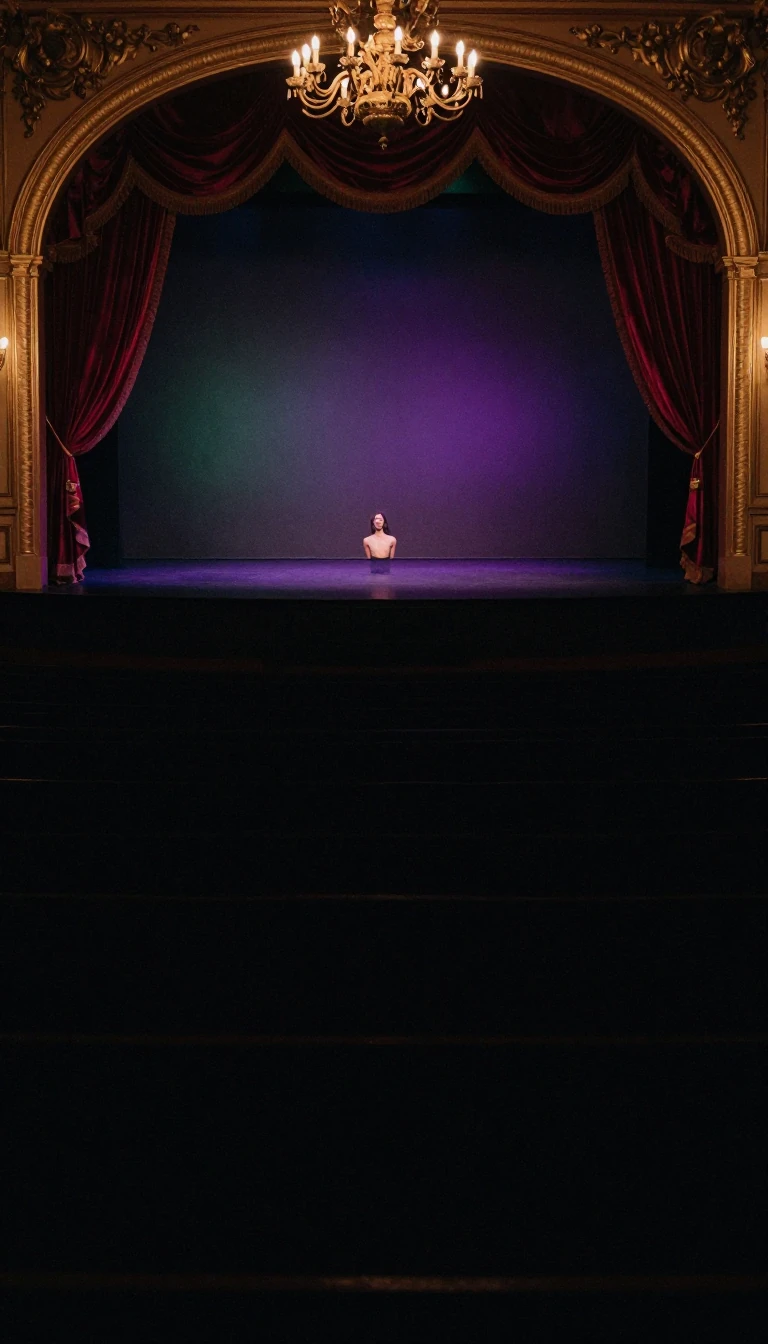 The man who built the face of modern horrorBefore the era of digital effects, Hollywood monsters were sculpted by hand using cotton, collodion, and green greasepaint. Jack Pierce was the master of this grueling craft, crea…
 How Did People Tell Time Before Clocks?From the Moon's cycles and a stick's shadow to an Egyptian shadow clock, water clocks that may trace back to Babylonia, and the escapements that led to the mechanical clock.
 Why Were the Babylonians So Good at Maths?Surviving clay tablets show how Mesopotamian scribes worked with base 60, from a 4,200-year-old record of jars of pig fat to Old Babylonian multiplication tables, Plimpton 322 and…
 The First CitiesHow farming villages in southern Mesopotamia grew into some of the world's earliest known cities, how excavation and clay records reveal them, and how a late-rising Babylon inheri…
 Why Did the Babylonians Watch the Sky?Babylonian sky-watchers kept a calendar set by the crescent Moon and read signs in the heavens, and over centuries their observations became a long written record whose values lat…
 The man who died for a missing sauceFrançois Vatel was the ultimate perfectionist of the French court. His obsession with culinary detail was so intense that it led to a dramatic, self-inflicted end. He remains the …
 The bureaucratic blueprint that governed imperial China for nearly a millenniumFor over 700 years, the Three Departments and Six Ministries served as the administrative backbone of imperial China. This sophisticated system balanced policy drafting, imperial …
 From a conquered city-state to a brutal empire of the Middle EastThe Assyrians were not always the masters of Mesopotamia. For centuries, their namesake city was a mere dependency of southern powers. It took a millennium of conquest, cultural a…
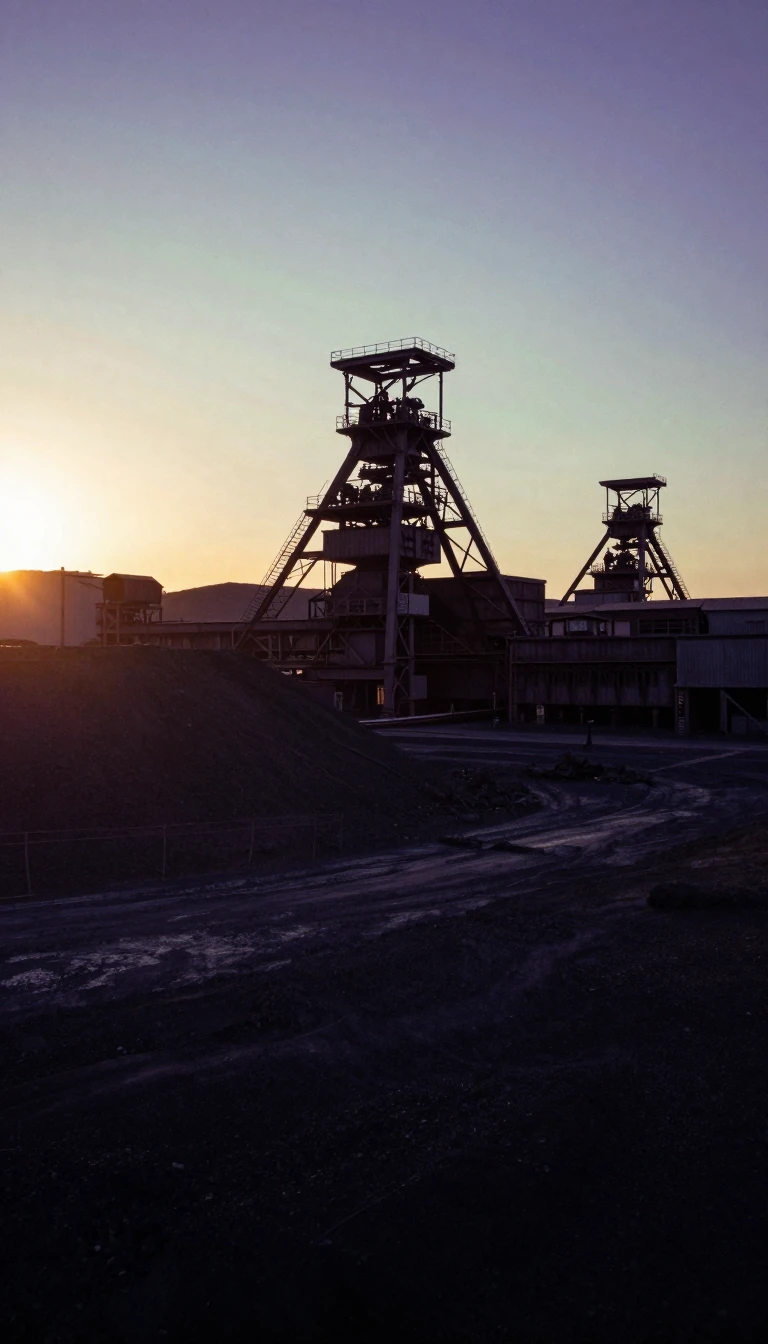 How a 1951 coal treaty became a Nobel Peace Prize winnerThe European Union didn't start as a sprawling political bloc, but as a pragmatic industrial pact. By pooling the resources of war—coal and steel—six nations sought to make confli…
 The New World was already a complex map of diverse culturesWhen Columbus arrived in 1492, he didn't find an empty wilderness. He encountered a vast continent inhabited by peoples who had migrated from Asia up to 35,000 years earlier, esta…
 The cradle of humanity and a crossroads of global tradeEastern Africa is not just a geographic region; it is the birthplace of our species. From the first anatomically modern humans 200,000 years ago to the complex kingdoms of the Gre…
 The narrow corridor that funneled the world's first global tradeImagine a landlocked passage so geographically restrictive that it forced the entire flow of East-West civilization through a single, narrow artery. Flanked by towering mountains …
 From legal opposition to capital offense: The rise and fall of Syria's Muslim BrotherhoodThe Syrian Muslim Brotherhood once held seats in parliament, but a brutal cycle of secularist coups and militant insurgency transformed it into an underground movement. After the …
 From Buddhist high priests to architects of an empireThe Barmakids rose from the oasis of Balkh to become the most powerful viziers in the ʿAbbāsid Caliphate. They were masters of administration, science, and culture—until their met…
 From dissident teacher to Chief Minister: The rise of P. S. GolayHow does a government school teacher become the leader of a state? Prem Singh Tamang’s political trajectory is defined by a dramatic break from his original party, a period of leg…
- The art of political persistence: Alma Adams and the 12th DistrictAlma Adams didn't just enter Congress; she navigated a complex web of redistricting, geographic disadvantages, and primary splits to secure her seat. From her roots in art educati…
 The woman who was the first female White House Chief of StaffHistory often overlooks the shadows behind the throne. While Eleanor Roosevelt captured the public spotlight, Marguerite "Missy" LeHand served as Franklin D. Roosevelt's closest c…
 The logistical paralysis that followed the September 11 attacksWhen the towers fell, New York City didn't just lose landmarks; it lost its pulse. From the total shutdown of the nation's airspace to the collapse of subway arteries, the city fa…
 The Grand Duke who survived a childhood of royal tragedyErnest Louis of Hesse-Darmstadt ruled a German duchy while navigating a lineage defined by both immense power and profound personal loss. As a grandson of Queen Victoria, his life…
 The final time Republicans won the House popular vote by double-digitsIn 1928, the Republican Party secured a landslide victory that would not be repeated for decades. While it cemented the power of big business interests, the win was simultaneously…
 The evolution of leadership in India's oldest political partyFrom a one-year term in the 1880s to a modern era of dual roles, the presidency of the Indian National Congress has mirrored India's journey toward independence and beyond. It is …
 The Billion Dollar Congress and the rise of the Democratic majorityIn 1890, a stagnant economy and a controversial tariff act triggered a political earthquake. The Republican Party faced a crushing defeat, losing its grip on the House as voters r…
- The election that shattered the American two-party systemIn 1854, a political earthquake destroyed decades of stability. As the Democratic Party collapsed under the weight of new western laws and nativist fervor, a chaotic realignment p…
 The only time every state's Senate vote mirrored its presidential choiceIn 2016, a rare political alignment occurred: every single state voted for the same party in both their presidential and Senate elections. This feat, which nearly happened in 1920…
- A frontier town that survived the Civil War without a railroadBefore the 1874 railroad arrived, Carrollton was a largely isolated frontier town. Despite its role as a regional market and trade center, the lack of modern transportation meant …
 The architectural geometry of empire: how a colonial capital was carved outIn the early 20th century, the British Empire decided to move its Indian capital from Calcutta to Delhi. To do so, they didn't just build offices; they engineered an entire landsc…
 From total exclusion to a majority mandate in Nova ScotiaIn 1945, the Progressive Conservative Party was so marginalized it was shut out of the legislature entirely. Today, they hold a majority government. This is a masterclass in polit…
 How a dynasty of myths and propaganda built an empireMacedonia's kings didn't just rule through might; they ruled through narrative. From inventing Greek lineages to manufacturing historical founders, the Argead dynasty used sophist…
 How Did the Dinosaurs Become Extinct?How an iridium-rich clay layer, a buried crater in the Yucatán and decades of study explain the end of the non-avian dinosaurs, why some pathways are still debated, and why birds …
 The dynasty that lost its throne but kept its rivalryWhen the Brazilian monarchy collapsed in 1889, the imperial family didn't just vanish into history. They fled into exile, only to return and spark a century-long legal battle over…
 A sacred birthplace or a Mughal mosque: the battle for AyodhyaFor centuries, a single plot of land in northern India has sat at the heart of a profound religious and political tug-of-war. Is it the birthplace of a deity or a site of Islamic …
 A diplomatic ultimatum that sparked a revolution and ended a monarchyIn 1890, Britain issued a high-stakes demand to Portugal over African territory. While it secured British interests in the Zambezi valley, the perceived humiliation of the surrend…
 From war machines to pleasure cruises: the evolution of royal yachtsBefore they were symbols of luxury, royal vessels were instruments of power. From Viking longships with purple sails to 19th-century warships, these ships transitioned from tools …
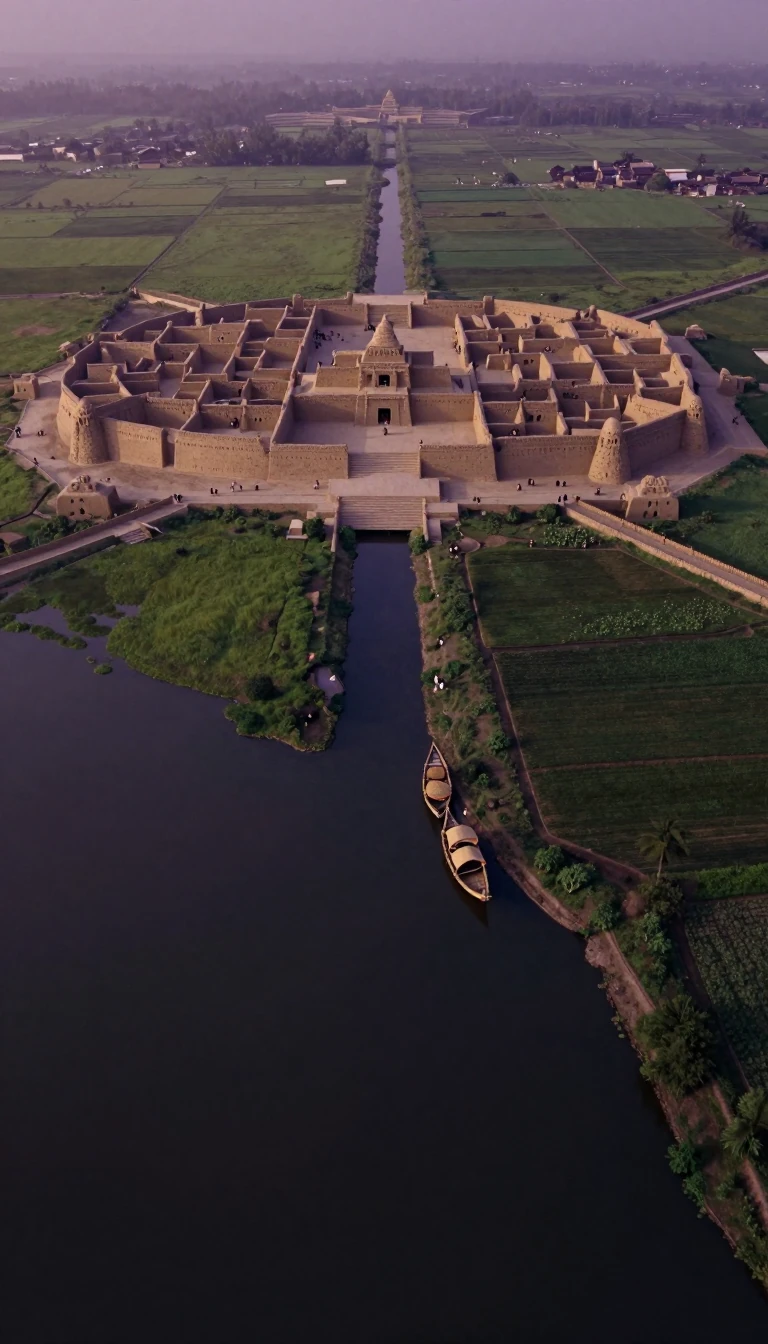 How a fishing village became a cosmopolitan hub of global tradeFrom a semi-mythical fishing community to a cosmopolitan port of 60,000 people, Lagos transformed through a complex web of imperial pressure, internal Yoruba warfare, and the stra…
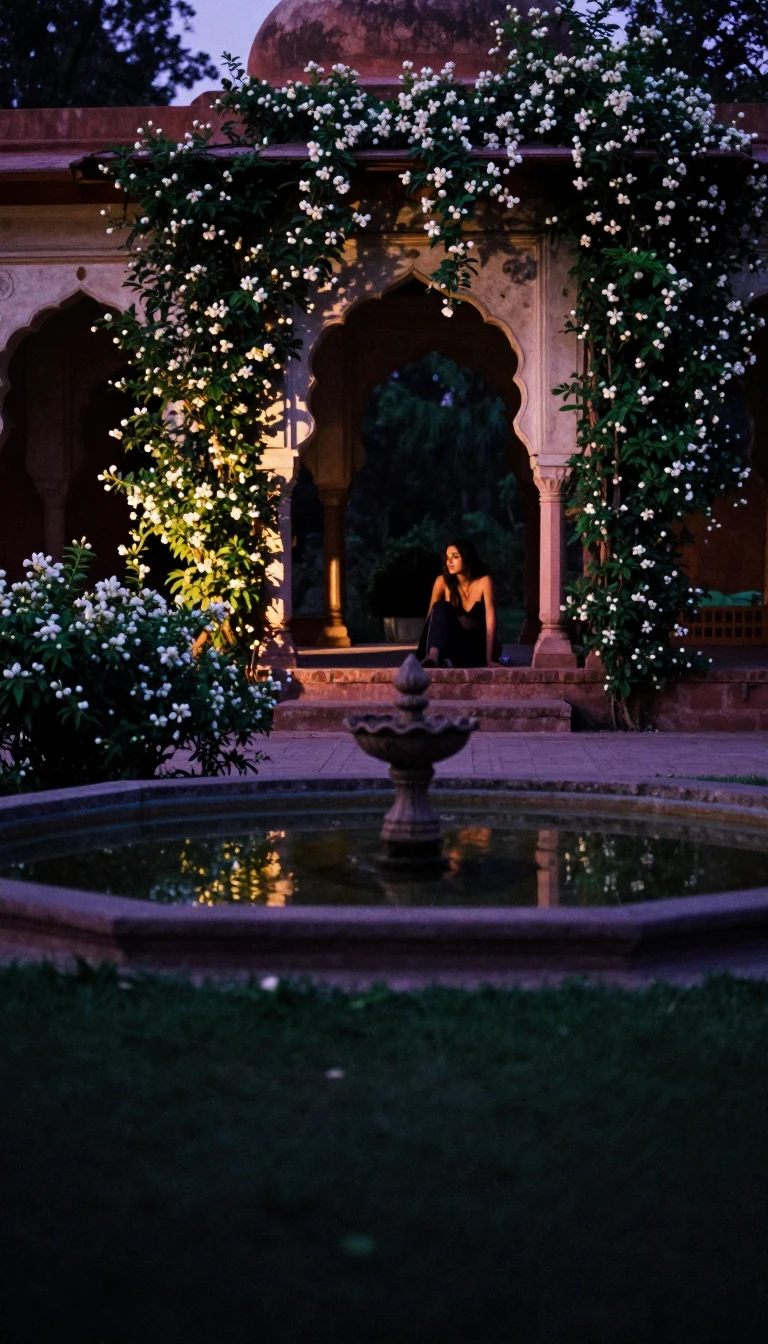 A Mughal fortress frozen in time by a father's superstitionIn 17th-century Bengal, the construction of an imperial masterpiece was halted not by war or lack of funds, but by a perceived omen. The Lalbagh Fort stands today as a haunting ar…
 The hidden history of Jamaica's third-largest ethnic groupAfter the end of slavery in 1830, the British sought a new labor force for Jamaican plantations. They turned to India, bringing over 36,000 indentured workers to the island. This …
 How a shift in sea lanes birthed the age of modern colonialismBefore 1500, European trade was a Mediterranean affair, dominated by Italian city-states like Venice. But as land routes to Asia became unstable and maritime technology evolved, t…
 The 1867 Paris Exposition: A high-tech preview of the modern worldBefore the 20th century even began, the 1867 Paris Exposition served as a staggering laboratory for the future. It showcased everything from the first national pavilions to revolu…
- The first princely state to join Pakistan in 1947While the partition of British India sparked chaos, one sovereign polity chose a different path. Bahawalpur didn't just join a new nation; it became its first official accession. …
 How a Roman estate became the cradle of modern JudaismAfter the destruction of the Second Temple, the survival of Jewish identity hung in the balance. The answer lay in a city that shifted from a private Roman imperial estate to a re…
 The industrial heart that forged a modern nation's backboneIn the 19th century, one Russian province transformed from a rural expanse into a titan of coal and steel. The Yekaterinoslav Governorate didn't just grow; it industrialized at a …
 The King who became the ancestor of almost every BritonEdward III was more than a medieval warrior; he was a genetic bottleneck. While his reign was defined by the brutal opening of the Hundred Years' War and the execution of his own …
- The 'Mother of Charcoal' and the rise of a regional commonwealthUmm al-Fahm was once a strategic hub defined by its surrounding forests and a unique 'bunched' settlement pattern. From a medieval Mamluk revenue source to the heart of a powerful…
 The first great European diaspora was not a modern phenomenonLong before the 20th-century waves of migration, Spain became one of Europe's earliest and largest emigrating populations. This massive dispersal began in the 15th century, fundam…
 The martyr king who was built by his son's propagandaSaint Erik is the face of Swedish royalty, but historical records of his life are almost non-existent. The man we imagine today—a pious, crusading saint—is largely a 13th-century …
 The Duke who built a canal to feed 839,000 peopleIn the late 1870s, the Madras Presidency faced a catastrophic famine affecting over 18 million people. Amidst this humanitarian crisis, the 3rd Duke of Buckingham and Chandos orch…
 From a small business school to a hotbed of student activismThe Polytechnic University of the Philippines (PUP) evolved from a modest 1904 business school into a massive state university with over 80,000 students. Its journey is marked by …
 The Armenian queen who secured the first crown of JerusalemIn a world of Frankish knights and Byzantine politics, Morphia of Melitene was a bridge between worlds. As the first woman crowned queen of Jerusalem, she didn't just hold a title…
 The Caliph’s trial: when an empire tried to legislate the nature of GodIn 833, the Abbasid Caliph al-Ma'mun launched the Mihna, a state-sponsored inquisition. He sought to force a specific theological doctrine upon the Islamic world, testing the loya…
- The prince who traded a crown for a palace of mirrorsMaximilian II Emanuel was a soldier-prince of such towering ambition that he nearly seized the Spanish throne. When his military dreams collapsed into a series of crushing defeats…
 The tragic 'Summer Queen' who died in her husband's armsIn 1537, a French princess arrived in Scotland to become queen. She was so frail that her father feared the northern climate would kill her. He was right. She survived only six mo…