 Intellect Plus
Astronomical objects
217 cards. Each one is a 40-second story with a five-minute read behind it. Page 2 of 4.
 Jupiter's atmosphere is a chaotic, fluid engine that lacks any solid ground to land on.Jupiter is not a solid world, but a vast, swirling tapestry of gas and liquid. Its atmosphere is a dynamic, high-pressure machine where jet streams move at hundreds of miles per h…
 Mars breathes in and out, shifting trillions of tons of gas every single year.The Martian atmosphere is a thin, carbon-dioxide-heavy shell that undergoes a dramatic seasonal transformation. As temperatures plummet at the poles, massive amounts of gas freeze…
 Pluto's atmosphere is a fleeting, seasonal phenomenon that may soon vanish into frost.As Pluto drifts further from the Sun on its 248-year orbit, its thin nitrogen atmosphere is beginning to collapse. Astronomers tracking the dwarf planet through stellar occultatio…
 Uranus is a frigid, sideways-spinning world where winds howl at 560 miles per hour.Uranus is an ice giant defined by extreme conditions, from its nearly 90-degree tilt to its methane-rich atmosphere. While it appears as a calm blue-green sphere, it hides a volat…
 Why Venus is a hellish twin with a sky that moves faster than its groundVenus possesses the most massive atmosphere of any terrestrial planet, creating a runaway greenhouse effect that pushes surface temperatures above the melting point of lead. While…
 The Beehive Cluster is a swarm of a thousand stars hiding in plain sight.Known since antiquity as a nebulous mist, the Beehive Cluster is one of the closest star clusters to Earth. While it appears as a faint blur to the naked eye, this celestial swarm…
 Hadar is a triple star system that guides navigators across the Southern HemisphereKnown as Hadar or Agena, this triple star system in the constellation Centaurus shines as the eleventh brightest star in our night sky. Beyond its visual brilliance, it serves as …
 Is the BOSS Great Wall truly the largest structure in the known universe?Astronomers have identified a colossal supercluster complex spanning one billion light years. Named after the survey that mapped it, this structure contains 830 galaxies and posse…
 In the Bullet Cluster, dark matter and ordinary gas have parted ways entirely.When two massive galaxy clusters collide, they don't just smash together like cars. Instead, their components behave differently. While hot gas slows down due to friction, dark ma…
 A cosmic bullseye, the Cartwheel Galaxy reveals the violent aftermath of a galactic collisionLocated 500 million light-years away, the Cartwheel Galaxy looks like a wagon wheel frozen in space. This rare ring structure is not a natural state but the aftermath of a high-sp…
 A cosmic monster hiding in plain sight reveals the secrets of stellar deathAstronomers recently combined data from NASA’s Chandra and Webb telescopes to demystify a strange structure within the Cassiopeia A supernova remnant. Known as the Green Monster, …
 What appears as a single star in Gemini is actually a complex sextuplet system.To the naked eye, Castor looks like a solitary, bright-white beacon in the constellation Gemini. Yet, this celestial twin is a master of disguise. Hidden within its light are six …
 The Cat's Eye Nebula is a complex fossil record of a dying star's final gasps.Deep in the constellation Draco lies NGC 6543, a planetary nebula that defies simple classification. Far from a uniform cloud, it displays a baffling array of concentric rings, hi…
- Centaurs are cosmic drifters caught between the icy Kuiper belt and the giant planets.Named for the mythological hybrids, Centaurs are small, unstable bodies that blur the line between asteroids and comets. They originate in the distant Kuiper belt but are nudged i…
- Is the Centaurus A/M83 Group one massive cosmic structure or two separate neighbors?Astronomers have long debated whether the Centaurus A and M83 galaxies belong to a single, unified group or two distinct systems. While they sit at different distances, their phys…
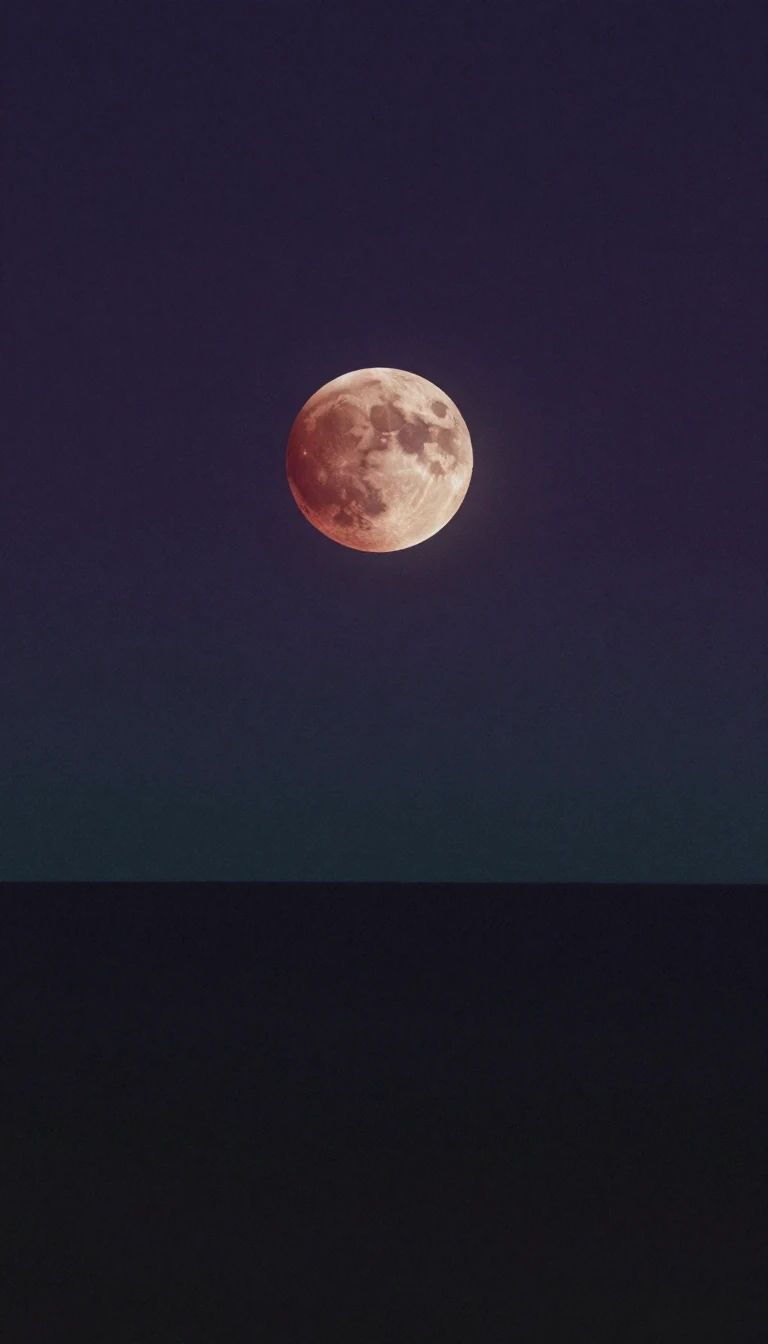 Why the Sun wears a hidden red veil visible only during total eclipsesThe Sun is surrounded by a mysterious, thin layer called the chromosphere. Normally invisible because the photosphere is too bright, this layer reveals its vibrant red hue only wh…
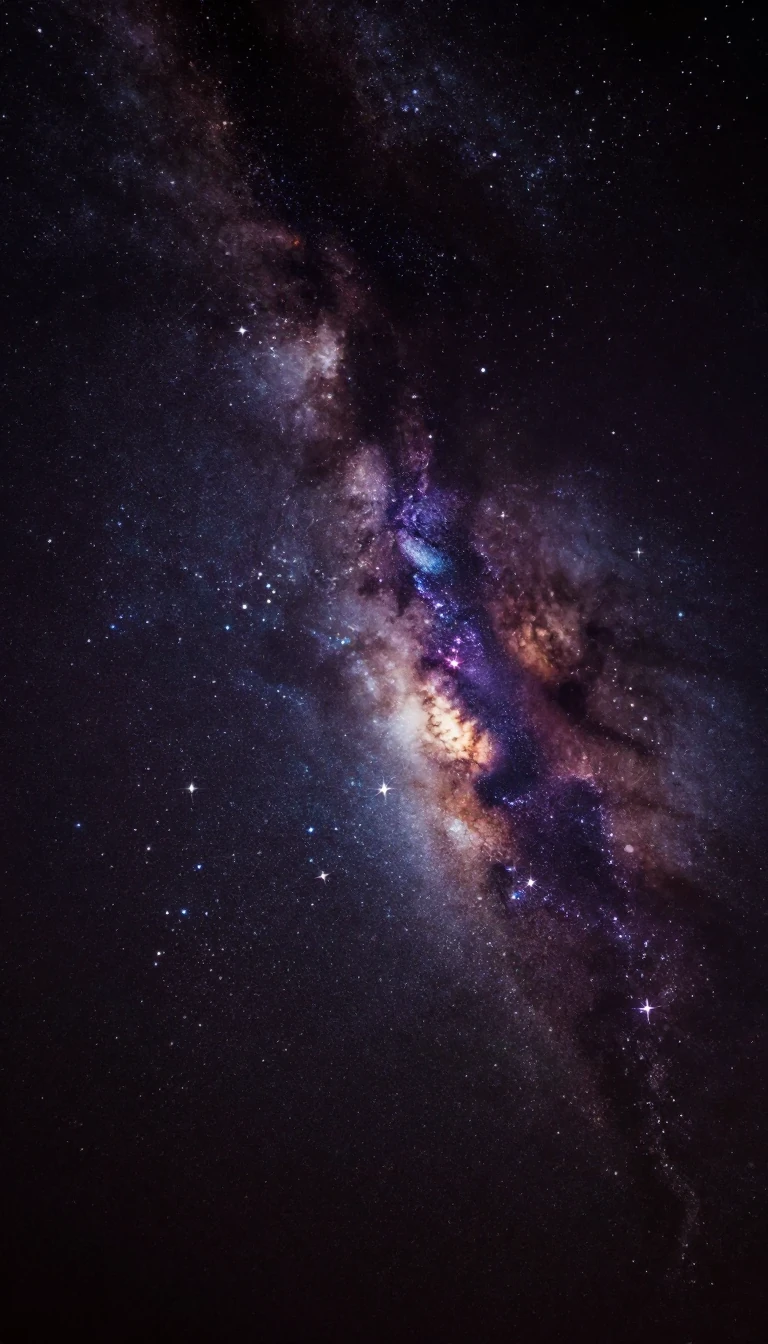 The Coalsack Nebula is a vast, starless void in the southern night sky.To the naked eye, the Coalsack Nebula appears as a striking, ink-black patch against the brilliant Milky Way. Far from being an empty hole in space, this dense cloud of interstell…
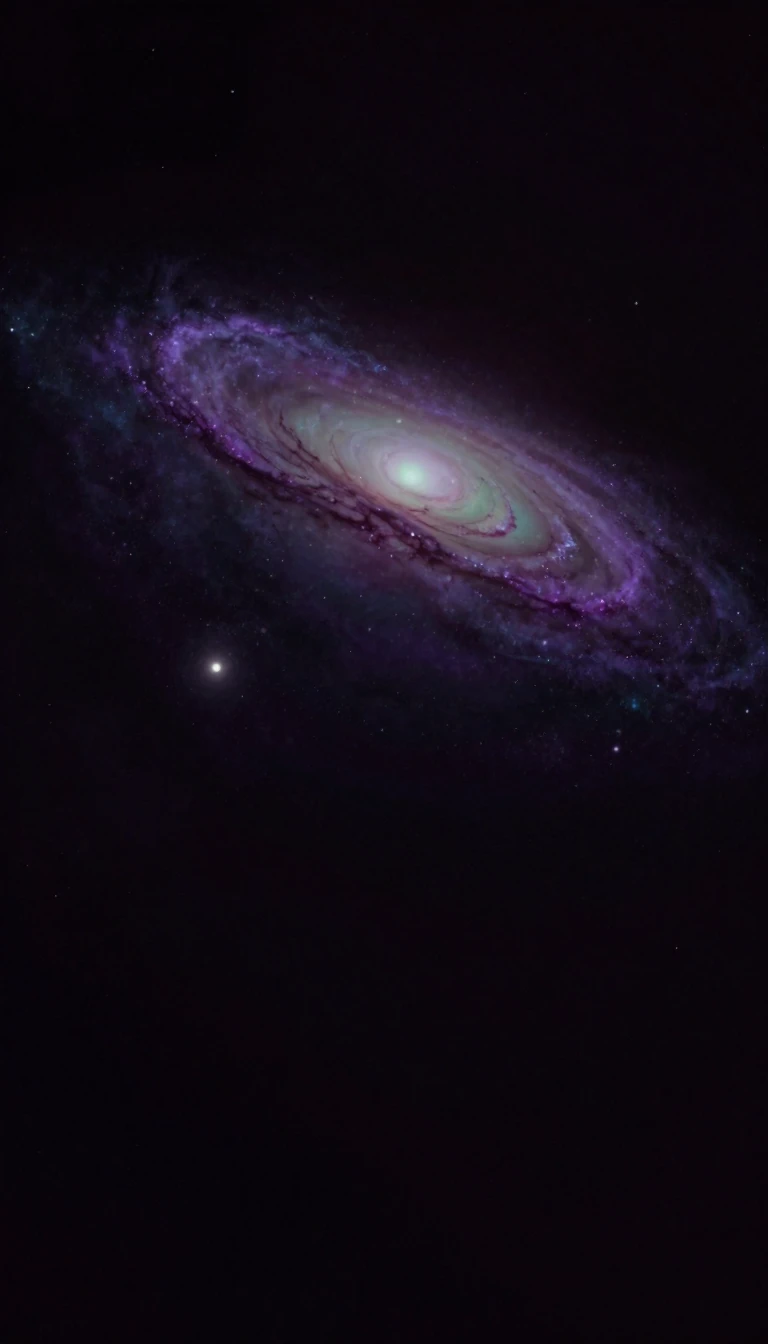 Why the massive Coma galaxy cluster holds a secret far heavier than its starsLocated 300 million light-years away, the Coma cluster is a colossal gathering of over 1,000 galaxies. Yet, its visible stars tell only a fraction of the story. By analyzing how t…
- When a comet turned into a string of pearls and smashed into JupiterIn 1994, the world watched as Comet Shoemaker-Levy 9, a celestial body shattered into 21 fragments, collided with Jupiter. This historic event marked the first time scientists pre…
 Can a single eruption from the Sun disable electrical grids across our entire planet?A coronal mass ejection is a massive eruption of magnetized plasma from the Sun that can trigger intense geomagnetic storms on Earth. These solar outbursts, which occur more frequ…
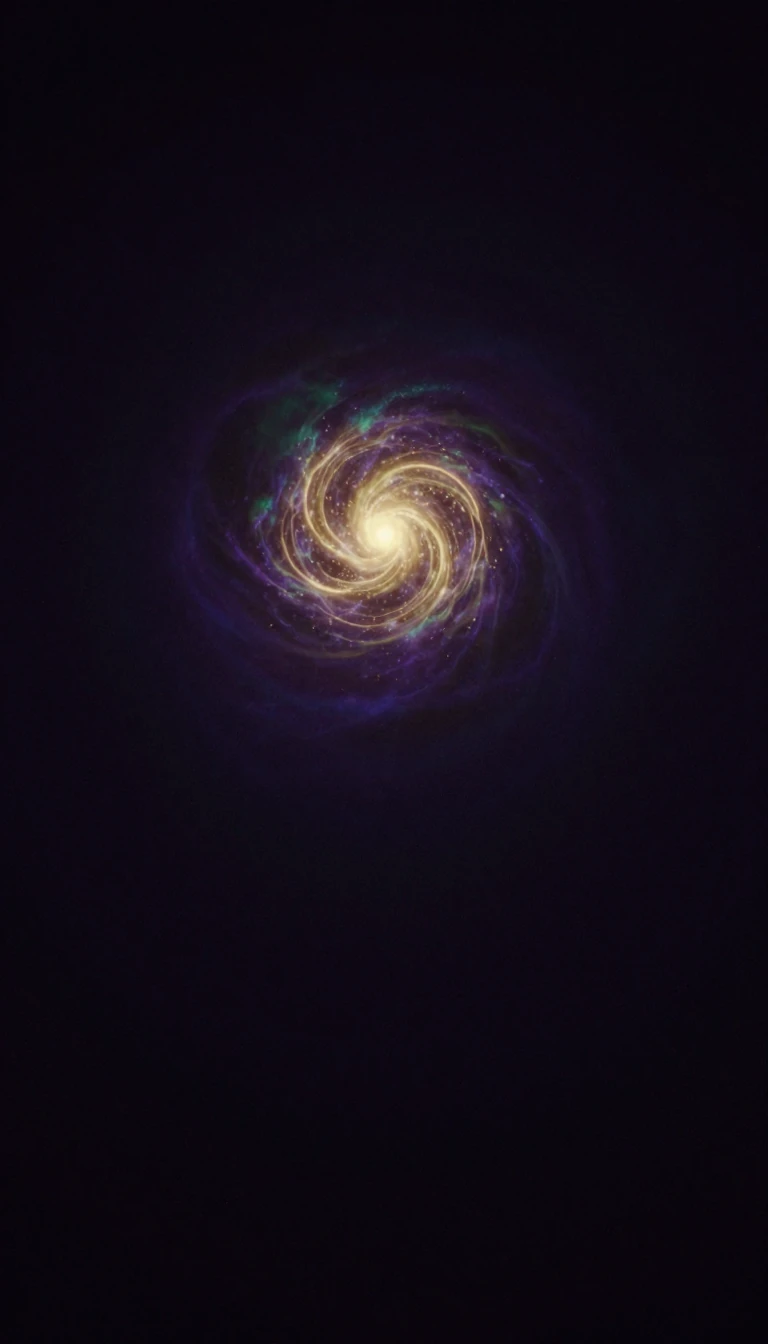 This dying star is a cosmic factory for the building blocks of lifeCW Leonis, the closest carbon star to Earth, is currently shedding its outer layers into space. These sooty, carbon-rich clouds are not just cosmic debris; they are the essential …
- Cygnus A is a cosmic powerhouse that carves massive holes in the intergalactic medium.Located 500 million light-years away, Cygnus A is one of the most intense radio sources in the universe. Beyond its brilliant radio lobes, this galaxy hides a supermassive black h…
- A twenty-thousand-year-old stellar explosion continues to race through space at breakneck speeds.The Cygnus Loop is a massive, bubble-shaped supernova remnant in the constellation Cygnus. Born from a star that detonated millennia ago, this nebula is still expanding into the s…
 A single, violent impact may have blanketed the Martian moon Deimos in dust.Deimos is a lumpy, ellipsoidal moon of Mars, famously smoother than its companion, Phobos. While scientists long debated the origin of the thick, fine-grained debris covering its …
- Deneb is a luminous blue supergiant that will eventually serve as our pole star.Deneb is the brightest star in Cygnus and a key vertex of the Summer Triangle. Despite its prominence, its exact distance from Earth remains a subject of intense scientific debate…
- Is Saturn's icy moon Dione hiding a vast, ancient ocean beneath its frozen crust?Dione is a world of contradictions. While its surface is a deep-frozen landscape of ancient craters and towering ice cliffs, scientists suspect a liquid ocean may churn miles bene…
- The first planetary nebula ever discovered might be a preview of our Sun's future.Spotted in 1764 by Charles Messier, the Dumbbell Nebula is a glowing, colorful display created by a dying star. Despite its name, it is not a planet; it is a complex cloud of gas …
- The dark, icy moon orbiting Eris hides a secret about its violent, lawless originsDiscovered in 2005, Dysnomia is the second-largest moon of any dwarf planet. While its parent body, Eris, is famously reflective, this moon is as dark as coal. Astronomers believe…
- The Moon glows with reflected sunlight from Earth, a phenomenon known as Earthshine.When the Moon appears as a thin crescent, you might notice the rest of its disk faintly illuminated. This is Earthshine: sunlight bouncing off Earth's clouds and oceans to light u…
 A cosmic perfume: How two stars left a permanent mark on our solar neighborhoodRoughly 4.4 million years ago, two massive stars named Epsilon and Beta Canis Majoris brushed past our sun. They were far brighter than any star in our sky today, emitting intense…
- A young, restless star nearby is hiding a complex planetary system in its dustJust 10.5 light-years away, Epsilon Eridani is a vibrant, orange-hued star that acts as a window into stellar youth. With a massive, swirling debris disc and a confirmed gas giant…
- Eta Carinae is a volatile binary stellar system that defies simple astronomical classification.Located 7,500 light-years away, Eta Carinae is the most massive and luminous stellar system in our neighborhood. It famously erupted twice in the 19th century, releasing as much l…
- The Moon's far side is not dark, but it is a rugged, cratered mystery.Often mislabeled as the dark side, the Moon's far side receives just as much sunlight as the side we see. It remains a starkly different world, defined by a battered, crater-heavy…
- Fomalhaut: The star that fooled astronomers into seeing a planet where none existedFomalhaut, the 18th brightest star in our night sky, is a celestial landmark 25 light-years away. For years, it was famous for hosting a planet visible to the naked eye. Recent an…
- The Fornax Cluster reveals how galaxies evolve through violent cosmic mergers and star formationLocated 62 million light-years away, the Fornax Cluster is a cosmic laboratory for galactic evolution. While its center is dominated by the ancient, blue light of the spheroidal g…
- The celestial whip of Cassiopeia hides a violent secret in its spinning diskGamma Cassiopeiae is the anchor of a famous W-shaped constellation, but it is far more than a static light. This massive, rapidly spinning star ejects a glowing disk of gas, creat…
 A faint, glowing patch in the night sky reveals the solar system's dusty history.Look directly opposite the Sun on a dark, moonless night, and you might spot the gegenschein. This elusive, oval glow is not a celestial object, but a trick of light caused by sun…
- How do we date a planet when we cannot touch its rocks?Without physical samples for radiometric dating, planetary scientists rely on crater counting to reconstruct the history of Mars. By analyzing the density of impact scars across t…
- Is the Red Planet actually a graveyard of ancient, water-carved geological secrets?Mars is far more than a dusty desert. Recent data from the Perseverance rover and global mapping efforts reveal a complex, dynamic history. From ancient river deltas to subsurface…
- Mercury is a shrinking, iron-rich world hiding ice in its deepest, darkest cratersMercury is far more than a cratered twin of our Moon. Beneath its scarred exterior lies a massive iron core and evidence of ancient, explosive volcanism. Despite its proximity to …
- The Moon is a complex, layered world with a history written in its crust.Far from a static, silent rock, the Moon is a geologically active body with a mysterious internal structure. From its ancient, floating crust to the dark, volcanic plains of its m…
- Venus is a volcanic world that lacks plate tectonics but hides a violent past.Despite being Earth's twin in size and density, Venus is a geological outlier. It lacks a magnetic field and the shifting tectonic plates that define our home. Instead, its surfac…
- Did a violent collision with a rogue planet 4.5 billion years ago create our Moon?The Moon may be the debris of a cosmic catastrophe. About 4.5 billion years ago, a Mars-sized protoplanet named Theia collided with Earth, shattering both bodies. This violent imp…
 Are we living in the celestial boondocks of a massive cosmic void?Astronomers suggest the Milky Way resides within the KBC Void, a colossal, low-density region spanning roughly one billion light-years. This structure might explain persistent dis…
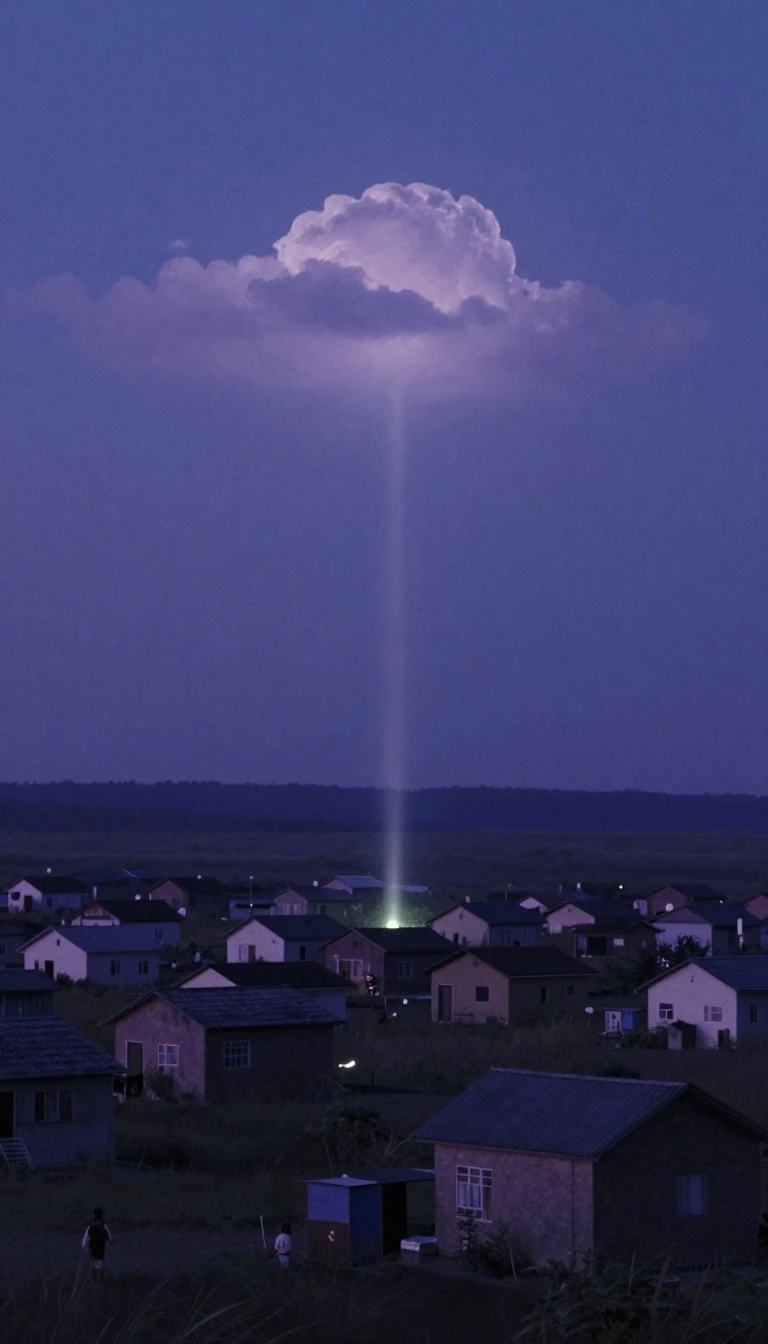 Is the famous water world Gliese 581d a real planet or just stellar noise?Discovered in 2007, Gliese 581d was hailed as the first serious candidate for a habitable super-Earth. Scientists believed its stable atmosphere could support liquid water, making…
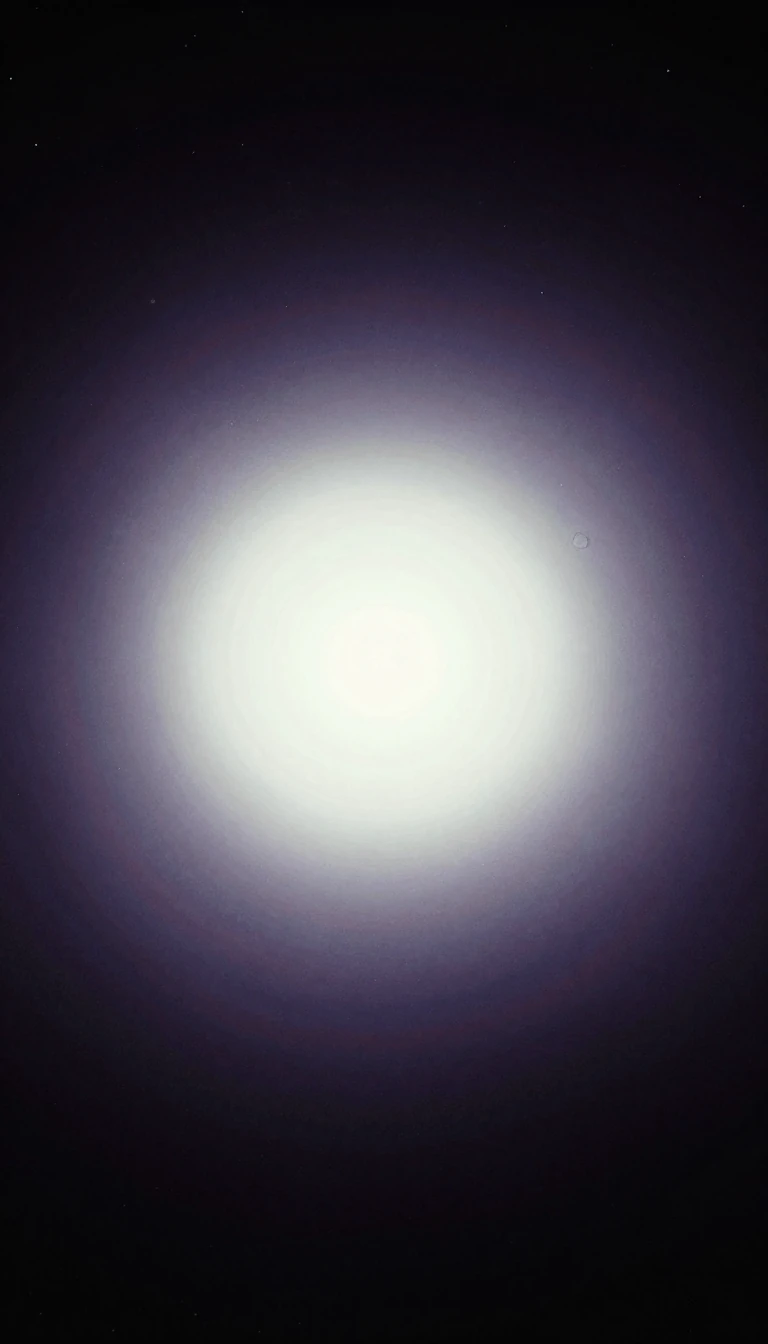 Why the third largest dwarf planet in our solar system rotates so slowlyDeep in the Kuiper Belt, the dwarf planet Gonggong spins at a sluggish pace that baffled astronomers. While most objects in this icy region complete a rotation in under 24 hours, …
- Neptune's giant storms are not permanent fixtures like the famous Great Red SpotWhen Voyager 2 first flew past Neptune in 1989, it captured images of massive, Earth-sized storms swirling in the planet's southern hemisphere. Yet, just five years later, these f…
- Why this football-shaped dwarf planet spins faster than anything else its sizeHaumea is a bizarre, icy world in the Kuiper Belt that defies standard planetary expectations. It rotates on its axis every four hours, causing it to bulge into the shape of a def…
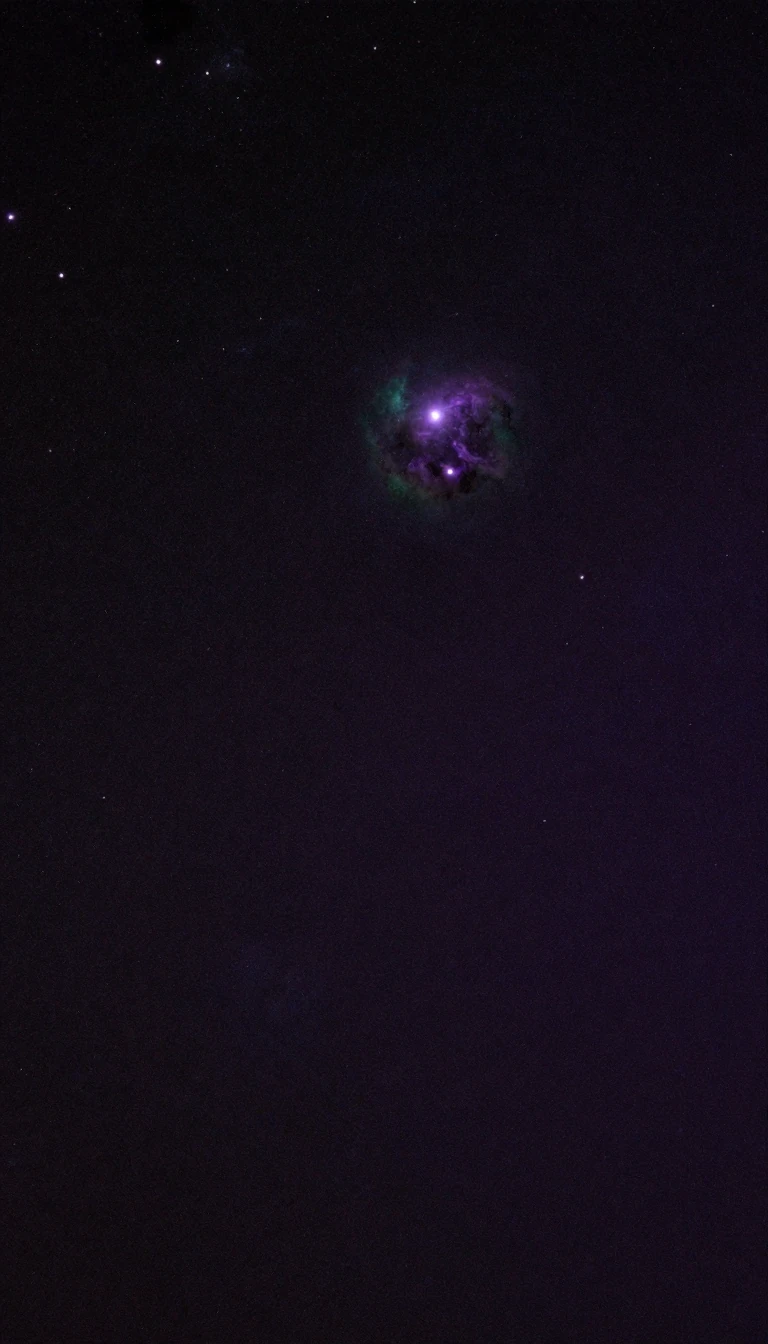 HD 209458 b: The evaporating hot Jupiter that redefined our view of exoplanetsKnown informally as Osiris, this gas giant orbits its star in just 3.5 days. It was the first exoplanet ever observed transiting its host, the first to have its atmosphere measure…
- The Sun creates a massive, protective bubble that shields our solar system from deep space.The Sun is more than a light source; it is an engine that inflates a vast magnetic bubble called the heliosphere. This invisible shield permeates our solar system, acting as a bar…
- The Solar System may hide a massive, invisible reservoir of trillions of cometsAstronomers suspect a dense inner region, the Hills cloud, sits between the Kuiper belt and the outer Oort cloud. This theoretical disc could contain up to 200 trillion comets, ac…
 Is the largest structure in the universe actually just a cosmic mirage?The Huge Large Quasar Group, or Huge-LQG, was once hailed as the most massive structure in the observable universe. Spanning four billion light-years, it seemed to defy the fundam…
 Saturn's two-faced moon Iapetus hides a massive mountain range around its equatorIapetus is a celestial yin and yang, featuring one hemisphere as dark as coal and another bright as ice. This distant moon, discovered in 1671, possesses a mysterious equatorial r…
- Is IC 1101 the largest galaxy in the universe, or just a cosmic illusion?Located 1.15 billion light-years away, IC 1101 is a supergiant galaxy at the heart of the Abell 2029 cluster. While often cited as the largest known galaxy, its true scale remains…
- Hidden behind our galaxy's dust, a massive cosmic mystery remains largely obscured from view.The IC 342/Maffei Group sits right next to our own cosmic neighborhood, yet it remains one of the most elusive structures in the sky. Obscured by the dense dust of the Milky Way, …
- The Moon is a differentiated world with a structure like a chocolate-dipped cherryFar from being a static rock, the Moon is a layered body with a complex interior. Like Earth, it features a crust, mantle, and core, but its composition and history remain a scien…
- Jupiter’s Trojan asteroids are ancient, stable remnants of our solar system’s earliest days.Trapped in gravitational balance 60 degrees ahead of and behind Jupiter, thousands of asteroids orbit the Sun in tandem with the gas giant. These primitive bodies, known as Trojan…
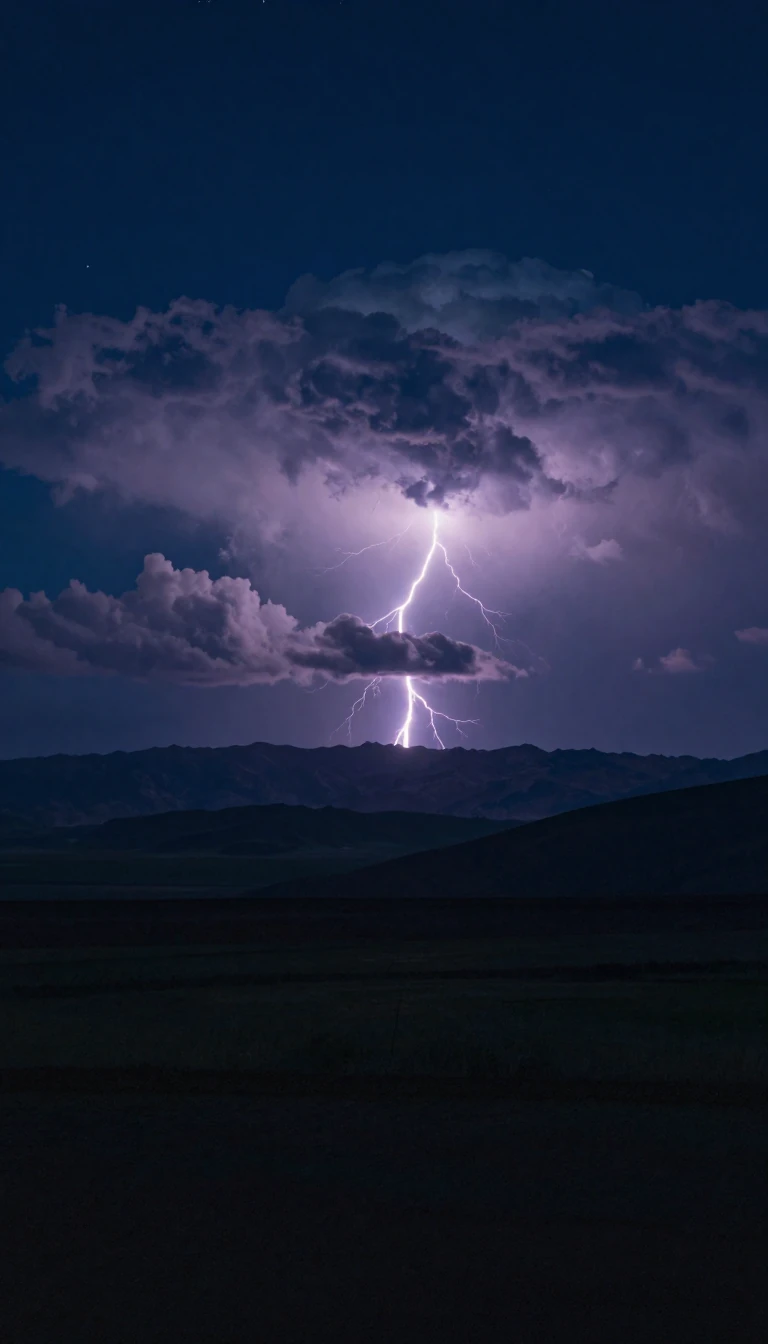 Lightning may crackle through the skies of the distant exoplanet K2-18bRecent simulations suggest that the atmosphere of K2-18b is surprisingly prone to lightning. By applying plasma physics to data from the James Webb Space Telescope, researchers fo…
- Kepler-186f is the first Earth-sized world discovered within its star's habitable zoneDiscovered in 2014, Kepler-186f orbits a red dwarf star about 500 light-years away. While its size is comparable to our home planet, its environment remains a mystery. It sits at …
- Is Kepler-22b a watery sanctuary or a gaseous, uninhabitable super-Earth?Discovered in 2011, Kepler-22b was the first transiting planet found within the habitable zone of a Sun-like star. Located 640 light-years away, this super-Earth remains an enigma…