 Intellect Plus
Astronomical objects
217 cards. Each one is a 40-second story with a five-minute read behind it. Page 3 of 4.
 Could this distant super-Earth be more habitable than our own home planet?Located 1,196 light-years away, Kepler-442b is a rocky super-Earth orbiting within its star's habitable zone. With a mass 2.36 times that of Earth, it sits on the edge of being a …
- Is this distant super-Earth an older, larger version of our own home planet?NASA has identified Kepler-452b, a world orbiting a sun-like star that shares striking similarities with Earth. Located 1,400 light-years away, this super-Earth resides in its sta…
 In 1604, a star exploded in our galaxy, forever changing how we view space.When a new star appeared in the constellation Ophiuchus in 1604, it outshone Jupiter and remained visible during the day for weeks. While contemporaries like Johannes Kepler thoug…
 The Kreutz sungrazers are a family of comets destined to perish near the Sun.These celestial wanderers originate from the distant Oort cloud, embarking on a journey that ends in a fiery, close-range encounter with our star. While most are small fragments t…
 Why this massive star is invisible despite being two million times brighter than our SunLocated 28,000 light-years away, LBV 1806−20 is one of the most luminous stars in the Milky Way. Yet, it remains completely hidden from our view at visual wavelengths. A dense shr…
 Has the Perseverance rover finally uncovered evidence of ancient microbial life on Mars?The Perseverance rover has discovered intriguing mineral structures within Jezero Crater that mirror by-products of microbial life on Earth. While these iron-rich nodules suggest …
- Our solar system is currently drifting through a massive, empty cosmic crime scene.For millions of years, our sun has been traveling through the Local Bubble, a vast, low-density cavity in space. This region was carved out by a violent series of supernovas. We o…
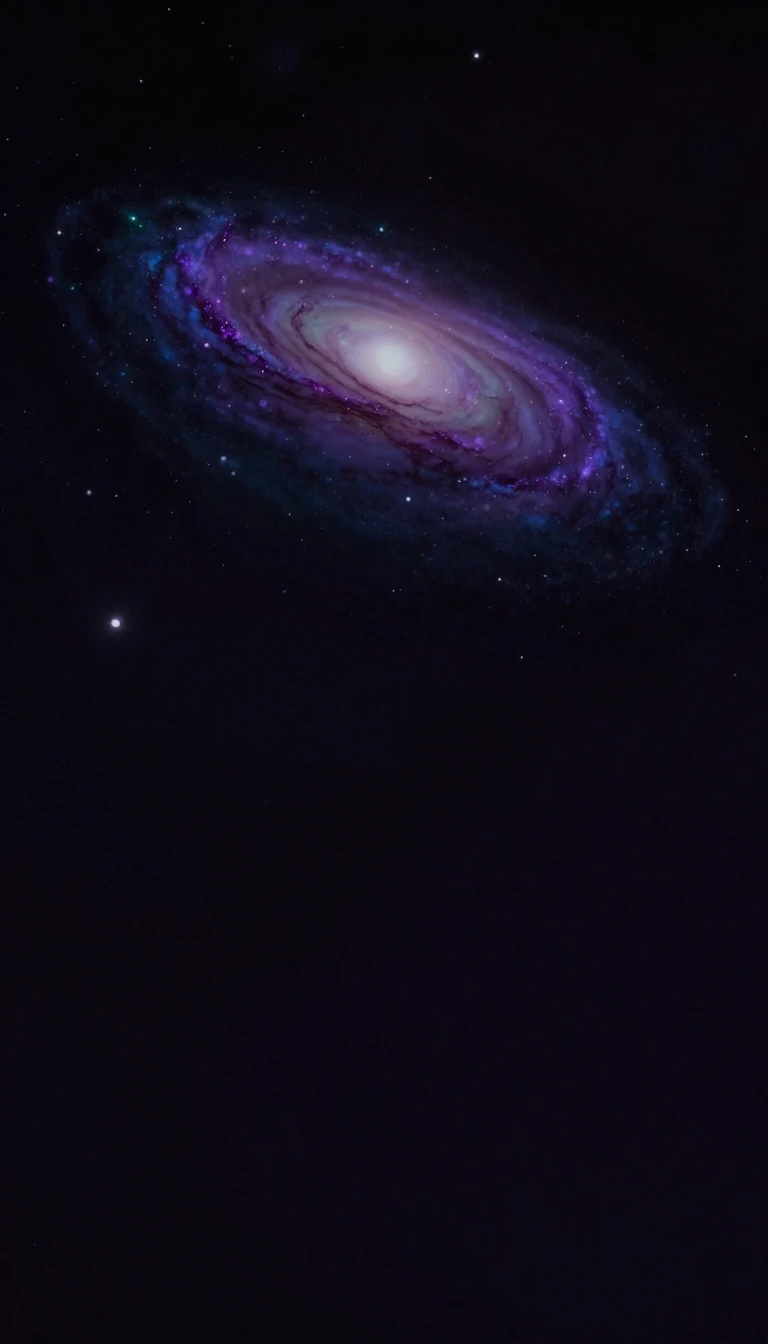 Is the Milky Way drifting through a massive, empty bubble in the cosmos?Astronomers have proposed that our galaxy resides within the Local Hole, an immense, nearly empty region of space spanning two billion light-years. This controversial void might e…
- Our Solar System is currently drifting through a mysterious, magnetized cloud of interstellar gas.We are sailing through the Local Interstellar Cloud, a 30-light-year-wide region of space that our Sun entered roughly 10,000 years ago. While it sounds dense, this cloud is actua…
- Our cosmic neighborhood is a thin, flat wall of galaxies called the Local SheetWe live in a vast, flat structure known as the Local Sheet, a galaxy filament that defines our immediate cosmic surroundings. Spanning millions of light-years, this region acts as…
- A massive, empty abyss sits right next to our own cosmic neighborhood.Our galaxy resides on the edge of a colossal, near-empty expanse known as the Local Void. While the universe is typically defined by matter clumping into clusters, this region def…
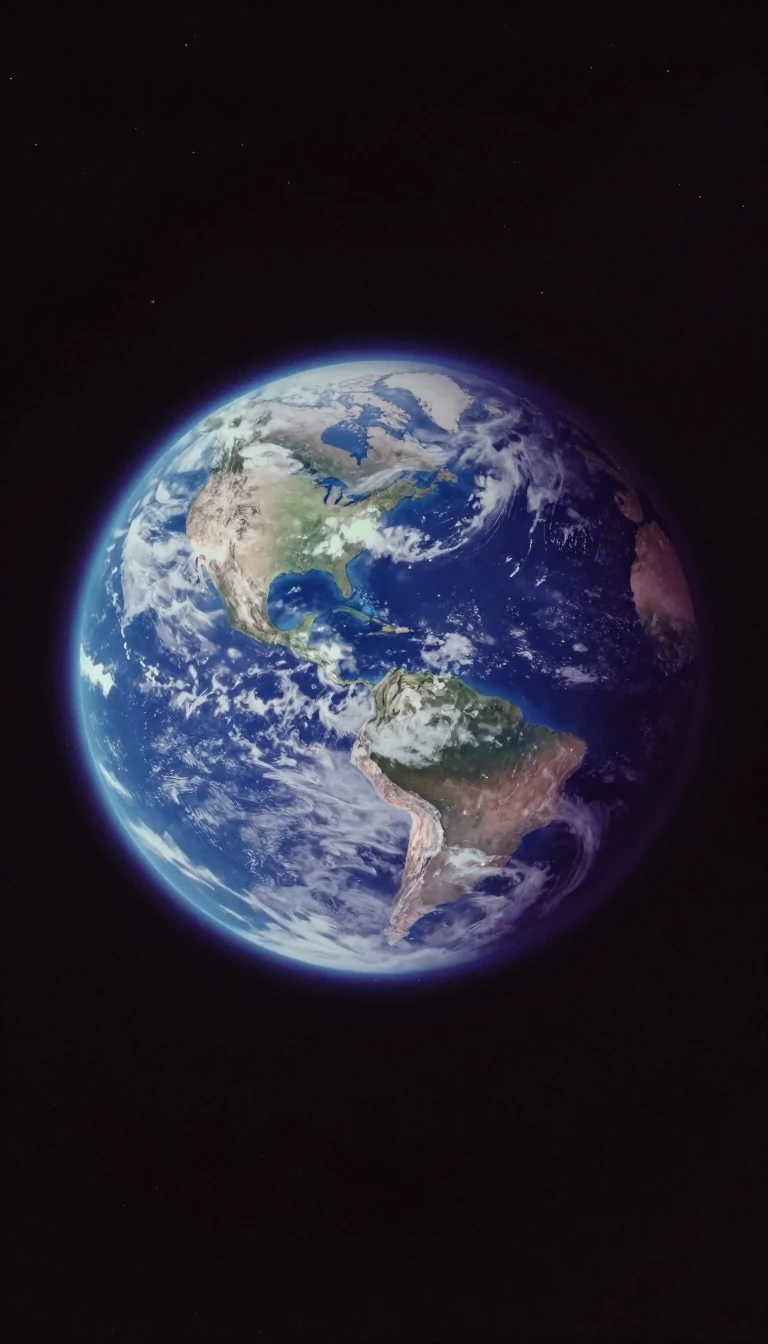 Why Earth is the only planet in our solar system without a mythological nameWhile every other planet in our neighborhood bears the title of a Greek or Roman deity, Earth stands alone. Its name is a simple, thousand-year-old Germanic term for the ground be…
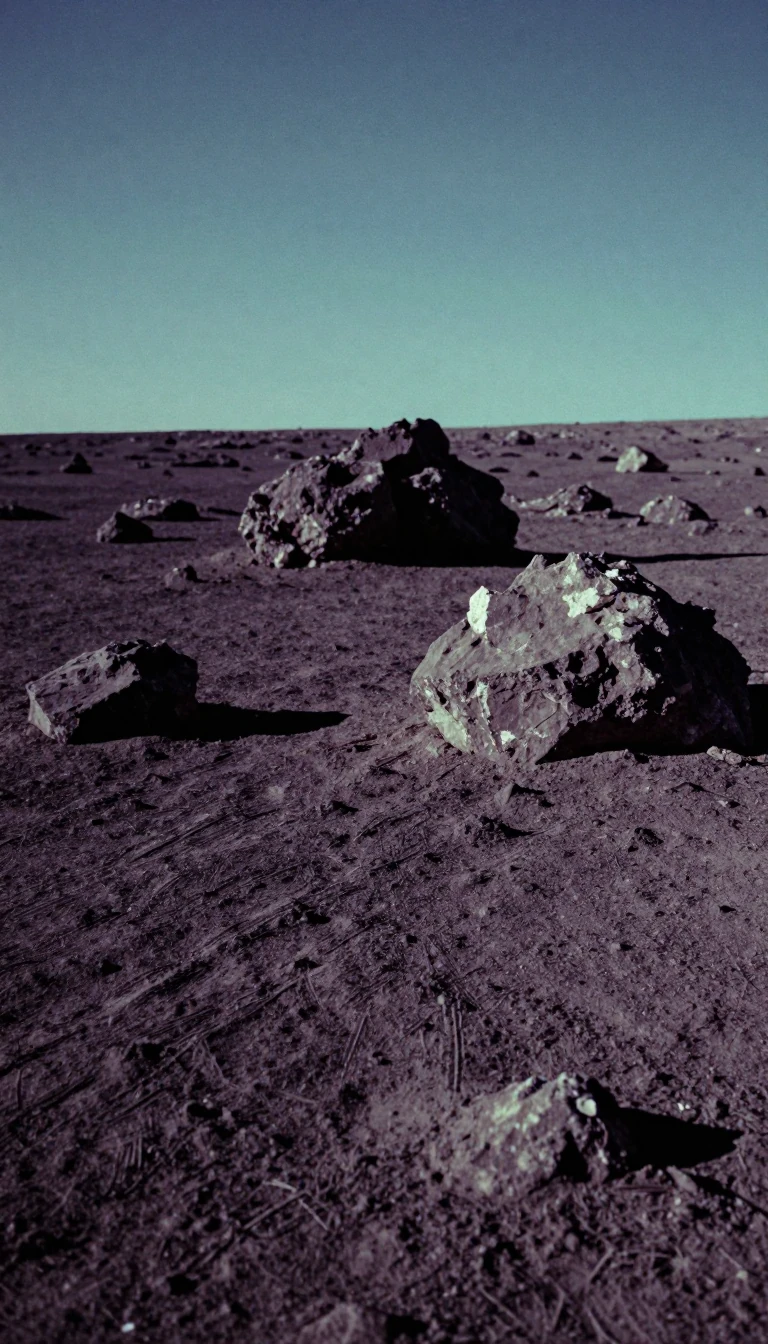 The Moon's South Pole is a landscape of extreme light and eternal, freezing shadow.The lunar South Pole is a rugged, cratered frontier where the Sun barely rises above the horizon. This creates a bizarre environment: some peaks enjoy nearly constant sunlight for…
- The Magellanic Clouds are two satellite galaxies dancing around our own Milky Way.Visible to the naked eye from the Southern Hemisphere, the Large and Small Magellanic Clouds appear as detached fragments of the Milky Way. These irregular dwarf galaxies are not …
 Saturn is a giant magnetic bubble, but its true rotation remains a persistent mystery.Saturn is encased in a massive, invisible magnetic shield that deflects solar winds and shapes the space environment around it. While Cassini revealed how the moon Enceladus fuels…
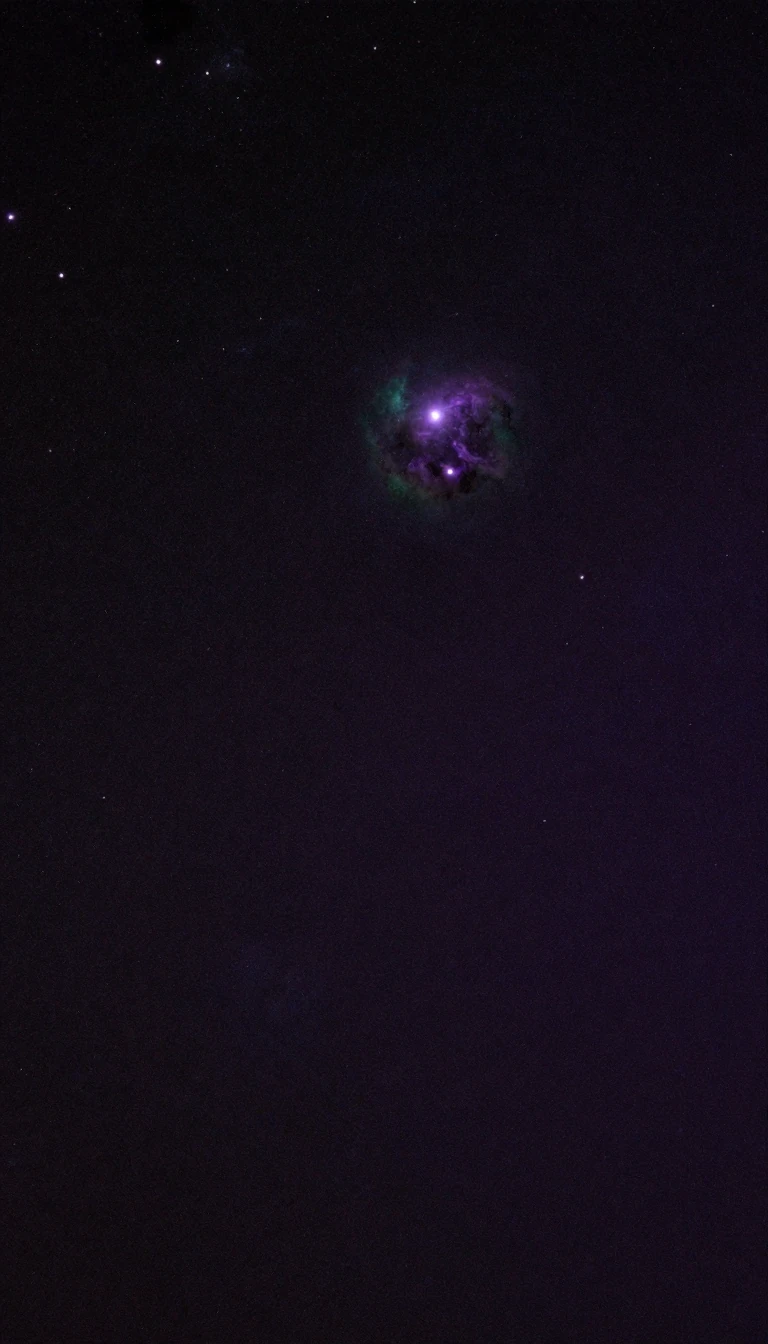 A distant blazar's jet reveals a hidden, spiraling magnetic field structureMarkarian 421, a blazar located 400 million light-years away, has long fascinated astronomers. Recent data from NASA’s IXPE satellite captured a shockwave moving through its jet, …
 Markarian 501: A violent galactic engine firing high-energy plasma directly at our planetDeep in the constellation Hercules, an elliptical galaxy known as Markarian 501 acts as a cosmic lighthouse. As a blazar, it hosts a supermassive black hole that launches a relati…
 Mars is losing its northern ice cap through constant, massive, and widespread ice avalanches.For years, scientists believed the Martian north polar ice cap eroded primarily through slow sublimation. New high-resolution imagery reveals a more violent reality: the ice is ac…
 Why this spiral galaxy hides a pair of ghostly, gas-filled armsMost spiral galaxies display a single pair of elegant, star-studded arms. Messier 106 defies this convention, sporting an additional set of mysterious, red wisps. These anomalous …
 Inside the Hercules Cluster, stars are so crowded they occasionally collide and create new ones.Messier 13 is a glittering metropolis of over 100,000 stars packed into a space 25,000 light-years away. In this dense stellar environment, stars are forced into such close proxim…
 Why this dense swarm of stars hides a rare intermediate-mass black holeMessier 15 is one of the densest globular clusters ever discovered, packing over 100,000 stars into a tight, ancient swarm. Located 33,600 light-years away in the constellation Pe…
- Messier 22 is a cosmic time capsule hiding black holes and rogue planetary drifters.Discovered in 1665, Messier 22 remains one of the most intriguing globular clusters in our galaxy. Located 10,000 light-years away, this dense stellar collection defies expectatio…
- Messier 49 is a massive, featureless galaxy hiding a giant black hole at its core.Located 60 million light-years away in the Virgo constellation, Messier 49 is a giant elliptical galaxy containing 200 billion stars. Unlike the structured spiral arms of our own …
- Ptolemy’s ancient nebula is actually a massive, sprawling star cluster in the southern skyKnown since antiquity, Messier 7 is a brilliant open cluster near the stinger of Scorpius. While early observers mistook this collection of stars for a simple nebula, modern astro…
- Is the Squid Galaxy hiding a monster at its heart?Messier 77, a barred spiral galaxy in the constellation Cetus, is far more than its elegant, swirling arms. Beneath its dusty exterior lies an intensely active galactic nucleus po…
- Messier 81: A Galactic Giant With a Massive Black Hole at Its CoreLocated 11.6 million light-years away in Ursa Major, Messier 81 is one of the brightest spiral galaxies in our night sky. Beyond its stunning spiral arms, this celestial neighbor …
 The Cigar Galaxy is currently undergoing a violent, self-limiting burst of star creationLocated 12 million light-years away, Messier 82 is a starburst galaxy where new stars are born ten times faster than in the Milky Way. This intense activity is fueled by gravitati…
- The Southern Pinwheel is a stellar nursery hiding nearly three hundred supernova remnantsLocated 15 million light-years away, the Southern Pinwheel galaxy is one of the brightest spiral galaxies visible from Earth. Beyond its striking appearance, this massive structur…
- Is Saturn’s smallest major moon a frozen relic or a hidden ocean world?Mimas looks like a scarred, icy relic of the early solar system, famously resembling the Death Star. Yet beneath its cratered, frozen exterior lies a surprising secret: a liquid w…
 Mimosa is a massive, blue-white star destined to end in a brilliant supernova explosion.Known as Beta Crucis, this triple star system is a cornerstone of the Southern Cross. While it appears as a single point of light to the naked eye, it is a complex, evolving engin…
 Mira is a dying star that leaves a thirteen light-year trail of cosmic debrisMira is not just a pulsating red giant; it is a high-speed traveler shedding its own substance across the galaxy. As this six-billion-year-old star hurtles through space, it leave…
- Miranda is a celestial Frankenstein, pieced together from mismatched geological terrains.Uranus's smallest major moon looks like a moth-eaten coat stitched from disparate parts. With canyons 12 times deeper than the Grand Canyon and a surface of chaotic ridges, Mirand…
 A violent ancient collision likely birthed the two moons orbiting the dwarf planet Haumea.Haumea is a rapidly spinning, football-shaped dwarf planet located in the distant Kuiper Belt. Beyond its strange shape, it hosts two moons, Hi'iaka and Namaka. Astronomers believ…
- Are the moons of Mars captured asteroids or fragments of a shattered ancient world?Mars hosts two tiny, enigmatic moons: Phobos and Deimos. Discovered in 1877, these lumpy satellites defy simple classification. While some scientists argue they are captured aster…
- Neptune’s largest moon is a cosmic intruder that may one day destroy itself.Neptune hosts 16 known moons, but the giant Triton stands apart. Unlike the planet's other satellites, Triton orbits in the opposite direction of Neptune’s rotation, suggesting it…
 Pluto's five moons dance in a complex, chaotic, and tightly packed orbital system.Pluto is not a lonely wanderer. It hosts five distinct moons, including the massive Charon, which is so large that the two bodies are effectively a binary system. From chaotic, tu…
- Saturn holds the solar system's record for the most confirmed moons in orbit.With 274 known moons as of 2025, Saturn dominates the planetary neighborhood. These satellites range from the massive, atmosphere-shrouded Titan to tiny, icy fragments no larger t…
 Are we truly in danger from the thousands of rocks orbiting our home planet?Near-Earth objects are small solar system bodies that occasionally cross our path. While media storms often amplify the fear of a catastrophic impact, scientists use sophisticated…
 Why the Moon shows us only one face and hides its scarred backThe Moon is tidally locked to Earth, meaning it rotates on its axis at the exact same rate it orbits our planet. This cosmic synchronization keeps the same lunar hemisphere perman…
- A massive black hole is throwing away more matter than it actually consumesDeep within the constellation Boötes, the galaxy NGC 5548 hides a violent secret. At its center, a supermassive black hole weighing 65 million suns pulls in surrounding material, …
- The Butterfly Nebula hides a blazing stellar engine behind a massive wall of dust.Located 3400 light-years away, the Butterfly Nebula is a masterpiece of cosmic architecture. While its wings span light-years, its heart remained a mystery for years. A dense, dou…
 Why the Fireworks Galaxy is the most explosive neighbor in our cosmic backyardNGC 6946, known as the Fireworks Galaxy, has earned its explosive reputation by producing ten observed supernovae since 1917. This mid-sized spiral galaxy, located on the border o…
- A dying star is shedding its layers to create a stunning, jewel-like cosmic display.Located 3,000 light-years away, NGC 7027 is a planetary nebula that resembles a colorful jewel bug. This diffuse region of gas and dust is the result of a dying star violently she…
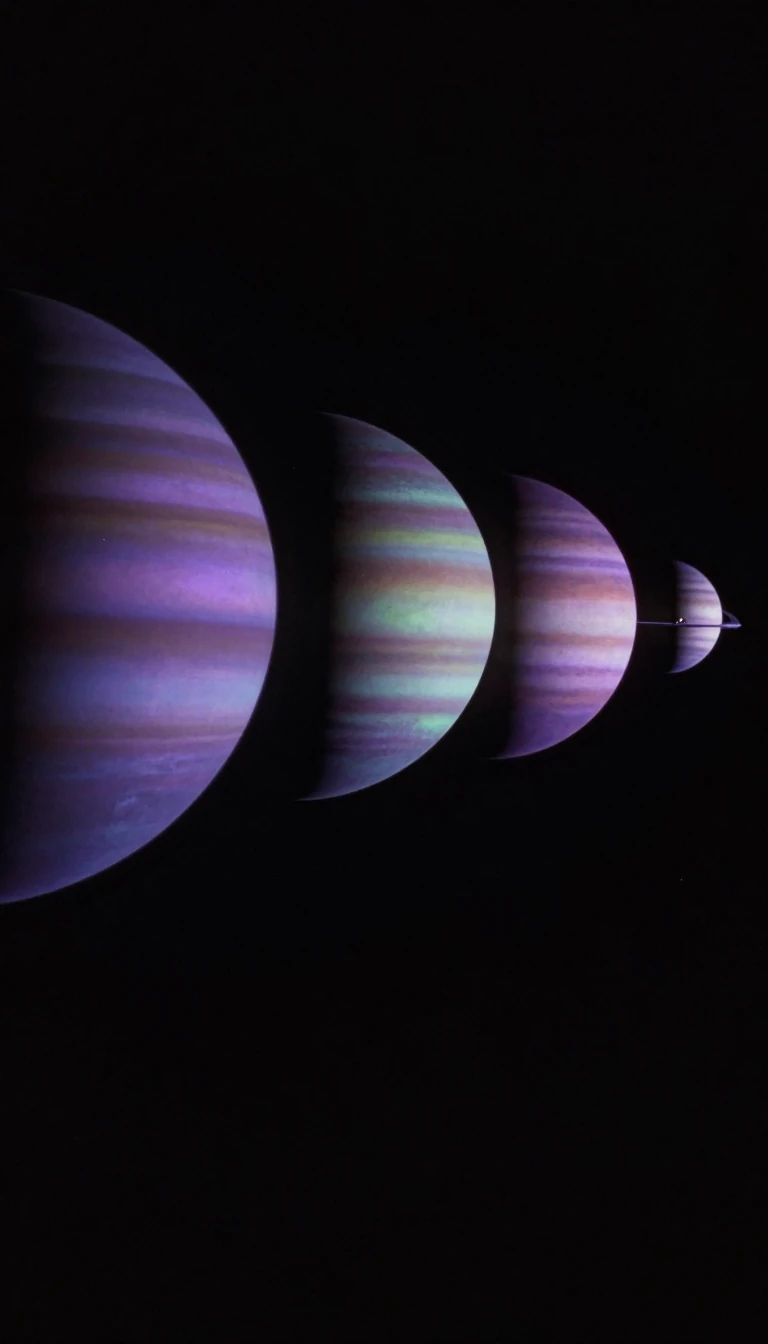 Did a chaotic planetary migration reshape our solar system billions of years ago?The Nice model suggests the giant planets did not always orbit where they do today. Originally packed into a tight, stable configuration, these worlds eventually underwent a viole…
 Oberon, the outermost major moon of Uranus, remains a scarred relic of ancient impacts.Discovered in 1787, Oberon is the second-largest moon of Uranus and its most heavily cratered satellite. This distant world, named after the king of the fairies in Shakespeare's A…
- Why astronomers once suspected the Omega Nebula was changing its shape before our eyesLocated 5,000 to 6,000 light-years away, the Omega Nebula is a massive star-forming region in Sagittarius. In the 19th century, observers like John Herschel noted discrepancies in…
- Why astronomers call the distant dwarf planet Orcus the anti-PlutoDeep in the Kuiper belt, the dwarf planet Orcus mirrors Pluto in a cosmic dance. Locked in a 2:3 orbital resonance with Neptune, it follows a path that keeps it in the opposite ph…
- Our Moon was born from a violent, planet-sized collision billions of years ago.Earth’s Moon is not a captured wanderer or a twin formed in tandem. Instead, it is a product of destruction. Roughly 4.5 billion years ago, a massive impact between Earth and a Ma…
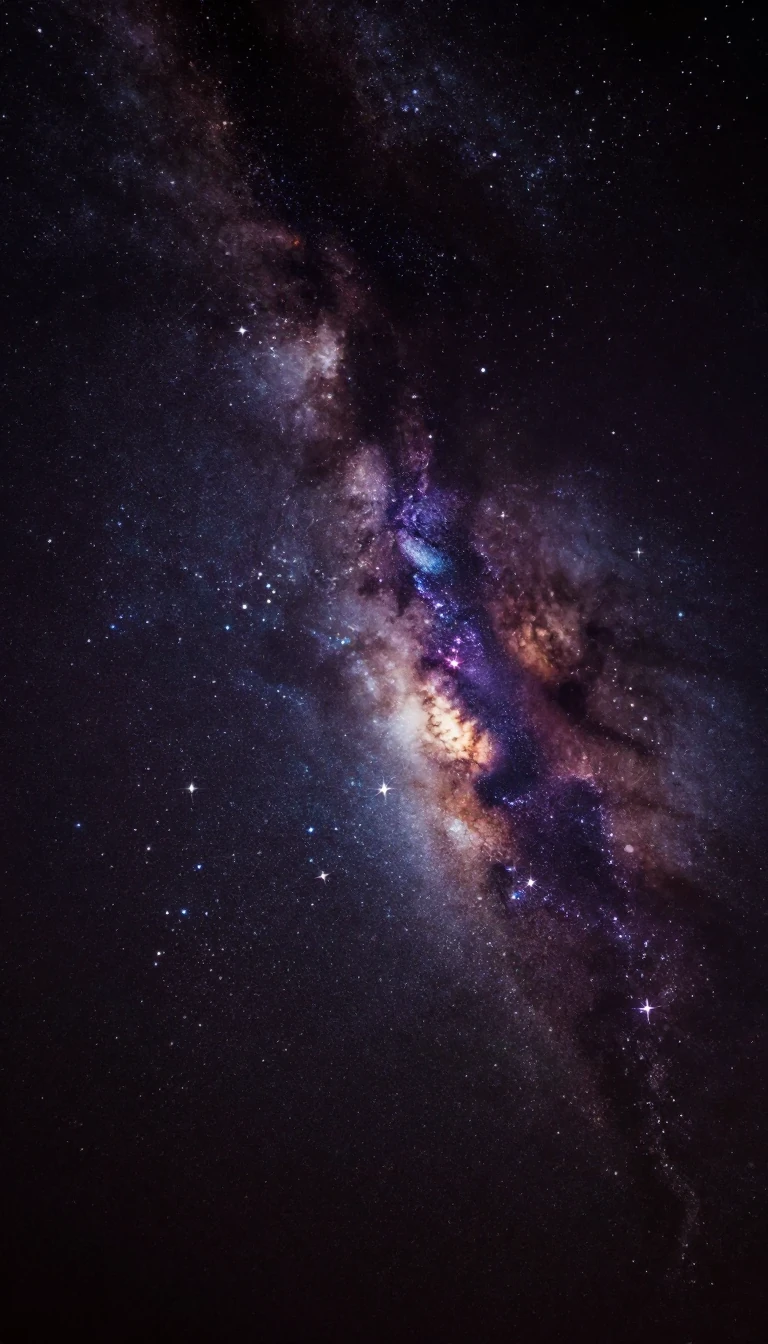 Our home in the galaxy is far more significant than astronomers once assumed.We live inside the Orion Arm, a structure long dismissed as a minor galactic spur. Recent data suggests this region is actually a substantial feature of the Milky Way, rivaling ma…
- The Milky Way's massive Perseus Arm is closer to Earth than we once believedFor years, astronomers assumed the Perseus Arm sat 13,000 light-years away. Recent data has radically revised that figure, placing this major galactic structure at just 6,400 ligh…
 The Perseus Cluster is a massive cosmic laboratory revealing the secrets of dark matterLocated 240 million light-years away, the Perseus Cluster is one of the most massive structures in the universe. It contains thousands of galaxies swimming in a vast cloud of supe…
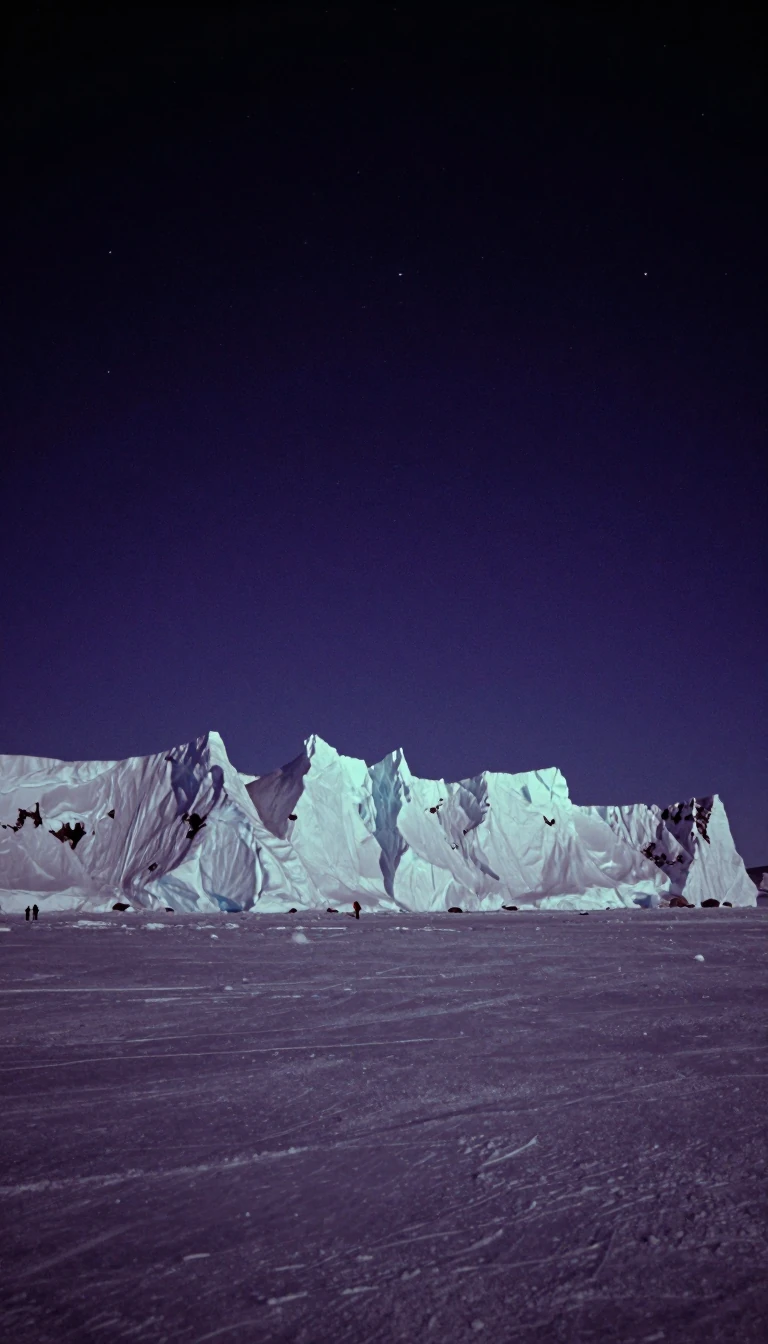 The Sun has no solid surface, yet we see a sharp, glowing edge.The Sun’s visible surface, the photosphere, is not a physical boundary but a layer of ionized gas where light finally escapes into space. Roughly 400 kilometers thick, this boilin…
 Pi Puppis: An orange supergiant illuminating the southern skies with ancient celestial promiseVisible to the naked eye, Pi Puppis stands as the second-brightest luminary in the Puppis constellation. This massive, aging star, located roughly 810 light-years away, serves as …
- Is the Pisces–Cetus Supercluster Complex one of the largest structures in the universe?Spanning over a billion light-years, the Pisces–Cetus Supercluster Complex is a gargantuan arrangement of galaxies that challenges our understanding of cosmic scale. It houses our…
- Is a massive hidden planet shaping the outer Solar System or just a ghost?Astronomers have long suspected a massive, unseen planet lurks in the dark reaches beyond Neptune. While erratic orbits of distant objects once suggested a gravitational shepherd,…
- A newly discovered object at the solar system's edge challenges the Planet Nine hypothesisAstronomers have identified 2017 OF201, a massive trans-Neptunian object lurking far beyond Neptune. Its unusual, extreme orbit and position suggest that the outer reaches of our …
- Pollux is a giant star with a surprisingly weak magnetic field and a planet.The brightest star in Gemini, Pollux, is a yellow-orange giant located 34 light-years away. While it is nearly twice the mass of our sun and nine times wider, it possesses one of …
- The fastest spinning star in the sky that keeps time like an atomic clockDiscovered in 1982, PSR B1937+21 shattered expectations for how fast a neutron star could rotate. Spinning over 640 times per second, this celestial beacon is so stable it rivals …
- A distant world in the Kuiper Belt defies the laws of planetary ringsDeep in the icy reaches of the Kuiper Belt, the dwarf planet Quaoar hosts a mysterious ring system. According to standard orbital mechanics, this material should have coalesced in…
- Deep within the Tarantula Nebula lies a nursery of the universe's most massive stars.Located 170,000 light-years away, the R136 star cluster is a powerhouse of cosmic activity. This dense, young region contains hundreds of brilliant blue stars, including some of t…