 Intellect Plus
Space
9,120 cards. Each one is a 40-second story with a five-minute read behind it. Page 121 of 152.
Subtopics: Apollo · Asteroids · Astronauts · Astronomical objects · Astronomical technology · Astronomy · Astronomy and geodesy · Astronomy basics · Big bang · Black holes · Celestial mechanics · Celestial sphere · Comets · Constellations · Cosmology · Dark energy · Dark matter · Deep time · Exoplanets · Exploration · Future Frontier · Galactic and extragalactic astronomy · Galaxies · Gravity · Impacts · Interstellar · Jupiter · Light · Mars · Mars exploration · Meteorites & asteroids · Moon · Moon exploration · Moons · Navigation and timekeeping · Nebulae · Observational astronomy · Observatories · Physical cosmology · Physics · Planetary science · Planets · Quantum · Relativity · Rockets & launch vehicles · Satellites · Saturn · Seti · Space · Space agencies · Space probes · Space stations · Space telescopes · Spacecraft · Spaceflight · Stars · Stellar astronomy · Sun & solar physics · Supernovae · Telescopes · Volcanoes · Weather
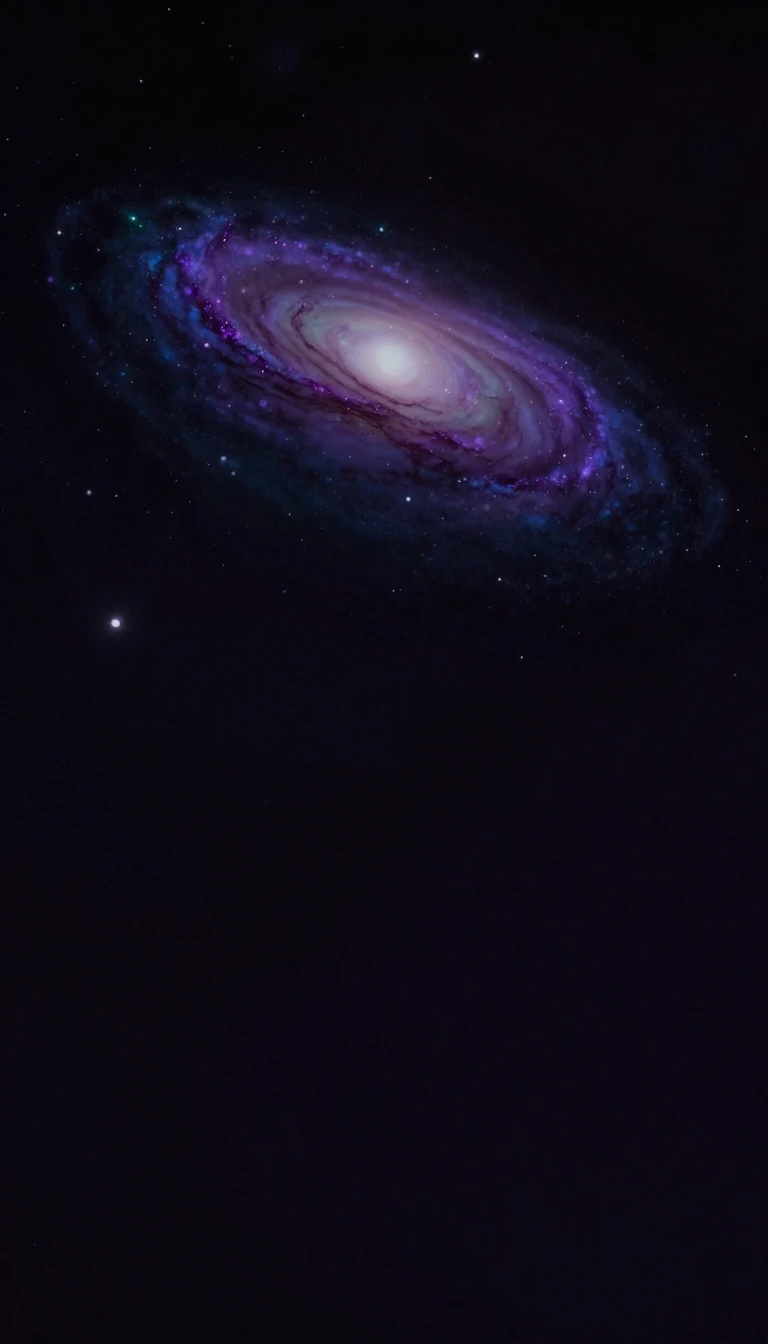 Early galaxies appear far more numerous than current theories predictAstronomers using the James Webb Space Telescope's CEERS survey searched the early universe, within its first 500 million years, for signs of galaxy formation. Using imaging data,…
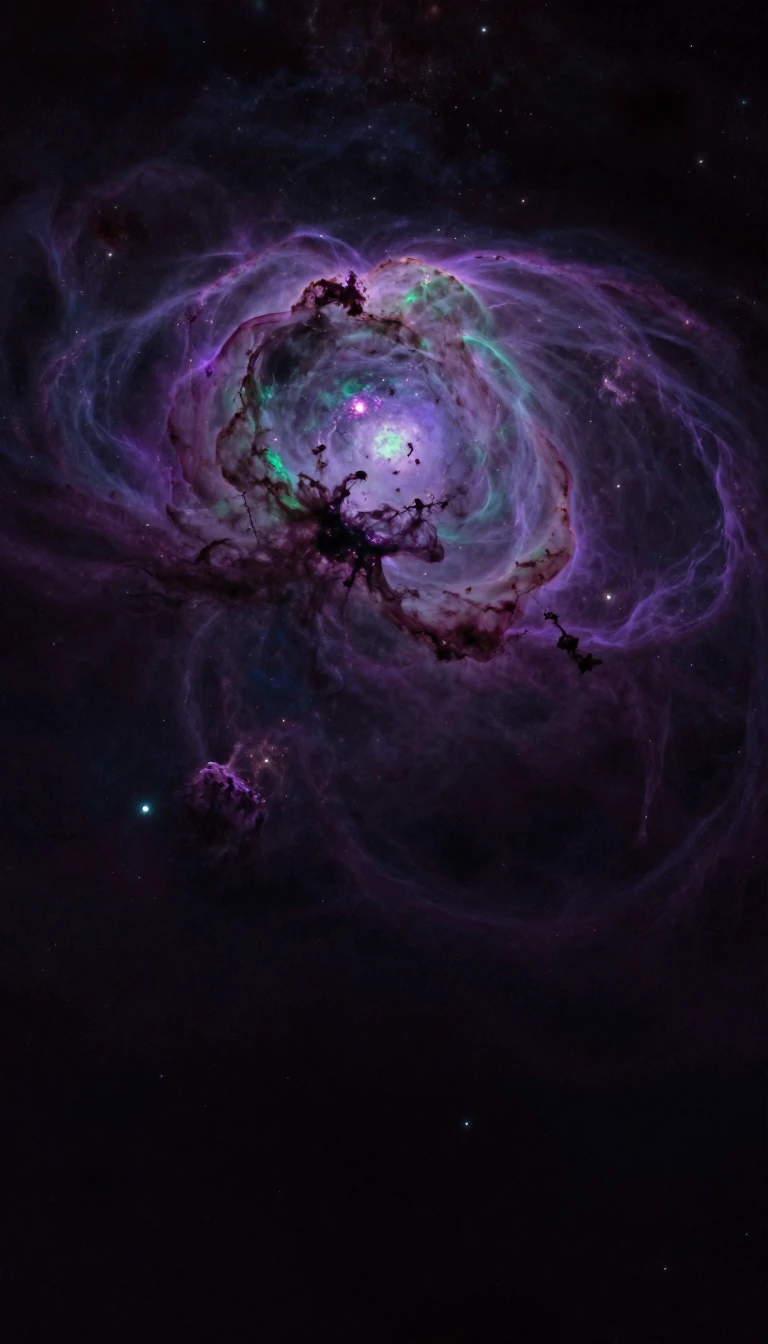 How icy snowlines shape the chemical makeup of giant planetsResearchers studying protoplanetary disks found that the location of chemical snowlines can significantly alter the carbon-to-oxygen ratios in planetary atmospheres. By examining …
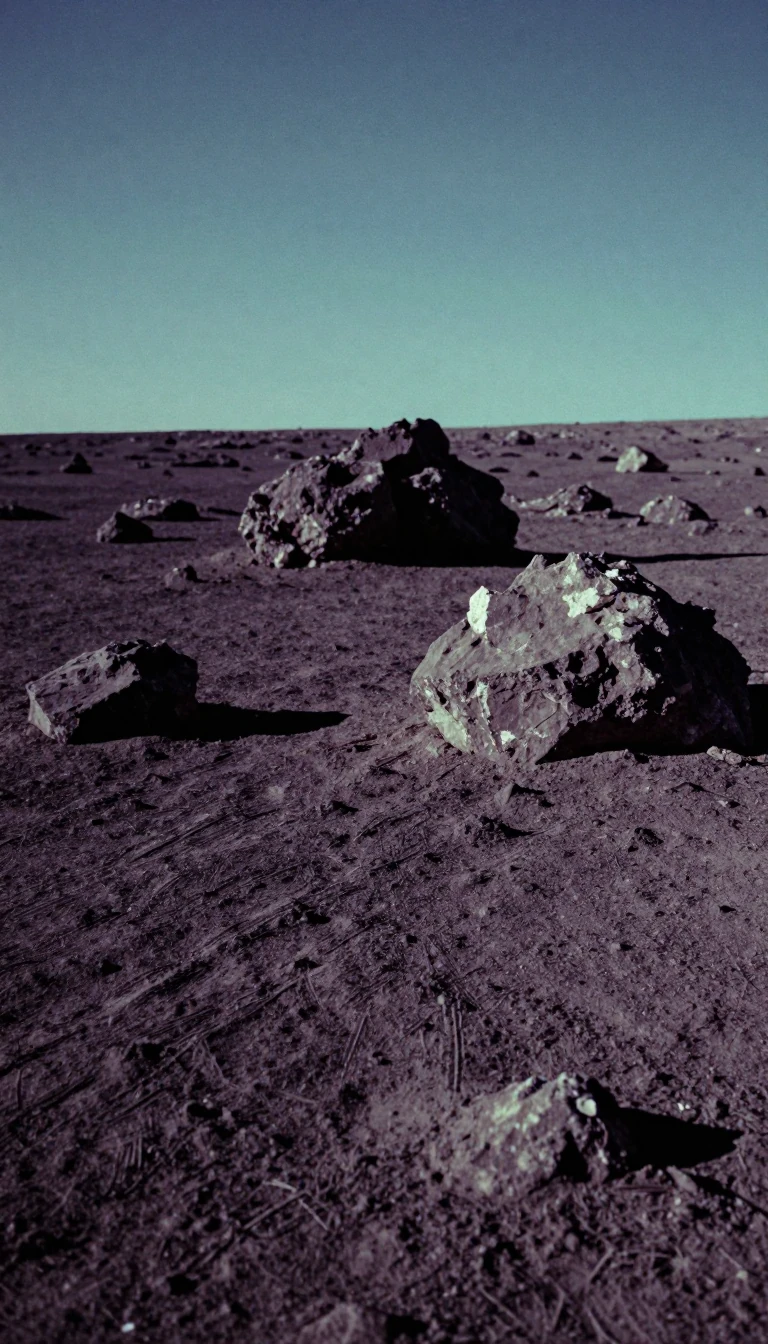 Lunar lava samples reveal volcanic activity as recently as two billion years agoResearchers analyzing rocks returned by the Chang’e-5 mission found that some of the Moon's youngest basalt lavas are approximately 1,963 million years old. These samples, collect…
 Combining three types of cosmic measurements provides a clearer picture of the universeAstronomers analyzing data from the Dark Energy Survey found consistent results when combining three different methods of measuring the universe's large-scale structure. By lookin…
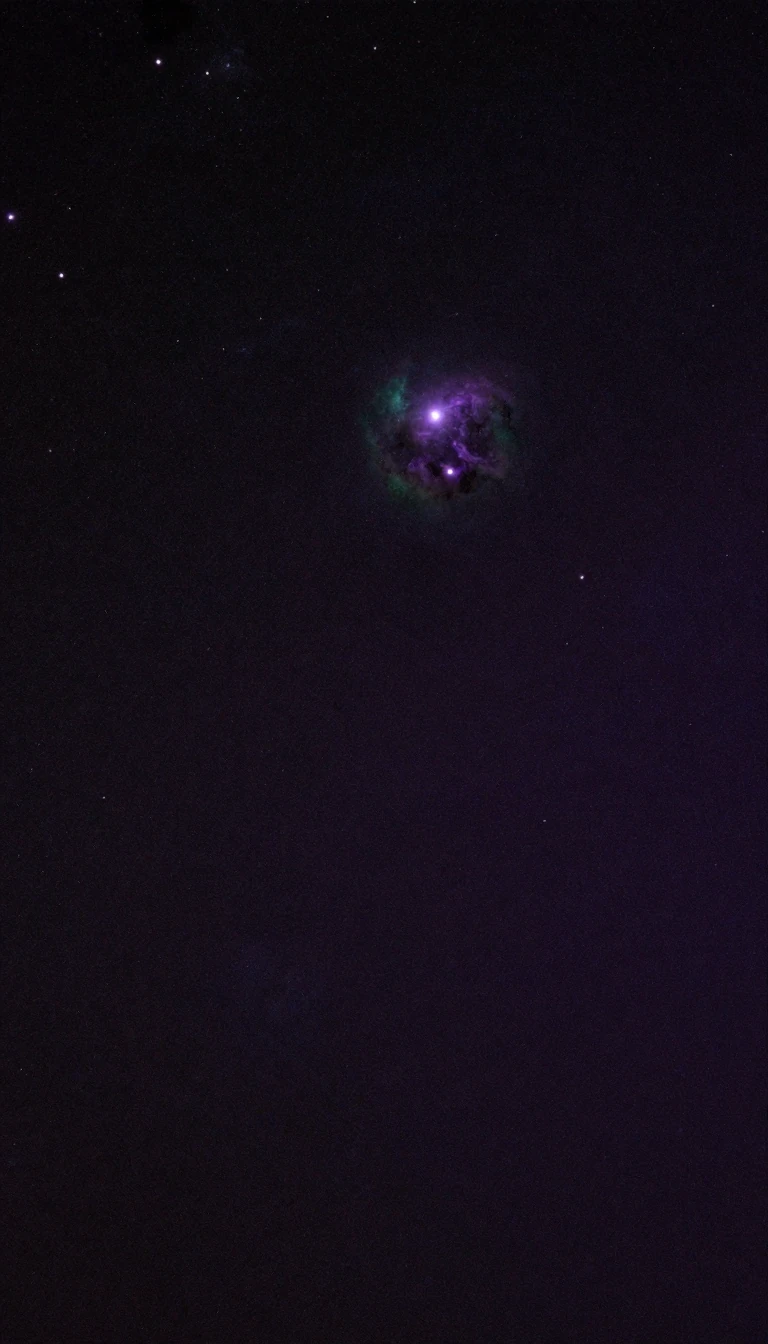 New measurements reveal the massive nature of a spinning pulsar and its companionAstronomers observing the radio pulsar PSR J0740+6620 found that this high-mass star weighs approximately 2.08 times the mass of our Sun. By analyzing 1.5 years of high-cadence ti…
 A massive black hole merger challenges existing models of stellar evolutionAstronomers observing gravitational waves detected a rare collision between a black hole and a much smaller compact object. The event, known as GW190814, involved a primary black …
- New solar chemical measurements help resolve long-standing mysteries of the Sun's interiorResearchers re-analyzing the Sun's chemical composition found that updated measurements of elements like oxygen and nitrogen can resolve a puzzling mismatch between solar models a…
- JWST observations reveal a surprisingly large population of faint, obscured early black holesAstronomers using the JWST EIGER and FRESCO surveys identified 20 active galactic nuclei at redshifts between 4.2 and 5.5. These faint objects, characterized by broad H-alpha emis…
- Three detectors combined to pinpoint a massive black hole collision in deep spaceAstronomers using a network of three gravitational-wave detectors observed the merger of two stellar-mass black holes on August 14, 2017. By combining data from the Advanced LIGO …
 Gravitational wave observations support the predictions of general relativityResearchers analyzing the gravitational wave signal GW150914 found that the merger of two black holes aligns with the predictions of general relativity. By examining the signal fr…
- Exploring the potential of teleparallel gravity to explain the universeA review of teleparallel gravity research shows how this alternative framework to Einstein's general relativity can be used to model the cosmos. By treating gravity as a gauge the…
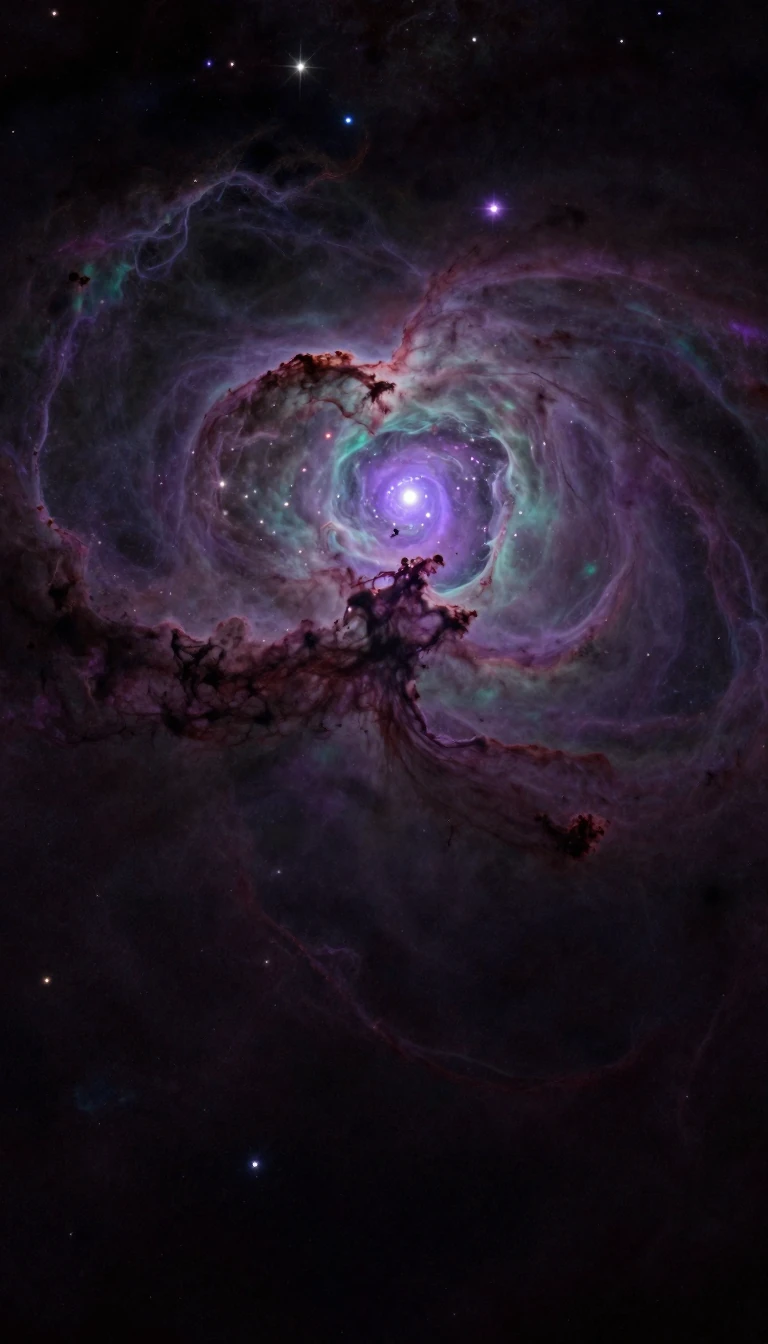 Rotating disks of dust and gas surround young low-mass starsAstronomers observing young, low-mass stars have found that almost all of them are surrounded by flattened, rotating disks of cool gas and dust. These structures, known as protopl…
- New computational model improves detection of complex gravitational wave signalsResearchers have developed imrphenomxphm, a new frequency-domain model designed to capture the complex gravitational-wave signals emitted by precessing binary black holes. By inco…
 Mars rover images reveal an ancient lake and powerful flood depositsResearchers analyzing images from the Perseverance rover's first three months on Mars found that Jezero crater once hosted a complex water system. The data shows a transition from…
- Astronomers find evidence of a common noise process in pulsar timing dataResearchers using the Parkes Pulsar Timing Array analyzed 18 years of observations from 30 millisecond pulsars to search for a background of low-frequency gravitational waves. The…
- A comprehensive catalog of over 100 dwarf galaxies near our cosmic neighborhoodAstronomers analyzing a volume-limited sample of over 100 nearby galaxies found a wide range of environments for dwarf galaxies. By examining objects within 3 Mpc of the Sun, the …
 Designing the scanning strategy for the Euclid space mission surveyResearchers developing the Euclid mission have designed an optimized reference survey to map the extragalactic sky. By simulating spacecraft movements and dithering patterns, the …
- Simulations reveal how baryonic matter reshapes the large-scale structure of the universeResearchers using the IllustrisTNG hydrodynamical simulations found that baryonic effects increase dark matter clustering on small scales while dampening the total matter power sp…
 Astronomers identify a promising group of models for the Milky Way's central black holeResearchers using Event Horizon Telescope data and various radio to X-ray observations found that while many astrophysical models of Sagittarius A* fail to match reality, a specif…
 Giant planets are most common in a specific orbital zone around starsResearchers analyzing radial velocity measurements of FGKM stars found that giant planets are significantly more frequent at orbital distances between 1 and 10 au. This study obse…
- China's Taiji mission aims to detect gravitational waves from spaceChinese scientists have proposed the Taiji Program, a space mission using three spacecraft in a triangular formation around the Sun to detect gravitational waves. By measuring tin…
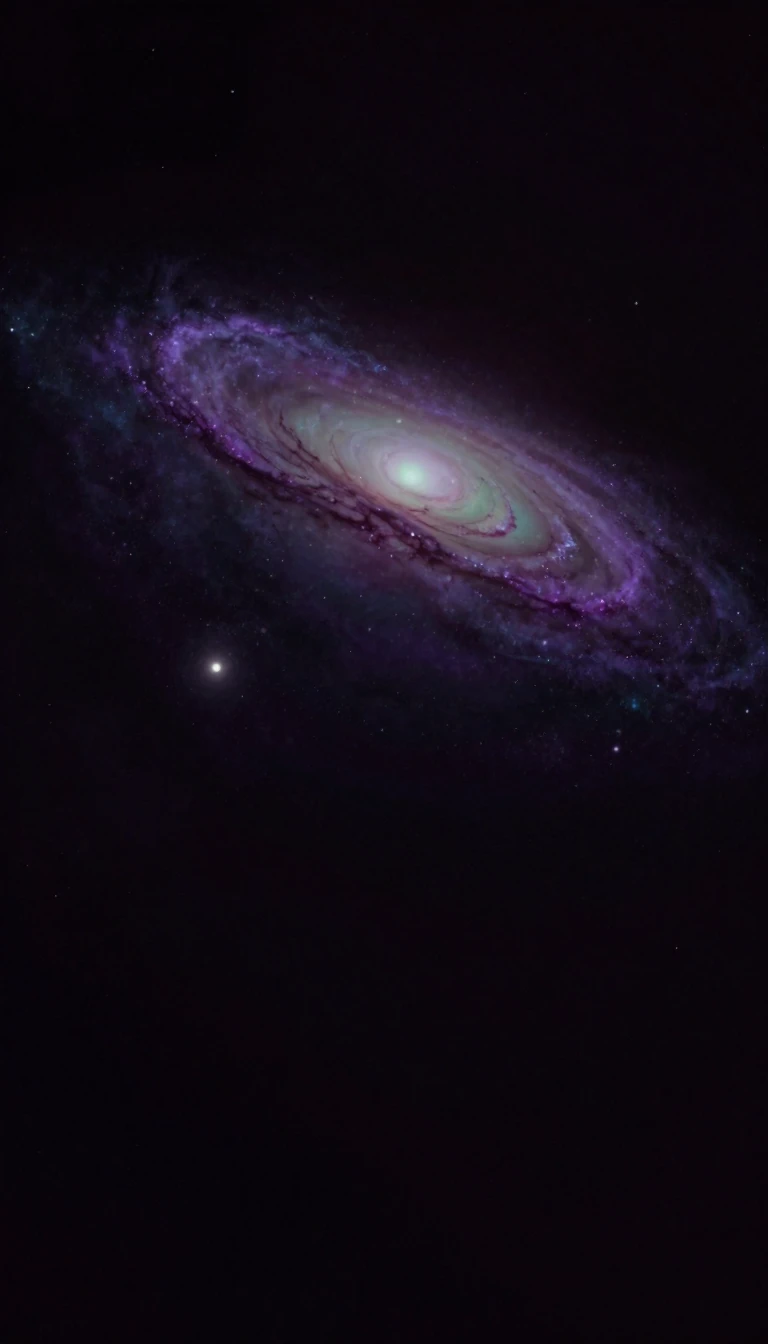 Powerful galactic nuclei regulate star formation by heating surrounding gasAstronomers observing active galactic nuclei (AGN) have found evidence that energy from these massive centers can reshape entire galaxies. By releasing radiation, winds, and jets,…
 How pendulum clock worksA pendulum clock uses a swinging weight as its timekeeping element.
 How gravitational-wave observatory worksGravitational-wave detectors measure tiny distortions of spacetime.
 How a rocket engine worksRocket engines produce thrust by expelling high-speed gas through a nozzle.
 How the eclipse cycle worksEclipses may occur repeatedly, separated by certain intervals of time known as eclipse cycles.
 How an X-ray telescope worksAn X-ray telescope is designed to observe remote objects in the X-ray spectrum by using instruments taken to high altitude.
 How the Effelsberg 100-metre Radio Telescope is situatedThe Effelsberg 100-metre Radio Telescope is located in the Ahr Hills in Bad Münstereifel, Germany.
 How gravity creates cosmic parking spots in the deep voidIn the vastness of space, certain locations act as gravitational anchors. Known as Lagrange points, these five specific positions allow spacecraft to remain in fixed patterns with…
 Can anything actually happen inside the darkness of a black hole?We often imagine black holes as cosmic voids, but the reality is far more complex. While the event horizon acts as a one-way boundary for light, the structures surrounding these g…
- The specialized tools that saved the Hubble Space TelescopeDiscover the custom-designed instruments used during the high-stakes 1993 mission to repair Hubble. This episode explores the power ratchet tool and how space-based engineering pa…
 How NASA tracks the rhythmic heartbeat of Earth's daily rainfallWeather does not occur at random. It follows a predictable daily rhythm known as the diurnal cycle. By merging decades of satellite data, scientists have unlocked a high-resolutio…
 Navigating the complexities of orbital mechanics and spaceflightIn this first episode of his Q&<0xC2><0xA0>A series, Scott Manley addresses various inquiries regarding the technical foundations of space exploration and the mathematics of fligh…
 Why SpaceX is abandoning the mid-air catch for falling fairingsSpaceX has dismantled the massive nets on recovery vessels Ms Tree and Ms Chief. This video explores why the company is moving away from catching fairings in the ocean and what re…
- Could astronomical engineering save Earth from a brightening Sun?As the Sun's luminosity increases over hundreds of millions of years, Earth faces a potential loss of habitability. This video explores the radical concept of modifying our planet…
- The complex orbital journey of a Starlink satelliteWhen SpaceX deploys a batch of Starlink satellites, they do not land in their final positions. This video explores the intricate maneuvers required for these satellites to navigat…
- How NASA mastered the art of landing a spacecraft like a gliderBefore the Space Shuttle Columbia could reach orbit, NASA had to prove it could safely return to Earth. This video explores the critical flight testing of the Enterprise prototype.
 Did NASA's Parker Solar Probe actually touch the Sun?While the phrase sounds like science fiction, the Parker Solar Probe has reached a milestone that redefines our understanding of solar boundaries. This video explains the science …
- How spaceflight affects human biology and the latest in deep space explorationExplore a roundup of critical space news from January 2022, covering everything from the physiological impact of spaceflight on blood cells to the latest test flights of massive a…
 Why do Chinese Long March rockets shed debris during liftoff?Videos of Long March rocket launches often capture large amounts of debris falling from the vehicle immediately after liftoff. This video explains the purpose behind these falling…
- The universe was once an orange, opaque fog of light and matterLong before the night sky turned black, the early universe was a brilliant, glowing orange. For hundreds of thousands of years, light could not travel freely, trapped in a dense, …
- The staggering silence of the cosmos: why is space so empty?With millions of Earth-like planets orbiting sun-like stars in our galaxy alone, the absence of alien life is a profound mystery. This video explores why we haven't detected intel…
 How the Hubble Space Telescope acted as a lunar prospectorWhile famous for peering into the deep universe, Hubble once turned its gaze toward our nearest neighbor. In 2005, scientists used the telescope's powerful instruments to hunt for…
- How a telescope escaped Earth's atmosphere to redefine our entire universeFor centuries, astronomers were trapped behind a 'blanket' of air that blurs the stars. To see clearly, they had to do the impossible: move the lens above the chaos. The result wa…
- Testing the engines that will power humanity's return to the MoonWitness the intense 500-second hot fire test of an RS-25 engine. This footage captures the critical power demonstrations required to launch NASA's super heavy-lift Space Launch Sy…
 A view of Hurricane Dorian from 260 miles above EarthWitness the scale of a powerful storm through the eyes of astronauts. This footage captures Hurricane Dorian from the International Space Station as it moved across the Bahamas.
- How infrared vision revealed a hidden side of our universeDiscover the animated story of the Spitzer spacecraft and its role within NASA’s legendary Great Observatories superteam.
- How the Hubble Space Telescope redefined our view of the cosmosExplore how NASA's Hubble Space Telescope has spent three decades unlocking the mysteries of space, transforming modern astronomy into a visual journey of discovery for the entire…
- How NASA engineers and scientists are searching for ancient life on MarsGo behind the scenes of the Mars 2020 mission. This briefing features the NASA and Jet Propulsion Laboratory experts responsible for the Perseverance rover's engineering and scien…
- Pesquet's Alpha Mission: ESA's First Voyage in Crew DragonAstronaut Thomas Pesquet is set for a significant return to the International Space Station. This time, his journey marks a historical first for the European Space Agency as he pi…
- Why space exploration is the ultimate test of human ingenuityWhen a spacecraft is millions of kilometers away, there are no manual fixes or last-minute upgrades. This video explores how Paolo Ferri and his teams use creativity and teamwork …
- Space agencies are no longer racing each other to the starsThe era of competitive space races is yielding to a model of global cooperation. Instead of nationalistic rivalry, modern exploration relies on international partnerships and comm…
- Can an AI companion help astronauts manage life on the International Space Station?Watch as ESA astronaut Luca Parmitano tests Cimon, a 3D-printed cyber assistant, during his final weekend in space in February 2020. Discover how this intelligent sphere uses AI t…
- The universe is destined for a cold, lonely endExplore the ultimate fate of our cosmos. This video traces the timeline of universal evolution to reveal why the final chapters of existence are far less poetic than we might imag…
 How the universe's first galaxies formed faster than we imaginedThe James Webb Space Telescope is rewriting the timeline of our cosmos. This discussion explores how supermassive black holes and early galaxies shaped the universe's first major …
 How do we measure the scale and age of the universe?In this interview at the Hayden Planetarium, astronomer Wendy Freedman discusses Edwin Hubble's discovery of expanding galaxies and the complex methods used to map the cosmos, fro…
- Why methane might be the fastest lever to cool our planetWhile carbon dioxide dominates the headlines, an invisible super-pollutant may offer a more immediate solution for rapid cooling. This video explores how targeting methane could p…
- Is the global race for green energy destroying Indigenous lands?As the world rushes to secure minerals like lithium and nickel for a sustainable future, a new crisis is emerging. This video explores how the green energy transition may be harmi…
 Kepler spacecraft data reveals over one thousand new potential planetsBy analyzing 16 months of data from the Kepler spacecraft, researchers identified 1,108 new viable planet candidates. After vetting nearly 5,000 periodic signals against instrumen…
- New cosmic simulations reveal how magnetic fields and galactic winds shape galaxiesAstronomers using the IllustrisTNG simulation model found that updated physics, including magnetic fields and revised galactic winds, significantly impact how galaxies evolve. By …