 Intellect Plus
Space
9,120 cards. Each one is a 40-second story with a five-minute read behind it. Page 122 of 152.
Subtopics: Apollo · Asteroids · Astronauts · Astronomical objects · Astronomical technology · Astronomy · Astronomy and geodesy · Astronomy basics · Big bang · Black holes · Celestial mechanics · Celestial sphere · Comets · Constellations · Cosmology · Dark energy · Dark matter · Deep time · Exoplanets · Exploration · Future Frontier · Galactic and extragalactic astronomy · Galaxies · Gravity · Impacts · Interstellar · Jupiter · Light · Mars · Mars exploration · Meteorites & asteroids · Moon · Moon exploration · Moons · Navigation and timekeeping · Nebulae · Observational astronomy · Observatories · Physical cosmology · Physics · Planetary science · Planets · Quantum · Relativity · Rockets & launch vehicles · Satellites · Saturn · Seti · Space · Space agencies · Space probes · Space stations · Space telescopes · Spacecraft · Spaceflight · Stars · Stellar astronomy · Sun & solar physics · Supernovae · Telescopes · Volcanoes · Weather
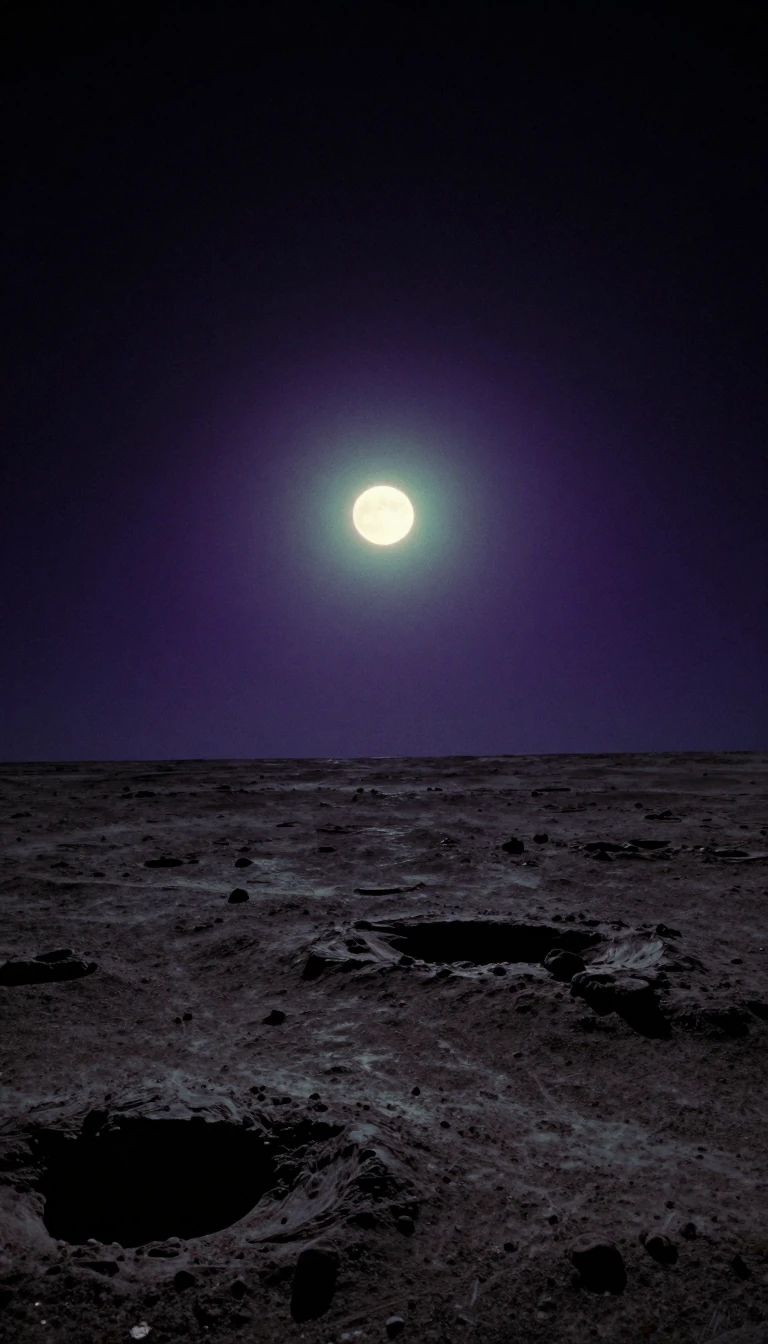 The lightning-struck mission that mastered the art of the pinpoint landingTwice struck by lightning within sixty seconds of launch, Apollo 12 nearly ended before it began. Yet, this high-stakes flight achieved something unprecedented: landing within wal…
 The Milky Way’s core is swarming with tens of thousands of black holesFor years, the idea that our galaxy's center was packed with smaller black holes was merely a theoretical conjecture. Recent observations have finally confirmed this reality, reve…
 The orbital observatory that rewrote our understanding of the cosmosFor over three decades, the Hubble Space Telescope has peered into the furthest reaches of the universe. From discovering tiny moons around Pluto to finding unexpected ultraviolet…
 Humanity just reached out and touched our closest starFor the first time ever, a human-made machine has entered the Sun's upper atmosphere. By physically sampling the solar corona, we are moving beyond remote observation to direct ex…
 Our solar system is much more than just eight planetsWhile we often focus on the familiar planets, our cosmic neighborhood is teeming with hidden complexity. From wandering dwarf planets to millions of asteroids, the scale and varie…
 The final countdown: inside the high-stakes preparation for orbital flightWatch the arrival of astronauts at Kennedy Space Center as they begin the intense, final transition from Earth to orbit. This footage captures the shift from months of training to…
 From Space Shuttle Payload Specialist to NASA Administrator: A Leader's Unique PerspectiveNASA Administrator Bill Nelson outlines his vision for the agency's future. His background as a former legislator and a space traveler provides a rare vantage point on the challen…
 Reliving the legacy of astronaut and senator John GlennNASA Administrator Bill Nelson and author Jeff Shesol discuss the extraordinary life of John Glenn, a pioneer of American spaceflight and a distinguished U.S. senator.
 NASA leaders reflect on the power of service during AAPI Heritage MonthNASA Administrator Bill Nelson and four agency astronauts discuss how purpose-driven service shapes their careers and leadership styles. This video highlights their personal journ…
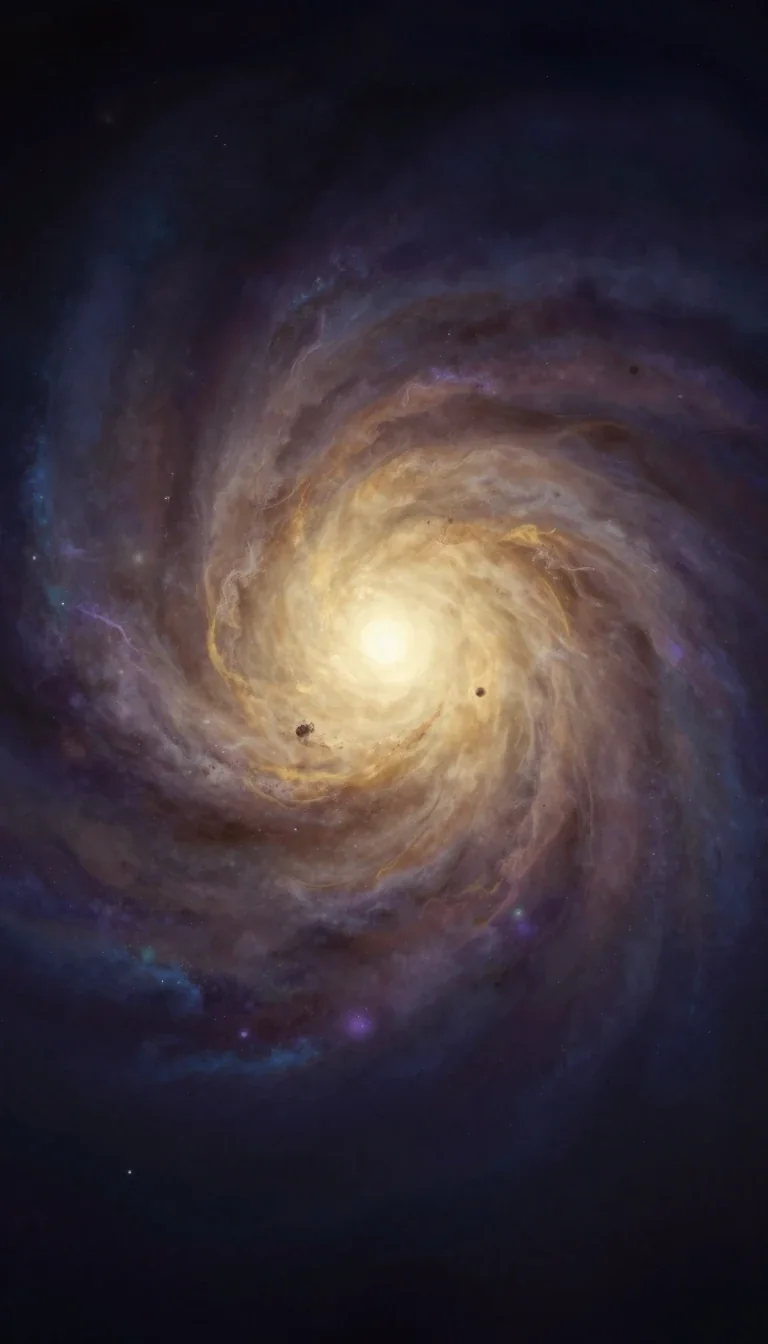 The Big Bang: where the biggest questions beginThere is no confirmed account of what came before inflation, but the evidence traces the universe from a hot, dense early state to galaxies.
 How laser altimetry revolutionized our ability to map the solar systemExplore the technological journey of NASA Goddard’s engineers as they developed lidar instruments, from the Mars Observer mission in the late 1980s to modern satellites like ICESa…
 The universe's brightest fireworks are not for human touristsGamma-ray bursts represent some of the most violent and luminous events in the cosmos. While they offer a spectacular light show across the entire electromagnetic spectrum, NASA w…
 How laser altimetry revolutionized our map of the solar systemFrom the dusty plains of Mars to the frozen expanses of Earth, a specialized technology called lidar is changing everything. By using laser pulses to measure distance, NASA Goddar…
- How a 2.2-billion-mile journey could reveal the origins of rocky planetsNASA's Psyche spacecraft is embarking on an epic mission to a metal-rich asteroid. This video explores how the mission aims to unlock the secrets of early solar system formation a…
 How NASA manages the finite fuel powering the Nancy Grace Roman Space TelescopePropellant is a mission-limiting resource. This video shows how NASA engineers install fuel tanks into the spacecraft bus and explains the two distinct systems used to maneuver th…
 NASA and international partners prepare for the upcoming SpaceX Crew-11 mission to spaceThis briefing previews the upcoming Crew-11 mission, detailing the collaborative effort between NASA, SpaceX, and international space agencies. It provides essential context on th…
- Humanity's first message to the stars was a small aluminium plate on Pioneer 10.In 1972, a space probe launched toward Jupiter carrying more than just scientific instruments. It bore a mysterious message intended for extraterrestrial life, marking our first a…
- Why did NASA abandon the dream of the untethered space jetpack?On February 7, 1984, astronaut Bruce McCandless II became the first human to fly freely in space using the Manned Maneuvering Unit. While jetpacks are science fiction staples, mod…
 The Mars rover that defied expectations by lasting twenty-five times longer than planned.The Spirit rover became a legend of space exploration by far outliving its original mission parameters. This video examines the remarkable endurance of the machine and why its leg…
 NASA once studied manned missions to Mars shortly after the Apollo program concluded.Following the success of Apollo, NASA explored potential human missions to orbit Mars. This video examines these forgotten plans, offering a look at what might have been and why t…
 From candidates to certified astronauts: inside ESA's intensive training yearAfter twelve months of rigorous preparation, a new cohort of European Space Agency astronauts has officially graduated. This video follows their journey from selection to certific…
- How engineers prepare a new spacecraft for the rigours of spaceThe Smile mission is preparing for its 2026 launch. This video offers a look at the intensive environmental testing recently completed in the Netherlands to ensure the spacecraft …
 The final moments of a three-week orbital research odysseyWatch the precise moment ESA astronaut Sławosz Uznański-Wiśniewski departs from the International Space Station. This undocking marks the conclusion of the Ignis mission, a concen…
- The final moments of the Ignis mission in orbitWatch the departure of ESA project astronaut Sławosz Uznański-Wiśniewski from the International Space Station as his mission concludes.
- The long journey to operational lifting body space planesFrom plywood prototypes towed by cars to modern orbital missions, the evolution of lifting body spacecraft is a study in aerodynamic persistence. This video explores how these uni…
 What the Columbia disaster teaches us about surviving spacecraft accidentsOn February 1, 2003, the Space Shuttle Columbia disintegrated during reentry, claiming seven lives. This video examines the reconstruction of the tragedy and the vital safety less…
 How Canada became the essential partner for NASA's most critical space missionsThe Space Shuttle program relied on a Canadian-made remote manipulator system to complete its most complex tasks. This video details why Canada became the go-to partner for roboti…
 What it is like to fly a modern light aircraft during sunset trainingJoin a flight training session in a Cirrus SR20. This video provides a look at the cockpit environment and pilot procedures during dusk, offering a perspective on how flight instr…
 How two Mars rovers survived for over a decade beyond their ninety-day mission limit.Director Ryan White discusses the making of Good Night Oppy, a documentary detailing the extraordinary journey of the Spirit and Opportunity Mars rovers. This film highlights how …
 A massive asteroid impact on Mars revealed hidden ice beneath the planet's surface.NASA's InSight lander detected a seismic event caused by a 500-ton asteroid striking Mars. This rare collision created a crater over 150 meters wide and provided scientists with a…
- How NASA engineers manually colored the first close-up images of the Martian surfaceWhen Mariner 4 captured the first successful close-up images of Mars, the data transmission was so slow that engineers bypassed official processing. Instead, they manually assembl…
- Why did NASA's workhorse shuttle only fly three missions into deep space?Despite launching over 100 times during its three-decade career, the Space Shuttle sent only three missions beyond Earth orbit. This video examines the convergence of budget const…
- Can playing a video game actually improve your real-world flight training?Scott Manley explores the surprising synergy between Kerbal Space Program and aviation. By bridging the gap between virtual aerodynamics and real-world aircraft design, he illustr…
 NASA's SLS rocket finally launches, marking a new era for lunar explorationAfter years of delays, the Space Launch System rocket successfully launched the Artemis 1 mission. This mission sends the Orion spacecraft on a three-week journey to the moon, ser…
- A busy fortnight in space: lunar arrivals, rapid launches, and major financial shifts.Scott Manley reviews the final weeks of 2022, covering a flurry of global rocket activity, the successful arrival of South Korea's Danuri spacecraft at the Moon, and significant f…
- In 2022, SpaceX outperformed the entire Chinese space program in mass to orbit.Scott Manley reviews the final rocket launches of 2022, highlighting how SpaceX dominated the year's orbital performance metrics. This update provides context on the competitive l…
- Why did the Artemis I mission choose a distant retrograde orbit for its journey?The Artemis I mission utilized a distant retrograde orbit to navigate beyond the Moon. This unique trajectory offers specific stability benefits for spacecraft, though it presents…
- Why a blunt-nosed missile uses a spike to fly further and fasterThe Trident missile features a distinct spike on its nose, a clever aerodynamic solution to a spatial constraint. This video explains how this device allows missiles to maintain a…
- Why modern spacecraft choose long, winding paths to reach the Moon instead of direct.Spacecraft are increasingly trading speed for efficiency by using complex, circuitous routes to reach the Moon. This video explains how modern missions leverage weak stability bou…
- The National Ignition Facility achieves a self-sustaining fusion reaction for the first timeThe National Ignition Facility has reached a critical milestone in fusion research. By generating the extreme temperatures and pressures required for a self-sustaining reaction, t…
- A leaking coolant system on the Soyuz MS-22 spacecraft forces mission changes.When a cooling system leak was detected on the Soyuz MS-22, a planned spacewalk was immediately cancelled. This video examines the incident and how the crew is managing the situat…
- Why did the historic attempt to launch satellites from British soil end in failure?Scott Manley analyzes the technical issues behind Virgin Orbit's inaugural space mission from the United Kingdom. This video examines the premature shutdown of the rocket's second…
- Is Juno: New Origins the right rocket simulator for your next mission?Scott Manley reviews Juno: New Origins, the successor to Simple Rockets 2. This simulator offers deep customization for building rockets, aircraft, and rovers, now featuring a ful…
- Spaceflight in 2023: A mix of rapid progress and significant technical setbacksScott Manley reviews the early 2023 space landscape, highlighting a high frequency of launches alongside notable failures. This update covers the challenges facing private space c…
 Could NASA and Boeing’s new wing design finally make air travel cheaper?NASA and Boeing have partnered to build a full-scale version of the Transonic Truss Braced Wing. This experimental design aims to boost fuel efficiency, potentially lowering opera…
 How NASA planned to squeeze five astronauts into a three-person space capsuleWhen Skylab faced a potential stranding in 1973, NASA developed an emergency rescue mission. This video explores the logistics of cramming five people into a vehicle built for thr…
- SpaceX SuperHeavy testing and Kerbal Space Program Two updates collide in one room.Scott Manley and other space enthusiasts gathered to witness a SpaceX SuperHeavy booster test. This event coincided with a preview of Kerbal Space Program Two, marking a unique in…
- Why that iconic view of Saturn's rings from its moons is mostly impossibleScience fiction frequently depicts breathtaking, wide-angle views of Saturn's rings from the surface of its moons. This video explains the orbital mechanics that make such vistas …
- The peculiar architecture of the first fully functional computer in spaceExplore the unique design of the Gemini On Board Computer, a specialized machine built for a tiny niche of space exploration, and see how its unusual architecture operated.
- A New Engine Powers the Return of the Beloved Aerospace Simulation GameScott Manley explores the early access launch of the sequel to the famous aerospace engineering simulator. He examines the updated engine and remastered assets, providing a first …
 A spectacular 1962 rocket failure that paved the way for modern space explorationThe first launch of the Atlas-Centaur rocket ended in a dramatic explosion less than a minute after liftoff. This video examines the technical failure of this pioneering hydrogen-…
- Decades-old data reveals Venus is still geologically active with erupting volcanoesScientists have uncovered evidence of active volcanism on Venus by re-examining radar imagery from the 30-year-old Magellan mission. This discovery settles a long-standing debate …
- Can 3D printing revolutionize space travel? A look at the Terran 1 debut launch.Relativity Space recently launched their debut rocket, a structure largely created through 3D printing. While the vehicle successfully reached space, the mission encountered a cri…
- From chemistry to biology: how the massive quantities of rocket fuel are actually produced.Rocket launches require vast amounts of propellant, from RP-1 to liquid hydrogen. This video examines the industrial processes behind these fuels, revealing the complex mix of phy…
- Why passing a pilot exam the hard way builds better aviation skillsScott Manley recounts the unconventional journey to earning his private pilot license. By navigating unexpected last-minute changes and logistical hurdles, he argues that a more d…
- Why modern spacecraft rely on two distinct types of electric propulsion enginesElectric propulsion has transformed space travel, offering capabilities far beyond traditional chemical thrusters. This video explains the two primary engine types currently domin…
 How a Cold War weapon transformed into America's most powerful space launch giantBorn in the early 1960s as an Intercontinental Ballistic Missile, the Titan rocket evolved into a cornerstone of American space exploration. Over four decades, this adaptable mach…
- A crypto billionaire is funding a new, ambitious vision for a private space station.Space exploration is entering a new era of private investment. A company called VAST has unveiled a bold plan for a commercial space station, backed by a crypto billionaire. This …
 A fiery hydrogen leak during testing threatens the upcoming Vulcan Centaur maiden launch timelineScott Manley examines the recent explosion of a Vulcan Centaur rocket stage during ground testing at the Marshall Space Flight Center. This analysis explains how a hydrogen leak c…
- Why rockets are designed to self-destruct before they ever reach their destination.Flight termination systems are essential safety mechanisms built into every rocket. While engineers hope they never have to be triggered, these systems must function with absolute…