 Intellect Plus
Health
6,621 cards. Each one is a 40-second story with a five-minute read behind it. Page 38 of 111.
Subtopics: Ageing & longevity · Anaesthesia · Anatomy and morphology · Bacteria · Biology · Blood · Bones & muscles · Brain · Clinical trials · Consciousness · Diabetes · Diagnosis · Digestion · Dreams · Drugs and medication · Epidemiology · Ethics · Exercise · Exercise & fitness · Eyes & vision · First aid · Future Frontier · Germ theory · Global health · Health and fitness · Health, medicine and disease · Heart & circulation · History of medicine · Hormones · Hygiene · Immunology · Infection · Medical basics · Medical history · Medical procedures · Medicine · Medicines · Memory · Mental health · Mind · Morbidity · Neuroscience · Nutrition · Pandemics & epidemics · Psychiatry · Public health · Researched · Skin & hair · Sleep · Surgery · Teeth & dentistry · Vaccines · Vitamins
 The delicate fluid balance that keeps your vision from collapsingYour eyes are constantly balancing a delicate internal pressure. If the fluid inside your eye builds up too much, it can crush your optic nerve, leading to permanent vision loss. …
 Why the order of life-saving steps matters more than the steps themselvesIn a medical emergency, the sequence of treatment is a literal cascade of survival. If the airway is blocked, breathing fails; if breathing fails, oxygen vanishes; if oxygen vanis…
 Your eyeglass prescription is a geometric map of your unique visionA glasses prescription isn't just a list of numbers; it is a precise engineering blueprint for light. From the curvature of your lenses to the specific orientation of your astigma…
- Replacing your natural lens with a permanent high-tech implantModern medicine can swap your eye's natural crystalline lens for a permanent plastic implant. While this eliminates cataracts and corrects severe vision errors, it fundamentally c…
- Your eyes redefine what 'black' means to see in the darkThe human eye can sense light intensities spanning nine orders of magnitude. To bridge this gap, your visual system doesn't just turn up the volume; it actively recalibrates its d…
- Why your eye surgery might not be a guaranteed 20/20 fixModern eye surgery can reshape your cornea or replace your lens in under 30 minutes. But while these procedures offer a path to clearer vision, they aren't universal fixes. Succes…
 Yoga and Tai Chi may rewire the brain's internal networksUnlike standard gym workouts, mind-body exercises like yoga and Tai Chi combine movement with breath and sensory awareness. New neuroimaging research suggests these practices do m…
- Your eyes perform a complex three-part dance to keep life in focusWhen you shift your gaze from a distant horizon to a nearby screen, your eyes don't just move. They undergo a coordinated mechanical and neurological symphony involving muscle con…
 The nerve that lets you look sideways is a master of deceptionThe abducens nerve is responsible for your ability to look left and right. Because of its unique anatomy and long journey from the brainstem to the eye, it is famously known as a …
 Your blood isn't just flowing; it is navigating a complex physics engineThink of your circulatory system as a high-pressure hydraulic circuit. It isn't just a series of pipes; it is a dynamic interplay of fluid mechanics, solid elasticity, and cellula…
 Your grip strength is a window into your body's futureA simple squeeze of a handheld device can reveal more than just your ability to open a pickle jar. Researchers view grip strength as an indispensable biomarker, offering a window …
 Your cells are far more efficient than standard chemistry predictsThe energy that powers your muscles and thoughts comes from breaking chemical bonds. But the math of your body is strange: the energy released in your cells is nearly double what …
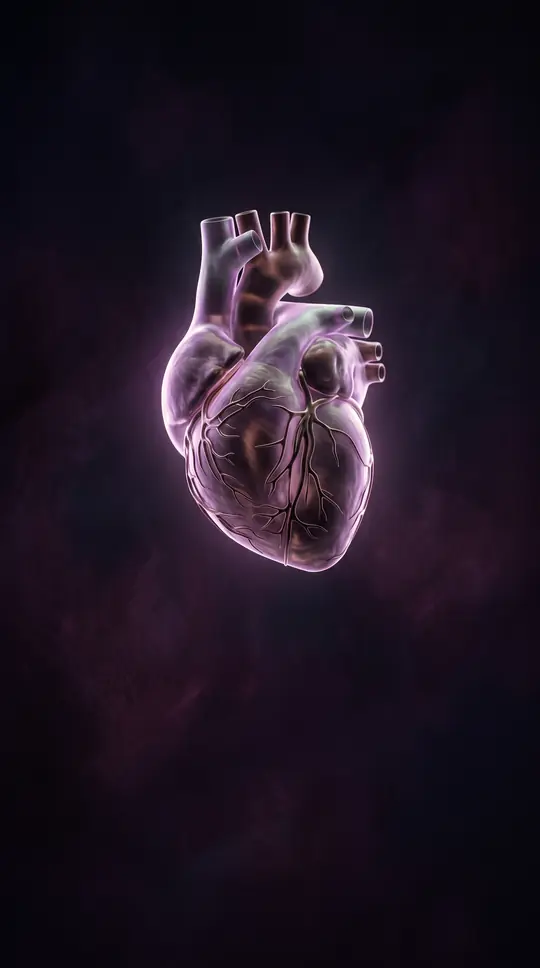
- The tiny protein that signals when your heart muscle is failingTroponin is the gold standard for detecting heart attacks because it is unique to heart muscle cells. When these cells are damaged, troponin leaks into your bloodstream. By measur…
 The 80 bones forming your body's central core and protective armorYour axial skeleton is the primary structural foundation of your body. While your limbs provide movement, this central core of 80 bones serves as a high-security vault, shielding …
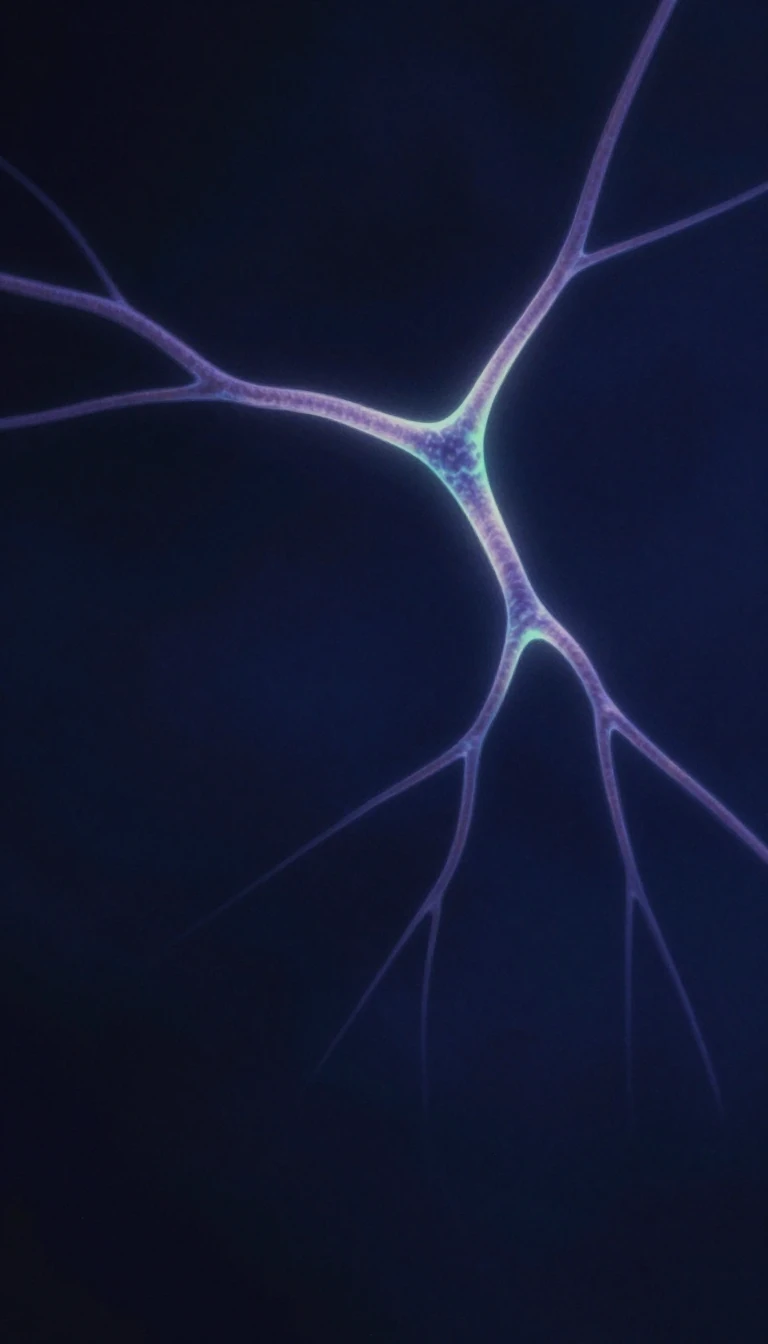 The protein that acts as a molecular gatekeeper for your musclesYour muscles don't just contract randomly; they require a sophisticated molecular lock. Tropomyosin is the protein responsible for this gatekeeping, ensuring your body only moves …
- The biological machinery that builds your skeleton from scratchYour body doesn't just grow bones; it manufactures them through two distinct biological pathways. Whether it is forming the flat plates of your skull or the long shafts of your li…
 Why your muscles are still working even when you're relaxingMost people think muscles only work when they contract to move a limb. In reality, your muscles are constantly managing your posture and internal systems. From the involuntary rhy…
 The 'Blue Zone' of longevity might just be a clerical errorWe often credit specific regions with the secrets of human longevity, from Okinawan diets to Sardinian lifestyles. But new research suggests these 'Blue Zones' might be less about…
- The myth of the Himalayan supercentenarians and the reality of healthFor decades, the Burusho people of the Himalayas were romanticized as a biological miracle—a community of supercentenarians living to extreme ages due to organic diets and mountai…
 Why pigs are considered nature's biological mixing vessels for virusesSwine flu isn't just a pig problem; it is a masterclass in viral evolution. Because pigs can be infected by both avian and mammalian influenza viruses, they act as unique biologic…
- Why your gut is far more than just a digestive tractWe often shy away from the mechanics of waste, but understanding our internal biology can be surprisingly empowering. Giulia Enders explores the complex science of the gut and its…
 Why your brain needs deep sleep to build a personalitySleep is not a passive state of rest; it is an active neurological process. While you drift off, your brain undergoes specific cycles that do more than just recharge your body—the…
 How local humanitarians use healthcare as a tool for survival in SyriaIn the midst of conflict, healthcare infrastructure is often targeted as a weapon. This talk explores how aid workers and entrepreneurs like Rola Hallam are rebuilding communities…
 Why the adolescent brain is wired for impulse over logicTeenagers often oscillate between mature clarity and irrational risk-taking. This unpredictable behavior isn't just a matter of attitude; it is driven by a fundamental mismatch in…
 The celebrity effect on genetic testing and preventative surgeryWhen Angelina Jolie shared her personal journey with breast cancer genetics, it sparked a massive public response. This video explores the medical implications of celebrity influe…
 The five powerhouse molecules that keep your body tickingBeyond the nutrients you consume, your body relies on specific, incredibly powerful molecules to execute its most complex biological processes. This video identifies the five esse…
 Why a skeptical palliative care doctor finally took a closer look at marijuanaMedical marijuana is often caught between hype and half-truths. To find the reality, a physician with a deep skepticism of the plant's medicinal value immersed himself in the cult…
 Cancer cells may be using electricity as a secret languageYour body is powered by bioelectricity, with cells in the heart and brain using precise electrical patterns to send signals. But researchers have discovered that breast cancer cel…
 The Indian institute ending the diagnostic odyssey for rare neurological disordersFor many patients with mitochondrial disorders, finding a diagnosis is a years-long journey of uncertainty. NIMHANS in Bangalore is changing this by combining high-level clinical …
- By 2050, half of the global population may need glassesNearsightedness is no longer just a common inconvenience; it is escalating into a global health crisis. While not a traditional infectious disease, the rapid rise in myopia sugges…
 Can the Henry Ford of heart surgery make life-saving procedures affordable for everyone?Devi Shetty is revolutionizing cardiac care by applying industrial economies of scale to medicine. By rethinking hospital operations, from surgical volume to facility design, he h…
- The real-life inspiration for Tristan Farnon was a distinguished veterinarian and global celebrityBrian Sinclair, the charming rogue behind the fictional Tristan Farnon in the All Creatures Great and Small series, led a life as colorful as his literary counterpart. Beyond the …
 Could your next medical checkup be as simple as exhaling into a device?Technologist Julian Burschka explores the emerging science of breath analysis. By screening volatile organic compounds in exhaled air, researchers aim to detect and prevent diseas…
 Can a medical clinic serve low-income patients while remaining profitable for doctors?Physician P.J. Parmar presents a model for redesigning American healthcare to improve accessibility for the poor. By focusing on a specific clinic in Colorado that serves resettle…
- How modern medicine and evolution accidentally created dangerous, antibiotic-resistant superbugsThis video examines the intersection of evolutionary biology and antibiotic use, explaining how common bacteria have evolved into lethal, resistant strains. It also covers upcomin…
 Are sensory deprivation tanks and oxygen chambers actually worth the hype?SciShow examines the trend of using sensory deprivation tanks, oxygen therapy chambers, and extreme cold saunas for wellness. While these technologies are marketed for stress redu…
 Why mastering your sleep habits might be the ultimate life transformationSleep is not just downtime; it is a fundamental process that influences nearly every aspect of human function. This video explores recent scientific discoveries regarding sleep, e…
 The mechanics of pain: why pressure points are rarely about 'pressing'In self-defense, the term "pressure point" often implies a precise, cinematic strike that knocks an opponent unconscious. In reality, these targets function more as high-sensitivi…
- Why military rehabilitation succeeds through patient-led vocational goalsThe Defence Medical Rehabilitation Centre (DMRC) manages a unique challenge: returning injured personnel to peak health while balancing clinical recovery with specific job require…
 The next leap in human cognition may be externalFrom the evolution of the neocortex to the rise of cloud computing, Ray Kurzweil explores how our biological hardware is preparing for a digital upgrade. This video examines the t…
 Breaking the cycle of emotional illiteracy in menEducator Eldra Jackson III explores the dismantling of toxic masculine norms. He shares his personal journey of unlearning dangerous social lessons to foster a healthier, more emo…
 Why your brain treats a breakup like a physical injuryHeartbreak is not just an emotional state; it is a unique form of pain that triggers specific biological and psychological responses. Psychologist Guy Winch explains why we strugg…
- Your brain constructs emotions rather than reacting to themWe often believe emotions are involuntary reactions to the world, but research suggests otherwise. This talk explores how your brain actively constructs your internal experience, …
 Detecting the silent killer: A wearable patch for hidden heart attacksMost people recognize chest pain as a heart attack, but many cardiac events occur without any outward symptoms. This video features 17-year-old inventor Akash Manoj, who developed…
- The hidden physiological toll of our constant, modern cacophonyWe have become so accustomed to the hum of traffic, construction, and digital noise that we have tuned it out. Yet, this pervasive environmental threat is doing more than just ann…
 Your unique respiratory fingerprint could predict your health and weightWe often view breathing as an involuntary reflex, but it is actually a complex data stream. New research suggests that the subtle nuances of your nasal airflow create a distinct "…
- Can healthcare be both socially just and profitable?Modern medicine is often crippled by high overhead and costs that leave low-income patients behind. Physician P.J. Parmar explores a different model: a clinic designed to serve re…
 The villain who survived a chest wound thanks to a rare heart conditionIn the 1958 novel Dr. No, the antagonist survives a near-fatal execution by a Chinese crime syndicate. While his hands were severed and he was shot through the chest, a rare medic…
 The broadcasting icon who turned personal health into public policyFor over three decades, Jenni Murray was the steady voice of Woman's Hour, a staple of British life. But her legacy isn't just in her longevity on air; it lies in her willingness …
- The infinite regress of anxiety: inside a novel about mental illnessWhat happens when your own mind becomes a labyrinth you can never fully map? John Green’s Turtles All the Way Down explores the visceral reality of OCD, moving beyond tropes to de…
- How a Brooklyn neighborhood initiative became a global network of rapid respondersIn the late 1960s, a single man in Williamsburg, Brooklyn, sought to bridge a cultural gap in emergency care. Today, Hatzalah has expanded into a massive, decentralized network of…
 The sacred river that serves 500 million people faces a toxic crisisThe Ganges is more than just India's longest river; it is a lifeline for nearly half the nation. Yet, despite its spiritual status and massive infrastructure spending, the water r…
- How a wounded veteran found a new way to liveWitness the transition of Staff Sgt. Alex Dillmann and his wife, Holly, as they adapt to life in a specialized, accessible home designed for their needs.
 How adaptive architecture transforms life after life-altering injuryAfter losing both legs in an IED blast while serving as a Marine Corps minesweeper, Corporal Justin Gaertner faced a new reality. This video explores how a purpose-built accessibl…
- The same blood test can cost $19 or $522 depending on the clinicIn the United States, medical pricing is often hidden until a bill arrives weeks later. This talk explores how radical price transparency could dismantle a broken system, save pat…
- The internal mechanics of a human orchestraBeatboxer Tom Thum can produce an array of complex sounds using only his mouth. This video uses laryngeal surgery techniques to show exactly what happens inside his throat to crea…
- Why a village model is replacing sterile institutions for dementia careMoving away from hospital-like settings, a groundbreaking approach to elder care prioritizes freedom and social connection. This video explores the Hogeweyk dementia care center i…
- Sleep is nature’s most sophisticated effort at biological immortalitySleep scientist Matt Walker explores why slumber is not a luxury, but a vital life-support system. This talk reveals how sleep actively repairs your body and brain while highlight…
- Why your vape is anything but a simple cloud of water vaporVaping has seen a staggering rise in popularity among young people over the last decade. Biobehavioral scientist Suchitra Krishnan-Sarin breaks down the chemistry of what users ar…
 Can we jumpstart consciousness in patients lost to a vegetative state?For years, medical consensus suggested that after one year in a vegetative state, a patient's lack of awareness was permanent. However, new research involving the vagus nerve is c…