 Intellect Plus
Health
6,621 cards. Each one is a 40-second story with a five-minute read behind it. Page 37 of 111.
Subtopics: Ageing & longevity · Anaesthesia · Anatomy and morphology · Bacteria · Biology · Blood · Bones & muscles · Brain · Clinical trials · Consciousness · Diabetes · Diagnosis · Digestion · Dreams · Drugs and medication · Epidemiology · Ethics · Exercise · Exercise & fitness · Eyes & vision · First aid · Future Frontier · Germ theory · Global health · Health and fitness · Health, medicine and disease · Heart & circulation · History of medicine · Hormones · Hygiene · Immunology · Infection · Medical basics · Medical history · Medical procedures · Medicine · Medicines · Memory · Mental health · Mind · Morbidity · Neuroscience · Nutrition · Pandemics & epidemics · Psychiatry · Public health · Researched · Skin & hair · Sleep · Surgery · Teeth & dentistry · Vaccines · Vitamins
 The hidden psychological signals of anthrax vaccinationWhile the anthrax vaccine is a cornerstone of biodefense, recent data suggests it may carry unexpected mental health implications. Researchers have identified specific demographic…
 Why soldiers eat differently: the science of military nutritionStandard dietary guidelines are designed for the average person, but a soldier's body faces extreme physiological demands. From intense physical activity to harsh environments, mi…
 Training the immune system to hunt cancer cells without harming healthy tissueUnlike traditional vaccines that prevent infection, therapeutic cancer vaccines are designed to treat existing tumors. By identifying unique proteins found only in cancer cells, t…
 A maternal vaccine that creates a shield for the unbornRSV is a common virus that usually causes mild colds, but for infants and older adults, it can be life-threatening. A new vaccine offers a unique solution: by vaccinating pregnant…
 The invisible wall: how surgeons mastered the art of nothingnessGerms are everywhere—in the air, water, and on our skin. To perform surgery safely, doctors must create a localized reality where these pathogens simply do not exist. This transit…
 Why your biology is still programmed for the prehistoric nightMost mammals spent 160 million years living in the shadows. This evolutionary period, known as the nocturnal bottleneck, shaped our bodies and senses to thrive in darkness, leavin…
 The biological cost of being a creature of the nightStaying up late isn't just a personality trait; it is a deeply rooted genetic and environmental blueprint. While some find success in the midnight oil, our internal clocks can cla…
- Your brain doesn't sleep as a single unitWe often think of sleep as a global 'off' switch for the brain, but recent research reveals a much more complex internal choreography. Different regions of your brain can actually…
 The mathematical ghost in your biology: why biorhythms failed the testImagine your life governed by three invisible clocks: a 23-day physical, 28-day emotional, and 33-day intellectual cycle. While these waves promised to predict your peak performan…
 Can your wearable tell if you are becoming depressed?We often think of sleep trackers as mere tools for better rest, but they may hold the key to diagnosing mental health conditions. By turning passive data into 'digital phenotypes,…
 Is a mental disorder an objective fact or a social value judgment?Nearly 1 in 7 people live with a mental disorder, yet there is no single global consensus on what defines one. While some see these conditions as purely biological malfunctions, o…
 The search for a single definition of consciousness remains elusiveIs consciousness a biological byproduct, an electromagnetic field, or a computational process? Because no universal definition exists, researchers are currently debating 29 distin…
 Knowing that a fact is true is not the same as knowing how to do itYou can memorize every specific fact about riding a horse without ever actually being able to mount one. This distinction defines declarative knowledge: the awareness of facts exp…
 Why your most vivid memories are likely trapped between ages 10 and 30Most people experience a peculiar surge in memory recall during their second and third decades. This phenomenon, known as the reminiscence bump, creates a mental archive of life's…
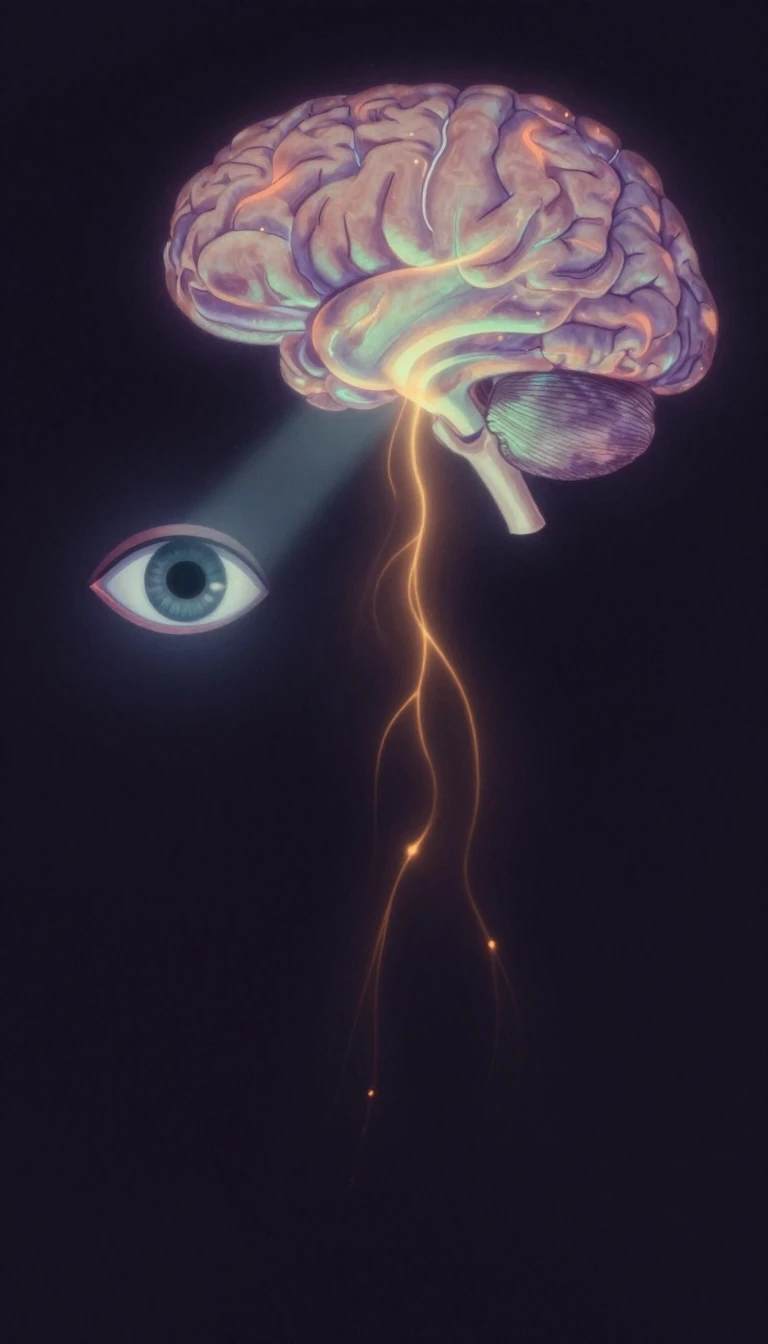 Your brain learns faster by thinking in two languages at onceWhy do you remember a vivid image of a dog more easily than a dry list of facts? It is because your mind uses two distinct channels for information. By engaging both verbal and vi…
 Your mind is not trapped inside your skullClassical cognitive science often treats the brain as a solitary processor, like a computer in a vacuum. But distributed cognition suggests that thinking is actually an outward-re…
 Is the world you see actually there, or just a mental copy?When you look at a red apple, are you seeing the object itself or a mental representation of it? This fundamental question divides philosophers into two camps: those who believe w…
 The invisible drive that compels every atom to existFrom the orbit of planets to your own instinct to survive, there is an underlying impulse toward persistence. Philosophers call this conatus: the innate tendency of any thing—be i…
- Why our brains are hardwired to see ghosts in the machineHumans possess a unique cognitive architecture that makes us prone to spotting agency where none exists. From the rustle of leaves to the mysteries of the cosmos, our minds are op…
 Your brain creates new realities by blending impossible scenarios togetherHow do you solve a riddle about a monk meeting himself on a mountain? You don't just imagine it; your brain constructs a new, hybrid reality. This process, called conceptual blend…
- Is your memory a blueprint inherited from your ancestors?While you don't inherit your grandfather's specific memories, your brain's ability to store them is deeply hardwired. Science suggests that memory isn't just a personal record; it…
 Why your brain discards information faster than you thinkMost people believe they simply lack the capacity to remember, but memory loss is often a predictable mechanical failure of time. By understanding the specific geometry of how we …
 How ancient myths preserve the true history of our planetFolk memory is more than just tall tales. From giant birds to prehistoric earthquakes, oral traditions often preserve biological and geological facts that were lost to written his…
- Why your most vivid memories might be less accurate than you thinkWe often treat our memories of shocking events like high-resolution photographs. These "flashbulb memories" feel permanent and precise, but research suggests that high confidence …
 Your brain acts like a relay: three distinct stores manage every thoughtHow does your mind juggle the blur of a passing car, the words in this sentence, and your childhood home? In 1968, researchers proposed that memory isn't one bucket, but a sophist…
 The 200-year evolution of medicine from floating ships to modern towersTropical medicine began not in a laboratory, but on the deck of a decommissioned warship. From protecting colonial sailors to treating global refugees, the field has transitioned …
 The rat lungworm: a parasite that migrates to the human brainA tiny nematode, less than a millimeter long, can cause severe neurological disease by traveling from a snail to a human brain. Known as the rat lungworm, Angiostrongylus cantonen…
- Do you actually deserve your talents, or was it just luck?We often believe our successes are earned through merit alone. However, some of the world's most influential philosophers argue that our greatest assets—intelligence, athletic abi…
 Is it clever reasoning or just a sophisticated excuse?When rules clash with reality, how do we decide what is right? Casuistry offers a way to navigate these murky waters by comparing complex dilemmas to clear-cut examples. But for c…
 The psychological cost of conformity can manifest as physical metamorphosisWhen a child suppresses their true preferences to fit in, the internal conflict can feel like a physical transformation. In David Shannon's 1998 book, Camilla Cream experiences a …
 The secular fight for a seat at the table of ethicsCan a non-religious worldview provide a foundation for public ethics and charity? The American Humanist Association argues yes, moving beyond mere atheism to advocate for social j…
 The invisible crisis of snakebites: a neglected global health emergencyWhile many view snakebites as a rare wilderness hazard, they are a massive public health crisis. Millions are bitten annually, leading to thousands of deaths and hundreds of thous…
 The hidden global reach of a virus that most people never seeMost herpes infections are invisible, occurring in people who show no symptoms at all. This silent transmission makes the virus incredibly difficult to track and manage. While man…
- Why your waist-to-height ratio might matter more than your BMIBody Mass Index is the standard for measuring obesity, but it has a major blind spot: it cannot distinguish between muscle mass and body fat. To find the real health risks, resear…
 The hidden social friction of public health's most vital toolContact tracing is more than a logistical puzzle; it is a delicate negotiation of privacy, stigma, and trust. While it serves as a pillar of disease control, its success often hin…
 Why the most common cause of unconsciousness isn't always in the brainWhen a patient arrives at an emergency room with an altered level of consciousness, clinicians often reflexively look for neurological trauma. However, data suggests that systemic…
 Prediabetes is a reversible early warning, not a permanent destinyMost people view prediabetes as a looming shadow of inevitable disease. In reality, it is a metabolic crossroads. Because it often lacks distinct symptoms, many people remain unaw…
- The molecular shadow that reveals how your body makes insulinWhen your pancreas produces insulin, it leaves behind a chemical footprint called C-peptide. Because it is released in equal amounts to insulin but stays in your system longer, it…
 The double-edged peptide: how a metabolic hormone can turn toxicAmylin is a master regulator of your metabolism, working alongside insulin to manage blood sugar and satiety. But in the body of a diabetic, this essential peptide can undergo a s…
 You spend one-third of your waking life in a mental daydreamWhile you believe you are navigating the world, your brain is often elsewhere. Research suggests that adults spend roughly 33% of their conscious lives engaged in undirected think…
 The high cost of closing the global vaccine gapWhile routine childhood vaccinations have averted 154 million deaths since 1974, progress is stalling. Despite massive global expansion, millions of children remain 'zero-dose'—co…
 The human brain is five orders of magnitude more energy efficientModern AI faces a looming power crisis, requiring massive data centers and dedicated nuclear plants to stay online. To solve this, engineers are looking to the human brain—the mos…
- Your brainstem may be failing to signal your breath before a seizureThe respiratory center in your brainstem is the autopilot for your breathing. However, research suggests that for people with epilepsy, this autopilot might be malfunctioning even…
- Your brain might be shrinking by 1% every single yearAging isn't just about memory loss; it's a physical restructuring of your neural architecture. While some regions remain stable, others undergo significant volume reduction and st…
- Why the color of blood in your stool matters for diagnosisThe appearance of blood in your stool is a biological map of your digestive tract. By observing the specific shade and consistency, doctors can often pinpoint whether an issue is …
- Love is not an emotion, but a primordial motivation systemForget the poetic descriptions of love as a mere feeling. Neurobiology suggests it is actually a complex motivational drive. This biological strategy hijacks your brain's reward a…
 The invisible labor behind the human insulin and genetic breakthroughsBiology is often viewed as a pure study of nature, but it is also a high-stakes industrial engine. From cloning mammals to engineering disease resistance, biologists bridge the ga…
 The 'All-on-4' dental revolution is more of a rebranding than an inventionModern dentistry offers a way to replace an entire set of missing teeth with just four implants. While it feels like a recent breakthrough, the technology actually relies on clini…
 The hidden microbial map of a dog's dental healthFor most dogs, gum disease is an invisible, irreversible progression. While owners often wait for visible redness to act, a new microbiome-derived metric can detect the microscopi…
 Why your personal definition of happiness matters more than objective factsIs happiness a measurable fact or a personal judgment? Science suggests it is the latter. Subjective well-being isn't a single metric; it is a label for how individuals evaluate t…
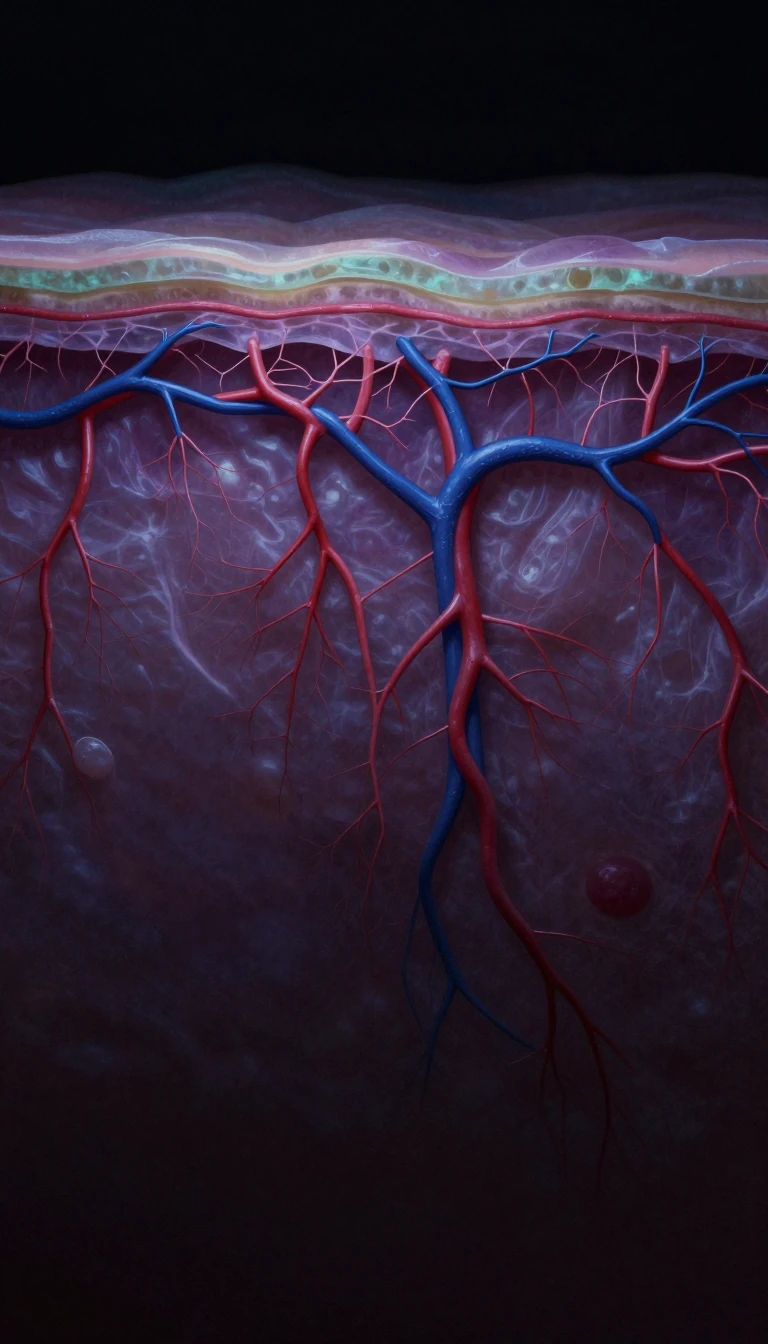 Your birthmark is a map of fetal development gone slightly awryBirthmarks are more than just unique skin patterns; they are physical records of how your body formed in the womb. From clusters of pigment cells to complex networks of blood vess…
 Why you should never use tweezers to remove a bee stingerThe instinct to grab a stinger with tweezers can actually make a sting worse. By pulling directly on the stinger, you risk squeezing more venom into your bloodstream. Understandin…
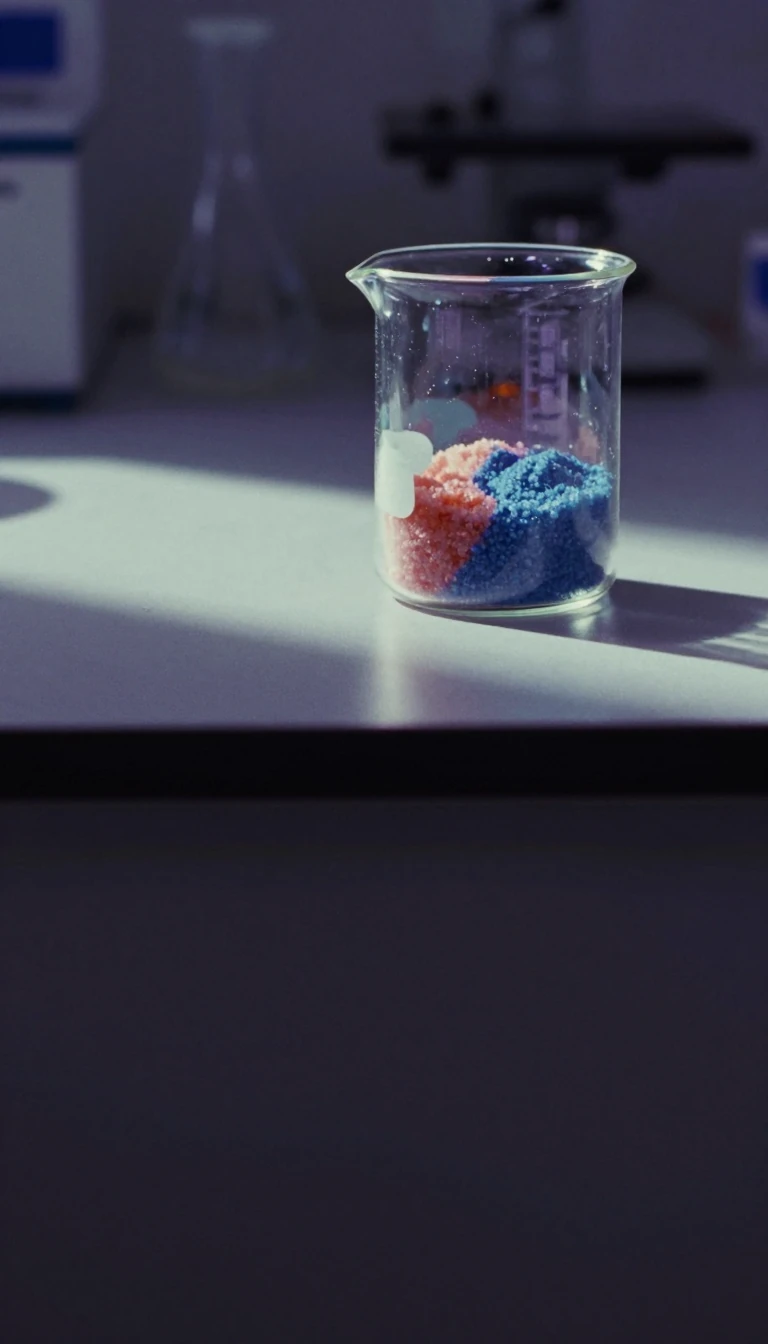 From 'Pep Pills' to Productivity: The Century-Long Evolution of AmphetaminesAmphetamines have shaped human history, from fueling WWII soldiers and 1960s dance subcultures to powering modern white-collar work. But how did a chemical first synthesized in 18…
- The King's secret surgery required a palace to move the guardsIn 1951, a malignant tumor threatened the life of King George VI. To save him, surgeons had to transform a palace room into a makeshift theater, demanding the monarchy move the ch…
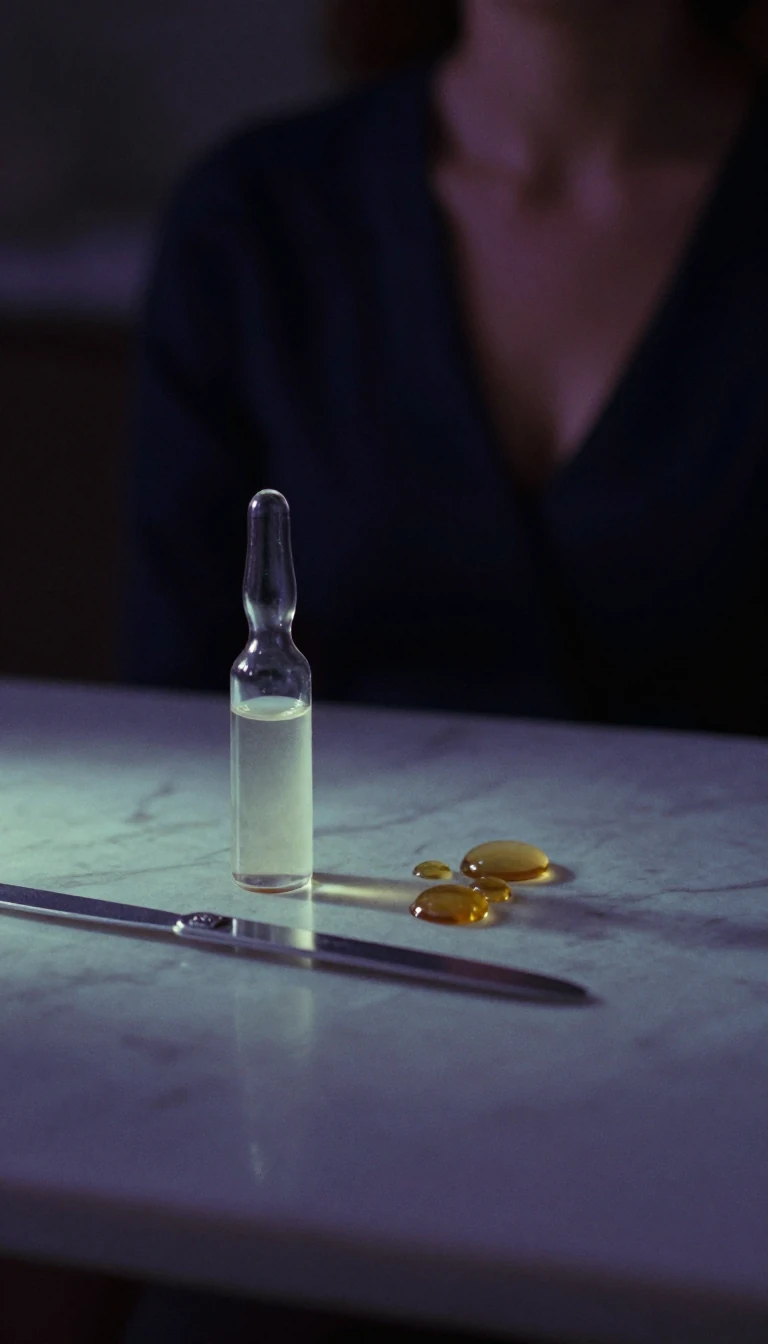 How light reveals your blood's oxygen without a single needlePulse oximetry is a painless, noninvasive test that uses light to measure how well oxygen reaches your extremities. By analyzing the way blood absorbs different wavelengths of lig…
 The surgery that turned 'blue babies' into survivorsBefore the 1940s, infants born with severe heart defects often faced a grim fate. Alfred Blalock changed that by pioneering a surgical shunt that rerouted blood flow, effectively …
- The heart's chemical alarm system signals when it is being stretchedWhen your heart muscle stretches due to excess blood volume, it releases a specific hormone called BNP. While it was originally named for the brain, it is actually a vital cardiov…
 When resources fail, a multiple casualty incident becomes a mass tragedyThe difference between a manageable emergency and a catastrophe isn't just the number of victims—it is the availability of resources. When demand exceeds capacity, systems shift i…
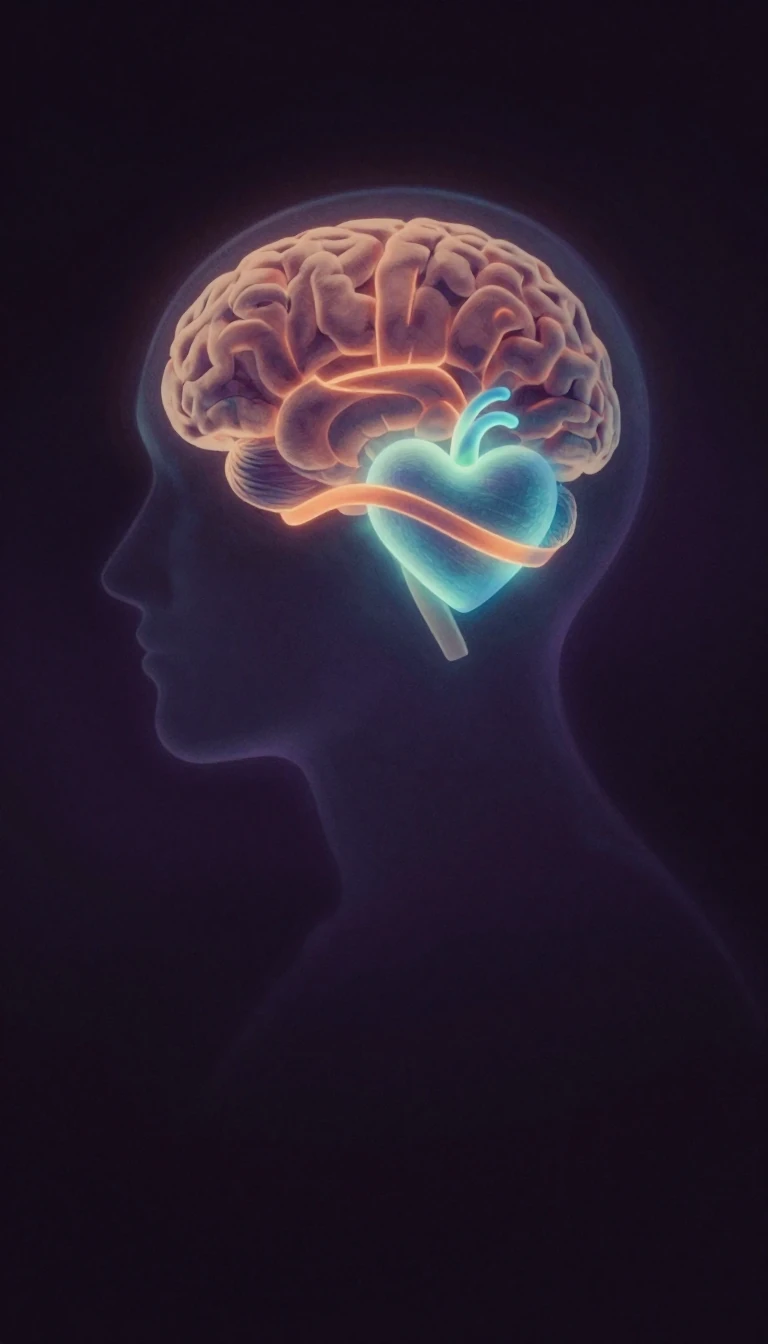 The medical mystery of people who 'wake up' after being declared deadWhen a healthcare provider declares a patient dead, the medical intervention usually stops. But sometimes, the heart restarts on its own. This rare phenomenon, known as the Lazaru…
- The high-stakes logic behind advanced life support protocolsWhen a heart stops, every second counts. Advanced Life Support moves beyond basic chest compressions into a sophisticated clinical algorithm. It is designed to identify and revers…