 Intellect Plus
Health
6,621 cards. Each one is a 40-second story with a five-minute read behind it. Page 33 of 111.
Subtopics: Ageing & longevity · Anaesthesia · Anatomy and morphology · Bacteria · Biology · Blood · Bones & muscles · Brain · Clinical trials · Consciousness · Diabetes · Diagnosis · Digestion · Dreams · Drugs and medication · Epidemiology · Ethics · Exercise · Exercise & fitness · Eyes & vision · First aid · Future Frontier · Germ theory · Global health · Health and fitness · Health, medicine and disease · Heart & circulation · History of medicine · Hormones · Hygiene · Immunology · Infection · Medical basics · Medical history · Medical procedures · Medicine · Medicines · Memory · Mental health · Mind · Morbidity · Neuroscience · Nutrition · Pandemics & epidemics · Psychiatry · Public health · Researched · Skin & hair · Sleep · Surgery · Teeth & dentistry · Vaccines · Vitamins
 How your brain learns to act without ever needing to thinkYou can tie your shoes or ride a bike without consciously recalling the steps. This is the power of procedural memory: an unconscious, long-term system that automates complex skil…
 Who are you? The science of constructing a unique selfIdentity is not a static trait you are born with; it is a complex process of construction. From the existential crises of adolescence to the professional shifts of adulthood, huma…
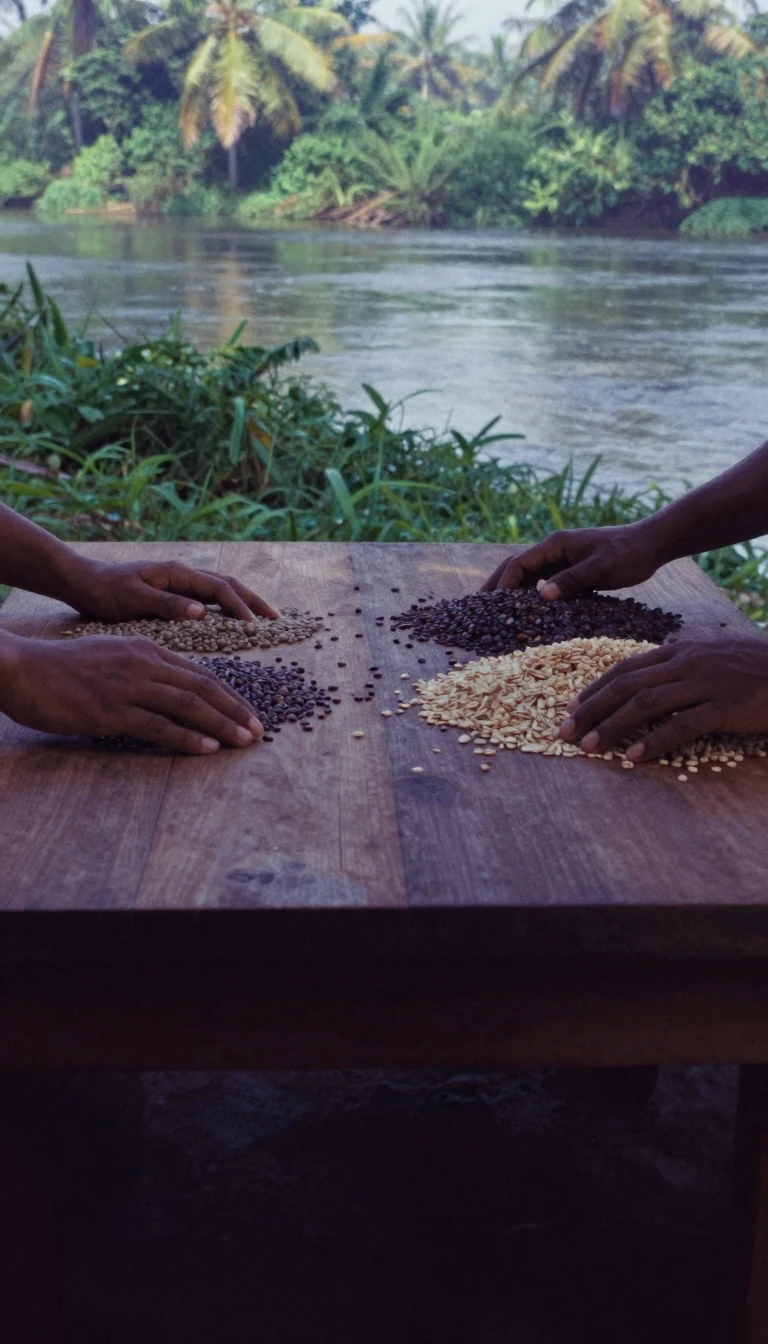 The invisible gap between high verbal intelligence and spatial reasoningImagine excelling at complex reading and speech, yet struggling to tie your shoelaces or navigate a simple map. This is the reality for individuals with Nonverbal Learning Disorde…
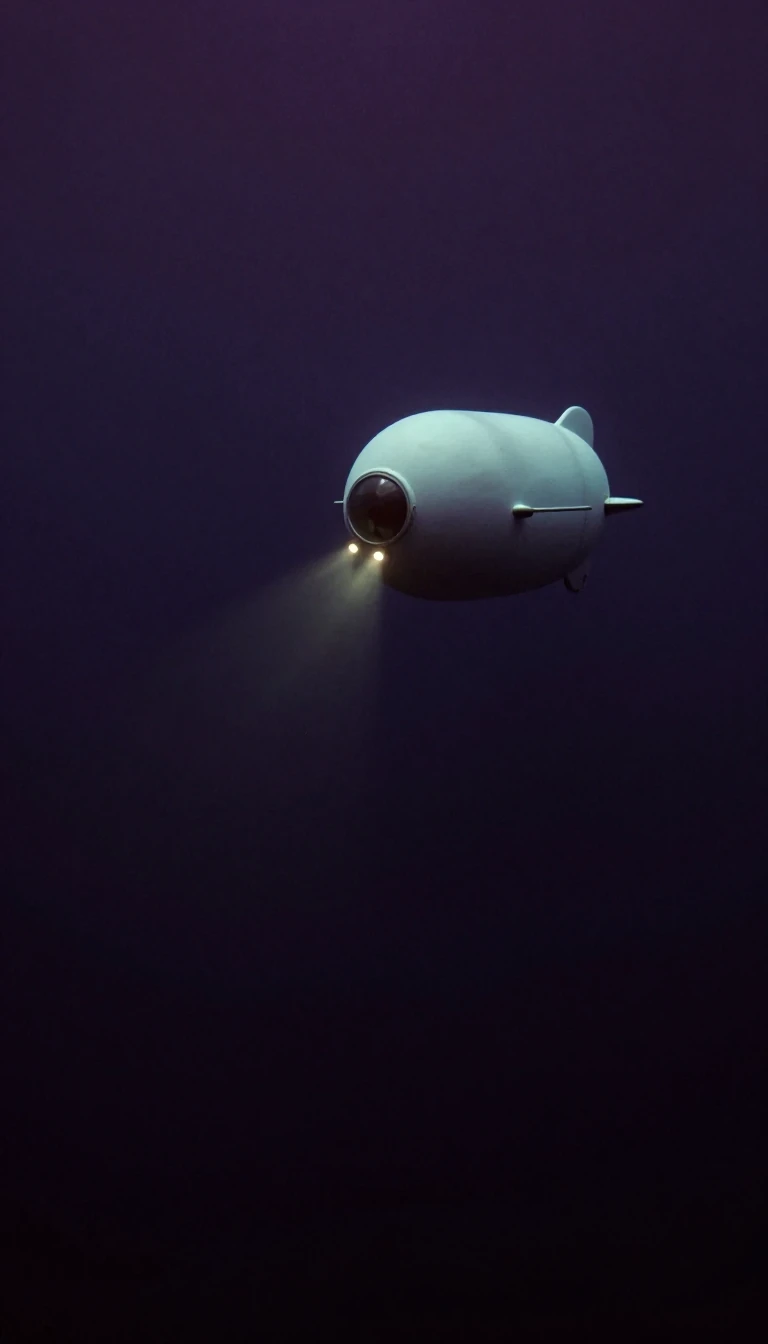 The high-stakes history of the human torpedoBefore modern submarines, naval warfare relied on daring divers riding miniature, electrically propelled torpedoes. These 'human torpedoes' were used to infiltrate enemy harbours,…
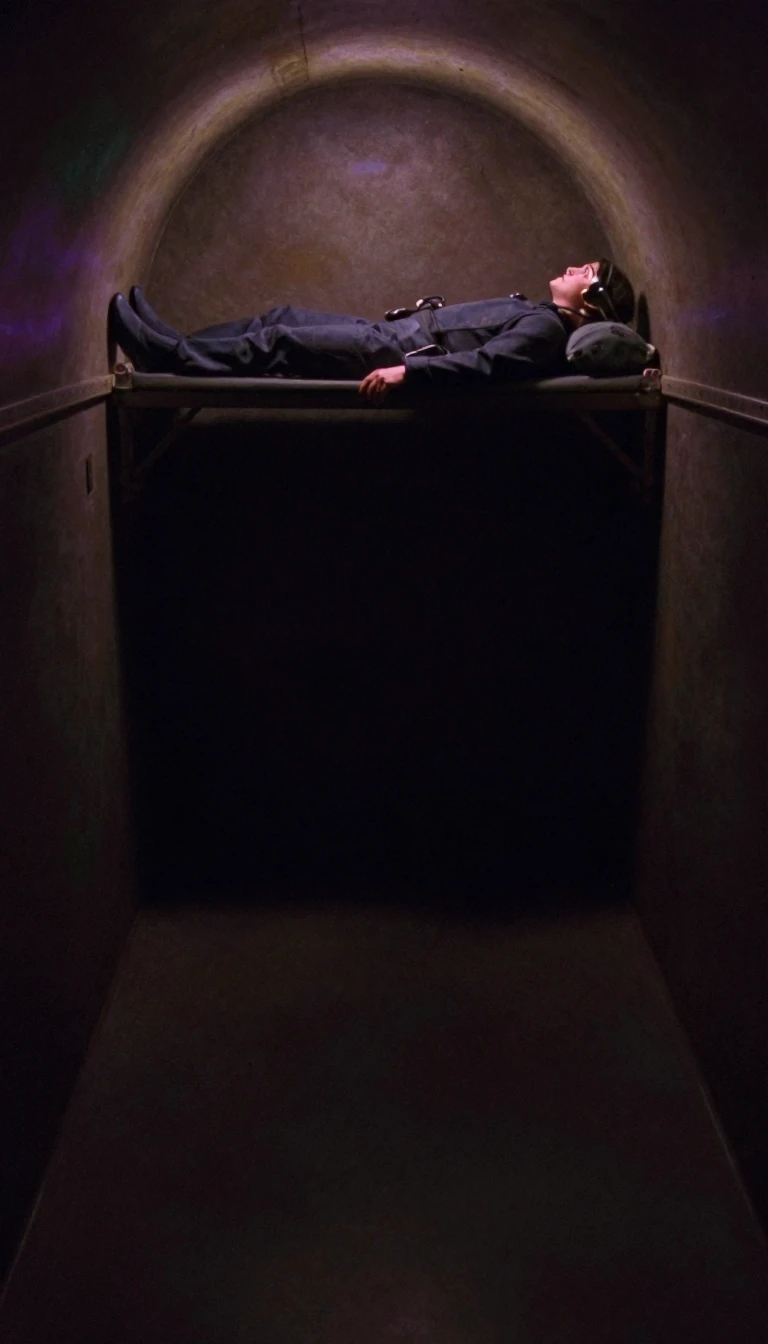 Diving in a suit of armor that defies ocean pressureImagine descending into the crushing depths of the ocean without feeling the weight of the water. Atmospheric diving suits allow humans to reach 2,300 feet while maintaining surfa…
 The terrifying weight of ancestral memories in a shared human psycheIn the Dune universe, memory is not just a personal history; it is a biological and spiritual inheritance. The Bene Gesserit order navigates a reality where the voices of the dead…
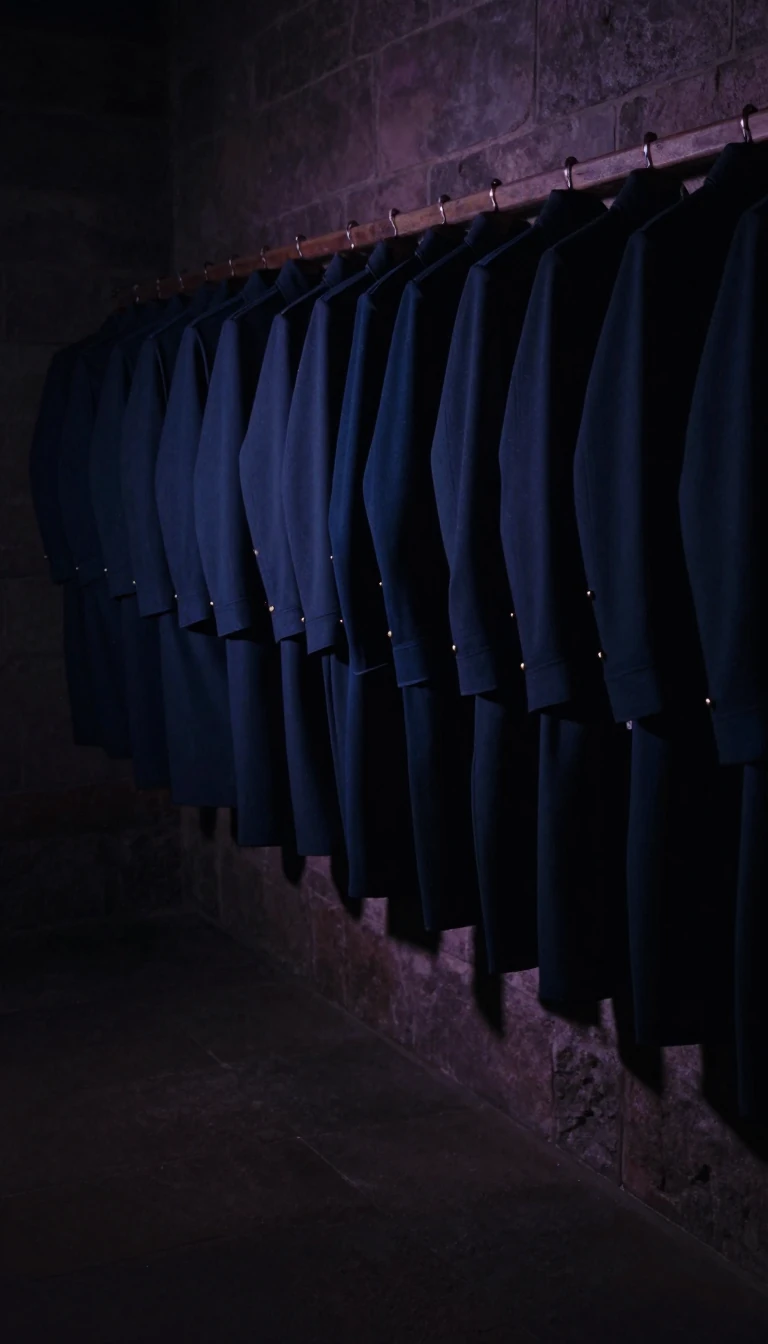 While being Prussian constitutes an honour, it lacks any joyThe Prussian virtues were more than just military discipline; they were a complex social architecture built on the tension between religious piety and Enlightenment reason. These …
 Beyond mere honesty, Satya is the fundamental architecture of realityIn ancient Indian philosophy, truth is not just a moral choice—it is the cosmic glue. From the Yoga Sutras to the Vedas, the concept of Satya describes a profound alignment betwee…
 The spiritual science of 'boiling over' for prosperityIn Tamil culture, true abundance is signaled by a pot overflowing. Pongal, a four-day harvest festival, transforms a simple cooking technique into a profound ritual of renewal. It…
 The ancient ritual of bringing the divine closer through sacrificeDerived from a Semitic root meaning 'to be near', the Korban was more than a simple offering. Whether through grain, incense, or ritual slaughter, these ancient practices were des…
 The queen who traded a throne for a monastic ruleIn the 6th century, a Frankish queen chose a radical path of religious devotion over royal life. After fleeing a brutal marriage, she founded one of the first large-scale female m…
- Is your identity a choice or a social performance?In existential philosophy, authenticity is the ultimate test of ownership. It is the struggle to act in recognition of your own freedom rather than deferring your life to social r…
 Is humanity a universal virtue or just a rare individual strength?While we often speak of humanity as a shared human trait, philosophers and psychologists debate whether these virtues are widespread or found only in a few. From Confucianism to m…
 The biblical disease that wasn't leprosy: understanding TzaraathFor centuries, Western readers confused a specific Biblical affliction with modern Hansen's disease. In reality, Tzaraath was a complex category of ritual impurity involving skin,…
 The brick-shaped virus that once decimated human populationsBefore its 1980 eradication, the variola virus was one of history's most feared pathogens. This large, brick-shaped agent didn't just cause skin eruptions; it fundamentally altere…
 The town that educated the man who conquered smallpoxBefore the world was rid of smallpox, the man who developed the first vaccine attended a local grammar school in Gloucestershire. Wotton-under-Edge holds a quiet place in the hist…
 The dance of the immune system: why children move like marionettesImagine a child suddenly developing erratic, writhing movements that resemble dancing. This neuropsychiatric disorder, known as Sydenham's chorea, occurs when an immune response t…
 The forgotten maritime empire that bridged Indonesia and PapuaLong before modern borders, the Sultanate of Tidore commanded a vast, archipelagic influence. Spanning from Sulawesi to West Papua, this Southeast Asian power used strategic naval…
 Was Monmouthshire ever truly part of England?For centuries, a legal tug-of-war defined whether this Welsh county belonged to Wales or England. While some 18th-century travelers claimed it became English under Charles II, mod…
 When the world felt like it was ending, a plague took its tollIn 250 CE, a devastating pandemic swept across the Roman Empire, killing up to 5,000 people daily in Rome alone. While the ancients saw it as divine wrath, modern scholars are sti…
 The naval surgeon who used a laparoscope to pioneer IVFBefore he was a pioneer of fertility, Patrick Steptoe was a prisoner of war. After surviving a shipwreck and Italian captivity, the British gynecologist would spend decades perfec…
 The monk who turned personal prejudice into a historical recordIn the 13th century, history was often a matter of perspective. Matthew Paris, a Benedictine monk, didn't just record the facts of his era; he wove his own biases, courtly connect…
 The irony of hygiene: how cleaner lives fueled a global epidemicPolio is an ancient disease that only became a modern nightmare because our ancestors got cleaner. By improving sanitation, we stopped children from being exposed to the virus at …
 The Chilean city that rose from the ashes of a native uprisingIn 1549, a single night of violence left a Spanish settlement in ruins. Yet, La Serena did more than just rebuild; it transformed into a colonial stronghold, an industrial pioneer…
 The 5,000-year journey of a bacterium that reshaped human historyPlague is one of humanity's oldest enemies, but its history is more than just a series of tragedies. From Neolithic Sweden to the Silk Road, the bacterium Yersinia pestis has evol…
 The Architecture of Readiness: How Military Colleges Forge LeadershipHow do you transform a student into a servant leader? Since 1879, Georgia Military College has utilized a structured military framework to build character. By blending academic ri…
 The women's college that pioneered global education through mandatory study abroadFounded in 1885 to provide women with higher education, Goucher College has evolved from a Baltimore seminary project into a modern, coeducational institution. Today, it stands as…
- A funeral dress for an Australian icon in declineThe Yellow-tailed Black-Cockatoo carries a plumage so sombre it was once thought to resemble funeral attire. Yet, this large cockatoo faces a modern crisis: the rapid loss of anci…
- The last person on Earth to die from smallpoxIn 1978, a medical photographer in Birmingham, UK, became the final human victim of a disease the world thought it had conquered. Her death exposed a chilling failure in laborator…
 The dangerous ambiguity of technology that serves two mastersA breakthrough in agriculture can become a chemical weapon; a medical tool can power a nuclear bomb. This is the dual-use dilemma: the thin, shifting line where civilian innovatio…
 The Cook Inlet: A Geological Pressure Cooker and Biological LaboratoryCook Inlet is more than just a waterway; it is a violent, rapidly shifting landscape shaped by tectonic collisions and extreme tides. From its role in the 1964 megathrust earthqua…
 Why computers prefer looking things up over doing the mathCalculating a complex sine wave or a logarithm is computationally expensive. To save time, engineers use a clever shortcut: instead of solving a formula, they simply look up the a…
 The parasite that turns the urinary tract into a battlefieldSchistosoma haematobium is more than a simple infection; it is a chronic parasitic disease that can lead to bladder cancer and permanent organ damage. By invading blood vessels an…
 The ancient art of cleaning water through physical and chemical barriersLong before the microscope revealed the existence of pathogens, civilizations were already mastering the science of filtration. From ancient Egyptian alum to modern municipal syst…
- The molecular 'starter' that allows life to copy its own blueprintDNA polymerase is the heavy machinery of replication, but it has a major limitation: it cannot start from scratch. It requires a pre-existing foothold to begin building. This tiny…
 Is the right to food more than just the absence of hunger?While we often equate food rights with preventing starvation, the legal standard is much higher. It demands dignity, safety, and variety. From prisons to households caring for chi…
- The molecular bridge: turning RNA into a readable DNA blueprintMost viruses carry their genetic instructions in RNA, a fragile molecule that is difficult to study directly. Reverse transcription polymerase chain reaction (RT-PCR) solves this …
 The invasive snail that might hold the key to human eye regenerationThe golden apple snail is a global agricultural menace, but its biology is hiding something profound. Beyond its ability to devastate rice crops and its unique method of building …
 The complex architecture of depression management and its many layersTreating depression is rarely a one-size-fits-all endeavor. From the precision of psychiatric evaluation to the emerging science of the gut-brain axis, managing mood disorders inv…
 The invisible expansion of Europe's most elusive disease vectorsSand flies are masters of stealth. These tiny, fragile insects are expanding their range across Europe, fueled by global warming and shifting human behaviors. Because they are non…
 How math turned biological chaos into the modern evolutionary synthesisFor centuries, biology struggled to bridge the gap between inheritance and evolution. It took a revolution in biostatistics—the application of rigorous mathematical modeling to li…
- The bridge between a hospital bed and a healthy neighborhoodMost healthcare happens inside clinics, but the most impactful health work often occurs where people live, work, and play. Community health moves beyond treatment to address the s…
 Why we ignore health risks until they become impossible to overlookWe often believe we know how to stay healthy, yet a massive 'knowing-doing gap' persists. While psychological models suggest we weigh risks and benefits, real-world evidence shows…
 Does seeing the deceased help us process grief or prolong the pain?Rituals like funeral viewings are thought to be fundamental to human survival. While many find seeing the body helps cement the reality of death, some experts argue the practice m…
 The hidden immune sabotage behind tick-borne ehrlichiosisEhrlichiosis is more than a simple infection; it is a sophisticated biological hijack. By suppressing specific immune signals, these bacteria can cause a toxic shock-like syndrome…
 The unexpected surge of clarity that precedes the end of lifeFor those caring for loved ones with advanced dementia, the most profound moment may be the most confusing. A sudden, brief return of personality, memory, and energy can occur jus…
 How honey bees use collective intelligence to choose a new homeWhen a honey bee colony splits, the new swarm faces a high-stakes survival clock. They must find a permanent nest within about three days of their initial departure, or they risk …
 The violin-shaped marking on a spider is not a reliable way to identify itMany fear the brown recluse for its potent, tissue-destroying venom. While the 'violin' pattern on its back is iconic, relying on it for identification is a mistake. Many unrelate…
 The logistics of loss: how a single notification triggers a bureaucratic cascadeWhen a life ends, the administrative machinery of a nation must also shift. In the UK, a single service can now alert multiple government bodies simultaneously, yet the complexity…
- How a single political phrase dismantled a healthcare provisionIn 2009, the term 'death panel' ignited a firestorm of controversy. While critics feared government-mandated euthanasia, the reality was far more mundane: a proposal to pay doctor…
 The parasite that hides in your skin for yearsCutaneous leishmaniasis is a parasitic infection that transforms simple skin lesions into lifelong scars. While it often appears as a localized ulcer, the parasite can remain dorm…
- The microscopic mechanics of the bed bug's predatory biteIt begins with a silent, saw-like precision. Before you even wake, a Cimex insect is using specialized mouthparts to pierce your skin, injecting a cocktail of anticoagulants and p…
 Why coyotes are losing their fear of humansCoyote attacks are rare, but they are becoming more frequent in areas like California. While these predators usually avoid people, a shift in behavior is occurring. From intention…
 The terrifying reality of cephalopod attacks and maritime mythsFrom the venom of the blue-ringed octopus to the legendary reach of giant squid tentacles, cephalopods occupy a space between biological marvel and maritime nightmare. While many …
 Why a seemingly minor cat bite requires urgent medical attentionA purring companion can turn into a medical emergency in seconds. Because cat teeth are sharp and narrow, they can inject bacteria deep into your tissue, where the skin heals quic…
 Your brain actively edits out your nose from your visionYou can see your nose right now, yet you don't notice it. This isn't a trick of the light; it is a sophisticated feat of neural processing. While your eyes capture a vast spatial …
 The surgical history of 'excision' and the mechanics of a faceliftA rhytidectomy is more than a cosmetic lift; it is a precise surgical repositioning of skin, fat, and muscle. From its origins in 1901 Berlin to modern techniques involving fat re…
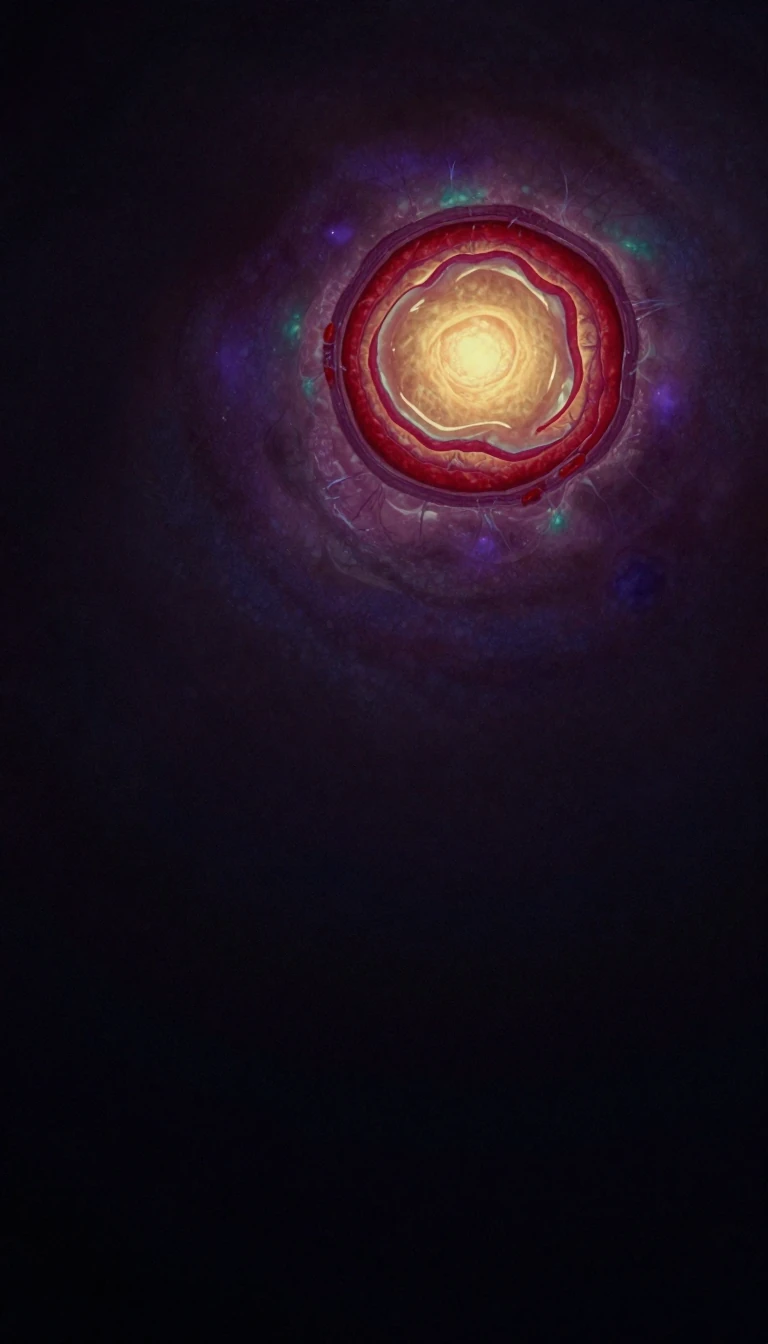 The invisible war inside the bloodstream: how Anaplasma destroys red blood cellsIt begins with a tick bite, but the real damage happens deep within the host. Anaplasma bacteria hijack red blood cells, triggering an immune response so aggressive that the body …
- Would you know how to use a defibrillator in a crisis?Artist and first-aid enthusiast Todd Scott uses a playful, intergalactic lens to explain the essential steps for using an automated external defibrillator (AED) to save lives.
 Stopping a virus by preventing its mosquito hosts from multiplyingMolecular biologist Nina Fedoroff explores the origins of Zika and proposes a controversial biological strategy to halt its spread. This talk examines how we can disrupt the life …