 Intellect Plus
Health
6,621 cards. Each one is a 40-second story with a five-minute read behind it. Page 36 of 111.
Subtopics: Ageing & longevity · Anaesthesia · Anatomy and morphology · Bacteria · Biology · Blood · Bones & muscles · Brain · Clinical trials · Consciousness · Diabetes · Diagnosis · Digestion · Dreams · Drugs and medication · Epidemiology · Ethics · Exercise · Exercise & fitness · Eyes & vision · First aid · Future Frontier · Germ theory · Global health · Health and fitness · Health, medicine and disease · Heart & circulation · History of medicine · Hormones · Hygiene · Immunology · Infection · Medical basics · Medical history · Medical procedures · Medicine · Medicines · Memory · Mental health · Mind · Morbidity · Neuroscience · Nutrition · Pandemics & epidemics · Psychiatry · Public health · Researched · Skin & hair · Sleep · Surgery · Teeth & dentistry · Vaccines · Vitamins
 Is reality just a dream we haven't woken up from yet?From science fiction to ancient literature, the 'dream world' serves as a powerful tool to blur the lines between what is real and what is imagined. It forces characters—and reade…
 Why the 1971 treaty excludes alcohol and tobacco from international controlThe Convention on Psychotropic Substances regulates everything from LSD to benzodiazepines, yet leaves alcohol and tobacco untouched. It is not because they are harmless, but beca…
 Is the human brain biologically incapable of solving the mystery of consciousness?We often assume that with enough data and better technology, we will eventually decode how matter produces subjective experience. But a growing school of thought suggests our brai…
 Are you a permanent soul or just a collection of passing perceptions?Philosophers have long debated whether a stable 'self' exists. From Aristotle’s immortal intellect to David Hume’s 'bundle theory,' the search for a core identity reveals a profou…
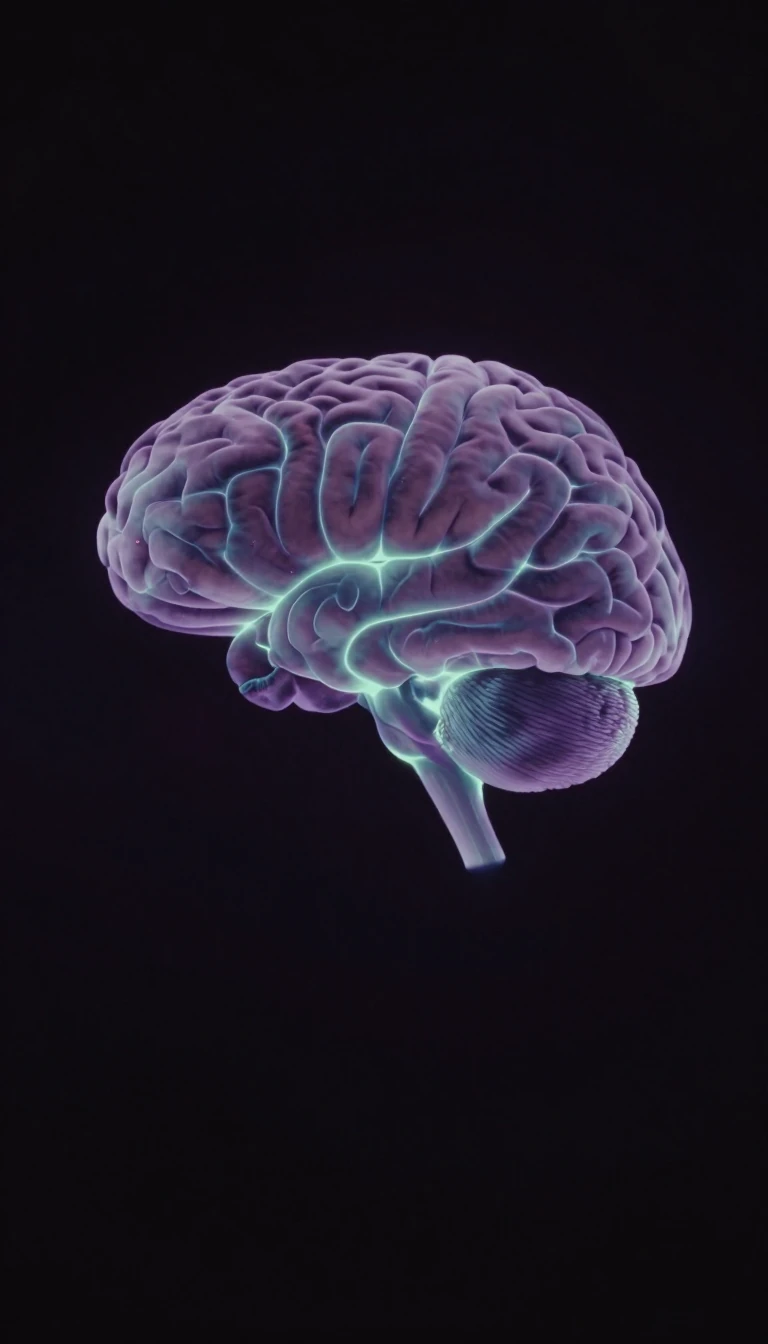 Is the brain's 'hardware' enough to explain the feeling of being?Neuroscientists are hunting for the Neural Correlates of Consciousness, which are the specific neuronal events that mirror our subjective experiences. While researchers can map wh…
 Can we achieve a state of awareness without any choice?Most of us navigate life through a constant stream of preferences and decisions. But what if true clarity only arrives when the 'chooser' disappears? Explore the radical philosoph…
 Your brain can record a change without you ever knowing it happenedYou might be missing major shifts in your environment, yet your brain is still processing them. Research shows that the mind can represent visual changes even when your conscious …
 The mental time travel that defines your sense of selfImagine being trapped in a permanent present, unable to recall yesterday or plan for tomorrow. This is the reality without autonoetic consciousness—the unique human ability to men…
 A cystocele is not a single defect, but a complex structural failureWhen the bladder pushes into the vagina, it is often labeled a cystocele. But this common condition isn't just one type of injury. It is a heterogeneous failure of the pelvic floo…
 The invisible architecture keeping global health systems from collapsingBehind every clinical success lies a massive, complex web of strategic planning, human resources, and economic logistics. Healthcare management is the bridge between medical scien…
 The world's longest continuous lockdown lasted 234 daysFrom total movement control to geographical segmentation, nations experimented with radical public health measures to curb the pandemic. While some countries avoided lockdowns ent…
 Can gamification turn the biological necessity of sleep into a reward?Sleep is a biological cornerstone, yet modern lifestyles often treat it as a luxury. Pokémon Sleep attempts to flip this dynamic by turning rest into a competitive mechanic. By re…
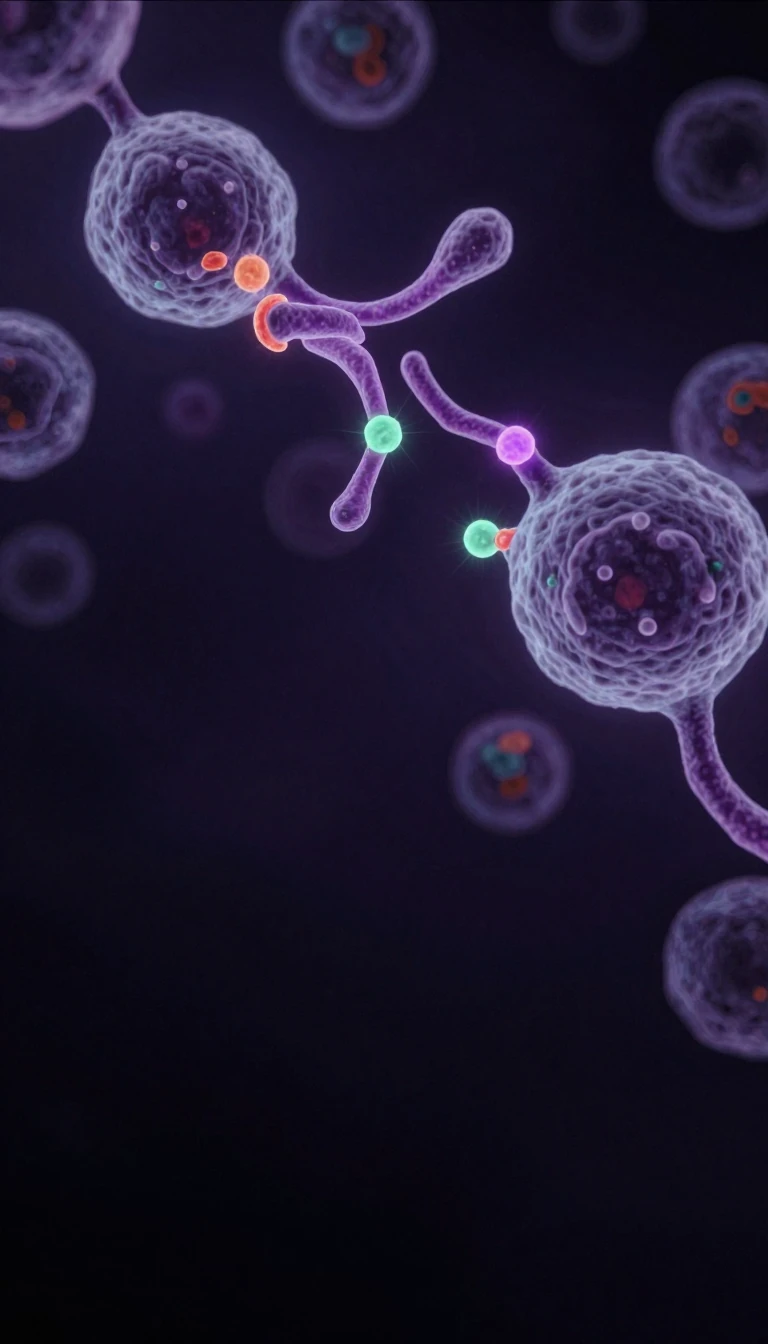 Why giving your body just a piece of a virus worksMost vaccines use weakened or killed pathogens to teach the immune system how to fight. Subunit vaccines take a different approach: they strip away everything except the specific …
 The surgical tilt that moves organs to make roomIn the operating room, gravity is a tool. By tilting a patient so their feet are elevated above their head, surgeons can physically shift internal organs. This maneuver, known as …
 From 18th-century bedtime prayers to modern heavy metal anthemsA simple Christian children's prayer has transcended its original religious context to become a staple of pop culture. From horror cinema and rap to heavy metal, the haunting cade…
- Why a 20-minute nap is scientifically superior to a long oneFalling into a deep sleep during the day can backfire, leaving you more exhausted than before you closed your eyes. The secret to a revitalizing midday boost lies in timing your n…
 The lost art of the midnight wakefulnessBefore the industrial revolution and electric light, humans didn't sleep in one long block. Instead, many practiced segmented sleep: a period of rest, a period of midnight wakeful…
 Your body has a natural clock that ignores your alarmSome people are biologically wired to thrive at dawn, while others find their peak only after sunset. This isn't a lack of willpower or a bad habit; it is your chronotype. Underst…
 Is bed-sharing a dangerous risk or a vital evolutionary tool?In many cultures, sleeping in the same bed as your child is standard. While some fear the risks of suffocation, others point to lower stress hormones and improved infant stability…
 The hidden danger of rinsing your nose with tap waterNasal irrigation is a common way to clear sinuses, but using the wrong water can turn a simple hygiene routine into a life-threatening risk. While it effectively flushes out aller…
- The strange phenomenon of sleep drunkenness: when the brain wakes up in piecesImagine sitting up in bed, mumbling incoherently, or even acting aggressively, only to wake up minutes later with no memory of the event. This is a confusional arousal—a state whe…
 Could massive doses of vitamin C reverse organ failure in critical illness?While high-dose vitamin C is often dismissed as alternative medicine speculation, new research suggests it may do more than just prevent scurvy. In cases of severe sepsis and COVI…
 Birds spend 92% of their maintenance time 'zipping' their feathersTo a bird, a feather is a high-performance tool for flight, insulation, and waterproofing. Because feathers are essentially dead structures, they require constant upkeep. Birds sp…
 The widening gap in child mortality reveals a growing crisis of inequalityWhile global child mortality has declined by 60% since 1990, recent data shows a troubling reversal in the UK. In some regions, death rates are climbing again, driven by a stark d…
 Is obedience to God a requirement for salvation or a result of it?In Christian theology, the line between sincere devotion and "legalism" is often blurred. While some see strict adherence to religious laws as a way to earn heaven, others argue t…
 Is morality a matter of justice or a web of care?For decades, psychology suggested that moral maturity was defined by abstract principles and individual autonomy. In 1982, Carol Gilligan challenged this, arguing that for many, m…
 Does 'knowing' change depending on who is asking and where?In a cafe with friends, you know your hands exist. In a philosophy seminar, that certainty vanishes. This isn't a psychological trick; it might be a linguistic reality called cont…
 Why being overweight might actually save lives in some patientsIn many medical contexts, obesity is viewed as a primary risk factor for disease. However, a phenomenon known as the obesity paradox suggests that for older adults or those with c…
- The physician turned pirate was inspired by a real surgeon's ordealWhile Captain Blood is a fictional legend, his origins are rooted in the brutal reality of the 1688 Monmouth Rebellion. Rafael Sabatini wove historical political shifts and the tr…
 Why doctors use odds ratios to solve the 'missing data' problemIn epidemiology, knowing the risk of a disease is the goal, but sometimes the data simply doesn't exist. When researchers can't see the whole population, they turn to the odds rat…
 Why doctors analyze patients who never actually took the medicineIn clinical trials, some patients drop out or refuse treatment. If researchers only studied those who finished the course, they might see a fake success. To find the truth, scient…
- How many patients must receive a drug to prevent a single tragedy?In medicine, success is often measured by percentages, but those numbers can mask the true scale of impact. To understand a treatment's real-world power, clinicians use the Number…
 The medical theory that once blamed your teeth for everythingDuring the early 1900s, a dominant medical belief suggested that localized, hidden infections—frequently located in the mouth—triggered nearly every chronic illness. From mental d…
 Your genes are the manual, but your environment writes the storyWhile the Human Genome Project mapped our inherited DNA, a new field called exposomics is mapping the 'exposome'—the total sum of every environmental influence we encounter from b…
 How to find causal truth when you cannot run a controlled experimentIn epidemiology, researchers often face a dilemma: they cannot randomly assign treatments to people. This leaves them with biased, observed data. But a clever statistical techniqu…
 The snapshot method: why a single moment in time can reveal much but prove nothingResearchers often use cross-sectional studies to capture a population's health at a specific moment. While these 'snapshots' are incredibly efficient for identifying widespread tr…
 Why your brain's size might have nothing to do with your IQA larger brain doesn't automatically mean higher intelligence. From island species shrinking their skulls to humans evolving complex social systems, biology shows that brain volum…
 The hidden architecture of choice: why 'informed' consent is rarely simpleTrue consent requires more than a signature. It demands a delicate balance of three pillars: voluntariness, information, and capacity. While a patient might agree to a procedure, …
- Simulating the human brain to unlock secrets of Alzheimer's diseaseSince experimental manipulation of the human brain is restricted, researchers are building high-fidelity simulations to study health and disease. These tools range from 3D human t…
- The brain's internal switchboard: how we decide what actually mattersHow does your brain decide to ignore a passing car but react instantly to a sudden sharp pain? It relies on a specialized neural system designed to filter the chaos of the world, …
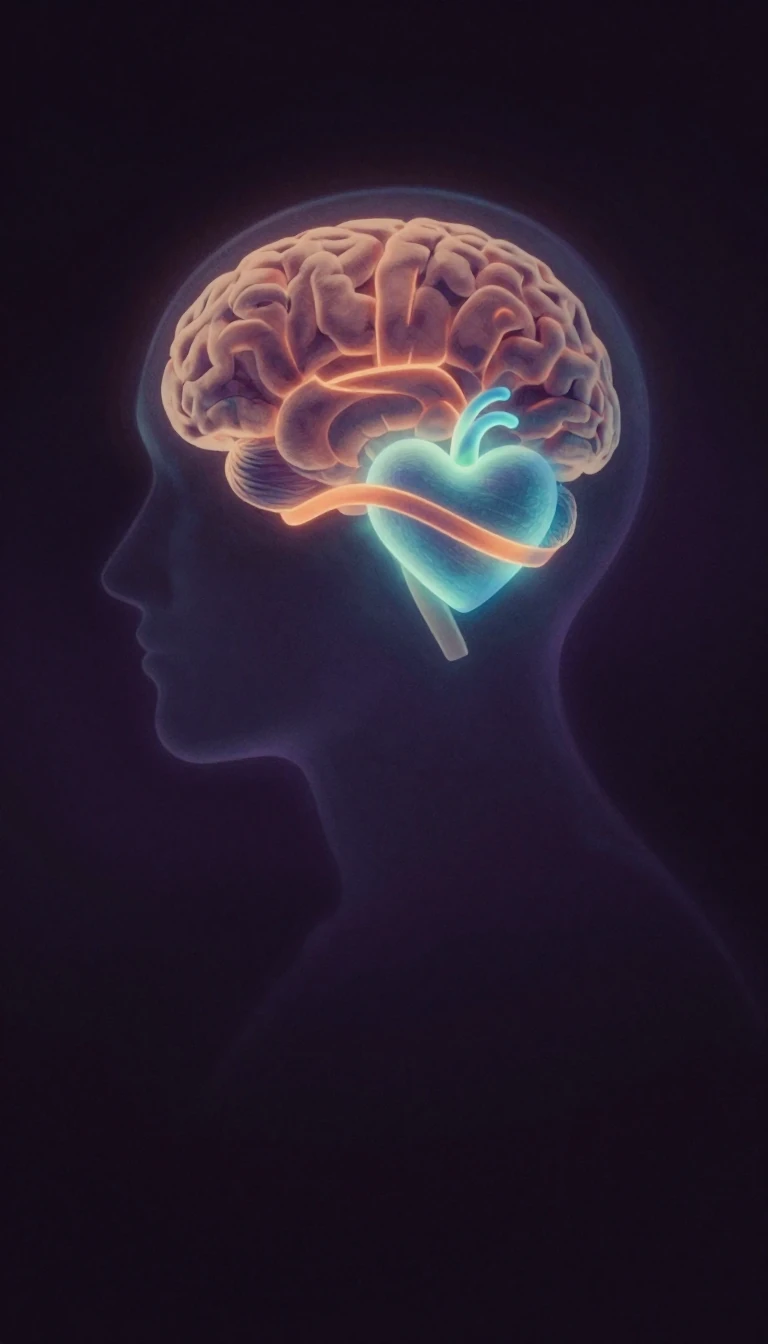 How your brain learns to dance to the rhythm of the worldFrom pendulum clocks to fetal development, your brain is wired to synchronize with external rhythms. This process, known as brainwave entrainment, suggests that our very perceptio…
- The cellular clumps that hold the secrets to neurodegeneration and biotechnologyOften dismissed as mere cellular waste, inclusion bodies are dense, protein-rich aggregates found in everything from bacteria to human neurons. While they are hallmarks of devasta…
 Bacteria use grappling hooks and rotary motors to navigate their worldBacteria aren't just drifting; they are sophisticated engineers of motion. From microscopic propellers that rotate like high-torque engines to grappling hooks that pull them acros…
 The ancient microbes that breathe sulfate and eat industrial wasteDeep in anoxic sediments and industrial sludge, a group of ancient microorganisms performs a unique metabolic feat. Instead of oxygen, these bacteria use sulfate as their primary …
 The divine blood of gods and the foul reality of pathologyIn Greek myth, ichor is the ethereal, golden fluid of the immortals. But in the history of medicine, the word describes something far less divine: a foul-smelling, watery discharg…
 Why a single day of awareness became a global mental health mandateMental health advocacy isn't just a modern trend; it is a structured global movement. Since the early 1990s, an international day has served as a catalyst to dismantle social stig…
 Your brain treats social isolation like a literal famineHumans possess an intense 'skin hunger' that is as fundamental as our need for food or water. When we are deprived of physical contact, our brains react to the lack of touch with …
 The 2,000-year evolution of breathing life back into the bodyBefore modern defibrillators existed, medical pioneers struggled to define the boundary between life and death. From ancient Chinese scrolls to 18th-century rescue societies, the …
 From demonic possession to autoimmune attacks: the evolution of madnessFor millennia, humanity attributed erratic behavior to spirits, gods, or imbalances of bodily fluids. While we have moved toward biological and psychological models, modern medici…
 The 'Living Death': How a 100,000-year-old bacterium shaped human historyFor centuries, leprosy functioned as a social death sentence rather than just a medical condition. This ancient pathogen forced the creation of entire cities, dictated religious l…
 The only human disease we have ever truly defeatedFor centuries, smallpox was a global terror, killing up to 30 percent of its victims and leaving survivors with permanent disfigurement. Yet, through a monumental feat of global c…
- From rabbit embryos to human life: the complex evolution of IVFWhile we often associate in vitro fertilization with modern medicine, its roots lie in decades of animal experimentation. The journey from transferring rabbit embryos in 1890 to t…
- The ancient rivalry that birthed modern medical denialismBefore we understood bacteria, a fierce scientific rivalry created a blueprint for modern medical denialism. By pitting the reality of microbes against the pleomorphic theory, thi…
- From bamboo pegs to titanium: the long evolution of dental restorationFor millennia, humans have sought ways to replace lost teeth, using everything from carved bamboo and precious metals to seashells and ivory. While modern dentistry relies on high…
 How a 50-year-old medical template is training the next generation of AIThe SOAP note has long been the cognitive backbone of clinical reasoning. Now, researchers are using this structured format to help large language models better identify hidden dr…
 Why a honey bee's sting is often a fatal last actMost people believe a bee sting is a simple puncture, but for the honey bee, it is a mechanical tragedy. Because of a specific anatomical design, a single sting against a mammal c…
 The chemical jolt: why athletes are sniffing ammonia for an edgeFrom Victorian fainting couches to modern NFL sidelines, smelling salts have a storied history. But is this pungent ritual a genuine performance enhancer, or just a clever way to …
- Why withholding resources does not stop drug use, but makes it more dangerousWhen faced with rising overdose deaths, some argue that providing sterile equipment incentivizes drug use. However, public health experts suggest a different reality: people will …
 When your immune system forgets how to turn off the fireImagine an internal alarm system that triggers a full-scale emergency response for no reason. For those with Familial Mediterranean fever, the body's defense mechanism becomes stu…
 The deep-sea secret that might be harming your heartIn the crushing depths of the Mariana Trench, a small molecule allows fish to survive where proteins would normally collapse. But in humans, this same marine life-saver is being l…