 Intellect Plus
Health
6,621 cards. Each one is a 40-second story with a five-minute read behind it. Page 79 of 111.
Subtopics: Ageing & longevity · Anaesthesia · Anatomy and morphology · Bacteria · Biology · Blood · Bones & muscles · Brain · Clinical trials · Consciousness · Diabetes · Diagnosis · Digestion · Dreams · Drugs and medication · Epidemiology · Ethics · Exercise · Exercise & fitness · Eyes & vision · First aid · Future Frontier · Germ theory · Global health · Health and fitness · Health, medicine and disease · Heart & circulation · History of medicine · Hormones · Hygiene · Immunology · Infection · Medical basics · Medical history · Medical procedures · Medicine · Medicines · Memory · Mental health · Mind · Morbidity · Neuroscience · Nutrition · Pandemics & epidemics · Psychiatry · Public health · Researched · Skin & hair · Sleep · Surgery · Teeth & dentistry · Vaccines · Vitamins
 Neurodevelopmental disorders arise when the brain's rapid, delicate maturation process encounters significant external disruptions.Neurodevelopmental disorders are not acquired injuries but conditions rooted in the disrupted growth of the brain during early childhood. From genetic predispositions to environme…
 Your brain is not a fixed organ but a dynamic, self-rewiring biological machine.Neuroplasticity is the brain's natural ability to adapt, learn, and physically reorganize itself throughout your life. By forming new synaptic connections, your mind evolves to me…
 Is neurodiversity a medical disorder or simply a natural variation in human brain function?Neurodiversity describes natural differences in how brains process information, challenging the traditional view of autism and other conditions as mere deficits. By shifting from …
 How a simple antibiotic turns into a DNA-shredding weapon inside your bodyMetronidazole is a medical paradox. It is a harmless prodrug that only activates in low-oxygen environments, like those found inside anaerobic bacteria. Once triggered, it transfo…
 Why Government Health Insurance Often Fails to Reach the People Who Need It MostUniversal health coverage aims to protect citizens from financial ruin, yet in many developing nations, the poorest households remain largely uninsured. Even when government-spons…
 Mirtazapine is a unique antidepressant that often helps patients sleep and gain weight.Unlike many common antidepressants, mirtazapine acts as a potent sedative that can improve sleep quality and stimulate appetite. While it is primarily prescribed for major depress…
 Leucine is the essential amino acid that acts as a master switch for muscle.Leucine is more than just a protein building block. As one of three branched-chain amino acids, it serves as a critical metabolic signal that triggers muscle growth and repair. Wh…
 Why Lewy body dementia is the most frequently misdiagnosed form of cognitive declineDementia with Lewy bodies is the second most common form of dementia after Alzheimer's, yet it remains widely misunderstood. Characterized by protein clumps in the brain, it prese…
 Medical school is a global rite of passage with vastly different paths to practiceBecoming a physician is a rigorous, highly competitive journey that varies significantly across borders. While some nations favor direct entry from high school into six-year progr…
 Why your hip pain might be more than just a simple muscle strainHip pain is a common complaint, but its origins range from simple overuse to complex joint conditions. Because the hip supports your entire torso, understanding when to manage pai…
 Your body isn't broken; it is intentionally turning up the heatWhen you feel the chills and reach for a thermometer, you might feel like your system is failing. In reality, a fever is a sophisticated, evolved defense mechanism. Your brain is …
 Why surgeons pump air into your body to perform modern keyhole surgeryLaparoscopy, or keyhole surgery, replaces large incisions with tiny cuts and a camera. To create the necessary space for instruments to operate inside the tummy or pelvis, surgeon…
 Legionnaires' disease is a severe pneumonia lurking in the water systems of large buildings.Legionnaires' disease is a serious lung infection caused by inhaling water droplets contaminated with Legionella bacteria. While it rarely spreads between people, it thrives in hu…
 Heart failure does not mean your heart has stopped working entirelyHeart failure is a serious, chronic condition where the heart struggles to pump enough blood to meet the body's needs. While there is no cure, it is not the same as cardiac arrest…
 Fluoxetine: How a common antidepressant works and why its clinical history is being re-examined.Fluoxetine is a widely prescribed selective serotonin reuptake inhibitor used for depression, OCD, and bulimia. While it is a staple of modern psychiatry, recent re-evaluations of…
 Are your moods just ancient fluids, or is there a deeper biological reality?For centuries, physicians believed personality was dictated by the balance of blood, phlegm, and bile. While modern science has abandoned this humoral theory, the four temperament…
 Frontotemporal dementia is a distinct, often misunderstood condition that strikes younger adults than Alzheimer's.Unlike more common dementias that primarily erode memory, frontotemporal dementia targets the brain's frontal and temporal lobes. This leads to profound shifts in personality, beh…
- Hemorrhoids are simply swollen veins, but they are often misunderstood and misdiagnosed.Hemorrhoids are essentially varicose veins of the anus and rectum. While frequently associated with discomfort, bleeding, or itching, they are a common condition that often respon…
 Heroin is a potent morphine derivative that fundamentally alters the brain's reward pathways.Synthesized from morphine in 1874, heroin is a highly addictive opioid that induces intense euphoria by binding to brain receptors. While it once held potential as a medical analg…
 Fentanyl is a medical marvel that has become a global public health crisisFentanyl is a synthetic opioid up to 100 times more potent than morphine, serving as a vital tool for surgical anesthesia and severe pain management. Yet, its extreme potency make…
 The hidden engineering behind your bathroom flush reveals a surprising history of mechanical failureThe modern flush toilet is a marvel of plumbing, yet it remains prone to silent, costly leaks. From the traditional siphon to the high-pressure valve, these systems balance water …
 Why a minor electric shock might be more dangerous than it first appearsYou might feel fine after a minor electric shock, but electricity can cause hidden damage deep within your body. While most household shocks are harmless, internal injuries are no…
 When your brain forgets how to sleep, it begins a slow, irreversible decline.Fatal familial insomnia is a rare, life-threatening condition where a genetic mutation causes misfolded proteins to accumulate in the thalamus. This toxic buildup progressively de…
 Why your face turns red when you feel embarrassed, ashamed, or socially anxiousBlushing is a uniquely human, involuntary reaction that signals your inner emotional state to the world. While often perceived as an embarrassing nuisance, this physiological resp…
 Augmentative and alternative communication gives a voice to those who cannot speakFor individuals struggling with spoken or written language, Augmentative and Alternative Communication (AAC) provides essential tools to bridge the gap. From simple picture charts…
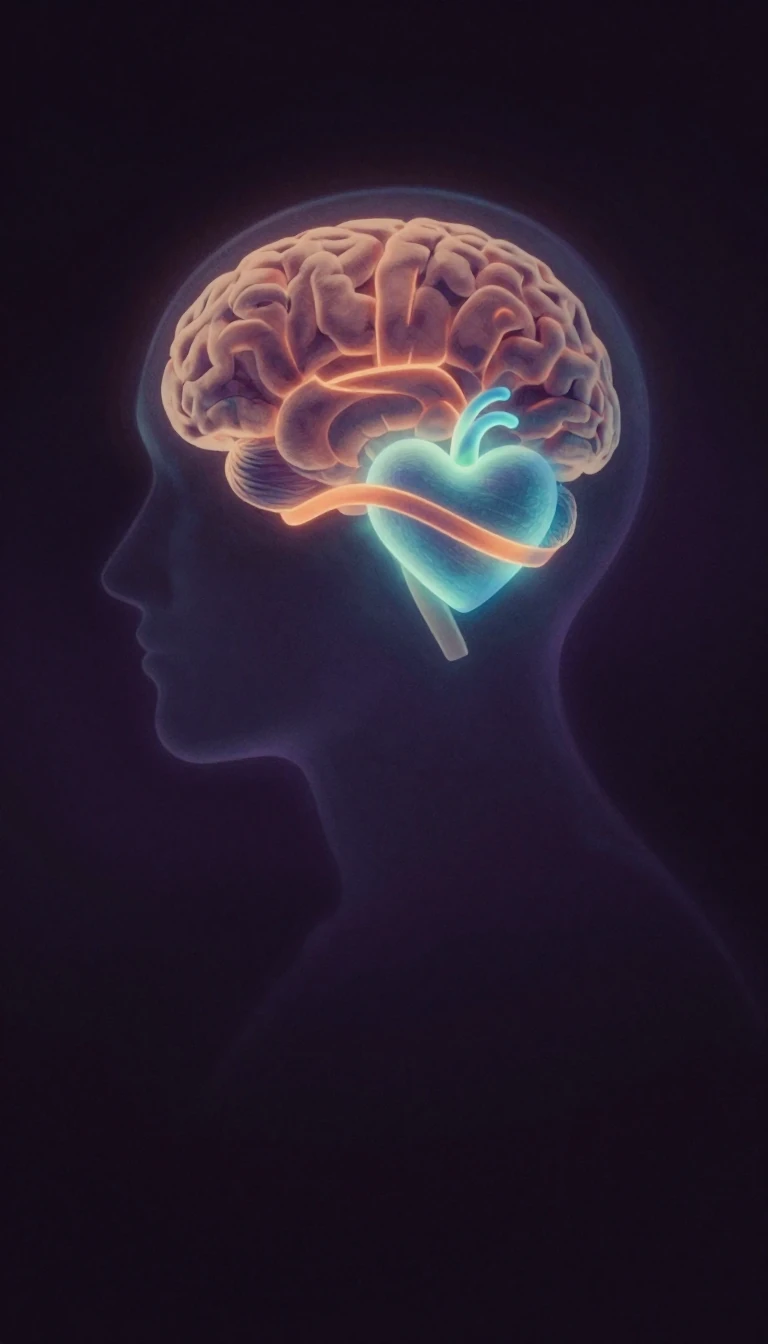 Deep brain stimulation uses electrical pulses to rewire dysfunctional brain circuits in real time.By implanting a pulse generator in the chest and electrodes deep within the brain, surgeons can now disrupt the misfiring networks behind Parkinson's and other disorders. This rev…
 Gene therapy aims to fix genetic problems at their source by manipulating cellular DNAGene therapy is a medical technology that treats disease by adding, replacing, or editing genetic material within living cells. While early trials faced significant setbacks, mode…
 Beyond Braces: How Custom Orthotics Rebuild Mobility Through Precision Engineering and BiomechanicsOrthotics are far more than simple splints. By merging advanced materials like carbon fiber with deep anatomical knowledge, modern orthotists create custom devices that restore st…
 Why your stomach acid is a vital barrier against dangerous bacterial infectionsYour stomach is an acidic fortress, maintaining a pH as low as 1 to neutralize pathogens. While modern medicine often suppresses this acid to treat discomfort, doing so may inadve…
 Chronic kidney disease is often silent, yet early detection can prevent total organ failure.Chronic kidney disease is a global health crisis that frequently goes undiagnosed until it is advanced. While often asymptomatic in its early stages, the condition is detectable t…
 Uremia is more than just kidney failure: it is a complex systemic poisoning.Uremia occurs when failing kidneys allow toxic waste products to accumulate in the blood. While often linked to renal failure, this condition triggers a cascade of systemic issues…
 Why your body’s waste product might actually be a powerful cellular protectorBilirubin is often dismissed as a toxic byproduct of red blood cell destruction, responsible for the yellow hue of jaundice. Yet, this red-orange pigment may serve a vital, hidden…
 Vitamin A is essential for vision and immunity, but too much can be toxic.Vitamin A is more than just a nutrient for your eyes. It acts as a powerful gene regulator, orchestrating everything from embryonic development to immune system balance. While def…
- Vitamin K is the essential molecular switch that prevents internal bleeding and builds boneWithout vitamin K, your blood cannot clot and your bones lose their ability to bind calcium. This fat-soluble nutrient acts as a vital cofactor for enzymes that modify proteins, e…
 The star-shaped spice that once fueled a global race for flu medicineThis fragrant evergreen, native to China and Vietnam, is more than a culinary staple. Beyond its role in five-spice powder and pho, its unique chemical profile made it the primary…
 The $25 billion gamble that defined modern private equityIn 1988, a high-stakes corporate takeover became the ultimate symbol of Wall Street greed. KKR's acquisition of RJR Nabisco wasn't just a deal; it was a marathon of debt restructu…
 Is this humble swamp-dwelling herb a culinary treasure or a hidden health risk?Known as gotu kola, Indian pennywort is a staple leafy green across Asia, prized for its role in salads, porridges, and stir-fries. Yet, this aquatic plant is more than a kitchen …
 How the medieval city of Erfurt became a focal point for modern health researchErfurt is known for its medieval architecture and being the home of composer Johann Pachelbel. Yet, this German city also serves as a critical site for understanding the invisible…
 Why the common cold virus is a life-threatening predator for the very young and old.Respiratory syncytial virus is a master of immune evasion, infecting nearly every child before age two. While usually causing mild cold-like symptoms in healthy adults, this virus…
 Why does a common skin condition persist despite our best efforts to treat it?Seborrhoeic dermatitis is a chronic, recurring skin disorder that affects up to 5% of the population. While often mistaken for simple dandruff, this condition involves complex int…
 Tuberous sclerosis is a genetic condition that causes benign tumors across multiple organ systems.Tuberous sclerosis complex is a rare genetic disorder that triggers the growth of benign tumors in the brain, heart, kidneys, and skin. While symptoms vary widely, the condition i…
 The invisible, fleeting forces that hold the world together at the molecular level.Van der Waals forces are the weak, distance-dependent interactions between atoms and molecules that arise from transient shifts in electron density. While individually fragile, th…
 Spelt is an ancient, hardy grain that has fed Europe for thousands of yearsOften marketed today as a modern health food, spelt is actually a relict crop with roots stretching back to the Neolithic period. This hexaploid wheat, once a staple from the Bron…
 Prostatectomy: Understanding the Surgical Removal of the Prostate GlandProstatectomy involves the excision of the prostate gland, a procedure performed for both benign conditions and malignant cancer. While techniques range from open surgery to robot…
 Macrophages are the body's versatile immune sentinels, acting as both killers and healers.These white blood cells patrol your tissues, engulfing pathogens and clearing cellular debris. Beyond simple defense, they orchestrate complex immune responses, shifting between i…
- A brutal 1960 tackle defined the Philadelphia Eagles' grit and changed NFL history forever.The Philadelphia Eagles are defined by a legacy of toughness, epitomized by Chuck Bednarik’s infamous 1960 clothesline tackle of Frank Gifford. This hit, which left Gifford uncons…
- The mysterious herald patch: understanding the common but often misdiagnosed pityriasis rosea rashPityriasis rosea typically announces itself with a single, scaly herald patch before erupting into a wider pattern across the trunk. While often mistaken for other conditions, thi…
 A severe throat infection known as quinsy can cause more than just pain.Often following a bout of strep throat, a peritonsillar abscess is a collection of pus behind the tonsil that can make swallowing and even opening your mouth difficult. While most…
- Beyond the Runway: The Health and Personal Challenges of a Global Fashion IconGigi Hadid is one of the world's highest-paid models, but her public life is marked by more than just high-fashion campaigns. Behind the glamour, she has navigated chronic health …
- Why the Roman goddess of luck was never just about rolling the diceFortuna was far more than a simple personification of random chance. To the Romans, she was a complex, multifaceted deity who governed everything from grain supplies to the fate o…
- How a century of turbine innovation transformed GE into a global aerospace powerhouseFrom early turbosuperchargers to the world's largest jet engines, GE Aerospace has evolved from a conglomerate division into a standalone titan. By pioneering exhaust-driven turbo…
- How a century of industrial research birthed the modern energy giant GE VernovaBorn from the 2024 breakup of General Electric, GE Vernova now stands as an independent powerhouse. It manages a vast portfolio spanning gas, nuclear, hydro, and wind technologies…
- Why does the lung turn to stone, and why is the cause still unknown?Idiopathic pulmonary fibrosis is a mysterious, progressive condition where lung tissue stiffens and scars, irreversibly destroying respiratory function. While the term idiopathic …
- Beneath the streets of this historic English city, a hidden river flows in darkness.Chichester is a cathedral city defined by its Roman foundations and medieval walls. Yet, its most curious feature is the River Lavant, a winterbourne that largely vanishes into un…
 Why the shape of a bacterium is often the key to its identityBacterial classification begins with geometry. By examining cells under a light microscope, scientists identify fundamental shapes like spheres, rods, and spirals. These morpholog…
- Bronchiectasis is a chronic lung condition defined by permanent, damaging airway enlargement.Bronchiectasis turns your lungs into a trap for bacteria and mucus. When airways become permanently dilated, they lose their ability to clear secretions, triggering a self-perpetu…
- How a Greek abbreviation became the most powerful symbol of the Roman EmpireBefore it became a Christian icon, the Chi Rho was a simple marginal note for excellence. Emperor Constantine transformed this humble mark into a military standard, claiming a div…
- Disseminated intravascular coagulation is a paradoxical condition of simultaneous clotting and bleeding throughout the body.In disseminated intravascular coagulation, the body's delicate balance of blood clotting and clot dissolution breaks down. This leads to widespread vessel blockage and organ failu…
 Paget's disease turns healthy bone into a chaotic, hypervascular, and weakened structural mess.Paget's disease of bone disrupts the body's natural remodeling process, causing excessive bone breakdown followed by disorganized, rapid regrowth. This structural chaos weakens bo…
 The world's most common medical radioisotope is a fleeting, man-made diagnostic powerhouseTechnetium-99m is the backbone of modern nuclear medicine, powering millions of diagnostic scans annually. Its unique physics—a short half-life and precise gamma-ray emission—make…