 Intellect Plus
Health
6,621 cards. Each one is a 40-second story with a five-minute read behind it. Page 75 of 111.
Subtopics: Ageing & longevity · Anaesthesia · Anatomy and morphology · Bacteria · Biology · Blood · Bones & muscles · Brain · Clinical trials · Consciousness · Diabetes · Diagnosis · Digestion · Dreams · Drugs and medication · Epidemiology · Ethics · Exercise · Exercise & fitness · Eyes & vision · First aid · Future Frontier · Germ theory · Global health · Health and fitness · Health, medicine and disease · Heart & circulation · History of medicine · Hormones · Hygiene · Immunology · Infection · Medical basics · Medical history · Medical procedures · Medicine · Medicines · Memory · Mental health · Mind · Morbidity · Neuroscience · Nutrition · Pandemics & epidemics · Psychiatry · Public health · Researched · Skin & hair · Sleep · Surgery · Teeth & dentistry · Vaccines · Vitamins
 Scientists complete a highly accurate map of the human euchromatic genomeAn international research collaboration has successfully refined the draft human genome into a nearly complete sequence. By filling in critical gaps, the team produced a version o…
 Qualitative research often reaches data saturation within a small number of interviewsA systematic review of 23 articles found that qualitative researchers can often achieve data saturation with relatively small sample sizes. The study identified that for many comm…
 In a small uncontrolled study, severe COVID-19 patients improved after tocilizumabResearchers retrospectively analysed 20 patients with severe or critical COVID-19 who received the antibody drug tocilizumab alongside standard care at two Chinese hospitals in Fe…
 A multi-drug chemotherapy regimen extends life for patients with metastatic pancreatic cancerResearchers who conducted a clinical trial of 342 patients found that a four-drug chemotherapy combination, known as FOLFIRINOX, significantly extended survival compared to the st…
 COVID-19 pandemic linked to millions of additional cases of depression and anxietyA systematic review of 48 studies found that the COVID-19 pandemic was associated with a significant global increase in mental health disorders. Researchers observed that higher d…
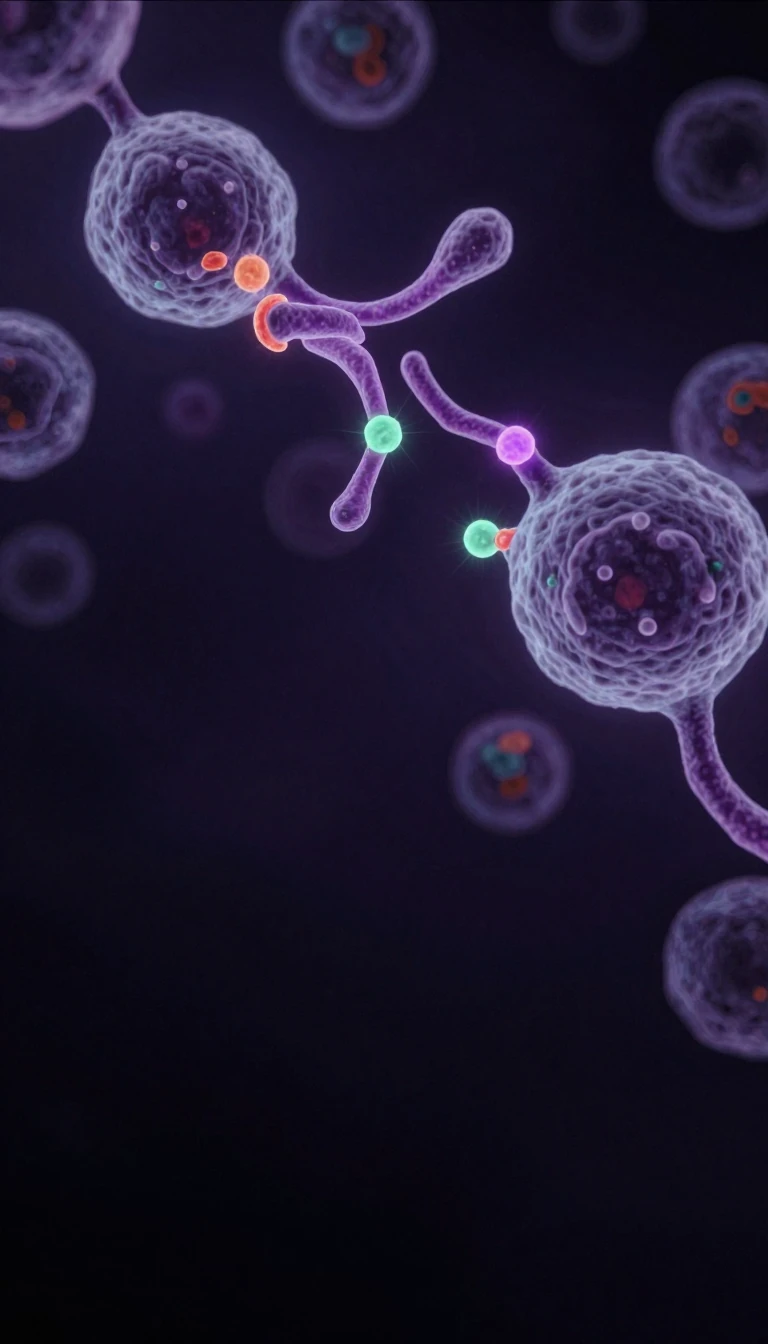 Coronavirus spike proteins work as two-part molecular machinesA review of coronavirus research describes the spike protein as a molecular machine with two working parts. Its S1 subunit binds to a receptor on a host cell's surface, while its …
 Metabolic syndrome review ties insulin resistance to diabetes and heart disease riskA review of research on metabolic syndrome—a cluster of conditions including insulin resistance, unhealthy blood fat levels, central obesity and high blood pressure—describes the …
 Muscle loss linked to worsening heart conditions in older adultsA review of existing research on sarcopenia—a condition marked by declining muscle strength and function—found it associated with quicker worsening of cardiovascular disease and a…
 A triple-hormone receptor agonist shows significant weight loss in adults with obesityA phase 2 trial of 338 adults with obesity found that a new triple-hormone-receptor agonist, retatrutide, led to substantial body weight reductions over 48 weeks. Participants rec…
 How a high-fat Western diet may trigger systemic inflammation through the gutA narrative review of recent research suggests that the Western diet, characterized by high fat consumption, may contribute to low-grade systemic inflammation. The review highligh…
 AI-driven dental analysis offers more balanced age estimation than traditional manual methodsA systematic review of 286 studies found that while traditional dental X-ray methods for estimating age often tend to over- or underestimate years, newer deep learning approaches …
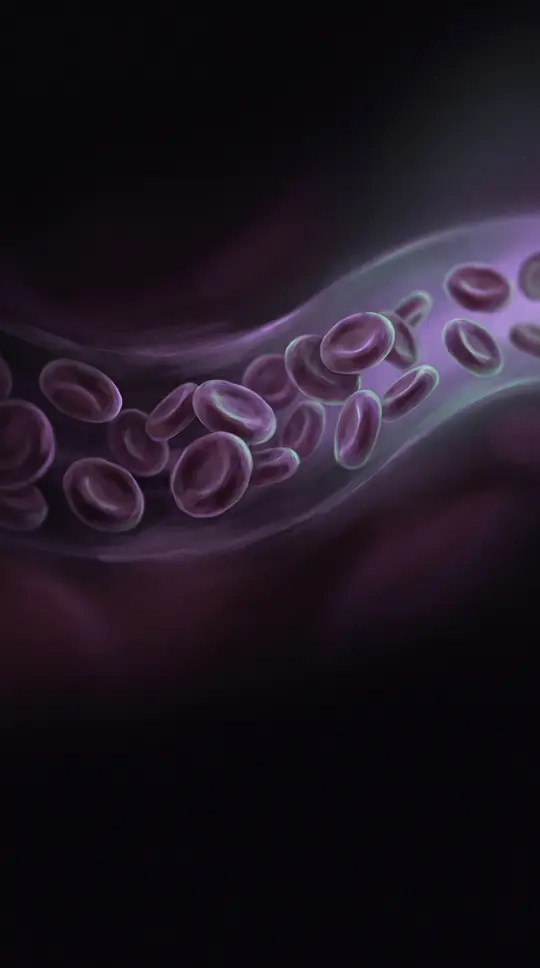 A pressure-sensing channel helps immune cells react to tissue stiffnessResearchers studying macrophages, immune cells involved in infection and wound healing, found that a stretch-sensitive channel called Piezo1 lets these cells sense how stiff their…
 Physical activity shows small but consistent links to better mental health in youthA review of existing research found that regular physical activity is associated with improved mental health outcomes in children and adolescents. Specifically, the evidence sugge…
 Oral antiviral molnupiravir reduces hospitalization and death risk for high-risk Covid-19 patientsA phase 3, double-blind, randomized trial of 1,433 unvaccinated adults with mild-to-moderate Covid-19 found that the oral antiviral molnupiravir significantly lowered the risk of …
 Most observational studies still rely on traditional rather than causal mediation methodsA scoping review of 174 observational epidemiologic studies published between 2015 and 2019 found that the majority of researchers still use traditional mediation analysis. While …
 How cells engulf nanoparticles could guide smarter drug deliveryA review of nanomedicine research explains how cells take up nanoparticles through several distinct endocytic pathways, shaped by a particle's size, shape and surface chemistry. U…
 Rising global numbers of age-related macular degeneration projected through 2040A meta-analysis of 39 population-based studies involving 129,664 individuals found that the global prevalence of any age-related macular degeneration is approximately 8.69%. Resea…
 A new three-track neural network improves the accuracy of protein structure predictionsResearchers developed a three-track neural network architecture that integrates information from 1D sequences, 2D distance maps, and 3D coordinates. This computational approach pr…
 Gut microbes may communicate with the brain to shape mood and behaviourA review of animal studies highlights an emerging 'microbiota-gut-brain axis', in which gut bacteria appear to send signals to the brain via neural, hormonal and immune pathways. …
 Drugs that selectively kill senescent cells improved health in miceA study in mice found that eliminating 'senescent' cells with a new class of drugs called senolytics improved heart function and physical performance, and slowed signs of aging an…
 The versatile role of macrophages in maintaining health and driving diseaseA review of research on macrophages describes these immune cells as among the most adaptable in the body, present in every tissue and central to development, tissue repair and day…
- A new taxonomic framework improves the classification of microbial sequencesResearchers developed an improved version of the Greengenes taxonomy to better organize the vast diversity of bacteria and archaea. By creating a 'taxonomy to tree' approach, the …
 Cells use a targeted process to clear out worn mitochondriaA review of research on mitophagy, the process cells use to selectively break down mitochondria, describes how outer membrane receptors and ubiquitin tags mark worn-out or excess …
 Soluble amyloid-β and tau may jointly drive Alzheimer's before plaques formA review of Alzheimer's disease biology describes evidence that dissolved, free-floating forms of amyloid-β and tau damage neurons together, independently of the dense plaques and…
 Obesity arises from a mix of genetic, environmental and energy-balance factors, review findsA review of obesity research describes it as a multifactorial disease driven largely by a long-run mismatch between the energy people take in through food and the energy their bod…
 For COVID-19 screening, testing often and fast beats using the most sensitive testResearchers who modeled how SARS-CoV-2 levels rise and fall after infection simulated repeated population screening programs. They found that testing people more often and returni…
 Molecular docking has expanded from predicting interactions to repurposing drugsA review of molecular docking describes how this computer-based method, originally built to show how small molecules fit into larger ones, has taken on new roles in drug discovery…
 Nearly one-third of the world's elderly population lives with depressionA systematic review and meta-analysis of 42 studies involving 57,486 older adults found that the average prevalence of depression in the elderly is approximately 31.74%. The resea…
 Early antibody treatment significantly reduces hospitalization and death in high-risk Covid-19 patientsA phase 3 clinical trial found that the monoclonal antibody sotrovimab significantly lowered the risk of severe disease progression in high-risk patients with symptomatic Covid-19…
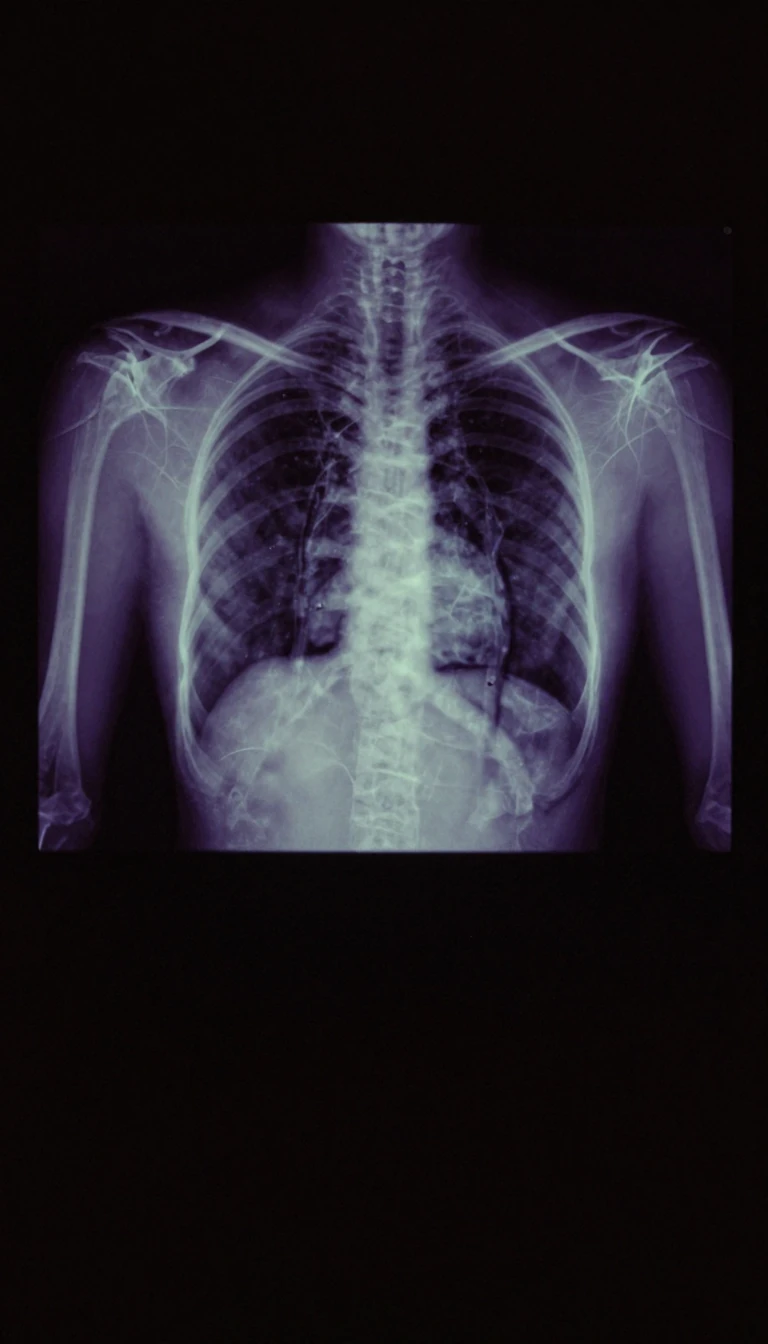 New deep learning algorithm achieves human-level accuracy in identifying cell boundariesResearchers have developed Mesmer, a deep-learning algorithm capable of segmenting individual cells in tissue images with performance comparable to human experts. By training on T…
 The APOE gene's three variants shape Alzheimer's risk differentlyA review of Alzheimer's disease research describes how the APOE gene, the strongest and most common genetic risk factor, affects more than half of all cases. The authors explain t…
 Atrial fibrillation cases are rising globally and may become a major public health challengeA review of global health data found that the prevalence of atrial fibrillation, a common heart rhythm disorder, has increased by 33% over the last 20 years. Researchers analyzing…
- Deep learning models match expert radiologists in estimating children's bone ageResearchers developed a deep-learning neural network to assess skeletal maturity by analyzing hand X-rays of children. The study found that the model could estimate bone age with …
 US overdose deaths involving synthetic opioids rose over tenfold in six yearsA CDC analysis of US overdose deaths from 2013 to 2019 found that the age-adjusted death rate involving synthetic opioids like illicitly made fentanyl rose 1,040%, from 1.0 to 11.…
- Microglia act as vigilant sensors and responders within the central nervous systemResearchers reviewing the physiology of microglia found that these resident immune cells act as highly sensitive sensors of brain pathology. Even in a healthy brain, these cells u…
 mRNA-1273 vaccine demonstrated 94.1% efficacy in preventing Covid-19 illnessA phase 3 randomized trial of 30,420 volunteers found that the mRNA-1273 vaccine was 94.1% effective at preventing symptomatic Covid-19. The study, which followed participants at …
 Failing hearts switch fuels as their oxygen-based energy supply dropsA review of cardiac energy metabolism describes how the failing heart faces an energy shortfall, driven mainly by a drop in mitochondrial oxidative capacity. To compensate, the he…
 Global rates of insufficient physical activity have risen steadily since 2000A pooled analysis of 507 population-based surveys involving 163 countries and territories found that the global prevalence of insufficient physical activity rose from 23.4% in 200…
- A decade of research links misfolded proteins to Alzheimer's and diabetesA review of research from the past decade describes how normally functional proteins can misfold and clump into amyloid aggregates that are hard for cells to break down. This proc…
 Tocilizumab shows no significant benefit for patients with severe Covid-19 pneumoniaA phase 3 randomized trial of 438 hospitalized patients found that the monoclonal antibody tocilizumab did not significantly improve clinical outcomes or reduce death rates compar…
- How hormone replacement therapy worksHormone replacement therapy involves using estrogen and androgen to manage various health effects, including muscle aging and cardiovascular markers.
- How coronary circulation supplies the heartCoronary circulation is the circulation of blood in the arteries and veins that supply the heart muscle.
 How an antibody worksAn antibody, or immunoglobulin, is a large protein used by the immune system to identify and neutralise antigens such as bacteria and virus cells.
 How the adaptive immune system worksThe adaptive immune system is a subsystem of the immune system composed of specialised cells and processes that eliminate pathogens specifically.
 How a sensory neuron worksSensory neurons, or afferent neurons, convert specific stimuli into action potentials or graded receptor potentials via their receptors.
- How a motor neuron worksMotor neurons, or efferent neurons, allow for both voluntary and involuntary movements of the body through muscles and glands.
- The extraordinary power of a nose to diagnose Parkinson's diseaseWhen retired nurse Joy Milne noticed a musky odor on her husband, she didn't realize she had discovered a biological breakthrough. Her hypersensitive sense of smell has since beco…
 The biological mystery of the twin who was never bornWhat if you carried the DNA of a sibling you never knew existed? This video explores the extraordinary phenomenon of chimerism and how a search for a kidney donor revealed a hidde…
 Microplastics are found throughout the body and linked to several diseasesA review of research on microplastic pollution found that these tiny plastic fragments have been detected in human blood, saliva, sputum and even the placenta. The authors link mi…
 Lab tests show Delta variant partly evades vaccine- and infection-induced antibodiesIn laboratory experiments, researchers found the Delta variant of SARS-CoV-2 was about six times less effectively neutralised by antibodies from previously infected people, and ab…
- Why telling a child not to be angry might actually backfireWe often try to suppress a child's anger to keep the peace. However, clinical physiologist Ryan Fuller suggests that dismissing these emotions can teach children to distrust their…
- Can dietary changes influence the symptoms of autism spectrum disorder?While research remains mixed, many parents turn to elimination diets to manage autism-related behaviors. From gluten-free protocols to removing dairy, the theory suggests that foo…
- The unpredictable internal and external landscape of your first fastFasting is rarely a linear experience. Beyond the physical hunger, you may encounter sudden bursts of childlike energy, intense emotional shifts, and a relentless stream of unsoli…
 How early childhood bonds shape the physical architecture of our bodiesExplore how the psychological concept of attachment theory translates into measurable biological markers. This video examines how early parental bonds influence long-term health a…
- Why avian influenza remains a threat without becoming a pandemicAvian flu is currently devastating bird populations across Europe and Asia, yet it hasn't triggered a human pandemic. This video explores the biological barriers preventing easy p…
 Can you love your body while still desiring change?Explore the complex intersection of body image and personal growth through the experience of Gabriella Lascano, a plus-size influencer who navigated a profound shift in her health…
 Can embracing your inner teenager help you thrive in adulthood?Neuroscientist Adriana Galván explores how the adolescent brain's approach to uncertainty and strategic risk-taking can provide essential lessons for a bolder, more courageous adu…
- Can you actually hack your metabolism to burn more calories?From keto diets to metabolism gummies, many products promise a metabolic boost. This episode of Body Stuff with Dr. Jen Gunter explores what science actually says about our abilit…
- Can a digital platform bridge the global healthcare gap?Explore how AI-driven technology is being used to deliver medical care to underserved regions. This video examines Speetar, a digital health platform designed to connect patients …
- Could your heartbeat be the hidden rhythm of your perception of time?We often feel time drags during boredom and vanishes during excitement. Cognitive neuroscientist Irena Arlaganova investigates how your heart's rhythm works with your brain to inf…