 Intellect Plus
History
21,004 cards. Each one is a 40-second story with a five-minute read behind it. Page 174 of 351.
Subtopics: 19th century · 20th century · Africa · Age of Exploration · Ages & eras · Ancient · Ancient China · Ancient egypt · Ancient greece · Ancient rome · Ancient trade · Archaeological discoveries · Archaeology · Astronomy · Australia · Auxiliary historical sciences · Babylon · Basics · Born on this day · Bronze age · Buddhism · Case studies · Chefs, bartenders and winemakers · China · Cities · Climate · Columbus · Contemporary (1945-) · Cosmetics people · Crime · Criminals · Decipherment · Deep time · Disasters · Early modern · Education · Egypt · Empires · Empires & civilisations · Exploration · Explorers · Extinction · Fandom, conventions and festivals · History by continent and large region · History by continent and region · History by country · History by country, small region and city · History by ethnicity · History by subject matter · History by topic · Inca · India · Industrial Revolution · Japan · Kings & queens · London · Mass hysteria · Medicine · Medieval kingdoms · Medieval life · Mediterranean · Mercedes-Benz History · Mesopotamia · Middle ages · Military leaders and theorists · Military leaders, personnel, and theorists · Ming dynasty · Misconceptions · Modern · Modern (1800-1945) · Napoleon · Navigation · North africa · Other · Pacific · Pharaohs · Philippines · Pirates · Post-classical · Prehistory · Propaganda · Public health · Rebels, revolutionaries and activists · Renaissance · Researched · Second world war · Shipwrecks · Silk Road · South america · Tradespeople · UK & Ireland: history · United states · Vikings · Volcanoes · Women in history
 The systematic and intentional extermination of 3.3 million Soviet prisoners of warDuring the Second World War, Nazi Germany orchestrated the deaths of over half of all captured Soviet soldiers. This was not a byproduct of conflict, but a deliberate policy of st…
 Why Hitler’s invasion of Greece was a strategic gamble that reshaped the Balkan front.When Italy failed to conquer Greece in 1940, Hitler was forced to intervene to save his ally and protect vital Romanian oil fields. Operation Marita, the resulting German invasion…
 Germany’s accidental republic was born from a desperate attempt to save the old system.When Friedrich Ebert accepted the chancellorship in 1918, he aimed to preserve the monarchy, not destroy it. Yet, a series of chaotic street rallies and a rival proclamation force…
 Why the German revolutions of 1848 failed to build a unified, liberal nationDriven by economic hardship and the spark of French insurrection, German states erupted in 1848. While liberals sought a unified fatherland and constitutional reform, deep interna…
 How Germany turned a Pacific protectorate into a self-supporting colonial model by 1908German Samoa was a unique colonial experiment defined by paternalistic governance, massive infrastructure investment, and the strategic importation of thousands of Chinese laborer…
 Germany's 1918 Spring Offensive was a tactical triumph that doomed its own strategic future.In a desperate final gamble to win the First World War, Germany launched a massive assault on the Western Front. While they achieved sweeping early gains and broke the long-standi…
 The Oxford Historian Who Helped Draw the Borders of the Modern Middle EastGertrude Bell was an unlikely architect of the 20th-century Middle East. An Oxford-educated historian and seasoned traveler, she navigated the collapse of the Ottoman Empire to be…
 Why Lincoln’s most famous speech was once considered a minor, forgettable footnoteDelivered in just two minutes, Abraham Lincoln’s 271-word dedication at Gettysburg was initially overshadowed by a two-hour oration from Edward Everett. Far from an instant master…
 From Turkic slave-soldiers to empire builders: the rise of the Ghaznavid dynastyThe Ghaznavid Empire began with a former slave and transformed into a powerhouse that bridged Central Asia, Iran, and India. By shifting from pagan roots to a champion of Sunni Is…
 The Florentine navigator who mapped the American coast but lost his legacy to historyGiovanni da Verrazzano was the first European to chart the Atlantic coast from Florida to New Brunswick, yet his name remains largely overshadowed. While he claimed vast territori…
 The Goa Inquisition: How Portugal Exported Religious Control to the Shores of IndiaEstablished in 1560, the Goa Inquisition was a judicial institution designed to enforce Catholic orthodoxy across Portuguese India. While it initially targeted Jewish converts sus…
 How a self-taught scholar used ancient Greek to dismantle the legal foundations of slaveryGranville Sharp was an unlikely revolutionary. A civil servant who taught himself languages to win theological debates, he became the primary architect of the British abolitionist…
 When the Earth Shook: How the 1923 Great Kanto Earthquake Reshaped JapanOn September 1, 1923, a massive tectonic shift beneath Sagami Bay shattered Tokyo and Yokohama. The resulting fires and tsunamis claimed roughly 140,000 lives, obliterating the co…
 The 1877 railroad strike paralyzed half the nation's freight but ultimately failed to change anything.In 1877, over 100,000 workers launched a spontaneous, multi-state revolt against wage cuts, halting half of America's rail traffic. Despite the scale of the unrest and the burning…
 The 1915 Great Retreat: How Russia Abandoned Its Polish Salient to SurviveIn 1915, the Imperial Russian Army faced a catastrophic collapse under the weight of a massive Central Powers offensive. To avoid total encirclement, the Tsar’s forces executed a …
 Why did thousands of Dutch-speaking farmers abandon their homes to trek into the unknown?Driven by resentment toward British colonial rule, language imposition, and the abolition of slavery, thousands of Boers packed their wagons in the 1830s to seek independence. Thi…
- How a poverty-stricken girl became the ruthless Godmother of a billion-dollar cocaine empireGriselda Blanco rose from the chaos of Colombian civil unrest to command a narcotics network generating $80 million monthly. Known as the Black Widow and the Godmother, she pionee…
 How one general saved the Tang Dynasty and became a god of happinessGuo Ziyi was a towering military genius who single-handedly preserved the Tang Empire during its darkest hour. From outsmarting rebel armies to walking unarmed into enemy camps to…
 How a Maratha Dynasty Built a Powerhouse State in the Heart of IndiaFounded by a commander under the Maratha Confederacy, Gwalior State evolved from a regional military force into a dominant princely state. By balancing complex alliances, strategi…
 A morning collision in 1917 triggered the largest human-made explosion of its time.On December 6, 1917, the French cargo ship Mont-Blanc collided with the Norwegian vessel Imo in Halifax Harbour. The resulting fire ignited a massive cargo of high explosives, cre…
 A legendary Song dynasty general who fought with four fingers and a brilliant wifeHan Shizhong was a scarred, battle-hardened general who rose from a poor farming family to become a pillar of the Southern Song dynasty. Known for his tactical ingenuity and a leg…
 The brilliant general who conquered an empire but could not survive his own successHan Xin was the military mastermind behind the founding of the Han dynasty, yet his life ended in a palace trap. Renowned for his tactical genius and undefeated record, he rose fr…
- Hanna Reitsch: The record-breaking aviator who became a central figure in Nazi aviation history.Hanna Reitsch was the preeminent female pilot of the 20th century, setting over 40 flight records. Yet, her legacy is inextricably linked to the Third Reich. From testing cutting-…
 The only professional scientist to walk on the Moon is also a climate skeptic.Harrison Schmitt, the last living person to walk on the lunar surface, remains a singular figure in space history. As a geologist, he transformed how astronauts studied the Moon, …
 Why Cuba's first national hero chose hell over the heaven of his conquerorsLong before the Spanish conquest of Cuba, a Taíno chief named Hatuey fled Hispaniola to warn his neighbors of the coming invaders. His resistance ended in a brutal execution, but …
 Hawaii’s cultural resurgence was not a single event but two distinct, powerful movementsThe Hawaiian Renaissance is often remembered as a 1970s explosion of music and voyaging, but it actually began a century earlier. King Kalākaua first sought to reclaim a national …
 How a small-time mob associate became the most famous informant in American historyHenry Hill spent decades as a Lucchese crime family associate, participating in everything from arson to the historic Lufthansa heist. When his own crew marked him for death, he t…
 The only Pizarro brother to survive the conquest of Peru lived a complex life.Hernando Pizarro was the sole brother among his famous kin to escape death in the New World. Educated and influential in the Spanish court, he navigated the brutal internal power …
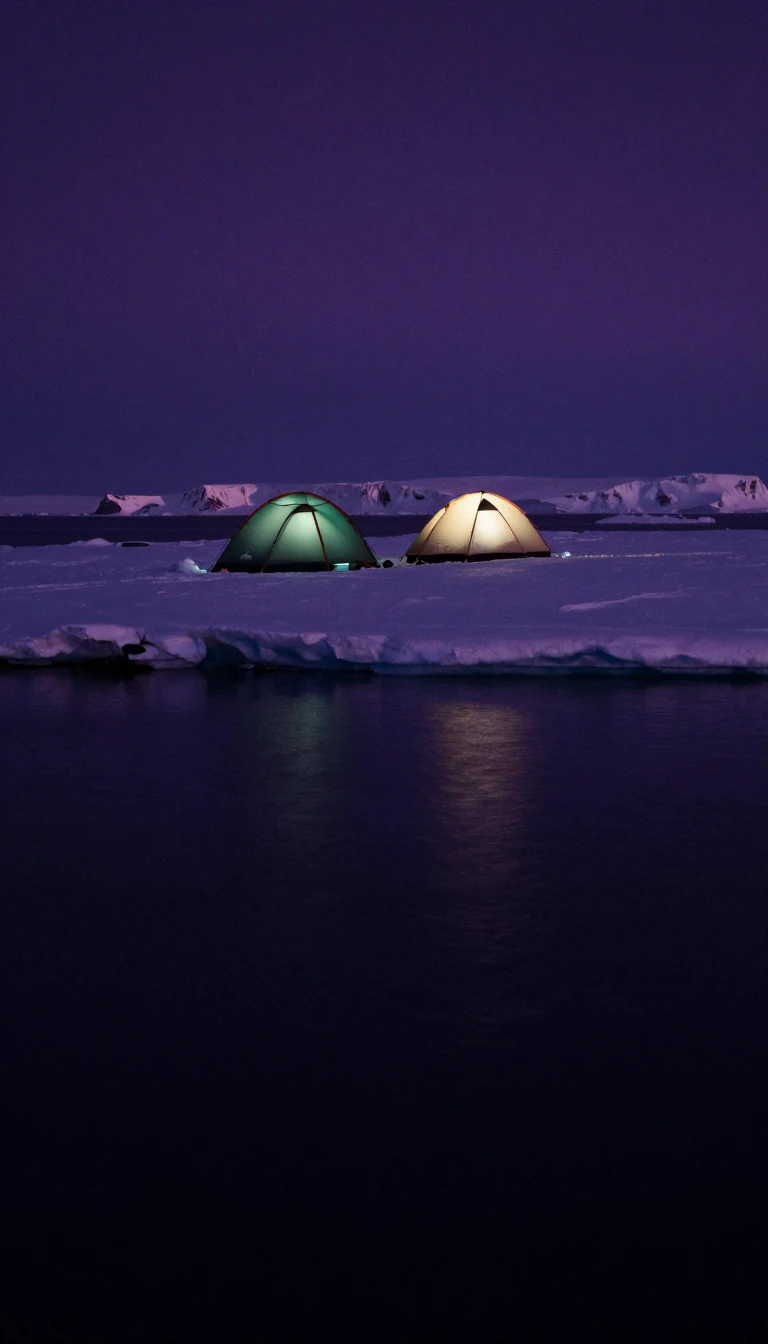 Why the Heroic Age of Antarctic Exploration was an era of deliberate anachronismBefore modern technology transformed polar travel, explorers faced the Antarctic with limited resources and immense physical risk. This era, defined by national ambition and roman…
 Can a single act of destruction guarantee a name lives forever in history?In 356 BCE, a man burned down the Temple of Artemis, one of the Seven Wonders of the World, specifically to achieve eternal fame. Despite a legal decree meant to erase his identit…
- The Hijrah was more than a migration; it was the birth of a nation.In 622 CE, Muhammad fled persecution in Mecca for the oasis of Medina. This journey, known as the Hijrah, did more than save a prophet; it established the first Muslim sociopoliti…
 Did a Carthaginian explorer invent sea monsters to protect a secret trade route?In the 5th century BC, Himilco sailed north from Spain into the Atlantic. His report described a terrifying, windless sea choked with seaweed and prowling monsters. While historia…
 The Hindu Shahis: A Lost Dynasty That Defied the Ghaznavids for Two CenturiesRuling from 822 to 1026 CE, the Hindu Shahis governed a vast territory spanning Kabulistan, Gandhara, and Punjab. Though they left no court literature, their silver coinage circul…
 Abkhazia: A Black Sea region with a history spanning over five millenniaNestled between the Caucasus Mountains and the Black Sea, Abkhazia is an autonomous republic with a complex, ancient past. While it formally declared independence in 1999, its sta…
 Andhra Pradesh: A land defined by ancient roots, linguistic identity, and modern transformationTracing its origins to ancient tribes mentioned in Vedic texts, Andhra Pradesh has evolved through centuries of imperial rule and cultural shifts. From the fertile deltas of the G…
 How the rise of global trade reshaped the kingdoms of ancient AngolaBefore colonial borders, Angola was a mosaic of powerful, centralized kingdoms like Kongo and Ndongo. When the Atlantic slave trade disrupted these societies, the local economy sh…
 How anthropology evolved from Victorian theories of progress to a modern study of cultureAnthropology began in the 1860s as a quest to map human development through biology and archaeology. Over the next century, it shifted from classifying tribal societies into evolu…
 Antisemitism is not a single, static prejudice but a shifting historical phenomenon.Hostility toward Jews has evolved through centuries, transforming from ancient religious and cultural friction into the pseudoscientific racism of the 19th century. Understanding …
 Archaeology is not just digging; it is the scientific reconstruction of the human past.We often imagine archaeology as a treasure hunt for ancient relics, but it is actually a rigorous historical discipline. By analyzing everything from stone tools to complex machin…
 Armenia sits at the crossroads of ancient empires and the world's first Christian state.Nestled between the mountains of Ararat, Armenia has served as a pivotal stage for human history for over 300,000 years. From the world's oldest leather shoe to the first nation t…
 Before it was a global sport, auto racing was a dangerous promotional stunt.Early automobile racing emerged not from professional leagues, but from newspaper-sponsored publicity events designed to prove the reliability of horseless carriages. What began a…
 Before 1918, no specifically Azerbaijani state existed; identity was forged through shifting empires.For centuries, the region now known as Azerbaijan was a fluid frontier of Persian, Turkic, and Russian influence. Its people identified with the global Muslim ummah rather than a …
 Founded as a perfect circle, Baghdad was once the world's greatest cultural center.Commissioned in 762 by Caliph al-Mansur, Baghdad was designed as a revolutionary round city. For five centuries, it served as the heart of the Abbasid Caliphate, anchoring Islamic…
 Bahrain was the ancient world's vital trade hub and mythical land of the livingLong before it became a modern financial center, Bahrain served as the heart of the Dilmun civilization. This archipelago connected the Indus Valley to Mesopotamia, acting as a ga…
 How Balochistan evolved from ancient Neolithic settlements to a complex, contested tribal confederacyBalochistan’s history is a layered tapestry of ancient civilizations, shifting empires, and tribal autonomy. From the Neolithic site of Mehrgarh to the rise of the Brahui Khanate,…
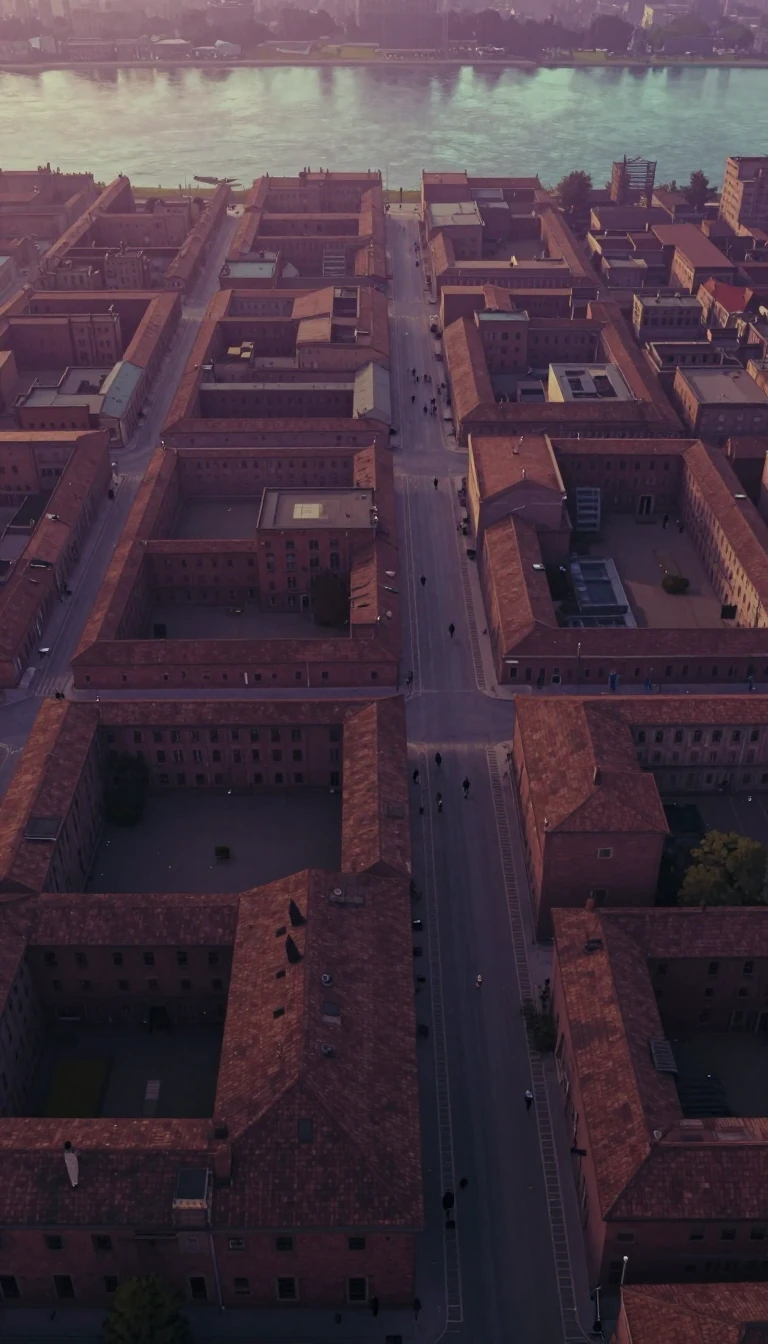 Once a quiet river outpost, Bangkok transformed into a sprawling, modern metropolitan powerhouse.Bangkok began as a strategic customs point on the Chao Phraya River, eventually evolving from a canal-based settlement into Thailand's primary commercial and cultural hub. While m…
 Bangladesh is a young nation with an ancient, syncretic, and complex regional identityWhile Bangladesh gained independence in 1971, its roots stretch back to ancient principalities and a unique deltaic geography. This region, long an inaccessible frontier beyond th…
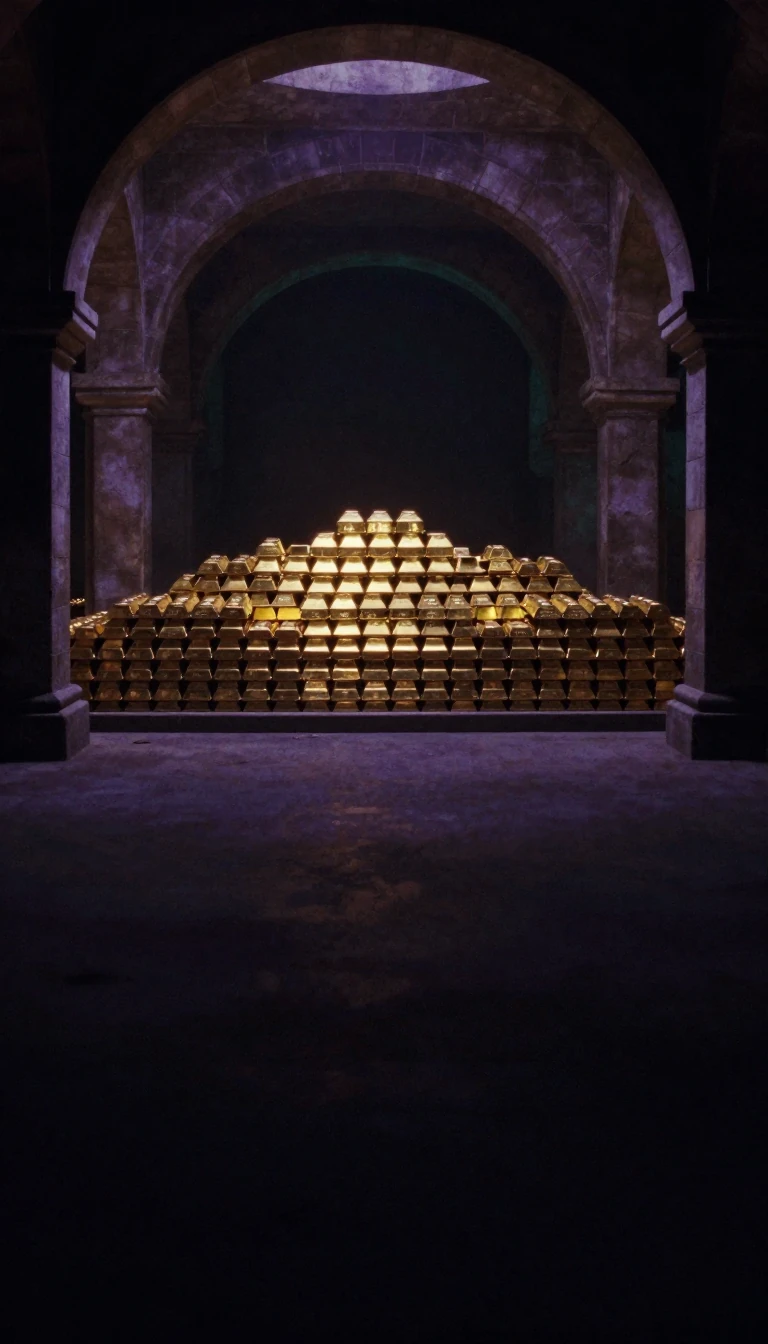 Banking began in ancient temples long before the invention of modern paper moneyModern banking feels like a digital abstraction, but its roots lie in the sacred storage of grain and bullion. From Mesopotamian temples to the merchant houses of medieval Europe,…
 Baseball did not start in Cooperstown, but evolved from older English bat-and-ball games.The popular myth that Abner Doubleday invented baseball in 1839 has been thoroughly debunked. Instead, the game emerged from English traditions like stoolball and rounders, eventu…
 Basketball began as a violent indoor brawl played with peach baskets and a soccer ball.Invented in 1891 to keep students active during a harsh Massachusetts winter, the first game of basketball was a chaotic free-for-all. Players tackled, kicked, and punched their w…
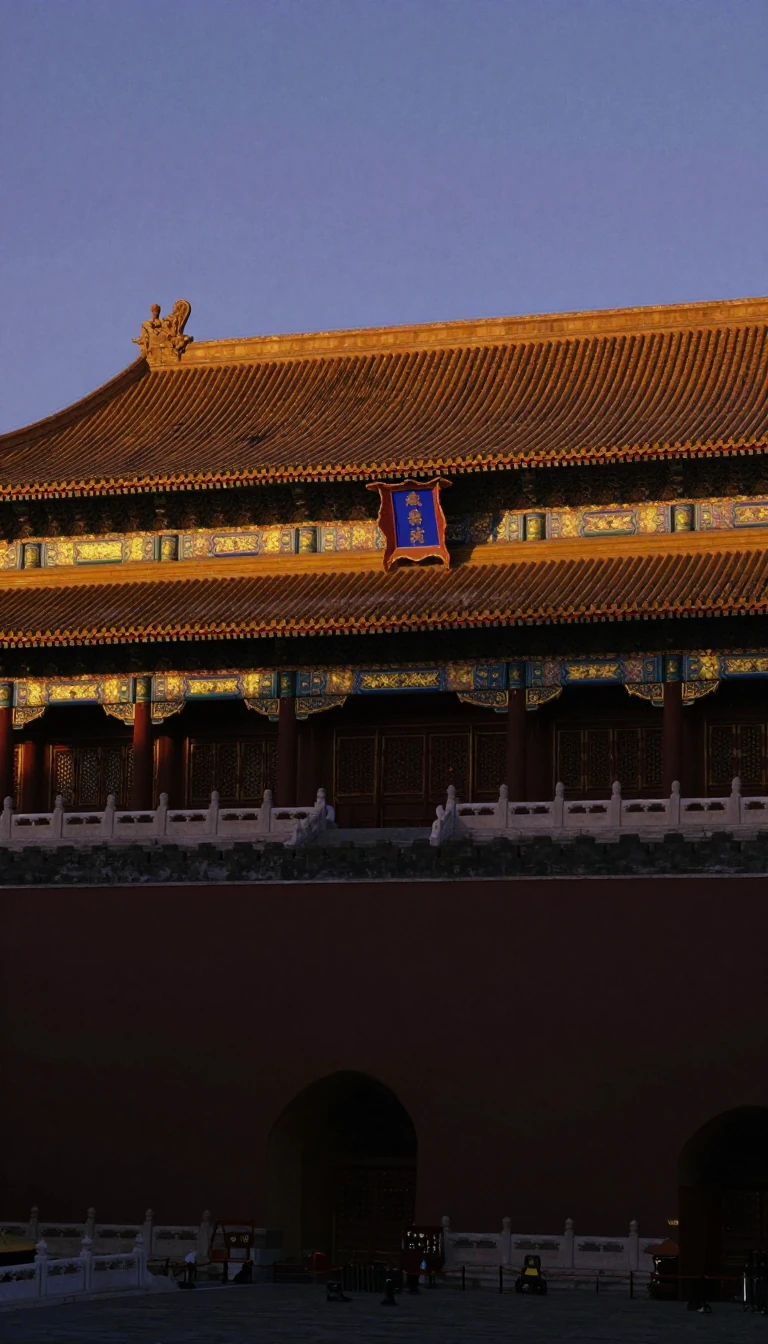 Beijing has served as China's imperial capital for roughly eight centuries of its history.While Beijing is synonymous with Chinese power today, it spent millennia as a strategic provincial outpost. From its origins as a settlement for early humans to its transformation…
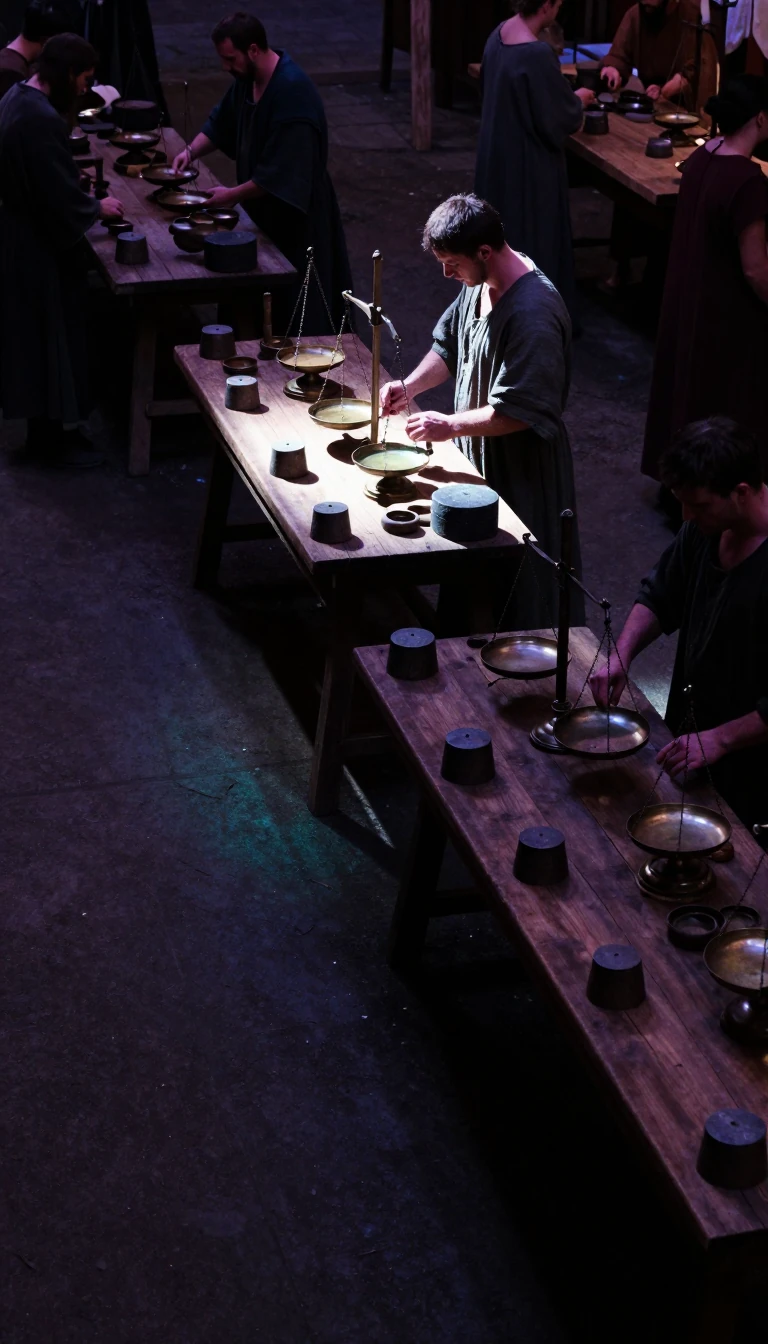 Before Colonial Borders, Powerful West African Kingdoms Built a Complex Commodity EconomyLong before European powers carved out the modern state of Benin, the region was a vibrant mosaic of independent kingdoms. These societies were not isolated; they operated sophist…
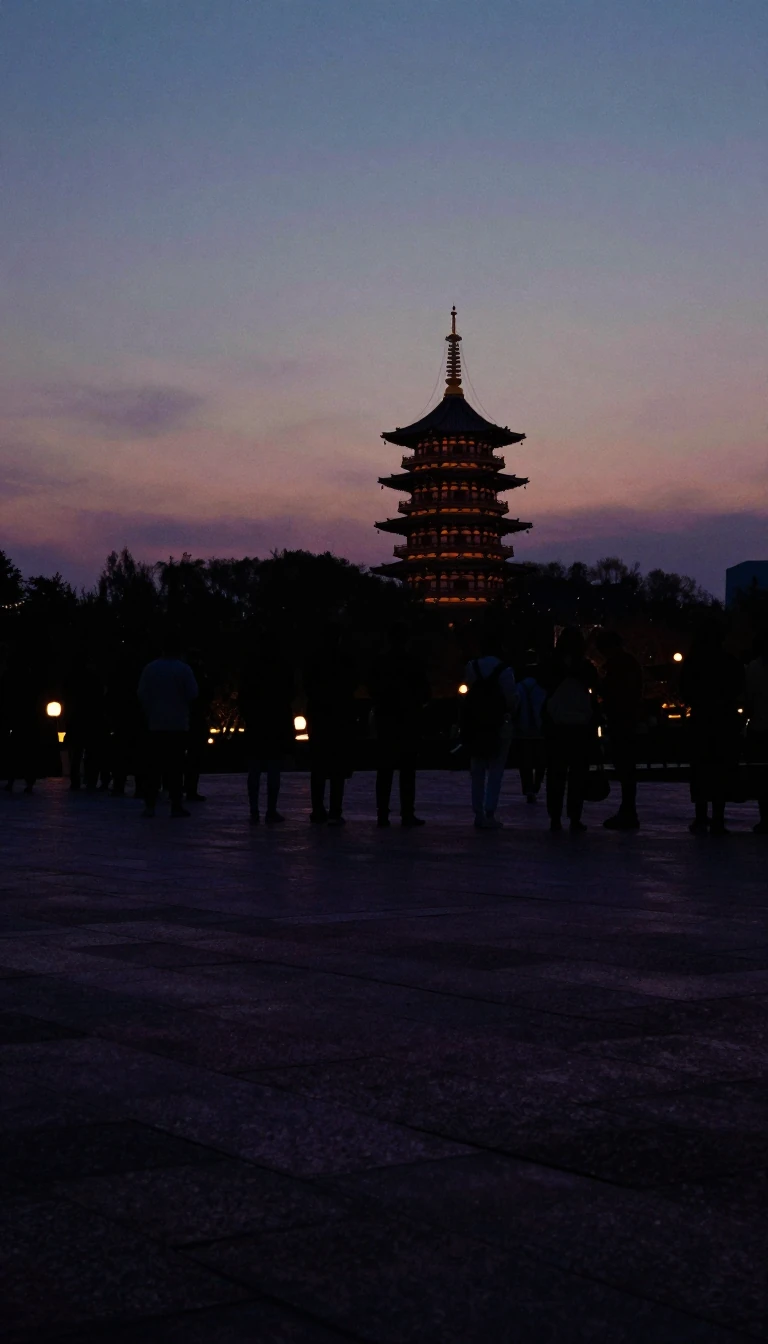 How a remote Himalayan kingdom transformed from a feudal monarchy into a modern democracyFor centuries, Bhutan remained a secluded mountain fortress, governed by a unique dual system of spiritual and temporal rulers. By the late 20th century, the nation began a delibe…
 The name Bihar itself is a window into the region's ancient Buddhist historyBihar has long served as a central pillar of Indian civilization, acting as the seat of imperial power for centuries. Its very name is derived from the Sanskrit word vihara, meani…
 Botswana’s history is a story of shifting power, from ancient cattle states to diamonds.Long before it became a modern success story, the region now known as Botswana was a central hub of Southern African development. From early Khoisan hunter-gatherers to the rise o…
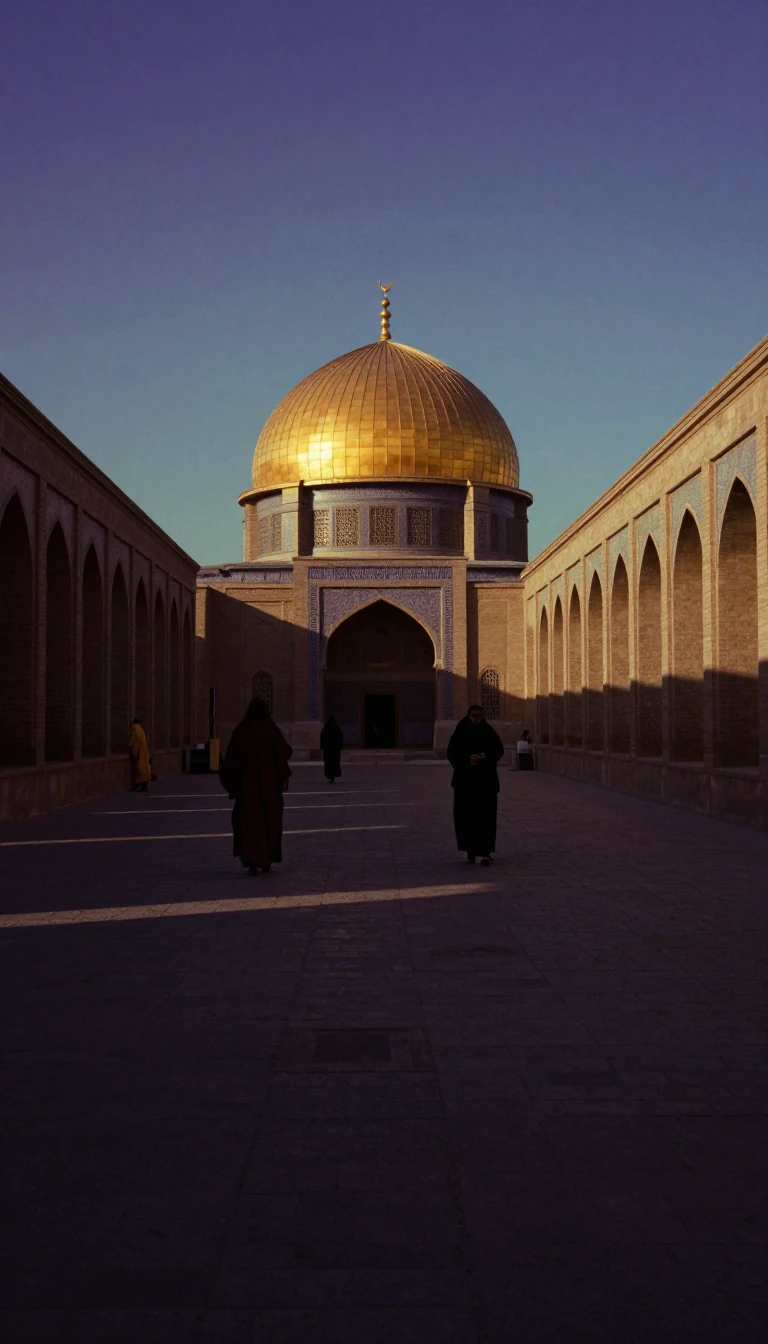 From ancient tribute to oil-rich sultanate: the complex evolution of BruneiBrunei is a small, divided Islamic monarchy on Borneo with a history that stretches back to the 6th century. Once a powerful thalassocracy paying tribute to China and the Majapahi…
 How a West African nation redefined its identity by changing its colonial nameFormerly known as Upper Volta, Burkina Faso transformed its national identity in 1984 under the leadership of Thomas Sankara. Meaning Land of Incorruptible People, the new name si…
- Burundi is a rare African state that traces its roots to a pre-colonial kingdom.Emerging in the 16th century, Burundi survived centuries of regional rivalry and colonial rule to remain a direct territorial descendant of its original state. Yet, its modern his…
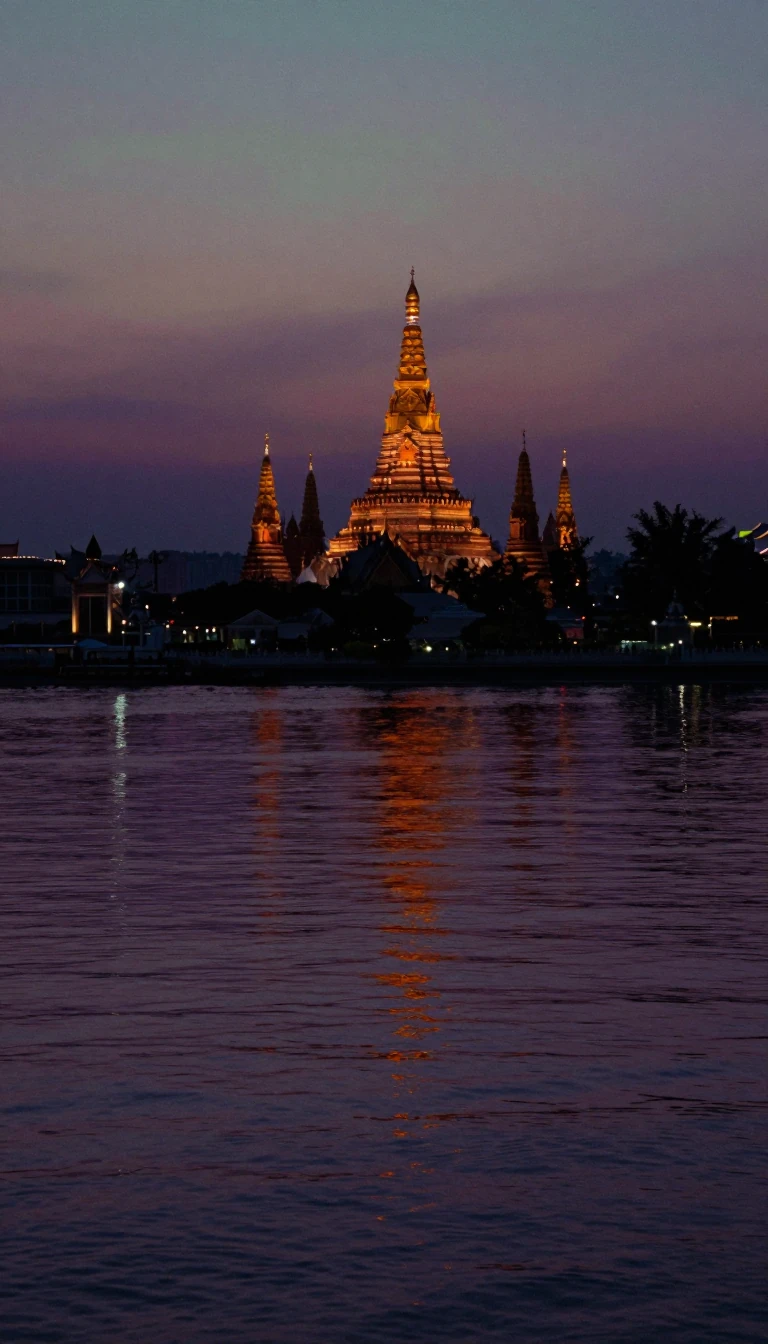 Ancient Cambodia was a sophisticated hub of trade and irrigation long before modern borders.Before the Khmer Empire rose to dominance, the region of Cambodia was a thriving network of kingdoms known to Chinese chroniclers as Funan. These early societies mastered large-sc…
 How a Portuguese word for river prawns became the name of a nationCameroon sits at the crossroads of western and central Africa, a land inhabited for at least 50,000 years. Its name traces back to the 15th century, when Portuguese explorers dubb…