 Intellect Plus
History
21,004 cards. Each one is a 40-second story with a five-minute read behind it. Page 176 of 351.
Subtopics: 19th century · 20th century · Africa · Age of Exploration · Ages & eras · Ancient · Ancient China · Ancient egypt · Ancient greece · Ancient rome · Ancient trade · Archaeological discoveries · Archaeology · Astronomy · Australia · Auxiliary historical sciences · Babylon · Basics · Born on this day · Bronze age · Buddhism · Case studies · Chefs, bartenders and winemakers · China · Cities · Climate · Columbus · Contemporary (1945-) · Cosmetics people · Crime · Criminals · Decipherment · Deep time · Disasters · Early modern · Education · Egypt · Empires · Empires & civilisations · Exploration · Explorers · Extinction · Fandom, conventions and festivals · History by continent and large region · History by continent and region · History by country · History by country, small region and city · History by ethnicity · History by subject matter · History by topic · Inca · India · Industrial Revolution · Japan · Kings & queens · London · Mass hysteria · Medicine · Medieval kingdoms · Medieval life · Mediterranean · Mercedes-Benz History · Mesopotamia · Middle ages · Military leaders and theorists · Military leaders, personnel, and theorists · Ming dynasty · Misconceptions · Modern · Modern (1800-1945) · Napoleon · Navigation · North africa · Other · Pacific · Pharaohs · Philippines · Pirates · Post-classical · Prehistory · Propaganda · Public health · Rebels, revolutionaries and activists · Renaissance · Researched · Second world war · Shipwrecks · Silk Road · South america · Tradespeople · UK & Ireland: history · United states · Vikings · Volcanoes · Women in history
 How a remote Indian Ocean island became a global crossroads of labor and empireMauritius was uninhabited for centuries, serving only as a stopover for passing ships. Yet, through a succession of colonial powers and the forced migration of nearly half a milli…
 Why the greatest military commanders in history were actually masters of logisticsMilitary history is often framed through the lens of decisive battles, but victory has always been a matter of supply. From the Roman legions to the Mongol cavalry, the ability to…
 Did money really emerge from barter, or is that just a convenient economic myth?Classical theory claims money evolved from barter to solve the inefficiency of matching trading partners. Yet, anthropologists find no historical evidence of a society where barte…
 How a vast, landlocked plateau shaped the world's largest contiguous land empireMongolia is a high-altitude, landlocked expanse that served as the cradle for the Mongol Empire. Far from being a chaotic wasteland, this region fostered a sophisticated society o…
 Mozambique's history was thriving long before the first Portuguese ships arrived in the 16th century.For centuries, colonial narratives erased Mozambique’s sophisticated past. In reality, the region was a vibrant hub of agriculture, iron-working, and global trade. From ancient st…
 From ancient fishing village to global film empire: the layered history of MumbaiLong before it became the heart of Bollywood, Mumbai was an archipelago of seven islands inhabited by Koli fishermen. From its origins as a hub for ancient maritime trade with Per…
 Before the empires, a peaceful civilization thrived in the Irrawaddy valley for a millennium.Long before modern borders, the Pyu people built a sophisticated network of city-states in what is now Myanmar. Renowned for their elegance and lack of prisons, these early inhabi…
 Nagorno-Karabakh: A Highland Crossroads Where Empires, Faiths, and Nomadic Traditions CollidedKnown as Artsakh to Armenians and Nagorno-Karabakh to the world, this mountainous region between the Kura and Araxes rivers has been a site of ancient contention for millennia. Fr…
 Namibia's history is a complex tapestry of ancient migrations and brutal colonial upheaval.Long before European arrival, Namibia was a mosaic of diverse cultures, from the hunter-gatherer San to the pastoral Herero and Ovambo kingdoms. Yet, the 19th century brought a vi…
 Why did Britain establish a penal colony on the other side of the world?New South Wales began in 1788 as a small settlement of 1,000 people. While long viewed as a simple dumping ground for convicts after the American Revolution, historians now debate…
 Niger is a land of shifting borders, ancient trade, and resilient desert civilizations.Modern Niger is defined by the tension between its Saharan north and agricultural south. Once a lush landscape of grasslands and lakes, this region has evolved through millennia o…
 How North Korea evolved from a Soviet-backed administration into an isolated dynastic state.Following the division of the Korean peninsula in 1948, North Korea forged a unique path defined by the ideology of juche, or self-reliance. Under the long-standing rule of Kim Il…
 From theoretical physics to global stockpiles: the evolution of the nuclear ageNuclear weapons derive their immense power from the splitting or fusing of atoms, a process that transformed warfare in 1945. Since the Cold War, these devices have evolved from s…
 Nursing was once a religious calling, but it became a scientific profession by 1855.Long before modern hospitals, nursing was an informal act of charity performed by families or religious orders. It was not until the mid-19th century that Florence Nightingale tra…
 Oman’s history is a story of maritime empire, tribal consensus, and ancient human migration.Long before it became a modern oil-rich state, Oman was a formidable Indian Ocean power. From the 17th-century Yaʿrubid dynasty’s naval dominance to the unique Ibāḍite tradition o…
 Palau's complex history reveals a unique blend of indigenous tradition and colonial transformation.Settled thousands of years ago by migrants likely from Indonesia, Palau evolved into a sophisticated matrilineal society. Its isolation ended with European contact in 1696, trigge…
 How a land of jagged peaks and swampy plains became a modern nationPapua New Guinea is a geological puzzle of volcanic arcs and impenetrable rainforests. Settled 40,000 years ago by diverse Melanesian groups, this island nation remains a study in…
 Why Paraguay is the only Latin American nation where an indigenous language dominates daily lifeParaguay defies regional trends by keeping its indigenous roots at the center of national identity. While most of Latin America shifted toward Spanish, Paraguayans remain intensel…
 How the study of disease evolved from ancient anatomy to the cellular frontierFor centuries, medicine relied on theory rather than evidence. The shift toward modern pathology began when physicians stopped guessing and started looking inside the body. From t…
 The ancient art of the apothecary: how pharmacy evolved into a modern sciencePharmacy began when the first human applied leaf juice to a wound. Over millennia, this practice transitioned from temple-based ritual to a distinct, regulated profession. Today, …
 Why the mathematical study of luck began at a gambling tableModern probability theory did not emerge from a quest for scientific truth, but from a gambler’s dispute over how to split winnings in an interrupted game. In 1654, two French mat…
 How a small pearl-diving outpost transformed into a global diplomatic power brokerQatar’s modern trajectory is a study in rapid metamorphosis. From a 1766 settlement of pearl divers to a 21st-century absolute monarchy, the nation leveraged massive oil and gas w…
 Radar was a theoretical certainty for decades before it became a military necessity.Radar is often viewed as a wartime invention, but its foundations were laid by 19th-century physicists. While the technology was proven early, it lacked a practical purpose until …
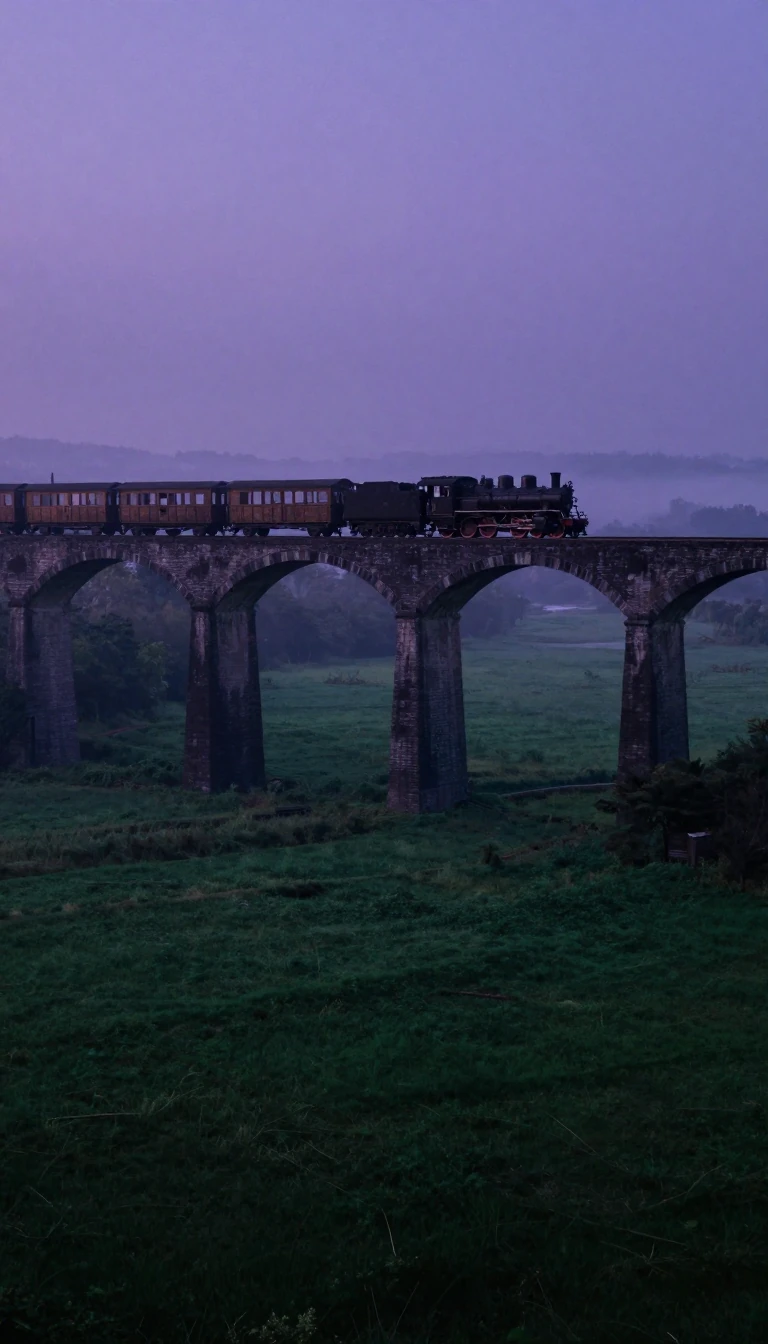 Before steam engines roared, the world’s railways were built for coal and gravityLong before locomotives transformed global travel, mining operations relied on primitive tracks to move heavy ore. These early systems, using wooden rails and animal power, laid t…
 Why Rio de Janeiro was named after a river that does not existPortuguese navigators arrived at Guanabara Bay on January 1, 1502, and mistakenly identified the entrance as a river mouth. This error birthed the name Rio de Janeiro, or January …
 From Roman legions to motorway mania: How Britain paved its way through historyRoads have shaped Britain for two millennia, evolving from Roman military routes to the high-speed motorways of the 1950s. This transformation was driven by industrial necessity, …
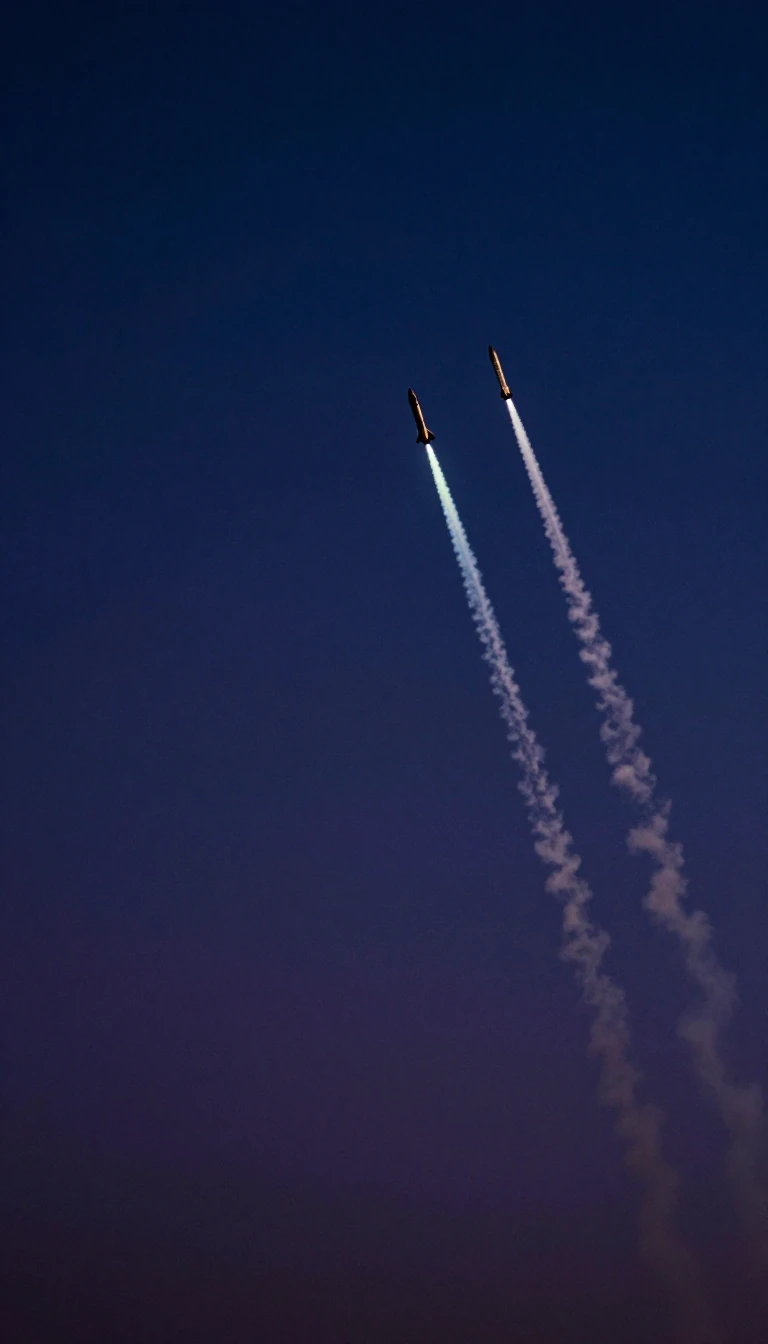 From steam-powered wooden birds to multistage rockets, the history of flight is ancient.Long before modern spaceflight, humanity experimented with the physics of thrust. From ancient Greek steam engines to Chinese alchemists seeking immortality, the evolution of rock…
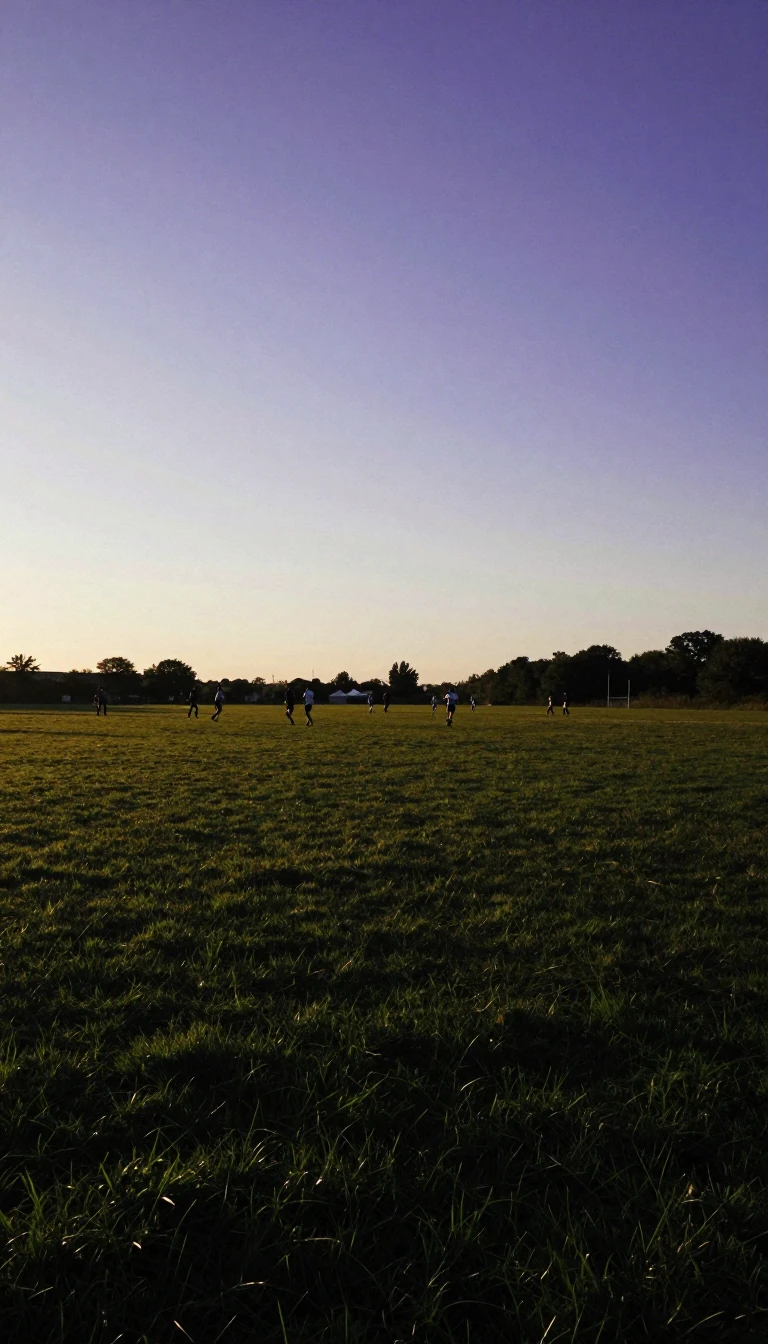 Rugby’s origin story is a myth, but its impact on British manliness was real.Legend says William Webb Ellis invented rugby in 1823 by picking up a ball and running. While this tale was solidified by the early 1900s, historians find no evidence it occurred.…
 How Rwanda’s fluid social identities were hardened into rigid, colonial-era ethnic categoriesRwanda is often called the land of a thousand hills, but its history is defined by the transformation of fluid social roles into rigid ethnic divisions. Once defined by flexible p…
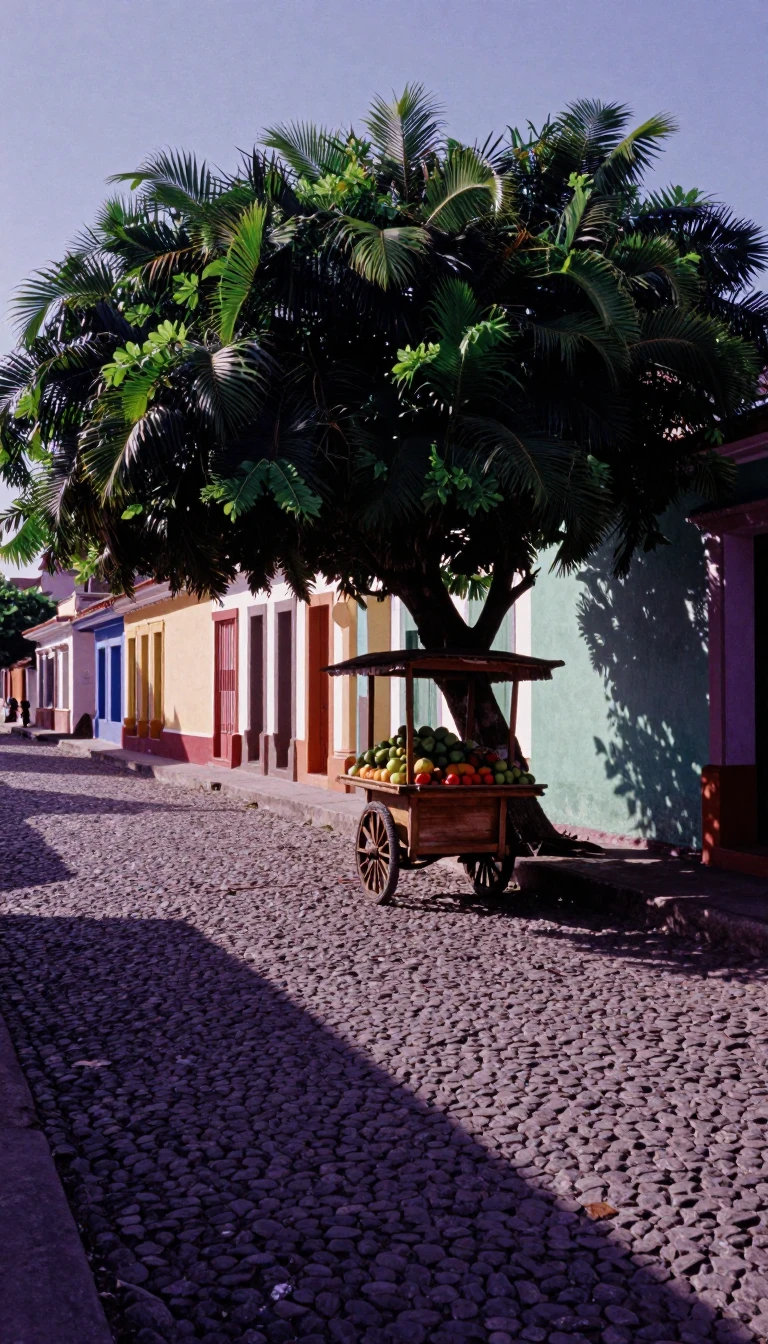 How a Jesuit mission became the industrial locomotive of the Southern HemisphereFounded on a remote plateau in 1554, São Paulo spent centuries in the shadow of Rio de Janeiro. It was only the late 19th-century coffee boom that transformed this quiet missionar…
 How an uninhabited volcanic archipelago became the center of a global sugar empireDiscovered by Portuguese explorers around 1470, these equatorial islands were initially empty. Within a century, they transformed into the world's largest sugar producer, fueled b…
 From ancient caves to modern federation: the complex, contested history of SabahSabah’s story spans 30,000 years, moving from prehistoric cave-dwellers to a strategic prize for competing sultanates and colonial powers. Today, it remains a focal point of inter…
- How a remote Pacific archipelago navigated colonial rivalries and a double-counted daySettled 3,500 years ago by Austronesian voyagers, Samoa’s history is a complex tapestry of indigenous chiefdoms, royal blood ties, and intense 19th-century colonial friction. From…
 Senegal’s history is a complex tapestry of ancient trade routes and colonial ambitionKnown as the Gateway to Africa, Senegal sits at the continent's westernmost point. Its history spans from Neolithic stone tool makers and mysterious stone circles to the rise of p…
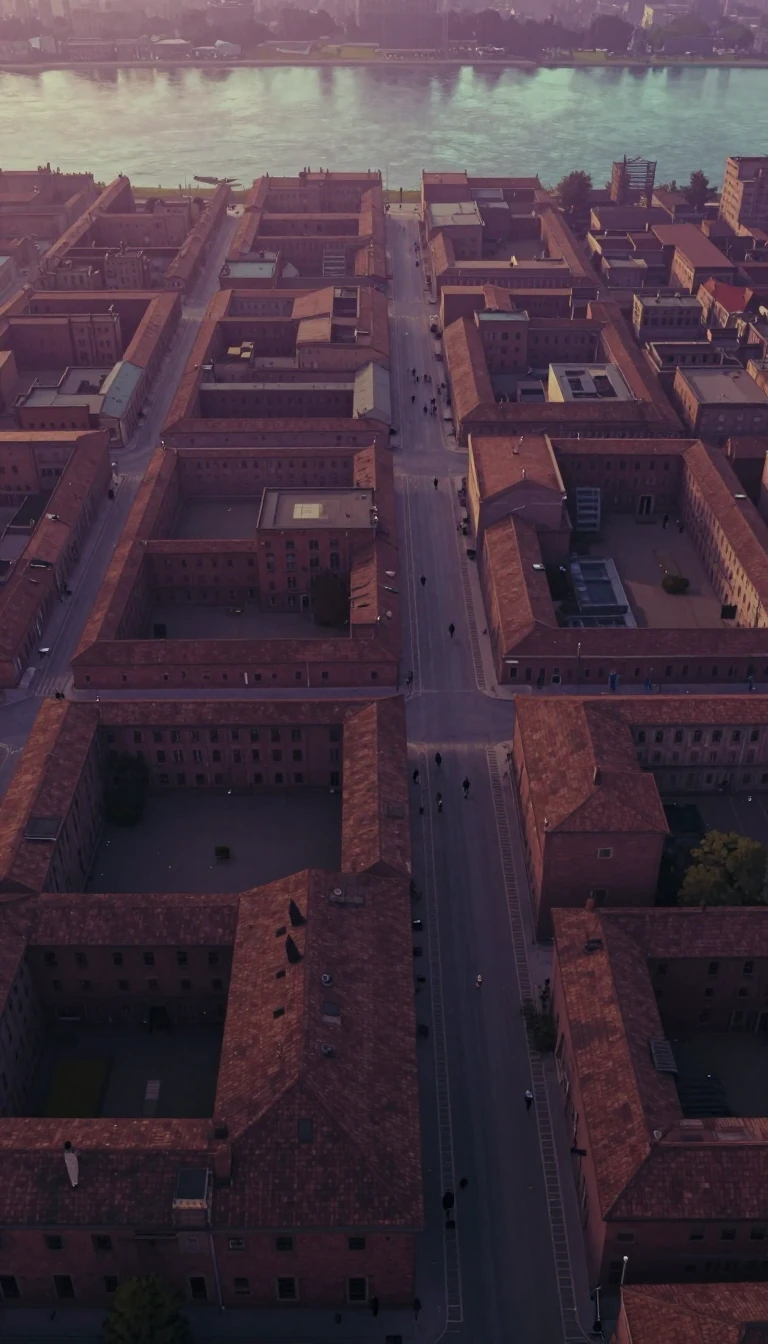 Seoul: How a strategic river basin became a global capital of modern technologySeoul has evolved from a Joseon-era fortress city into a sprawling metropolis of nearly ten million people. While its name simply means capital, the city’s identity is defined by …
 From uninhabited Indian Ocean islands to a modern, contested democratic republicLong before they became a tourist paradise, the Seychelles were a strategic pawn in the colonial rivalry between France and Britain. Once an uninhabited archipelago, the islands e…
 How a sleepy fishing village transformed into the beating heart of China's global economy.Shanghai was once a minor, isolated fishing village, largely ignored for centuries due to its exposed deltaic geography. Yet, through a unique convergence of cotton production, fo…
 How a 15th-century Portuguese mapmaker named a nation after a mountain rangeSierra Leone’s identity is a collision of geography, colonial ambition, and the forced migration of thousands. From its origins as a harbor for European traders to its role as a s…
 Sindh: A Cradle of Civilization That Shaped the Crossroads of Ancient EmpiresSindh is far more than a modern province; it is a historical nexus where the Indus Valley Civilization flourished and global empires collided. From the ancient urban planning of M…
 Skiing began as a survival necessity thousands of years before it became a sport.Long before chairlifts and groomed runs, skiing was a vital tool for hunting, warfare, and transport across snowy landscapes. From prehistoric hunters in Russia to Viking scouts, …
 Why a Spanish explorer’s false rumor gave the Solomon Islands their enduring nameIn 1568, Álvaro de Mendaña de Neira reached a Pacific archipelago and sparked a myth that he had discovered the source of King Solomon’s biblical gold. Though no gold existed, the…
 Somaliland: The Self-Declared Nation That Defies International Recognition and BordersSomaliland occupies a unique space in the Horn of Africa. While it functions as an independent state with its own currency, flag, and government, it remains unrecognized by the in…
 How South Korea transitioned from post-war autocracy to a modern political powerhouseFollowing the devastation of the Korean War, South Korea navigated a turbulent path of shifting regimes, military coups, and constitutional crises. From the collapse of the First …
 How a vast, impenetrable swamp shaped the birth of the world's youngest nationSouth Sudan is defined by its geography, particularly the Sudd, an enormous, swampy region that long served as an impenetrable barrier to outsiders. This natural fortress protecte…
 How a devastating war accidentally forged the modern, unified Spanish stateAt the dawn of the 18th century, Spain was a crumbling imperial giant facing existential threats from England and Austria. The War of the Spanish Succession, intended to dismantle…
- Beyond the Indian Subcontinent: The Unique Evolution of Sri Lanka’s Ancient Island IdentitySeparated from India by the Palk Strait, Sri Lanka is more than a mere extension of its neighbor. While its culture, religion, and language share deep roots with the mainland, the…
 From ancient census counts to modern data science, statistics has a surprising, long history.Statistics began as a tool for states to count resources and people, but it evolved into a powerful, autonomous mathematical science. Today, it underpins everything from sports to…
 From ancient diving bells to nuclear deterrents, the submarine's evolution is a story of survival.Long before modern navies, inventors dreamed of conquering the deep. From Alexander the Great’s legendary diving bell to the first steam-powered vessels, the quest to master under…
 How a Caribbean plantation colony became a mosaic of global migration and political change.Suriname’s history is a complex tapestry woven from failed European settlements, the brutal economics of the plantation system, and a unique post-colonial identity. From its origi…
 How a rejected penal colony became the world's most sophisticated harbour cityWhen the First Fleet arrived in 1788, Sydney was a desperate, starving outpost of the British Empire. Today, it stands as a global financial hub. Its transformation from a grim co…
 Tamil Nadu: A Deep History of Ancient Dynasties and Persistent Dravidian Cultural IdentityTamil Nadu is more than just a southern Indian state; it is a region with a continuous human presence stretching back millennia. From the ancient Chola, Chera, and Pandya dynastie…
 How a 1964 Union Created a Nation from Ancient Hominid Roots and Coastal TradeTanzania is a modern sovereign state formed by the union of Tanganyika and Zanzibar in 1964. Yet, its history stretches back millions of years, encompassing the cradle of humanity…
 Tennis evolved from a 12th-century palm-striking game into a global physical chess match.Before rackets and yellow balls, tennis was a medieval French pastime played with bare hands. From its origins as a monastic or street-level game to its transformation into a prof…
 How a volcanic archipelago in the Indian Ocean became a geopolitical puzzle for FranceThe Comoros islands have been a crossroads for centuries, blending African, Arab, and Austronesian cultures. Yet, this strategic archipelago remains fractured. While three islands…
 How a King’s Private Fiefdom Became a Nation Through Centuries of Forced ExtractionThe Democratic Republic of the Congo’s history is a turbulent evolution from precolonial savanna kingdoms to a brutal colonial enterprise. Before European arrival, the region saw …
 Beyond the modern map, a complex ancient empire once spanned the western Pacific.The Federated States of Micronesia is a modern nation of 600 islands, but its history stretches back millennia. Before colonial powers arrived, the island of Yap anchored a sophis…
 From bamboo spears to automatic rifles: the thousand-year evolution of the firearmFirearms began as simple bamboo tubes filled with black powder and attached to spears in 10th-century China. Over the next millennium, these primitive fire lances evolved through …
 How a tiny West African nation ended 22 years of authoritarian rule in 2017The Gambia’s history is defined by ancient stone circles and colonial borders, but its modern era was marked by the long, controversial rule of Yahya Jammeh. After a surprise elec…
 Italy was a fractured patchwork of states before becoming a unified kingdom in 1861.The Risorgimento transformed the Italian Peninsula from a collection of independent territories into a single nation. This complex political evolution, driven by the House of Savo…
 How ancient navigators mapped the Pacific using nothing but ocean swells and intuitionLong before modern GPS, Marshallese sailors mastered the open ocean by reading the interference patterns of waves. They developed sophisticated stick charts to teach these complex…