 Intellect Plus
History
21,004 cards. Each one is a 40-second story with a five-minute read behind it. Page 257 of 351.
Subtopics: 19th century · 20th century · Africa · Age of Exploration · Ages & eras · Ancient · Ancient China · Ancient egypt · Ancient greece · Ancient rome · Ancient trade · Archaeological discoveries · Archaeology · Astronomy · Australia · Auxiliary historical sciences · Babylon · Basics · Born on this day · Bronze age · Buddhism · Case studies · Chefs, bartenders and winemakers · China · Cities · Climate · Columbus · Contemporary (1945-) · Cosmetics people · Crime · Criminals · Decipherment · Deep time · Disasters · Early modern · Education · Egypt · Empires · Empires & civilisations · Exploration · Explorers · Extinction · Fandom, conventions and festivals · History by continent and large region · History by continent and region · History by country · History by country, small region and city · History by ethnicity · History by subject matter · History by topic · Inca · India · Industrial Revolution · Japan · Kings & queens · London · Mass hysteria · Medicine · Medieval kingdoms · Medieval life · Mediterranean · Mercedes-Benz History · Mesopotamia · Middle ages · Military leaders and theorists · Military leaders, personnel, and theorists · Ming dynasty · Misconceptions · Modern · Modern (1800-1945) · Napoleon · Navigation · North africa · Other · Pacific · Pharaohs · Philippines · Pirates · Post-classical · Prehistory · Propaganda · Public health · Rebels, revolutionaries and activists · Renaissance · Researched · Second world war · Shipwrecks · Silk Road · South america · Tradespeople · UK & Ireland: history · United states · Vikings · Volcanoes · Women in history
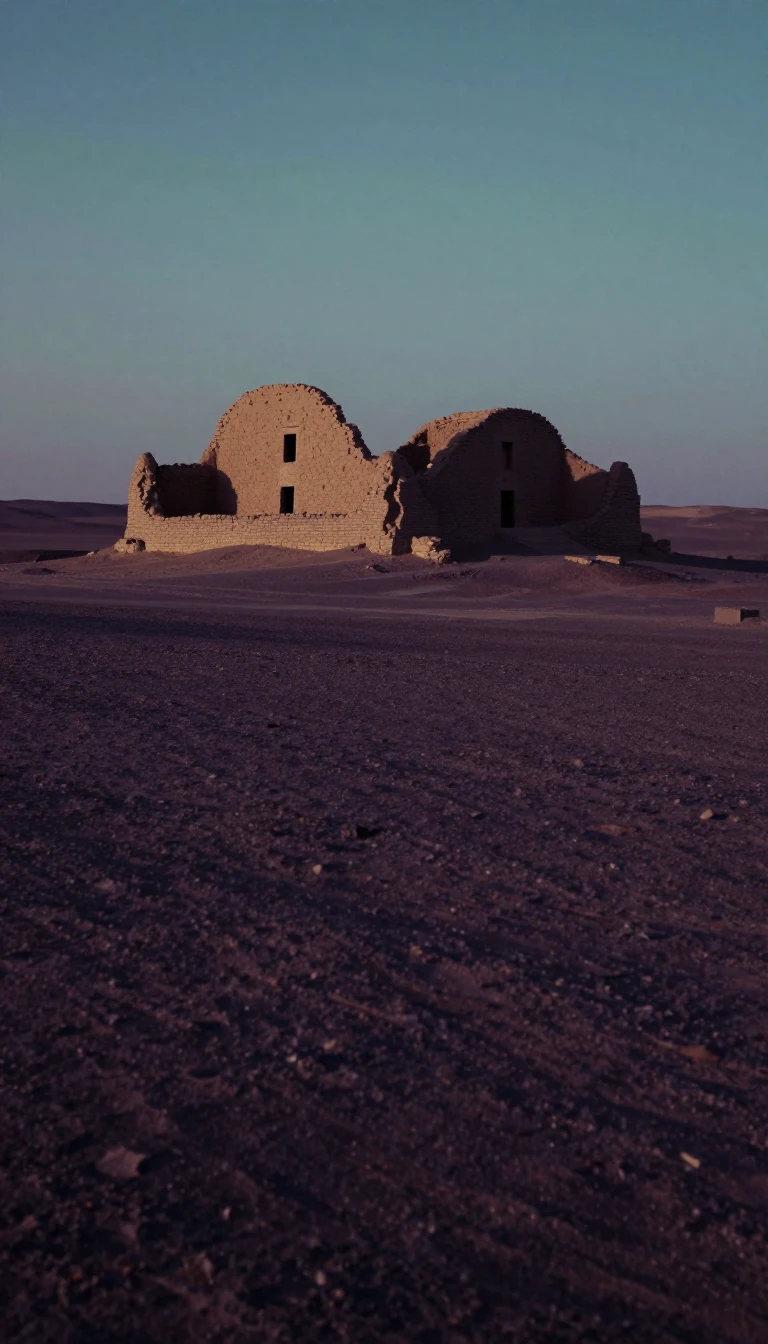 Turkestan: A vast, shifting historical crossroads that never existed as a single nationSpanning from the Caspian Sea to the Gobi Desert, Turkestan is a name for a region, not a country. Historically, it has been a fluid mosaic of empires, from the Mongols to the Rus…
 The Shogun was a temporary military role that became Japan’s de facto government for centuries.Officially a field commander tasked with suppressing northern tribes, the shogun evolved into the absolute ruler of Japan. While the Emperor held nominal authority, the bakufu—or …
 Why the most famous Mohican in literature was never actually a Mohican at allJames Fenimore Cooper’s 1826 classic defined the American frontier myth, yet it is built on a foundation of historical confusion. By misnaming his characters and romanticizing a v…
 How a self-proclaimed Emperor turned a coup into a modernizing, global French empire.Louis-Napoléon Bonaparte seized power in 1851, transforming from a republican president into an absolute monarch. His Second Empire reshaped Paris, expanded colonial reach, and na…
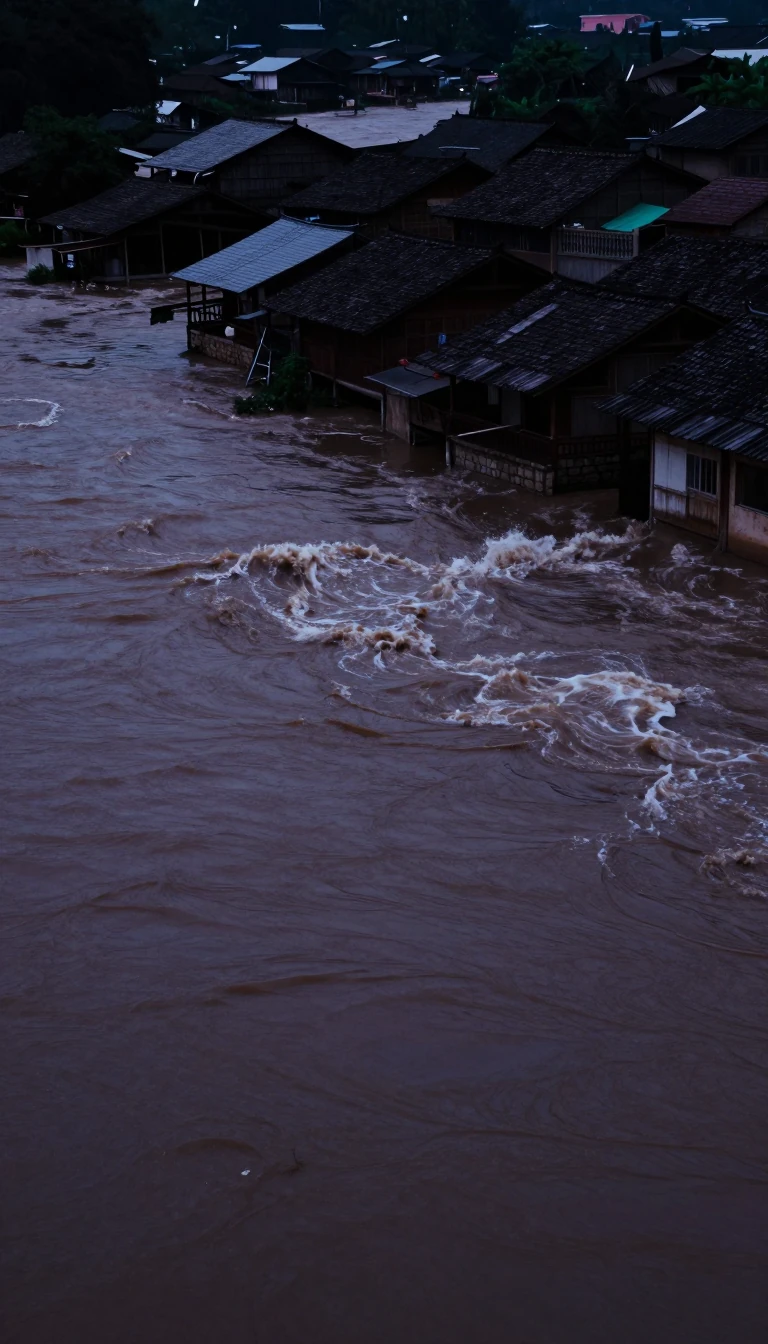 The Sengoku period was not a single war but a century of shifting powerJapan's Sengoku period, or Warring States era, was a time of profound fragmentation rather than a unified conflict. Beginning in the late 15th century, the collapse of central aut…
 The Spanish Netherlands were a buffer zone that shaped the map of modern EuropeFor over a century, the Spanish Netherlands served as a strategic, war-torn frontier between the Spanish Habsburgs and their rivals. While often remembered as a mere battleground,…
 The Mona Lisa of Prehistory: Humanity's Earliest FaceStep inside the Château de Saint-Germain-en-Laye to explore one of France's most significant cultural landmarks. This journey through the National Archaeological Museum reveals th…
 How the Enlightenment shattered medieval dogma to forge our modern Western worldThe Enlightenment was not just a collection of ideas, but a radical shift in how humanity understood reality. By prioritizing reason over religious doctrine, thinkers like Newton …
 What can a silent 1951 film reveal about the origins of human civilization?A digitized 16mm film from the 1951 Joint Prehistoric Project offers a rare window into early archaeological field methods. Featuring researchers Robert Braidwood and Bruce Howe, …
 Were Egyptian statues realistic portraits of pharaohs or carefully crafted vessels of divine power?Egyptian statues were rarely simple portraits. Instead, these monumental works served as ritual vessels for divine presence and collective memory. While artists achieved incredibl…
 Were Egyptian temples built to honour the heavens—or to elevate earthly rulers?Ancient Egyptian temples were not merely houses for gods, but complex machines designed to maintain the universe. By blending cosmological symbolism with displays of royal power, …
 Archaeologists uncover a sophisticated Roman bathhouse complex in the ancient city of Hermopolis MagnaRecent excavations at Hermopolis Magna have revealed a remarkably preserved Roman bathhouse, complete with intricate sewage systems and marble-lined rooms. This discovery offers a…
 How a Victorian travelogue sparked a century of British engagement with Egyptian historyIn 1873, Amelia Blanford Edwards journeyed up the Nile, an experience that ignited a passion for preservation. By 1882, her advocacy led to the founding of the Egypt Exploration S…
 Beyond the throne: uncovering the human tapestry of the ancient Near EastDiscover a history of the ancient Near East that moves past mere lists of rulers to explore the lived experiences of its people, from the first cities to the era of Alexander the …
 The real Mikhail Kutuzov: Beyond the pages of Tolstoy's War and PeaceMikhail Kutuzov is famous as a literary figure, but his actual life as a Russian field marshal remains largely unexamined. This biography explores the career of the man who led Ru…
 Why the Eastern Roman Empire was far more than a pale shadow of RomeHistorian Anthony Kaldellis re-examines the Eastern Roman Empire, commonly called Byzantium. This video explores how modern research has transformed our understanding of this stat…
- How a lack of male heirs empowered the queens of the Crusader StatesIn the 12th century, a dynasty of women navigated the volatile landscape of the Crusader States to wield significant political power. This exploration reveals how these queens and…
- How did Rome maintain a global empire for over five centuries of constant change?Historian James Lacey examines the strategic evolution of the Roman Empire. This discussion explores how Rome adapted its military, economic, and political systems to survive shif…
- How ancient musicians crafted chords on the lyre and the professional kitharaComposer Michael Levy explores the mechanics and social history of ancient stringed instruments. By analyzing historical artwork, he reconstructs the techniques used to play the l…
 How a boy born into slavery became a pioneering classical scholar and archaeologist.John Wesley Gilbert rose from poverty and the constraints of a segregated society to become a prominent intellectual and the first Black archaeologist. This podcast episode explor…
 Did Julius Caesar actually conquer Britain during his famous expeditions in 55 BCE?Historian Richard Hingley discusses the Roman invasion of Britain, clarifying that the process was not a short-term event but a long-term endeavor. This conversation explores why …
 Was Christopher Marlowe a spy, a revolutionary playwright, or a man who faked death?Historian Harrison Mark examines the life and enduring mysteries of Christopher Marlowe, a pivotal figure in Elizabethan drama. This overview explores how Marlowe's provocative wo…
 The fall of Constantinople was not an inevitable tragedyExplore the 1453 siege of Constantinople through a day-by-day reconstruction. This video challenges the myth of a doomed defense, revealing a high-stakes struggle between Roman de…
 Was the legend of the Minotaur a smear campaign against an ancient culture?Author Jane Dougherty challenges the traditional depiction of Pasiphae, the queen of Crete. This interview explores how ancient myths may have been manipulated to suppress the his…
- How the Scientific Revolution Replaced Ancient Philosophy with the Precision of the MachineBetween 1500 and 1700, a radical shift in thought transformed how humanity understands nature. By abandoning the qualitative, Aristotelian search for final causes in favor of a qu…
 Why the Library of Congress is much more than just a collection of booksGo behind the scenes at the world's largest library. Conservation technician Chloe Genter reveals how this institution preserves the creative record of the United States and serve…
 How Herod the Great built a massive Mediterranean harbor over 2,000 years ago.Caesarea Maritima was once the premier maritime trading hub of the Eastern Mediterranean. This video reconstructs the colossal harbor built by Herod the Great, showcasing the Roma…
- How the British East India Company funded its tea empire through the opium trade.The English East India Company was a powerful trading entity that dominated the Indian subcontinent for over two centuries. This video examines how the company leveraged the opium…
 Did enslaved people, not politicians, drive the four-century fight to end slavery?Historian Carrie Gibson challenges the traditional narrative of abolition. This discussion examines how enslaved individuals were the primary architects of their own liberation, m…
 How constant warfare and philosophical shifts forged the first unified Chinese empireProfessor Andrew Seth Meyer examines the Warring States period, a transformative era of conflict and intellectual evolution that moved China from hereditary rule to a centralized,…
 Was the birth of the United States an inevitable march of history?Historian Peter C. Mancall argues that the formation of North America was far from predetermined. By examining the period from c. 1000 to 1680, he reveals a continent forged throu…
 Rome was not built by a single plucky tribe, but by a coalitionHistorian Greg Woolf re-examines the Roman Empire, tracing its evolution from a cluster of 8th-century BCE villages to its eventual transformation by the 8th century CE. This over…
 Why the daily life of ancient Romans feels so strikingly similar to our ownMark Cartwright explores the everyday realities of Roman society, moving past military history to examine the cultural habits and structures that define their identity and mirror …
 Why the daily life of ancient Rome feels so familiar to us todayMark Cartwright discusses his book on Roman culture, shifting focus from military history to the everyday experiences of citizens. By examining nine core aspects of life, he revea…
 Did the Romans keep the same dog breeds we walk today?This video examines the dog varieties known to ancient Rome and investigates whether they share any lineage with modern breeds. It offers a reality check on the popular assumption…
- The mysterious disappearance of Alexander the Great's final resting placeFor six centuries, Alexander the Great's remains were housed in a grand tomb within Alexandria. This video explores the history of that monumental site and the enduring mystery of…
 Why did the Roman Empire stop at the edge of modern-day Scotland?The Roman Empire launched two major military campaigns to subdue Caledonia, yet the region remained unconquered. This video examines the strategic and logistical reasons behind th…
- Beyond the stench of feces, what was the signature scent of ancient Rome?While the streets of ancient Rome were famously redolent of human waste, the elite lived in a different olfactory world. Recent analysis of a 2,000-year-old quartz vial unearthed …
- Did the Romans and Greeks actually understand the true age of Egyptian pyramids?Ancient Mediterranean civilizations were captivated by Egyptian monuments, yet they struggled to accurately gauge the vast timeline of their construction. This video examines the …
- How far did the Roman Empire actually reach beyond its borders?The Roman reach extended far beyond the Mediterranean. This video maps the surprising geographical limits of Roman travel, from the northern islands of Scotland to the coast of Ea…
 The collapse of the Western Roman Empire was a long era, not a single event.While historians categorize the decline of the Western Roman Empire as a prolonged period rather than a sudden moment, those experiencing it firsthand perceived the transformation…
- Why do so many ancient statues in museums have missing or replaced noses?It is a common observation that ancient sculptures often arrive in our collections with damaged facial features. This video examines the historical and physical reasons behind the…
 Why ancient Romans often possessed surprisingly healthy teeth despite their lack of modern dental care.Ancient Romans faced significant dental challenges, including chronic bad breath and primitive medical treatments. Yet, historical evidence suggests their oral health was better t…
 How Ancient Rome Adopted Greek Education While Rejecting Its Athletic and Musical TraditionsOnly a small minority of children in the ancient world received formal schooling. For the Roman elite, education meant a bilingual immersion in Greek culture, yet they remained de…
 Why ancient conspiracy theories are the original fake news of human historyConspiracy theories are not a modern invention of the internet age. From moral panics in classical Athens to the destruction of the Knights Templar, humans have long used rumors t…
- How did ancient Romans verify their identity without government records or modern IDs?In an era lacking centralized databases and rapid communication, Roman society relied on alternative methods to establish personal identity. This video examines the social and pra…
 What were the actual odds of a Roman soldier surviving to reach their retirement?Imperial Roman soldiers faced a long career path, typically serving for 25 years. This video examines the statistical reality of reaching the end of that service, providing contex…
- Was Caligula truly a madman, or is history playing a trick on us?Tales of Caligula making his horse a consul or attempting to romance the Moon are staples of his reputation. This video examines whether these infamous stories reflect the actual …
- Did the ancient Romans have their own versions of science fiction and apocalyptic theories?The classical world was far from focused solely on the past. This video explores how Romans conceptualized the future, ranging from speculative theories about the end of the world…
- How did the Roman elite accumulate and eventually lose their massive, historic fortunes?This video examines the immense wealth held by the Roman aristocracy and investigates the ultimate fate of these legendary fortunes. It provides historical context on how these fi…
- How Ancient Rome shaped the astrology we use in the modern worldThis video examines the historical origins of astrology, detailing how Roman practices established the fundamental framework that continues to define the discipline today.
- Did Ancient Rome experience financial bubbles and panics like our modern economy?While the Roman economy was not capitalist, it encountered economic challenges that appear strikingly familiar to modern observers. This video examines the historical parallels be…
 Was the Roman experience of love strikingly familiar or deeply strange?Love in ancient Rome remains a complex subject that balances recognizable human emotions with cultural practices that feel alien to modern sensibilities. This exploration examines…
 Why did almost all Greek and Roman literature vanish during the Middle Ages?Most ancient literature did not survive the transition into the medieval period. This video examines the factors behind the disappearance of nearly all Greek and Roman texts, expl…
 In Ancient Rome, jewelry served as a universal tool for social signaling and display.This video examines the role of jewelry in Roman society, illustrating how adornment functioned as a medium for advertisement across all social classes. It highlights how personal…
- The Arch of Constantine commemorates a battle that reshaped the course of European history.This video examines the Arch of Constantine, a monument dedicated to the first Christian emperor. It explores the significance of the pivotal conflict that defined the Roman Empir…
- Five of the most excessive and extravagant celebrations in ancient Roman historyThis video examines five legendary Roman parties that pushed the boundaries of excess. From floating taverns to displays featuring thousands of gladiators and live tigers, these e…
- Was there a structure in Rome that predated the city's own founding?This video examines a mysterious building located in the center of ancient Rome. It explores the legend that this structure was older than the city itself, offering a glimpse into…
- Three Roman Engineering Marvels That History Almost Completely ForgotExplore three massive Roman construction feats that remain largely unknown today. This video highlights the ingenuity of ancient engineers by examining a record-breaking tunnel, a…
 Did Rome's most iconic ancient church emerge from the aftermath of a barbarian sack?This video examines the state of Rome following the 410 AD sack by Alaric. It highlights how the city's best-preserved ancient church was constructed in the wake of this brutal hi…