 Intellect Plus
History
21,006 cards. Each one is a 40-second story with a five-minute read behind it. Page 253 of 351.
Subtopics: 19th century · 20th century · Africa · Age of Exploration · Ages & eras · Ancient · Ancient China · Ancient egypt · Ancient greece · Ancient rome · Ancient trade · Archaeological discoveries · Archaeology · Astronomy · Australia · Auxiliary historical sciences · Babylon · Basics · Born on this day · Bronze age · Buddhism · Case studies · Chefs, bartenders and winemakers · China · Cities · Climate · Columbus · Contemporary (1945-) · Cosmetics people · Crime · Criminals · Decipherment · Deep time · Disasters · Early modern · Education · Egypt · Empires · Empires & civilisations · Exploration · Explorers · Extinction · Fandom, conventions and festivals · History by continent and large region · History by continent and region · History by country · History by country, small region and city · History by ethnicity · History by subject matter · History by topic · Inca · India · Industrial Revolution · Japan · Kings & queens · London · Mass hysteria · Medicine · Medieval kingdoms · Medieval life · Mediterranean · Mercedes-Benz History · Mesopotamia · Middle ages · Military leaders and theorists · Military leaders, personnel, and theorists · Ming dynasty · Misconceptions · Modern · Modern (1800-1945) · Napoleon · Navigation · North africa · Other · Pacific · Pharaohs · Philippines · Pirates · Post-classical · Prehistory · Propaganda · Public health · Rebels, revolutionaries and activists · Renaissance · Researched · Second world war · Shipwrecks · Silk Road · South america · Tradespeople · UK & Ireland: history · United states · Vikings · Volcanoes · Women in history
 The Heisei Era: Three Decades of Economic Turbulence, Cultural Influence, and Imperial TransitionSpanning from 1989 to 2019, the Heisei era redefined Japan. It began with a record-breaking economic bubble and ended with a historic imperial abdication. Between these milestones…
 Eridu: The ancient Mesopotamian city that Sumerian tradition calls the world's firstLong before the rise of empires, Eridu emerged as a sacred hub in southern Mesopotamia. Traditionally cited as the oldest city in the region, it grew around a temple dedicated to …
 How a failed colonial union birthed the modern state of Malaysia in Southeast AsiaBorn from the ashes of a rejected British colonial project, the Federation of Malaya emerged in 1948 as a complex political experiment. It balanced traditional Malay sovereignty w…
 The Five-Star Red Flag: A Symbol of Revolution and Unity in Modern ChinaAdopted in 1949, China's national flag is more than a patriotic emblem. Its vivid red field and golden stars represent a specific political vision of unity under the Chinese Commu…
 Portugal's national flag was a radical political statement born from a 1910 revolutionAdopted after the 1910 overthrow of the monarchy, Portugal's flag replaced traditional royal blue and white with revolutionary red and green. While these colors were later given p…
 How India’s massive social security agency manages retirement for millions of formal sector workersThe Employees' Provident Fund Organisation is a cornerstone of India's social security, overseeing retirement funds for millions. From its origins in post-independence legislation…
 How a Military Coup Accidentally Created Brazil's Longest-Running Oligarchic RepublicIn 1889, a marshal launched a coup intending only to replace a cabinet, but he accidentally toppled the monarchy. This birthed the First Brazilian Republic, a volatile era defined…
 Why Colombia’s national flag was inspired by a conversation with a German philosopherThe vibrant yellow, blue, and red of the Colombian flag are more than just national symbols. They trace back to a 1785 meeting between Francisco de Miranda and Johann Wolfgang von…
 The shark-inspired vessel that redefined naval warfare and global tradeLong before the specialized warships of the modern era, a single type of ship dominated the oceans. Evolved from the caravel and carrack, the galleon combined massive cargo capaci…
 How Turkey transformed from an agrarian empire into a modern industrial powerhouseTurkey’s economic journey spans from the decline of the Ottoman Empire to its current status as a G20 member. By navigating state-led industrialization, a 1995 customs union with …
- How a Mumbai police constable's son became the world's most elusive global terroristDawood Ibrahim Kaskar rose from a teenager committing petty theft in Mumbai to the leader of D-Company, a sprawling criminal syndicate. Today, he is a global terrorist with a US$2…
 When the Holy Roman Emperor’s unpaid army accidentally destroyed the heart of the RenaissanceIn 1527, a mutinous force of 34,000 Imperial troops stormed Rome, shattering the city’s golden age. What began as a political threat by Charles V spiraled into a months-long night…
 How the Colombian Liberal Party dominated national politics for over a centuryFounded in 1848, the Colombian Liberal Party defined the nation's political landscape alongside its Conservative rivals. From civil wars and the brutal era of La Violencia to the …
 Ebrahim Raisi: The Cleric Who Rose From The 1988 Death Commissions To The PresidencyEbrahim Raisi was a central figure in Iran's judicial system, rising from a prosecutor during the 1988 political purges to the nation's presidency in 2021. Known as the Butcher of…
 Did a 1763 royal decree accidentally help trigger the American Revolution?Issued by King George III, the Royal Proclamation of 1763 drew a line along the Appalachian Mountains to restrict colonial expansion. While intended to manage postwar territories …
 From a basement tutoring session to a global research powerhouse in PhiladelphiaFounded in 1884 by a Baptist minister to educate working-class citizens, Temple University evolved from humble night classes into a major R1 research institution. Today, this stat…
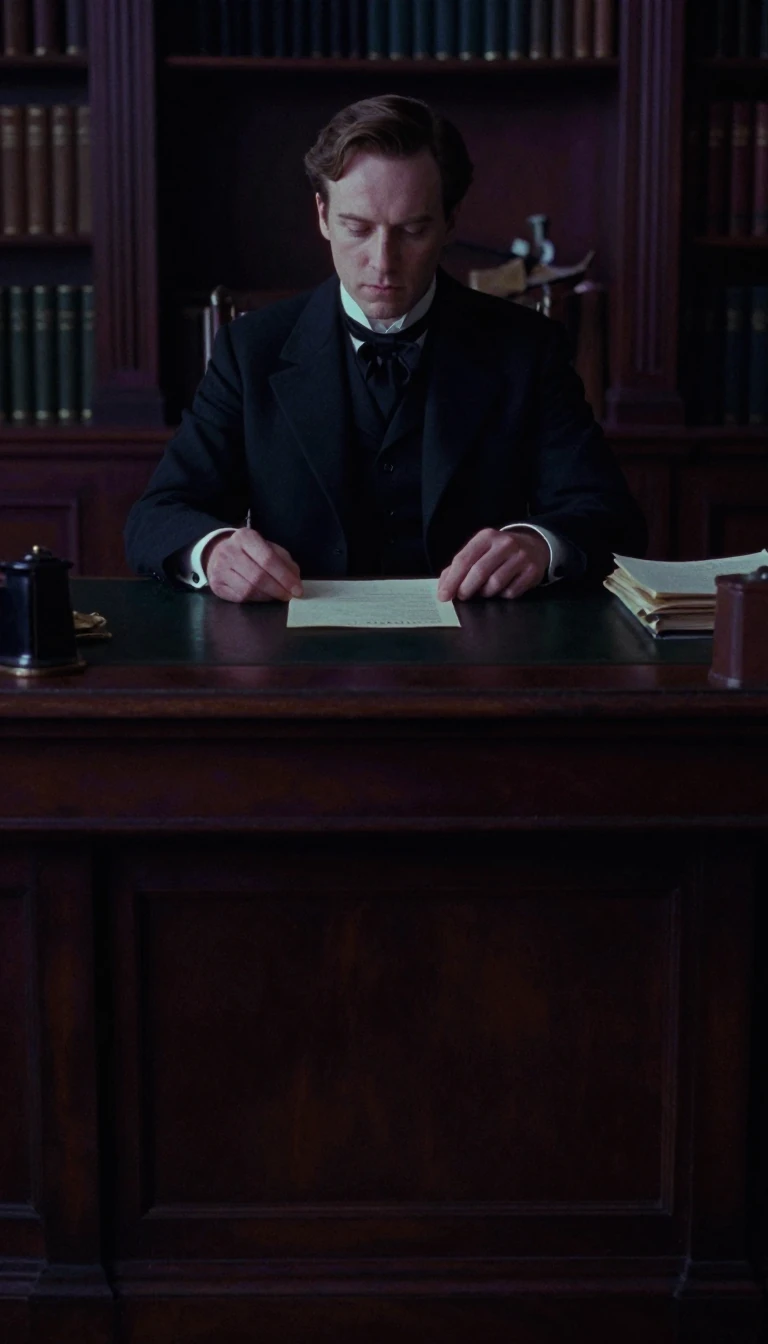 Why did a British colonel build a city to mirror the power of the Crown?Founded in 1858 by Colonel Richard Clement Moody, New Westminster was designed as a strategic bulwark to secure British authority on the Pacific coast. Intended to be a city of be…
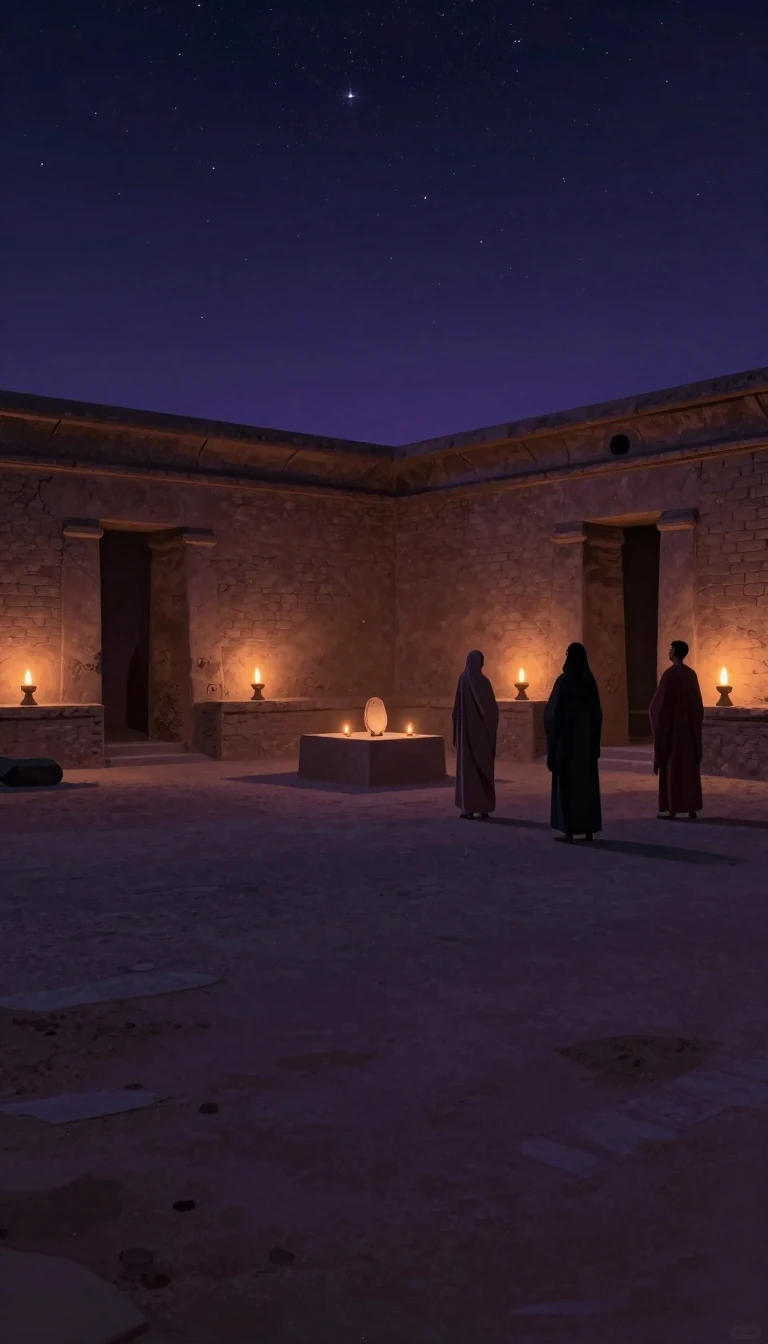 Why the ancient Kushite rulers built hundreds of pyramids in the Sudanese desertWhile Egypt is famous for its massive monuments, the region of Nubia in present-day Sudan holds a secret of its own. Kushite royalty constructed hundreds of pyramids over a millen…
 How a post-war economic experiment evolved into the modern European UnionBorn from the 1957 Treaty of Rome, the European Economic Community began as a modest customs union among six nations. Designed to prevent future conflict through economic integrat…
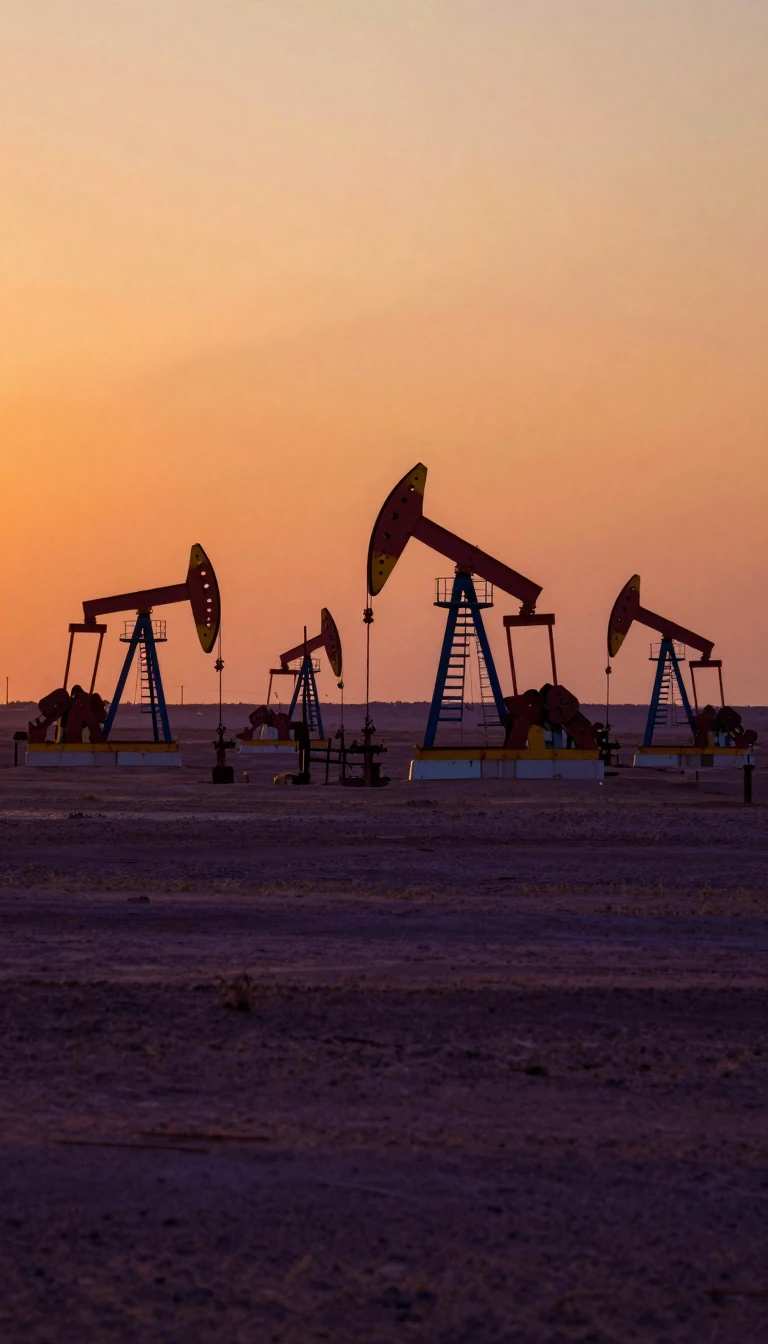 From the cradle of civilization to modern oil wealth, how did the Middle East evolve?The Middle East served as the birthplace of agriculture and the world's earliest urban cultures. Over millennia, it transitioned from ancient Mesopotamian empires and Egyptian pha…
- After four presidential bids, Keiko Fujimori has finally ascended to the Peruvian presidency.The daughter of former dictator Alberto Fujimori, Keiko Fujimori has spent decades as the face of Peruvian right-wing populism. After three narrow runoff defeats and years of lega…
 The Mandinka people: A legacy of empire, oral tradition, and complex social structuresNumbering about 15 million, the Mandinka are one of Africa's largest ethnolinguistic groups. Descendants of the 13th-century Mali Empire, they have maintained a distinct identity …
 The Maxim gun: A 19th-century invention still downing modern missiles todayInvented in 1884, the Maxim gun was the first fully automatic weapon to use recoil energy to eject spent cartridges and load new ones. While it became the iconic tool of imperial …
 The Polisario Front has waged a decades-long struggle for Western Sahara's independence from Morocco.Formed in 1973 to challenge Spanish colonial rule, the Polisario Front evolved into a state-in-waiting for the Sahrawi people. Today, it operates from refugee camps in Algeria, ma…
 Amenhotep III: The Magnificent Pharaoh Who Ruled at the Height of Egyptian GrandeurAs the ninth pharaoh of the Eighteenth Dynasty, Amenhotep III presided over an era of unparalleled artistic and international influence. Known as the Magnificent, he was one of th…
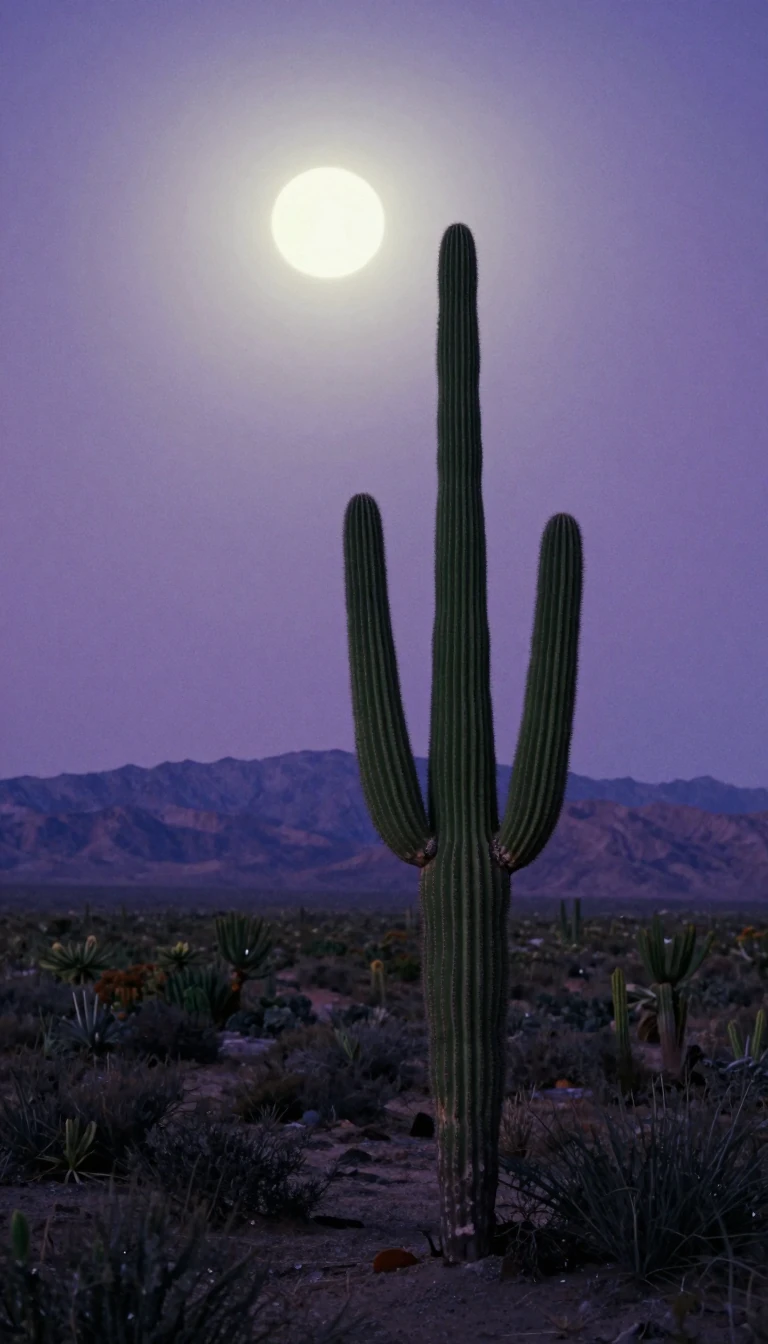 The invasive plant that turned colonial soldiers into temporary fools for eleven daysDatura stramonium, or jimsonweed, is a potent nightshade that has been used for centuries in sacred rituals, traditional medicine, and even alleged zombie-making. While its halluc…
 How a small faction of professional revolutionaries seized control of the Russian EmpireThe Bolsheviks began as a radical splinter group defined by Vladimir Lenin’s demand for a disciplined core of full-time revolutionaries. From their 1903 split with the Mensheviks …
 Why a 1994 uprising in Chiapas still defines the struggle for indigenous autonomy today.On New Year’s Day 1994, the Zapatista Army of National Liberation launched an insurrection in Mexico’s southernmost state. While the initial military conflict lasted less than two…
 The Commonwealth of the Philippines was a decade-long bridge to full national sovereignty.Established in 1935 as a transitional administration under United States oversight, the Commonwealth was designed to prepare the Philippines for independence. It navigated interna…
 Why the Dutch are named after the common people and the lowlandsThe term Dutch originates from a Proto-Germanic word for the common people, while their self-identifier, Nederlanders, describes their geography. Despite their shared language and…
- How a stowaway hiding in a barrel became the first European to reach the Pacific.Vasco Núñez de Balboa arrived in the New World as a failed pig farmer, only to become a governor and explorer. By orchestrating a political coup and navigating the treacherous Ist…
- How a Dutch province shaped the name of a nation on the other side of EarthZeeland, the westernmost province of the Netherlands, is a low-lying delta defined by its constant struggle against the North Sea. Its name, meaning Sealand, has traveled far beyo…
- How engineers saved a mountain of ancient Egyptian history from rising floodwatersIn the 1960s, the monumental temples of Abu Simbel faced total destruction as the Aswan Dam threatened to submerge them forever. To preserve these 13th-century BC masterpieces, an…
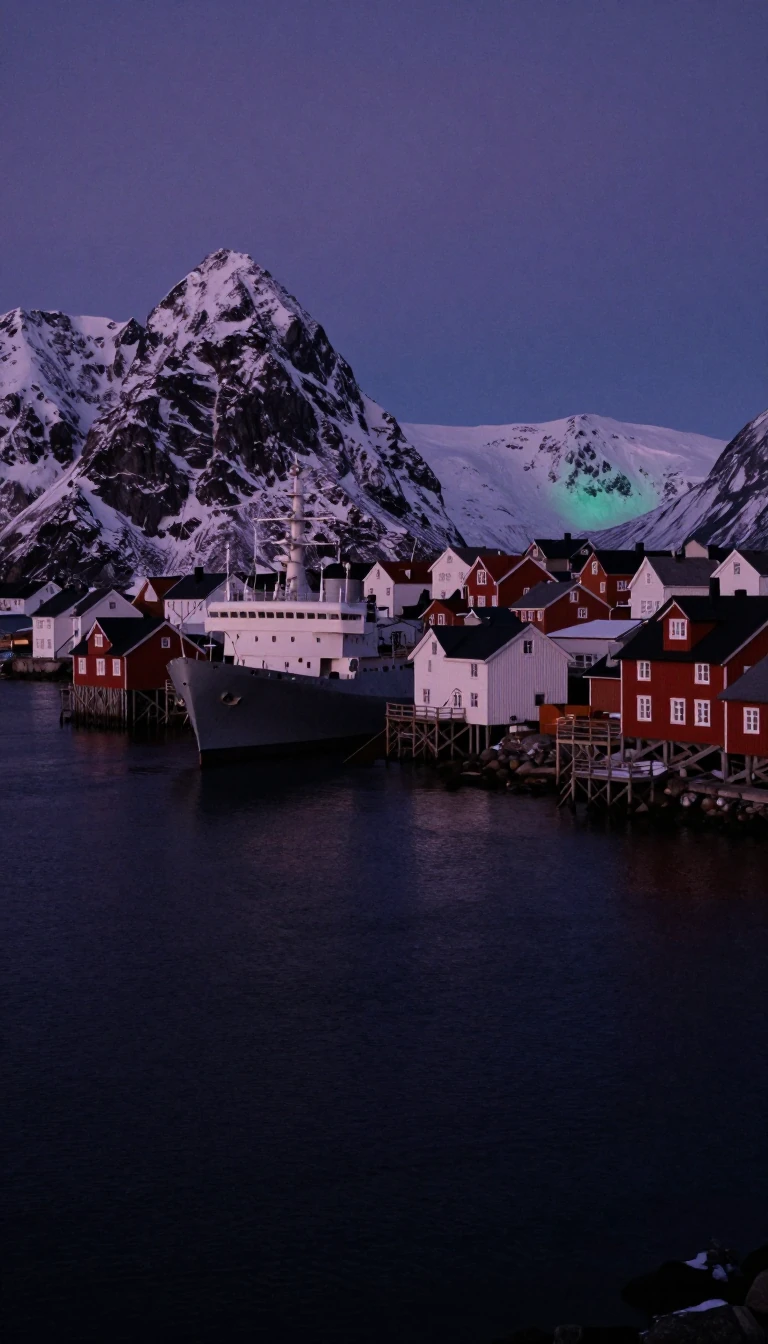 St. Lawrence Island: The Bering Sea outpost where history and survival collideLocated closer to Russia than the Alaskan mainland, St. Lawrence Island is a rugged, treeless expanse in the Bering Sea. Once a land bridge connecting continents, it has served as…
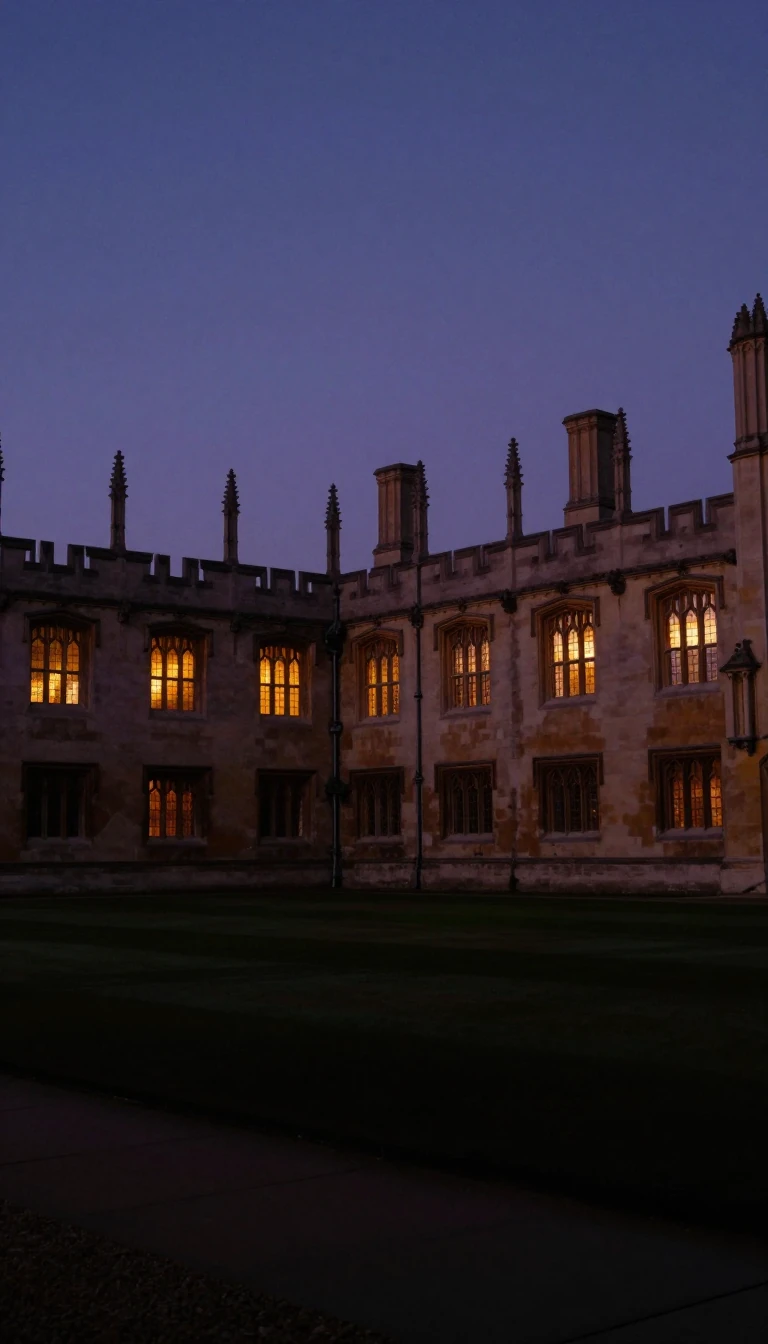 How a collection of 19th-century local schools evolved into a global research powerhouseThe University of Exeter began as scattered vocational colleges in Devon and Cornwall, training schoolmasters and mining engineers. Today, it stands as a Russell Group research in…
 How a Siberian city accidentally invented a mythical beast to fix a translation error.Irkutsk, once known as the Paris of Siberia, holds a strange heraldic secret. Its official coat of arms features a tiger with a sable in its mouth, but a nineteenth-century lingui…
 How Jean-Michel Jarre turned the world into his personal electronic concert stageJean-Michel Jarre redefined live music by transforming city skylines into massive, laser-lit canvases. From breaking world records for audience size to performing in post-Mao Chin…
 How Ruth Bader Ginsburg used strategic litigation to dismantle gender discrimination in American lawBefore she became a Supreme Court icon, Ruth Bader Ginsburg was a methodical architect of legal change. By carefully selecting cases and plaintiffs, she systematically dismantled …
 Were California's historic Spanish missions actually sites of systematic forced labor and cultural erasure?Between 1769 and 1833, Franciscan missionaries established 21 outposts across California to expand the Spanish Empire. While often romanticized today, these missions functioned as…
- How ancient Austronesian sailors built the first global network for the world's most valuable spices.Long before European explorers arrived, Austronesian sailors established the first maritime spice routes. By 1500 BC, these navigators linked Southeast Asia to India and Sri Lanka…
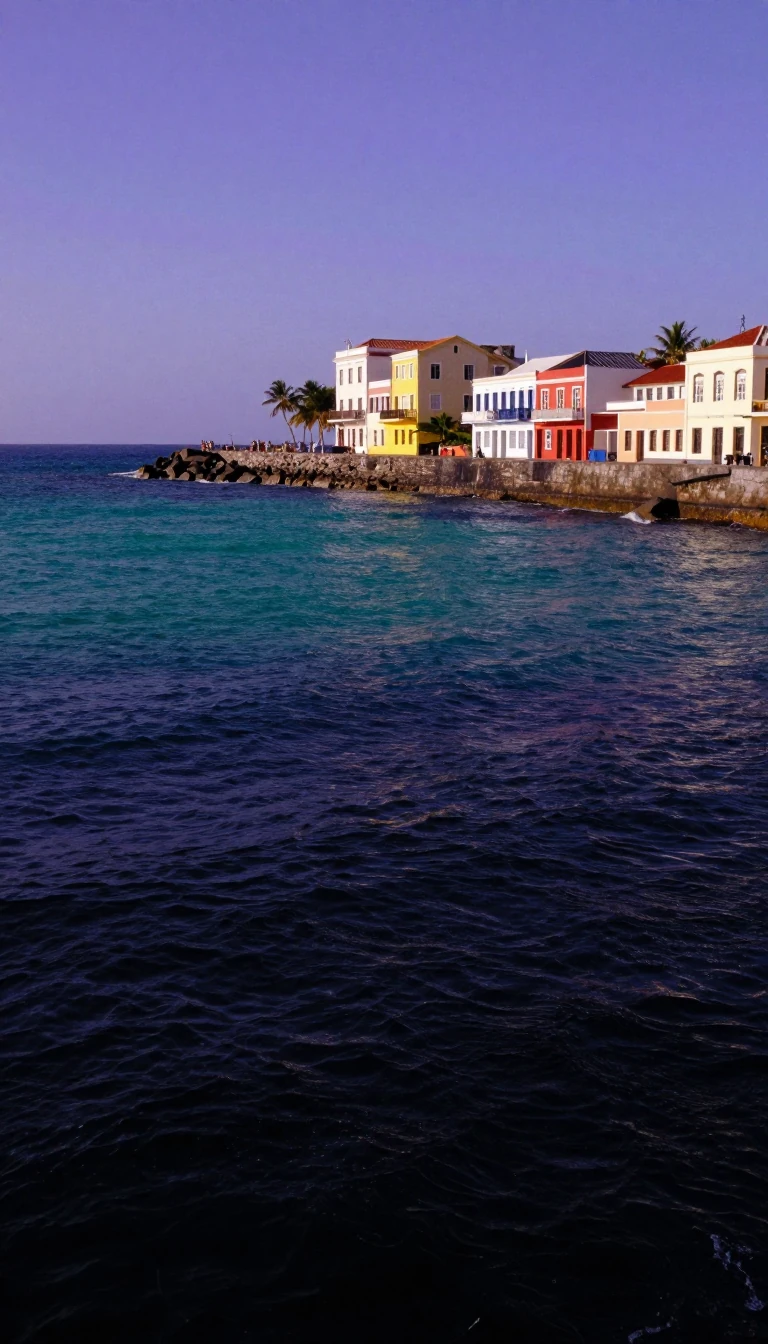 This Portuguese city once hosted the treaty that effectively divided the entire world.Setúbal is more than a coastal hub. Beyond its history as a major fishing center and salt exporter, this city served as the stage for a monumental geopolitical pact. In a 15th-cen…
 How a Danish Prince became the symbol of Norwegian resistance against Nazi GermanyBorn Prince Carl of Denmark, Haakon VII was elected King of Norway in 1905. Though he initially sought a ceremonial role, his refusal to legitimize a Nazi-backed puppet government…
 Was Hamilcar Barca the architect of Rome's near-collapse in the Second Punic War?Hamilcar Barca, the Carthaginian general known as the Thunderbolt, commanded forces in Sicily for six years during the First Punic War. His tactical brilliance and ability to main…
 How a merger of fire and water created a global publishing titanHarperCollins is one of the world's Big Five publishers, but its identity is a fusion of two distinct histories. Born from the 1989 merger of American firm Harper & Row and Scotti…
- Before the Great Depression, Herbert Hoover was celebrated as the world's greatest humanitarian administrator.Long before his presidency became synonymous with economic collapse, Herbert Hoover was a global hero. As a mining engineer turned relief organizer, he fed millions of starving ci…
 The Hindenburg disaster was not an explosion, but a rapid, ninety-second hydrogen fire.On May 6, 1937, the Hindenburg airship caught fire while landing in New Jersey. While often remembered as a sudden explosion, the hydrogen actually burned out in about ninety seco…
 The Royal Navy ship that mapped the Antarctic and vanished in the Arctic ice.HMS Erebus began as a bomb vessel in 1826, only to become a legendary explorer. After charting the Antarctic and naming a volcano, she disappeared during a doomed 1845 mission to …
 A warship built to bombard American forts became a ghostly icon of Arctic exploration.Launched in 1813 as a Royal Navy bomb vessel, HMS Terror survived the War of 1812 and Antarctic expeditions before vanishing in the Arctic. Its 2016 discovery in Terror Bay, far f…
 The veiled desert warriors who once controlled the vast trade routes of the SaharaKnown as the veiled people, the Tuareg are an Amazigh ethnic group with a complex history of noble warrior castes, trans-Saharan trade dominance, and fierce resistance to colonial…
 Why the twelve Greek gods were never actually a fixed group of twelveThe twelve Olympians are famous as the supreme Greek pantheon, yet the list of who belonged to this elite circle was never set in stone. While tradition placed them on Mount Olymp…
 The Ukrainian Soviet Socialist Republic: A Complex History of Sovereignty and State-Sponsored TerrorFrom its turbulent birth during the Russian Revolution to its role as a founding United Nations member, the Ukrainian SSR existed as a paradox. It was a constituent republic of th…
 The fall of Tenochtitlan was not just a military defeat but a political collapse.When Hernán Cortés arrived in the Aztec capital, he sought to rule through the local leader, Moctezuma II. This strategy backfired spectacularly. A brutal massacre by a subordinat…
 The Conquistador Who Bankrupted Himself Chasing a Mythical City of GoldFrancisco Vázquez de Coronado led a massive expedition across the American Southwest in search of the legendary Seven Cities of Gold. He found only humble pueblos, vast buffalo he…
 Why the world's most famous blue stone is a geographical misnomerTurquoise has been prized for millennia, from the tombs of Egyptian pharaohs to the ritual masks of the Aztecs. Yet, despite its name suggesting a Turkish origin, the stone was ne…
 Tuva: The remote Siberian republic that once printed stamps of trains it never had.Nestled at the geographical center of Asia, Tuva is a land of mountains, glaciers, and a unique history of shifting empires. Once a nominally independent state between the World W…
 The short-lived sovereignty of the Welsh PrincipalityBefore it was annexed by the English crown, the Principality of Wales stood as a distinct, economically vibrant territory. Driven by the ambitions of Llywelyn ap Gruffudd, this er…
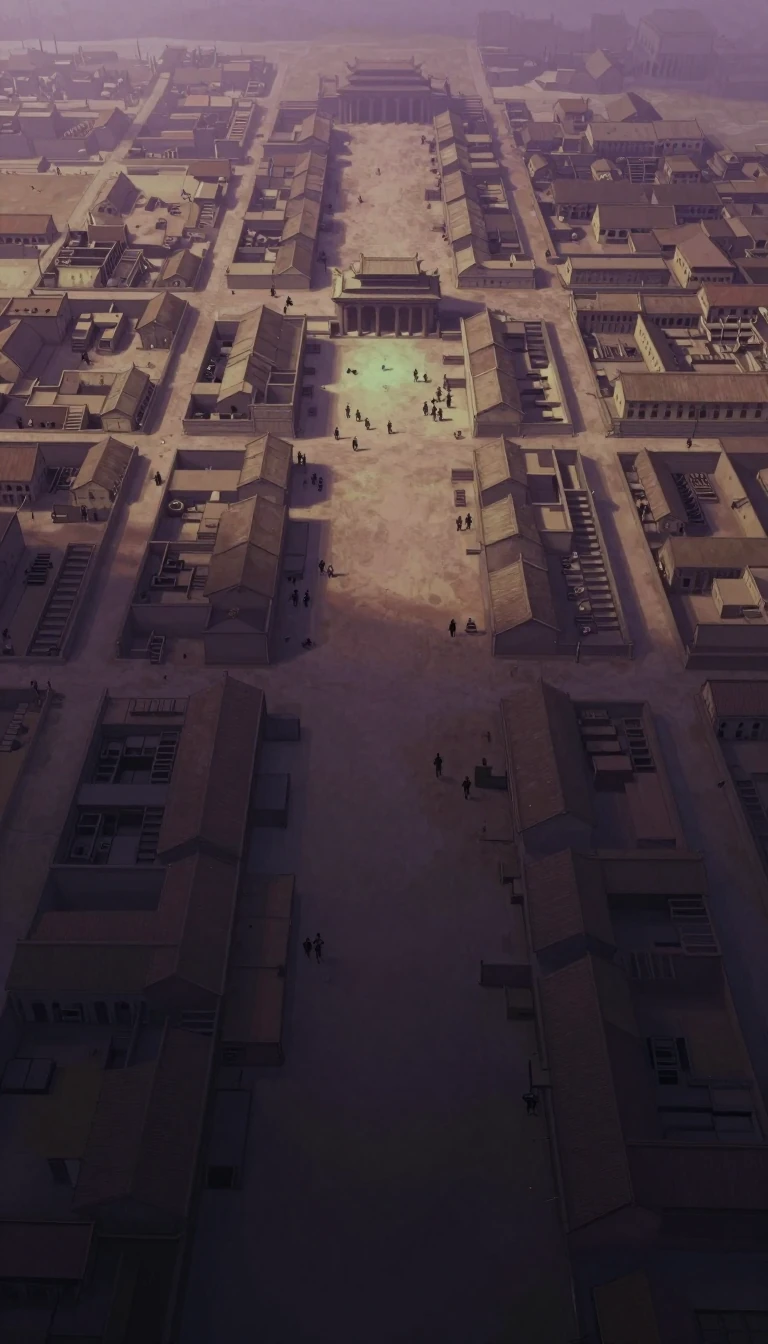 How a Macedonian Princess and a Mermaid Legend Defined a Mediterranean CrossroadsFounded in 315 BC, Thessaloniki has served as a vital nexus for empires, religions, and cultures for millennia. From its origins as a Macedonian royal namesake to its centuries as…
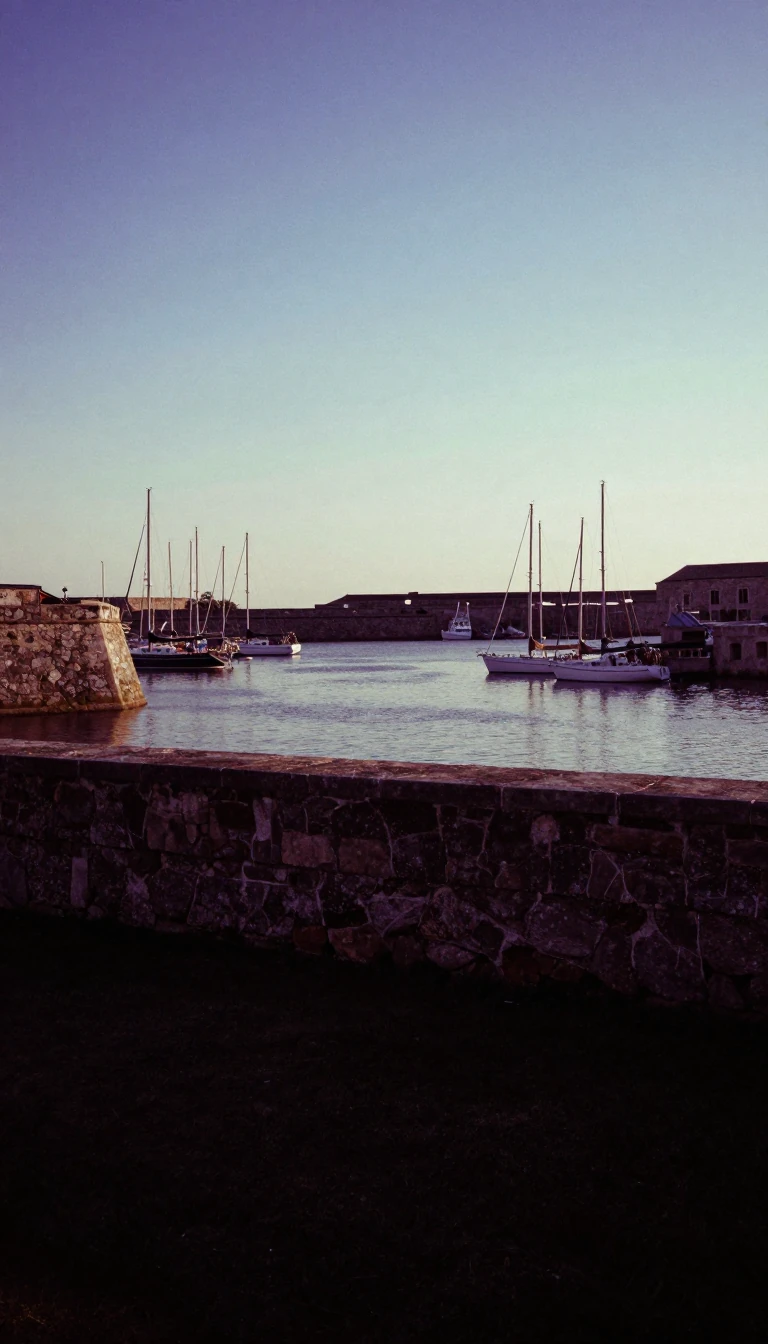 Why some empires rule the waves instead of the land beneath their feetA thalassocracy is a state defined by its maritime reach rather than its interior borders. Unlike traditional land-based empires, these seaborne powers thrive by controlling trade…
 How a former captive became the most powerful woman in the Mongol EmpireTöregene Khatun ruled the Mongol Empire for five years, navigating a male-dominated hierarchy to secure her son's succession. Often dismissed by contemporary chroniclers as vengef…
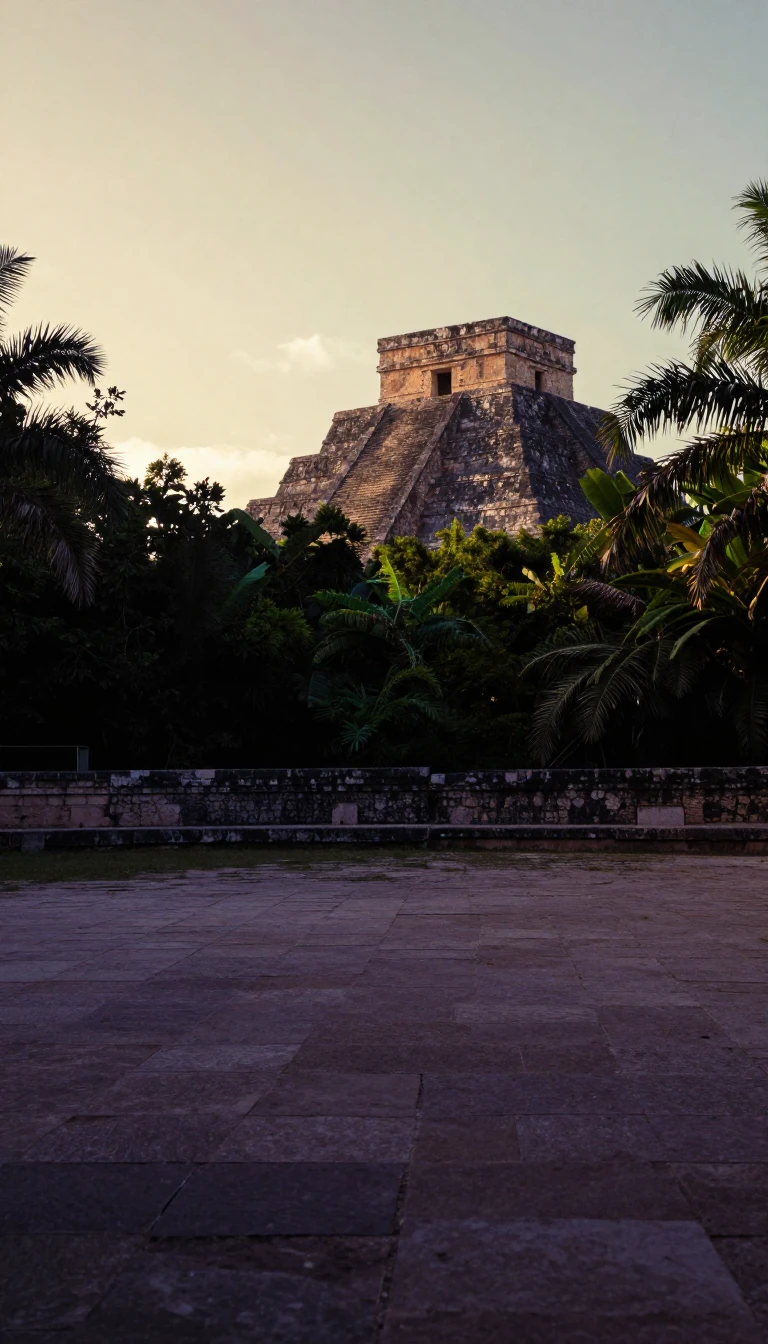 Tezcatlipoca, the Smoking Mirror, was the Aztec deity of conflict, night, and transformation.Known as the Smoking Mirror, Tezcatlipoca was a central, multifaceted Aztec deity associated with everything from hurricanes and obsidian to war and divination. Often depicted as …