 Intellect Plus
History
21,006 cards. Each one is a 40-second story with a five-minute read behind it. Page 230 of 351.
Subtopics: 19th century · 20th century · Africa · Age of Exploration · Ages & eras · Ancient · Ancient China · Ancient egypt · Ancient greece · Ancient rome · Ancient trade · Archaeological discoveries · Archaeology · Astronomy · Australia · Auxiliary historical sciences · Babylon · Basics · Born on this day · Bronze age · Buddhism · Case studies · Chefs, bartenders and winemakers · China · Cities · Climate · Columbus · Contemporary (1945-) · Cosmetics people · Crime · Criminals · Decipherment · Deep time · Disasters · Early modern · Education · Egypt · Empires · Empires & civilisations · Exploration · Explorers · Extinction · Fandom, conventions and festivals · History by continent and large region · History by continent and region · History by country · History by country, small region and city · History by ethnicity · History by subject matter · History by topic · Inca · India · Industrial Revolution · Japan · Kings & queens · London · Mass hysteria · Medicine · Medieval kingdoms · Medieval life · Mediterranean · Mercedes-Benz History · Mesopotamia · Middle ages · Military leaders and theorists · Military leaders, personnel, and theorists · Ming dynasty · Misconceptions · Modern · Modern (1800-1945) · Napoleon · Navigation · North africa · Other · Pacific · Pharaohs · Philippines · Pirates · Post-classical · Prehistory · Propaganda · Public health · Rebels, revolutionaries and activists · Renaissance · Researched · Second world war · Shipwrecks · Silk Road · South america · Tradespeople · UK & Ireland: history · United states · Vikings · Volcanoes · Women in history
 Founded by student rebellion, this Italian university changed the course of modern science.In 1222, students and professors fled Bologna seeking academic freedom, establishing the University of Padua. It became a crucible for the Renaissance, where figures like Copernic…
 How Lancashire Transformed from a Quiet Backwater into an Industrial PowerhouseOnce a modest region on the edge of England, Lancashire became the beating heart of the Industrial Revolution. By the 1970s, it had surged to become the most densely populated cou…
 How a besieged border city became the industrial heart of French FlandersLille has spent centuries as a strategic prize, shifting between empires and enduring repeated occupations. From its origins as a medieval island settlement to its transformation …
 How an Edo-era school for samurai evolved into a global research powerhouseThe University of Osaka traces its intellectual lineage to 18th-century academies, blending ancient humanities with modern scientific rigor. Today, this institution stands as one …
 The world's first state-funded university was a deliberate political power play by an emperor.Founded in 1224 by Holy Roman Emperor Frederick II, the University of Naples was not a product of organic growth. It was a calculated, top-down project designed to train bureaucra…
 How a 19th-century petition for English education birthed a titan of Indian academiaEstablished in 1857, the University of Madras stands as a cornerstone of Indian higher education. From its origins in a public petition signed by 70,000 residents, it has evolved …
 From colonial medical training to a modern green campus, the University of Indonesia evolves.Tracing its roots to an 1849 medical school for Javanese assistants, the University of Indonesia has transformed into a premier research institution. Today, it operates a massive,…
 France's departments were designed so that every citizen lived within a day's ride.Born from the French Revolution, the department system was a radical attempt to erase historical loyalties and forge a unified nation. By setting boundaries based on travel time r…
- How a city of merchants finally built a world-class university against its own oddsHamburg was long content as a trading hub, resisting a university for fear of costs and uppity professors. It took until 1919 for the city to finally open its doors. Today, this s…
 How a Colonial Port City Built an Oligarchy on the Backs of Enslaved PeopleFounded in 1670, Charleston evolved from a planned colonial settlement into the wealthiest city in the Thirteen Colonies. Its prosperity was built on a brutal foundation of the At…
 How a 15th-century royal decree created a leading modern research powerhouse in SpainFounded in 1450, the University of Barcelona has evolved from a contentious medieval project into a premier academic institution. Today, it consistently ranks as a top university …
 How a 17th-century medical school became a global research powerhouse in the heart of AmsterdamFounded in 1632, the University of Amsterdam has evolved from a small municipal school into a massive academic institution. Unlike secluded campuses, its historic buildings are wo…
 Why the Italian city of Brescia is known as the Lioness of ItalyBrescia is a northern Italian industrial powerhouse with a history defined by resilience. From its ancient roots as a Roman settlement to its status as a UNESCO site, the city has…
 How a Japanese technical school helped build a nation from the ground upFounded in 1881 to modernize Japan, the Tokyo Institute of Technology evolved from a vocational school into a global powerhouse of engineering and supercomputing. After surviving …
 A three-century-old Russian institution that once had a minor planet named after it.Established by Peter the Great in 1724, Saint Petersburg State University is a cornerstone of Russian scholarship. From its origins as part of the Academy of Sciences to its moder…
- How Peter the Great’s Enlightenment Dream Transformed Into Russia’s Scientific PowerhouseFounded in 1724, the Russian Academy of Sciences began as an ambitious attempt to modernize Russia through Western Enlightenment ideals. Today, it stands as a massive federal inst…
 Denmark’s Royal Library holds centuries of history behind a striking black marble facadeFounded by King Frederik III in 1648, the Royal Library in Copenhagen is the largest in the Nordic region. It houses a near-complete collection of Danish printed works dating back…
 Why do we still measure gold in a system with such mysterious origins?The troy ounce remains the global standard for precious metals, yet its history is shrouded in debate. While often linked to the French town of Troyes, experts suggest it may actu…
 How a Balkan federation built a massive industrial engine from the ruins of warEmerging from the devastation of World War II, Yugoslavia transformed from a shattered landscape into a rapidly industrializing socialist state. Under the leadership of Josip Broz…
 Japan’s National Diet Library evolved from a restricted legislative tool into a public powerhouse.Established in 1948 to assist lawmakers, Japan's National Diet Library has transformed into a massive public resource. While its original mandate focused on supporting the Diet, i…
- How a Century-Old Chinese Institution Shaped the Nation's Intellectual and Legal EliteNanjing University has evolved from a 1902 normal school into a global powerhouse. Beyond its modern rankings, the institution holds a unique historical legacy, producing a dispro…
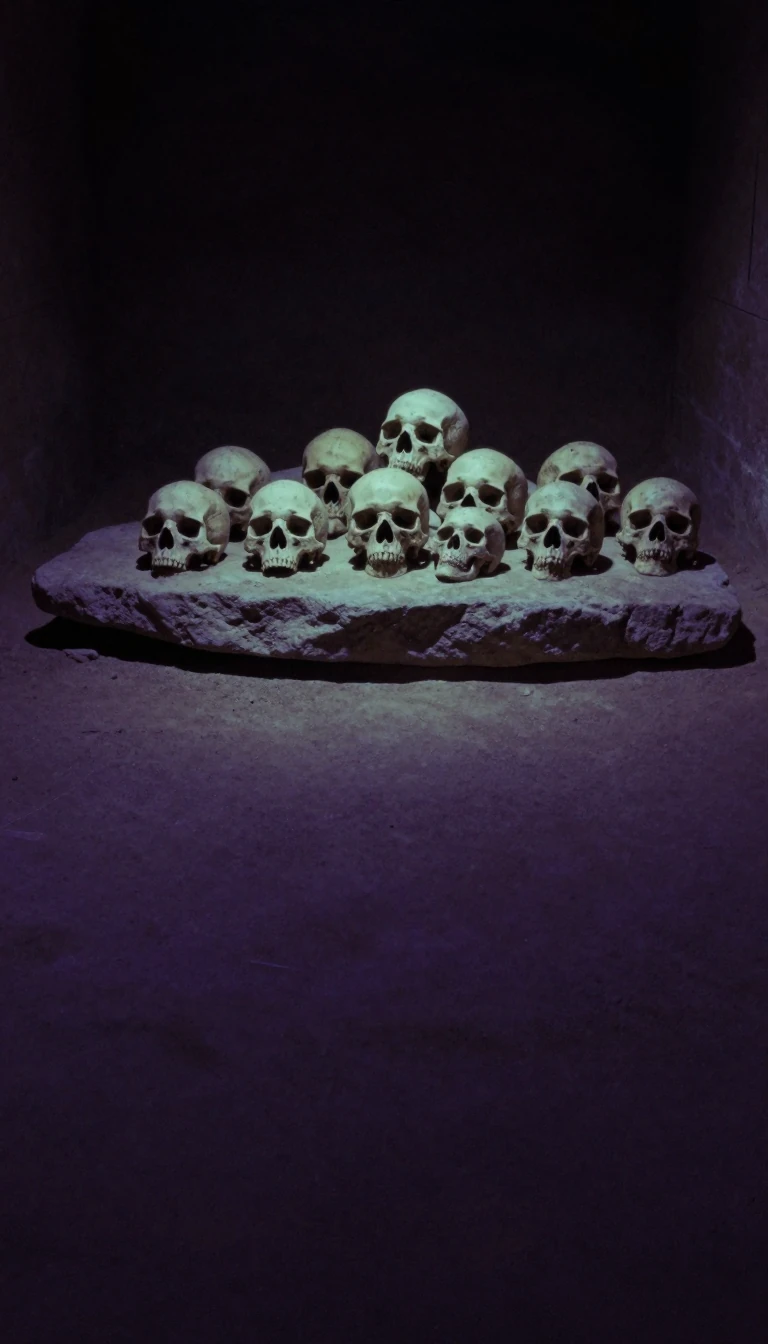 Did a mysterious, small-statured human species once inhabit the islands of the Philippines?Deep in the Callao Cave of Luzon, archaeologists discovered fossilized remains that defied easy classification. Initially mistaken for modern humans, these specimens revealed a pu…
 The licentiate: a medieval teaching license that evolved into a global academic degreeDerived from the Latin for freedom, the licentiate began as a church-mandated permit to teach. Over centuries, it transformed from a regulatory tool for medieval bishops into a di…
 How a medieval trade hub became the second-largest city in modern SlovakiaNestled in the Slovak Ore Mountains, Košice has spent centuries as a strategic crossroads between empires. From its origins as a royal village to its evolution into a major indust…
 Klaus Mann: The anti-fascist writer who exposed the horrors of the Third ReichThe son of a literary giant, Klaus Mann lived a life defined by exile, addiction, and a relentless fight against Nazism. From his daring political cabaret to his work as a U.S. Ar…
 Koine Greek: The common tongue that unified the ancient Mediterranean worldEmerging from the armies of Alexander the Great, Koine Greek became the essential lingua franca of the Hellenistic and Roman eras. Far from a mere dialect, this supra-regional lan…
 Is Canada's national memory being digitized or simply erased by budget cuts?Library and Archives Canada holds 250 linear kilometres of records and 22 million books, yet it faces intense criticism. While the institution pivots toward digital modernization,…
 Did a Nazi-era physicist secretly try to sabotage Hitler's quest for an atomic bomb?Carl Friedrich von Weizsäcker was a brilliant physicist who helped launch Germany's nuclear weapons program. After the war, he claimed he and his colleagues resisted building the …
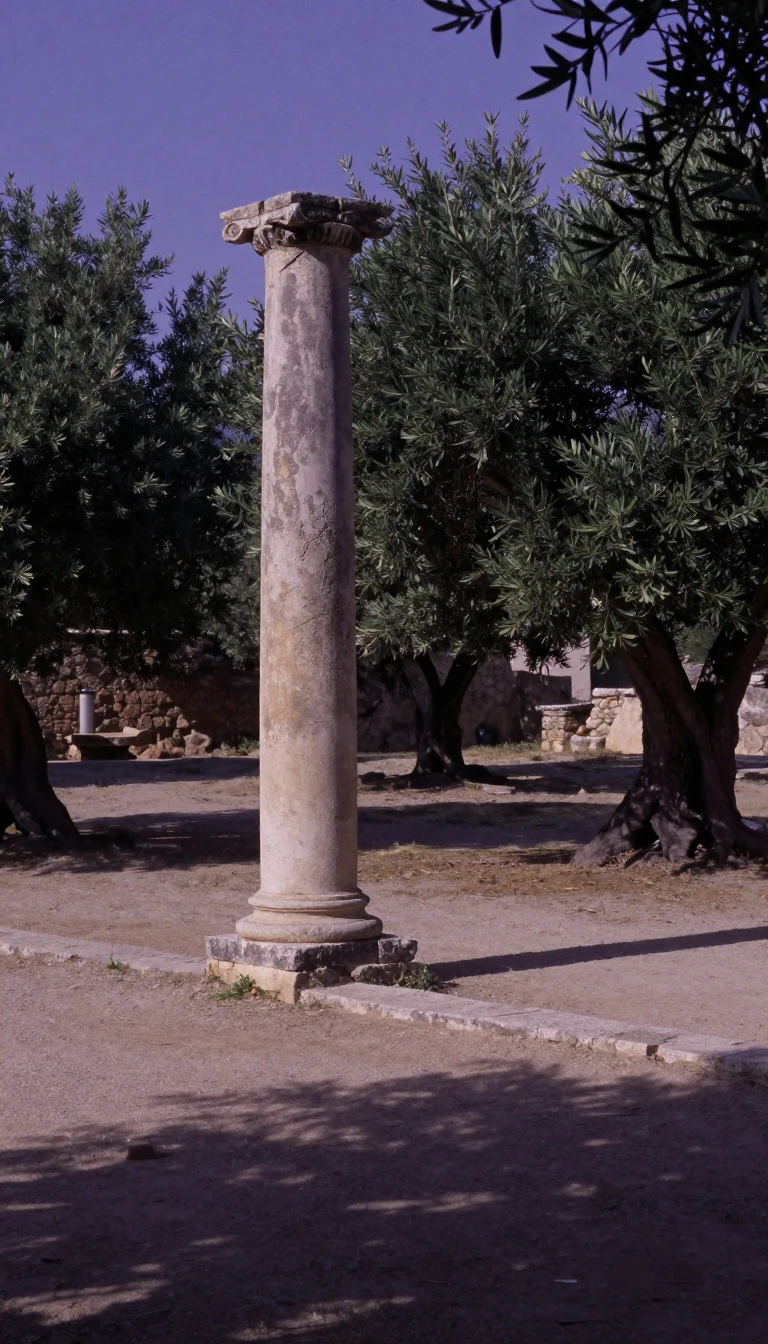 How a meteoric stone from Phrygia became Rome’s most powerful ancestral protectorCybele, an Anatolian mother goddess, was once a foreign mystery deity defined by wild music and lion-drawn chariots. When Rome adopted her in 204 BC, she was transformed into the …
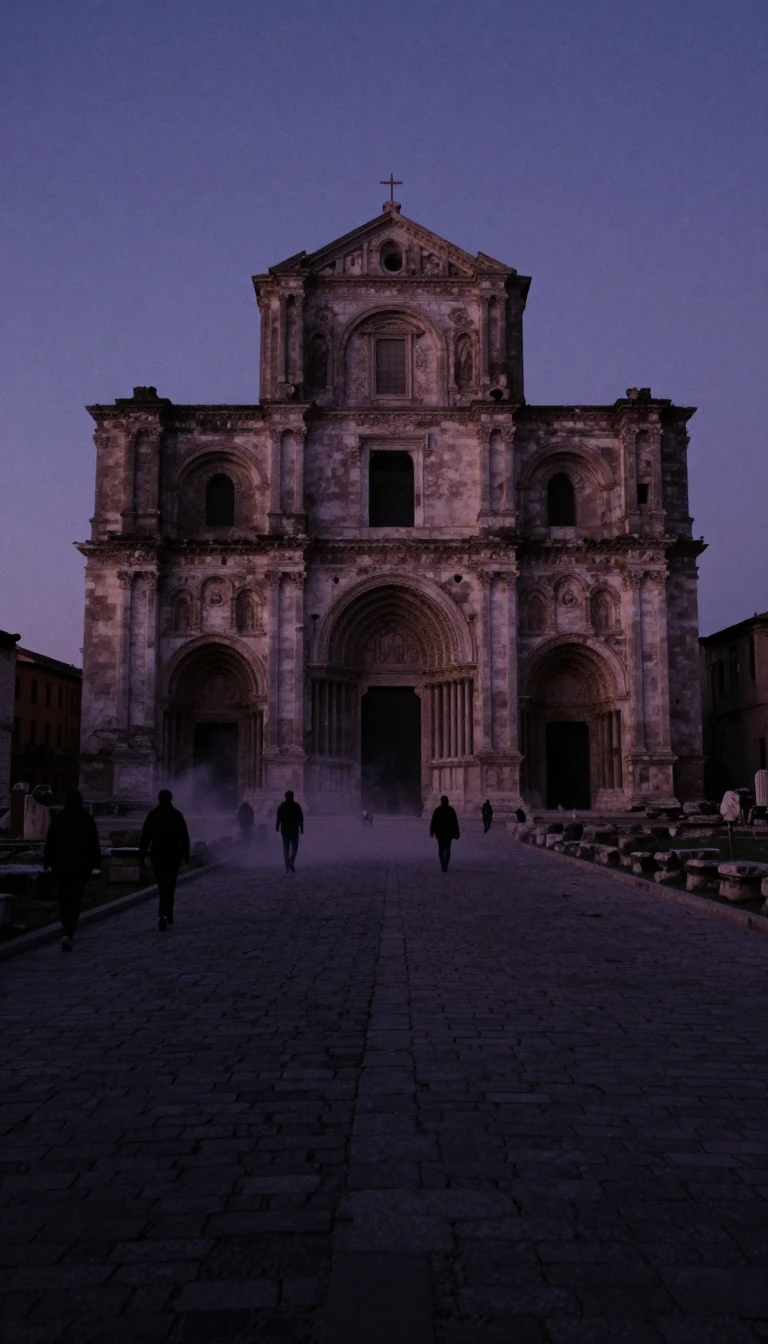 For nearly forty years, the Catholic Church was split between two, then three, popes.From 1378 to 1417, the Western Schism fractured Christendom. Rival factions in Rome and Avignon—and later Pisa—simultaneously claimed the papacy, driven by political allegiances a…
 The Tangut Empire: A vanished superpower that once held the Silk Road's keysBetween 1038 and 1227, the Western Xia dynasty dominated the Silk Road in north-central China. Though their unique script and architecture were nearly erased by the Mongols, this …
 Who were the mysterious Curetes, the ancient warriors of the Aetolian landscape?In the tapestry of Greek mythology, the Curetes emerge as a legendary tribe defined by conflict and shifting identities. Often confused with other groups, these warriors were cent…
 The Short-Lived Slovak Republic Was a Puppet State Built on Collaboration and PersecutionBetween 1939 and 1945, a client state emerged in Central Europe under the shadow of Nazi Germany. Led by Jozef Tiso, this regime participated in the invasion of Poland and the Sov…
 When the rain refused to stop, Europe’s medieval population faced a total societal collapse.Between 1315 and 1317, relentless storms devastated Northern Europe, triggering a famine that shattered the era's prosperity. With crops rotting and livestock dying, the continent…
 In late 2025, Iran faced its most significant nationwide uprising since the 1979 revolution.Triggered by a collapsing currency and severe economic distress, millions of Iranians took to the streets in a leaderless movement that rapidly evolved from demands for financial …
 The griffin was a global icon of power long before it reached Greek shores.Part lion, part eagle, the griffin is often remembered as a Greek invention. Yet, this hybrid predator stalked the art of Mesopotamia and Egypt thousands of years before the Greek…
 Saigō Takamori: The Last True Samurai and the Tragic Hero of Modern JapanSaigō Takamori was a central architect of the Meiji Restoration who eventually led a doomed rebellion against the very government he helped create. His death in 1877 marked the en…
 The guillotine was designed as a humane, egalitarian alternative to gruesome, class-based executions.Far from a mere instrument of terror, the guillotine was born from Enlightenment ideals. It aimed to replace the agonizing, imprecise methods of the Ancien Régime with a swift, re…
 The Beiyang Government: A Republic Defined by Warlords, Not Its Official NameThe Beiyang government was the internationally recognized face of China from 1912 to 1928, yet the name itself is a historical insult. Coined by rivals to delegitimize the adminis…
 How a bloodless coup in 1968 launched three decades of Ba'athist rule in Iraq.The 17 July Revolution was a remarkably quiet affair, yet it fundamentally reshaped the Middle East. By seizing key infrastructure and neutralizing rivals through cunning and inti…
 A surreal Dust Bowl epic that HBO canceled before its grand design finishedCreated by Daniel Knauf, Carnivàle was an ambitious HBO series set during the 1930s Great Depression. It wove a complex mythology of good and evil, featuring a traveling carnival …
 Why do nations go to war, and how do they justify the first shot?A casus belli is the event or act that triggers a nation to declare war. While often presented as a last resort, these justifications frequently mask deeper strategic interests. F…
- Was the First World War an inevitable collision of empires or a diplomatic failure?The Great War left 17 million dead and 25 million wounded, yet historians still debate its origins. Was it the result of long-term structural tensions, like the decline of the Ott…
 How a buffer state between empires became the Kingdom of NavarreBorn from the friction between the Carolingian Empire and the Umayyad Emirate, the Kingdom of Navarre emerged as a resilient Basque polity. Initially a frontier territory, it evol…
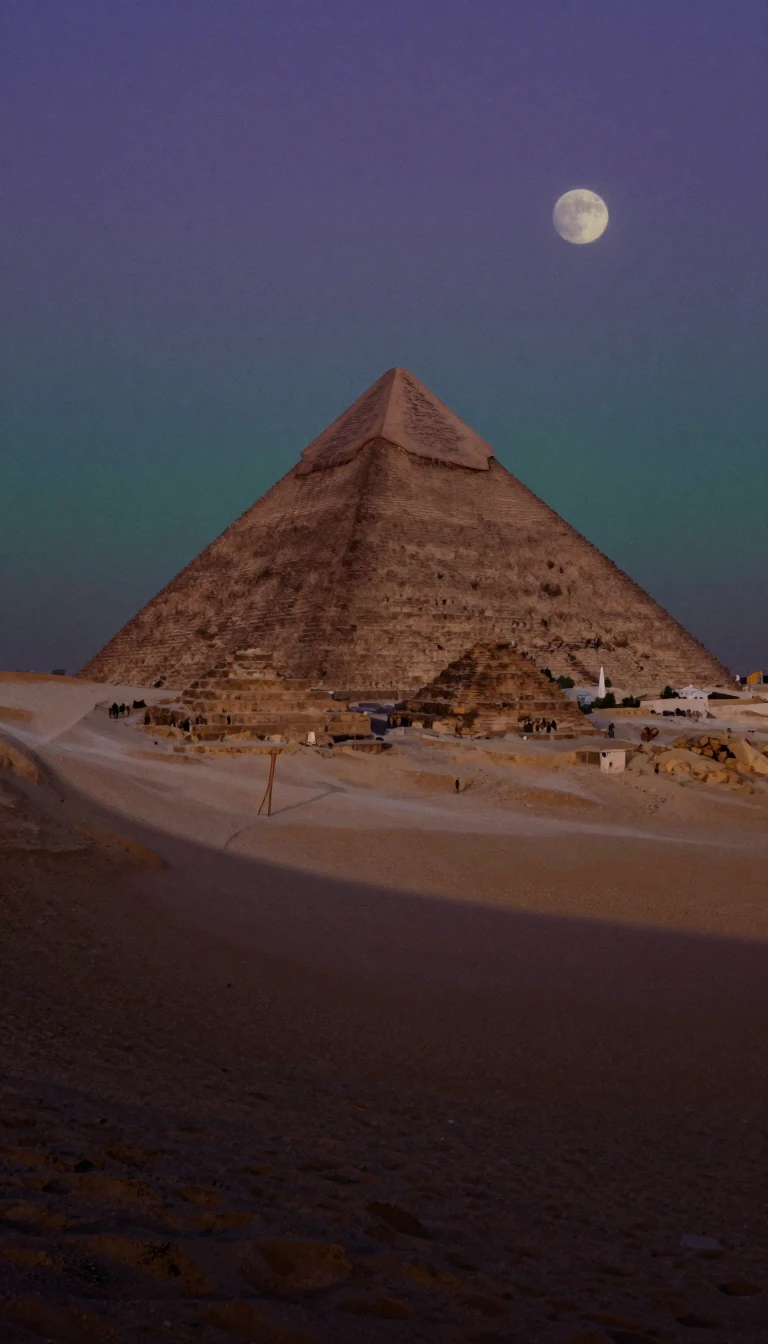 How a local Egyptian deity became the supreme king of the ancient Mediterranean godsAmun began as a minor figure in an ancient creation myth, but his influence eventually spanned empires. By merging with the sun god Ra, he transformed into a transcendental creato…
 Istanbul University: A Centuries-Old Institution Built Upon the Ruins of Ottoman PowerFounded in 1453 by Sultan Mehmed II, Istanbul University bridges the gap between ancient madrasah traditions and modern research. Housed in the former Ottoman Ministry of War, thi…
- How China transformed its education system from mass literacy campaigns to global research dominance.China’s educational journey has been a volatile barometer of its political priorities. From early efforts to boost basic literacy to a modern, hyper-competitive system focused on …
 Why did governments start forcing children into classrooms across the globe?Compulsory education is a modern global standard, yet its origins are surprisingly varied. From ancient Spartan military training to the Protestant Reformation's push for Bible li…
 Was Jesse James a misunderstood Robin Hood or a product of post-Civil War chaos?Jesse James remains an enduring icon of the American West, often romanticized as a noble outlaw. Yet, historical reality suggests his criminal career was less about social justice…
 How a federation of three struggling colleges became a premier collegiate research universityFounded in 1963, the Chinese University of Hong Kong emerged from the ashes of post-revolutionary turmoil. It remains the territory’s only collegiate university, a unique structur…
 Why early American university libraries were designed to keep students away from booksIn the 19th century, American academic libraries were not built for browsing. They were fortresses for theology and classics, often open for as little as three hours a week. Today…
 Why the world's most prestigious institutions trace their roots to an Athenian olive grove.The word academy evokes modern lecture halls and formal research, but its origins lie in a sacred garden outside ancient Athens. Named for a local hero, this site became the home …
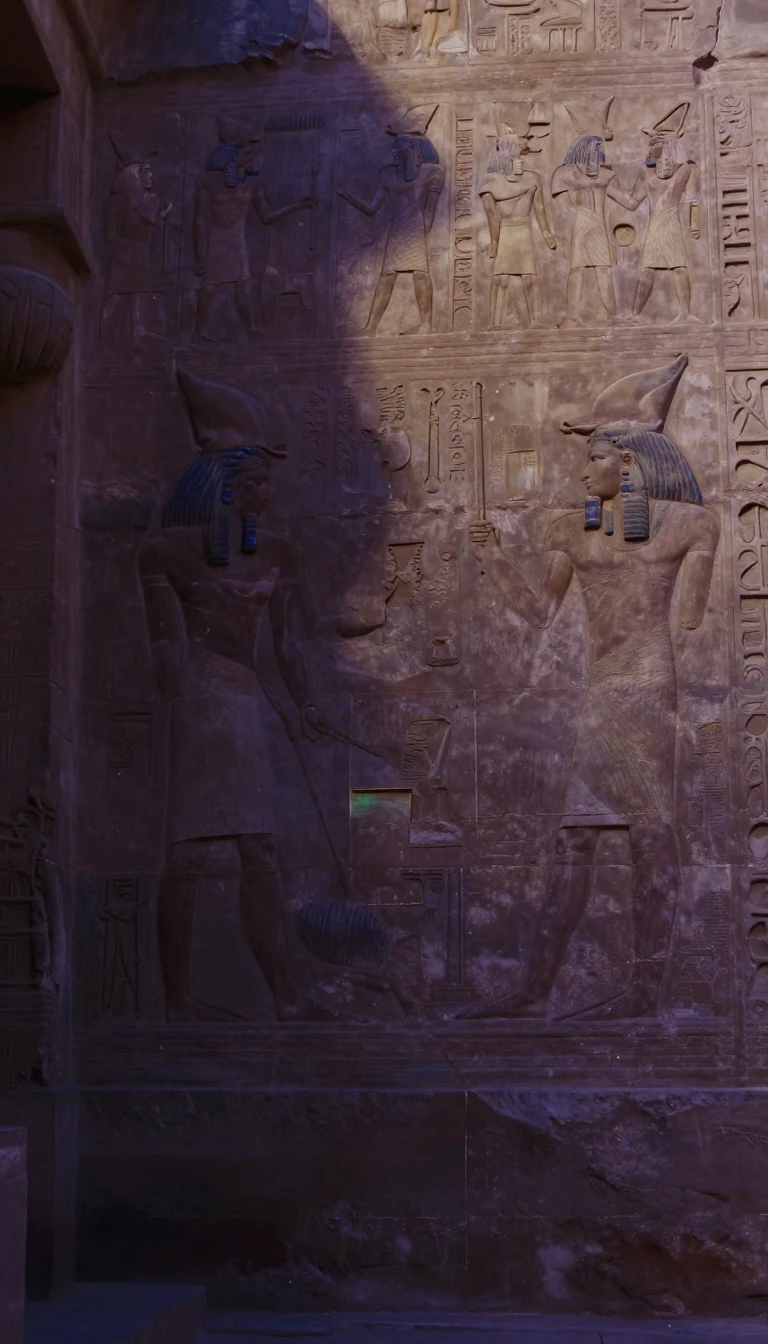 Why ancient tombs were built as houses for the dead to inhabitFor much of human history, a tomb was not merely a grave but a literal home. Early civilizations designed these structures to replicate domestic spaces, complete with furniture, t…
 How a medieval feudal assembly evolved into the modern Dutch parliamentary democracyThe States General began in the 15th century as a gathering of provincial representatives under Burgundian rule. Over centuries, it transformed from a collection of feudal estates…
 The Alpine town that once served as a headquarters for the Third ReichNestled in the Bavarian Alps, Berchtesgaden is far more than a scenic retreat. Once an independent state of the Holy Roman Empire, it later became a strategic outpost for Nazi lea…
 How an Iowa farm college sparked the digital revolution and the atomic ageIowa State University began in 1858 as a modest agricultural college, yet it became a powerhouse of global innovation. From pioneering the first electronic digital computer to pro…
 How Did a Port City Survive Devastation to Become a UNESCO Masterpiece?Le Havre’s architectural story is a profound study in resilience. After being devastated during the Battle of Normandy, the city was painstakingly rebuilt in a distinct modernist …
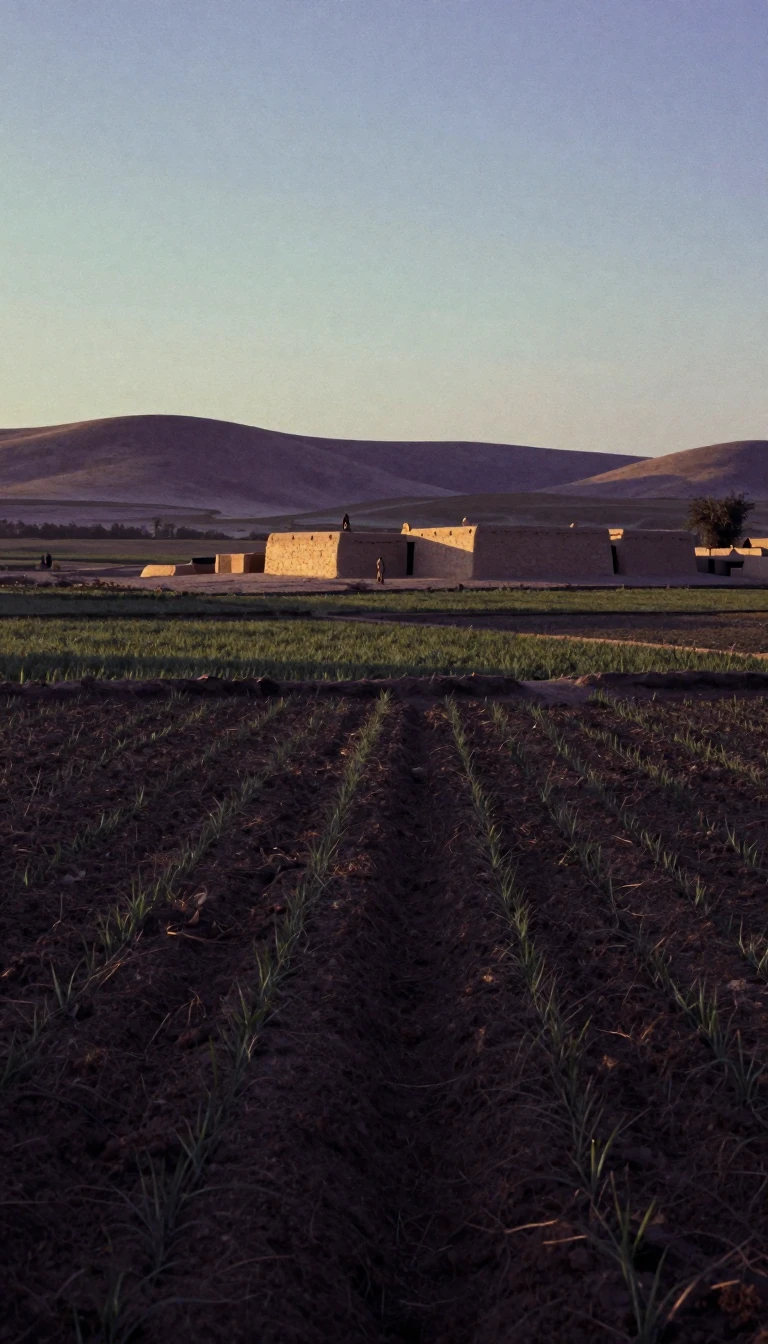 Iraq is the cradle of civilization, where humanity first put words on clay tablets.Between the Tigris and Euphrates rivers lies a cultural legacy that invented writing, law, and mathematics. From ancient Sumerian epics to the intellectual zenith of the Abbasid C…
 How a 'bad air' myth built the foundations of modern sanitationFor centuries, doctors believed that rotting waste and stagnant water released deadly vapors called miasmas. While the science was wrong, the response was revolutionary. By trying…
- Why the final resting place for human ashes shares its name with a birdhouseThe word columbarium originates from the Latin term for a dove, initially describing structures built to house pigeons. Today, these compartmentalized spaces serve a more solemn p…