 Intellect Plus
History
21,004 cards. Each one is a 40-second story with a five-minute read behind it. Page 256 of 351.
Subtopics: 19th century · 20th century · Africa · Age of Exploration · Ages & eras · Ancient · Ancient China · Ancient egypt · Ancient greece · Ancient rome · Ancient trade · Archaeological discoveries · Archaeology · Astronomy · Australia · Auxiliary historical sciences · Babylon · Basics · Born on this day · Bronze age · Buddhism · Case studies · Chefs, bartenders and winemakers · China · Cities · Climate · Columbus · Contemporary (1945-) · Cosmetics people · Crime · Criminals · Decipherment · Deep time · Disasters · Early modern · Education · Egypt · Empires · Empires & civilisations · Exploration · Explorers · Extinction · Fandom, conventions and festivals · History by continent and large region · History by continent and region · History by country · History by country, small region and city · History by ethnicity · History by subject matter · History by topic · Inca · India · Industrial Revolution · Japan · Kings & queens · London · Mass hysteria · Medicine · Medieval kingdoms · Medieval life · Mediterranean · Mercedes-Benz History · Mesopotamia · Middle ages · Military leaders and theorists · Military leaders, personnel, and theorists · Ming dynasty · Misconceptions · Modern · Modern (1800-1945) · Napoleon · Navigation · North africa · Other · Pacific · Pharaohs · Philippines · Pirates · Post-classical · Prehistory · Propaganda · Public health · Rebels, revolutionaries and activists · Renaissance · Researched · Second world war · Shipwrecks · Silk Road · South america · Tradespeople · UK & Ireland: history · United states · Vikings · Volcanoes · Women in history
 Why did ancient Greeks believe the center of the world was in Delphi?For centuries, the ancient world looked to Delphi as the spiritual navel of the earth. Home to the legendary oracle Pythia, this sacred precinct on Mount Parnassus served as a geo…
 India's demographic history reveals a complex tapestry of ancient migrations and rapid urban growth.With over 1.4 billion people, India is now the world's most populous nation. Beyond the sheer scale, its demographic story is defined by a deep genetic heritage, a shifting rural-…
 Why Turkey’s official census data avoids measuring the country’s diverse ethnic compositionIn Turkey, demographic data is not merely a statistical exercise but a deeply political instrument. While the government officially avoids collecting data on ethnicity to emphasiz…
 Was the Chinese dynastic system a clean succession of rulers or a chaotic overlap?History books often present Chinese dynasties as neat, sequential blocks of time. In reality, the transition between ruling houses was frequently a messy, prolonged affair. New re…
 Edirne: The ancient Balkan crossroads that served as the second Ottoman capital citySituated between Europe and Asia, Edirne has been a site of constant contest for millennia. Once the second capital of the Ottoman Empire, this Turkish city holds a dense history …
 Crucifixion was a calculated tool of Roman state terror, not just a method of execution.Far from a uniform practice, crucifixion was a versatile, gruesome spectacle designed to maximize public humiliation and deterrence. By stripping victims naked and leaving them to…
 Is the use of physical pain to punish children an ancient necessity or choice?For millennia, societies used physical pain to discipline children, prisoners, and slaves. While often justified by tradition or scripture, this practice is not an innate human be…
 The Russian dacha is more than a summer home; it is a cultural institution.Originating as royal gifts in the 17th century, the dacha evolved from an aristocratic retreat into a vital Soviet-era escape. Today, these seasonal homes represent a unique inter…
 Corfu: How a Mediterranean Island Became a Strategic Fortress for EmpiresKnown as the island of the Phaeacians in mythology, Corfu has served as a vital naval staging post for centuries. From its ancient status as a major Greek naval power to its role …
 The Ancient Kingdom of Dacia: A Formidable Power That Once Challenged the Roman EmpireSpanning the Carpathian Mountains and the Danube, the Dacian kingdom was a major power that repeatedly defied Roman authority. Under leaders like Burebista and Decebalus, the Daci…
 The Kingdom of Dahomey: A West African Power Built on Conquest and CommerceEmerging in the 17th century, Dahomey became a formidable regional power through a professional standing army and a centralized economy tied to the Atlantic slave trade. Known for…
 How a fierce lioness transformed into Egypt's most beloved feline goddessLong before she was the gentle protector of the home, Bastet was a predator of the desert. Discover the remarkable religious evolution of an ancient deity who transitioned from a …
 The Roman Emperor who renamed the entire calendar after his own twelve namesCommodus, the first ruler born during his father's reign, transformed from a promising heir into a paranoid autocrat. He eventually declared himself a living god, rebranded Rome i…
 How a strategic lakeside town survived centuries of conflict between Milan and the Empire.Perched on the southern tip of Lake Como, this city evolved from a Roman grid into a fiercely independent commune. Caught between the ambitions of Milan and the Holy Roman Empire,…
 The Circassian genocide: How a mountain nation was erased from the CaucasusOnce a proud, independent nation on the Black Sea, the Circassians were systematically expelled by the Russian Empire in the 19th century. Today, the vast majority of the populati…
 Fifteen nations share one King, yet each remains a distinct, sovereign legal entity.A Commonwealth realm is a sovereign state that shares the same monarch as others, yet operates as an independent nation. With 15 such realms currently existing, this arrangement c…
- The Last Emperor of Rome: A Soldier-King Who Became a Marble LegendConstantine XI Palaiologos was the final ruler of the Eastern Roman Empire, a man defined by his military service and his tragic end. Though he died defending Constantinople in 14…
 Three Inca children were left to sleep on a frozen volcanic peak centuries agoIn 1999, archaeologists discovered three remarkably preserved mummies near the summit of Llullaillaco, a 6,739-meter volcano. These children, sacrificed in an Inca ritual known as…
 Was the ancient land of Canaan actually a vast, purple-dyed empire of trade?Canaan was a geopolitical crossroads where empires collided, yet its true origins remain shrouded in mystery. Was it a land of humble subjects, or a hub of luxury defined by the p…
 Why the Inca Empire sent their most perfect children to die on frozen peaksThe Capacocha was a solemn Inca rite where children were selected as tribute to appease deities and prevent natural disasters. These young victims, considered the purest represent…
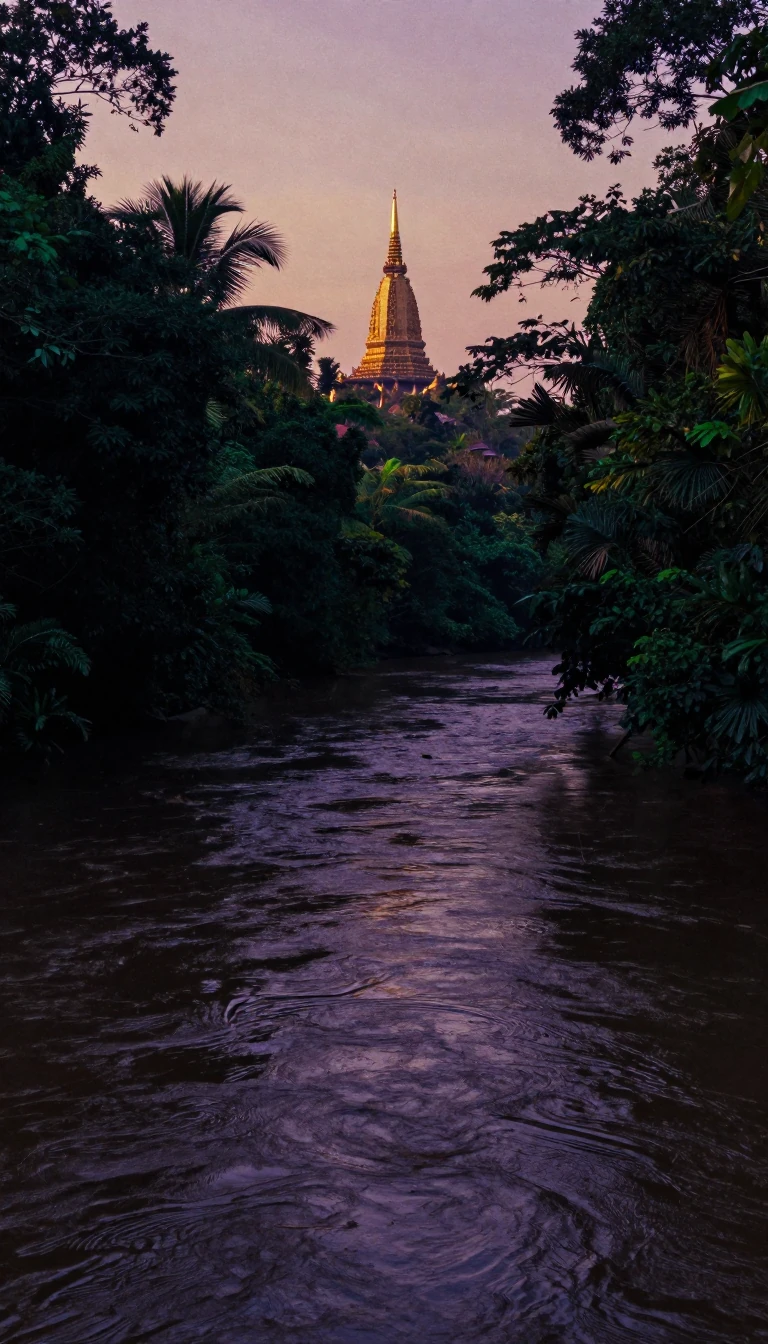 How the Chola Empire built a maritime superpower through temples, trade, and bureaucracyThe Chola Empire was a medieval thalassocratic powerhouse that dominated southern India and projected influence across Southeast Asia. By pioneering a centralized bureaucracy, mas…
- How the kidnapped wife of a nomad became the architect of the Mongol EmpireBörte, the first wife of Genghis Khan, was far more than a royal consort. Kidnapped by a rival tribe shortly after her marriage, her rescue ignited her husband's rise to power. Sh…
 Belisarius: The Byzantine General Who Conquered North Africa With Only 17,000 SoldiersFlavius Belisarius, a commander for Emperor Justinian I, is remembered as one of history's greatest military minds. Despite being frequently outnumbered, he masterfully navigated …
 Did a naval blunder at Actium truly end the Roman Republic forever?On 2 September 31 BC, the fate of the Roman world hung in the balance near Actium, Greece. Octavian’s fleet clashed with the combined forces of Mark Antony and Cleopatra in a deci…
- Bologna: From Ancient Roman Colony to the World's Oldest University CityBologna is more than a transit hub in northern Italy. Home to the world's oldest university, this city has survived Roman collapse, medieval infighting, and devastating wartime bo…
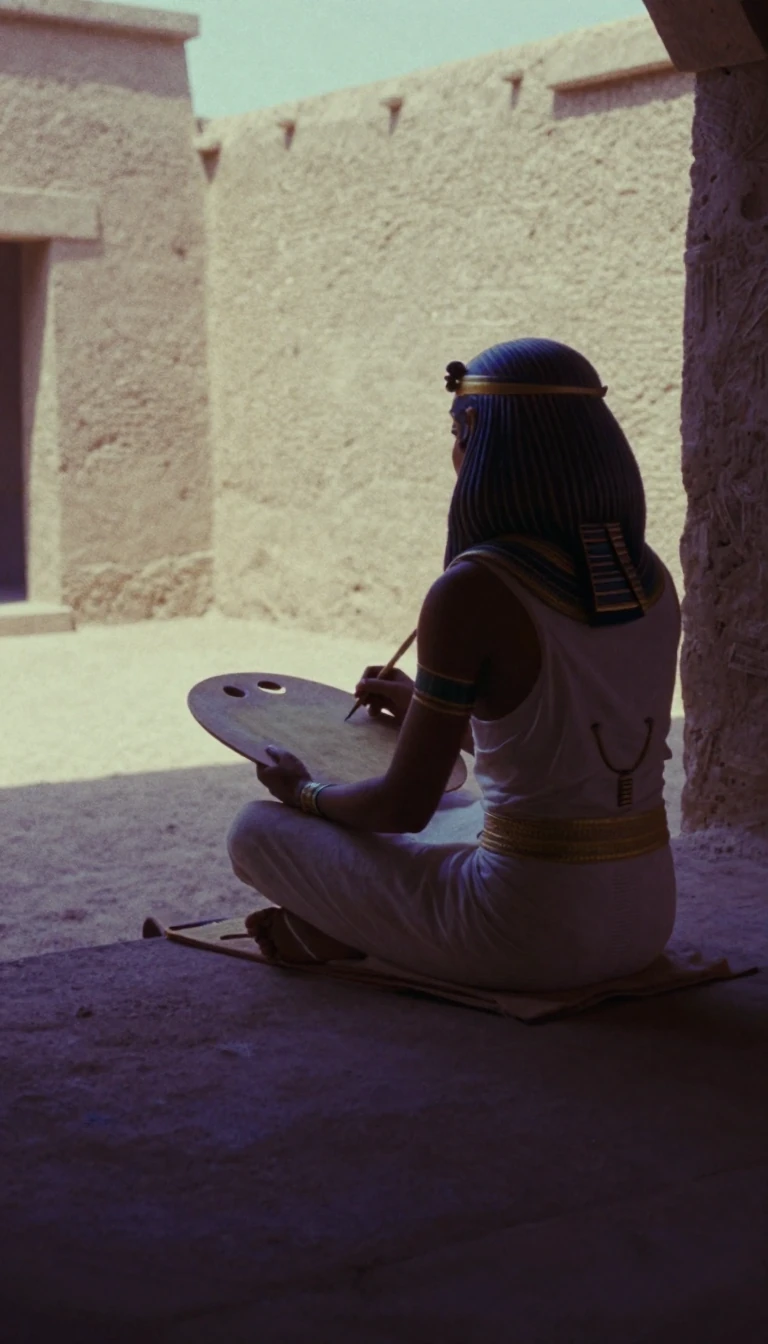 The Book of the Dead was never a single book, but a collection of spells.Ancient Egyptians did not follow one canonical text to reach the afterlife. Instead, they curated personal collections of magic spells on papyrus scrolls, designed to guide the so…
 Is the brown sugar in your pantry actually just white sugar in disguise?Most modern brown sugar is not a raw, unrefined product of the plantation. Instead, it is typically refined white sugar with molasses added back in. This shift in definition was c…
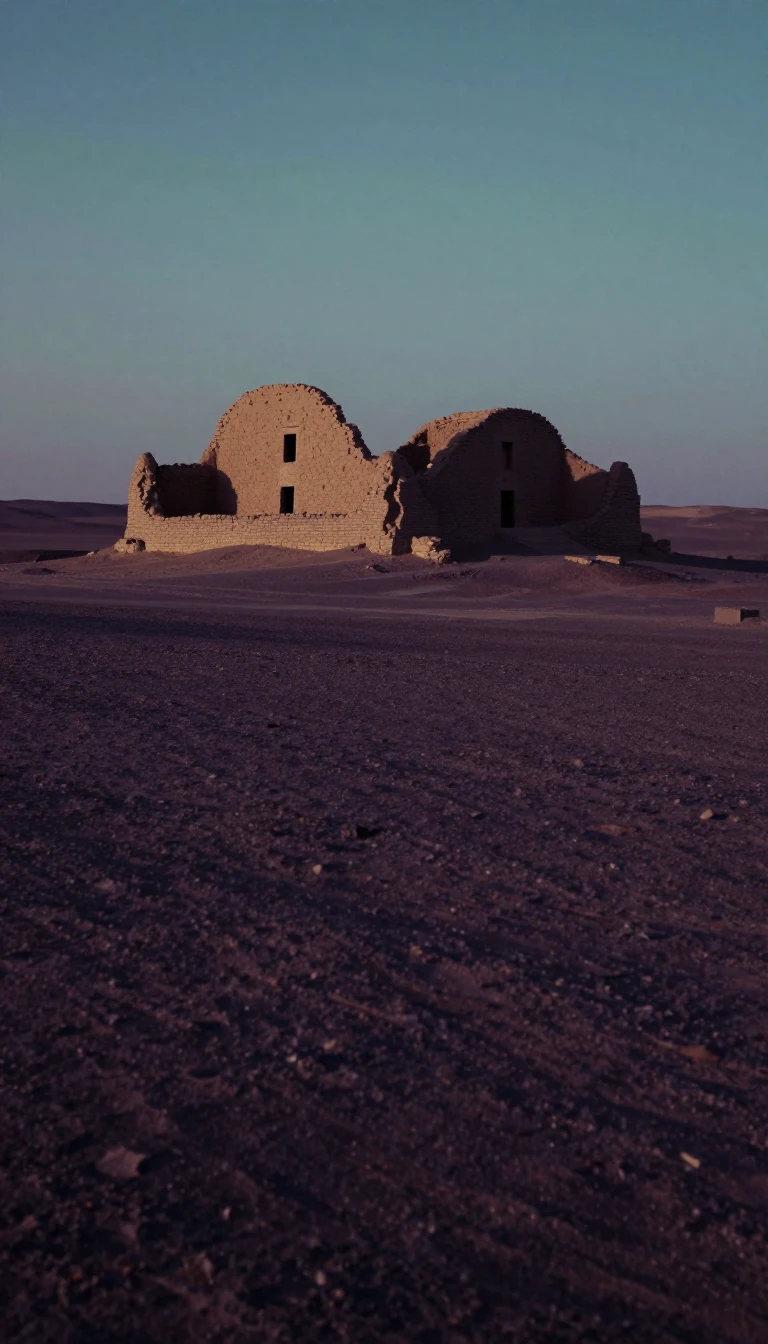 Bukhara: The Ancient Silk Road City That Once Served as a Global Slave CapitalBukhara is a historic Uzbek city with a name possibly derived from a Buddhist term for monastery. Once a thriving Silk Road hub and intellectual center of the Islamic Golden Age, …
 For centuries, European and American citizens were the primary targets of North African slave raids.From the 16th to the 19th century, Barbary corsairs terrorized coastal towns from Italy to Iceland, capturing over a million people. These raids were not merely piracy; they were …
 The Mughal Emperor Who Nearly Lost His Throne Before He Even Inherited ItBahadur Shah I spent his life in the shadow of his father, Aurangzeb, enduring imprisonment and surveillance for suspected treason. When he finally ascended the throne at age 64, …
- The Last Mughal Emperor Was a Reluctant Poet-King Trapped by History and MutinyBahadur Shah Zafar was the final ruler of a 500-year dynasty, yet he held power only over Delhi. A devout Sufi and prolific poet, he was thrust into the 1857 Indian Rebellion agai…
- How a 20-year-old strategist nearly dismantled the Mughal Empire from the inside outAppointed Peshwa in 1720, Bajirao I transformed the Maratha Empire into a dominant force through aggressive expansion and brilliant military maneuvers. By targeting the vulnerabil…
 The Bar Kokhba Revolt: A Forgotten War That Reshaped the Ancient Jewish WorldBetween 132 and 136 AD, Simon bar Kokhba led a fierce rebellion against the Roman Empire, briefly establishing an independent Jewish state. Though ultimately crushed, this conflic…
 Between 1500 and 1800, Barbary pirates enslaved over a million Europeans from coastal regions.From the shores of Ireland to the Mediterranean, Barbary corsairs operated a vast slave trade that targeted ships and seaside villages. For centuries, these North African states e…
 Bari: The Adriatic port that survived slave markets, chemical disasters, and imperial sieges.Bari is a city of layers, from its ancient Greek roots to its role as a medieval slave depot and a modern industrial hub. Beyond its famous basilica, the city hides a dark World W…
 Beneath Istanbul lies a sunken palace built by 7,000 enslaved people in the 6th century.The Basilica Cistern is a vast, subterranean marvel of Byzantine engineering. Once a vital water reservoir for Constantinople, this forest of 336 marble columns was forgotten for …
- Athenian democracy was a radical experiment in direct power, not a representative system.Ancient Athens pioneered a political model where citizens held direct authority, bypassing the representative structures common today. While celebrated as the cradle of democracy,…
 Was the Great Arab Revolt a genuine national uprising or a Hashemite power play?Conventional history frames the Arab Revolt as a unified national uprising against Ottoman rule. Yet, evidence suggests it was a localized Hashemite project, heavily subsidized by…
- Archaic Greece was a crucible of innovation, not just a precursor to the Classical age.Long dismissed as a primitive prelude to Classical glory, the Archaic period was actually a time of radical transformation. Between 800 BC and 480 BC, Greeks invented the alphabet…
 Was Jesus a created being? The ancient theological debate that split the Roman EmpireArianism, a fourth-century movement, challenged the Trinity by arguing that Jesus was a created being, distinct and subordinate to God the Father. While condemned as heresy at the…
 The assassination of Julius Caesar failed to save the Republic and birthed an Empire.On the Ides of March, 44 BC, sixty senators stabbed Julius Caesar to death, hoping to preemptively defend the Roman Republic from his absolute power. Instead of restoring traditio…
 Is the Amazonian 'spirit rope' a sacred ritual or a modern psychedelic tourism trend?Known as the liana of the soul, ayahuasca is a potent decoction from the Amazon. While often romanticized as an ancient tradition, its widespread use is a relatively recent develo…
 How one soldier-emperor reunited a crumbling Roman Empire in just five yearsAurelian rose from humble beginnings to command the Roman Empire during its darkest hour. Between 270 and 275, he defeated barbarian invaders, crushed internal rebellions, and rec…
 Why millions of people in northern China live inside the earth itselfA yaodong is a traditional earth-sheltered dwelling carved directly into the Loess Plateau. By utilizing the surrounding soil as a natural insulator, these homes remain remarkably…
 Why do we label certain conflicts world wars while others remain regional?The term world war is a modern invention, yet historians debate whether it truly describes only the two massive 20th-century conflicts. While we conventionally reserve the title f…
 Apotheosis is the ancient practice of elevating humans, ideas, or rulers to divine status.From pharaohs in Egypt to Roman emperors and modern religious movements, the desire to bridge the gap between mortal and divine has shaped history. Whether through state-sanctione…
 How a British oil dispute triggered a CIA-led coup in 1953 IranWhen Iran nationalized its oil industry to reclaim wealth from British interests, the resulting economic blockade and political instability paved the way for a clandestine operati…
- Were the Achaeans of Homer a real historical power or a literary invention?In the Iliad, the Achaeans are the primary name for the Greeks, appearing 598 times. Yet, outside of epic poetry, their identity remains a subject of intense scholarly debate. Are…
 How a Welsh market town became the largest settlement in Wales during the 1600sLong before its modern industrial identity, Wrexham was a thriving medieval hub and a Puritan stronghold. Once the largest settlement in Wales, this city has evolved from a Roman-…
- How a Cold War Dictatorship Tried to Erase History to Build a New NationFrom 1971 to 1997, the state of Zaire attempted to forge a singular national identity by purging colonial influences and centralizing power under a totalitarian regime. Led by Mob…
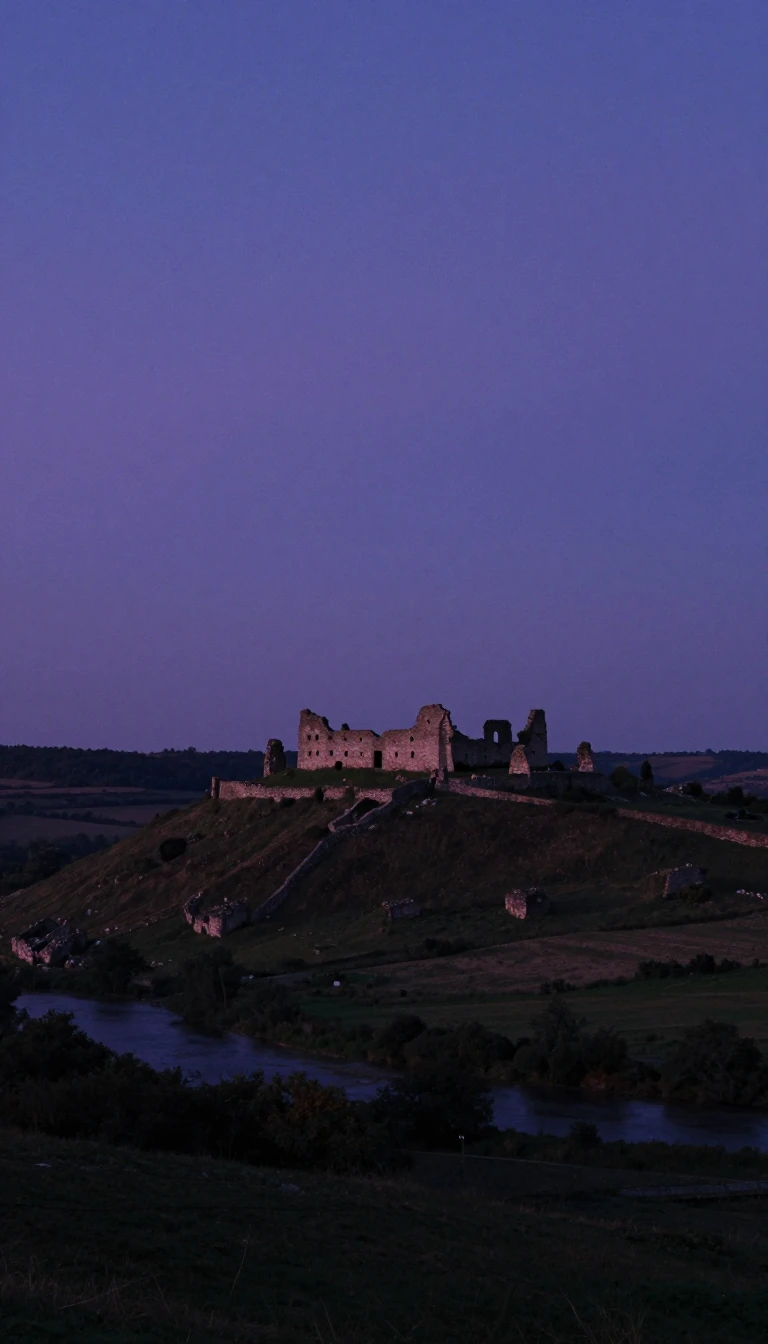 The Vindhya Range is not a single mountain, but a shifting geographical mythThe Vindhyas are not a geological mountain range in the conventional sense, but a complex, discontinuous collection of ridges and plateaus. Historically, the term was a fluid labe…
 Why is a vast stretch of the Sahara still a geopolitical flashpoint today?The Western Sahara conflict remains a frozen, decades-old struggle for sovereignty. Pitting the Polisario Front against Morocco, the dispute over this desert territory has drawn i…
 The Ukrainian Insurgent Army: A Complex Legacy of Guerrilla Warfare and Ethnic ViolenceFormed in 1942 to secure an independent Ukrainian state, the Ukrainian Insurgent Army waged a multifaceted war against Soviet, Polish, and German forces. While celebrated by some …
 How a nineteenth-century medical school evolved into a modern research powerhouse in New York.Founded by a future U.S. president, the University at Buffalo began as a small private medical college in 1846. Today, it stands as the largest public university in New York, serv…
 How a medieval label for Muslim converts became a defining identity for millions todayThe term Turkoman, or Turkmen, began as an exonym for Oghuz Turks who embraced Islam. Over centuries, it evolved from a religious marker into a powerful endonym, shaping the polit…
 The Ulama were the intellectual guardians who balanced power in early Islamic empires.Far from mere religious figures, the ulama functioned as the essential interpreters of law and doctrine across the Islamic world. By managing education and issuing legal opinions,…
 Is the U.S. Secretary of State the ultimate stepping stone to the presidency?As the highest-ranking Cabinet member and fourth in the presidential line of succession, the Secretary of State wields immense power over foreign policy. Yet, while six early offi…
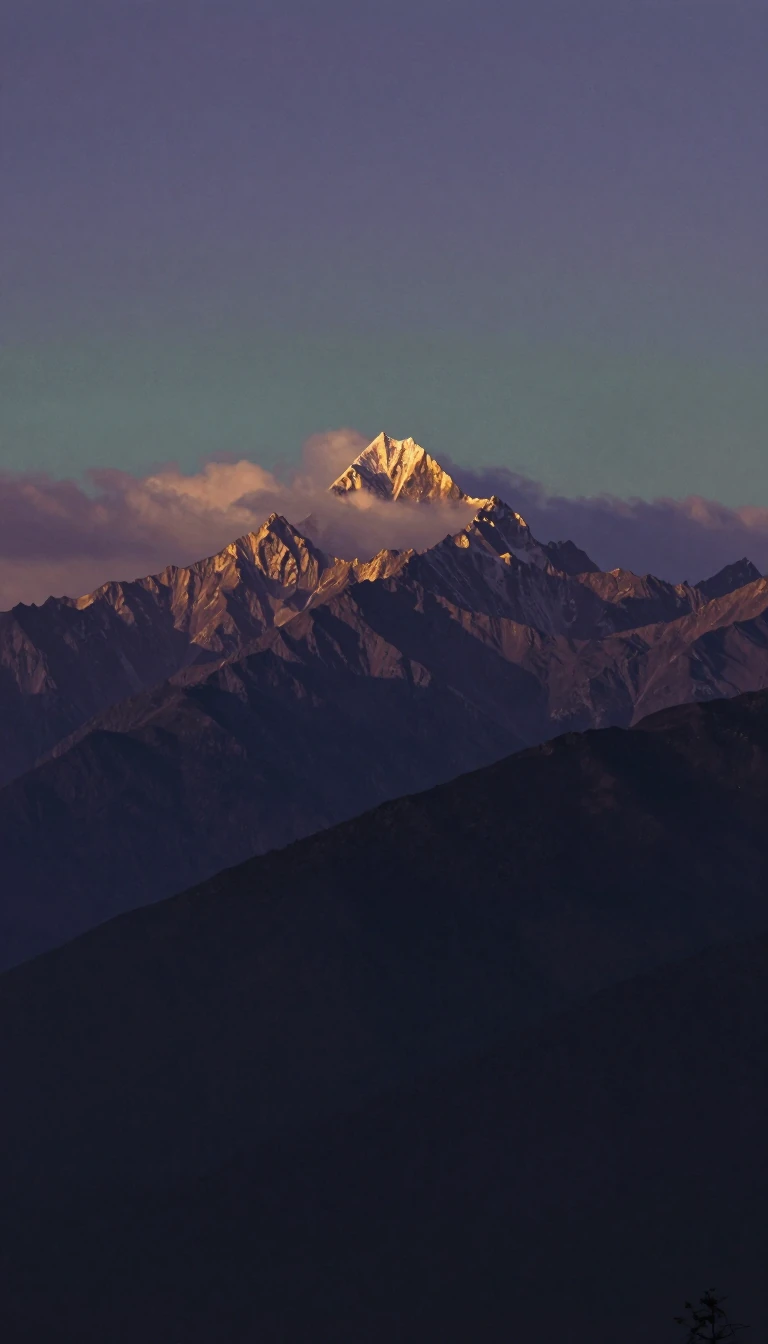 Why President James Buchanan sent an army to Utah in 1857In 1857, President James Buchanan dispatched 2,500 troops to the Utah Territory, fearing a Mormon rebellion. The resulting confrontation, known as the Utah War, saw no major battl…
- Between 1912 and 1951, Tibet existed as a de facto independent state in Asia.Following the collapse of the Qing dynasty, Tibet asserted its autonomy, navigating decades of geopolitical tension between British, Chinese, and regional interests. While the 13t…
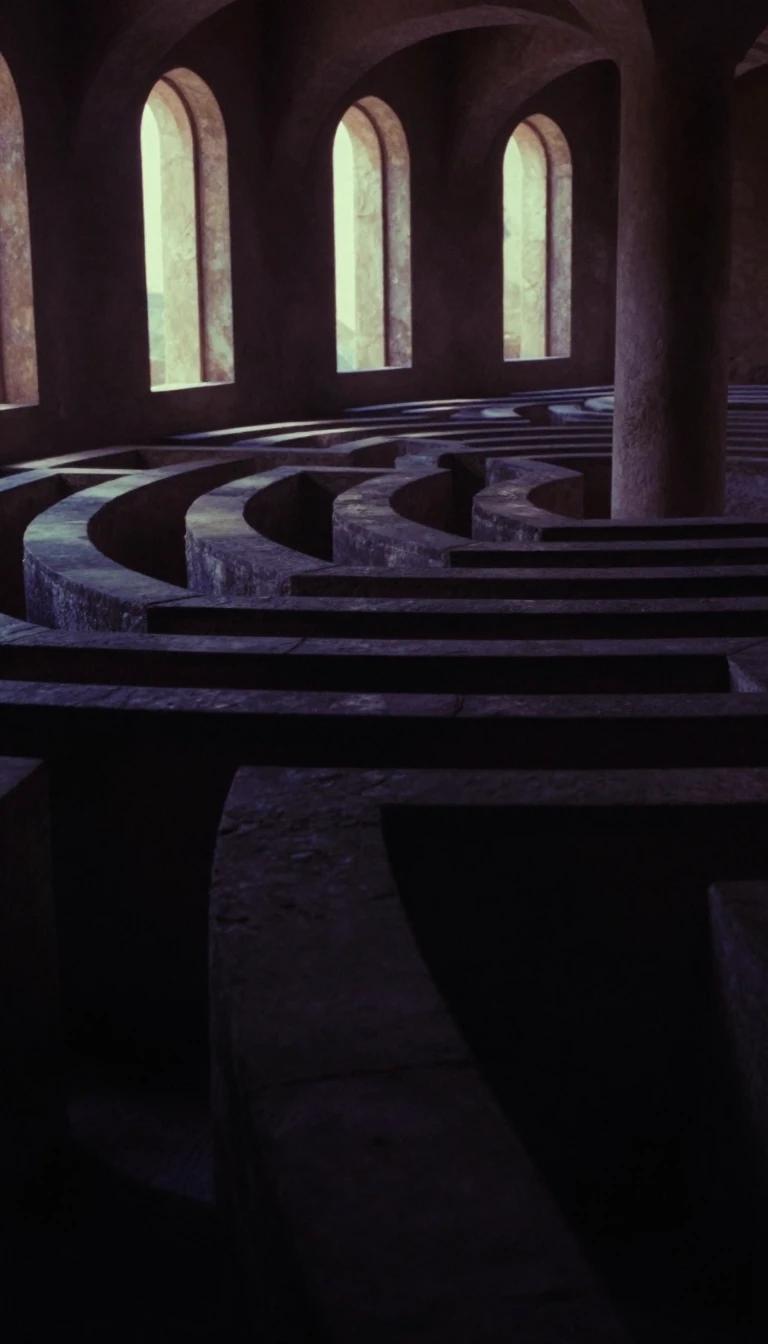 Toledo: How a Medieval Silk Powerhouse Transformed Into a Modern Bureaucratic CenterOnce a thriving cultural hub and the heart of Spain's silk industry, Toledo lost its political primacy to Madrid in 1561. While it survived as a manufacturing center for centuries…