 Intellect Plus
History
21,006 cards. Each one is a 40-second story with a five-minute read behind it. Page 260 of 351.
Subtopics: 19th century · 20th century · Africa · Age of Exploration · Ages & eras · Ancient · Ancient China · Ancient egypt · Ancient greece · Ancient rome · Ancient trade · Archaeological discoveries · Archaeology · Astronomy · Australia · Auxiliary historical sciences · Babylon · Basics · Born on this day · Bronze age · Buddhism · Case studies · Chefs, bartenders and winemakers · China · Cities · Climate · Columbus · Contemporary (1945-) · Cosmetics people · Crime · Criminals · Decipherment · Deep time · Disasters · Early modern · Education · Egypt · Empires · Empires & civilisations · Exploration · Explorers · Extinction · Fandom, conventions and festivals · History by continent and large region · History by continent and region · History by country · History by country, small region and city · History by ethnicity · History by subject matter · History by topic · Inca · India · Industrial Revolution · Japan · Kings & queens · London · Mass hysteria · Medicine · Medieval kingdoms · Medieval life · Mediterranean · Mercedes-Benz History · Mesopotamia · Middle ages · Military leaders and theorists · Military leaders, personnel, and theorists · Ming dynasty · Misconceptions · Modern · Modern (1800-1945) · Napoleon · Navigation · North africa · Other · Pacific · Pharaohs · Philippines · Pirates · Post-classical · Prehistory · Propaganda · Public health · Rebels, revolutionaries and activists · Renaissance · Researched · Second world war · Shipwrecks · Silk Road · South america · Tradespeople · UK & Ireland: history · United states · Vikings · Volcanoes · Women in history
 Was the Battle of Passchendaele the most pointless conflict of the First World War?This documentary examines the 1917 Battle of Passchendaele, where Allied and German forces endured over three months of brutal fighting. It explores the strategic necessity of the…
 Did the Allied naval blockade truly force Germany to surrender in World War I?Between 1914 and 1919, Allied warships cut off maritime trade to the Central Powers, resulting in hundreds of thousands of civilian deaths from hunger. This documentary examines w…
 Why did the massive Allied offensives of 1915 fail to break the stalemate?By 1915, the Western Front had settled into a brutal trench deadlock. This documentary examines the spring and fall Allied offensives, which resulted in some of the war's bloodies…
 Were the 1915 Eastern Front battles bloodier than the infamous Somme and Verdun?The first four months of 1915 saw massive, often overlooked combat across the Eastern Front. This documentary examines the brutal winter fighting in East Prussia, the Carpathians,…
 Why did the Habsburg Empire struggle to defeat its smaller neighbor, Serbia, in 1915?This documentary examines the 1915 Balkan Campaign, detailing how the Central Powers finally broke the stalemate in Serbia. It explains the strategic shift that forced a massive e…
 Why Italy’s 1915 entry into the First World War failed to meet expectationsItaly began the Great War as a neutral party despite its Triple Alliance ties. This documentary examines the country's strategic pivot to the Allied powers in 1915 and the immedia…
 As the First World War concluded, a brutal struggle for Russia began.This documentary examines how the end of the Great War triggered an escalation in the Russian Civil War. It explores the complex power vacuum where emerging Eastern European natio…
 How Amelia Edwards Transformed Travel and Trade Along the Ancient Nile ValleyThis lecture examines the diverse networks that have shaped travel along the Nile. It explores the history of Egyptian tourism, the infrastructure built by Western visitors, and t…
 What can fifty specific discoveries reveal about the history of Ancient Egypt?Dr. Stephanie Boonstra and Dr. Campbell Price preview their upcoming book, which highlights fifty significant finds from the Egypt Exploration Society's first century. This discus…
 A 4,500-year-old logbook reveals how workers transported stones for Khufu’s Great Pyramid.Archaeologists discovered ancient papyri at Wadi el-Jarf that detail the daily operations of a boat crew serving the Egyptian monarchy. This lecture examines these records, which …
 Beyond the Pylons: Discovering the Hidden and Overlooked Details of Ancient Egyptian TemplesWhile visitors often focus on the iconic pylons and hypostyle halls of Egyptian temples, many fascinating features remain tucked away or buried. From hidden crypts to architectura…
- Beyond the Gold: Reclaiming the Human Story Behind Tutankhamun’s Famous Tomb DiscoveryThe discovery of Tutankhamun’s tomb in 1922 is often reduced to golden treasures and colonial myths. Yet, the Griffith Institute’s archive reveals a far more complex reality. By c…
- Did Ancient Egypt design desert settlements to control amethyst production?This lecture examines how Egyptian officials used architectural design to manage labor and maximize amethyst output at remote desert sites. It challenges the assumption that these…
 Was the lost city of Al-Qata'i the true precursor to modern Cairo?Explore the grand, short-lived capital founded by Ibn Tulun in 870 CE. This lecture examines the history of the Tulunid dynasty and the remains of their ambitious metropolis, whic…
 Why the 1920s obsession with King Tut was about more than just goldFollowing the 1922 discovery of Tutankhamun's tomb, a global craze known as Tutmania swept across Western society. This lecture examines how the fascination with the boy king's re…
 How a Macedonian Greek Dynasty Transformed Egypt Before Its Final Collapse Under Roman RuleFollowing the death of Alexander the Great, a new Hellenistic-Egyptian monarchy emerged. For three centuries, this hybrid state fostered intellectual enlightenment and architectur…
 How Two Women Sparked an American Obsession with Ancient EgyptIn 1889, Amelia Edwards and Kate Bradbury embarked on a grueling lecture tour across the United States. This presentation reveals how their journey ignited widespread American int…
 Long before Napoleon, French monarchs plotted to conquer Egypt for centuries.Dr. Philip Mansel details the French presence in Egypt from the era of Louis XIV to the Bourbon Restoration. This lecture explores how spies, merchants, and scholars established a…
 What was the dazzling ancient Egyptian material known as tjehenet?This lecture examines the production and application of Egyptian faience, or tjehenet, at the site of Amarna. By reviewing 130 years of archaeological findings alongside new resea…
 Did ancient Egyptians attempt to surgically remove cancer thousands of years ago?New analysis of two ancient Egyptian skulls suggests early surgeons may have attempted to treat cancer, challenging the long-held historical belief that the disease was considered…
 Can ancient environmental shifts help us protect Egypt's fragile desert heritage sites today?The Theban Mountain in Upper Egypt is a desert landscape rich with human history. By studying how past climate fluctuations impacted ancient sites, geo-archaeologist Dr. Judith Bu…
 What happens to the forgotten scraps left behind by early archaeologists?Archaeologists often leave behind more than just artifacts. This lecture explores the Petrie Museum’s collection of mundane items—like food wrappers and old invitations—that revea…
 Can ancient water management techniques help us survive modern climate change in arid mountains?This lecture examines how traditional water systems in the Sinai Peninsula provide a blueprint for managing extreme weather. Drawing on two decades of field research, the presenta…
 How ancient Egyptian objects were woven into stories and modern collectors' personal narrativesDr. Leire Olabarria explores how storytelling shaped the meaning of objects in ancient Egypt and how modern collectors continue to craft new narratives around these artifacts toda…
 Can ancient mudbrick architecture help us predict the impact of modern climate change?The Amarna Project is investigating how extreme weather affects ancient mudbrick structures. By studying these historical sites, researchers hope to develop digital tools that tra…
- Forget the aliens: The true story behind the construction of Egypt's Great PyramidThe pyramids of Giza were not built by extraterrestrials or slaves. This exploration clarifies the historical reality of these monuments, examining the pharaohs who commissioned t…
 Nine women who defied social norms to map North Africa's hidden ancient historiesBeyond the traditional narratives of colonial exploration, nine remarkable women ventured into the harsh deserts of North Africa. From archaeological pioneers to daring adventurer…
 Fifty artifacts that reveal three millennia of ancient Egyptian history and daily life.This discussion explores the Egypt Exploration Society's new publication, which chronicles Egyptian history through fifty distinct objects. By examining both elite treasures and h…
 Beyond the spectacle: What truly defined the legacy of ancient Egyptian pharaohs?Explore the complex intersection of politics, monumental architecture, and royal power in ancient Egypt. This discussion examines whether the construction of pyramids served merel…
 Are Egyptian artefacts in museums priceless treasures or pieces of a larger puzzle?Museums hold vast collections of Egyptian items, but what do these objects actually reveal about the people who used them? This discussion goes behind the scenes to examine how ev…
- Was ancient Egyptian religion a tool of state control or a personal spiritual refuge?Ancient Egyptian religion operated on two distinct levels. While state-run temples maintained cosmic order through rigid, exclusive rituals, a parallel world of domestic worship a…
 How do we preserve the collective memory of those who unearthed ancient Egypt?Discover the story behind Who Was Who in Egyptology, a vital biographical archive documenting the explorers, collectors, and field workers who shaped the discipline. This lecture …
 Ancient Egyptian funerary texts were never books, but unique sets of magical spells.Dr. Christina Geisen joins the Egypt Exploration Society to trace the 2,000-year evolution of Egyptian funerary texts. Discover why these documents were not static books, but evol…
- Were ancient Egyptian artisans creative geniuses or anonymous cogs in a larger system?This discussion explores how we identify the hands behind ancient Egyptian artifacts. By examining maker's marks, scientific analysis, and the collaborative environment of Deir el…
 How ancient Egyptian coffins evolved from simple boxes into complex religious masterpieces.Explore the development of Egyptian coffins from their origins through the Third Intermediate Period. This lecture examines how materials, artistry, and religious texts transforme…
- What chemical secrets hide within the painted surfaces of ancient Egyptian funerary masks?This lecture examines the material composition of seven cartonnage objects from the Graeco-Roman period. By analyzing pigment degradation and chemical makeup, the research offers …
 How did Ancient Egyptians balance divine order with the messy reality of daily disputes?This lecture examines the legal institutions of Ancient Egypt, contrasting the philosophical ideal of Maat with the practical realities of courtroom proceedings. By analyzing spec…
 Were the mysterious mud trays in Tutankhamun's tomb actually ritual libation basins?Archaeologists once thought the four clay troughs found in Tutankhamun's burial chamber were simple stands for emblems. New research suggests a deeper religious purpose, linking t…
 Amelia Edwards: Was her Nile journey a quest for discovery or personal escape?Amelia Edwards is remembered for her famous travelogue A Thousand Miles up the Nile. This discussion explores the personal motivations behind her expedition, including periods of …
- From terracotta whistles to miniature carriages: how play has evolved through the agesExplore the ancient origins of play. This video traces the history of toys and games, using archaeological evidence to reveal how playthings have changed—and stayed the same—acros…
 Beer has been a human staple for thirteen millennia, evolving across independent global cultures.Beer is far older than many realize, with evidence of brewing stretching back 13,000 years. This video explores how ancient civilizations first crafted this beverage and how those…
 Why did Paris move millions of skeletons into a vast underground labyrinth?Discover the origins of the Paris Catacombs, a massive subterranean network created to solve a gruesome public health crisis. This video explores how an overcrowded 18th-century c…
- The brutal, bloody reality behind the fairy tales we tell our children today.Modern fairy tales often feel sanitized, but their roots are filled with gore. This video examines how the Brothers Grimm collected visceral stories in 19th-century Germany and ho…
- Castles were far more than just defensive walls against enemy sieges.Medieval European castles functioned as symbols of authority, private homes, and centers of regional governance. This video examines how these complex structures evolved over time…
 Why did humanity shift from fluid borders to the modern passport system?For most of history, travel was largely free from bureaucratic oversight. Kristin Surak traces the evolution of travel documentation, from ancient safe conduct letters to the mode…
 How have Latino figures shaped the trajectory of the United States throughout history?This exhibition tour explores the foundational role of Latinas and Latinos in American history. Featuring diverse biographies and cultural legacies, the presentation highlights ho…
 Can an ordinary object reveal the true meaning of American national ideals?Smithsonian Secretary Lonnie G. Bunch III examines the human narratives behind specific objects linked to American visionaries. This exploration highlights the ambition, courage, …
 The ambitious strategy to rebuild the Russian Empire on African soilExplore the geopolitical complexities and the striking vision behind a plan to recreate the Russian Empire within the African continent.
 How close did humanity come to total destruction on a single day?This video examines a historical moment where the world teetered on the brink of catastrophe. By exploring the intersection of history, geography, and science, it provides context…
- How fifteen ships became stranded in the Suez Canal for eight long yearsThis video details the story of the Yellow Fleet, a group of fifteen vessels trapped in the Suez Canal due to war. It explores the unusual circumstances that left these ships stra…
- Operation Downfall: The Massive Allied Strategy to Invade Japan in 1945This video outlines Operation Downfall, the American military strategy developed to invade Japan during the final stages of the Second World War. Understanding this plan provides …
- How a regional British accent once played a role in military strategy.This clip from the QI episode M-Places explores a historical anecdote about the strategic utility of the Yorkshire accent. It features host Stephen Fry alongside guests Alan Davie…
 Tracing the historical shift in the relationship between the United States and IranThis video examines the origins and development of the geopolitical conflict between the United States and Iran. It provides a historical overview of how these two nations transit…
 How did geometric triangles actually shrink the total land area of France?Jay Foreman and Mark Cooper-Jones explore the curious relationship between geometry and national borders. This video examines how mapping techniques and triangular calculations in…
- Can you actually join the House of Lords, or is it an exclusive club?The House of Lords has evolved significantly over the last few centuries. This video explores its historical transformation, the specific responsibilities of its members, and whet…
- Why the iconic London Tube map almost appeared in a completely different formatJay Foreman and Paul Kendler explore the history of the London Underground map, revealing how the design we recognize today was not the only possibility. This video examines the e…
- Why is North always at the top of our maps?This video explores the history of map orientation and questions why North is consistently placed at the top. It examines whether this convention has always existed and considers …
- Can three historical rivals truly merge into a single, unified nation?Geography Now explores the complex process of how three distinct, often adversarial groups or regions coalesce into one sovereign country. This video provides a foundational look …
 How a quiet medieval village transformed into a major London commercial hubWimbledon was once a sleepy rural settlement defined by its hill fort and manor house. Yet, the arrival of the railway in 1838 fundamentally shifted its geography, pulling the tow…
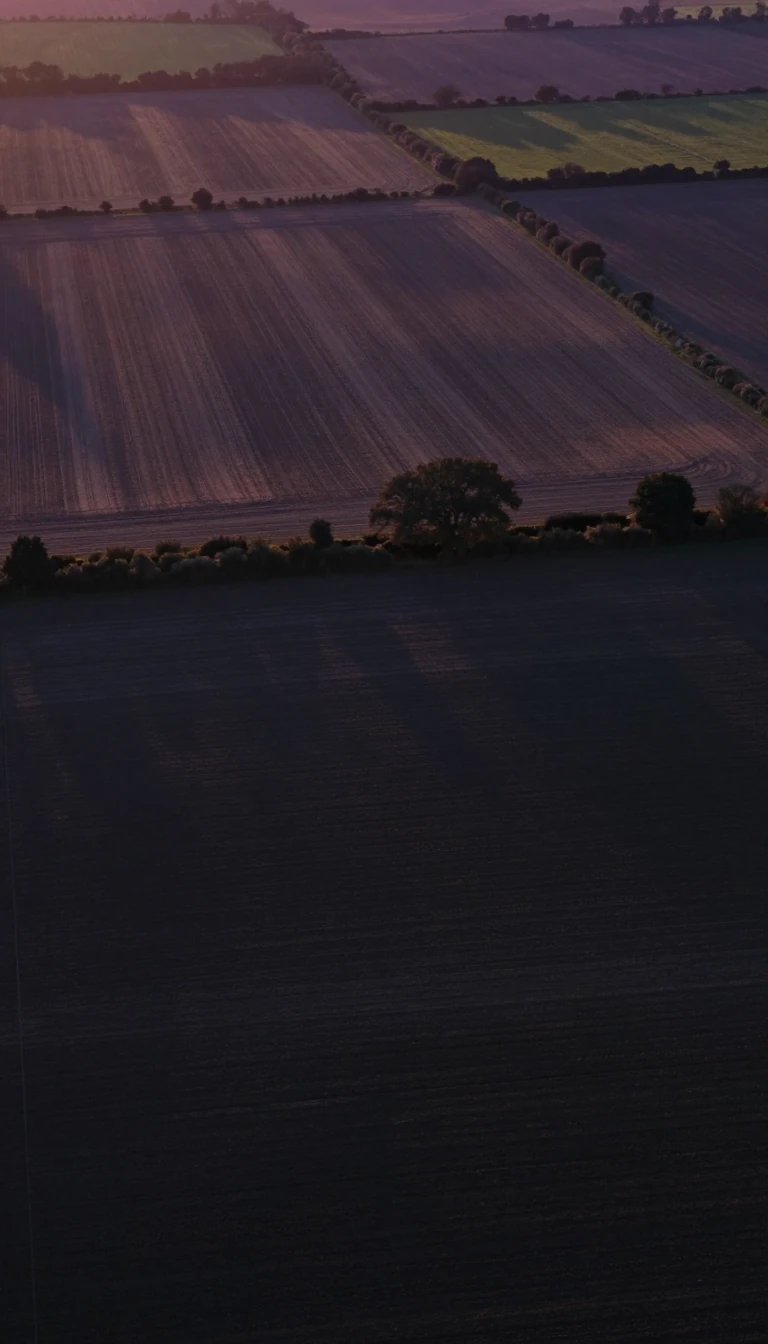 How England’s largest wetland became a man-made agricultural powerhouse through centuries of drainageThe Fens, a vast expanse of nearly 1,500 square miles in eastern England, were once a wild, marshy landscape of peat and tidal creeks. Today, this low-lying region is a vital agri…